69 pokedex entries by afilthycasual
Caterino must eat twice their weight in vegetation a day to prepare for evolution. They fiercely defend their territory from others of their kind to prevent food from becoming scarce.
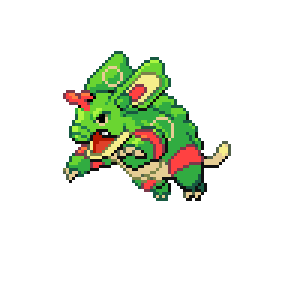
Metarino hang from tree branches while they sleep. If a strong enough limb is not chosen, they will wake on the ground. It is advised not to sleep beneath a Metarino's tree when camping, as its shell is harder than stone.

Metadisc silk is both strong and waterproof to keep it from being swept away by underwater currents. Due to the difficulty with harvesting, only the best scuba gear is made with it, though it is often prohibitively expensive.
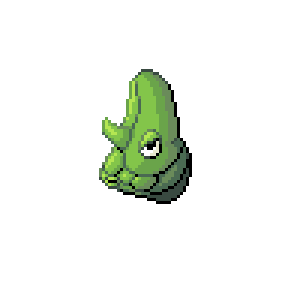
The angrier Metakey becomes, the harder its shell gets. If one is found in the wild, it will often be surrounded by chips of tooth, claw, and beak.
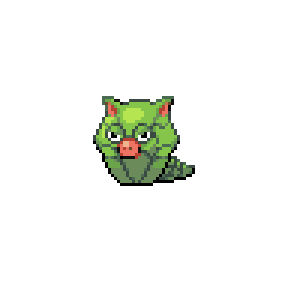
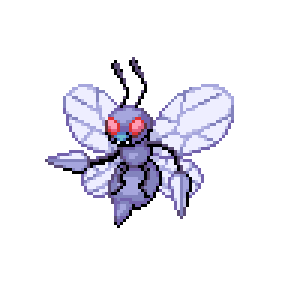
Butterpod's newly developed wings and various powders have granted it better methods of survival against predators. Its body is still extremely hard, leading researchers to question how such delicate wings allow it to achieve flight.
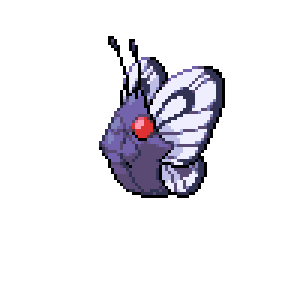
Butterdrill generates several types of venom with variations that slowly sap strength, cause paralysis, or knock their victim unconscious. It's believed the type of nectar Butterdrill recently consumed determines the kind of venom developed.
Startrio retains control of any of its severed limbs. These limbs regenerate into full Staryu which act in tandem with the original, creating a collective with a single mind.

Magiran often get stuck in tide pools. Their stubby legs don't permit movement on land so they hide in mud, using their toxic spines as protection from coastal predators until the tide rolls back in.
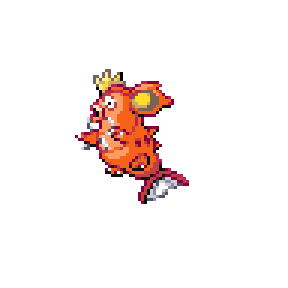
Schools of Magikarp are sometimes protected by one or more Magirina. They gather stragglers when the group is ready to move, refusing to leave anyone behind.
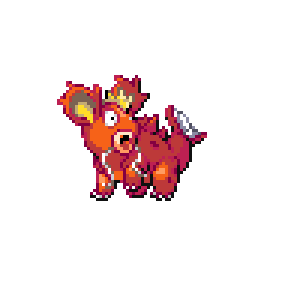
Weetata live in large social groups and have been observed to bump noses often. Researchers suspect this is a form of communication among the species. Leading theories suggest they are transferring scents of where the preferred food is located.

Gyararina are very protective of their siblings. Trainers fishing for Magikarp are often surprised by their savagery as they fight tooth and claw to save their brethren.

Eesaur enjoys rubbing up against its Trainer to show affection. Unfortunately, the plant-like protrusions exude an oil that creates an itchy rash in 85% of humans.

Smaller Pokémon will often shelter near Kakrina as their frozen forms work well in intimidating predators. However, once Kakrina evolves, the sheltering Pokémon often need to find a new home.

Pidrak are capable of both trapping and hunting prey. Hosting one of their webs in the eaves of one's house practically guarantees a pest-free home.

Pidtata's swift aerial movements and powerful beak make it a perfect pick for learning simple but effective strategies. This makes it a common first fusion for beginner Trainers.
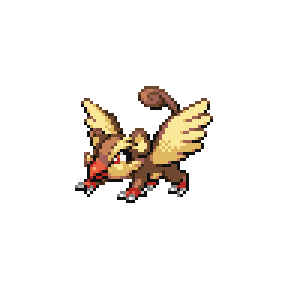
During the day, Hootdisc rest at depths where little to no sunlight can penetrate. They have internal mechanisms that do not require visual cues to tell them when night falls, allowing them to rise to the surface at sundown.
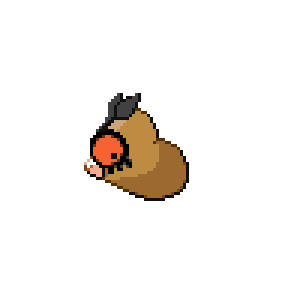
Trainers report seeing ponds of red water during the spring. This phenomenon may be explained by Ledywag spawning periods, when dozens hatch at the same time from submerged eggs.
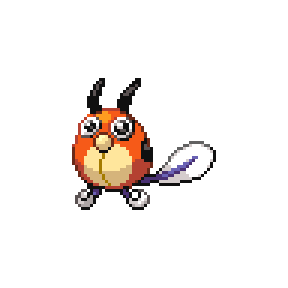
Ledwag spend much of the day underwater in safety but emerge after dark to strengthen their limbs on shore. More active on starry nights, they are constantly vigilant for nocturnal predators.

A shiny layer of mucous constantly covers its body that gets brighter the more starlight is absorbed. Trainers swear they can tell what mood their Ledwhirl is in based on this fluid's scent.

When the wind picks up, Spinapie uses its silk to balloon to more lush trees. It only does this in mild breezes where it can maintain control. If the wind is up and a Spinapie is spotted on the ground, a storm may be approaching.

Spinapod's legs and mandible set it apart from other fusions of its kind. They allow it to move around and consume food, unlike its stationary brethren that rely on stored energy to evolve.
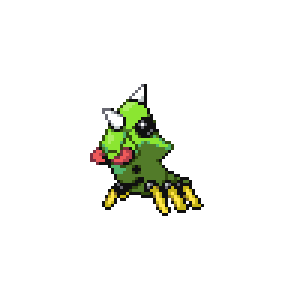
Spinadle's horn never stops growing. It tends to fork and splinter as a result of it rubbing its horn against rocks and trees to keep it at a manageable length. Bug Catchers sometimes collect these as good luck charms.

Spinauna use their mandibles to attach to trees while they wait to evolve, though some tire and fall from their perch. Reintroducing them to a tree will make them grateful, but many altruistic hikers have received a nasty bite.

With their exceptional hearing, Spinaran will find the homes of other Bug Types and set up their webs nearby. This invites unwanted competition from intelligent Flying Types that understand what the presence of these webs mean.

Spinasprout's vines are covered in a sticky poison that slowly seeps in through the skin; even mild exposure could result in a bad rash. It frequently hides in ivy waiting to ambush the unwary.

Before fusion became widespread, Pidgehoot were mistaken for injured Pidgeotto. Several Trainers had to hurriedly explain to Pokémon Center nurses that they didn't push their Pokémon too far in battle.

Pidgerak nests are held together with sticky silk and are often left in the open to lure in egg-eating predators. Unwary invaders may find themselves stuck and preyed upon in turn.

It generates static electricity through small muscle movements inside its shell. This can be used to defend from predators as well as communicate with other Pipod.

Its powerful bite is augmented by a weak poison. While this can be used to subdue prey, it is also capable of scavenging food such as Berries or even garbage. Its ability to survive almost anywhere has made it a particularly prolific fusion.
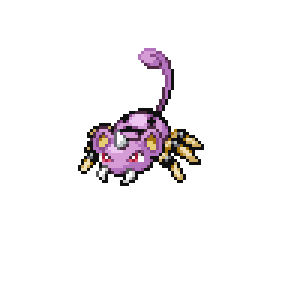
The success of Raticate's ability to find food for its colony makes it indispensable. Some of its members are forced to get stronger in order to help it move from place to place.

Wild Ratdisc are commonly found in forest streams and lakes. They've become quite proficient at stealing bait from fishing hooks and are thus quite the nuisance to patient trainers.
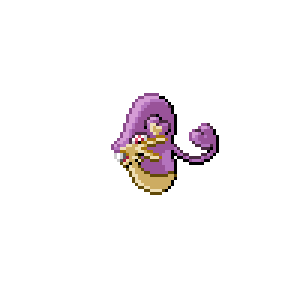
It will often bully other Pokémon in the area into sharing their food. If a rival encroaches on their territory, they'll try to menace each other. If neither retreats, an intense but short battle determines the victor.
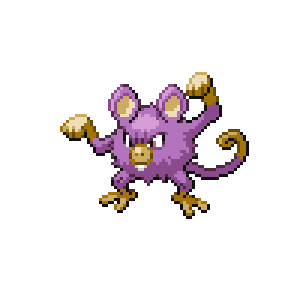
Murorb cannot build up much of a charge itself, so it siphons electricity from other Pokémon or devices. If it steals too much power it will explode, often accidentally.

Newly evolved Spearuna are commonly found in autumn at the bases of large trees, camouflaged under fallen leaves. Children may accidentally uncover buried Spearuna when playing in piles of leaves.
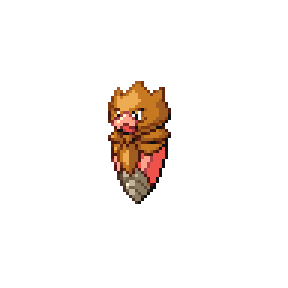
Speardisc live in schools to help protect each other from predators. When schooling in large numbers, their sharp beaks and swift strikes can even fend off hungry Sharpedo.
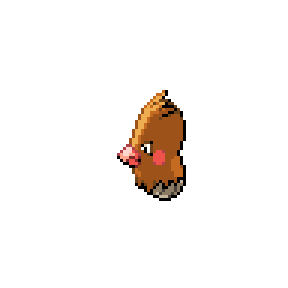
Clutches of Ekras eggs are laid in trees and other large fauna. These eggs slowly leech the life from their host and only hatch after it has completely withered away.
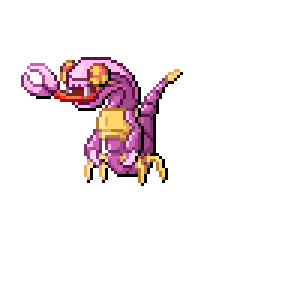
Tysaur combines debilitating effects with strong offense. The toxic vines on its head can be used to constrict and pull in foes, bringing them into easy reach for its powerful kicks.
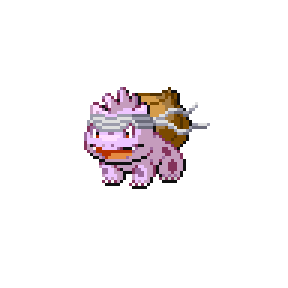
Despite its terrifying appearance, Arsect is a scavenger, so trainers need not fear it. A forest free of fallen debris indicates one may live in the area. Arsect's powerful claws are primarily used to crush fallen logs into bite-sized pieces.

Mimeran mimics others to attract playmates, though its antics occasionally enrage other Pokémon. When this happens, it defends itself with its toxic barbs. These attacks help it to perfect its mimicry.

Sandbuff who have recently sung roll in the sand. This is because many of their scales are shed when they sing, so they fill in the gaps with sand until their scales grow back.

Desert winds bearing a soothing melody at night indicate the presence of Sandpuff in the area. Trainers crossing the desert after dark are advised to plug their ears due to its sleep-inducing song.

This subterranean Pokémon surprises traveling Trainers by burrowing into their campsites and treating them to a song. When it sings, its scales vibrate, creating a sound similar to a cabasa.

Nidopod's poisonous pins are thin and easily broken; unwary or impatient predators can easily wind up with a mouthful of toxic spines. Supposedly, ninjas would use these discarded spines on clandestine missions.

Nidouna are rarely seen during the day, but often appear at night. It is unknown how they move, but they've been observed to follow the arc of the moon through the sky.

Nidorak's excellent hearing and eyesight make it a very successful hunter. Its venomous bite and spikes can inject enough poison to disable much larger Pokémon and can even make humans very ill.

Schools of Nidodisc make their homes among toxic coral. There, they can safely play amongst the colony, as potential predators can rarely get close.
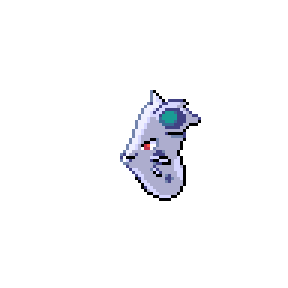
Nidodle are potential rulers of their colonies and so are often fed first and best. While they gorge themselves on preferred berries, other members of their colonies mostly subsist on leaves.

Wounded sea Pokémon are lucky to be found by Nidodisc. Regardless of species, they will surround them, threatening other Pokémon with their poison while their charge heals. They have even been seen escorting wounded humans.
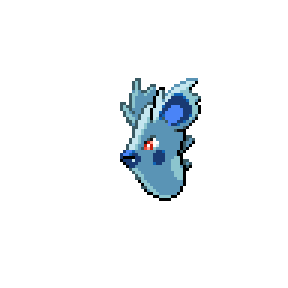
Nidodle utilize their strong noses to find ripe berries to bring back to their colonies. They don't have particularly strong venom and will often prefer to hide should they detect predators with their sensitive ears.

Its webs are so thin that most Pokémon might not even realize they've walked through one, but the poison infused threads will slowly damage anything making contact with it. Nidorak will follow, striking when their target is weakened.
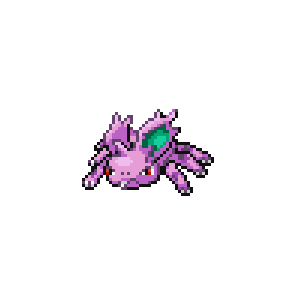
Their schools live among colonies of toxic coral. Adventurous individuals have been seen swimming beyond the colony to taunt predators, before racing them back to the safety of their coral homes.
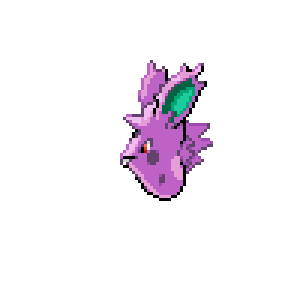
Nidopod's intimidating visage is a fairly effective first line of defense. Some people will carefully collect them and place them outside their homes to scare off pests. In exchange, they are provided a safe place to evolve.
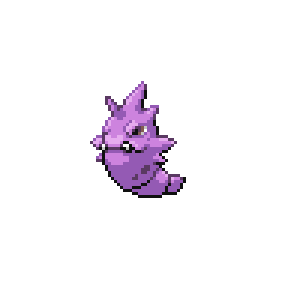
While their venom is strong enough to knock out most predators, Nidodle are still considered a last line of defense for their hive. Most will instead be put to work expanding the structure or rebuilding after an attack.
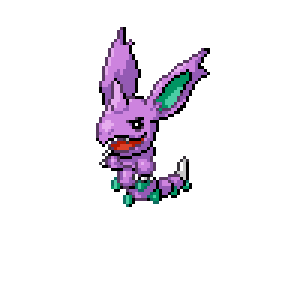
Oddto are primarily scavengers that live on the ocean floor. Their slow movements and leafy backs give them fantastic camouflage while also granting protection for small fish Pokémon that hide amidst their vegetation.
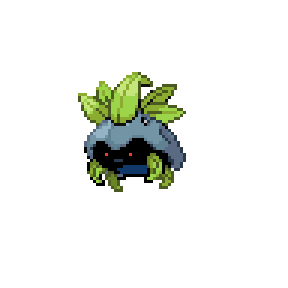
During the day, Forogue rests, storing energy to prepare for the night. After dark, it wafts a sweet aroma to lure in unsuspecting sparring partners. Each punch spreads the scent, attracting more foes.
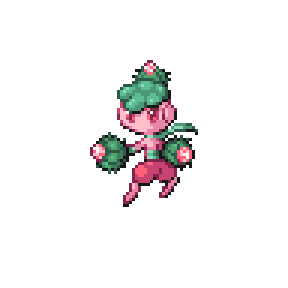
A very affectionate Pokémon, this fusion enjoys wrapping its body around a friendly Trainer in a warm but sticky hug. While the gesture is genuinely kind, the sticky residue must be cleaned immediately or sickness may ensue.
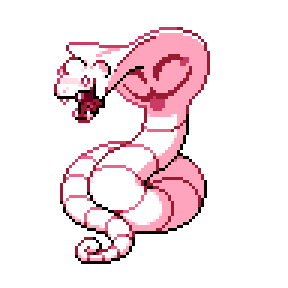
Slurbok's venomous saliva is so sweet that multiple attempts have been made to utilize it as a sugar substitute in candies. Unfortunately, all attempts ended with the consumer's teeth rotting rapidly.

When a full moon rises, flocks of Luvhoot come together for courtship in large bodies of water, turning the surface a brilliant shade of rose. Couples proposing on the shores of pink lakes are said to be guaranteed happy marriages.
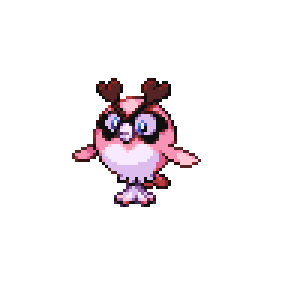
Many Luvdisc fusions are traded between sweethearts, but Luvtata serve a different purpose. Secret admirers frequently use Luvtata to deliver love letters or small gifts thanks to its ability to sneak into virtually any space.
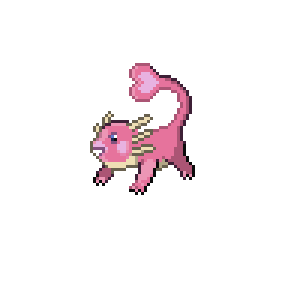
Just a small amount of toxin from this Pokémon will cause infatuation, neutralizing aggressors. In the past, unscrupulous individuals harvested this poison for the brewing of "love" potions.
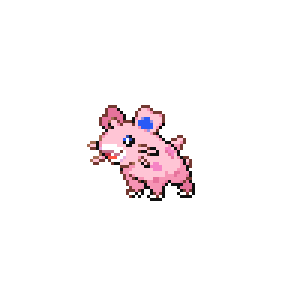
Luvrina poison induces a powerful infatuation that could last days. Some individuals have been spotted swimming with their spines extended, surrounded by a group of intoxicated Pokémon of various species.
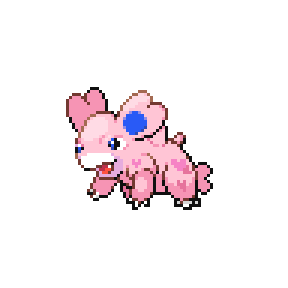
Traveling trainers will sometimes gift their significant others a Luvkey to defend them while they're away. These furious fighters do everything in their power to protect their charges for the sake of their trainer.

Meowrak have very strong silk, and frequently adorn their webs with metal trinkets and coins. Their silk is often harvested for use in headbands and hats to help keep decorative accessories in place.
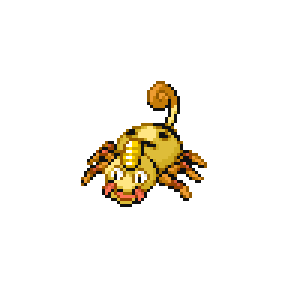
This aggressively territorial Pokémon needs a lot of energy to evolve, but spends most of it defending its favorite tree from other bug types. Therefore, it requires more than twice the amount of food compared to similar fusions.

Mandisc can be found near the surface during courtship, aggressively competing for attention. Sailors are wise to evade agitated water to avoid damaging their hull.
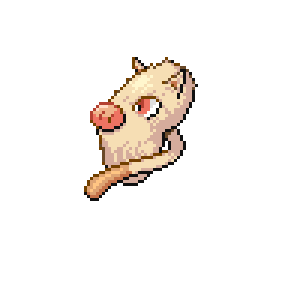
A welcome sight in berry farms, Abfree teleports from flower to flower, pollinating them as it goes. This uses quite a bit of energy, causing this Pokémon to sleep for most of the day.

Kadafree are very territorial, protecting their chosen flower patches with strong psychic assaults. What makes these flowers precious is being studied. Researchers theorize specific nectars increase their mental powers.

A scourge of herb gardens, Bellrak gather fragrant leaves to add to their webs. Whether they do this because they enjoy the scents or because it serves to lure in prey is being studied.

Farsire uses its leek to dig up fresh soil, which it works into its feathers when it preens. This forms an ecosystem that allows small vegetation to grow, creating a food source that is easily carried with it.
