285 pokedex entries by vic1312
Bulbatu spread their wings wide while basking in sunbeams, absorbing energy. The seed on its back grows larger over time. It is said that when the seed is ready, it will portend an enigmatic vision of the future.

Bulbama use their 360-degree vision to survey their territory, seeking sunny spots to nap for the day. They will settle in bright sunlight, gathering energy in their bulb over time.

Exeggonee are unable to float and instead roll about, seeking to gather with others of their species. They are drawn to use their strength in numbers to protect one another from threats, unleashing powerful Fairy-type attacks in unison.
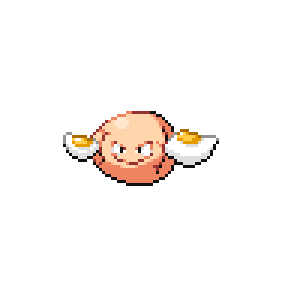
Exeggugon-Z are often the partner Pokémon of travel agents, as their tropical appearance can inspire clients to book a tropical getaway. Scammers take advantage of this association, using the likeness of Exeggugon-Z to defraud prospective vacationers.

Hormite trawl the seafloor, seeking wrecked ships and other metal detritus. They gather in great numbers, using their magnetic bodies to bring the salvaged metal to the edges of coral reefs, allowing the reef to expand.
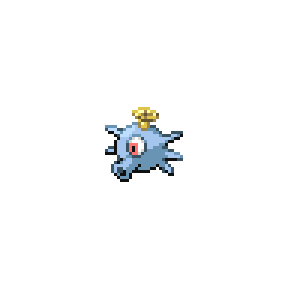
The torment of the 108 spirits that formed Spiritomb has been washed away by the joy of swimming. Seatomb have an optimistic, playful disposition and happily carve riverside boulders into elaborate slides with their strong horns.

Seabro are bumbling Pokémon who make no effort to defend themselves in most circumstances, preferring to laze about. Their strong horn could allow them to put up a defense, but Seabro does not often put in the effort to do so.

Magdra gather in large schools near hydrothermal vents and drink in the ash and mineral plumes belched out by the vents, stoking their internal flames to extreme temperatures.
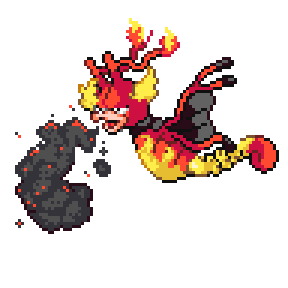
Weeian flies on starlit nights, glowing venom dripping from the stinger on its tail. It will trace the patterns of unknown constellations in the dirt with its stinger. Astrologists record the patterns, seeking meaning.
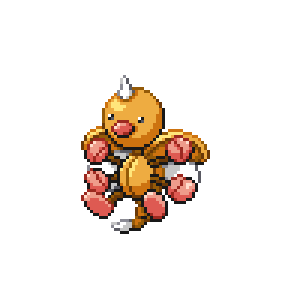
Lapcargo precipitate minerals out of the water to form their shells through lithification. They constantly shed nearly pure water from their body as a result.

The amber that is part of Aerotomb is often found buried deep in the earth, where it spent many years slumbering, absorbing ancient energy from fossils. Their wings are edged with razor-sharp stones that slice through both flesh and spirit.

Zapnx reside near power plants and other electrical management facilities. Their feathers dazzle in the presence of loose electricity. Maintenance crews keep an eye on the local population of Zapnx to stay ahead of facility maintenance.
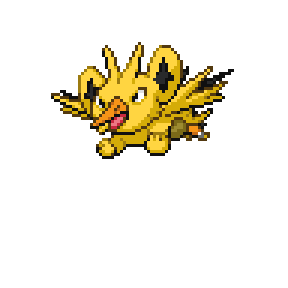
Molma reside on ancient mountain peaks and survey their territory in small squads. They monitor the environmental factors that can lead to widespread wildfire, burning excess dead plant material prior to the summer to remove ladder fuels.

When threatened, Beedra retreat into their hive-like shells, encouraging the swarm they house within to attack. The honey-like goo that their bodies consist of is high in sugar and protein, prized by people who exercise frequently.
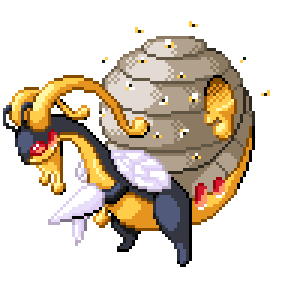
Possessed of a potent psychic power, Mewgrowth will use their vines and telekinesis to ensnare their victims with crushing strength. They have a vengeful streak and may hold grudges against those who violate their territory for an extremely long time.

Crocoluff catch winds coming down from the mountains during storms and fly through the air with their jaws agape. When they violently slam into prey, they latch on with their strong jaws, never to let go first.

Merrily swimming through kelp forests, Lantump provide bright light from their orb-shaped organs. They make great partners for divers and swimmers, especially those that enjoy a midnight dip in the ocean.

Igglytler learn early to ram their targets with their stubby horns. Their pliable bodies let them play very roughly with one another, gently bouncing off the ground when they tumble.
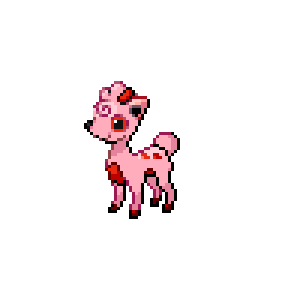
Bellcorio will dance merrily in flower fields, coating themselves in pollen and flower petals. They will then travel back to their nests, sharing the nutritious pollen and petals with their nestmates.
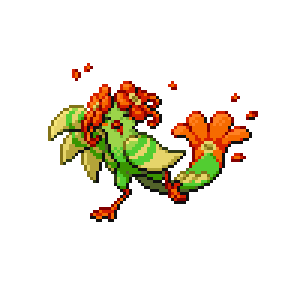
Azumasion dutifully clean the outside of the membrane around their body, ensuring that none of the detritus they encounter while swimming can disrupt it. This fastidiousness is a product of their multiple brains working in tandem.

Polikarp are not skilled swimmers, and are often tossed about by the currents of the rivers they reside in. The curled fins on top of their heads help establish a pecking order among schools, with the most impressive fins earning royal treatment.
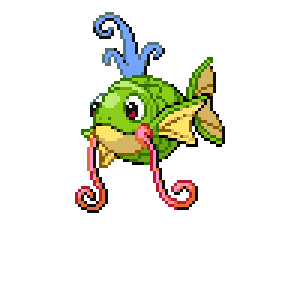
Filled with restless energy, Poliroth regularly battle one another in the ponds they call home. They seek to triumph over their rivals and become the ruler of their peers. They will pummel their opponents with their clenched fists or quick tongue.
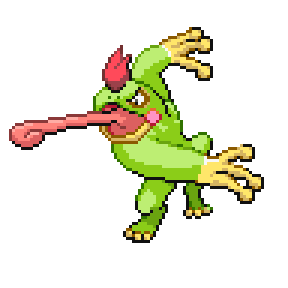
Residing along the banks of forest creeks, Polisect release spores into the flowing water while they feed. Due to this essential transfer of nutrients to downriver habitats, some researchers have started calling them the King of the Food Web.

Sunlade gather on sunny days to pair off and spar with each other, making sure to respect their opponent with honorable practices. This valor has been highly prized historically, with artwork of Sunlade appearing in medieval manuscripts.

Yanma have an unparalleled field of vision, making it very hard to sneak up on them. Historically, rural communities would use them as scouts and alongside guards, as Yanma are quick to alert their Trainers if anything is amiss.
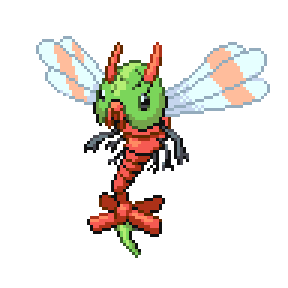
Yanown travel in thick swarms, working together to take down larger prey. They latch on with their pinchers at their base and buzz their wings in unison, lifting things much larger than themselves.

Yanphan's impressive field of vision is restricted by their bulk, and they get incredibly frustrated by things surprising them. They deal with their frustration by ramming their tusks into nearby trees, disrupting treetop Pokémon constantly.

Yanlax break into the winter stores of Rattata and gorge themselves on berries. Unfortunately, they stuff themselves so full that their small wings cannot get their rotund little bodies off the ground.
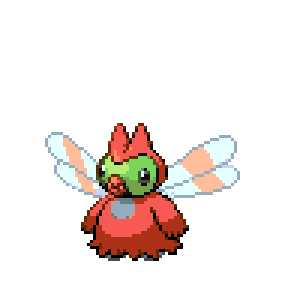
Flitting among the treetops, Yanfeon feed on the new growth of trees to supplement their photosynthesis. Their speed is unmatched, and they delight in chasing other canopy-dwelling Pokémon.
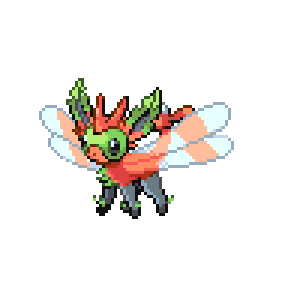
Yanchomp blast through the air at high speed, flying over the marshes they call home. They frighten smaller Pokémon from within the marsh grass, flushing them out into the open and descending in a vicious fervor.

As the sun sets, Yanblim rise into the air on the warm updrafts produced by the swamps they call home. They utilize the large, compound eye on their underbelly to spot a new place for them to land and rest at during the day.

Quagma can only fly in short bursts with their pudgy wings. They blunder about in the air, bumping into things before splashing back down into the marshlands they call home. They like eating berries that have been soaking in water.

Quagria mix the mucus they secrete with soil to create a rich, fertile mud. This mud mixes into their fluff and becomes effective camouflage as marsh plants take root within. Mated pairs of Quagria keen in the evenings, their cries echoing harshly.
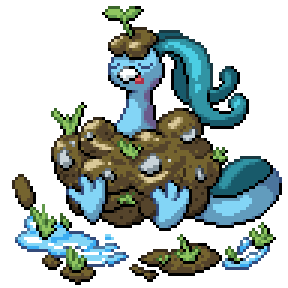
Swimming through muddy water, Quagselia release magical particles which improve the quality of the water and give it an enchanted appearance. Swindlers have bottled this water and peddled it as a miracle cure-all, despite it being truthfully mundane.

Espgon-Z enjoy eating any data that attempts to predict the future. One can find them residing within systems that host things like sports betting and meteorological data. The orb on their head glows brighter when predictive data nearby comes true.

Ivyma hunt regularly, landing sideways on trees to consume their prey. The buds that emerge from their back and tail tip grow heavy as they get older, and their strong legs become thick and strong to support them.
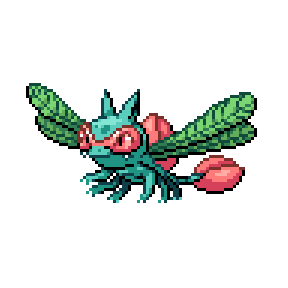
Usually a docile Pokémon, Wobdos keep to themselves in the rivers they call home. However, if the river is disturbed by large boats or human construction, they will go berserk and remain violent for weeks. Many have impeded riverside development.

Granma are attracted to the sweet smells produced by baking and are often drawn out of their habitats to flit near bakeries and home kitchens. They are particularly fond of citrus-based treats.

Qwilicate live in small family groups in brackish waters, digging out dens underneath mangrove roots. The largest member of the pack often physically blocks the entrance of their den. This blockage is accomplished by inflating their body with water.

Qwildon fills its hollow head shield with water when threatened, using its larger appearance when inflated to ward off predators. The sharp spines around its shield offer a secondary defense if a predator attempts to take a bite.

Heracargo seek out amber, melting the fossilized tree sap down and feeding on the byproducts produced. The portions of the gems that they cannot digest are integrated into their shells.

They seek out the bitter sap from plants that are avoided by other bug-type Pokémon. They combine this sap in their gut with a sandy grit, creating a substance that makes a great base for toothpaste.
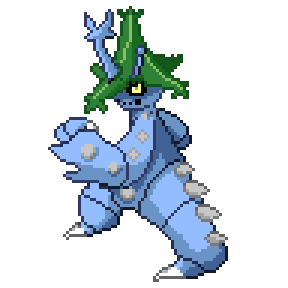
By reading air currents using the fine fur that covers their bodies, Sneaeon predict the feeding patterns of nearby Flying-type Pokémon. Sneaking into nests under cover of night, they will poke holes in eggs and slurp up the nutritious innards.
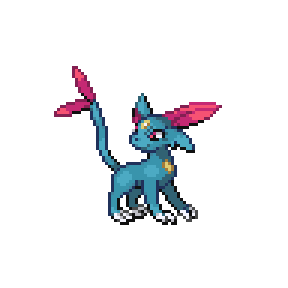
Magdactyl live on the peaks of extinct volcanoes that have not erupted for centuries. Their presence can sometimes give geologists a fright, as their glowing bodies in sufficient numbers give the summit the appearance of an eruption.

Magcuno draw magma from volcanoes and cool the surrounding air to create magma rock. They tend to craft esoteric sculptures depicting themselves and other Pokémon. Artists will sometimes make pilgrimages to their nesting grounds for inspiration.

Magrita whip the flame that issues from their head to defend themselves. Magrita seek out fragrant vegetation to consume, cutting down the stalks and drying them out. Healthy Magrita emit a sweet, aromatic smoke thanks to this diet.

As their sense of celestial objects has been dulled due to their connection to fire, many Magfa confuse rocks exploding from volcanoes for falling meteors. Magfa will dance as the falling rocks hurtle towards them.

Magbuff gather together to dive deep into magma chambers within the earth. They do this for fun, as the building pressure leads to erupting lava fountains. This launches the lightweight Pokémon into the air, where they merrily fall to the earth.

Magdour coordinate in large packs with varied cries when hunting. They work together to drive prey much larger than themselves off cliffs, relying on the impact to disable their meal. If the fall is not fatal, Magdour close in to roast the Pokémon.
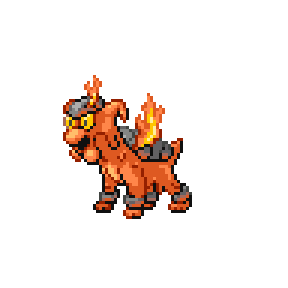
The dens of Magdoom are often mistaken for lava tubes by geologists. This is due to their habit of smoothing the stone they sleep upon with their heat. When truly threatened, they can fully retract their magma bodies into their shells.

Magoh ingest and melt rocks within their crop, a stomach-like organ located within their throat, allowing them to absorb the minerals necessary for sustaining their flames. Magoh use the magma byproduct as a nasty, burning projectile in battle.

Magsly sob hot, magma tears that cool slowly and are employed in spa retreats as a result. They are placed in steam rooms to produce sauna stones or paired with a massage therapist to assist with hot stone massages.

Magbusken train as often as they physically can, running around the volcanoes they call home. They also train against fallen logs, loosing multiple kicks per second into the wood. Foragers gather the remains, as the logs become premium charcoal.
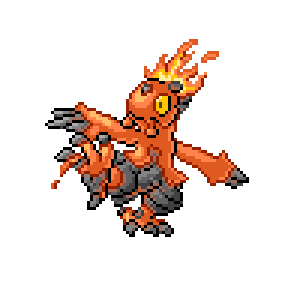
Magdoof regularly gnaw on volcanic rocks to wear down their teeth. Trainers that raise them need to supply them with a steady source of rocks. Otherwise, they grow bored and begin gnawing on furniture around the Trainers' home.

Despite their magma bodies, Magrith enjoy being submerged and are often found residing near hydrothermal vents in the deep sea. Early Trainers would house Magrith in large, elevated vats near their homes, creating primitive hot water heaters.

Magaldo possess hardened magma armor of incredible strength. That, paired with their enormous claws, makes them a powerhouse of defense and offense. They are highly prized by Bug-Type specialists for their strength.

The shield of hardened magma on their front absorbs the strength of frontal attacks as a layer of liquid magma distributes the force through their whole body. The forces acting on their bodies pressurize the lava they blast in retaliation.
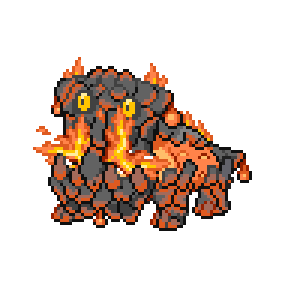
Magnape train their agility relentlessly, working to limber up their magma bodies. Their training makes them dedicated partners for experienced trainers, and their burning hot limbs complement their advanced martial techniques.

Magsharp reforge their blades using the heat of their magma bodies after each hunt. They are sometimes ambushed by rivals when maintaining their blades. Magsharp who can fend off attacks with dull blades are considered apex specimens in the wild.
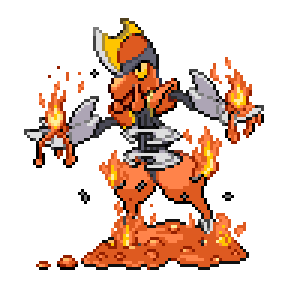
It is said that Magfairy emerge from volcanic pools to dance on moonlit nights. They collect moon stones and attach them to their rocky shells.
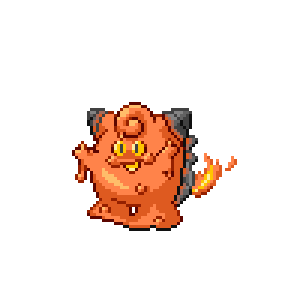
Magloom scatter sparks from their caps that can start small fires. Groups of them are often brought together to ignite ritual bonfires at solstice celebrations. They engage in combat with one another at these events, providing a steady drumbeat.
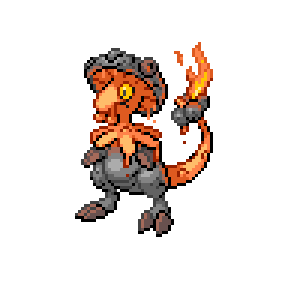
Magnette are revered as defenders by certain northern communities, as they burst from lava pools when someone intrudes into their volcanic territory. However, researchers now know that Magnette are playful and pop out to scare people as a joke.
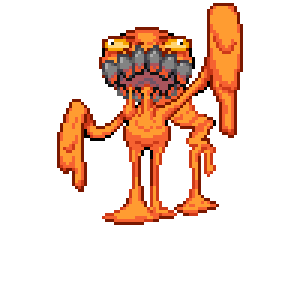
Magrigus possess an intimidating appearance and often scare explorers who stumble upon them. Truthfully, they are quite friendly and offer their rocky bodies as a bridge across active lava flows, using their arms to grip each bank.
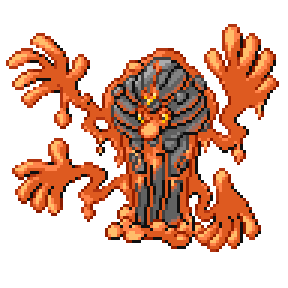
The volcanic rock scales on the body of Magrona can move at their will. They use this to defend their viscous bodies from impacts when flying through eruptions. It is said that the arrangement of scales may mean something to other Magrona.

Magtios struggle to take flight on their own due to their bulky bodies. They position themselves within future eruptions to launch themselves in the air. They will fly towards strong sources of emotion once airborne, often passionate Trainers.

Magrachi were once thought to grant wishes to those who cast something beloved into flames. A volcano-obsessed cult used to venerate them, conducting regular ritual sacrifices in their honor.

Due to their instinct to dam up flowing streams, Magbarel are often deployed by disaster mitigation teams at active volcanic eruptions. Using a combination of cooling magma and rocks, they redirect lava flows away from nearby towns.
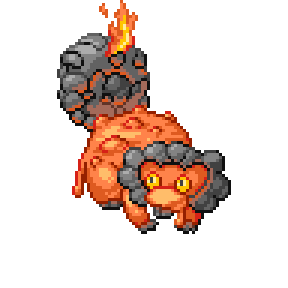
Magmander shed drips of lava and the scales along their bellies occasionally. Trainers who raise Magmander often have the small, fragile scales polished and turned into jewelry.
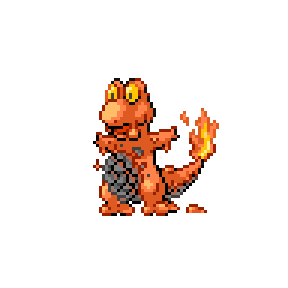
With a body consisting of hardened volcanic ash, Magdew seal their bud to protect the pilot flame within. The magma at their core carries toxic materials within, making the ash that blows off them hazardous to breath.

Magish glide along the slopes of recently erupted volcanoes, consuming rocks that contain heavy metals and leaving behind soil primed for new plant growth. Island communities prize them for their restorative capability post-eruption.
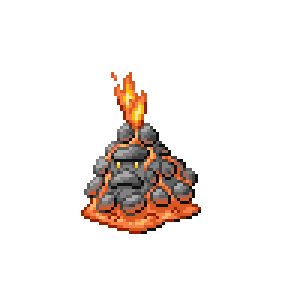
Magxew possess a horn of volcanic stone. The shards they shed as they age and grow are incredibly sharp. People in ancient times would collect these shards to use as cooking knives.
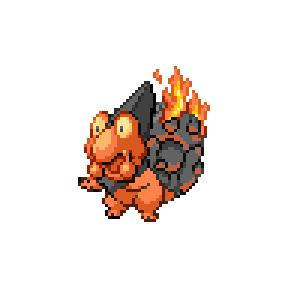
Magvanha travel through the planet's mantle, seeking explosive volcanic eruptions. They travel in vast schools, with some scientists postulating that in sufficient numbers, they can trigger eruptions due to their migration.

Capable of super-cooling magma near instantly, Magrorus can walk straight across magma pools, provided they are moving at a steady pace. The shards of volcanic glass they leave behind were historically prized by local indigenous groups.
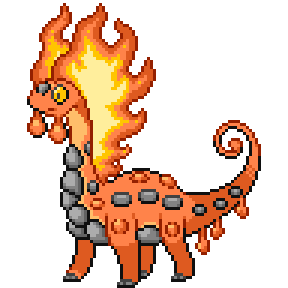
A thick shell of volcanic rock covers their head, it is relatively brittle but distributes force effectively. This defense protects Magpin from most blows to their head. They will retreat to allow the shell to repair itself when broken.
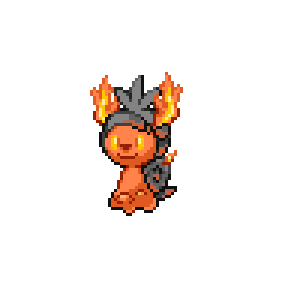
Magmeleon have sharp but fragile claws that they use to tear their foes apart. The volcanic rock scales they occasionally shed were once collected by ancient peoples. They used the scales to line their weapons and decorate ritual accessories.
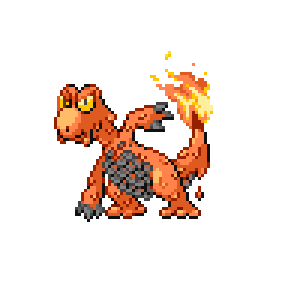
Magdol are often found residing in ruins of ancient cities destroyed by volcanic activity. Archeologists and explorers who encounter it are advised to flee, as it blasts intruders with blazing hot beams from its hands.
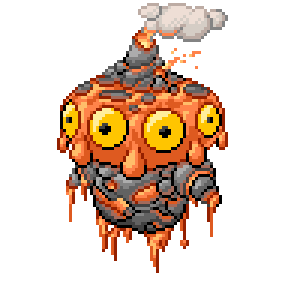
When sealed and submerged, Magperl appear to be a mundane rock. This confounded geologists who observed seemingly random hot springs appearing overnight. Traditional communities at higher elevations have used Magperl for heating for centuries.
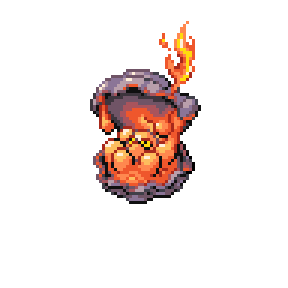
Despite the often laborious movement of magma, Magnine are incredibly fleet-footed Pokémon. They form their shells from lightweight pumice instead of sturdier cooled magma rock. The jet of fire that arises from their shell flares at high speeds.

Magsprout move their thin, ashy bodies in short, jerky movements. When threatened, they blast balls of magma at their attackers from their mouths. The ash from their bodies contains extremely high concentrations of heavy metals.

Residing in the waters around polar volcanoes, Magong raise their young on large pumice islands. Their shells are also composed of pumice, which helps Magong control their buoyancy while diving.

Mimicking coral within tide pools, Corwoodo remain still. They react dramatically when touched, controlling sharp blades of water to blast back predators. The water that tips their arms is very rich in minerals and may precipitate crystals within.

Corcargo travel to places where coral reefs have fallen prey to bleaching, bringing young, healthy corals along on their shell. Droves of Corcargo will gently transplant the new corals, working to restore what the ocean has lost.
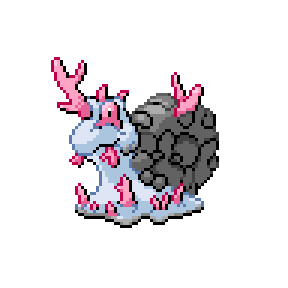
Skarpom clear-cut new growth in their dry desert habitats, leaving no places for their prey to hide. When threatened, their sharp, prehensile tail slashes out, leaving their attackers with deep cuts.
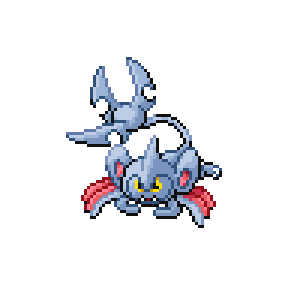
Hounzagoon hunt in small packs using scent. They will pursue prey in evasive, zigzag maneuvers while communicating using a variety of cries. They rarely fail to capture their prey thanks to their confusing hunting pattern.
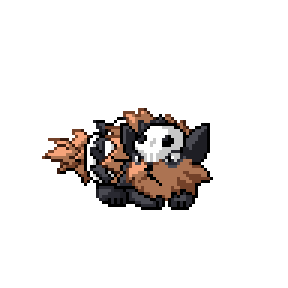
Donras have incredible strength compared to their size and use their trunk to pull up whole shrubs to snack on. The spores that the mushrooms on their back produce are a major component in a popular herbal pre-workout.
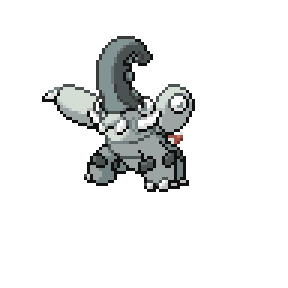
The flames on its back derive their color from the pigments contained in the plants it consumes. Paint chemists often mix small samples of the materials they've bought into its food to verify the quality of the pigment.

Tyble train relentlessly, charging at boulders and cave walls with their sturdy bodies. They inadvertently open up small nooks, where smaller Pokémon will nest in during their pursuit of combat excellence.
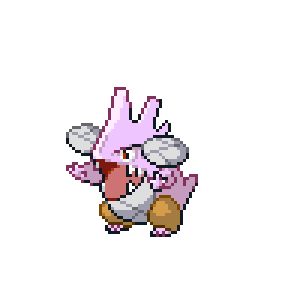
Smootres are wreathed in burning flames, which give them an imposing cast when flying through the boreal skies they call home. They are not so impressive when they land, as their legs are ill-suited for walking on ice, slipping easily.

They tend to move about in small herds, often numbering around five to ten individual Milrunt. They produce a powdered milk with a consistency of shaved ice. This frozen treat is flavored with syrups and fresh fruit and served in the summer.

The data within the eggs that Blisgon-Z carry about has become corrupted and will never hatch. Blisgon-Z obsessively hang on to their egg in the hope that the right Trainer will be able to repair the files within.

Enroc will remain relaxed for most of the day, waiting for midday. At noon, Enroc will howl and form large packs, tracking down their meal for the day. This explosive burst of energy evokes the sudden eruption of a volcano.

Wypert build levees out of boulders to protect their seaside habitats from erosion. Their resilient, squishy bodies come in handy when their constructions inevitably fall on top of them.
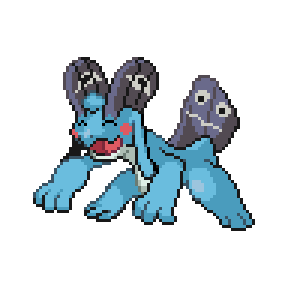
Ambiroc use their long, dexterous tail paws to launch themselves into action, quickly repositioning in combat or play. They are often found nesting near collections of rock spires, leaping between them in impressive feats of acrobatics.

The shimmering heat haze that Mimelosion can conjure forms impassable barriers. The barriers eventually collapse as the heat diffuses in the air. Circuses often employ Mimelosion to create near-invisible barriers underneath acrobat performers.

Happibat gather small round things, often pebbles, marbles, or seeds, and bring them back to their nesting sites. They will construct mound-like nests consisting of these items, and will often carry the most prized item they've found in their pouch.

Every day, they will eat their body weight in berries, picking and examining each fruit they come across, discarding the unripe ones. Wild Munchpom are considered pests within berry orchards, as troops can ruin a farmer's harvest for the whole year.
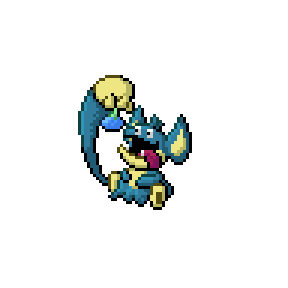
Despite having a large appetite, Munchloon can't eat much in a single sitting. Munchloon will spend a large portion of their day floating in and out of the branches of berry plants, plucking one or two ripe berries at a time.

Magnefa are small and sensitive to electrical signals. Mechanics and engineers will employ teams of them to scour engines during and after repairs, seeking electrical faults.

Magnepuff communicate over radio waves just outside the frequencies that people utilize. Radio hobbyists often adopt them as a mascot. This is despite the fact that accidentally tuning into their frequency will put the listener to sleep.
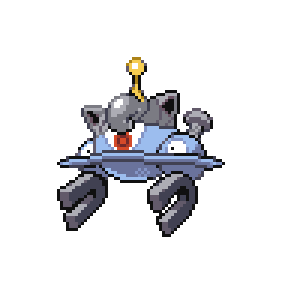
Electikiss uses its twin tails to shock its Trainers if they become overcome with negative emotion. Trainers who raise Electikiss dutifully are rewarded with a cool head in battle and a partner who fights relentlessly.

Leafpom seek high tree tops during the early morning, basking in the early sun to photosynthesize. They gather the energy necessary for a whole day's worth of foraging and play with just a few hours of sunbathing.
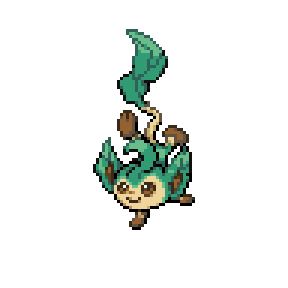
Leafrupt make their homes on the slopes of dormant volcanoes, consuming the rich, fertile soil. They till the soil and scatter nutrients they didn't use, encouraging the growth of lush meadows and deep forests in their wake.
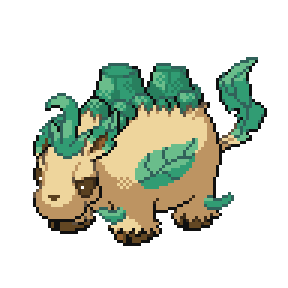
Poryleef store analytical data on various scents within the bud-like packets around their neck. They utilize this information to produce various smells to elicit emotional responses from their Trainers, such as pepping them up.

Porypom are infamous among online communities due to a malicious program coded with their likeness. There is a pervasive cultural idea that Porypom can be annoying. However, Trainers who raise them find them to be helpful, responsive partners.

Treescoon gather in large numbers within a massive tree in the forest, covering the canopy in green silk. They inadvertently cut off nearly all sunlight from reaching their tree, weakening it over time.
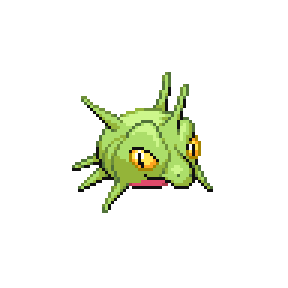
The leaves that grow from Groleon's body have a razor-sharp edge. Groleon use their leaf-bladed flippers to chop their way through the undergrowth, allowing them to navigate the dense jungles they call home.
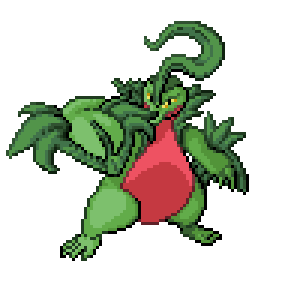
Comnoone are frequently employed by firefighters for their ability to ignite flames in a straight line behind them. Forest maintenance and controlled burns have been revolutionized with their assistance.
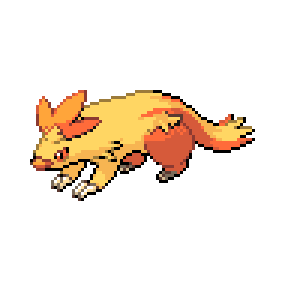
Heaving with all their might, Mudtile can topple mangrove trees. They build crude corrals using the felled trunks, trapping small fish Pokémon within. This offers Mudtile a controlled place to practice fishing.

Mudtang train relentlessly against boulders around their seaside homes. Their strength can turn even the sturdiest stones into fine sand. They have found utility as assistants for mechanics at concrete plants, helping break compacted clogs.

Mudsect wander along shorelines until they locate a sufficiently large tree. Upon locating one, they emit spores that signal to other Mudsect to gather. Once a number of them have massed, they uproot the tree, feasting on the nutritious roots.

Marshphox gather sea foam and mix it with the mucus they secrete, creating a slime-like substance. They use this substance to draw esoteric symbols on seaside cliffs, which get washed away in the next tide. The purpose of this behavior is unknown.

Swampking gather in droves within mangrove swamps to loaf about in the muddy, brackish water. When disturbed, they erupt into a violent frenzy, using branches to beat off their opponents.
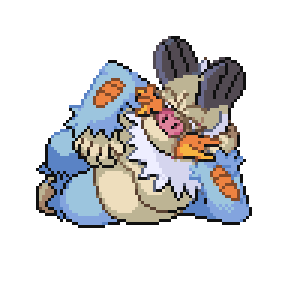
Communities that experience extreme flooding often employ a small team of Swampnoone who assist engineers in constructing levees. Their ability to measure out straight lines with their large tail fin is invaluable in their task.
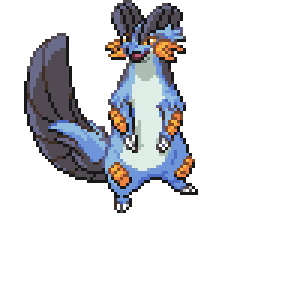
Maintaining its cohesion with prodigious psychic might, Gardeton can rarely be separated. Its capabilities are expanded, supplementing its psychic power with magnetic energy. It uses these twin sources to defend the trainer it has bonded with.
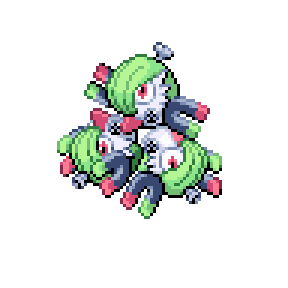
Biphox choreograph intense dances that incorporate long streams of water issuing from their twigs. These dances serve as a focus for them, facilitating a state of meditation that empowers their potent prophetic abilities.

The scent emitted from the stone-like body of Spirileef energizes spirits and Ghost-type Pokémon near it. They are often utilized by spirit mediums and psychics as a means to empower the spirits they interact with to make a connection with them.

Spiribat fly about during autumn, possessing other Pokémon who are then compelled to part with a portion of their food stores. The possessed Pokémon transport this portion to Spiribat's cave, where it happily enjoys its food all winter long.

Despite their sleek, streamlined appearance, Spirichomp are lumbering, heavy beasts. Their spiritual energy is dense with power and their heavy armor lends itself to brutal attacks with their sharp arms. Their attacks can leave deep rents in the earth.

Spirialdo ambush their prey, which are often Rock-type Pokémon searching for minerals. Fossil hunters and paleontologists are often attacked by wild Spirialdo while caving. They have garnered a reputation as vengeful spirits that defend fossils.

Sneaking into homes, Spirinette will nestle themselves into beloved plush collections, settling in and feeding on the love imbued into the toys. Trainers who notice Spirinette in their home find them to be fiercely loyal and trusting partners.

Spiriroc act like they are in pain, howling plaintively. When Pokémon investigate the seemingly wounded Spiriroc, they lash out with a sharp headbutt, dazing their prey. Howling triumphantly at each victory, their cries echo with many voices.

Spiriphox possess esoteric energy that can phase their stone-like body in and out of existence. The waves of ghostly, magical energy create rings that obscure the body as it presumably moves, giving it a staccato motion.

Spiribyss siphon energy from their prey with the tendrils of spiritual energy that twine around their body. The green sections of their body shine brightly after feeding, flashing eerily in the dark.
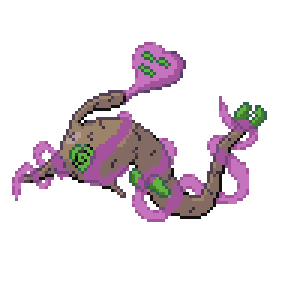
Tumbling in on summer storms, Venucott will migrate into tropical habitats where they can take advantage of the ample nutrients and bright sunlight. They are playful and affectionate Pokémon, and will share their soft flower petals with others.

Mawadier are very fast Pokémon, and due to air whipping around them when running, they experience chronic dryness within the maw that surrounds their neck. Trainers utilize special products to treat this condition in their Mawadier.
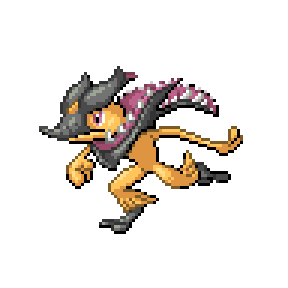
Abgon-Z are particularly drawn to interfacing with simulation games and absorbing the data from destroyed and discarded simulations. The orb of gathered data they ponder provides information that they use to predict the effects of natural disasters.

The spores that the mushrooms on the back of Duscras produce burn with a spectral heat. The cursed energy of these spores causes dangerous fevers in those who inhale them, as if the victim is burning up.

Duscgull flock to seaside graveyards, nesting on top of mausoleums. It is said that they carry the spirits of sailors lost at sea back to the land, bringing them to rest amongst their loved ones.
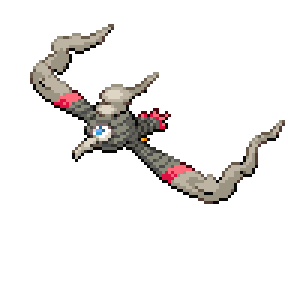
Tortomb cultivate protective groves around the tree that make up part of their bodies. This sanctified space calls out to the spirits of small Pokémon lost in the woods, bringing those that find their way to rest.

Torvern gather small Pokémon on their back and fly the vulnerable Pokémon to environments that are more suitable for them. They move under the cover of night, prioritizing the safety of their charges from diurnal predators.

Tornaught host a large amount of soil on their shell, in which they cultivate a tree evocative of a bonsai. The rich soil nested into their carapace retains water easily, encumbering Tornaught with water in heavy rains.
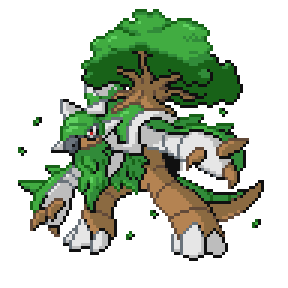
Torphox harvest massive logs from ancient trees, always planting a new sapling in its place. They will treasure this log, shaping it into a powerful club that they use as a medium to channel their ground-shaking physical and psychic attacks.
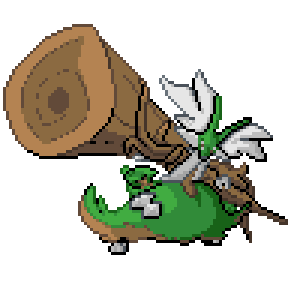
Gathering near places with lush greenery, Toradier will gather into squads of five to ten individuals and protect their selected habitat. Due to their sense of duty towards other Pokémon, Rangers often seek out partnerships with one or more Toradier.
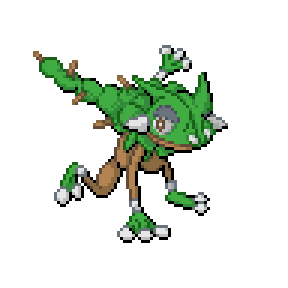
Fiercely competitive, Monxio will train for battle with nonsense games they come up with together. They make great partners for growing Trainers, their spirit for battle pushing themselves and their partners forward.

Prowling boreal forests, Printile hunt alone and lead solitary lives. They think themselves the masters of their domain but panic when they get attacked, retreating back to their nest and cowering for a time.

Prinoone spend many hours alone, grooming water-resistant oils into their fur. They will gather in small squads, diving on an angled trajectory towards the artic sea bed, collecting mollusk Pokémon and bringing them back to the surface to eat.
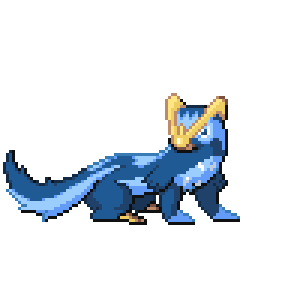
Luxninja has a penetrating gaze that helps it spot its targets through walls. It infiltrates where its opponents are hiding with a ninja's grace, striking from the shadows with furious lightning.
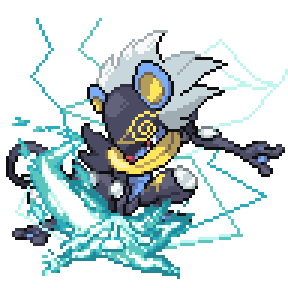
Milomur have the urge to nestle in bodies of water and cry. Their Trainers tend to avoid communal living, such as apartment complexes. If a Trainer leaves a bath unattended, Milomur can sometimes be found wailing at extreme volumes in the water.
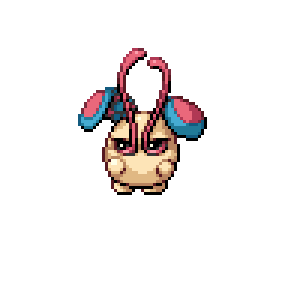
Giraodor have an appetite for trash and waste that seems inexhaustible. It is as if they are a bottomless void, grabbing garbage with their shadowy limbs and devouring it. They are found lurking in the dark corners of cities, looming in the shadows.
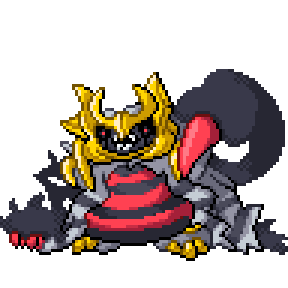
Regiode roll around with incredible strength, though they move very slowly. It is said that given enough time, they do eventually accelerate to incredible speeds. However, they seem to stop to relax before that can happen.

Rosexio act aloof and disinterested, attracting their prey with their unassuming appearance and sweet aroma. When their prey Pokémon get close, Rosexio erupt with paralyzing, electric pollen.

Ninsect often bury themselves in soft patches of sandy soil, commonly settling in training yards for martial artists. This leads to them inadvertently picking up damage to their mushrooms and carrying stray weapons about.

Seeking electrical energy, Roma attach themselves to power lines via the long wire protruding from their underbelly. If gathered in sufficient numbers, Roma can be a drain on the local power grid, which can be a problem for human communities.
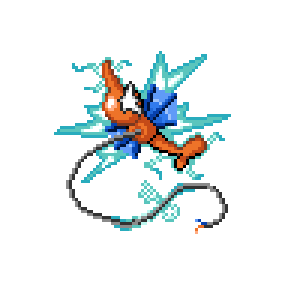
The organelles floating within the body of a Reunitula have been specialized to produce electricity. They will run large amounts of voltage through the body of their prey before crushing them with extreme force.

Dusting the ground with particles with a similar composition to moon dust, Clefselia skip lightly in their nightly travels. They are said to visit places where the moon's energies pool on the earth, connecting the sites in a vast, esoteric ritual.

Attracted to manicured hedges within graveyards, Whimsiblade will contribute to the maintenance of the grounds. Landscapers who earn their trust are rewarded with a partner who can clip any plant material the landscaper desires.

Krookonair are quite docile, seeking to preserve the massive amounts of energy stored within their bodies. They use their binocular-like eyes to spot any Pokémon that would challenge them before they get near, quickly slithering out of reach.

Ferrocargo use their appendages issuing from their shells to climb around cave walls, seeking copper deposits. Their copper-rich diet turns the magma that their bodies consist of a vibrant green.

Ferrogon-Z seek out nutrients from data and silicon in equal measure. They are often seen attempting to break into data centers to feast on the data within the servers before smashing the server itself for the semiconductors.

Appearing at night, Litcott sneak into homes and prank the residents by moving things around, leeching the life force and frustration of those they torment. One can tell when Litcott are about thanks to the small globs of wax they leave behind.

Lampossom reside in graveyards, providing gentle light to mourners who visit their late loved ones. It is said they can be seen gently dancing near the graves of those recently passed, as if they are soothing the new spirit to rest.

Zooming about on moonlit nights, Lareon are often mistaken for unidentified flying objects due to the eerie glow of the red rings on their body. They are attracted to Trainers with serene emotions, forming strong bonds with them.
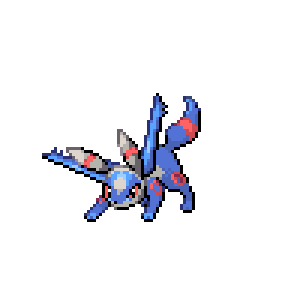
Each of the nine fruiting bodies that emerge from a Ninesect's back produce spores with a different effect. The various toxins present in these spores made Ninesect invaluable partners for alchemists and apothecaries.

Deocargo have an amorphous body with unstable genetic code that helps them adapt to harsh conditions. The flames that arise from their tentacles mutate tissue, instead of burning it.

It is said that Jitic appear before those who wish for good fortune. They will only bond with Trainers who hold sincere good intentions and grow dispirited if partnered with a Trainer who fosters resentment in their heart.

Jitu have an unparalleled ability to anticipate their trainer's needs. They attempt to fulfill their trainer's wishes before the trainer even voices them. Their ability to fulfill that wish is not always a given, however.

Slaxio laze about during the day, absorbing energy from the sun and converting it into electrical energy. They explode into action during the night, hunting for food in small packs. They catch a meal before the sun rises and sleep the morning away.

Despite their adorable appearance, Vigoful are exceptionally powerful and angry. They are often a challenge for their Trainers, especially young ones, as their emotional outbursts can put their trainers at risk of injury.

Wailxio have huge gullets and can launch massive lightning bolts from their mouths. They will channel electricity in front of them with a mouth open wide, swallowing water and filtering out microscopic nutrients.
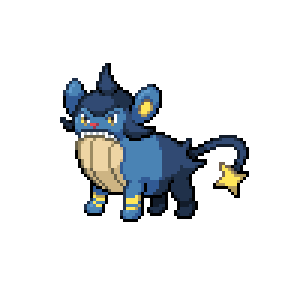
Holistic healers prize the material produced by Shits for its positive charge. They produce diverse lines of skin creams and other wellness products with the material as a prime ingredient.

Shixio have a positively precious face, and their trainers cannot help but forgive them when they get up to mischief. They have a tendency to gnaw on television cables, seeking the rich, flavorful energy within.

Lutile dart towards opponents, discharging enough electricity to cause their enemy to faint. They cautiously approach the felled foe, quickly snatching items or berries away from the fallen Pokémon.

Their bright blue horns are highly prized by indigenous Kantonian craftspeople for their naturally vibrant color. Jigglytler are a protected species, and indigenous communities in their natural range have a direct input into their conservation.

Lairogre fight constantly with one another for control of shipwreck graveyards. The deep sea echoes with the clangs of their metallic heads smashing together. The noise can disrupt Pokémon who use underwater echolocation to navigate.
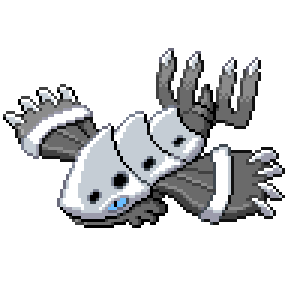
Zophox conjure illusions which they can anchor to glowing sticks that they imbue with psychic power. They scatter these sticks around the places they nest, creating a maze of illusions and trickery that keeps them safe from most danger.
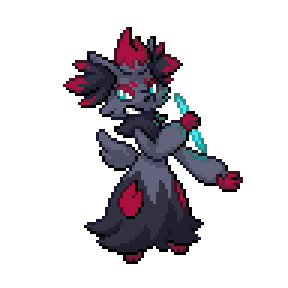
The silk that Zoscoon produces has color-changing properties. Zoscoon utilize this to blend into their surroundings to avoid predators. Weavers seek out this silk to create prismatic fabric, which is highly prized in the clothing market.
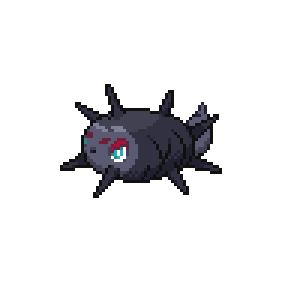
In the scorched wake of forest fires, Chartump will drift along the razed forest floor, snuffing out remaining small fires and embers by feeding on the heat. Places where disastrous fires have swept through regrow much faster thanks to their efforts.

Wigglytler were nearly hunted to extinction in the wild due to the value of their antlers and fur. Pokémon Rangers and conservationists have largely restored wild populations. Humane Wigglytler farming has largely supplanted illegal poaching.

Wigglychop train relentlessly for Pokémon contests and follow strict hygiene to maintain their luxurious fur. Their elegant, acrobatic martial arts are in a class all their own.

So that they may survive harsh winters, Buperl will shuffle en masse into deep sections of tidal deltas, trapping warm water within their shells before burying themselves in mud. Buperl emerge when warm ocean currents return in Spring.
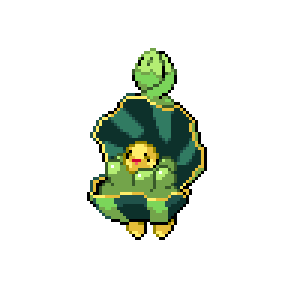
Rosetile seek out isolated jungle springs and delight in drinking the crystal clear water. Once they have claimed a spring, Rosetile will defend it with a righteous fervor to maintain their beautiful blooms.
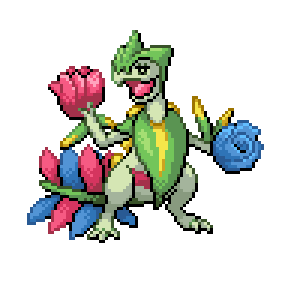
Rosexio grow vibrant, lovely blooms when they drink fresh springwater. The places they step are said to be more fertile than the places they don't.
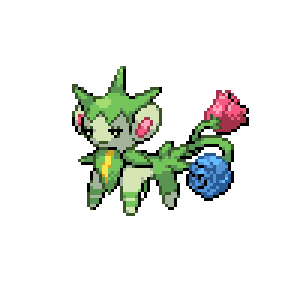
Rosephox will gently remove a new growth branch from a sapling in the early spring, utilizing their psychic energy to sustain the young twig. They use their chosen wand to divine sources of fresh water, drinking deeply and hydrating their blooms.
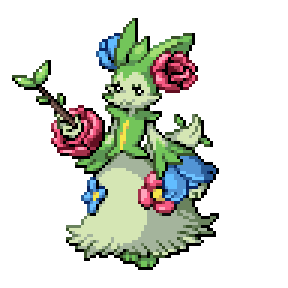
Roseadier cultivate hidden rose gardens within meadows, transporting fresh springwater within their throats to keep the soil they tend moist. They keep their bushes in consistent bloom, harvesting only the highest quality roses for their scarves.
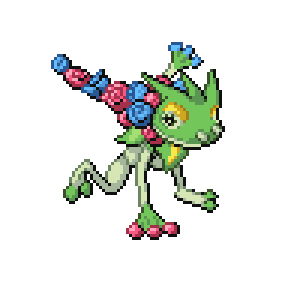
Driflkoal drift over hot springs and geysers, gathering steam and heat energy to control their altitude by venting hot air from the top of their body. Circus performers have long enjoyed the company of Driflkoal for their whimsical appearance.
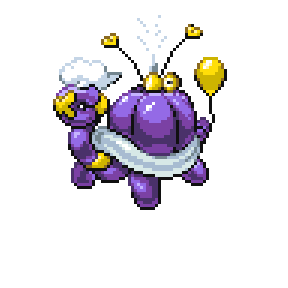
Driflscoon fly high into the sky, relying on their sharp spines to defend their vulnerable bodies from bird-type Pokémon. When ready to evolve, they release the gas in their bodies, plummeting downwards at high speeds.
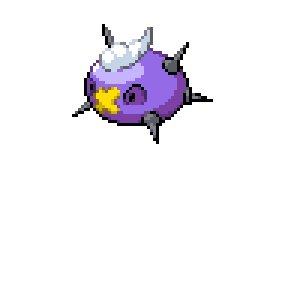
Shroomxio like gathering near electrical infrastructure for the high amounts of electrical energy. They trigger blackouts in communities by gathering and spreading their spores near transformers, often inadvertently triggering electrical shorts.

Because their fists are enveloped in a special, adaptable liquid, Soloian receive little recoil from punching attacks. They protect land with clean air and visible stars, living in great numbers.

Despite their size, Cottonlord can float on the gentlest of winds. They drift over inland fields, gathering pollen and seeds in their fluff, scattering them over coastal reefs to feed sea-going Pokémon valuable nutrients.

Cottonxio ride in thunderstorms, floating into the paths of lightning bolts to absorb energy from the strikes. When they finally settle in the lee of the storm, they use the energy they've gathered to grow or evolve.

Cottoncoon drift in the wind until one of their sharp spines jabs into a tree branch, where they will then remain until ready to evolve. While they drift, Trainers in the nearby area will take cover to avoid an uncomfortable poke, or worse.
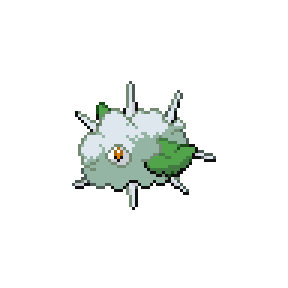
When frightened, packs of Joleon will take off with a crack of lightning, often leaving small deposits of fulgurite in their wake. Gem collectors and jewelry makers will scare groups of Joleon on purpose to collect the valuable glass.
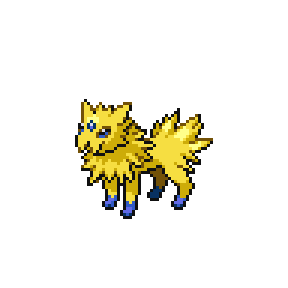
Ferrocargo are pests living along roadways that absorb minerals essential to their diets directly through their slimy foot. Ferrocargo who consume asphalt have stronger shells due to the higher concentrations of minerals in the human-made material.

Sablphox travel to different caves, searching for raw gems both for sustenance and to add to their magical wand. They are an eerie sight for cave explorers, their teeth and eyes flashing in the dark.
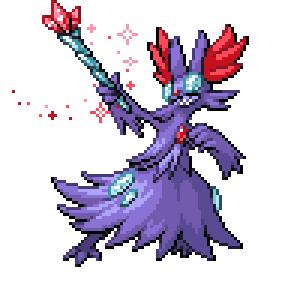
Venixio blast lightning from the feelers extending from their forehead and rear. They then attack their incapacitated prey with their huge, venomous claws.
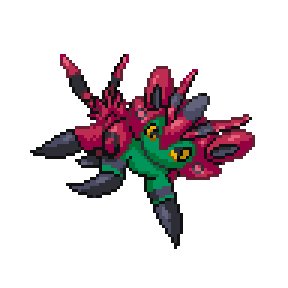
Tyrancie travel through caves lush with fossilized amber, they follow the paths Diglett have left behind, since they don't have enough strength to move the earth by themselves. Tyrancie build vast hoards of this amber.

The pom-pom on their head carries a potent electric charge, which is strengthened by the bright yellow flowers Orileef cultivate in their nests, called bowers. Orileef will inadvertently shock their trainers while waving this pom-pom about.

Garbsaur linger around gas stations and fuel depots; guzzling up litter, licking spilled fuel, and inhaling exhaust and fuel fumes. They process the contaminants and output clean soil, water, and air, leaving the places they inhabit spotless.

Garbpius fly using the large plastic bag-like balloons emerging from their back. They consume rotting berries, holding them in a special stomach. Garbpius will flood the balloons on their back with gas from the decomposition, rising into the air.
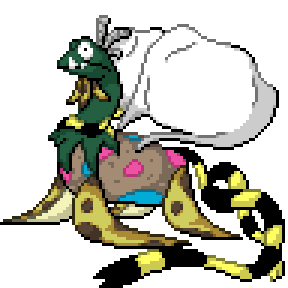
Carpom are very mischievous in combat, utilizing the maw on their tail to misdirect attention and attack opponents from unexpected angles. They require a lot of stimulation due to their intelligence, making them poor Pokémon for casual Trainers.
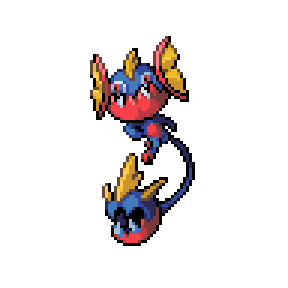
Sharpzma act as a bully, pushing any other predatory Pokémon from their territory. When two Sharpzma get near each other, the violence that ensues can damage parts of the reef, sometimes making it unsuitable for them to continue residing there.
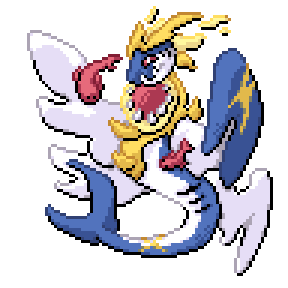
Phantnoone travel through deep woods, wearing paths behind themselves in straight lines. It is rare for someone traveling through forests inhabited by Phantnoone to get lost, as the paths that Phantnoone make are so clearly worn.
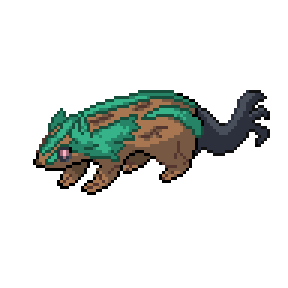
Phantcoon protect their soft, developing bodies by anchoring bark to themselves using a dark-colored silk. They feed energy into the wooden shell, encouraging the wood to continue growing around them.
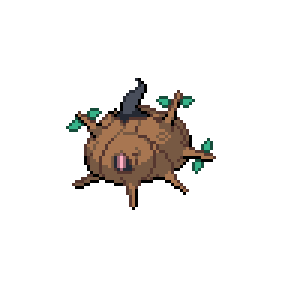
In dark forests, Phantscoon bury themselves in the undergrowth near ancient tree stumps. They rely on the shadows and leaf litter to protect their fragile wooden shells.
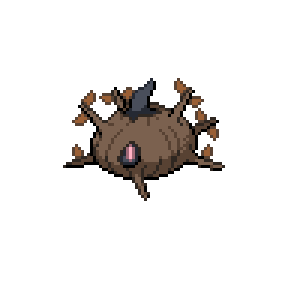
Tremega buzzes quietly through dark forests, seeking lost travelers. Tremega manipulates the surrounding trees to guide the disoriented wanderers deeper into the woods. It is said that the flash of its red eyes in the dark is a dark omen.

Glooitty are a popular pet Pokémon for hobbyist gardeners. Not only are they incredibly adorable, but they drool a bitter honey which attracts a diverse array of pollinators.
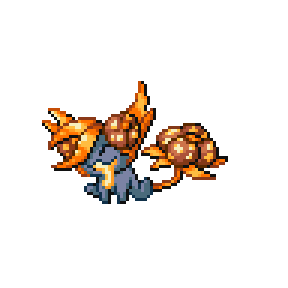
Noiadier have exceptional hearing and often struggle to find quiet and rest. This leads to Noiadier retreating deep into cave systems, seeking, if not quiet, but peace within the sounds of the creaking stone around them.
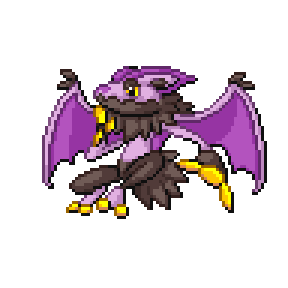
Noiscoon weave funnel-shaped nests and nestle themselves at the base of the cone. This silken shape serves to amplify the sonic attacks that Noiscoon are capable of, blasting any would-be opponents far away.
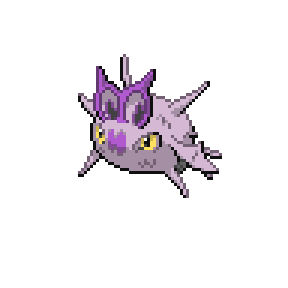
Noisian lounge about at the entrances of caves in huge numbers, shrieking at one another. When night falls, they all take flight, hunting in huge swarms; their ultrasonic waves can disrupt radio communication devices in the area nearby.
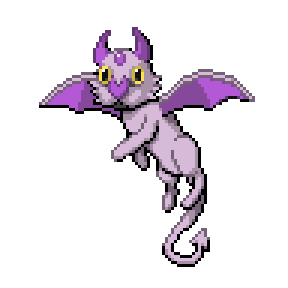
The fluffy, cotton-like feathers on its body store static electricity. Swabxio will rub on their Trainers affectionately, which unfortunately results in a violent release of the static charge.
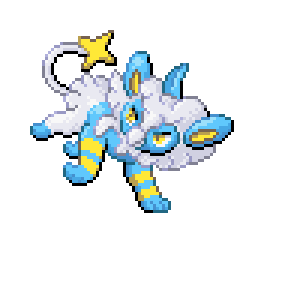
Swabnea live in sub-desert environments, their dense fluff not suited to true desert heat. They are incapable of flying and will gently pluck their fluff from their bodies to build nests where they can keep safe.

The material that Altacargo consist of is unique, flowing faster when force is applied and crystallizing into a rock with a downy, cotton-like appearance. Specialized muscles within their core gently drive their ponderous locomotion.

In the afternoon, Gooder burrow into the bacteria-rich mats of biofilm at the lake bottom to sleep. They leave their spikes sticking out of the goopy material. These spikes can be a hazard to people swimming as they pack a potent venom.

Sleeping Slirill will often sink deep into the mud flats they call home due to their thick coating of acidic, water-resistant mucus. In the dry season, this mucus keeps them wet during their hibernation.

Goorade produce a soap-like nectar from their flowers that is often used as an ingredient in cosmetics. The content of their diet influences the aroma their thick nectar possesses, with wild individuals using their scent to recognize one another.

Goocorio cheer merrily for their Trainers, inadvertently spreading gunk from their saturated pom-poms as a result. Many Trainers who elect to raise Goocorio pick up a habit of wearing a raincoat most of the time as a result.
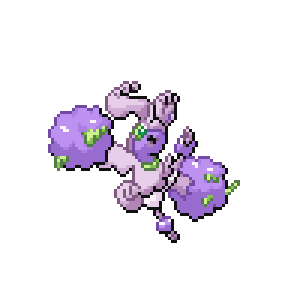
Vilerachi releases a light-colored pollen that sparkles in the air like stars. Breathing in this pollen causes hallucinations where one's greatest wishes come true.
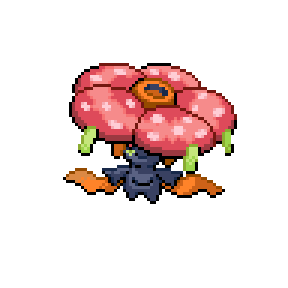
The prism-like growth appears to be deeply connected to Necroking, as one is never seen very far from the other. This tree-like crystal absorbs a great deal of light during the day and shines brightly at night. Necroking defend them relentlessly.

Cacpom will bash through sand dunes using their bludgeon-like tails. They do this in search of sources of water within the deserts they live in. Due to their inelegant means of searching, the water they find is quickly buried when they move on.

Cactwo isolate themselves for extended periods within the depths of the desert, subsisting on little food and water. If disturbed, they will lash out with their psychic might and bludgeon-like tail.
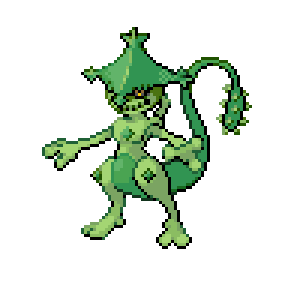
Sandyscoon extrude silk through soft beach sand, cloaking their vulnerable bodies in a gritty cloak that makes them an unpleasant meal. They gather discarded sand shovels to enhance this effect, keeping them safe from bird-type Pokémon along the shore.
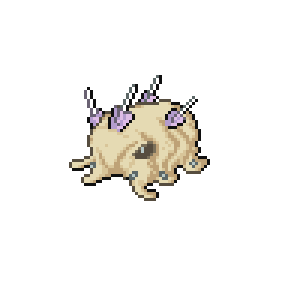
When two Cresspardos gather, they will gently touch their skulls together, emitting shiny particles where they meet. While they seem quiet and calm, they are engaged in a fierce psychic battle. It is unknown what purpose this combat serves.

Bruxcoon lie in wait on the sea floor within a dome constructed from coral they have manipulated using psychic power. They remain in safety until they have concentrated enough psychic power to evolve.
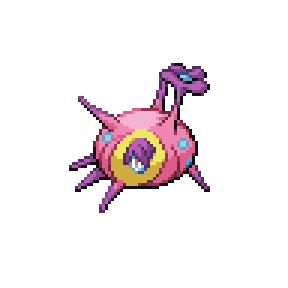
Brimming with the power of light, Necroitty are full of nearly boundless energy. The light they emit can either enhance or ruin the photos that their Trainers take of them, which can sour Trainers who seek out cute Pokémon on raising Necroitty.
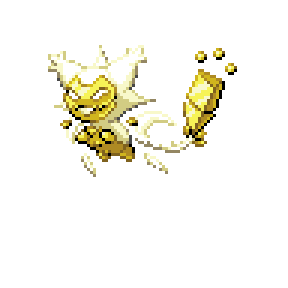
Komvee will abandon their young shortly after they are able to walk, relying on the rigid scales that the pups possess to protect them. Young Komvee are often sought out by new Trainers, as they make excellent partners for learning Trainers.
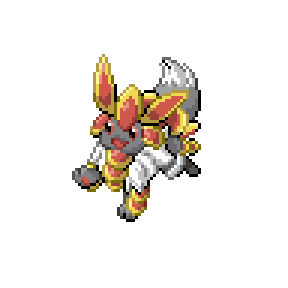
Luroc spends so much time grooming that Trainers mistake inactivity for weakness. It surprises its opponents with quick, confusing movements, taking down opponents elegantly.
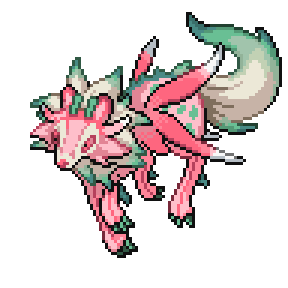
Carterra channel light energy through their crystalline tail, releasing it from a spot within the geode on their back. The light bounces through the many crystals within, focusing into a powerful laser that can carve through rock like butter.
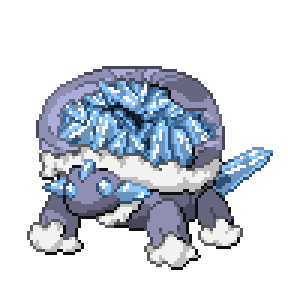
Residing in crystalline caves, Caradier use their nimble form to navigate the twists and turns between massive crystal columns. Their foam scarf appears to be made of a soft material, but is truly formed from small crystal fibers.
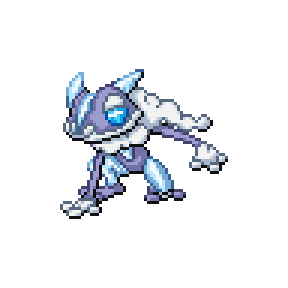
Quilsect are completely numb to pain and ram their bodies into trees, feasting on the bark that shatters off in the impact. Trainers who raise them are recommended to purchase sturdy padding while teaching their Quilsect what is appropriate to ram.
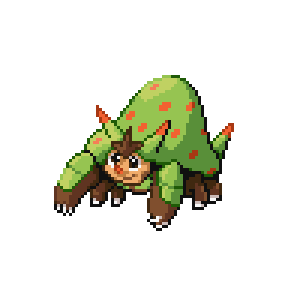
Quilkin chew on sticks from durable trees, the strong wood serving to enrich their armored bodies. They train against each other often, seeking to hone their armor to a peak.
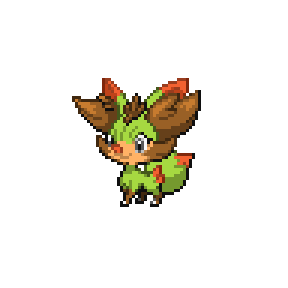
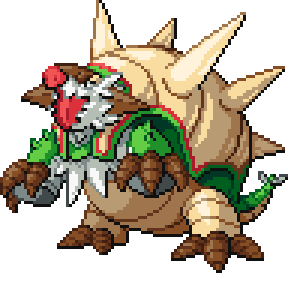
Chesterra has a nigh-impenetrable shell and has no fear when they lumber about in the forests they call home. They fall into easy habits, traveling the same route each day, and small Pokémon will rely on Chesterra to get to food or water safely.
Froacargo require a consistent source of water and use thick clumps of foam to trap water within their body. Froacargo will return to the water periodically to refresh their store.
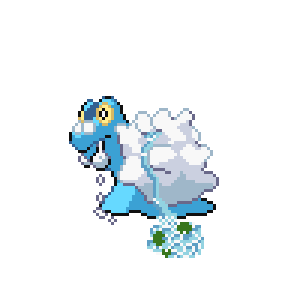
Frogto will travel swiftly through forests, getting detritus stuck within their gelatinous form. They will form bubbles of foam around the offending pieces of material. They occasionally discard long chains in places rich in detritivores.

Torill bounce about on their tail, which nearly constantly emits a clean, white cloud of smoke and ash. This is due to their incredibly high internal temperature. Torill that have poor diets may have darker, less clean-looking smoke.
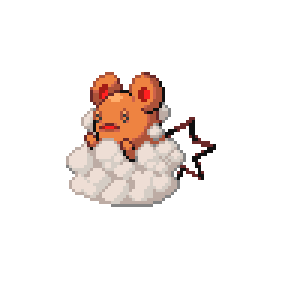
Torkiss loiter around coal mines with ethical employment practices, gathering leftover coal. It is said that they can detect strife and don't burn coal mined by mistreated workers. Miners carry tokens depicting Torkiss as an icon of good luck.
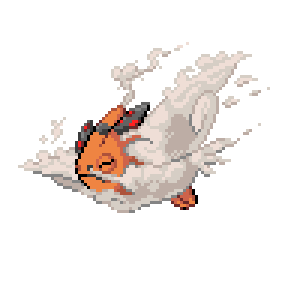
Gourcham sing in eerie, lilting tones while they train, their kata-like martial arts appearing like a meditative dance. Gourcham, who drift into total focus while chanting their combat songs, seem to predict the actions of their opponents.
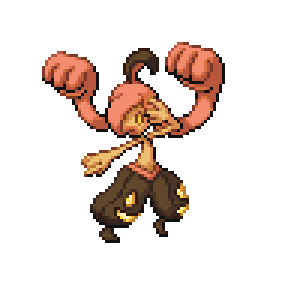
Luditrum utilize their massive, powerful jaws to transform and restore collapsing wetland habitats. The water that pours from Luditrum energizes the Pokémon that are drawn back to the restored wetlands.
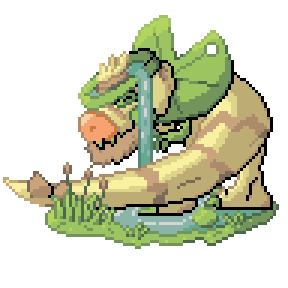
Luvrill inhabit coral reefs, especially those frequented by Corsola. Luvrill will utilize their rubbery tail to batter Mareanie off the coral shelves they reside on, protecting the mutualistic relationship they have with Corsola.

Luvnoone are exceptionally affectionate Pokémon and excel with Trainers who reciprocate that affection. Luvnoone who aren't good matches with their Trainers will become despondent, shedding their heart-shaped scales liberally.
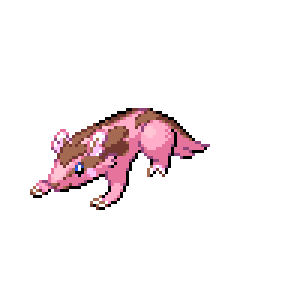
Luvcoon settle on coral reefs in great numbers. By linking their spines together, they will form large, flat sheets of Pokémon, rippling in the current. When they reach a certain mass and are prepared to evolve, they will surface together as one.

Zigoose seem like they are capricious in how they delineate their territory. However, this is due to their tendency to run in zigzag patterns. When they spot a rival, they break into a dead sprint, zigzagging confusingly towards their opponent.
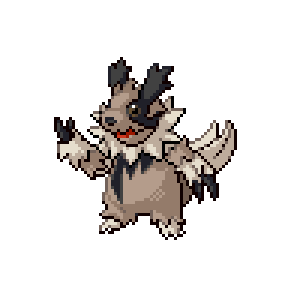
Linphox utilize magic that organizes materials near them into straight lines. Trainers know they are nearby when they see trees that are unnaturally straight or rocks that look like hewn pavers.
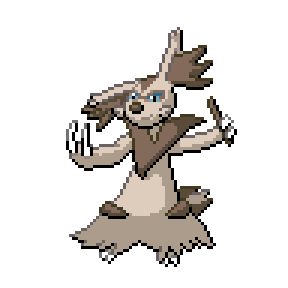
Wreathed in soft silk, Silsea float in gentle forest streams. They are generally sedentary, storing as much energy as they can, but can rapidly swim away from predators using their small fins.

Silxen gathers silk from many different bug-type Pokémon, winding the threads around its staff. It weaves bandages that it wears to protect its delicate skin. When it finds an injured Pokémon, it will share its silken wraps.
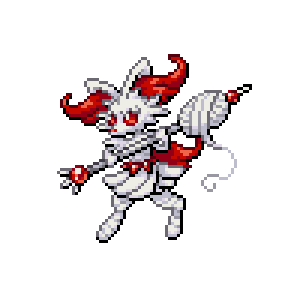
Silscoon produces a silk with an uncommon strength. They work together to weave robust nests that protect themselves while they prepare to evolve. These nests will persist long after they have moved on, becoming host to other vulnerable Pokémon.

When they encounter something unknown, Dustile flatten their bodies to the ground and wave their tail in the air, mimicking a much larger Pokémon. Their trickery can be an effective defense in the dense jungles they call home.
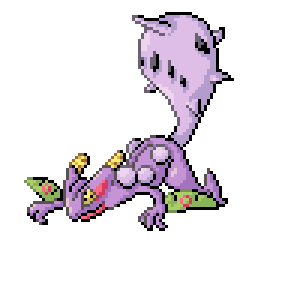
Dustras are covered in a fine layer of spores which act like moth scales. These spores shed when Dustras fly, spawning mycelia. Their flight paths are often obvious, as rings of mushrooms spring up overnight around streetlamps they have visited.
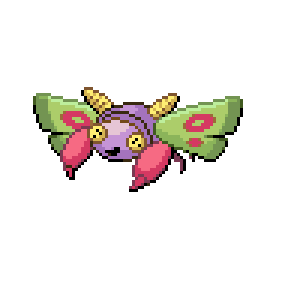
Seedtile regularly gather in the trees around clearings within the jungles they reside in. They take turns dancing and displaying within said clearing, arbitrating some dispute or another that researchers have been unable to discern.
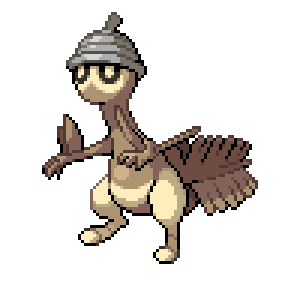
A Shiftking possesses a thick coat of fur that obscures its rock-hard hide. Pokémon that attack it from behind are taken by surprise by its impenetrable scales.
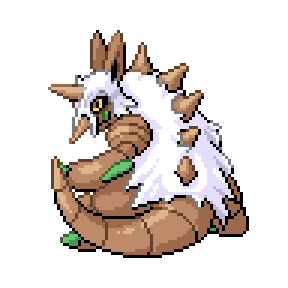
Diving from the treetops, Swelltile crash into their prey, driving the hapless Pokémon into the jungle soil. After incapacitating their foe, Swelltile begin a long climb back into the canopy, as despite their wings, they are flightless.
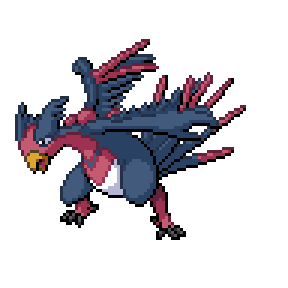
Nesting at the base of seaside cliffs, Wingrill enjoy living within tide pools. Their nests often become havens for other shore-living Pokémon, so researchers often visit their nests to assess the health of seaside habitats.
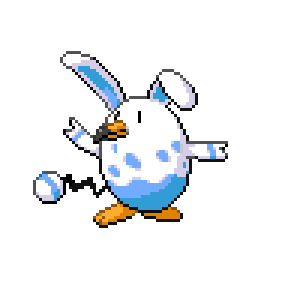
Wingxio are exceptionally buoyant due to their water-resistant feathers. They will often compete in feats of bravery, diving off of seaside cliffs into deep sea waters below. Wingxio prize rockier shores for the increased risk.
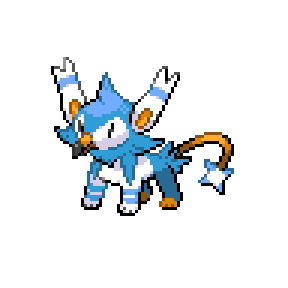
Wingcoon will prepare for their evolution while still nesting with their parents. They require near constant food to generate enough energy to evolve and leave the nest. Wingcoon's insistent squawks can terrorize communities near shorelines.
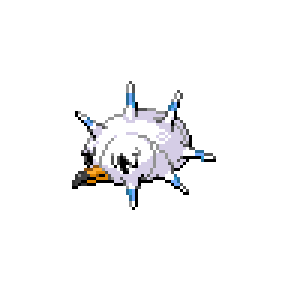
Surscoon cluster together on the water's surface of small ponds, grazing on plant matter. When bird-type Pokémon swoop down on them, they direct their antenna-like spines towards the offending predator, sometimes fending the opponent off.
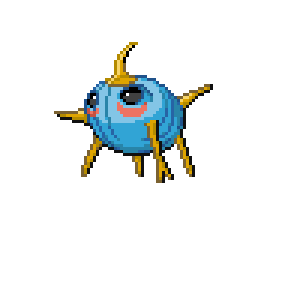
Masquesprout dance on lake shores, consuming most of their nutrients from the sun and the muddy soil they take root in. The eye patterns on their leaves deter predators, and the predator insists, they strike out with the stinger on their head.
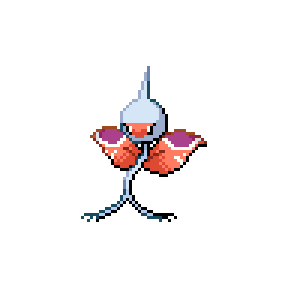
The deafening noise that Whismorb emits comes from using its large ears to pound on its own body. It alters the pitch of its drumming by rolling about in different materials and opening and closing its hidden mouth.
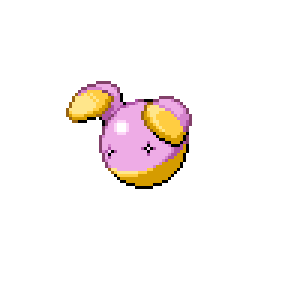
Despite their imposing frame, Skitile are incredibly affectionate Pokémon and are well suited to partnering with younger trainers. They are popular among mothers who are looking for a first Pokémon for their children.
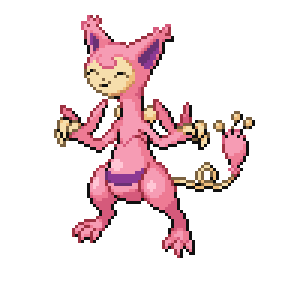
Deltile favor the comforts of urban living and tend to rest anywhere around their Trainer's home that they find comfortable. Deltile are very playful and have a high prey-drive, leading them to need a lot of enrichment.
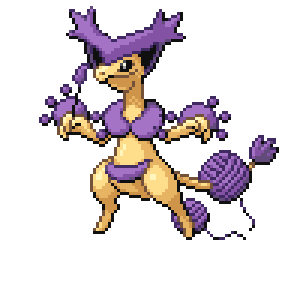
This Pokémon uses its intuition to sense where the most comfortable spots to rest are. Delsol move long before its resting spot can be disturbed.
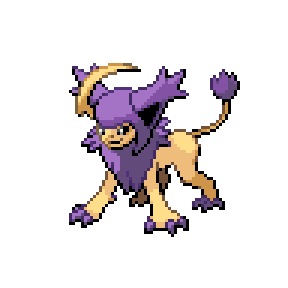
Mednoone will meditate for hours, consolidating their training and contemplating their abilities. They focus on straight punches and can often be seen up on their hind legs, training against logs and boulders.

Electxio have been enhanced by fusion, potently increasing their ability to store electrical energy. The static that results from them running through the air can match the power of thunderbolts when stored up and discharged at once.
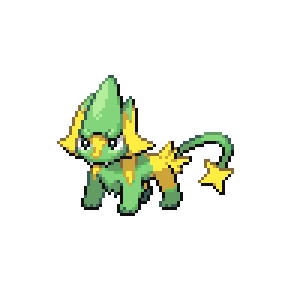
Pluscoon are attracted to excess energy and will often find themselves anchored on electrical poles and transformers. If they feel an incomplete circuit, they will attempt to use their conductive silk to reconnect it.
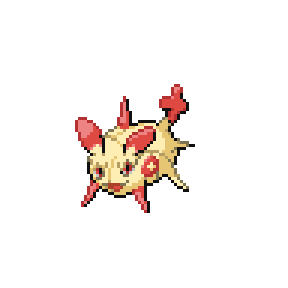
Mincoon is wrapped in a silk that carries a negative charge. Holistic healers prize garments woven from it, as they believe the negative charge reduces stress and promotes better moods in those who wear them.
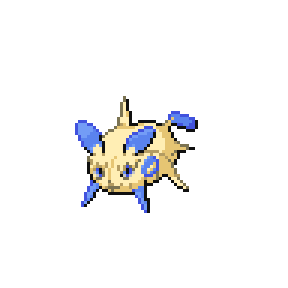
Illuxio gather energy from the stars using their glowing tail. As they bask under starlight, they convert the power of the cosmos into electrical energy, dancing as their energy stores fill up.
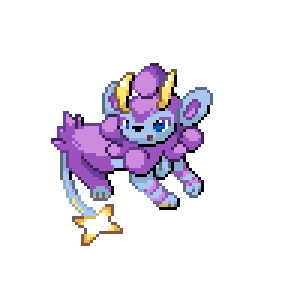
The blooms that adorn the hands of Gulprade contain a potent acid within. Gulprade have an insatiable appetite, and they tuck anything even remotely edible into their flowers. If an item ingested within the bloom is inedible, the flower is discarded.

Gulpliper will skim anything they can find out of the waters they are flying over, their stomach fluid having the strength to break down nearly anything. When they happen to ingest something indigestible, they spit it out on the shore.
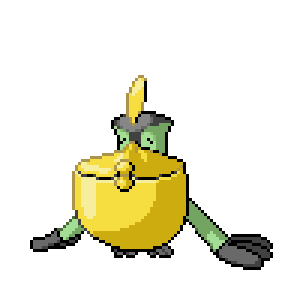
Zanxio can be vicious, but it is largely posturing, as they are surprisingly fearful Pokémon. Their small claws are not as dangerous as they could be. They react dangerously when cornered, growing absolutely frenzied.
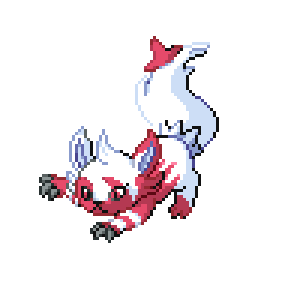
Zanphox craft crude magical talismans; casting a feral, vicious magic that can cause physical pain in their enemies. They silently defend populations of Zangoose from attacks by Seviper, sequestering themselves in their caves until they are needed.
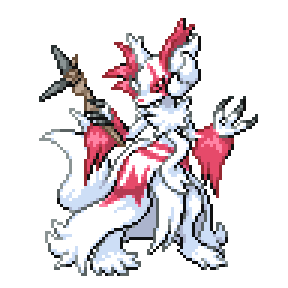
Harvesting the shed tail blades of Seviper, Sephox craft a sickle with a cruel appearance. They will organize populations of Seviper with their hissing voice, waging coordinated attacks on the territories of Zangoose.
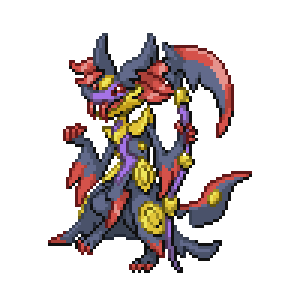
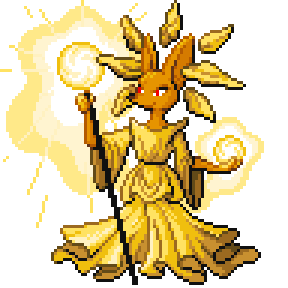
Solphox have a near mastery of conjuring and manipulating solar energy. They create glowing orbs that they sustain with a small thread of psychic energy, providing light and giving them quick access to small, magical explosives if attacked.
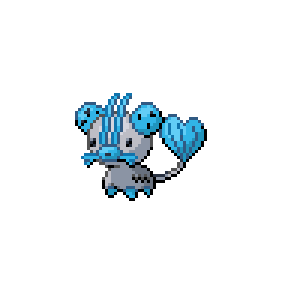
Baritty transform their environment using a slimy mucus they excrete, turning any soil they reside in into a cozy mud puddle. They are very popular for their adorable bubbles they blow while sleeping.
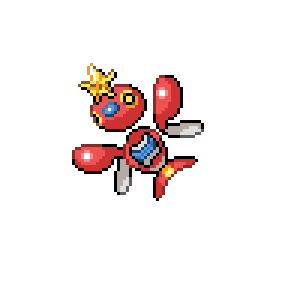
Crawgon-Z are attracted to battle data, such as recordings and gym leader statistics. They seem to closely analyze this data, as Crawgon-Z that have processed large amounts of data may be more skilled in battle.
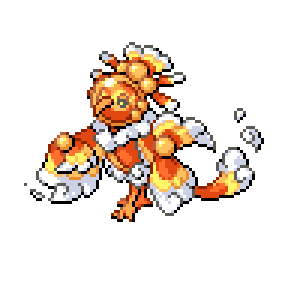
Each morning, Castcorio will be drawn to the rising sun to dance. The gentle sway of their fluffy, cloud-like feathers is said to welcome good tidings and clear weather to the surrounding land.
Castyu fly up into heavy rainstorms, merrily twinkling their blue core in time with the rainfall. In the moments between the rain stopping and the clouds clearing, the sky sparkles with their lights in a dazzling array of pulsing lights.
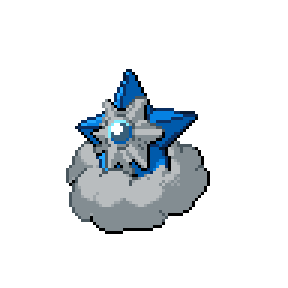
Haunting snowy woods, Castump cry mournfully when they sense an oncoming snowstorm. It is said that their miserable cries serve to warn travelers that they need to find shelter as soon as possible, lest they be buried in deep snow.
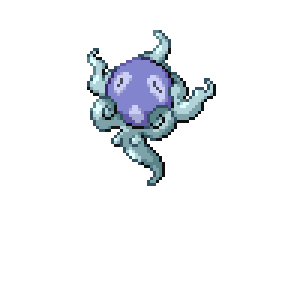
Chingon-Z are very playful, uploading themselves onto computers nearby and triggering chime-like notification sounds. These pranks can be particularly irritating for office workers and those who monitor their emails.
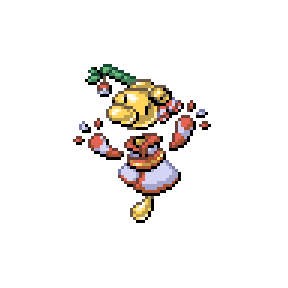
Only capable of short flights, Woobnair will more frequently slither around their cave habitats. They constantly shed their fur; foragers will collect the discarded fur and sell it to spinners who produce a luxuriously downy yarn from the material.

Tynarill possess an incredibly conductive tail, and they use this as a medium to channel volts far beyond what a Trainer would expect out of such a small Pokémon. This, however, often leaves the small Pokémon dazed and unable to battle for a time.

Protected within their steel shells, Primetress train relentlessly. Their long arms and steel-tipped fists launch devastating punches that can shatter boulders. These punches grow even stronger when they grow angry.

Eelekphox fashion their lanterns from scrap metal that they reshape using their psychic power. They run their electrical energy through their lantern staff, using the light to search the deep sea floor for an unknown objective.
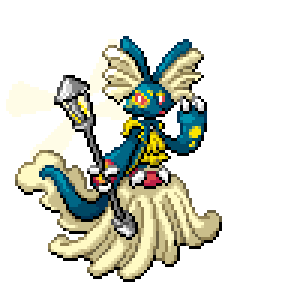
Traveling on rainy nights, Skrephox will imitate the form of a human crone, knocking on the doors of human homes and asking for food. Those who refuse to share some food are said to fall ill for a time.
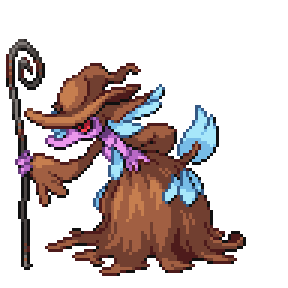
Growltales are extremely intelligent despite their youthful behavior, making them popular guard Pokémon for homesteads where security systems are inaccessible. They place small will-o-wisps along the border of their territory that burn intruders.
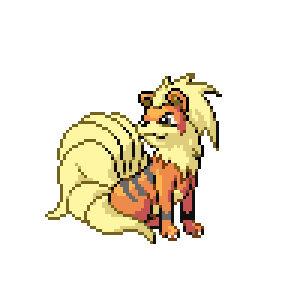
Often featured in Kantonian folk stories, Arcafable are often ascribed mysticism that is incongruous with reality. In truth, these Pokémon are merely reclusive and shy away from the bright lights and loud noises common to civilization.
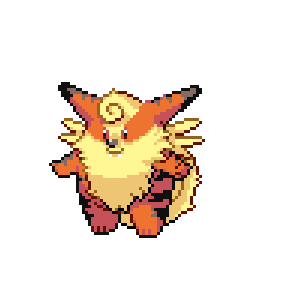
Charsire swim and nest within mud pots, places where water superheated by volcanic activity forms warm, muddy ponds. They fly away after laying eggs, leaving their young to be incubated by the bubbling mud.
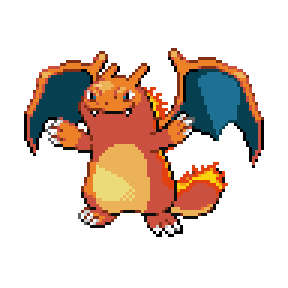
Polisect use their large claws to carve deep wounds in ancient trees, pressing their round mouths into the gash to feed on the sap. The transparent mushroom cap on their back is a part of their digestive system, storing excess sap between meals.

Compelled to train relentlessly, Polisect often seem tireless in their pursuit of exercise. However, in areas where Polisect are native, spiraling rings of mushrooms mark places where they stop to relax, releasing large deposits of spores.

Despite sleeping for a great deal of the day, Abran are always alert thanks to their large ears. They are popular with young Trainers, as people tend to find the way their ears swivel towards nearly every sound they hear quite adorable.

Kadakrow gather their discarded feathers during their yearly molt, maintaining them dutifully. The purpose of this is revealed when Kadakrow are disturbed, as they will launch their feathers at passersby using their psychic might.
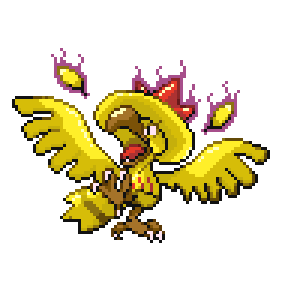
Lacking the means to produce toxins on their own, Belldrill gather nectar from poisonous flowers and produce toxic honey. They store this honey in their thorns, utilizing it as a makeshift venom.

Bellmel slurp water with their large mouth and store it in their back, heating it to a comfortable warmth. Bellmel snuggle up to those who suffer from chronic pain, offering relief like a hot water bottle.
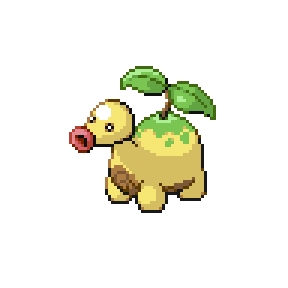
Squirtump like to live in tide pools, enjoying the protection of the unique shore habitat. They are very curious and bold Pokémon, and will readily interact with young humans exploring near their homes.

Slowown are mischievous and will sometimes hover in place near roadways, triggering extra caution in motorists. Some municipalities have embraced this habit, putting up formal caution signs when they move on.

Dewphan make their homes on ice floes, utilizing their tusks, horns, and tails to craft crude igloos. These floating igloos are built in such a way that even if flipped by a predator or a large ship, the Dewphan and their young will be safe inside.

Dewrein are at risk of poaching due to the quality of their tusks and the luxurious texture of their water-resistant fur. Beaches where Dewrein raise their pups are now protected habitats, accessible only to rangers and indigenous craftspeople.
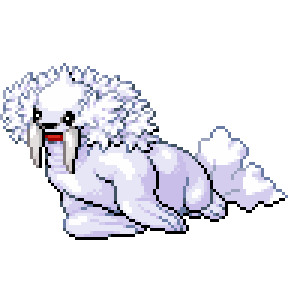
Well-suited for gathering and processing magnetic heavy metals, Mupass are often the partner Pokémon of hazardous waste cleanup professionals and refinery workers. The toxic metallic compounds precipitate within their bodies into valuable ingots.
