Page 3 / 8 of 7640 pokedex entries by .izik.
Glimite stabs electronics with its tail to absorb electricity from their wiring. This makes it a nuisance near power grids.

Gliduo uses its claw for balance when running down canyon slopes. It can dig its claw into the ground to make an emergency stop.
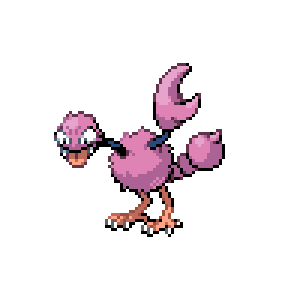
The fins on Glieel's tail spin like propellers, allowing it to navigate through sand with remarkable speed and precision.

The sludge covering Glimer's body has an oddly sweet smell but causes chemical burns on contact. It uses this as a deterrent for predators.
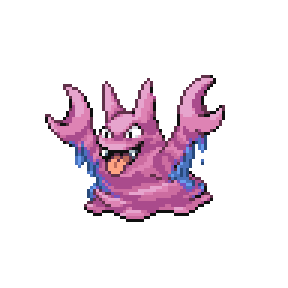
The slime covering Gliuk's body glows purple at night. This makes it highly visible, even on a vast and flat landscape.

The claws on Glinix's head are sharp enough to cut through marble effortlessly. It uses this ability to dig and expand its territory.
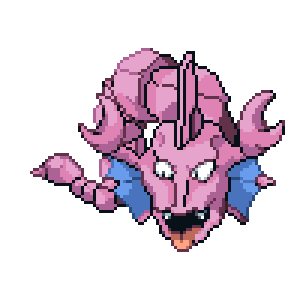
Snubgey grooms its Trainer and young with careful beak strokes. Despite its scowl, it is calm and nurturing by nature.

When irritated, Snubrak spits sticky silk at the source of its frustration. Prolonged contact with the silk can cause itchy rashes on exposed skin.
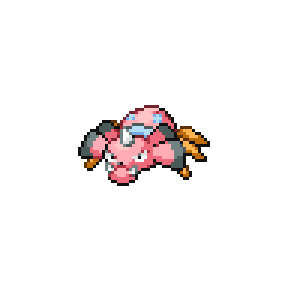
Though its face appears grumpy, Snubrill is deeply affectionate. It spits water at those it dislikes, especially when near its Trainer.

The bowlike sprout on Snubkern's head spins faster during spring. Researchers are unsure why, though some believe it signals excitement for summer.

After locking its jaws on a foe, Snubdour unleashes a fiery breath. The flames it produces are hot enough to melt copper wiring.

Snubtler's soft antlers wiggle rapidly when it begins to pout. Soon after, it attempts to trap nearby foes using Imprison.
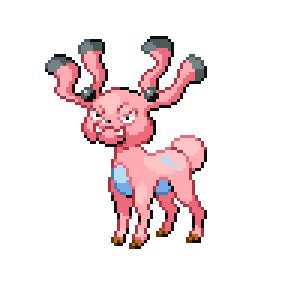
When tunneling, Snubshrew uses its powerful jaws to bite through boulders in its path. Its tunnels stretch for miles beneath cities.
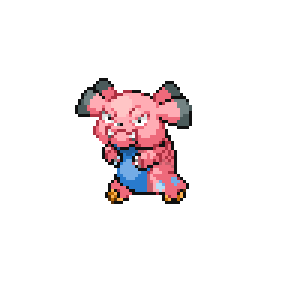
With one crushing bite, Snubran can shatter concrete. It follows up with venom that induces dizziness and hallucinations.

Snubceus reacts poorly to those who attempt worship and quickly loses its temper. It will attempt to bite offenders with enough force to flatten steel.

Snubran's large ears can detect its Trainer's voice from over a mile away. It bounds toward them in joyful, clumsy hops.

Once it clamps onto a foe, Snubnx discharges powerful electric bursts. Radios in the area flicker into static as it bites down.

Fiercely territorial, Spearhoot guards the trees near its nest. Its eyes glow pink as it unleashes Hypnosis on intruders.

Extremely territorial and quick-tempered, Spearowl uses Foresight to track and relentlessly peck at anyone disturbing its daytime sleep.
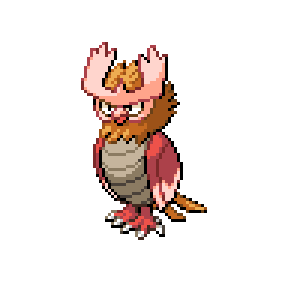
The webbing that it uses is extremely thin. Despite how thin it is, it is able to hold multiple tons without breaking.

Spearfa fixates on the moon, keeping its beak pointed at it for as long as it remains in view. This behavior has puzzled researchers for decades.

Spearbuff's melodic chirps carry a soothing tone. Prolonged exposure to its song can cause even aggressive foes to fall asleep.

Though fiercely territorial, Speartu uses psychic power to gaze into a trespasser's past. Only those without ill intent are allowed through.

The light wool that covers Speareep's body does not obstruct its ability to effortlessly soar through the skies. It drifts through meadows like a living cloud.

As Spearpip drifts over meadows, its feathers release a peppery scent. This aroma calms nearby Pokémon and eases territorial tensions.

Seeds caught in Spearkern's feathers grow easily, sprouting tiny saplings each morning. Each Spearkern in a flock might have different herbs growing out of it.

If, for some reason, it does not fly for a day, it will spend the next two days flying without tiring. It emits a hum while it sleeps.

Speargar chirps sharply before lunging at foes with its barbed tail. A single strike is often enough to stun its target.

Spearursa's feathers give off a faint honey scent. It uses its sweetness to charm travelers into sharing their food.

Speargma spits searing flames from its beak, hot enough to melt solid boulders into pools of lava. It lives primarily near volcanic areas.

Spearans slithers through the air like a serpent-like kite. Its sharp beak is coated in a mild toxin that can weaken prey.

The playful Spearpy uses its wing-like ears to flutter short distances. It deftly plucks White Apricorns from trees with effortless skill.

Speargle paints its flockmates onto rocks and logs using pigment from its tail. When flying, it twirls its tail like a rotor to stay airborne longer.
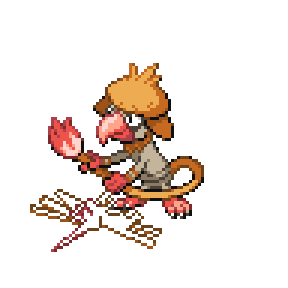
It flies without ever opening its wings. It mimics a kite as it sails silently through the air, waiting for prey to reveal itself.

Speartank's milk is a prized ingredient in fine cheeses. However, it viciously pecks at anyone it does not trust to defend its supply.

Spearchu's beak crackles with electricity. In battle, it fires powerful shocks capable of stunning foes twice its size.
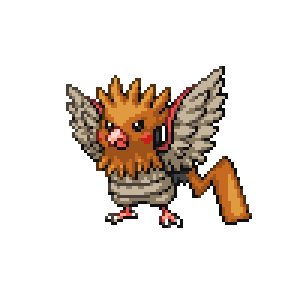
Spearsly's feathers are dense and rigid, harder than basalt. They rattle when it flaps its wings, producing a sound like stone scraping stone.

Spear Jr. circles city streets from the air, studying people's movements. At night, it gathers with others to mimic what it learned in eerie unison.

While eating, it often swallows food without chewing. If it ever experiences an upset stomach, it will shriek for hours.

The tip of Spearan's beak contains potent venom. After a victorious fight, it joyfully flits through the skies in celebration.

When startled, Speareon's feathers shift colors to match its surroundings. It becomes nearly invisible among forest leaves.

Speardoof gathers fruit from Apicot Berry trees and brings them to its riverside lodge. Once its hoard is full, it curls up atop it and sleeps.

Toxic ink drips from Spearina's beak, once prized for use alongside elegant quills. Nobles and foreign dignitaries proudly used its feathers for writing.

When an earthquake approaches, Spearsol's beak becomes unnaturally warm. It begins to chirp loudly, warning others of the danger.

Spearan's large ears pick up the slightest sounds. If startled during rest, it bolts into the sky in frantic, erratic patterns.

Spearino's feathers are coated in a thin layer of poison. When frightened, the toxicity intensifies, making even brief contact dangerous.
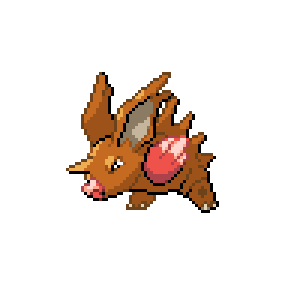
The blade-like feathers on Speariard's arms are fragile but regrow razor-sharp overnight if broken during fights.

Spearki uses its beak to steal small objects from travelers. In its flock, birds with the largest keyrings are seen as the most prestigious.

Spearcada can scale cliff walls without tiring. If it encounters tree roots, it will peck at them until sap runs out, then drink the fluid.

Spearkoth dozes atop fallen logs, letting out soft, rhythmic chirps. Its careless sleep leaves it vulnerable to sneaky predators.

Spearinch's tough feathers shield it from fierce sandstorms. Hidden in the dust, it strikes at prey with powerful jaws.

Spearmander controls the temperature of the flame emerging from its beak with great precision. Bakeries in Eterna City use it to bake Roseli Berry tarts.
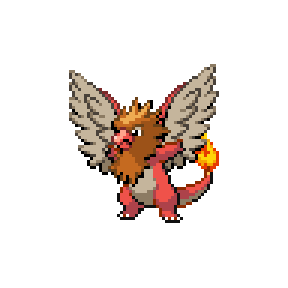
The egg-like bud atop Speardew's body releases a Petaya Berry-scented sap that nourishes nearby plants. It is often seen clearing weeds from orchard soil.

Beak-like spikes jut from Spearseed's body, launching sharp needles at anything that gets too close to its roost.

It can only fly a short distance without needing to rest. When it flaps its wings it releases toxic spores that can cause seizures.
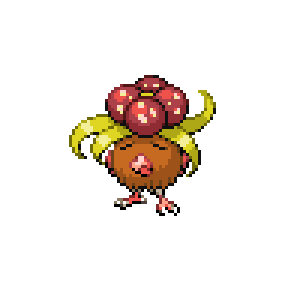
While flapping its wings for balance, Spearlucha performs complex wrestling lunges. It favors aerial grapples against airborne opponents.

Spearuff wags its tail feathers eagerly while waiting to play fetch. It bonds quickly with those offering stones or toys.

During rainstorms, Speartad's wings collect water like bowls. It slowly absorbs the stored water over the following days.
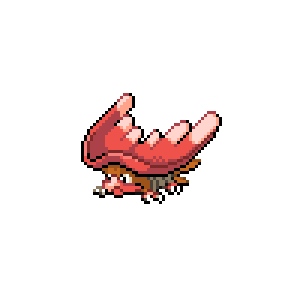
Speartrio rapidly pecks at boulders from beneath the ground to shatter them. It tunnels onward to reach herbs, which it devours without surfacing.
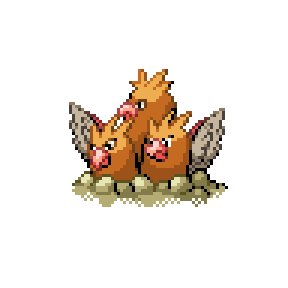
Spearth uses its sharp beak to pluck coins from park fountains. It proudly decorates its nest with the shimmering prizes.

Thanks to its sleek feathers, Spearsian moves with unmatched agility. It often snatches purses from city park visitors before vanishing.

While it may look angry due to its eyes, a Spearduck will quickly grow emotionally attached to anyone who is brave enough to pet it.

Short-tempered and wild, Spearkey lets out a sharp squawk before launching a flurry of kicks at anything that provokes it.

Spearape attacks foes mid-rage by lashing out with its strong talons. It fights blindly once angered.

Spearchop's muscled arms are covered in dense feathers. With one punch, it can easily smash through sheets of solid steel.

While it flies it releases large amounts of toxic smoke from the hole in its belly. The smoke does not affect its own body.

The feathers in Spearta's mane heat up when it runs or flies. Careless touch can cause painful burns.

Speardash's mane feathers dance in the wind, resembling vivid flames. Many mistake it for a wildfire when seen from afar.

Spearmite's body is covered in metallic feathers that hum softly. The magnetic field around it can disrupt cellphone signals.

The new feathers on Spearduo's twin heads are incredibly soft and warm. Winter coats lined with them are prized by tailors across the region.

Spearnix's rock-hard feathers somehow allow it to stay airborne for hours. Bird Keepers have studied its migrations for decades.
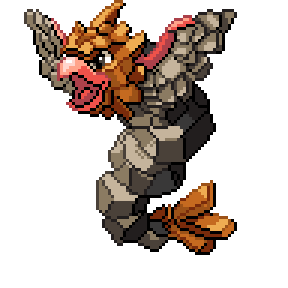
Spearzee channels psychic waves through its beak to lull foes into sleep. It then feeds on their dreams while they remain unaware.

It transforms into a copy of its foe to catch them off guard. Once the enemy investigates, it delivers a surprise bite.
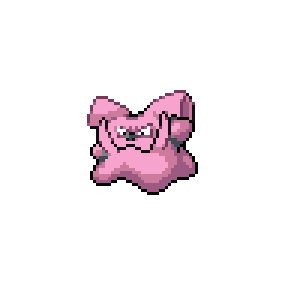
If a predator approaches its nest, it bites with a force strong enough to destroy a bank vault door. It is fiercely protective of its territory.

It bites nearly everything, offering weak playful nibbles to those it senses are friendly. Its clairvoyance helps it distinguish friend from foe.

Its oversized teeth are strong enough to gnaw through wood and stone. It marks its territory by biting trees, leaving distinct grooves as a warning.

It rolls across long landscapes and times itself during the journey. Spotting a cactus excites it, as it loves to stop and eat them with eager bites.

It loves biting metal to test its jaw strength. Using its magnetic nose, it detects nearby unbitten items for further chewing.
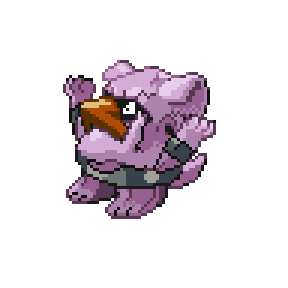
It bites defensively when provoked, releasing a sticky slime that makes attackers slip away. Its strong jaws can crush small shells found on the beach.

It uses its soft, stretchy fur to disarm opponents before biting unexpectedly. The fur puffs up when it's angry, making it look twice its size to scare off predators.

It rolls at high speeds, using its sharp fangs to bite through obstacles in its way. When threatened, it curls into a ball and strikes with powerful spinning attacks.
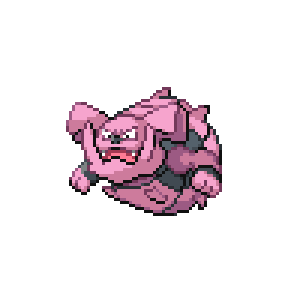
Sap drips from Granoom's massive jaw, releasing a scent reminiscent of Chesto Berries. This aroma attracts Bug-type Pokémon in the area.

It uses metal chains to bind foes from a distance before delivering an extremely hard bite. Its bite is powerful enough to destroy concrete.

It enjoys biting down on hot objects in the desert. If someone gets too close while it gnaws, it will fire out sharp pins to ward them off.

Skull-shaped flowers bloom on its body in sunlight. If someone gets too close, it will bite with its strong jaws to protect itself.

This fusion lures prey close by shifting its sandy body to mimic a rock. When the target approaches, it bites down hard and drags them into the sand.

Granpin uses its powerful jaws to break logs into pieces to use as basic tools, then plants seeds in the soil it churns. It is often seen reforesting areas damaged by wildfires.

Granggy's powerful jaws can crush iron with ease. It uses a disturbing Leer to scare others away from alleyways it wants to claim as its own.
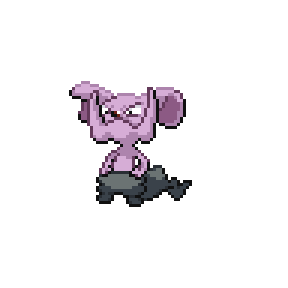
Despite its fearsome appearance, it is timid and avoids conflict. When cornered, it lashes out with swipes, but only as a last resort.

It happily gnaws on its spoon when idle. In battle, it unleashes terrifyingly strong telekinetic blasts, often catching foes off-guard.

Granbell emits a Persim Berry-like scent from its leaves to lure unsuspecting prey. When they draw near, it bites down with crushing force.
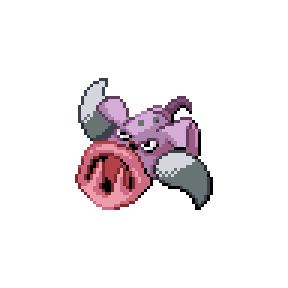
With poor eyesight, it nibbles on objects using both heads to identify them. Its bites are gentle but persistent as it explores its surroundings.
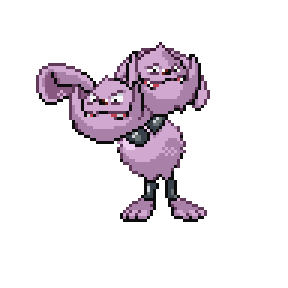
When cooking a Qwilsea, it is important to let the barbs sit in cold water before removing them. This allows the toxins to disperse.

Qwilsola absorbs toxins from polluted reef waters. The water it expels through its coral branches is completely purified and safe to drink.
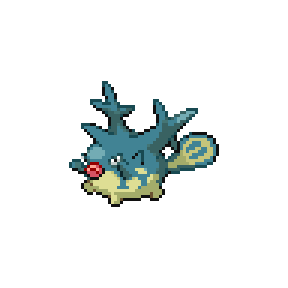
Qwildra fires poisonous needles from its elongated mouth. The speed and accuracy of its shots rival that of a finely tuned crossbow.
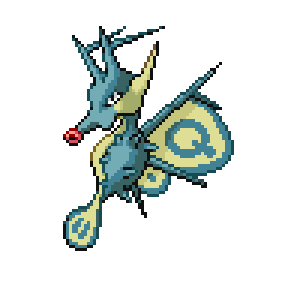
Qwilord is normally just six inches long, but its elastic body can expand to 47 feet when filled with water. It usually only hits this size when threatened.
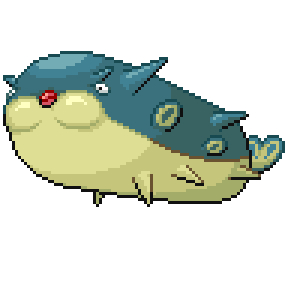
Qwilmer fills itself with water and rolls across the sea's surface. When fully inflated, its spines grow sharp enough to pierce ship hulls.
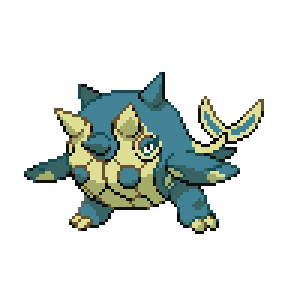
When threatened, Qwileanie's tentacles swell, firing toxic needles in every direction. The venom causes severe blistering on contact.

They are very bad at noticing their surroundings. It is not uncommon to find Qwilpoke covered in seaweed and barnacles.

Shuhorn lives near berry trees, using Rhyhorn's strength to knock berries loose. It stores them inside its rock-solid shell and creates a delicious paste.

Shubat collects Wiki Berries while flying and keeps them in its shell. The juice it brews is dry in flavor but packed with nutrients.

Floating across great distances, Shuluff searches for Lum Berries. It stores them in its shell, creating healing juice for its allies.

Shuicate harvests Haban Berries to create a spicy yet soothing juice. Gourmet chefs often seek it out for exclusive recipes.

Shucross drinks sap from Coba Berry trees after breaking their bark. Fallen berries are stored in its chitin for later consumption.

When attacked, Shuslash retreats into a titanium-hard shell. It can launch spikes from shell openings to drive foes off.

Shuloom stores berries in its den, where spores from its tail help ferment them. The resulting paste is delicious and shared with its kin.

Shucada gathers Apicot Berries and buries them in its tunnel. After fermenting, the juice becomes an incredibly nutritious substance.
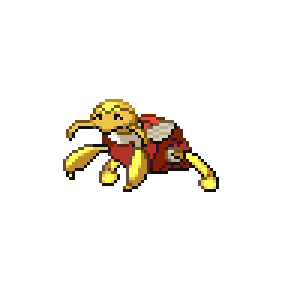
Shueye gathers gems and berries deep in caves. The crushed berries become a sweet juice that changes based on the gems they are stored alongside.

Shupede stores Pecha Berries in its sloshing, poison-filled shell. The toxins turn the fruit into a delicious, detoxifying juice.

Shutump keeps berries in its hollow wooden body. Legends say that stealing one results in a curse of endless exhaustion.
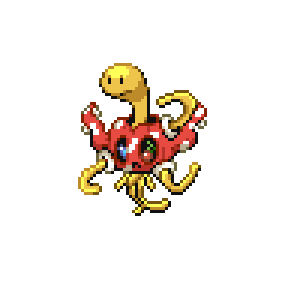
Using sound waves, Shuvern knocks Rowap Berries from trees. It stores them in its shell and shares the juice with its close friends.

Pumkin Berries are crushed inside Shukaboo's shell. The juice is so sweet it can dull a person's sense of taste for days.
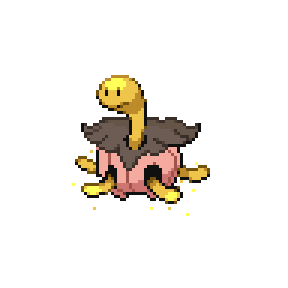
Shulem gathers Bluk Berries in its rock-hard shell and rolls to crush them. The juice is tasty but low in nutrients, perfect for smoothies.

Using its stick, Shufetchd knocks Magost Berries from trees. It stores them in its shell, producing a sweet and nutritious juice.

The horn on its face grows multiple sizes when it attacks. When it gets angry, it can destroy a boulder with ease.

Heragela entangles foes with its long vines, dragging them in close. It finishes the fight with a swift, crushing blow from its horn.

With its colossal horns, Herasir topples even massive trees in a single blow. It quickly devours the sap that spills out, draining the wood dry.

Herabat strikes at foes with its sturdy horn, capable of breaking open tree trunks with ease. It glides through the night sky, ambushing prey with powerful aerial dives.
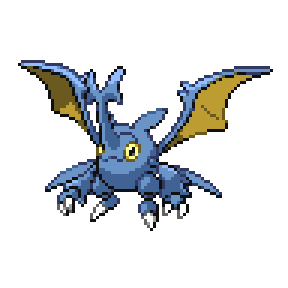
Herakern uses its sturdy horn to dig into soil and bury itself near water sources. It does this to rest and replenish its strength.

When its eyes are closed, Heraflora uses its antennae to sense heat and light. It always turns toward the sun during daylight hours to absorb energy.

Herama buzzes through swampy regions, searching for willow trees rich with sap. It chews into the bark with its maw to drain the sweet liquid inside.
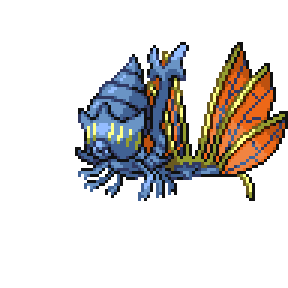
Heratress breaks apart copper ore deposits with its horn and consumes them to reinforce its metallic shell. When under attack, it braces itself and counters with devastating force.

Herapy slams its horn into the ground while rolling during combat, launching itself up to sixty feet skyward. It then drops down horn-first to strike its target.

Heratar uses its powerful horn to break apart shale and consumes the fragments for nourishment. It competes with other rock-eating Pokémon for the richest mineral deposits.

Heracko knocks enemies away with a powerful horn strike before firing a flurry of Energy Balls. Its aggressive tactics make it difficult to approach.

Herawile swings its second mouth like a flail to break apart tree trunks, then eagerly drinks the sap that flows out. If a predator gets too close, the jaws snap shut with crushing force.

Herasol senses hurricanes before they strike and panics, slamming its horn into nearby objects. This act drives others away, unintentionally saving them.

Heratula captures prey with thick strands of webbing before striking with its horn. It moves swiftly through trees, leaving electrified silk behind to ward off intruders.

A wild Herano is naturally blind, so it uses its horn as a dowsing rod to navigate its surroundings. If its horn is even slightly damaged, it loses all sense of direction until it fully heals.

Heracada burrows into the sides of maple trees using its horn, remaining hidden while it drinks the sap. If disturbed, it tunnels deeper into the bark to escape detection.

Using its wings for balance, Heraolu performs acrobatic martial arts techniques. Its kicks are so precise and powerful they can shatter marble slabs.

Heraonee floats effortlessly between trees, cracking bark with its horn. It feeds on the sap within, leaving trails of stripped trunks behind.

Heraoom secretes acid from the tip of its horn to bore holes into trees, allowing it to drink the sap inside. Its body emits a faint, sweet scent that attracts other Bug-type Pokémon.

Herasect collects sap from nearby pine trees and carries it back to its massive mushroom colonies. The fungi on its back thrive on the rich nutrients, allowing them to grow even larger.

Herapod rests its horn on the ground to sense vibrations of nearby movement. If it detects danger, it flees without hesitation.
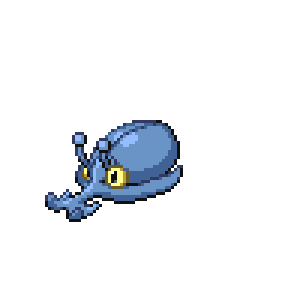
After consuming enough birch sap, Herakaboo emits a bright light from its torso. The glow pulses in time with its breathing.
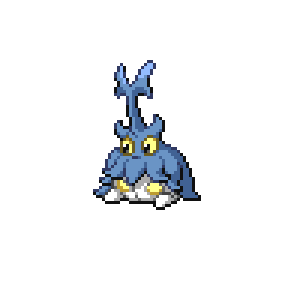
Drawn to trees under streetlamps, Heramoth feeds on their illuminated sap. If disturbed while eating, it retaliates with a burst of Stun Spore.

A sweet-smelling acid drips from Herabell's mouth to lure in prey. Once close, it charges with its horn to deliver a brutal strike.

When berries are buried beneath deep snow, Sneanub's feather twitches wildly. It digs with sharp claws until it finds the fruit.

Sneaphan rolls at high speeds through canyons. As it spins, it leaves a slick path of ice in its wake, making pursuit nearly impossible.
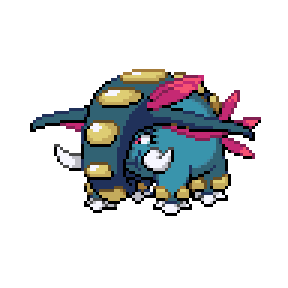
Holding its antler-like wand aloft, Sneatler casts precise Ice-type attacks. Frozen prey are often left standing mid-step.

Snealup glides across frozen lakes with speed and balance. It uses its feathered crest to steer while skating at high velocity.

Sneaiard's metal claws radiate bitter cold. A single scratch from them can freeze flesh and armor alike.

While it naps, Sneakoth's head feather sways slowly. It only wakes for short bursts to eat before dozing off again.

The tail feathers of Sneanx crackle with electricity when it wags. Sparks light up the snow around it like a static storm.

In frozen caverns, Sneatik builds nests out of frost-covered stones. It fires electric bursts to ward off intruders and light its den.

Snealie freezes parent Pokémon with a chilling breath, then steals their eggs. It vanishes before the ice even starts to thaw.

Sneamite's feather holds a powerful magnetic charge. In factory ruins, it attracts bolts, wires, and scraps as it sneaks through.
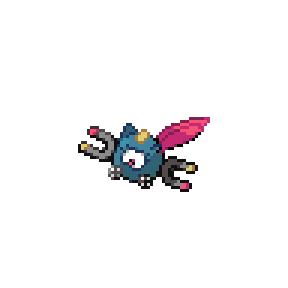
When attacking, the feathers on Sneagong's tail freeze into rigid blades. It uses them to carve through ice with swift, slicing motions.

Sneader spits out freezing pearls when startled. A direct hit can leave foes completely encased in ice.

Sneatly's feather glows icy blue when channeling Ghost-type attacks. It leaves a cold aura in the air as it floats silently through the night.

When frightened, Teddico releases a honeylike scent to warn others. If the threat comes closer, it panics and detonates in a small explosion.
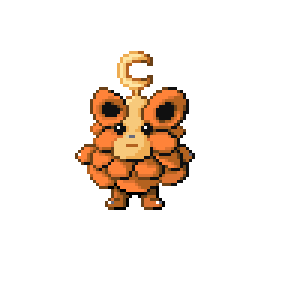
Teddipy rolls into trees to knock down Beedrill hives. It smashes them open for honey, then rolls away before the swarm can attack.

After eating even an ounce of honey, Teddiphan's rolling speed triples. It can even roll straight up vertical cliffs with its newfound momentum.

The plant atop Teddish's fuzzy head sprouts small nuts known to neutralize toxins. Herbalists often follow it in hopes of gathering the nuts for potent Antidotes.
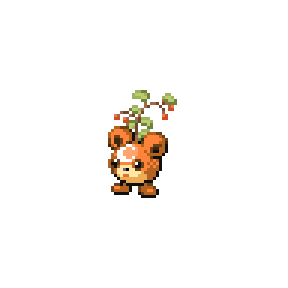
A stony crescent grows from Teddinix's head early in its life, glowing faintly during full moons. Despite this eerie glow, its behavior remains curiously unchanged.
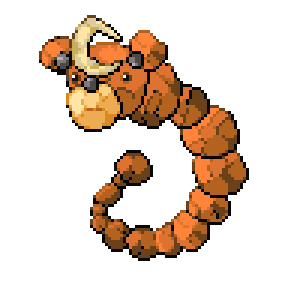
Ursadreavus floats through dense forests guided by scent alone. Its nose can detect fruit-bearing trees from over a mile away.

Ursasparce growls deeply at intruders near its cave, though it's mostly for show. If approached further, it panics and burrows out of sight.

Living in the mountains, Ursasel uses its claws to steal food from Hikers. It hauls backpacks and picnic baskets to its cave to raid for meals.

An agile climber, Ursapy often rolls down curved trunks to build speed. It uses this momentum to chase down prey in bursts.

Ancient tomes describe Ursaceus as growing 1,000 paws when enraged. No modern record has confirmed these terrifying accounts.

Ursabat climbs high trees to slash claw marks deep into bark. On moonlit nights, it becomes more aggressive toward trespassers.
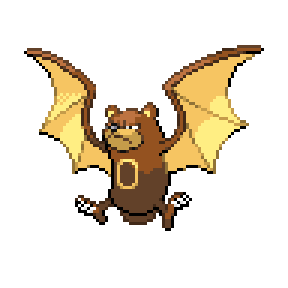
In autumn, Ursarantis devours flowers with urgency. It hibernates in hollow logs through winter, sealing the ends with leaves.
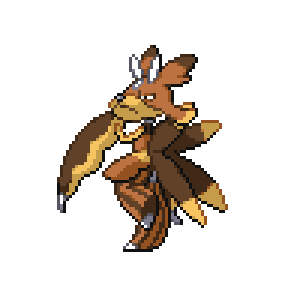
Ursaty chews deep grooves into bark to claim its territory. It favors walnut trees and uses Headbutt on any intruder that nears its grove.
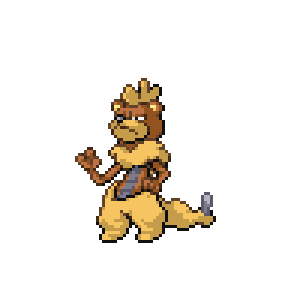
Slugrow gathers in noisy flocks near volcanic cave mouths. It pecks at fresh wood and saplings, consuming them after they catch fire.

Slugursa's fur stays toasty at all times. If hugged too tightly, it may drip a single bit of lava that can scorch the skin.

The glowing spheres on Slugsly's head emit constant heat. It avoids rain at all costs, as the sizzle can alert predators.

Slugran consumes poisonous plants, reducing them to ash before feeding. When threatened, venomous spines erupt from its body, fueled by the ash it consumes.

Slugdoof spits lava to knock branches from trees, then chews and burns them into ash. It teams up with others to gather the ash and dam rivers.

Flames shoot from Slugran's horn with enough force to melt slate. It rarely uses this power unless cornered.

Slugki jingles as it floats through volcanic tunnels. Molten drops fall from its body, leaving behind glowing scorch trails.

Slugtump possesses tree stumps in scorched forests. If it stays inside too long, the stump may catch fire and smolder for days.

In volcanic terrain, Slugchop trains by lifting molten boulders. It can easily lift over a ton, its body glowing brighter with each rep.

Slugchoke's lava-coated body forms glowing limbs as it strikes. A single punch from it can leave burns on stone or steel.

Using four limbs, Slugler pulls rocks from cave walls. It melts them down within its core to sustain its internal heat.

As it gallops across volcanic ridges, Slugta drips molten mucus from its nose. The ground steams as it passes, heating the air around it.

Slugduo's feathers are coated in molten lava. It leaves behind scorching puddles when dashing across dry fields.
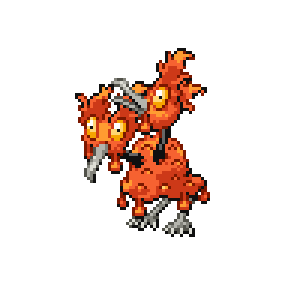
When Magbone cries, the hot skull-like portion of its face hardens. It often does this at the start of battle to fortify itself.

The smoke rising from Magzing's body is dangerously hot. Prolonged exposure can blister skin and melt metal.

Magmar makes its home in deep volcanic tunnels. Its molten body keeps the narrow caves perpetually glowing.

Maglix feeds exclusively on volcanic rock. Its powerful jaws crush stone into magma with every bite, heating the stone beyond its melting point.
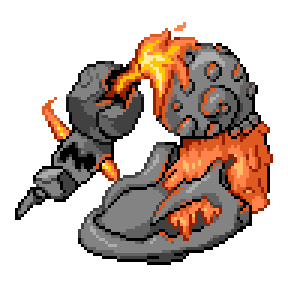
A stream of lava-like mucus drips from Magpass's nose. When exposed to cold air, it hardens into glossy black rock.
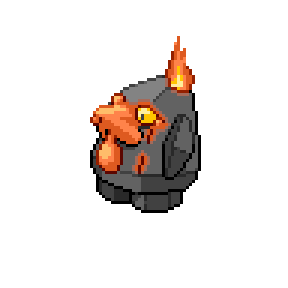
Magblim floats lazily over active volcanoes, drifting through smoke and ash. It's often mistaken for a wayward splash of lava.

The glowing liquid inside Magpent's glassy head is cooler than lava but still burns to the touch. It uses it to defend itself from predators.

Magbat soars through the sky spewing molten lava from its mouth. Its glowing trail lights up the night like falling stars.
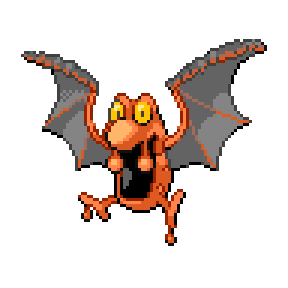
When Magtrum roars, its jagged stone fangs glow red-hot. One bite can leave molten cracks in solid rock.

While Magkin sleeps, the lava in its ears cools and hardens. This temporarily limits its hearing until it warms up again.
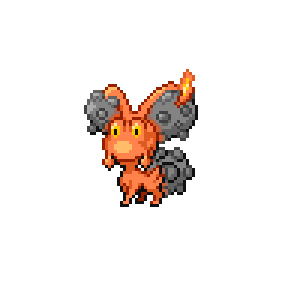
Magkoal's body stays molten as long as it has eaten enough. When enraged, it vents scalding smoke from its back in great plumes.
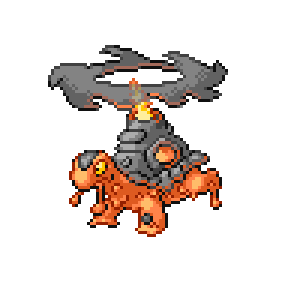
When its body aches from training, Magchoke submerges in lava to relax. Once fully rested, it can lift a pickup truck without much effort.

Magler sleeps belly-down in lava pools, using its rocky shell to float. The heat seeps into its core and keeps it energized.

As it gallops, Magta leaves puddles of lava where its hooves strike the ground. The trail glows long after it passes.

Magdrio squawks loudly as it dashes across volcanic terrain. Each footstep leaves behind a faint trail of scorched dirt.

The feathers on its orb-like body are filled with static electricity. When it flies near hair salons, it causes chaos by ruining hairstyles with stray shocks.
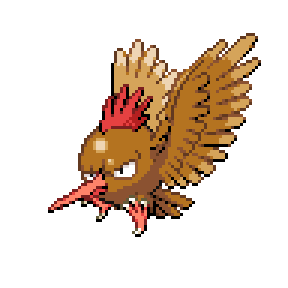
Fearbone knocks Metapod from trees to hunt for food. It carries them back to its nest, piercing them with its beak before feeding.
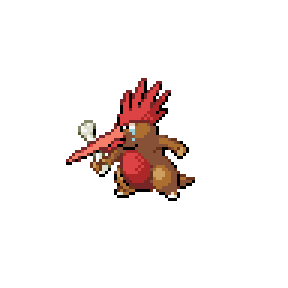
While its body resembles smooth stone, it is covered in tiny, hard feathers. These feathers enhance its agility, making it difficult to target in battle.
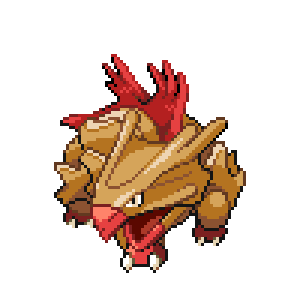
It drums its beak on trees to communicate with its allies, coordinating group hunts. These rhythmic signals ensure effective teamwork.
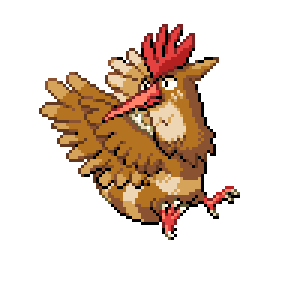
It tumbles through the air in a chaotic movement while punching, aiming to knock foes off balance. This aerial technique makes it unpredictable in combat.
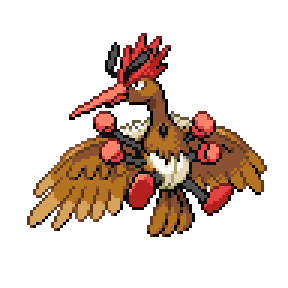
There are reports of Fearotto becoming so enraged that its feathers harden to the strength of iron. With this enhancement, its Wing Attack can topple buildings.
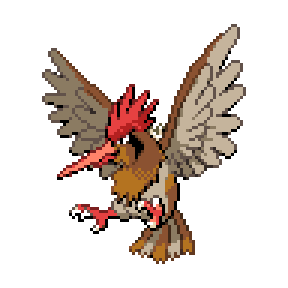
As Fearffy grows, it will shed its wings, which can take 3 to 4 weeks to regrow. Without its wings, the electricity in its beak becomes amplified.
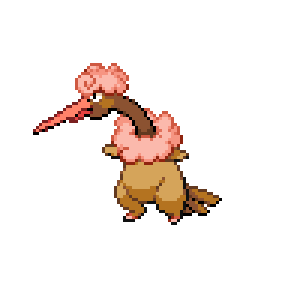
As Fearffy grows, it will shed its wings, which can take 3 to 4 weeks to regrow. Its wings store electricity like batteries.
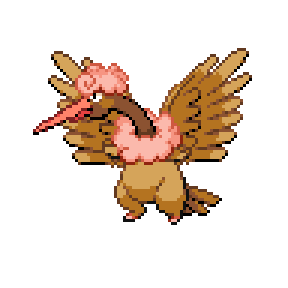
It floats lazily through meadows, enjoying the breeze. If it gets stuck on an obstacle, it uses its sharp beak to free itself with ease.
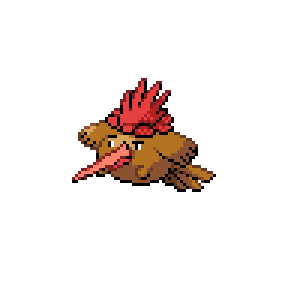
If it detects the scent of cheese in a home, it drills its beak into the roof to gain entry. This behavior makes it a persistent scavenger.
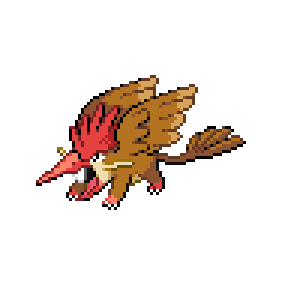
Its beak conceals rigid, tooth-like structures that latch onto foes. Once it bites down, it refuses to let go for hours.
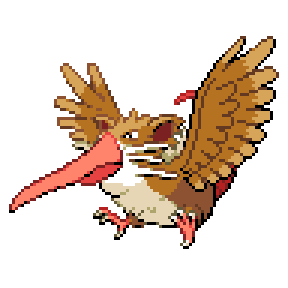
Feardreavus uses its long beak to prune wilting flowers at grave sites. Some say it mourns the dead, but there are no actual facts that can back this up.
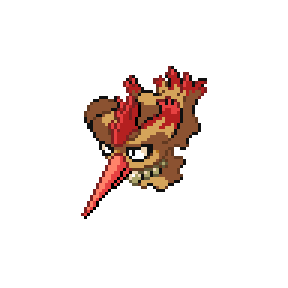
Utilizing both of its brains, it can subtly manipulate a person's thoughts. With proper training, it even helps people break bad habits.
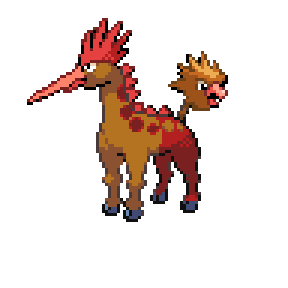
It will spend time on the side of cliff walls breaking off small stones. It will fling small stones to taunt travelers.
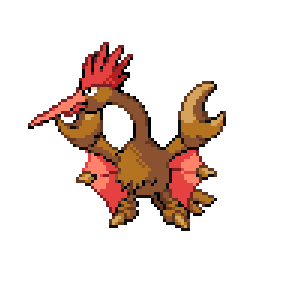
It monitors foes from afar, carefully observing their movements for signs of danger. If it detects a threat, it lets out a loud caw to alert its flock.
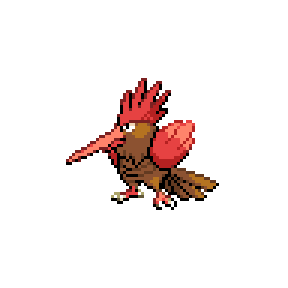
The bubbling material on its body is mud-like in texture but grows intensely hot when it moves. The heat can reach temperatures capable of melting steel.
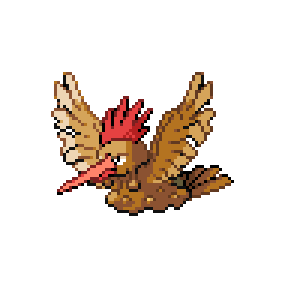
Its ears have hollow bones that enable limited flight, while its feathers efficiently capture air currents. This unique adaptation makes it surprisingly agile.
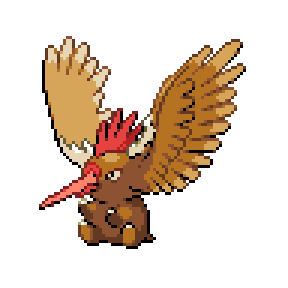
Despite its large size, a Fearphan can fly faster than most humans can run. It has the ability to divebomb a target from hundreds of feet away.
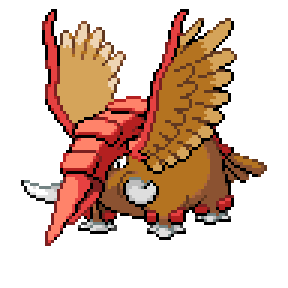
The red, paint-like fluid dripping from its tail emits a bitter scent. It uses this liquid to create intricate designs on rocks and trees.
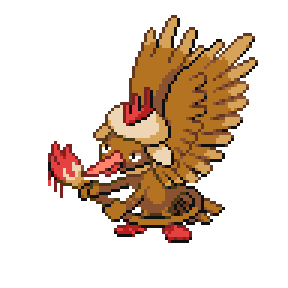
When its milk supply is drained, it uses a powerful Drill Peck to crack open trees and consume their sap. This sustains it in times of scarcity.
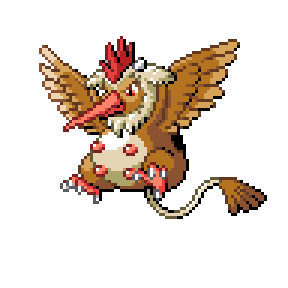
Fearchic's long beak burns with intense heat, leaving singed marks wherever it strikes. In battle, it swings its beak like a saber, scorching foes with each slash.
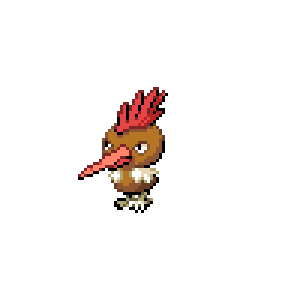
A weak toxin is stored at the tip of its beak, which leaks out when it becomes angry. The dripping venom leaves faint trails on the ground.
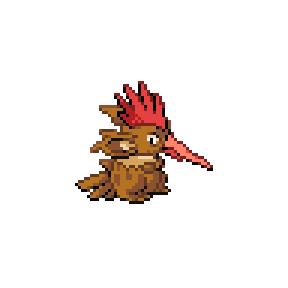
It rams its head into trees to make sap leak out, often knocking itself unconscious in the process. This reckless method is both endearing and clumsy.
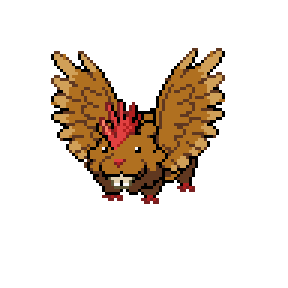
It soars gracefully over prairies using its large wings. From its beak, it can fire tiny barbed needles with surprising accuracy to fend off attackers.
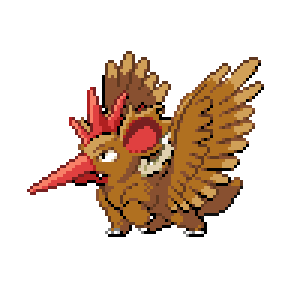
Legends state Fearceus's beak could shatter an entire mountain in one strike. Shockingly, three such incidents are recorded in historical documents.
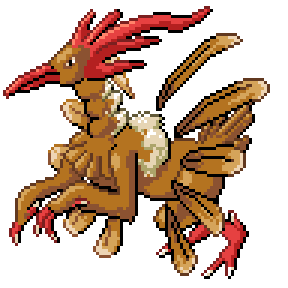
The potent toxin secreted from its beak glows faintly in the dark. This eerie luminescence serves as both a warning and a threat to predators.
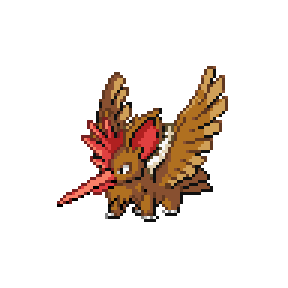
It spins like a top, charging magnetic energy through its beak. When fully unleashed, its magnetic force is powerful enough to sink a cruise ship.
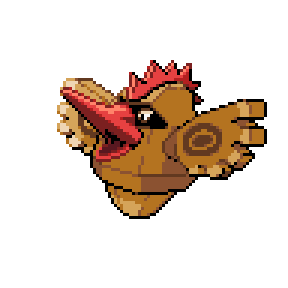
The horn on its head resembles a sharp beak, hollow inside and filled with potent poison. It injects this toxin into foes with precision during battle, leaving them incapacitated.

If pursued while flying, Fearfairy wiggles its talons unpredictably, triggering strange and chaotic abilities. This has led to many Trainers avoiding conflict with it, unsure of what might happen.
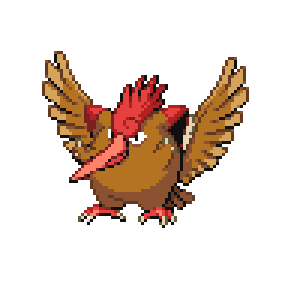
Fearfable flies above the nests of other Pokémon, emitting a soft, hypnotic melody from its beak. Once the inhabitants fall asleep, it swoops down to snatch an Egg for its next meal.
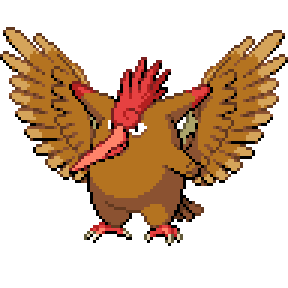
It habitually washes Bluk Berries in ponds before eating them. This fastidious habit makes it a surprisingly neat feeder.
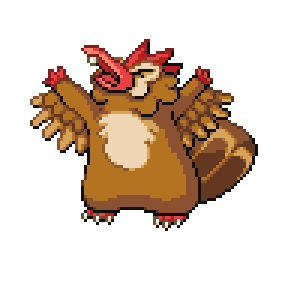
Fearpuff makes happy chirps that sound like singing during the evening hours. Those who hear it report falling asleep almost instantly, lulled into a peaceful slumber by its melodic calls.
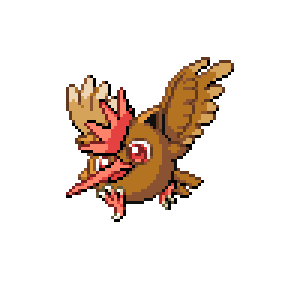
The beak within its outer mouth extends to snap at prey with precision. Its sharpness and force are enough to pierce through marble when threatened.
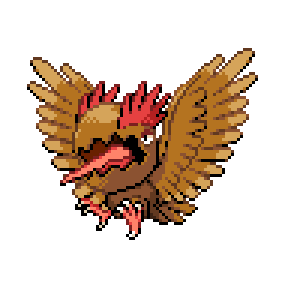
Though nocturnal, it emits a high-frequency chirp through its wings each morning while sleeping. This signal assures its allies of its safety.
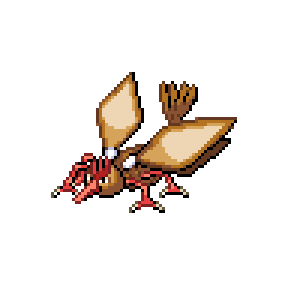
Its helium-filled body allows it to float effortlessly when not flapping its wings. This buoyancy gives it a serene and graceful appearance in the sky.
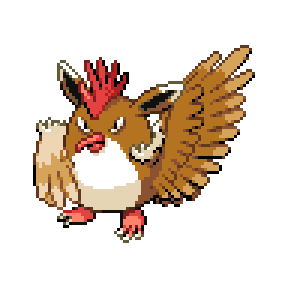
It waves its feathered arms to spread a delightful aroma. However, the scent is so enchanting it can cause those nearby to faint if inhaled for too long.
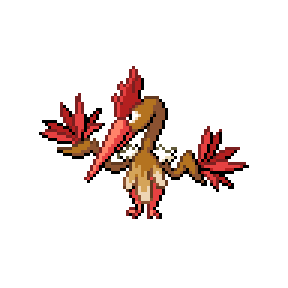
The feathers of a Fearile are regularly used in the creation of artisanal Poké Toys in Vertress City. The feathers are sturdy and don't break easily.
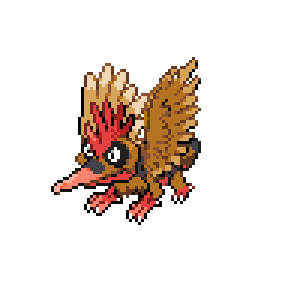
Fearseed patrols its nesting grounds in a circular pattern, watching for intruders. If a predator approaches, it dive-bombs at full speed, causing an explosive impact upon collision.
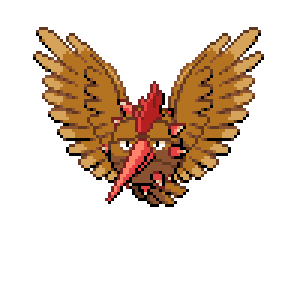
It drinks sap from maple trees to fuel the energy burning within its body. When startled, it emits bright pink flashes from its chest as a defense.

Using its sharp beak, it drills into trees to drink sap, favoring pine sap for its strong scent. This behavior sustains it in forested areas.
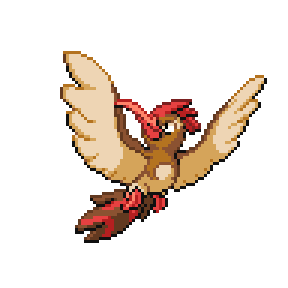
Its long neck allows it to perform intricate sambas with grace. It often showcases its dances near children's parties, seeking admiration and applause.
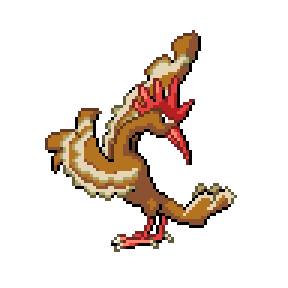
The goo that flows from its mouth is highly acidic. While flying, it will spit this acid to deter enemies or catch prey off-guard.
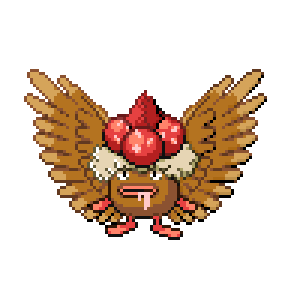
Exceptionally coy around older humans, it seeks gentle pets and affection. When held, it coos softly to express its happiness.

It collects Yellow Apricorns with its paws and stores them in hollow trees. Lumberjacks often find these bizarre stockpiles, leaving them puzzled by the peculiar hoarding behavior.
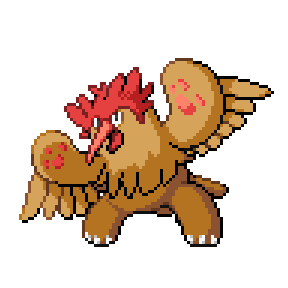
The feathers covering its body are as thin as needles and dangerously sharp. This adaptation protects it from predators while in the desert.
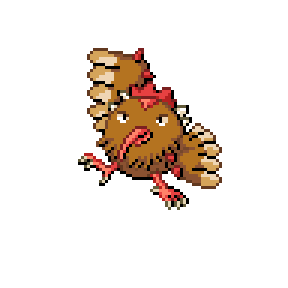
It spreads its wings wide to absorb rays from the desert sun. This energy sustains it during long flights over barren landscapes.
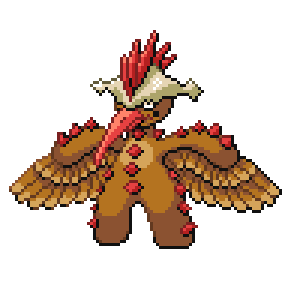
Fearmo-o's wing-like ears allow it to soar gracefully above deep canyons. The scale on its head is exceptionally sharp, capable of slicing through tough rock formations mid-flight.
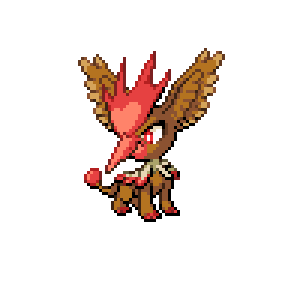
Fearor streaks across the morning sky, shedding feathers like stardust. Upon spotting prey like Weedle, it dives at incredible speed.
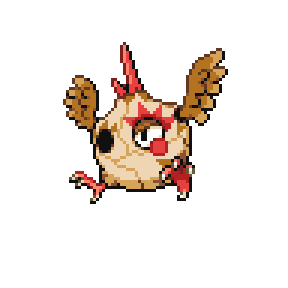
It extends its talons from underground to scratch at foes, surprising them with an attack from below. This tactic keeps it hidden while hunting.
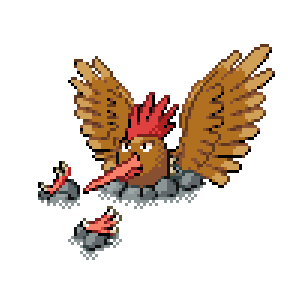
It uses its long beak to steal jewelry from unsuspecting passersby. Preferring high ground, it often nests on the roofs of financial institutions.
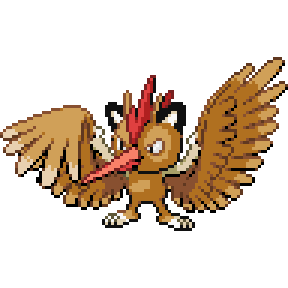
It nests on the roofs of banks and financial institutions, using stolen high-value clothing and currency to construct its home. Its thieving habits are notorious.
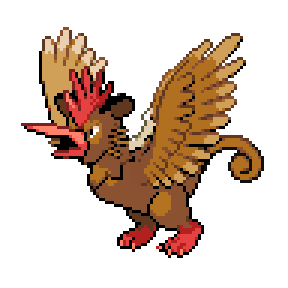
When its headaches become unbearable, it channels psychic energy through the feathers on its head. This energy can create massive whirlpools in nearby waters.
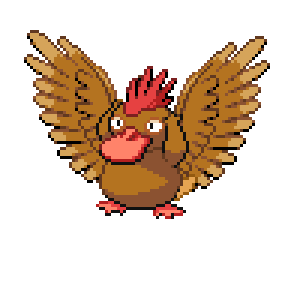
It performs elaborate displays of strength, splashing ponds with its wings to court potential mates. These rituals are both impressive and theatrical.
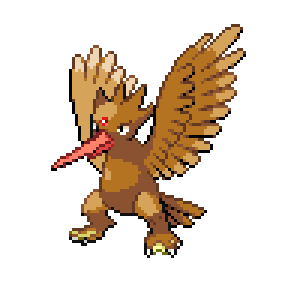
With the precision of a professional boxer, it pecks its foes while using aerial agility to dodge attacks. Its speed and power make it a formidable opponent.
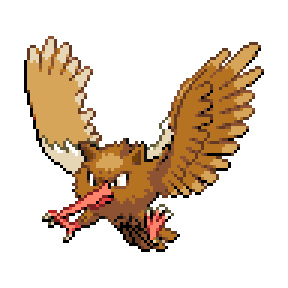
When it doesn't get its way, it becomes uncontrollably enraged. By focusing its anger, its attacks gain enough strength to break bones.
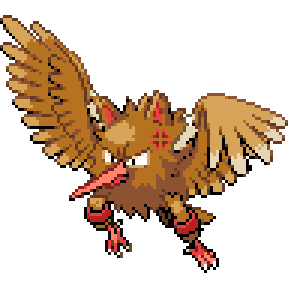
Using its hard, stone-like arms, it smacks tree limbs to break them off and access sap. Once the sap flows, it sticks its beak in to drink greedily.
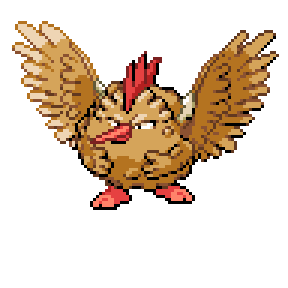
When it flaps its wings, it releases flaming embers that drift gently to the ground like feathers. This fiery display both dazzles and intimidates its enemies.
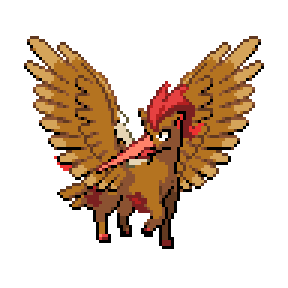
Its flaming mane creates stunning light shows as it flies through the night sky. It often perches near volcanoes, absorbing warmth through its down.
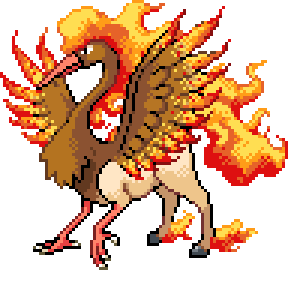
It frequently stares blankly in a random direction. Legends state that this is because it knows a future disaster will occur in that area.
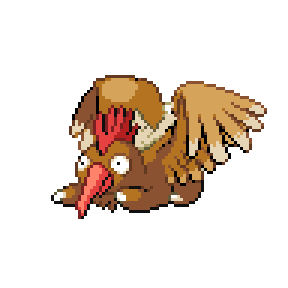
It fires bolts of electricity through its beak, each powerful enough to cause burns. This shocking attack adds an extra edge to its arsenal.
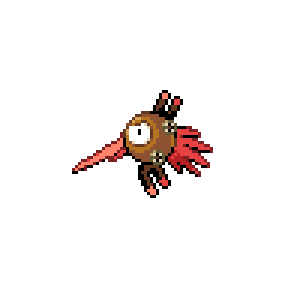
It squirts berry juice on its feathers to attract prey, but this leaves its body sticky and grounds it temporarily. Its resourcefulness is offset by its messiness.
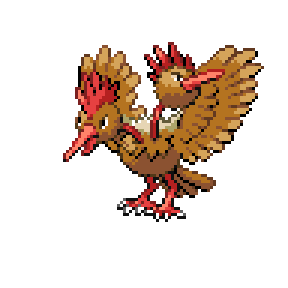
It snaps its sharp claws loudly while flying, intimidating enemies into retreating. The claws are strong enough to cut through tree limbs effortlessly.
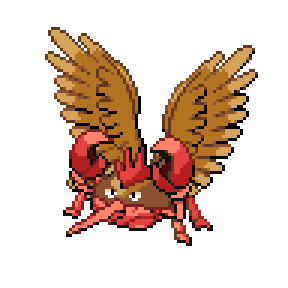
Switung's saliva is frigid to the touch and drips almost constantly. One lick can freeze the surface of nearly any object it contacts.

Pieces of a Swipi's outer shell are dissolved and used in the creation of less-potent Ice Heals. The shell regrows in minutes once broken off.

Switata's front tooth radiates an intense chill just before biting. Switata prefers its food frozen and often ices berries before eating them.

Swiown, flat and silent, clings to icy cavern walls in the shape of ancient letters. If it senses a lost traveler, it reshapes into an arrow and leads them to safety.

The icy antlers of Switler remain frigid no matter the season. In the height of summer, they can still freeze dew into tiny snowflakes.

With its eyes closed in focus, Swirogue strikes with elegant martial arts moves. Each hit leaves behind a thin layer of frost across the impact zone.

As it grooms the fur on its head, Swichum's nose twitches rapidly. It insists on using icy spring water to keep its coat pristine.
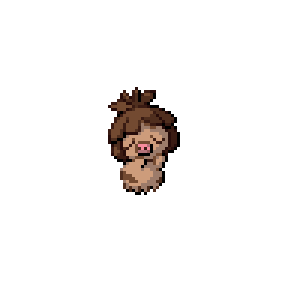
The fur atop Swiby's head grows hot enough to fry an egg. It releases fire from its nose which burns hotter if it's eaten spicy food that day.

Icicles forming on Swiceus's fur were once prized in Sinnoh religious rituals. These frozen growths remain solid for weeks without melting.

Swipede's thick, frosty fur is laced with hidden venomous barbs. By brushing against a foe, it can silently deliver an illness without ever attacking.
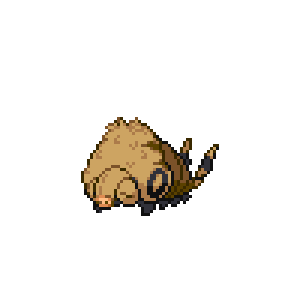
Swirunt burrows into fresh snow to regulate its body temperature. When it starts to feel warm, its nose quivers, warning it to cool off.

Swibink's nose is so sensitive it can smell gems buried in solid rock. It has a strong preference for alexandrite above all other stones.
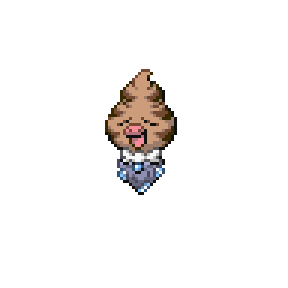
Without regular grooming, Swiduck's fur covers its eyes and causes intense headaches. When left unmanaged, its pain can spread telepathically to others nearby.

To defend its den, Swieel splashes intruders with freezing water before following up with a breath of ice-cold wind that locks them in place.

When Swider clamps onto its family in a warm embrace, it gently nuzzles them with its chilled nose. It offers the same affection to humans it trusts.

Though covered in fur, Swiby's pincers are ice-cold. A tight clamp can cause cracks in the pincers that take days to heal.
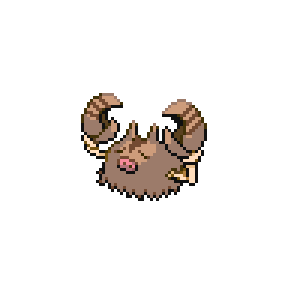
Pilonx dances silently in icy caves from sunrise to dusk. If it misses a session, its fur begins to fall out in clumps due to its stress.

Pilonub presses its chilly snout against others in its herd to greet them. These brief snorts help maintain close bonds and signal emotions.

Pilobird collects pinecones to give as gifts. Its thick facial fur causes it to make frequent mix-ups, gifting to strangers by mistake.

Old scientists once claimed Pilomory's fur never sheds. This lore has been recently proven false, as it was discovered to eat its own fur with its long beak to help retain nutrients in frozen regions.

After eating, Piloceon leaps through snowdrifts for hours. It despises feeling full and stays active to burn off meals.
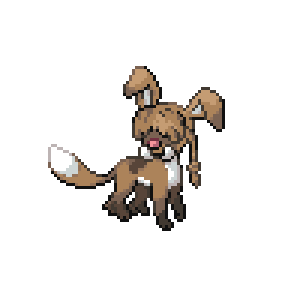
Pilolup uses an icicle to balance while sliding on frozen lakes. If it falls, its thick fur cushions the impact, keeping it safe regardless of speed.

When Pilorunt shivers, tiny flurries of snow burst from its fur. This phenomenon often heralds heavier snowfall in colder months.

Pilolie fires Ice Beams from its twin tusks. When agitated, its breath frosts the air around it to cause an icy fog.

Pilolass's icy fur can freeze others on contact. It drags frozen victims into its cave, seeking company in the silent cold.

Despite its fluffy look, Piloaura's fur is freezing to the touch. It sleeps buried in snow, absorbing the cold.
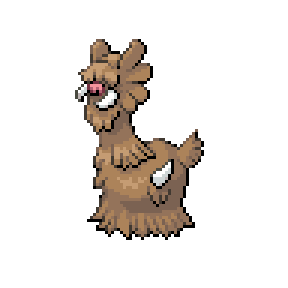
Piloduck dwells by frozen lakes. Its thick fur mats down in water, allowing it to swim gracefully in icy currents.

Piloder's tongue is extremely cold. It uses it to freeze kelp before eating, making the texture more brittle and easier to chew.

It sleeps atop palm trees, enjoying the warmth of the sun. From these heights, it keeps an eye on the reefs below, ready to protect them if needed.

Pollutants in the water are filtered through its coral branches, leaving the sea cleaner. Its presence is vital to maintaining healthy marine ecosystems.

It makes its home near abandoned aquatic minefields, where it thrives among forgotten debris. The danger of its environment keeps most predators at bay.

It glows more brightly during meteor showers, reflecting the starlight above. Many believe this luminous display is a sign of cosmic harmony.

It floats gently in the sky above coral reefs, carried by ocean breezes. Its carefree drifting adds an extra touch of beauty to the vibrant reefs below.

It sleeps nestled in kelp beds, swaying gently with the ocean currents. The flowing plants provide it with both comfort and camouflage.

It feeds on lily pads, often munching on them as it floats along the water's surface. This diet gives it a surprisingly peaceful demeanor.

Corsire sleeps peacefully within coral reefs, barely reacting to disturbances. If a Swimmer brushes against it, it simply shifts its position and continues its nap.

The venom it secretes causes intense nausea in anyone affected. Even a small amount can incapacitate a foe, making it a powerful defense mechanism.

This Pokémon can swim at speeds of up to 100 mph, darting through the water with unmatched agility. Its swift movements make it difficult to catch.

It spits ink at prey to blind them, giving Corllery time to strike or escape. The dark cloud it creates lingers in the water, confusing any nearby threats.

When threatened, it spits mud at predators to confuse them and make its escape. This clever tactic ensures it remains safe in even the most perilous waters.

When happy, its coral glows in a spectrum of colors, creating a dazzling display. This vibrant glow serves as a beacon for its companions that take shelter along its body.
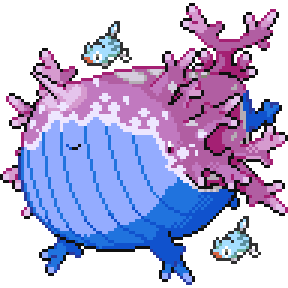
Clusters of Cormuku gather around sunken ships, drawn to the shelter they provide. If injured by debris in the waves, they can Recover and heal within minutes.

It can dive deeper than most humans and Pokémon thanks to its hard, submarine-like shell. These deep-sea explorations help it discover hidden wonders of the ocean floor.

The jelly-like membrane on Corsis's body possesses powerful restorative properties. If injured, it secretes a special fluid that allows it to heal itself instantly with Recover.

It attaches itself to drifting icebergs, floating across frigid waters. This journey takes it to distant oceans where it establishes new reefs.
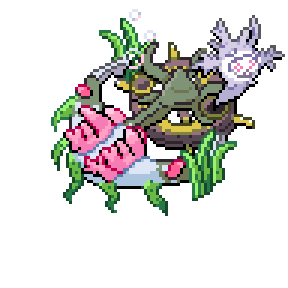
It makes its home near piers, weaving through barnacles and pilings. The colorful reefs it maintains attract both tourists and Pokémon alike.

When tired, Corsopod lies flat on the seafloor, resembling coral. It anchors itself by digging a claw into the sand to resist strong currents.

When exhausted from swimming, Corkaboo perches atop buoys, wrapping itself in seaweed to block the harsh sunlight. If it overheats, it will drop into the water and sink to the seafloor to cool down.
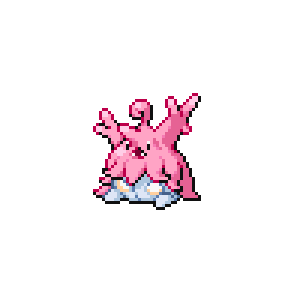
The delicate coral on Cordisc's body regularly breaks off and regrows. Necklaces made from its coral are said to bring romantic feelings to the wearer.
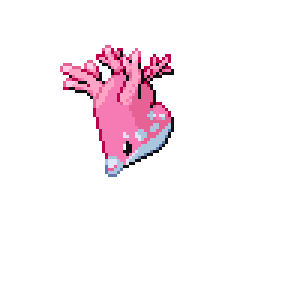
Corcool thrives in tropical waters, basking in the sun by raising its tentacles above the surface during the day. This behavior helps it absorb vital sunlight for its coral to grow strong.

Its tentacles secrete acid, dissolving anything unfortunate enough to touch them. This defensive trait makes it a formidable presence in the ocean.

Using its psychic powers, it splashes itself with water whenever it gets too dry. This curious habit keeps it refreshed even far from the shore.

Rotting shipwrecks are its primary food source, as it breaks down the debris over time. This habit ensures the ocean floor stays clear of decaying material.
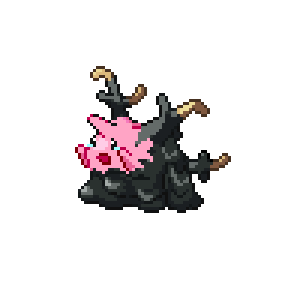
Corder produces stunning blue pearls prized by jewelers for their unique matte finish. These pearls are often crafted into elegant earrings.

It sifts through sand, meticulously picking out food hidden beneath the surface. This habit helps maintain the balance of life along the shoreline.
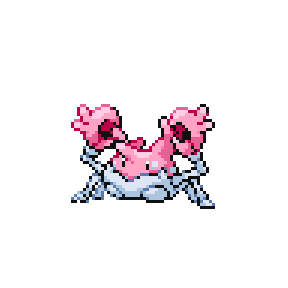
It crushes boat hulls with ease, viewing them as obstacles to its territory. This destructive behavior has earned it a fearsome reputation among sailors.
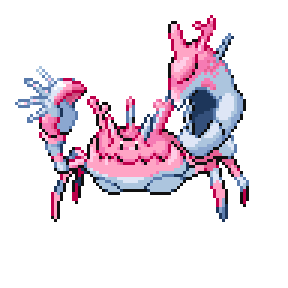
Remodeen leaps elegantly from the water before blasting airborne prey with a precise jet of water. Once the target falls into the river, it finishes them off with its sharp horn.

Remokarp pretends to flop helplessly on land to lure in unsuspecting small Pokémon. The moment they get close, it stuns them with a jet of water and knocks them into the river.
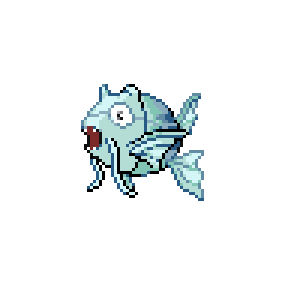
Remollery fires rapid bursts of ink at flying Pokémon with uncanny precision. It aims directly for their eyes, ensuring they drop into the water where it can strike.

Remomise drifts slowly through seaweed beds. When it spots prey, it fires powerful jets of water to knock them out from a distance.

Remoish darts through streams to ambush prey like Magikarp with swift, piercing bites. If it spots flying prey like Pidgey, it will knock them out of the sky with a perfectly timed jet of water.
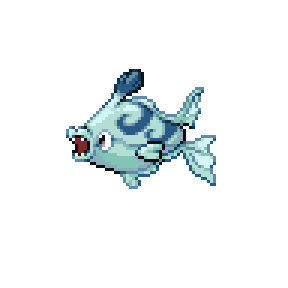
Remocool's twin mouths shoot powerful torrents of water at airborne Pokémon like Hoppip, sending them plummeting into the sea. Once submerged, it uses its tentacles to paralyze its prey.

Octisea's suction cups on its tail allow it to stick to the sides of coral inside of reefs when sleeping. It lets loose intermittent bubbles from its snout as it snores, creating a peaceful underwater ambiance.

Octidra wraps its long tentacle-like tail around sunken freighters when it hunts, spitting out a forceful Bubble Beam to incapacitate prey like Magikarp. Its strategic use of the environment ensures a successful hunt.

Octideen spits globs of ink to disorient foes before striking with its sharp horn. The ink cloud can linger for up to an hour in calm waters.

On clear nights, Octiyu will beach itself to stare up at the stars for hours. If disturbed, it will do a Rapid Spin to return to the sea, seeking the comfort of its aquatic home.

Octikarp wraps its tail around ocean buoys and flops about when disturbed. Though harmless, its sudden movement can scare off smaller Pokémon.
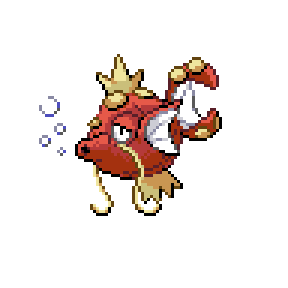
Combining its glowing antennae with agile tentacles, Octichou surveys the ocean's surface. It collects garbage to help keep its territory clean.

The suction cups on Octiturn's tentacles pulse with a yellow light before it unleashes an Ocatazooka. The light helps lure prey close enough for the attack to land with ease.

Octirill uses its suction-cupped ears to cling to sewer grates near the ocean. It picks through discarded trash with its long tentacles, searching for edible scraps.

If Octisola finds styrofoam or other waste on its reef, it gathers the pieces with its tentacles. It then brings it ashore in hopes that someone will dispose of it properly.

When bouncing on land, Octimer uses the large suction cups on its tentacles to drag people and Pokémon along. It will then bounce into the water to drag them below the surface, using the water to assist in its movement.

Octish bites at driftwood and floating debris, hoping to uncover food hidden among the waste. It has a strong jaw for breaking apart trash.

Tales state that a couple's portrait painted with Octidisc's ink will cement their relationship forever. Tourists clamor to coastal towns to buy vials of this ink for high costs, believing it to be a symbol of lasting love.
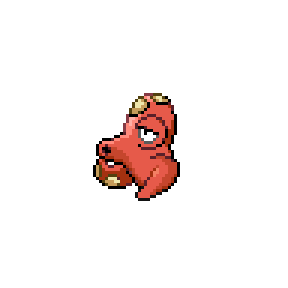
Octieel sticks to the sides of icebergs with the suction cups on its tentacle-like fins when resting. The cold environment helps it maintain its energy as it awaits its next meal.

The moment it sees snow, it sings carols for hours, despite the songs being off-key and wordless. Its relentless enthusiasm can either charm or annoy listeners.

It keeps small ice sculptures hidden in its tail, offering them as gifts. Each sculpture is unique, crafted with surprising detail and care.

It makes its home in pine trees and is said to tell whether someone is "naughty or nice" with a single glance. This ability makes it a fascinating figure in local folklore.
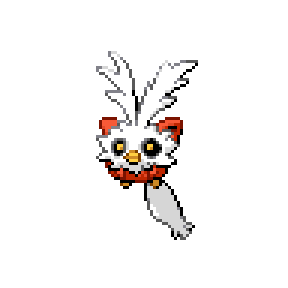
It manipulates icy winds to carry itself across long distances. This ability allows it to travel effortlessly through snowy landscapes.
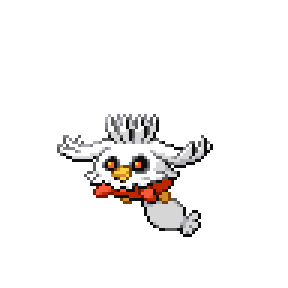
If it plays too much, it can accidentally create snowstorms. These unintentional blizzards make it both endearing and troublesome.

It crafts toys from twigs and gives them to others as gifts. These handmade toys are cherished by both Pokémon and people.

It can redirect snow and sharpen the flakes into razor-like edges. This ability makes it both a guardian and a fearsome opponent.

This Pokémon has an insatiable love for cinnamon, seeking it out wherever it goes. It is aware that humans keep this spice, which often leads it to human settlements.

It fiercely guards its present, refusing to part with it under any circumstances. This defensive nature makes it difficult to steal from.

It uses its sharp wings to carve ice sculptures of those it cares about. These creations keep it company when it feels lonely.

It delights in gathering berries and other fruits to give as presents. These thoughtful offerings make it beloved among both Pokémon and people.
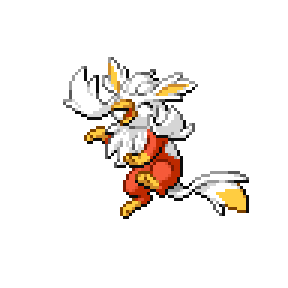
Delikip travels through snowy villages, shooting icy water at people so they drop anything they carry. It stores its prizes in its sack-like tail, making it a tricky and resourceful thief.
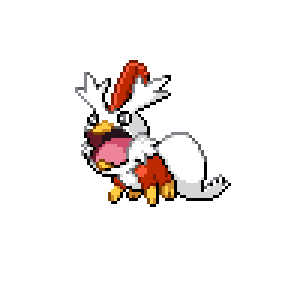
Nutmeg is its favorite food, and it hoards as much of it as it can find. The spice seems to enhance its already festive nature.

It makes its home on icebergs, drifting across frigid seas. These floating islands serve as both a shelter and playground for it.

Folklore warns that upsetting this Pokémon may result in an avalanche. The threat ensures it is treated with respect and caution.

Delilie freezes objects near its den with icy breath, then offers them to nearby Pokémon. The gifts are often strange, but always cold.
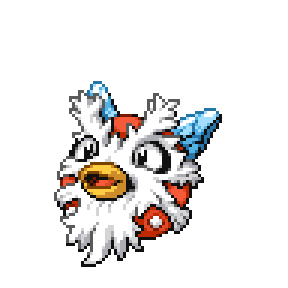
When it shakes its horns, a pleasant scent of pine sap fills the air. This fragrant aroma calms both allies and opponents alike.

It holds out its bag with closed eyes, hoping someone will offer it a gift. If it receives one, it runs away delighted, carrying the present with joy.
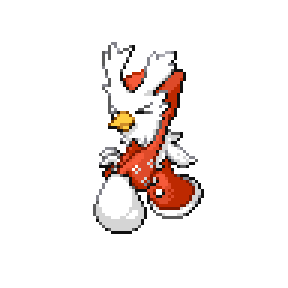
The bauble on its horn can hypnotize foes with rhythmic movements. Once mesmerized, enemies are easy to outmaneuver.

It can spit out an icy mist capable of freezing anything it touches. This frosty breath makes it a formidable opponent in cold environments.

It has a curious habit of stealing items from one town only to gift them to another. This behavior leaves both towns confused, yet strangely grateful.

Delikaboo's round, icy body is filled with a cotton-like material that swirls inside like a snow globe when it moves. When it shakes itself, it releases a subtle pumpkin scent into the air.
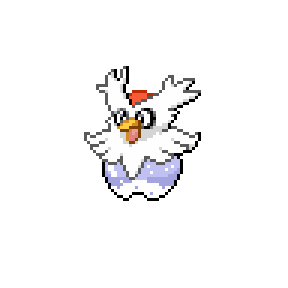
Its tail is packed with candy canes, which it throws with precision in battle. These sweet projectiles are both festive and surprisingly effective.

The tip of its tail is extremely heavy, and it swings it like a maul. This makes it a surprisingly formidable fighter when needed.

It prefers to make its den within icebergs. Using its beak, it will chip off the ice in large chunks to dig out a home.

Chefs prize its horn, which is said to taste like peppermint when properly prepared. This rare ingredient adds a refreshing twist to culinary dishes.
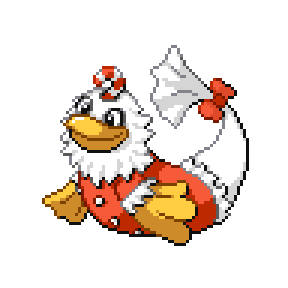
The slime coating its body is intensely sweet, so much so that licking it can cause tongue pain. Despite its sweetness, few dare to try it twice.
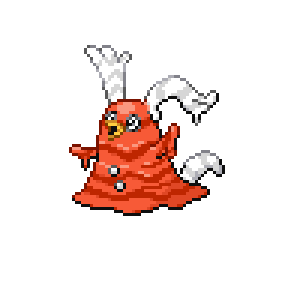
Mansea spits bubbles while jumping out of water, using them to stay airborne as long as possible. The bubbles also help cushion its landings should it land on a hard surface.

Manchou's antennae release a thick, sweet mucus that attracts Remoraid. These Remoraid stay near its nest, protecting it from predators while it slumbers peacefully.

When Manfish sees a threat, like Sharpedo, it bounces on the water's surface, inhaling air to make itself appear bigger. This defense mechanism helps intimidate potential attackers.

Mansola sleeps in coral reefs until it gets bored, gliding across the surface of the water to the next one. Its low attention span makes it difficult for it to stay in one place for long.

Mantyke happily jumps out of the water alongside yachts, enjoying the spray and the attention it garners. It is often seen playing near the coastline in the presence of boats.

Groups of Manqueen were used during the ZERO-ONE's aquatic testing phases. They are valued for their strength and their mother-like care for anything struggling to swim.

Island nations once revered Manceus as a sea deity. It races across the ocean's surface, and ancient records claim monsoons form wherever it passes.
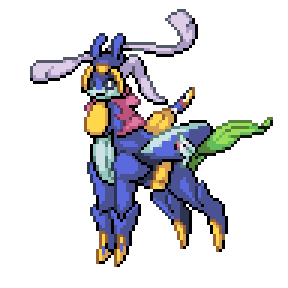
Manmer rolls on the surface of the water, sometimes doing an odd bouncing motion to play with others in its pod. This playful behavior is a common sight among the Orange Islands.

Manfisk spits high-pressure water if stepped on, using it as a defense mechanism. The force of the water can knock back even the strongest foes that dare approach it.

Maneanie's antennae on its head attract prey, which it then ensnares with poisonous ink. The ink quickly subdues the prey, making it easy for Maneanie to catch and consume.
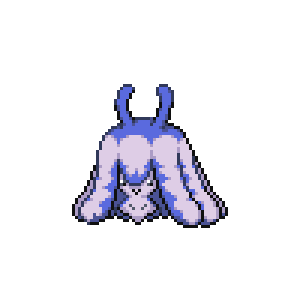
Manapex's fins contain potent venom that can cause someone to fall unconscious in under five minutes. This venom acts quickly, making Manapex a dangerous predator in its domain.

Manish uses psychic powers to propel itself further than normal when jumping from waves. This allows it to leap higher and longer, making it an agile and elusive swimmer.

Manbre glides just above the ocean surface for long distances. When tired, it lands on rocks and aims its lily pad toward the sun to recharge.

It is said that the water Mandisc spits out can be drunk to cure heartbreak, but in reality, it causes mild seizures. It uses this water to deter predators while it swims away.

Manby makes its home in shipwrecks, carefully watching nearby Remoraid to determine if the area is safe from predators. Its keen observation skills ensure it stays out of harm's way.
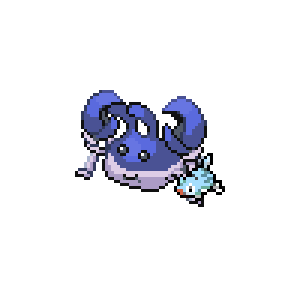
The metal alloy in Skarsaur's wings is strengthened as it consumes tree roots. Its metal feathers were harvested and used in constructing the prototype of the ZERO-ONE.

Skardeen cuts through rivers with a steel dorsal fin that breaches the surface like a blade. It swims fast enough to appear blurred beneath the waves.

When enraged, Skaros's steel horns glow red hot. Its tails thrash wildly as it soars over savannahs, burning off fury in high-speed flight.
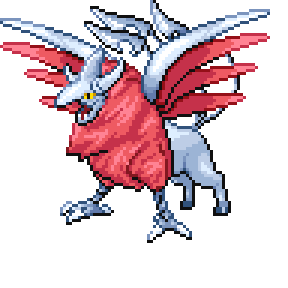
Skarsel's metal coating is frigid to the touch. It moves faster in hailstorms, slicing through the storm with practiced precision.

Thicker steel shields Skaring's arms, allowing it to block heavy blows. Because of that combined with its wings, it deflects most attacks with ease.

Skargma spits molten metal at intruders nearing its nest. This can cause deep burns that deter predators.

When using Ghost-type attacks, Skarclops's silver armor glows deep red. During this time, it lets out a haunting chirp that echoes unnaturally through the air.

Completely blind, Skarlous squawks to echo-locate through caves. Once it senses movement, it lashes out with blade-like wings.

Metallic bulbs bloom on Skarelia's wings, each releasing a sweet Iapapa Berry scent. It uses the fragrance to lure unsuspecting prey.
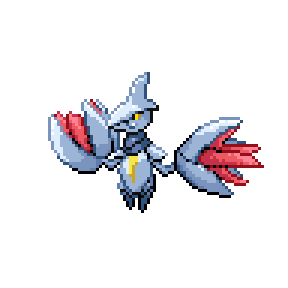
Clusters of thin metallic, cotton-like vines wrap Skaronee's lower body like armor. They insulate it from harsh winds and storms as it flies with incredible agility.

Skarxure's iron tusks are capable of tearing through train cars. Its strikes leave long, molten scars across whatever they hit.

While sleeping in caves, Skarbat wraps itself in its silver alloy wings. This reflective shield protects it from ambush by predators or rivals.
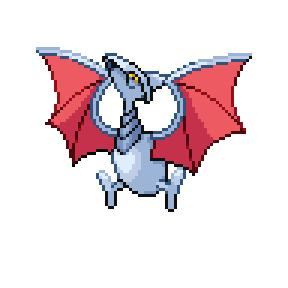
Skarpede rolls at extreme speeds, its body encased in steel. At peak momentum, it can skip across water like a stone.
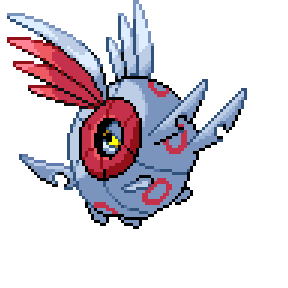
A coating of mercury drips constantly from Skargoo's armor. As it slinks through canyons, the toxic trail it leaves behind can scar the ground for years.
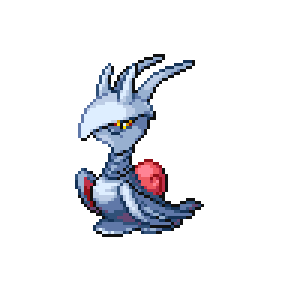
Skareanie's metal tentacles secrete a thin, clear poison that induces intense migraines. Even brief contact can leave victims dizzy for hours.
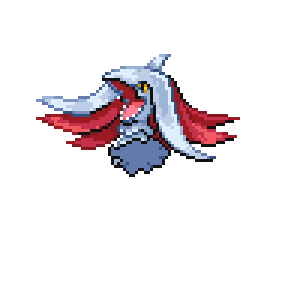
Skarish bursts from the water with a flash of metal and scales. Moisture makes its body shine brilliantly, dazzling prey and rivals alike.

Skaror floats without motion, its shell hardened and silver-coated. As the sun sets, it drifts silently toward prey, never blinking or breaking its gaze.
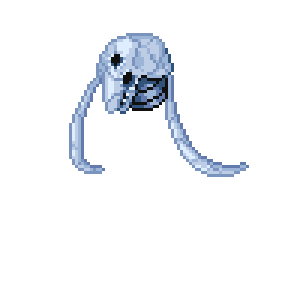
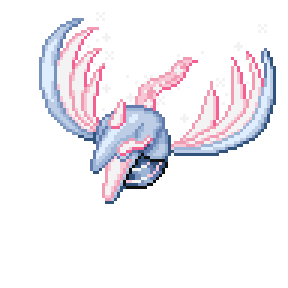
At night, Skaror streaks across the sky glowing a soft pink. Spotting several in one evening is believed to bring prosperity and good fortune.
Skardisc's body is made of polished silver that was once harvested for high-end jewelry. Some engagement rings still shimmer with scales said to come from its body.
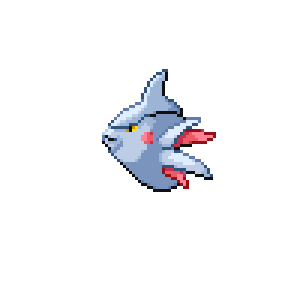
Heavy stones coat Skarler's body, each plated in steel. Despite its immense weight, it can fly steadily at speeds of up to 20 miles per hour.

Hounbone burns bushes into ash and uses it to mark nearby trees. These symbols signal occupied territory, allowing it to live in solitude.

With its long legs, Hounlee kicks down tree limbs heavy with White Apricorns. It then roasts them with its flames before eating.

Hounhoot emits a sharp bark from its beak when it senses movement. It then uses Foresight to determine whether the intruder poses a threat.

As its wings flap, Hounba releases intense heat capable of withering flowers. The more blossoms it consumes, the more the temperature rises.

Wherever Hounrill swims, the surrounding water begins to boil. Its body radiates intense heat even when completely submerged.

Hounkrow sets fires near unsuspecting people to cause panic. In the chaos, it swoops down and steals their valuables.
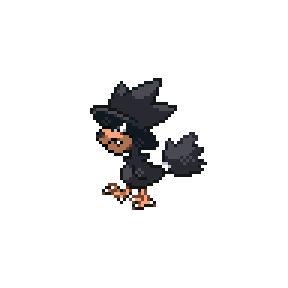
Hounco barks loudly as a warning when predators approach. If the threat persists, it erupts into flames in a panicked explosion.
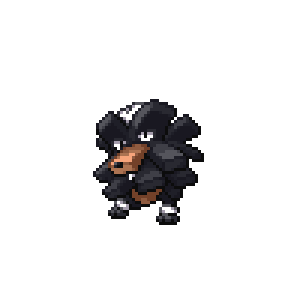
When upset, Hounbull throws tantrums and seeks affection while pretending it doesn't want it. Its fur grows hot when it gets angry.

After blizzards, Hounsel digs out nests for others using its heated claws. It melts ice with each slash, creating a den for others to survive in.

Hounursa's skull-like crest gives off a sweet honey scent to lure prey. If it accidentally attracts a predator instead, it panics, bursts into tears, and flees.

Hountank produces spicy, heat-infused milk rich in calcium. Many regions use it in hearty stews for its strong flavor and nutritional value.

Houn Jr. mimics any passersby with eerie precision. The hat-like fur on its head is dangerously hot to the touch.

After launching a barrage of flames from its horn, Hounran lets out a fierce howl. The sound echoes for miles across rugged terrain.

Houniard's bladed arms glow red-hot during battle. Each strike delivers searing cuts that leave a lingering burn.
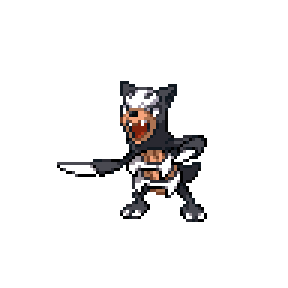
Hounpix sleeps curled up with its many tails wrapped tightly around its body. If startled awake, it will bark continuously for up to ten minutes before settling down.

Hounx nests near power substations and fiercely defends its territory. Trespassers are met with a blast of intense fire.

When sleeping, Hounbat folds its wings over its face, leaving only its ears exposed. It occasionally lets out soft barks in its sleep, reacting to sounds only it can hear.
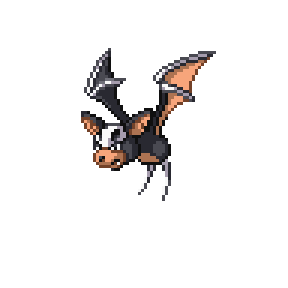
Houncorio performs a rhythmic dance before releasing pillars of fire from its wings. Its movements dazzle and intimidate all at once.
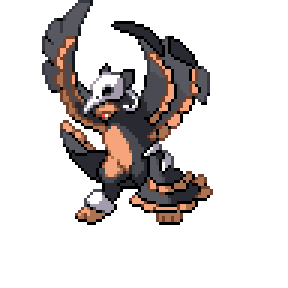
On cold days, Houncorio's swirling dance radiates an intense heat. The air around it warms further with each elegant step.

Hounea's spines are as dense as bone and offer powerful protection. It basks silently in the desert sun for hours without moving.

Hounmantis burns bushes with its flames and consumes the ashes. This strange habit keeps the leafy parts of its body vibrant and healthy.

Hounlix's short fur sheds when it is happy, and it is similar in consistency to sugar. Many chefs use it as a topping, with its spicy-sweet flavor enhancing cream-based dishes.
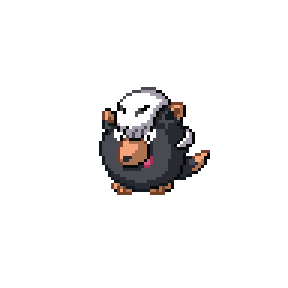
Hounwag sprays scalding water from its mouth with surprising force. Its skull emblem glows faintly when it prepares to attack.

Hounler's body is formed from chunks of coal. It ignites pieces of itself and hurls them at enemies with explosive force.

Houneel travels in packs that howl in unison as they breach shorelines. The sound can be heard from miles away.

Hounbone sheds extremely hot tears when distressed. The lonelier it feels, the closer these tears come to boiling.

The smoke that billows from Hounkoal's back is scalding hot. It lets out a chilling howl the moment it locks eyes with its prey.
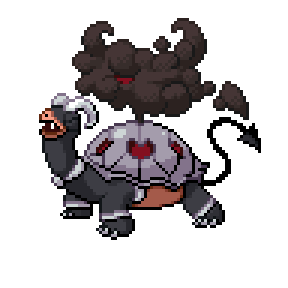
While flying in search of prey, it emits a hissing sound that intimidates smaller creatures. Its sensitive tongue can detect the presence of nearby targets.
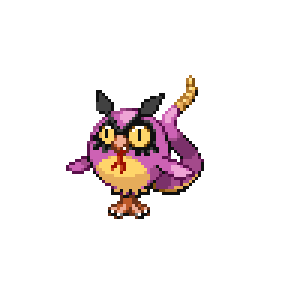
Its jaw can unhinge, allowing it to swallow objects nearly as large as its own body. This adaptation helps it consume meals far larger than expected.

Its nest is lined with yellow wool, providing both camouflage and insulation. This cozy hideout keeps its eggs safe and warm.
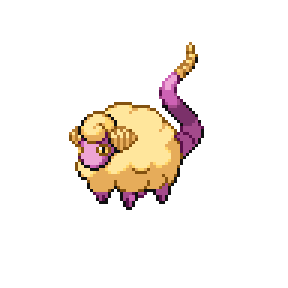
Its light body allows it to drift effortlessly through meadows. This floating motion often confuses predators trying to track it.
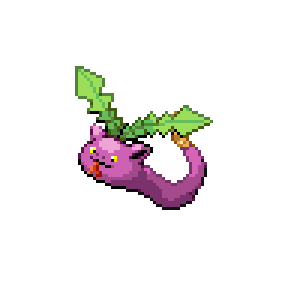
As it walks through nettles, it sheds its rough skin to maintain its agility. This process leaves a trail of discarded scales.
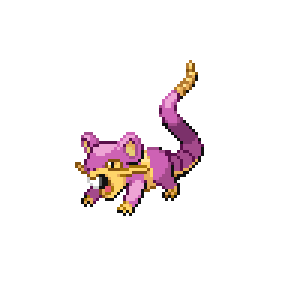
It flies low over swampy areas, scanning for small prey to ambush. It flies fast enough to disappear in the blink of an eye, making it a highly skilled predator.
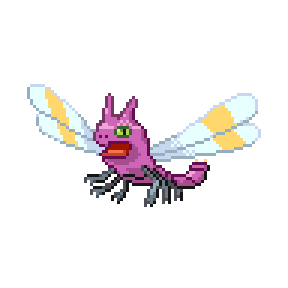
Flying silently through the night sky, it shoots venomous needles from its mouth to snipe prey. This precision attack leaves no chance for escape.
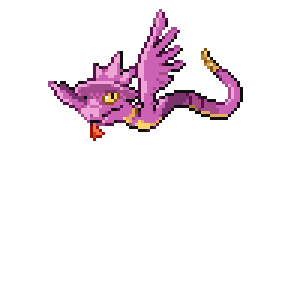
It gnaws holes in doors to sneak into homes and raid pantries for food. Its sharp teeth make short work of even the toughest barriers.
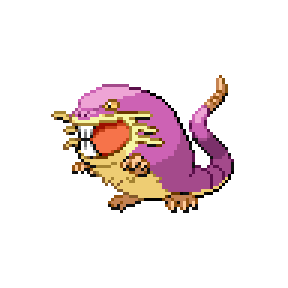
It fluffs up its ears and raises itself onto the back of its to appear larger, intimidating foes before striking with its sharp fangs. If the first bite isn't enough, it will latch on and refuse to let go until its poison is fully injected.
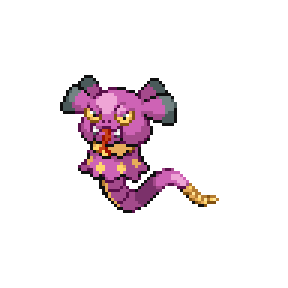
It can shoot globs of acid from its nose to deter predators or soften food. It is advised not to eat food soften by a Ekpy, as they have trouble altering the toxicity of their acid for different tasks.
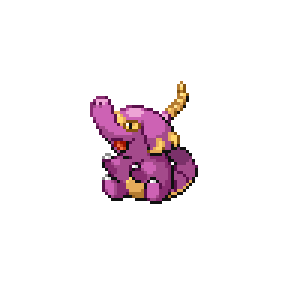
It latches onto its prey with a powerful bite and unloads large amounts of venom. It refuses to let go until the prey stops moving.
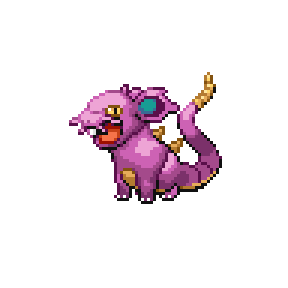
It steals eggs from other nests, placing them in its own to raise as its own offspring. This unusual behavior ensures it always has young to protect.
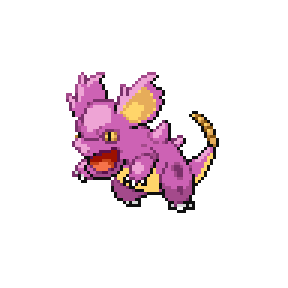
The spines on its ears are highly venomous, injecting a toxin that causes prolonged paralysis. This defense makes it a formidable foe.
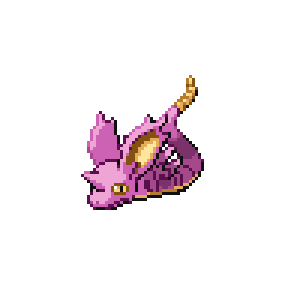
It rattles its tail loudly while eating, a behavior it also exhibits when hungry. This noise warns others to stay away from its meal.
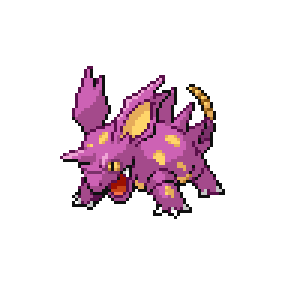
The rattles on its tails shake rapidly as it gathers heat to shoot out flames. As more of its tails vibrate faster, the flames grow more intense and elaborate.
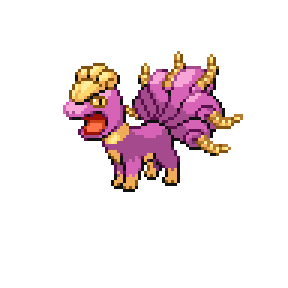
It wiggles the tail on its head like a rattle to scare off predators. The sound is unnerving and can be heard from 30 feet away.
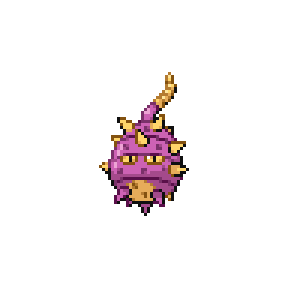
It clamps onto its enemy tightly, injecting up to a liter of venom. This attack leaves its prey immobilized and vulnerable.
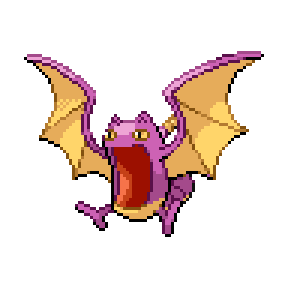
Eknat's antennae always point toward the brightest visible light source. It will rattle its tail loudly when trying to obtain the newly found light before others of its kind.
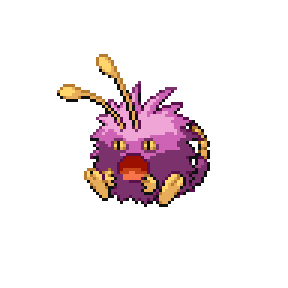
The soil around Eklett's tunnels becomes saturated with toxins from its skin. This deters predators such as Sandslash from approaching.
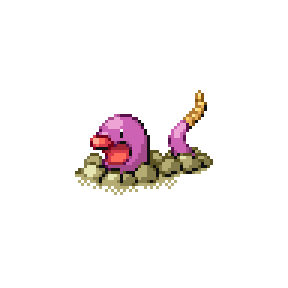
Ektrio rattles its tails beneath the soil when intruders approach its den. As danger nears, the tails rise from the ground and grow louder.
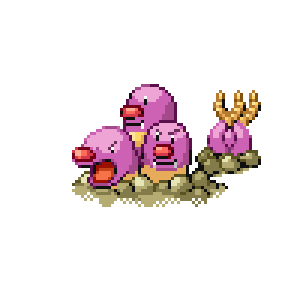
It sneaks into shops at night, using its acidic spit to dissolve locks and steal coins from registers. Its cleverness makes it a notorious thief.

It lines its nest with scraps of paper money stolen from untended purses. This luxurious habit reflects its cunning and opportunistic nature.
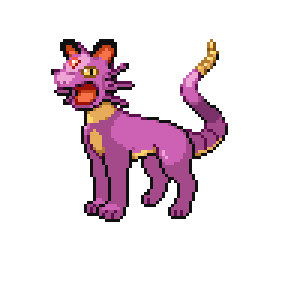
The fur on its body is laced with a poisonous substance that can cause sleeplessness and vomiting upon contact. This makes it dangerous to handle.
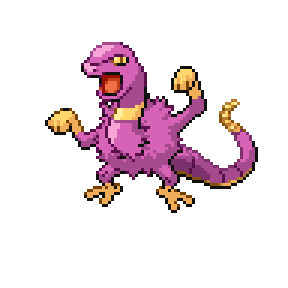
It clamps its prey tightly with its strong hands while delivering venomous bites. Despite its unfocused appearance, it can deliver decisive strikes in an instant.
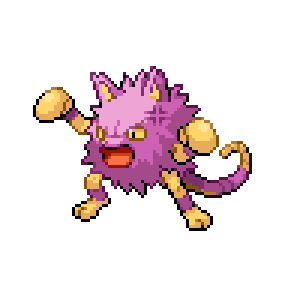
When it hears music, the spiral on its belly begins to rotate. A dancing Ekwag sways rhythmically, mimicking a metronome in motion.
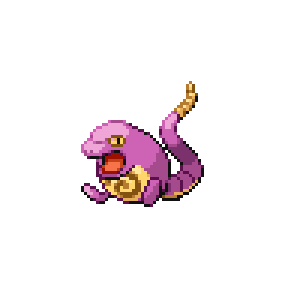
Its tail sways back and forth as it gracefully swims through calm waters. This motion helps it maintain balance and speed.

The venom inside its body reacts chemically to produce electricity, powering the magnets on its sides. This electric charge enhances its hunting capabilities.
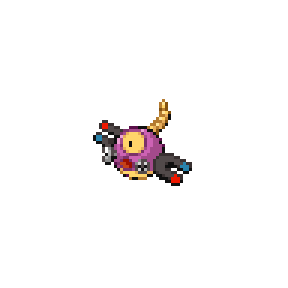
Its nose contains tiny venomous fangs that function like a mouth. These fangs deliver a potent toxin when it strikes.

Kingbone releases powerful streams of bubbles from the tip of its bone. The force is great enough to sink ships and is used only as a last resort.

Kingsea coils its tail around driftwood to sleep. When it wakes, ocean currents have often carried it far from where it began.

When threatened, Kingfish inflates to four times its size. It then spits foul-smelling ink to drive away predators.

Lurking among coral reefs, Kingapex waits for prey to drift near. It spits toxic ink to paralyze victims before devouring them.
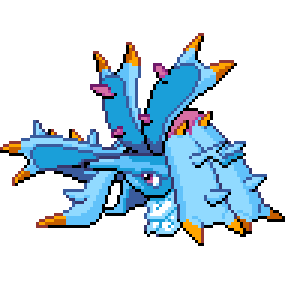
The ink Kingdisc spits is used in wedding makeup across coastal regions. Some believe it brings lasting joy to those who wear it.

When hunting, Phanotto tucks its wings and drops from the sky, spinning midair to slam into prey. It regularly targets Bug Types like Caterpie.

Phantu receives vivid visions of the future while rolling. It uses these flashes to expertly avoid obstacles in its path.

When Phantu foresees a disastrous future for someone nearby, it emits a chilling cry from its trunk. The sound is said to linger long after it falls silent.
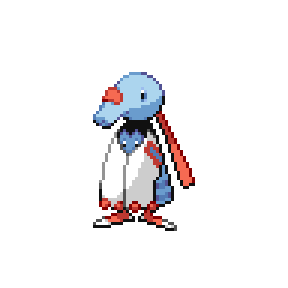
When fed cheese, Phantata rolls faster than usual. Trainers sometimes bribe it to move quickly using chunks of cheddar.

Phanicate barrels into dumpsters to knock them open, scavenging for scraps. It prefers greasy leftovers and old berries.

Phanrow races through meadows with its flock, rolling at high speeds to chase intruders. They strike in formation without mercy.

In combat, Phancross raises its trunk like a hardened horn. It can deliver blows powerful enough to fell pine trees with a single strike.
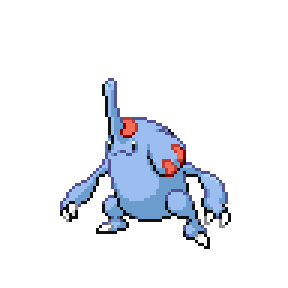
As Phanursa rolls, it releases a calming honey-like scent. This aroma soothes others and keeps its group together.

Phangma drinks lava through its trunk to stay warm. Its molten diet keeps its body at a glowing, stable heat.

While flying, Phanrow performs strange barrel rolls midair. The behavior seems purposeless and disrupts its balance, resulting in extremely odd flight patterns.
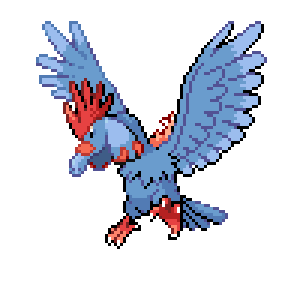
Phantar slams into cave walls while rolling to knock loose valuable ore. It eagerly eats gems and stones right from the rubble.

Phansly rolls sideways across canyons and slams its rocky head-orbs into enemies. The impact can knock large foes off balance.
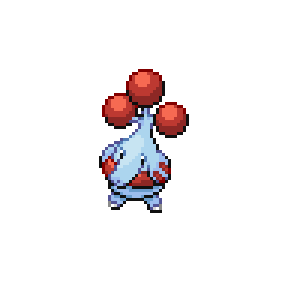
Phanshrew curls into a ball and rolls through tunnels at high speed. It checks for root growth, which it likes to eat.

Phandoof uses its trunk to knock down trees, which it stacks to dam rivers. Its construction skills rival that of seasoned builders.

If Phanran crashes into a threat, it injects venom through its barbs. Victims move sluggishly for hours afterward.

The peanut-like parts of Phanki's body jingles like windchimes as it floats. This eerie sound alerts predators and rivals.

Phanbarel blasts water from its trunk with enough force to pierce iron. It fiercely guards its lodge and dam with this attack.

Phanon's body is as tough as steel. It rolls through mountain paths in search of ore to devour, preferring copper ore above all.

Phaninder exhales large jets of flame from its trunk when enraged. Its fire is hot enough to melt iron in an instant.

After striking a foe with its fangs, Phanbat uses its trunk to drain their blood. Its feeding methods are feared by many.

Phanoom sprays green, corrosive acid from its trunk. The substance is strong enough to dissolve solid boulders within minutes.

At night, Phanruff howls while blasting trumpet-like sounds from its trunk. These noises help calm others of its kind.

Phankaboo releases a foul stench like rotting gourds while rolling away from predators. The scent lingers in the air for hours afterwards.
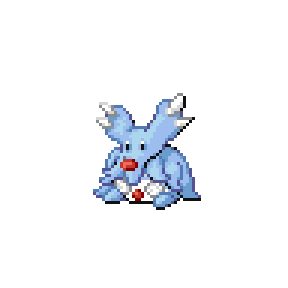
Phanler rolls with such force it can climb vertical cliff walls. It uses this to traverse even the roughest mountain terrain.
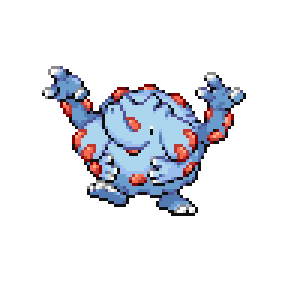
Phanmite fires arcs of electricity from its trunk to stun enemies. The charge builds while it rolls across rocky canyons.

Phanix smashes quartz deposits with its trunk and devours the shards. It's drawn to caves rich in crystal formations.
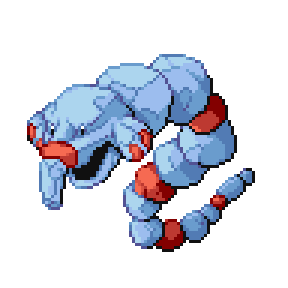
Donbone begins sobbing uncontrollably if it cannot stop while rolling. The crying ceases immediately once it collides with an object.

It rolls over hard stone surfaces to polish the rock coating its body. This rolling motion helps it maintain a smooth, durable exterior.

Donret skillfully plucks Blue Apricorns from trees using its trunk. Eating these fruits keeps its thick fur sleek and healthy, allowing it to endure harsh environments.

The tire-like ends of its limbs cannot function as wheels, but they insulate it from electric attacks. This rubbery property makes it resistant to shocks.

Dondreavus haunts graveyards by night, rolling silently between headstones. It crashes into graverobbers with such force they're flung from sight.

Dontress will hang off of stalactites and sleep for days. If it is awakened, it will glare menacingly at its foe before attacking.

Using its claws, it carefully cuts food into smaller pieces before eating. This meticulous approach makes it a surprisingly refined eater.

The material covering its body resembles grey ivory, naturally growing to protect it. This tough exterior adds durability to its already robust frame.

When underfed, it stomps and trumpets through its trunk in a show of anger. This loud display is enough to shake the ground around it.

It performs intricate tricks while rolling down canyons, using its claws for balance. This agility allows it to navigate steep terrain with ease.

Its rubbery ears allow it to hear distant sounds with impressive clarity. This heightened sense helps it detect potential threats before they arrive.
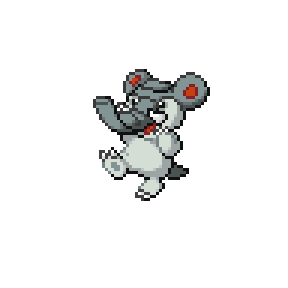
The circle on its stomach is unique to each individual, showing subtle differences. Some circles display microscopic variations that set each apart.

It performs somersaults midair before diving sharply toward its prey. This acrobatic maneuver allows it to strike from unexpected angles.
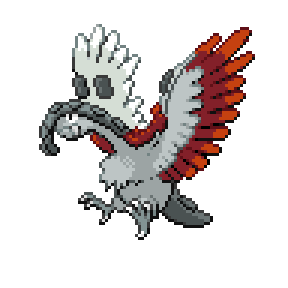
Its large, fleshy ears allow it to glide for short periods, catching air currents as it moves. This gives it brief moments of flight when needed.

It often loses balance and tumbles when rolling, but it always tries again. Its resilience and determination are evident in every attempt.

It sucks up tiny stones into its trunk and consumes them as a source of minerals. This steady diet strengthens its rocky exterior.

It suctions onto cave ceilings with its trunk and rocks back and forth while sleeping. This pendulum-like motion calms it as it rests.

It uses its trunk to make dents in ice, marking its territory to warn others. This icy signal keeps rivals at bay.
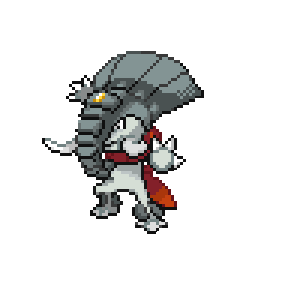
By collecting air in its cape, it can catch updrafts to glide over long distances. This technique allows it to travel far with minimal effort.

While rolling, it extends its sharp claws, turning itself into a spinning weapon. This defensive maneuver makes it difficult for foes to approach.

With no eyes to see, it relies entirely on touch to navigate its surroundings. Its hands float independently, reaching out to sense everything around it.

The fur around its neck crackles with electric energy as it rolls into a tire shape, charging itself up. This electrifying spin intensifies its power.

When rolling at top speed, Donette's body can pass through stone with ease. During this literally incorporeal period, it becomes incredibly difficult to strike.

The trunk-like appendage extending from its mouth is highly elastic, able to stretch up to 50 feet. Despite its reach, the trunk remains soft to the touch.

Its tusks are extremely sensitive to environmental changes, detecting storms like tornados in advance. This sensitivity helps it stay safe from severe weather.

It emits a loud trumpet noise as it slashes at its foes. This sound can be intimidating and signals its readiness to fight.

Balancing on its trunk, it dances gracefully under full moonlight. This nocturnal performance is a mesmerizing sight in the wilderness.

Its strong nose can knock down trees, allowing it easy access to fruit. This method not only provides food but also clears paths through dense forests.

It spins clockwise, showering sparks around its body before delivering a powerful strike. This fiery spin intimidates opponents and scorches anything in its path.

Perching atop buildings, it waits until it spots prey, then rolls vertically down the structure in pursuit. This surprising tactic allows it to ambush effectively.
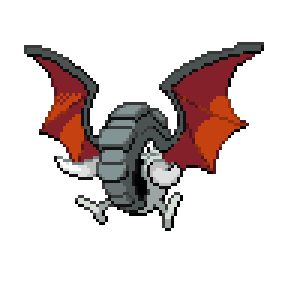
It performs a dazzling samba, kicking up gravel in rhythmic patterns. This dance, especially common when it is feeling down, lifts its spirits.

As it rolls, it leaks an acidic red liquid that corrodes the ground beneath it. This trail often deters any would-be pursuers.

It secretes a slick mucus as it moves, which is commonly used in haircare products around Johto. This goo adds shine and strength to hair, making it highly sought after.

Its body feels soft to the touch but hardens during combat. Its limbs are incredibly strong, capable of lifting objects as heavy as a bus.

Due to its lack of a mouth, it consumes food and drink exclusively through its trunk. This adaptation keeps it nourished and hydrated in its own unique way.

It uses its trunk as an extra limb in combat, executing moves that would astonish professional wrestlers. This skill makes it a fierce and unpredictable fighter.

While rolling, it shoots needles from its body in all directions. This spinning assault leaves its foes with little chance to escape unharmed.

It can fire needles from its trunk with precision, pinning down prey from a distance. These powerful needles make it a skilled hunter in the wild.

The sand covering its body is as sharp as broken glass, deterring any who might touch it. This rough exterior serves as a powerful defense.

Donrantis balances on its hard, armored arms to slide down steep slopes. This allows it to travel quickly across mountainous terrain.
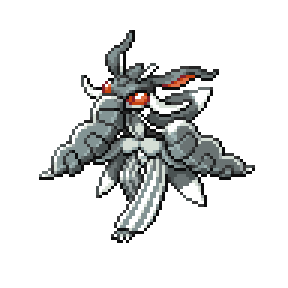
Donbink rolls on its side across cave floors. Its gems glow brighter the faster it rolls, creating an ethereal, sparkling trail as it moves.
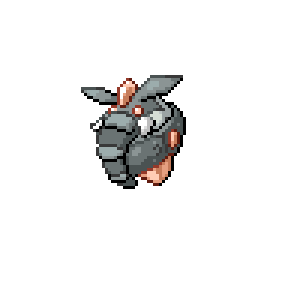
Using its strong tusks, it loosens gems embedded in cave walls with remarkable ease. It collects these treasures and hides them in secret spots.

It uses psychic power to increase its rolling speed and can even roll over water with telekinesis. This ability makes it both agile and surprising to opponents.

Its trunk filters out toxins, helping it breathe near volcanic smoke. This adaptation lets it roam freely around toxic areas others avoid.

It spits a corrosive crimson acid from its trunk to defend itself. This acidic spray can dissolve obstacles and deter foes.

It enjoys rolling through rocky landscapes, exploring and finding new, optimal paths. This exploration helps it memorize routes through even the roughest terrain.

It absorbs water through the tip of its tail, allowing it to stay hydrated while it sleeps by creeks. This slow, steady intake keeps it comfortable in warm climates.

It sheds its tusks once per year during the winter. The tusks themselves can be ground up and used as an anti-fungal.
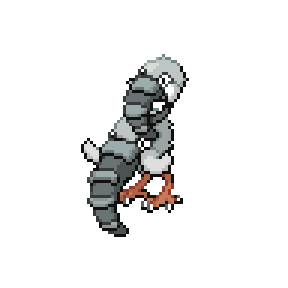
Using its trunks, it sucks up massive quantities of water from local streams. It uses this moisture to stay cool from the hot sun.
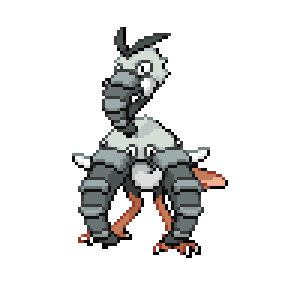
It curls its body into a perfect circle and rolls up mountains, reaching speeds of up to 200 mph. This powerful motion lets it ascend even the steepest slopes.
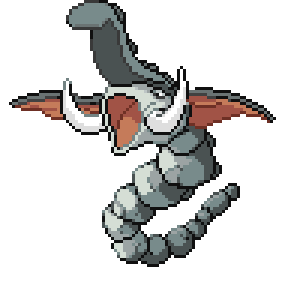
Porybone can sense loneliness in those browsing digital spaces it inhabits. It migrates into neglected systems, consuming unused files without resistance.

Stanmar's antlers flare with intense heat, launching bursts of flame when it is threatened. The fire it produces can melt through steel gates with ease.
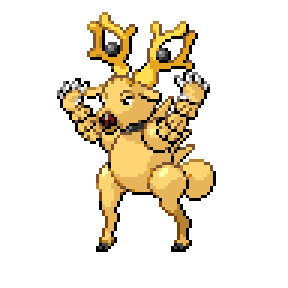
Stanret's furry body can stretch over seven feet in length. If threatened by poachers attempting to take its hide, its antlers glow blue as it casts Confuse Ray to escape.

When it senses danger, Stanhoot lets out a deafening hoot and unleashes psychic pulses from its antlers. Predators often turn and flee, unsure why they were ever chasing it.

Stanowl perches silently on yew branches, softly hooting as it watches the forest. If danger nears, its antlers flash to alert nearby allies.

When frightened, Stanrak releases a powerful adhesive thread from its antlers. The silk hardens quickly, making escape difficult.
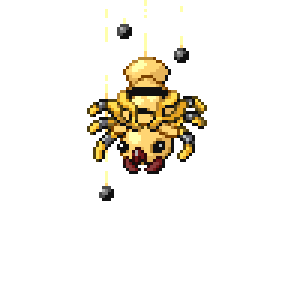
The red orbs on Stanotto's antlers pulse with light that grows brighter the faster it flies. Entire villages gather to watch it at night as it soars across meadows.

Stanreep actively seeks thunderstorms, raising its antlers skyward to attract lightning. Each bolt charges it with immense power.
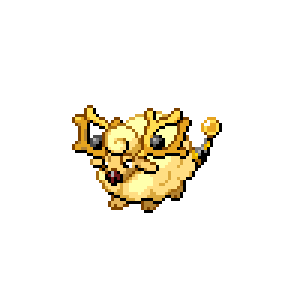
Stanpom sends out psychic waves from its antlers to confuse picnickers. It then uses its long tail to swipe unattended meals.
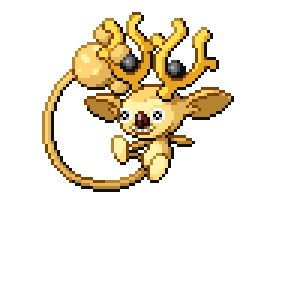
From its antlers, Standreavus releases eerie pulses that stir deep fear in humans. It stores this fear in the pearls beneath its neck, feeding off the energy.
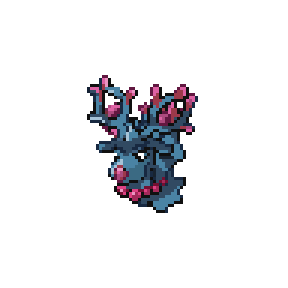
By channeling psychic energy through its antlers, Stanfarig lifts herbs like oregano and rosemary to the rear portion of its body. Its rear head eats them while Stanfarig grazes.

Stanco's antlers vibrate violently before it explodes in self-defense. The resulting blast is strong enough to flatten a small house.
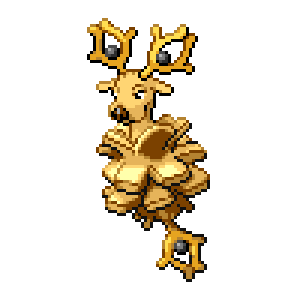
Stangar uses its broad antlers to maintain lift while gliding. This unusual adaptation allows it to travel silently between cliffs.
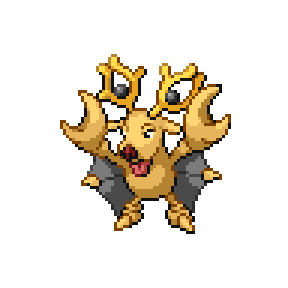
To protect its den, Stanub emits cold bursts of air from its antlers. If offered fresh basil, it relaxes and allows the visitor to pass unharmed.

When ground into powder, Stanchu's antlers are a powerful medicine. Their electric charge remains active during harvesting, so rubber gloves are recommended.

If it hates someone nearby, Stanchic's antlers glow red-hot. It presses them against the offender in a warning display.
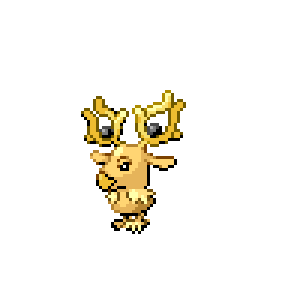
A sticky yellow toxin coats Stanrina's antlers. Even a brush against them can induce high fevers, dizziness, and vivid hallucinations.
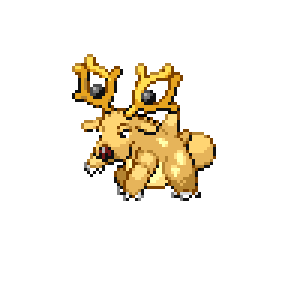
While it sleeps, a sticky red poison leaks from Stanrino's antlers. If disturbed, it splashes the toxin in all directions to defend itself.
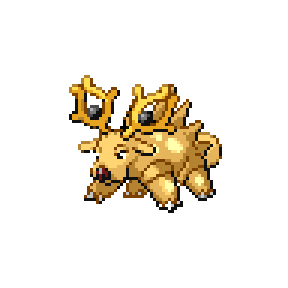
By closing its eyes, Stanolu reads the emotions of others through its aura-sensitive antlers. If it detects sadness, it approaches gently and comforts the individual.

The jelly-like antlers on Stansion emit soft waves of psychic energy. It lifts watercress from the soil to eat without lowering its head.

While hunting, Stanpede secretes a green paralytic toxin from its antlers. It hides inside logs, waiting for unsuspecting prey to pass.

Sticky green poison drips from Stanpede's antlers when it hunts. It paralyzes prey like Hoothoot to finish the chase.
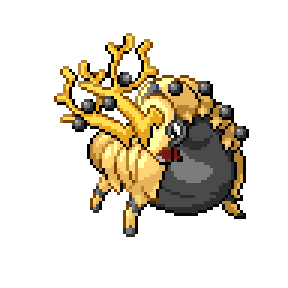
When it is angry, flames will erupt from the orbs on its antlers. The flames can burn hot enough to melt titanium, depending on how mad it is.

Stanmite's antlers emit a strange magnetic pull. It unknowingly collects keys, cans, and scrap metal as it wanders through towns.

Smearcute's tail drips with paint that shifts color depending on which seed is telepathically dominant at the moment. While sleeping, the dominant seed changes rapidly causing drastic hue shifts.

Upon entering a system, Smeargon consumes data from art programs and image files. Once a file is devoured, recovery is nearly impossible.
Mucus from Smearowl's tail feathers shows its emotional state. Touching it causes deep, dream-filled sleep that can last for hours.
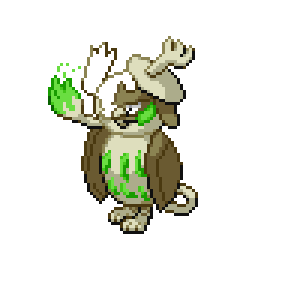
Viscous ink drips from Smearak's puffed out abdomen hairs. Its color shifts with the toxicity, with green meaning only a mild rash.

Ink from the feather on Smeartu's head reveals its latest vision. If terrified, it drips a dark blue fluid on the ground around itself.

As it floats, Smearloom's flower spins like a roulette. The petal facing east determines the color of the tail's sap.
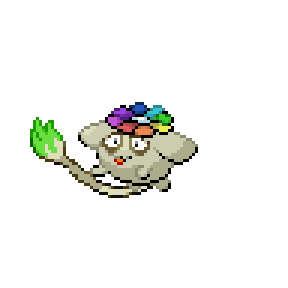
The sap on Smearluff's paintbrushes reflects the last three flowers it ate. It is said if you make a wish while looking at one with 3 golden paint brushes, you will be blessed with great wealth.
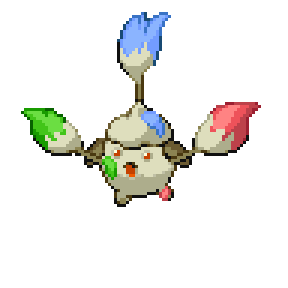
As it flies, Smearow marks territory with colored mucus from its tail. The color changes based on its mood, with it turning crimson when angry.
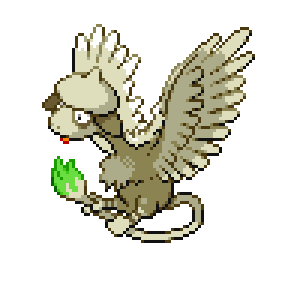
Smearkoth loves to nap on freshly painted surfaces. Newly painted park benches and portraits are often soon smudged when one is nearby looking for a nap.

After drinking tea, Smearpuff's tail ink changes to a random color. It prefers sweet teas, and the ink's scent mirrors the tea's aroma.

The lily pad on Smeartad's back pools with ink that reflects its energy. At peak strength, five distinct colors swirl together.
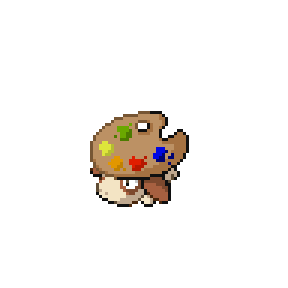
When Smearchop lifts a boulder, it paints it green. If it fails, the ink turns red and it marks a large X on the stone.

Smoobone releases bursts of psychic power from its skull when intruders enter its icy caverns. Crying amplifies this energy, so it deliberately agitates itself before attacking.
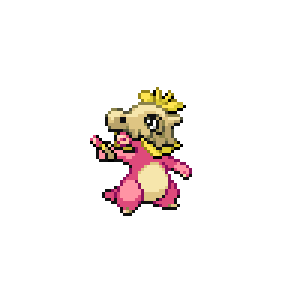
Smoonub hides in snowdrifts and leaps out to plant a freezing kiss on predators. The shock puts them to sleep just long enough for it to escape.

Smooby kisses objects to identify them due its extremely bad eyesight. Its lips are hot enough to leave lasting burns.
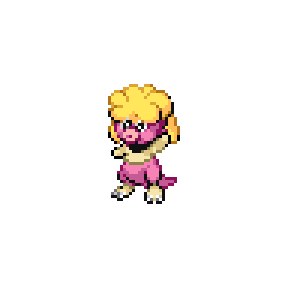
If Smooceus sensed irreverence in ancient times, it would repeatedly kiss the offender. These kisses induced a magical sleep that could last for months.

Smooile burrows under desert sands, frosting its tunnel walls as it moves. It only travels at night, loathing the desert heat.
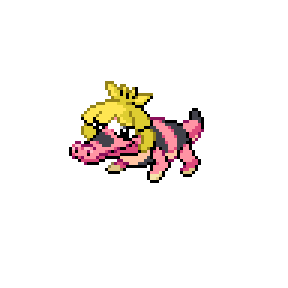
Elebone can discharge electricity from its skull powerful enough to stun a full-grown adult. This exhausting feat can only be performed once per day.
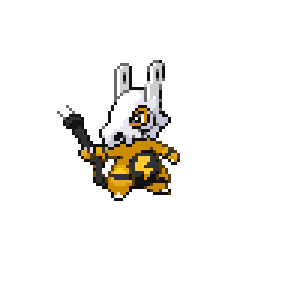
As it flaps its wings, it releases bursts of static into the air. This creates a crackling sound that deters nearby predators.
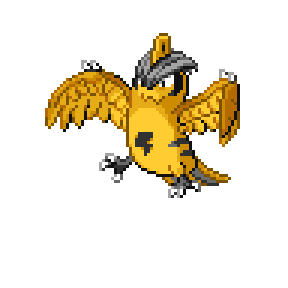
It wiggles its ears to generate static electricity. This motion is both playful and useful for charging small attacks.
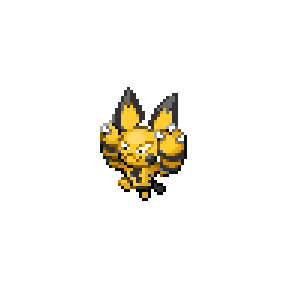
It scavenges discarded electronics, taking them back to its nest to consume. This habit keeps it energized and content.
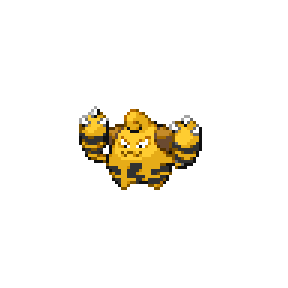
Its egg-like body rocks back and forth while charging electricity. This movement generates a soft hum that calms those around it.
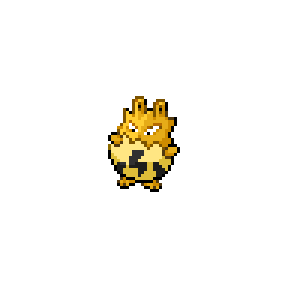
It climbs to the tops of trees during thunderstorms to absorb lightning. This behavior charges it to full power.
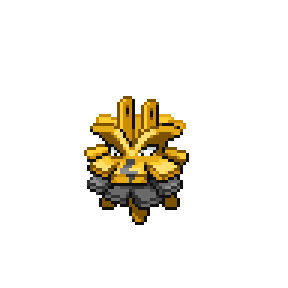
Its horns grow warmer as it stores more electrical energy. This warmth helps it survive blizzards by radiating heat.
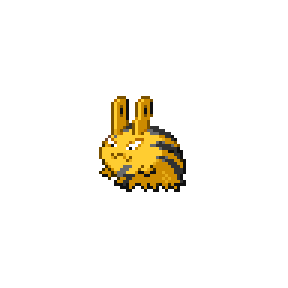
It uses static electricity to change its hairstyle frequently. This quirky habit keeps its look fresh and unpredictable.
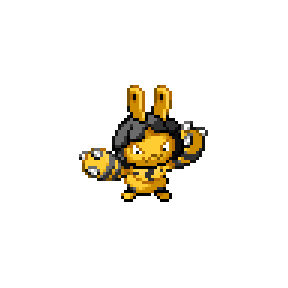
It swings its arms wildly while spitting bursts of fire. The combination of electricity and flames makes it an unpredictable fighter.
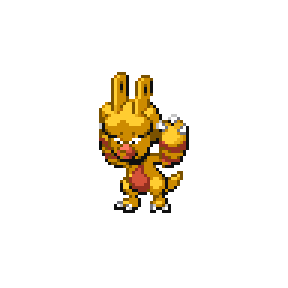
It shoots powerful lightning bolts from the horn on its face. It can reliably hit a target with a Thunder Shock from up to 200 feet away.
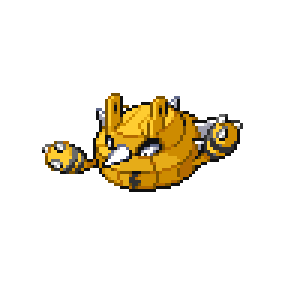
It frequently releases shocks to assert dominance over its rivals. These discharges often leave burn marks on nearby objects.
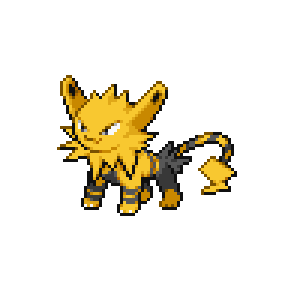
It latches onto servers to absorb their electricity, retaining any data within them. This gives it a surprising ability to mimic stored information.
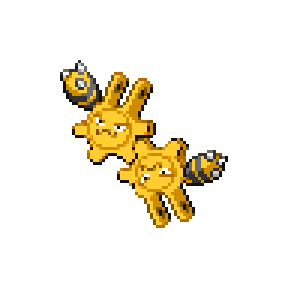
Its tail sparks constantly, sending out small shocks to those nearby. It often shocks its friends by accident while playing.
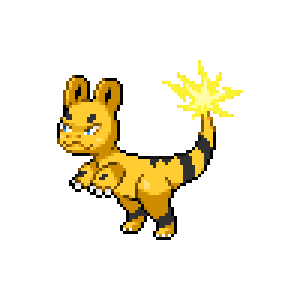
It senses nearby electronics by wiggling its sensitive nose. This ability allows it to locate hidden devices effortlessly.
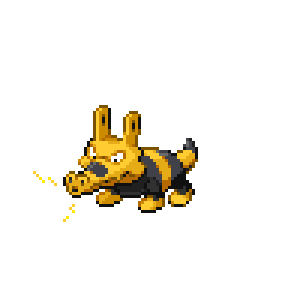
It loves curling up inside warm live wiring to sleep. The heat generated by the wires soothes it and charges its body.
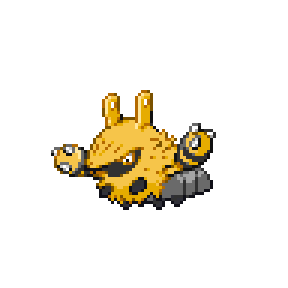
Its tail resembles a plug inside an outlet, sparking with power. It swings it wildly, sending out bursts of electricity to protect itself.
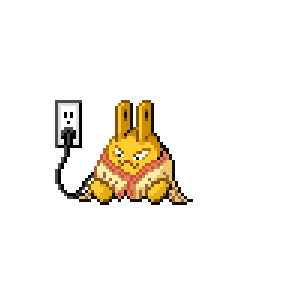
It releases sharp jolts of electricity through its needles, paralyzing anything that gets too close. It frequently makes its home near powerlines.
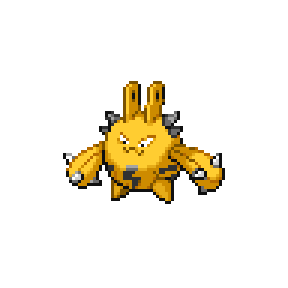
Elebre swims through shallow marshes, using rapid electric shocks to paralyze unsuspecting prey. Its body glows faintly in murky waters, letting off an eerie glow at night.

When overcharged, it becomes excessively magnetic, sticking to larger metal objects. This state renders it immobile until the charge dissipates.
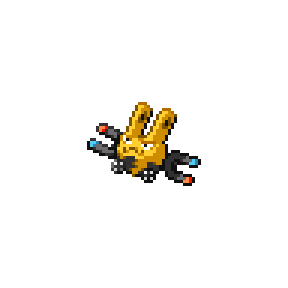
Flying through open windows, it steals cords from electronics to build its nest. These nests can hold up to one thousand different cords.
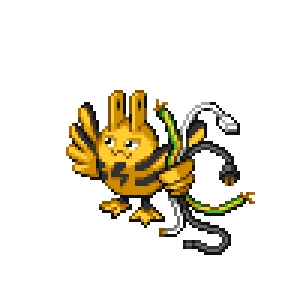
Due to its extremely hard body, it is difficult to move. If mud becomes stuck to its body, it will use its long neck to clean itself.

It pretends to be wallets on the side of alleyways to trick kids into getting close. Once they get close, it will bite down on them with sharp fangs.

The wool on its body sparks with electricity if it gets too close to a power source. Should a person touch the wool, it can cause burns or paralysis.

It rubs its fluff vigorously to create static electricity within its body. The orb on its tail can store vast amounts of power.

Its body is mostly hollow. It makes a soft hissing noise as it effortlessly glides through the breeze.

Arluff releases clouds of floating spores with each hiss, spreading them far and wide on the wind. If attacked, it whips its cotton-like tail to create an updraft, allowing it to glide away to safety.

The tiny scales that cover its body leak a noxious poison. During hot days, more of this liquid will seep from its body than normal.

Its fangs are incredibly sharp and hard. Ancient cultures would use these fangs in the production of weaponry.

By incorporating its telekinetic powers, it can hurl venom from its mouth over 2 miles. The venom itself ranges in effectiveness based on its diet.

The smooth metal that covers its body has the same chemical composition as silver. Portions of it were melted down in ancient times to create coins.

The yellow liquid that comes from its fangs resembles honey. The scent of the fluid alone entrances prey from up to 200 feet away.

The venom inside its fangs is a deep green color. Chefs on Pummelo Island use this venom in a potato-based dish to add flavor.

Its fangs can conduct high amounts of electricity. After biting down, it will shock its opponents thoroughly to paralyze them.

When it sweats it releases a toxic fragrance into the area. Breathing too much of this can cause migraines and blurred vision.

The saliva that drips from its tongue is extremely poisonous. If it comes in contact with exposed skin, it can cause vivid hallucinations and sometimes paralysis.

Small amounts of venom leak through the ends of its sharp claws. This venom quickly evaporates shortly after being exposed to the air.

Arxio bites with venomous fangs before stalking its prey until they collapse. It finishes off weakened foes with a powerful electric shock.

While the cogs turn, a hissing sound can be heard instead of the normal clinking of metal. The cogs turn slower during the colder months.
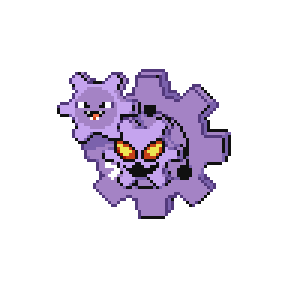
It drools from its open mouth while it flies. This saliva is extremely viscous and acidic.
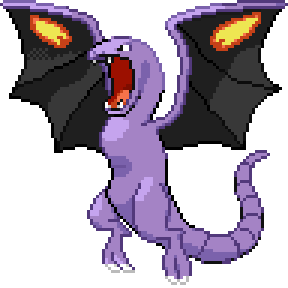
The saliva that comes out of its mouth smells like lemons, and there are home remedies created that rely on it.

The stitching on its body changes patterns based on its mood. The fangs on its mouth have the consistency of sewing needles.

It stares at its opponents from far away to cause unease. It refuses to move until it has to, not even taking a breath.

The scales on the wings of an Armoth were once used in Cerulean City to create charms for jewelry. These charms were said to bring luck with love.

While digging through deserts, Arlett emits loud hissing sounds. The noise often alerts prey above ground, allowing escape.
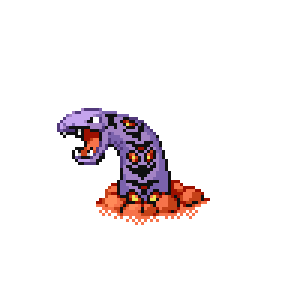
Artrio digs at extreme speeds when hunting prey. It bites with serrated, venom-filled fangs before dragging victims underground in seconds.

Arbra's forked tongue darts out of its mouth, allowing it to sense emotions in its surroundings. It hypnotizes foes with a flick of its tail before striking with deadly precision.

By using its psychic abilities, it can make a terrifying hissing noise. The sound can only be heard in a person's mind.

In the early morning, an Archop will jog up the steepest hill it can find. It can lift boulders with its tail with great ease.

The venom it excretes can be boiled down to a thick paste. The paste itself can be combined with other chemicals to create lubricant for car engines.

It swings silently from tree limbs deep within the jungle. If it spots a traveler below, it will dump a thick acid from its body onto them.

Arler's body is covered in rugged, rock-like scales that make it nearly impervious to attacks. When threatened, it coils up and rolls downhill at terrifying speeds, crushing anything in its path.
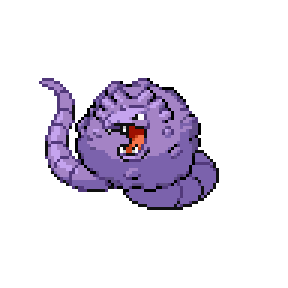
The venom that comes from its fangs is very unstable. If the fluid comes into contact with an enemy, it will combust.

It unintentionally pulls objects towards it with its magnets. If it becomes stuck to something it dislikes, it will screech and spin.
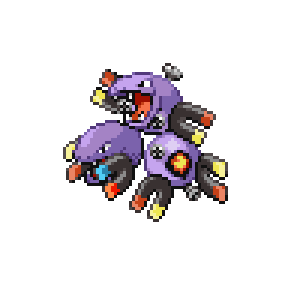
By using its long legs, it has the ability to wade through ponds with ease. This is primarily useful when hunting prey or evading larger predators.

It can fire an acidic mucus from its mouth with great precision. It can hit a stationary target with great accuracy from up to 300 feet away.
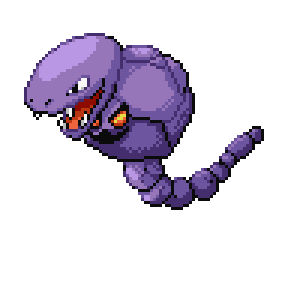
The patterns on Arno's collar shift and swirl hypnotically, entrancing prey before it strikes. Its pendulum allows it to look into its opponent's mind.

Magbone smacks molten lava from nearby flows toward intruders. This behavior reflects its strong preference for isolation.

Magtung's long tongue is hotter than an oven. It can cook food instantly just by wrapping its tongue around it.
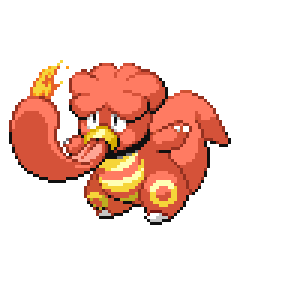
Perching in Jaboca Berry trees, Magotto toasts berries with tiny flame jets. It catches the roasted fruit before it falls.

During a full moon, Magfa's flames burn five times brighter. Entire fields can glow softly from its light on clear nights.

Magma skims low across bodies of water, leaving shimmering trails of heated air behind it as it speeds by. It knocks prey like Ledian out of the sky with its Ember attack.
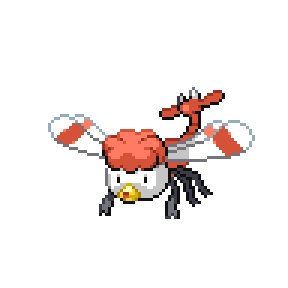
If disturbed while resting in cedar trees, Magco explodes in a fiery burst. The sudden blast leaves scorched bark behind.
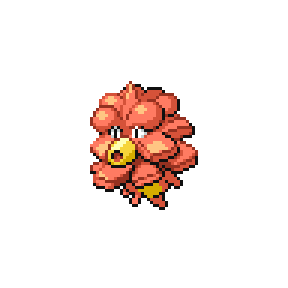
When angered, Magnub's fur radiates intense heat. Snow around it melts rapidly, leaving steaming puddles in its path.

Despite its fiery body, Magchum prefers to live in icy caves. The cold surroundings help balance its intense internal heat.
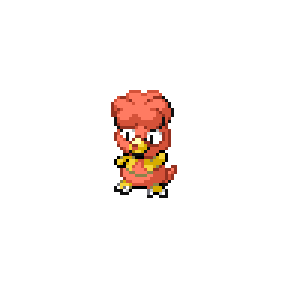
Magkid's right side radiates intense heat, while only the left can channel electricity. It must balance its attacks carefully to avoid exhaustion mid-battle.
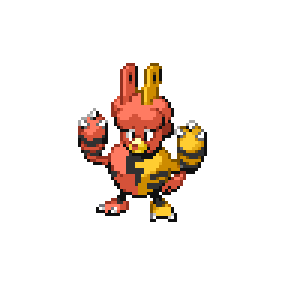
Magiard spits bursts of flame before slashing rapidly with its bladed arms. It moves in a zigzag to confuse and trap prey.

Magdew rests in poppy fields, absorbing sunlight. The more energy it gathers, the hotter and more explosive its fire attacks become.

Magile buries itself in halfway into the desert sand to absorb the sun's heat. By dusk, it's ready to channel this energy into devastating fire attacks.

Magesta secretes strands of molten silk from its mouth. It uses this hot silk to trap and scorch unwary prey.
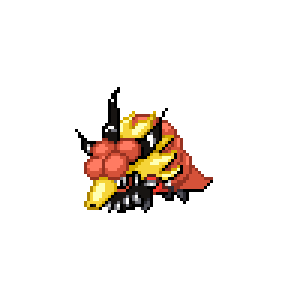
Magrunt unleashes bursts of fire to carve out dens within glaciers. These tunnels are extremely smooth and hard to navigate by anyone other than its kin due to how slippery they become.

When overheated, Magbre cools itself by sinking into ponds. Steam often rises around it as the water hisses against its skin.

Magfetchd wields a staff that channels its fire abilities. It grips the staff tightly in its beak while soaring through the air.

Milgon's milk grows sweeter the more code it consumes. It is often found lingering on webpages themed around farms and agriculture.
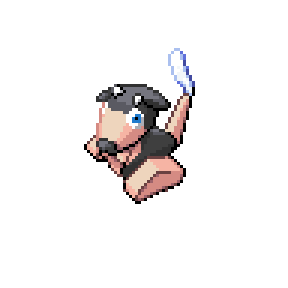
Berries gathered by Milret directly affect the taste and texture of its milk. Farmers often feed it different fruits to create specialty flavors.

Cottage cheese made from milk produced by Miltu was once used in prophetic rituals. Legends say consuming it could grant fleeting glimpses of the future.
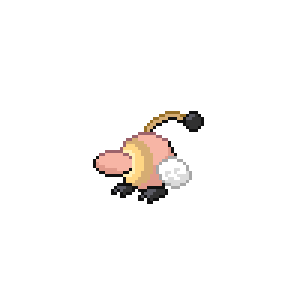
Though it feeds on discarded scraps, Milicate produces exceptionally nutritious milk. Its natural resilience is reflected in the milk's dense vitamin content.

Mildreavus moos eerily as it drifts through the night sky. Some cultures say its milk brings ancestral visions when consumed.

In ancient times, Milgar's milk was used as a natural antivenom. It's believed the milk neutralized common toxins when consumed fresh.

If Milrow overeats, it struggles to stay airborne due to milk buildup in its body. It must fast to regain flight.

Milchic's milk is a staple ingredient in spicy ice cream. These fiery treats are especially popular during summer festivals.

Milcada snacks on the roots of fruit trees, altering its milk's texture and color. Each type of tree imparts a unique hue to the milk.

Cheese made from Milpuff's milk increases melatonin in those who eat it. It is commonly eaten before bed for restful sleep.

Milon produces milk rich in iron, giving it a faint metallic taste. It's often used in supplements rather than cooking.

The milk from Milmander is blended with peppers to make a popular spicy cheese. Its fiery flavor is prized in regional dishes.
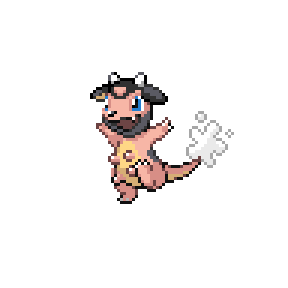
Milseed's milk boosts its agility, allowing its heavy body to move more smoothly by spewing it at high speeds. Its upper half is harder than iron, while the lower remains soft.

Blisto's fascination with mirrors leads it to imitate whatever it sees. This playful behavior often confuses others, leaving them unsure whether they are interacting with the original or a reflection.

Blischu manages and maintains essential equipment in Pokémon Centers, ensuring all tools are clean and functional. Its gentle nature makes it both a reliable helper and a joy to work with.

Bliscario plays a vital role during avalanches, using its aura to locate buried Pokémon and lead them to safety. Its unwavering kindness makes it a beacon of hope in harsh winter conditions.

It has the ability to sense sadness in children. It spends its day gathering berries to give to others as presents.

It actively consumes vehicle batteries to absorb their energy. This electricity is stored in what looks like an egg on its abdomen.

The egg on its head is not edible and is filled with a liquid metal. It uses its long arms to cling to the edges of cliffs.

Blismise floats silently through the water, aiding rescue efforts by guiding lost Pokémon to safety. Its glowing core radiates warmth, providing comfort even in the darkest depths.
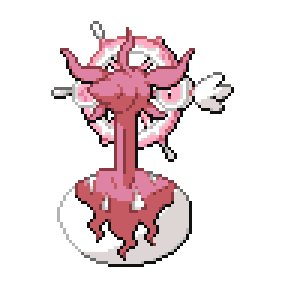
Blisapex coats its nest with a special acid that does not harm its egg. If threatened, it sprays highly pressurized water directly at the eyes of intruders before making a swift escape.

Bliskazam uses its soothing presence to alleviate headaches, calming both Pokémon and Trainers. Its kind demeanor and healing abilities make it a welcome companion for those weighed down by cares.

The shell that covers its body is harder than marble. When boiled, the shell releases huge amounts of nutrients and can be used as medicine.

Blisno has the unique ability to soothe migraines through calming touch and subtle psychic waves. Its serene expression belies the depth of its mental powers, which it uses solely to help others.

If struck by lightning, Raiceus emits a lasting influence that convinces others of its divinity. Affected followers may trail it across regions for years.

Enbone prefers solitude above all else. If discovered hiding in tall grass, it erupts with bursts of flame from its bone to drive others away.
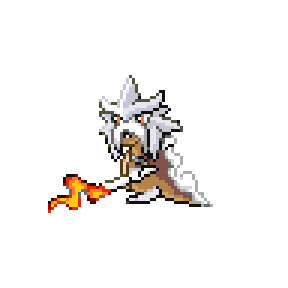
Enceus is said to glow like living flame while racing across night skies. Even a brief sighting was believed to grant eternal emotional warmth to witnesses.

When Suiceus feels revered, it proudly patrols an area. During this time, all nearby water within a vast radius is completely purified.

Larvilix tunnels through caves using its fin-like horn. To accelerate, it rotates its entire body like a drill, pulverizing rock in its path.
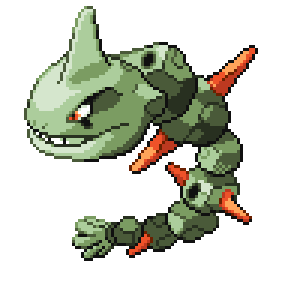
Larvicross slashes with its claws, making marks on trees near its cave to feed on sap that strengthens it. Within ten minutes of eating, Larvicross can lift boulders weighing over five tons.

Tiny cracks in Larviursa's stone paws leak a honey-scented sweat. This aroma lures bug Pokémon like Ledyba close enough to be eaten.

Larviring slaps its rocky belly to release a honey-like scent that drifts through tunnels. Diglett drawn to the scent are quickly devoured.

Orange spinel gems run along Larviphan's spine and trunk, glowing when it rolls. The light pulses somehow increase its rolling speed dramatically.

Larvitar burrows under cave moss to protect its shell while it hardens. Long periods of rest accelerate its eventual evolution.

Using psychic energy, Larvidum floats silently through cave networks. Its horn glows purple just before it strikes with Smack Down.

Larvible prowls long tunnels, practicing its growl to sound more intimidating. It bites boulders blocking paths, turning them into pebbles.

Thick brown poison drips from its jagged horns. When hungry, Larvirina may consume mud to ease its cravings and replenish its strength.
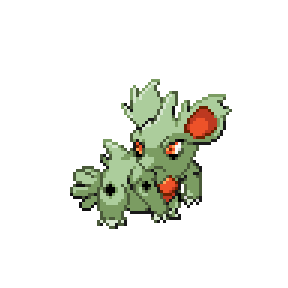
A moss-like mouth grows from the top of Larviwile's head. It nourishes itself by feeding on plantlife through this secondary jaw.

Gemstones grow within the dark fur around Larvino's neck. Though blind, it reacts violently if the gems are touched.

Larvinch clamps its jaws around stalactites, dangling from cave ceilings while it sleeps. This keeps it safe from ground-based predators.

Larviagon gather near tunnels like Diglett's Cave, ramming into travelers with their heads in hopes of making them drop food.

Larvixew's tiny tusks are harder than diamond. It smashes rocks in its den into powder, sharpening its strength with every blow.
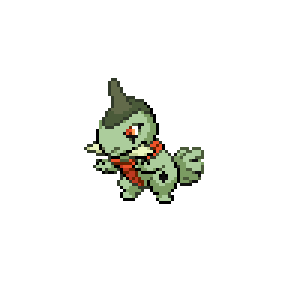
Ancient scrolls describe Larviolett aiding miners deep underground. The orange gem on its body glows brightly to illuminate tunnels during emergencies.

Larvibat's green stone wings flap with thunderous force. Its bite is so strong it could crush a tow truck in one chomp.
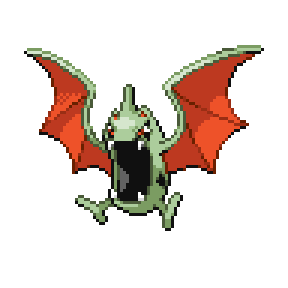
Larvibat channels loud soundwaves through its mineral-coated ears. Larvibat uses these to shatter stalactites as it flies through dark caves.

Larvimy's body is coated in a transparent slime that dries quickly in sunlight. It sleeps in dripping cave chambers to stay moist and cool.

The ore cluster on Larvisect's back is threaded with a network of fungal mycelium. This fungal growth also spreads throughout parts of its body.
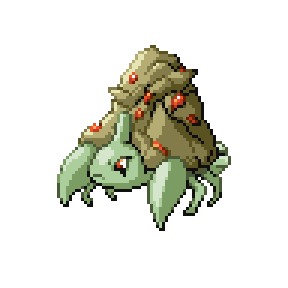
While asleep, the small scales on Larvimo-o's rocky skin flutter gently. When in deep sleep, its tail wags rapidly.
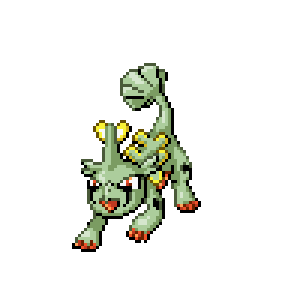
Drawn to light, Larvinat leaps toward glowing objects at night. Its stone-heavy body bends lampposts and damages fences with the impact.
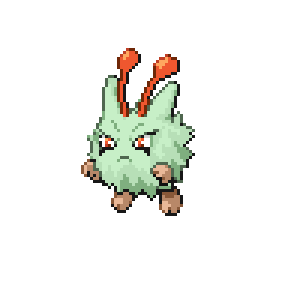
Larvilett hides its long neck deep beneath the ground. It can launch upward as far as seven feet to jab foes with its horn.

Each of Larvitrio's three heads can stretch over ten feet from its body. They attack in unison, dragging prey underground with their sturdy horns.

Larviler rubs its stone skin against cavern walls to spread its scent around its territory. If left ungroomed, moss begins to grow on its rocky hide.

The rocky feathers on Larviduo's body are fragile and flake off easily. It avoids direct combat, preferring to flee swiftly.
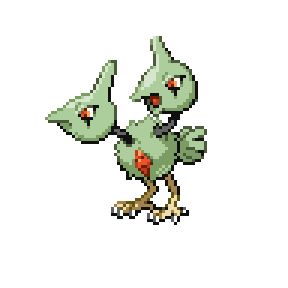
Larvidrio's shale-like tail feathers are brittle and fall off while it runs. These fragments are often found scattered near canyon paths.

Larvinix can detect gemstone clusters while digging. Gem merchants once trained them to mine rare stones for trade.
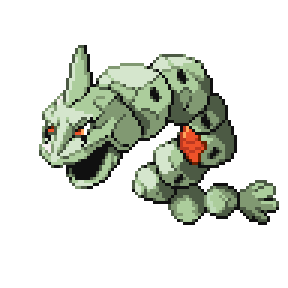
When Pupisey finds an abandoned egg, it carries it in its pouch. Its body grows denser while guarding the egg, guided by pure instinct.
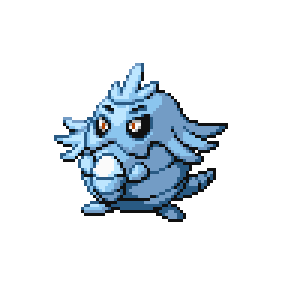
Pupilix tunnels rapidly through mountains in search of spinel gems. Consuming these rare stones helps toughen its shell before evolution.

During winter, Pupiring hibernates for weeks without stirring. As it sleeps, its rocky body hardens to a strength beyond steel to endure the cold.
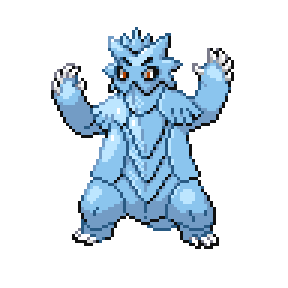
Pupisharp's hard stone casing conceals an aluminum core. As it trains, its body toughens by absorbing minerals from rocky terrain.
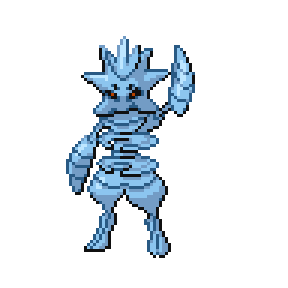
In ancient times, Pupilurk raided mine shafts at night to eat leftover ore. Miners once feared forgetting to store ore would attract these creatures.
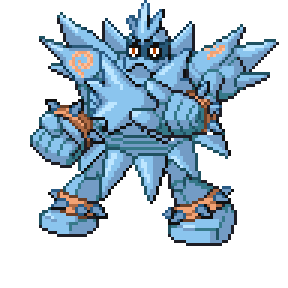
With a body harder than iron, Pupiron digs into walls in search of ore. At night, it curls into a tight ball to protect itself as it sleeps.
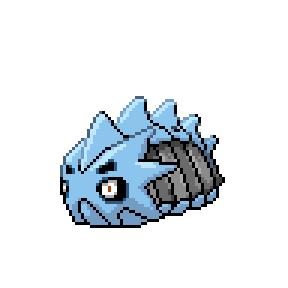
Groups of Pupity stand motionless in cave lines, hardening their bodies. If disturbed, they all lunge at once to unleash a devastating Beat Up.
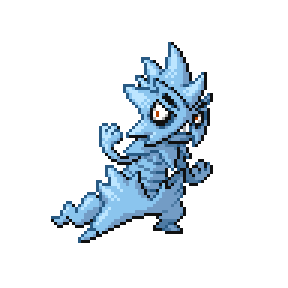
Pupiler clings to cave walls in silence, hardening its shell repeatedly. It stays motionless for days at a time as it waits to evolve.
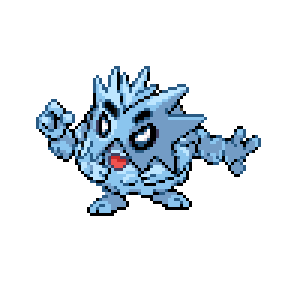
Lubone cries out from deep island caves. Its loud mournful call can be heard from over a mile away and is sometimes accompanied by the forming of sudden whirlpools within the sea.
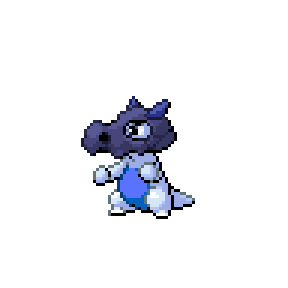
Some ancient sailors deliberately sailed into whirlpools, believing Luceus dwelled within. They trusted it would guide them swiftly to their destination using divine powers.

Pikapod can be found hanging from abandoned wind turbines. They absorb latent electricity during windy days.

Pikagey guards its nest during storms, intercepting lightning with its beak. It shields unhatched eggs with its own body.

During thunderstorms, Pikaotto releases huge lightning bolts from its beak. It circles storm clouds with crackling wings.

Pikamuku's exposed innards constantly hum with electricity. Touching them even slightly can leave a nasty shock.

Pikabat roosts high in powerplant rafters, active only during off-hours. It swoops down silently to absorb residual electricity.
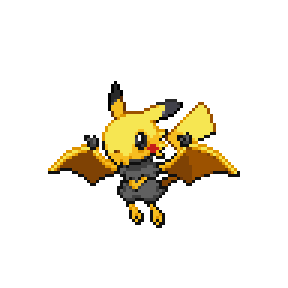
Pikaeanie shocks prey like Magikarp with bolts from the spikes on its tentacles. It hides motionless on rocks before striking.
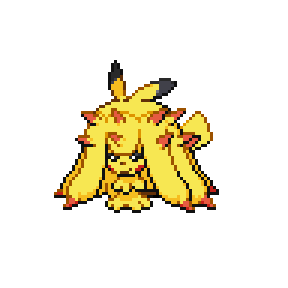
Pikagast's shovel acts like a lightning rod, channeling energy into destructive blasts. Its cries echo across the beach after the blasts.

Pikatad's lily pad insulates its body when it discharges electricity. Its Thunder Bolt is strong enough to fell a pine tree.
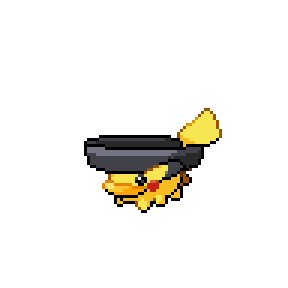
Pikalett erupts from the soil with a sharp popping sound. It then releases a burst of electricity that paralyzes targets before dragging them underground.

Pikapoke fishes with its tail during storms. If a Shellder bites, it unleashes a massive jolt of electricity in response.

Ash-like residue sheds from Ho-ceus's wings as it flies through the sky. This substance and its rainbow-hued smoke are gathered worldwide for sacred incense and rites.

Azubone's skull sparkles brilliantly when wet. After long swims in lakes, it reaches its maximum shine.

It will begin to cry at even the slightest inconvenience. Azutret's tears release a toxin into the air that will cause a person to weep uncontrollably.

When hungry, this Pokémon will place up to ten berries into a puddle at a time. Once it has enough berries, it will smash them within the puddle to create a delicious paste.

Azugle eats a variety of different plants in order to create pigments within its stomach. Should it shoot water from its mouth, it will alter the color based on what it has consumed.

It can leap high with little effort due to the elasticity of the ball on its tail. There are reports of some Azudoof going over a mile into the air.

If hugged too tightly, this Pokémon's fur will let loose a flurry of sparks. While harmless, this excess static can cause a person's hair to stand on end.
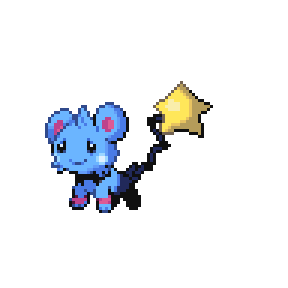
It happily bounces on its tail three times before taking flight. This behavior serves no purpose other than as a morale boost for itself.

Under the moonlight, Wyfa hops joyfully around open fields. If struck while hopping, it retaliates with a powerful Counter.

The eye on Wysparce's drill-like tail can sense the nature of incoming attacks. This allows it to react instantly with the correct defensive skill.

Any time Wynub uses Counter, the ground around it is covered in a thin frost. This frost can be treacherous for both combatants, creating a slippery surface that increases the risk of losing footing.

While appearing jolly, Wyrogue has a very stoic demeanor. Should it notice an attack it cannot dodge with its martial arts prowess, it will stay still to unleash a terrifying Counter, turning the tide of battle in an instant.

Wysly's rock-solid body glows bright blue when using Mirror Coat. The sudden flash often startles foes before the counterattack lands.

Wyfairy uses Safeguard to protect sleeping allies. It prefers to rest beneath the soft glow of moonlight.

Wyon's rubbery skin reflects incoming attacks back at enemies. It spends most of its time snacking on ore-rich rocks.

Wytly's body is made of compressed smoke of unknown origin. It floats in circles around sweet fruits, which it eats with fervor, savoring the rare and fleeting sustenance.

Wynix slams its rock-hard tail on the ground when it is angry. Anyone approaching should beware of its Rock Throw, which can cause massive damage with a single strike.

It gathers discarded trash in a forest, then uses it to decorate its nest. Once it determines the nest is fully decorated, it will search for a mate.

It fires globs of web from its hands with great precision. Should it capture a foe, it will laugh maniacally as it reels the enemy in.

It uses its tails to ensure its balance. When on an icy surface, it will use its tails to stabilize its movement and prevent slipping.

It will dance on the roof of a business once per year. This dance is said to bestow great luck and ensure record profits for the rest of the year.

While dancing, it spins its body clockwise at great speeds. Its hands can be dangerous if they collide with an onlooker.

When it touches the ground with the hand-like portions of its tail, it can sense vibrations. It can sense an opponent from up to 300 feet away.

It uses the antlers on its head to sense the fears of its prey. Using the mouths on its hands, it mimics its prey's greatest terror.

Ambidoof uses its powerful tails to snap limbs off trees. It then collects the branches to build sturdy lodges along riverbanks.

It spins its rear arms in a clockwise motion to propel its body through lakes and rivers. It eats lily pads that it finds to absorb their nutrients.

It cheers when it sees any kind of success. This can become irritating, as the cheers consist of high-pitched screeching.

The plants on its head are very similar to hands. They will fill with pollen over time and grow to exceptionally large sizes.

The poison that it secretes from its body smells like a mixture of Nanab Berries and Yellow Apricorns. The fluid can cause paralysis if consumed.

It wields its shovel like a trained knight wields a longsword. It laughs maniacally as it swings its weapon at its foe.

It mocks travelers who are lost in the forest by whistling and laughing in an uneven tone. It also points and jeers should the person run out of food.

It sleeps at the bottom of swampy ponds. Its hands float at the surface, reflexively grabbing hold of any moving prey that bump into them.

The mist that comes out of Miszing's body causes hallucinations, distorting the victim's perception. During this time, its eerie, wordless chanting can be heard inside their head, heightening the fear.
While flying, Miskrow uses its broom to knock away tree branches. It is primarily active around 3 AM for an unknown reason, adding to the mystery of its late-night activities.
Misdreavus locks eyes with its target to induce haunting visions. The longer it holds their gaze, the more fear it draws into its orbs.
While flying through the night sky, Miskrow makes human-like noises from its beak. Some say the vocalizations sound like incantations, adding to the mystery of its nocturnal flights.
Ancient witches honored Misceus by carving hexes around their dwellings. They revered it as a divine patron of magic and ritual.
Old texts state that ancient witches once used placed Miswick around their glyphs, relying on their eerie flames to empower spells or fortify one's soul. The flames were believed to hold mystical properties.

Miskyu makes its home in abandoned buildings, where eerie whispers come from below its cloth-like body. The whispers sound like incantations, adding to the haunting atmosphere.

Before using a strong electric attack, Misxio moves its tail in an odd pattern while chanting something that sounds almost human. The words make no sense, but they seem to channel strange energy.
Mispet's mouth seems to open up to 2 feet wide when it is trying to scare someone. This has recently been proven to be an illusion by scientists, as the mouth's size is a visual trick to intimidate its prey.
Mismask floats through abandoned tombs to scare archaeologists. The fear it generates is stored within the large gem it carries, making the gem a source of strange and unsettling energy.
Miswear floats above city dumps searching for discarded plush toys. When it finds one, it possesses the body and shambles around while chanting softly.
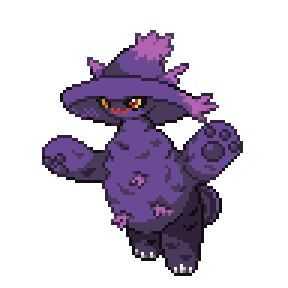
Hot vapor streams from Miskoal's body as it speaks in a haunting, curse-like tongue. The steam regularly takes shapes resembling prey it hunts.

Mistly floats near burial sites, mumbling something that sounds like chanting. The words are unintelligible, but their eerie resonance makes the air feel thick with an unsettling energy.
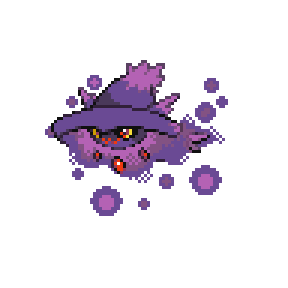
Honchbone grows black feathers atop its skull that form a hat-like shape. This crest expands with age and can become as large as its own body.

Honchmagius's eerie chirps mimic ancient incantations and chants. Prolonged exposure has been known to cause migraines and dizziness in listeners.
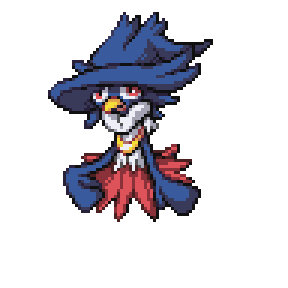
Honchcor from the eastern coasts grow red feather tufts along their long tails. These feathers molt when the creature is under heavy stress.

Feathers fallen from Honchceus turn an unnatural void-black. Many cults once wove them into garments, believing the color signified divine origin.

Honchkyu crafts disguises from dark feathers gathered off forest floors. It emits a distorted chirping sound as it wanders through the woods.

Honchxio discharges powerful bursts of electricity from the hat-shaped feathers atop its head. The sparks grow brighter as night falls.

The green webbing clumped on its back resembles leaves. It can loose these orbs of silk in multiple directions, catching an opponent with ease.

Due to its heavy rock-like body, it cannot fly for long periods of time. If caught in the rain, a thin film of mud will cover its stony outer layer.

When it is deep in a cave and there is no light, the spheres on its head emit a dim green glow. This light pulsates with its heartbeat.

Bontata sheds tiny stone splinters from its bark-like exterior as it moves. These sharp fragments often discourage predators, ensuring it remains undisturbed in its habitat.

Bonsparce clings to cliffsides, using its small size to hide from predators. It is known to carve out crevices where it can rest safely away from the reach of larger Pokémon.

Flocks of Bonrow perch along the rooftops of libraries and nearby buildings, pretending to be stone sculptures. Despite their bright coloring, they often fool predators like Talonflame.
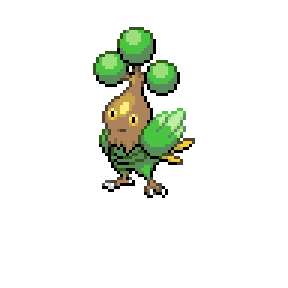
Bongma's rocky body is coated in a thin layer of charcoal dust, which it uses to stay warm in colder environments. When threatened, it releases small puffs of soot to create cover and escape.

Bonub thrives in the tundra, where it burrows beneath snowdrifts to avoid the cold. It stores warmth in its rocky frame, allowing it to remain active even in freezing temperatures.

Bonpy enjoys arranging begonias around its nest, using the flowers to mark its territory. It takes great care in maintaining these displays, often rearranging petals to suit its mood.

When it gets upset it will unleash waves of psychic energy. It channels its power through its stone antlers.

In dense jungles, Bon Jr. mimics plants to avoid danger. It will stay motionless for hours if it sees a predator.

Its body is as hard as marble. During the evenings it digs at the base of bushes to consume the nutritious roots.

Bondoof seeks out rock gardens and stands motionless, mimicking a statue. At night, it gnaws on the surrounding rocks to keep its teeth sharp.

The spike on its head secretes a potent acid. It uses this corrosive liquid to make holes in cavern walls and create its nest.
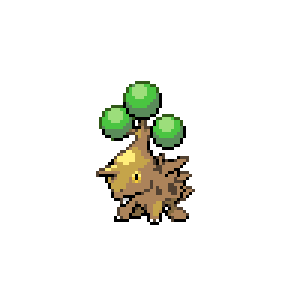
Bonfairy wanders through canyons, gathering small stones to decorate its body. Its playful nature often leads to surprise encounters with travelers exploring the winding paths.

It lounges on mountaintops for long periods to absorb the sun's heat. It will channel this warmth into its fire-based attacks.

Bonon thrives in rocky mountains, where it absorbs minerals to harden its body. It camouflages itself among boulders, remaining motionless until disturbed.
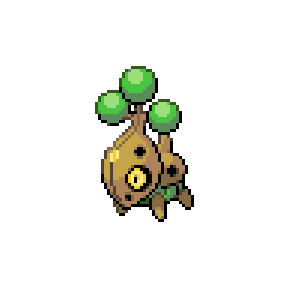
Bonruff's saliva contains minerals that strengthen its body, making it resilient against harsh weather. It frequently licks its own body, ensuring that it remains tough and durable.

The emeralds on Bonbink's body glow softly before rainfall. When this happens, it hides quickly to avoid even a single drop of water.

Despite looking like branches, the limbs coming off of its body act as antennae. The limbs can sense heat and predict weather patterns in its immediate area.

Bonix feeds on rich ore deposits, slowly incorporating these minerals into its rocky exterior. Over time, its body becomes a dense, glittering structure that reflects the materials it consumes.
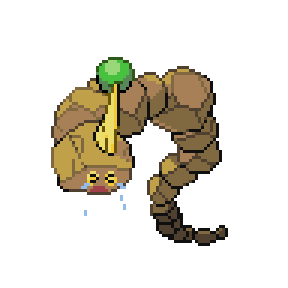
Mimeto traps foes inside invisible walls, then transforms into their Trainer. It uses the confusion to escape unnoticed.

When concentrating, Mimevee's head pom tugs faintly toward nearby evolutionary stones. Finding one empowers it greatly, allowing evolution to take place.
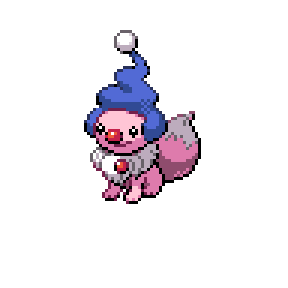
Mimegon delights in pranks, erecting clever Barriers that prevent users from clicking desired links. If it senses mounting frustration, it will quietly remove them.

While sleeping, Mimerita releases a sweet Occa Berry scent from the pom on its head. The aroma calms others nearby.

Mimechu frequently loses control of its psychic powers. It unintentionally erects invisible walls nearby when startled or excited.

During full moon nights, Mimefa showcases the movements it copied during the day. It performs for friends in secret gatherings.

Mimepip floats high above parks during the day, spying on people. At night, it mimics their actions with others of its kind.

Mimerow erects psychic walls around its nest to guard it. If intruders get too close, it strikes with a furious barrage of pecks.

Before attacking, Mimeursa releases a burst of honey-scented aroma. It then unleashes a powerful psychic strike against its foe.

At night, Mimedour howls into the darkness while the pom on its head glows red-hot, creating an eerie, flickering sight.
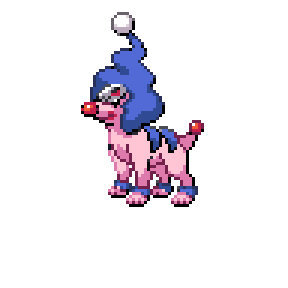
Mimepy juggles objects skillfully with its nose. If spotted mid-act, it grows shy and pushes the onlooker away with psychic force.

Mimerogue jumps off invisible walls it creates mid-air. This lets it perform complex and graceful martial arts maneuvers.

Mimesly stands motionless in gardens, pretending to be a lawn ornament. At night, it mimics the movements of those it observed.

If it senses a cave-in while digging, Mimeshrew creates an invisible wall above its immediate area. This allows its kin time to escape safely.

Mimeran studies humans near busy streets to imitate them. If caught, it will try to bite the intruder with toxic fangs before fleeing.

Mimedoof builds cozy lodges and erects invisible walls around them. These psychic barriers keep predators and intruders away.

Mimepix traps its opponent within invisible walls before using Fire Spin. This prevents the flames from spreading uncontrollably.
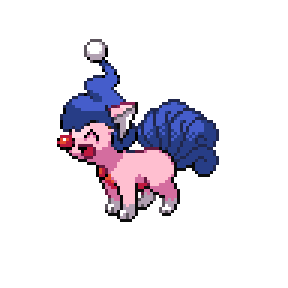
Mimenx traps foes inside invisible walls before releasing a sudden Discharge. The combined attack leaves most enemies stunned.

Mimecorio waves its arms in dances learned by spying on dance studios. Its performances unsettle those who watch due to its oddly smooth movements.

When Mimeruff senses that its Trainer is in danger, it lets out a sharp bark and instantly erects invisible walls to protect them.

Happipie wraps injured people and Pokémon in sticky silk drawn from its mouth. The thread holds healing properties that help wounds close faster.

Ancient tales claim Happiceus absorbs reverence from onlookers into the egg-like capsule on its chest. On rare occasions the egg turns jet black, releasing unexplained beams of light.

Raihorn pierces foes with its horn before releasing a surge of electricity. When exhausted, it retreats to caves to recover its energy.

While asleep, Raidon discharges sparks from its horn. It must sleep cautiously, as it can ignite dry brush if it rests in open fields.

Raiark mimics the cries of lost children to lure concerned travelers. Once they're close, it delivers a powerful electric shock and drags them away.

During a full moon, Raifable's electrical powers intensify dramatically. It can summon lightning strikes strong enough to level a house.

Ancient tomes describe Railurk standing in villages during storms. It would absorb lightning bolts to shield the settlement from destruction.

Raiapex lets loose small electric pulses from its tail to attract prey. Once they are close, it attacks with its sharp venomous spikes, pinning them to the seafloor for an easy catch.
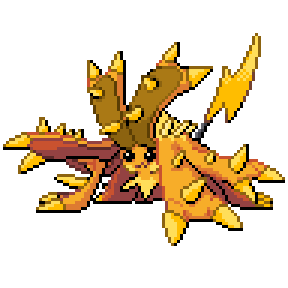
Railett lashes its tail from beneath the ground to discharge electricity. It retracts the tail into the dirt to recharge between attacks.

Raitrio tunnels toward power plants to chew through buried wires. It feeds directly on electricity, storing the energy within its body.
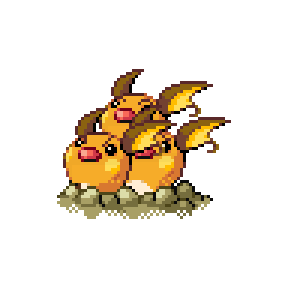
Sparks from the stones on Railer's body are dangerously strong. Even light contact can result in sudden paralysis to unprotected skin.

Munchotto flies between Occa Berry trees, gathering berries to eat later. When full, its belly jiggles as it flies, making it a comical and endearing sight.

Munchper lobs globs of mud at berries in Salac Berry Trees, gathering them up and coating them in mud before eating. This unique method of collecting and preparing its food helps it enjoy the berries in a special way.

Munchicate uses its rock-hard fangs to fell Wacan Berry trees before gorging on the fruit. It will use Scary Face if anyone gets close while it eats, protecting its bounty.

Munchdreavus floats up to Cheri Berry trees to feast on fruit. It can drain ten trees in a day before vanishing into the night.

Munchrow flies between Coba Berry branches, eating as many berries as it can before others of its kind find the tree. Its quick consumption helps it avoid competition from its flock.

Munchtler's psychic powers amplify after eating a Payapa Berry. Many nutritionists claim the berry eases its mind, allowing it to think clearer and focus its abilities more effectively.

Munchrogue uses its superior leg strength to jump to the top of Charti Berry trees. While it prefers the berries on the topmost branches, it eventually eats all of them as it descends back to the ground.

Munchchu uses lightning strikes to knock over trees, causing berries like Oran and Pecha to fall. These are its favorite foods, and it devours them eagerly.
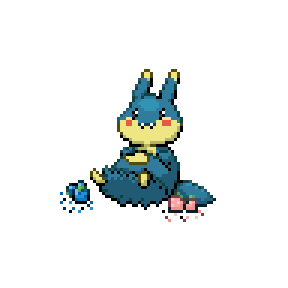
During full moons, Munchfable gathers with others of its kind to feast on Nomel Berries. Entire orchards can be wiped out in one night, with even unripened berries being devoured.

Munchbarel spits jets of water to knock Rabuta Berries off of trees. It then gathers them up and brings them back to its lodge, where it stores them for later consumption.

Muncholu has the ability to see the aura of trees and picks a tree to eat from based on the color of the aura. Scientists are still trying to determine if its choice is based on the health of the tree or another unseen factor.

Munchonee floats near Spelon Berry trees to pluck fruit to eat that it stores within its fluff. Sometimes, it gathers so many berries that it becomes too heavy to float, causing it to drop to the ground in search of its next snack.
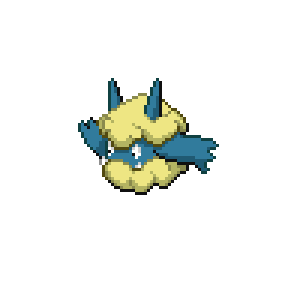
Munchinder flies from coconut tree to coconut tree to eat the coconuts. It will eat even the shell in seconds, without caring about the flavor.

Munchpede rolls through forested areas with its mouth open, eating just about any vegetation it rolls over. Its body can digest nearly any plant life, making it a versatile eater.
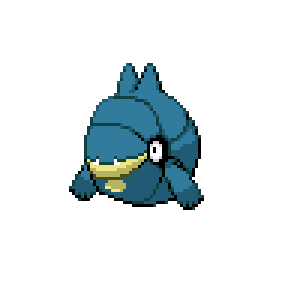
Munchpede's poison becomes more potent after eating Chople Berries. Many scientists believe this is due to a chemical reaction in its stomach, creating new toxins that concentrate in its fangs.

Munchbat uses sound waves to knock Durin Berries from trees. Its single-mindedness while eating makes it unable to do anything else, focusing solely on devouring the berries.
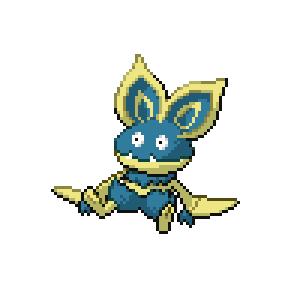
Munchlu flies near Kasib Berry trees, searching for rotting fruit on the ground. It prefers the softer fruit, as it is easier to chew, making for a more enjoyable meal.

Munchful uses strong punches to knock over Tanga Berry trees, gorging itself on the berries that fall. Its enthusiasm for feasting leads to a messy but satisfying meal.

Munchwear uses its strength to knock Magost Berries from the trees near its den. If someone gets too close while it eats, it uproots the nearest tree and hits them with it to fiercely defend its meal.

Munchnat uses Psybeam to knock Liechi Berries from trees. The more it eats, the more vibrant and beautiful the luster of its fur becomes, adding a shimmering effect to its appearance.
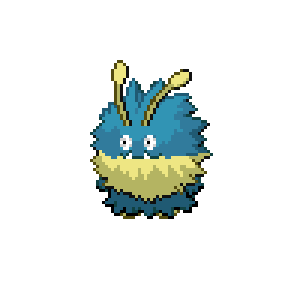
Munchgeist uses its long arms to catch Watmel Berries when they fall from trees. When it is full, it lets loose a strong pumpkin-like odor, signaling that it has had its fill.

The lily pad on Munchtad's head is close to a pie in consistency and regrows monthly. Many bakeries sell these along with their own freshly baked pies, as they are highly sought after for their unique texture.
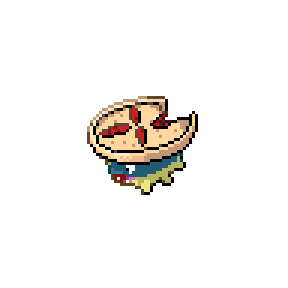
Muncheel eats moss off rocks in large quantities, especially during the winter months. It is most active in colder temperatures, preferring the chill to warmer conditions.

Manking bursts from the water with tremendous force. It uses its horn to smash unsuspecting prey like Wingull mid-flight.

Manllery grabs onto surfboards with its strong suckers to ride the waves. However, it often causes surfers to lose balance and wipe out.

Mantine adores soaring over the ocean during sunset. The sun's golden light glimmers off its sleek body as it rides the waves.

Manmer's large body floats just inches above the sea's surface. It travels at sunrise, appearing like a drifting island.
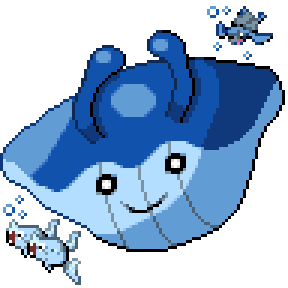
Schools of Maneanie spin in the air like helicopters over the sea. Together, they unleash toxins to devour massive prey like Wailord.
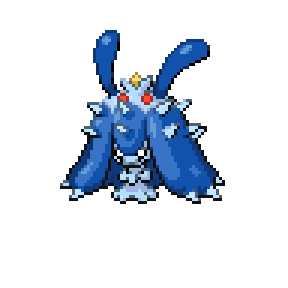
Manish splashes playfully in the sea, inviting attention. Anyone who joins it is rewarded with a sharp, playful bite.

Some say the eye-like markings on Manbre's lily pad will blink if stared at too long. Legends warn this will curse those who witness it.

Mandisc glides sideways over the ocean waves, leaving a sparkling trail of heart-shaped bubbles in its wake. Many painters use this Pokémon as inspiration for their art.

Manduck swims graceful circles around lakes, gliding across the surface with ease. It eats leaves that float on the lake's surface.

Using its sensitivity to distress, Weavsey locates abandoned Pokémon young. It then steals eggs nearby to feed itself later.
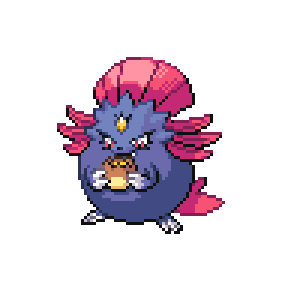
If the claw on its tail fails to defeat an enemy, Weavnair summons a hailstorm to overwhelm them with sheer cold.

Weavbird slashes Apricorns from trees with its claws. It stores the fruit in its tail and delivers them to allies or strangers it favors.
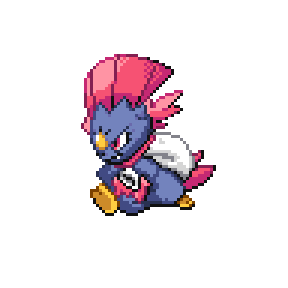
Weavceon sharpens its claws on frozen lake surfaces. If it accidentally cracks the ice, it uses a breath of cold to freeze it over again.
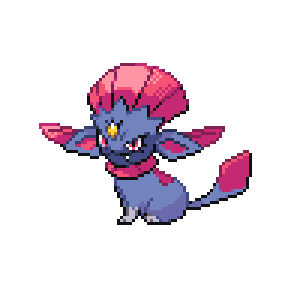
The gem on Weavtang's head emits a strong magnetic field, letting it navigate dark areas without effort. This is primarily useful in dense blizzards.
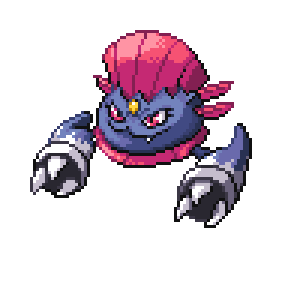
Weavsharp stuns foes with a chilling Icy Wind before slicing them down with the blades protruding from its torso. It tends to stalk already weakened prey.
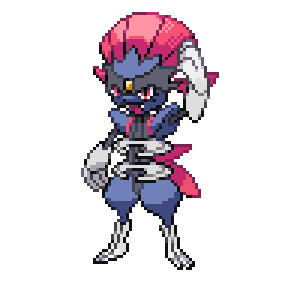
Weavelgon encases itself in thick ice as it sleeps. The longer the slumber, the tougher its frozen shell becomes.
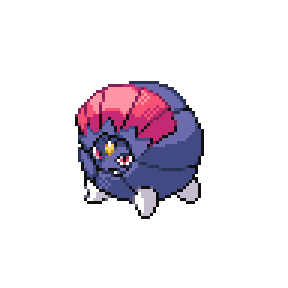
Weavxure's tusks coat themselves in ice during combat. Each strike carries enough force to leave deep dents in solid steel.
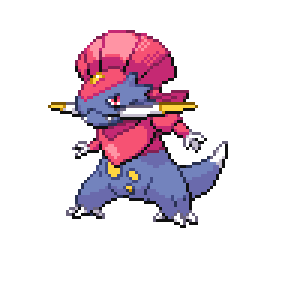
Weavlass sways outside its snowy cave at dusk. It freezes those who come too close, dragging them inside to display as frozen trophies.
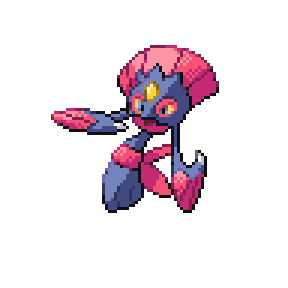
Weavmo-o scales frozen cliffs with ease, its claws gripping ice effortlessly. The heat-retaining scales on its arms help it endure the cold.
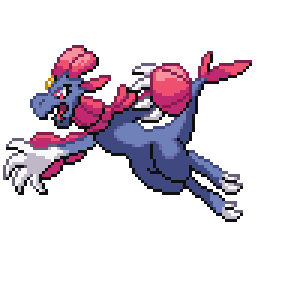
Magneang frequently levitates too high in the sky while sleeping, accidentally getting stuck to aircraft with its magnets. This sometimes ends in terrible accidents.
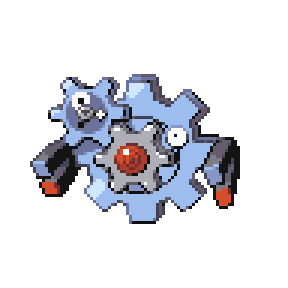
When fully unfurled, Lickitung's tongue is long enough to wrap around a minivan multiple times. It uses this to capture multiple prey at once, reeling them in with impressive dexterity.

Lickigela uses its vines to pull down Occa Berries from trees. Dropped fruit is quickly scooped up by its ever-waiting tongue.

Lickireep uses its long tongue to pluck Nanab Berries from high branches, favoring their sweet flavor. Consuming them causes its wool to take on a soft pink hue, which intensifies as it eats more.

Lickiffy channels electricity through its saliva, creating tiny sparks that crackle along its tongue. It uses this ability to shock fruit from trees before eagerly lapping them up.

At night, Lickiloom wraps its tongue around pine branches to anchor itself. This prevents it from being blown away by strong winds.
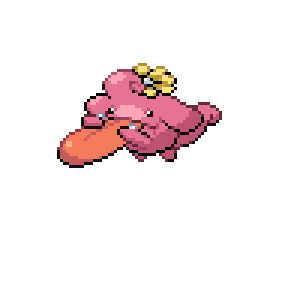
Lickiluff uses its sticky tongue to anchor itself to birch trees during strong windstorms. It enjoys swaying in the breeze, inhaling airborne spores as a snack.
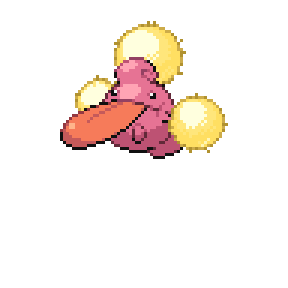
Lickisire floats face-down on lakes, using its long tongue to snatch unsuspecting prey like Goldeen from beneath the water's surface.

The slick saliva coating Lickibok's tongue allows it to slither in a serpentine-like fashion. This saliva is highly toxic, paralyzing prey before it coils around them for an easy meal.

Lickigrowth uses its thick vines to shake Oran Berry trees while it waits below. If no berries fall out, it angrily slaps the trunk with its long tongue.

Culinarians once revered Lickiceus as a patron deity of food. Legends claim preparing a favored dish could bring lasting fortune to one's family.
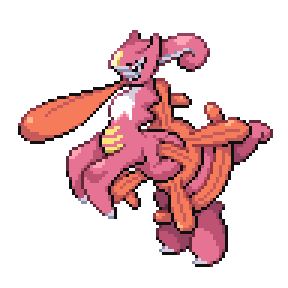
Lickitula licks cave walls to leave behind a charged, conductive saliva that spreads electrical pulses. If it senses movement nearby, it electrifies the webbing it has laid out between the saliva to act as an alarm system.

Lickiang's oily saliva allows its own gears to move with incredible efficiency. By licking machinery, it prevents rust buildup, making it surprisingly useful in mechanical repairs.

When Rhylure's drill horn rotates, the flames on its body intensify. Its eerie light can be seen glowing from over a mile away.

When threatened, Tantung whips out a vine that resembles a tongue from its mouth. It strikes from up to 10 feet away with surprising force.

While slashing wildly with its blades, Tanther sends out vines to bind prey. Its attacks are swift and disorienting in dense terrain.

Tantler's antlers glow faintly when it manipulates its vines. It uses them to pluck herbs from the underbrush and pull them to its mouth.

Tanlicky uses a thick pink vine curled deep within its body to feed. This tongue-like appendage can stretch over 30 feet when fully extended.

When energized, Tanroth's vines lash about uncontrollably. It enters a frenzy, striking everything nearby until its energy fades.

From the hollow of a tree log, Tanbell releases a scent that smells like Pecha Berries. It spreads and conceals vines from its body to drag curious prey inside.

Togeceus was worshipped as a deity of joy in ancient cultures. Legends say it descends from the clouds when an entire town feels happiness at once.

After exiting its tunnel, Sandgey carefully preens its wings clean of dirt. Its feathers are fragile and require constant upkeep.

A floral-scented sand drifts from Sandpip's body as it floats over dunes. The scent is mildly toxic if inhaled for too long.
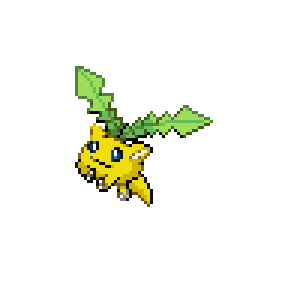
Sandicate's whiskers detect tree roots beyond its tunnel walls. Once located, it chews through the soil to feed on the roots.

Sandrow digs elaborate tunnels with its flock. These underground labyrinths are so intricate they confound even expert researchers.

Sandrow flaps its heavy wings to blast sand at its prey. Once stunned, it finishes the fight with a swift Scratch.
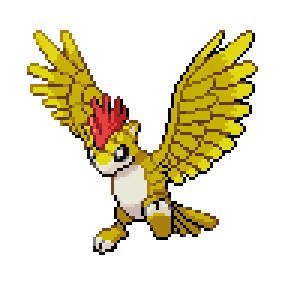
While typically soaring over deserts, Sandmory burrows beneath the sand when the heat grows unbearable. It remains hidden until nightfall brings cooler air.

Sandpy rolls at high speeds through winding tunnels. It builds decoy loops and false exits into its burrows to confuse predators that get inside.

Sandrogue nests under soccer fields, emerging at night to play. It struggles to control its strength and often breaks the equipment.
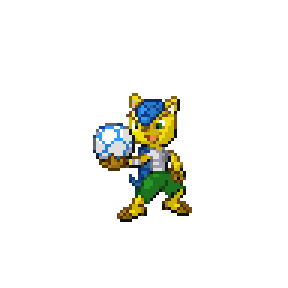
A Sand Jr. will dance to music for hours without resting. Once satisfied, it will eat until full and then sleep for an hour before starting again.

While digging, Sandran's skin secretes a thick yellow toxin. As it is harmless to its kin, it repels predators like Ekans from entering its burrows.

After completing a tunnel system, Sandrina rolls around at the entrance, leaking a green poison. Its unique aroma marks the burrow as claimed.

Sandran's ears drip a yellow poison it smears along cave walls to mark territory. It does this a day before digging to signal its intent to kin.

Sandolu uses aura sensitivity to avoid metal ore underground. This keeps it safe from predators like Steelix that feed on such minerals.

While digging, Sandnx builds up electricity in its ears. This charge is used to defend itself when it exits the safety of its tunnel.
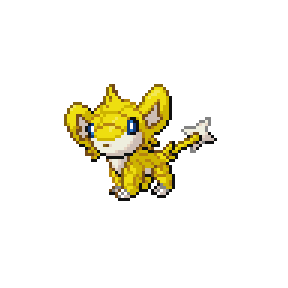
Sandlett feeds on flower roots deep underground. If it consumes a bitter root by mistake, it avoids the area for months.

Sandtrio digs beneath rosemary plants to consume their roots. It carefully rations food so each head, with its own stomach, is properly fed.
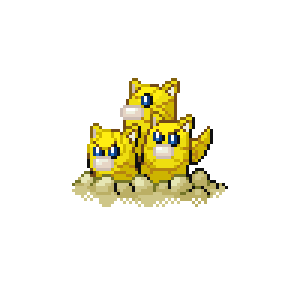
Sandth digs deep tunnels to hide shiny treasures. These may include coins, glass, or even bottle caps it finds valuable.

Sandrio seek out fields of wheat, their favorite food. This often leads to farmers complaining about flocks of Sandrio destroying their crops.
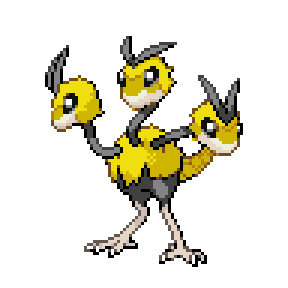
Yancor pursues prey with blinding speed before pinning them down with its razor-sharp claws. It never lets a target escape.

Yanclops's body is hollow, making it unnaturally light. It zips through forests with chilling speed, leaving behind a ghostly buzz.

Yaneye flies through cavern tunnels in search of topaz deposits. When it finds a cluster, it devours the gems with glinting hunger.

Yanor makes a buzzing sound from inside its body as it descends from the sky. Parts of its outer shell fall off in chunks to the ground below, creating a trail of debris as it lands.
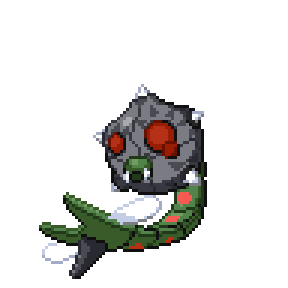
Yanor flies high in the sky during the day, but at night, it rests by hovering in one place. During this time, its eyes close, and it becomes difficult to spot in the darkness, resulting in many near-misses by planes.
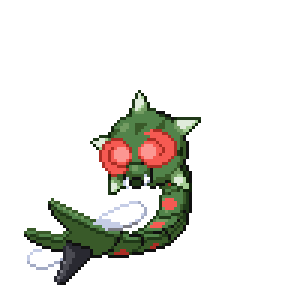
Glacenx psychically controls cold winds to expel intruders from its cave. It values its solitude and dislikes being disturbed.

Glacesel forms snowballs in its claws to play with allies. This friendly behavior is reserved only for those it trusts.
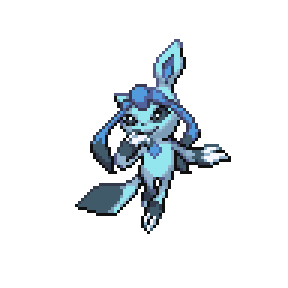
Glaceswine uses its tusks to dig up the roots of bushes. These nutrient-rich roots are its favorite food source.
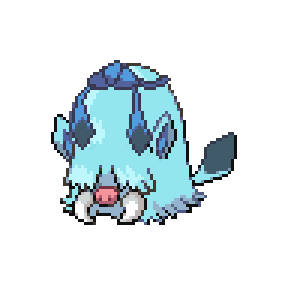
Its body is so cold that even brief contact can freeze an opponent solid. Despite this, its agility allows it to perform rapid, graceful acrobatics.
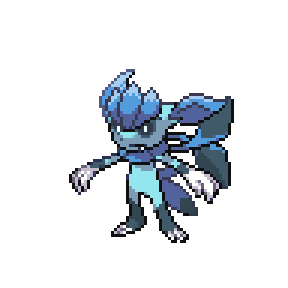
Glaceceus carves intricate spiral glyphs across frozen lakes. Once believed prophetic, studies show the patterns are meant to impress and inspire reverence.
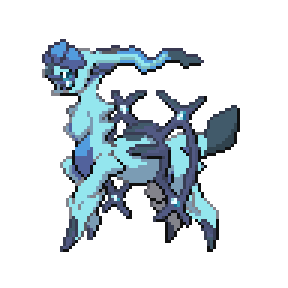
Glacelup freezes ponds to create smooth surfaces for sliding. It does this purely for fun and often invites others to join.

Glacerunt burrows into snow mounds to hide from predators. It surprises them by hopping out before quickly escaping.
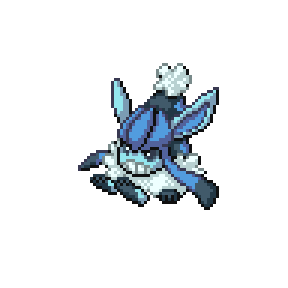
Glacelie silently floats in snowy mountains, observing hikers. This behavior can be unnerving when hikers suddenly spot it around a corner.

When Glaceaura whistles, the surrounding air begins to freeze. As it whistles when happy, it's best not to make it too cheerful.

Anything Glaceder licks freezes instantly. This freezing touch allows it to preserve food for later consumption.

Glisret's long, flexible body allows it to slip effortlessly through tree hollows while hunting. It ambushes prey from above, wrapping them in its wings before delivering a precise, paralyzing bite.
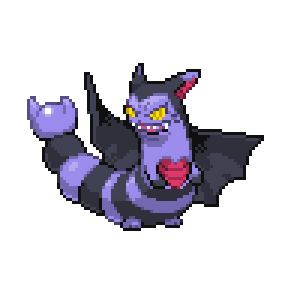
If Gliskrow eats something toxic, it falls asleep instantly. Its body purges the toxins through its talons while it rests, leaving it unharmed.

Many Glisking eavesdrop on human conversations using their large ears. They then implant phrases telepathically to frighten travelers away.
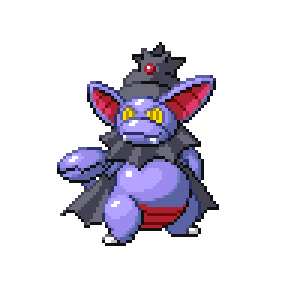
A diner in Brussel Town serves hummus featuring diced, boiled Glisgar claws. Paired with sprouts, this chewy addition is a local delicacy.
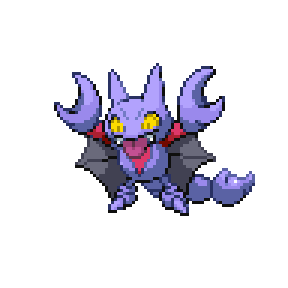
With its powerful claws, Glismory breaks into copper deposits. It consumes the metal to fortify its wings for flight.

Glisphan's stinger is crushed and used as a seasoning for dips in Catallia City. This unique appetizer is a favorite among locals.

Glismega glides silently over dark seas, searching for food aboard traveling vessels. By morning, it retreats to shadowy seaside caves to rest.

A prestigious restaurant in Majolica Town serves Gliswile claws stuffed with leeks, citrus zest, and a blend of spices. This gourmet delicacy is a favorite among food connoisseurs.

Glisol skewers the ground with its tail to detect impending earthquakes. It lets out a shrieking warning to alert others when danger is near.
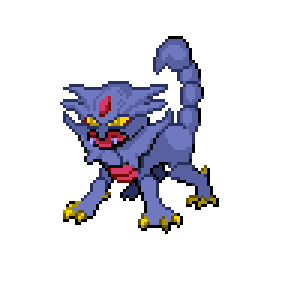
Glisclops's glowing yellow eye deters graverobbers in cemeteries. It perches silently on mausoleums, guarding them against intruders.

Old tomes recount Glisblade protecting townsfolk during wartime. It neutralized soldiers from both sides to safeguard innocents.

The ribbon-like appendages on Glisveon's body are covered in microscopic barbs. These release a potent toxin capable of blinding attackers.

Glisdile hides in marshy shallows, snapping at unsuspecting prey. It ambushes travelers by breaking through wooden bridges from below.

In ancient times, Glisbarel's fat was used to craft candles that burned longer than traditional ones. Despite being long-lasting, they emitted a strong swampy odor.
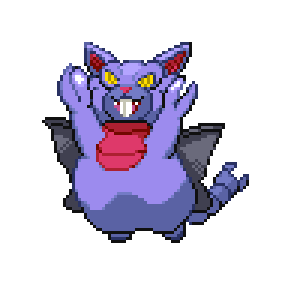
Glisroth uses its long, clawed arms to snatch prey from the water's surface. It patiently waits at river mouths in mountainous regions, striking anything that swims too close.

Glistuff sings in deep, resonant tones while wobbling slightly. It uses its tail for balance to avoid toppling during its performances.
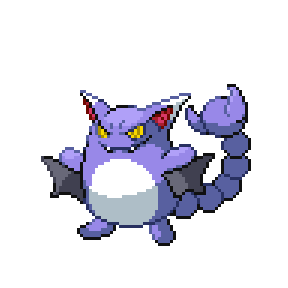
Glisrok uses its pincer-like tail to grab foes and drag them underground. It strikes with precision, leaving enemies no chance to escape.
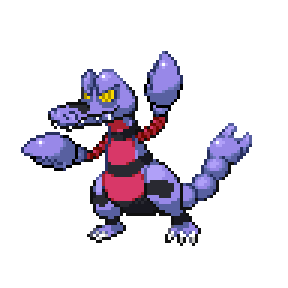
Glisbat soars through the night with an eerie screech, striking terror into the hearts of those below. It feeds on the life energy of weakened Pokémon, draining them before vanishing into the darkness.
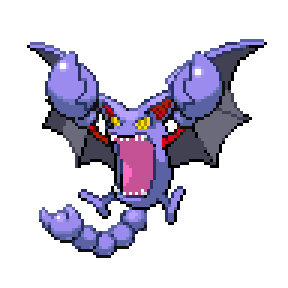
Gliseye uses its sturdy claws to chip citrine from cave walls. It eagerly consumes the gems as a prized snack.

The claws of Gliswear are sautéed with mushrooms in a renowned Bluefinland restaurant. The dish is famous for its rich and savory flavor.

Glisty uses its loose cape to glide between canyon walls. It guards its den fiercely, striking intruders with venom from its barbed tail.
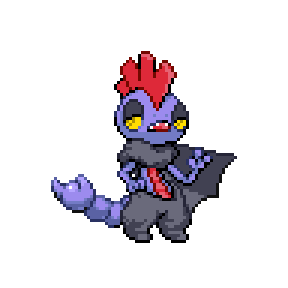
At beaches, Glisdisc seeks out newlyweds and nips them with its clawed mouth. How it's able to detect marriage is a mystery even to marine biologists.
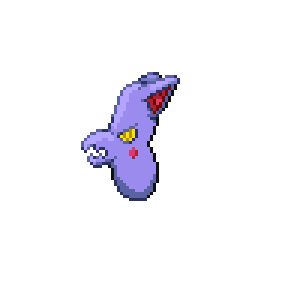
Glispoke splashes water onto itself using its tail to keep its skin hydrated. It enjoys lounging near ponds on sunny days.

Mountain villages once worshipped Mamoceus as a god of the peaks. Legends claim massive blizzards follow wherever it charges through the mountains.

When Poryceus passes through digital networks, forums worldwide glitch to repeat the phrase “1,000 Arms.” This phenomenon has become an infamous and irritating modern meme.
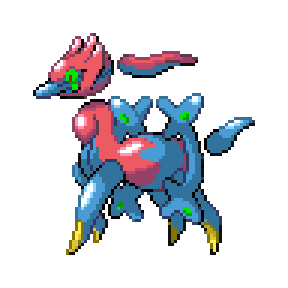
It will balance berries on its head and bring them back to its nest. It spends the daytime gathering and the evenings gorging on its finds.

Treets spits seeds that induce intense empathy in those it strikes. The effect fades naturally within a day.

Treelia meditates while perched in trees, receiving brief visions of the future. These glimpses can extend to anyone within roughly one hundred meters.

Treevoir's leaflike dress sways gracefully during combat. The more fluid its movement, the stronger its psychic bursts become.

Its body is stuffed with a cotton-like substance. The innards are highly flammable and ignite at the smallest spark.

Grots releases a scent from the leaves on its arms that overwhelms nearby creatures with empathy. The feeling vanishes the moment the scent dissipates.

Grolia channels telekinetic energy into the leaf on its head. This allows it to strike foes well beyond the leaf's physical reach.

Grovoir draws psychic energy through its ponytail, channeling power from nearby plants. In arid regions, it struggles to access this strength.
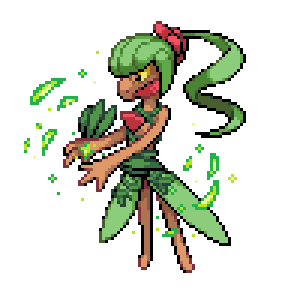
Grovoir's leaflike dress thickens during winter months. It wraps this foliage around its kin, using psychic energy to soothe them against the cold.

Sceplia channels psychic power through its tail when attacking. Legends claim this energy is drawn directly from the surrounding forest.

Scepvoir's leaflike dress flutters rapidly while it channels telekinesis. During autumn months, the foliage darkens in color.

Sceplade hardens the leaflike blades on its arms until they are razor sharp. It is renowned for acrobatic combat and flawless precision.

Sceplade primarily inhabits northern Hoenn forests and is fiercely territorial. It trains most intensely during summer, severing limbs from trees as practice.

Sceplade wields a blade formed from compressed leaves. It trains by carefully cutting away dying or decayed branches from trees.
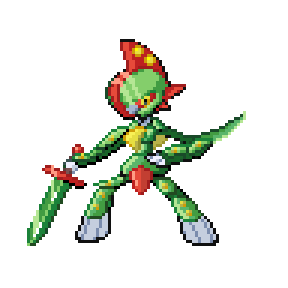
Torchret's thick fur radiates warmth in cold months. It lines its nest with the shed fluff to insulate and protect its Eggs.

The rear head of Torchfarig spews fire far hotter than the front. It occasionally unleashes these flames behind itself to boost its speed.
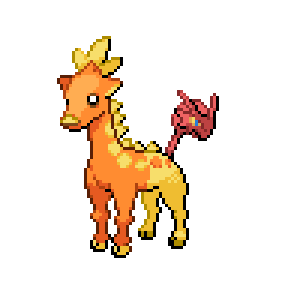
It swings its bone in combat like a blunt weapon. When overwhelmed, it shields itself with its tough, spiked back.

The sharp scales on Sandhorn's back flare open to absorb sunlight as it charges through mountains. When bored, it slams into trees to test its power.

Sandbat flies in chaotic arcs over desert skies at night. If it spots prey like Trapinch, it dives into the sand and strikes with Leech Life.

Sandsire uses its claws to reroute streams and create marshes. It sleeps face-first in water with its scales flared for protection.

Sandicate gnaws on buried stones to sharpen its fangs. It discards softer rocks instantly if a harder one is found.

During warmer weather, its tail gets cold and becomes covered in ice. This helps it regulate its body temperature.

If a Sandfarig becomes too cold, the head on its tail warms up. This causes any ice on the tail to instantly melt.
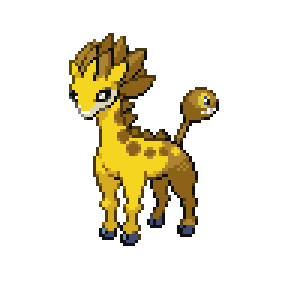
Its claws rotate clockwise while tunneling through mountains. The long paths left behind by Sandlix are used as homes by smaller Pokémon.
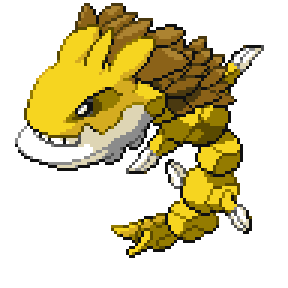
Sandckle digs tunnels under Persim Berry trees, surfacing to collect fallen fruit. It stores the berries in its shell for later meals.

Sandphan extends its spiked scales while rolling to plow through obstacles. It can reach 60 mph when barreling downhill.

During the day, Sandinch digs through dunes in search of ideal hunting spots. At night, it lies in wait just below the sand to ambush prey with a crushing Bite.

Sandva digs rapidly while vibrating its wings. If a predator appears, it traps them in a Sand Tomb and flees during the commotion.
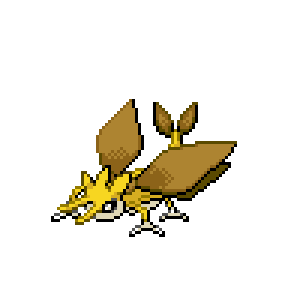
It drifts through tomb corridors, scratching walls with its claws. The sound abruptly stops when it senses an explorer, signaling that it has begun to hunt.
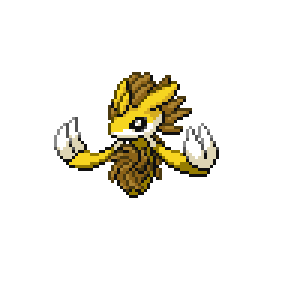
Ancient farmers used Sandolett to till cotton and herb fields. Its claws were perfect for working the soil regardless of how hard the dirt was.
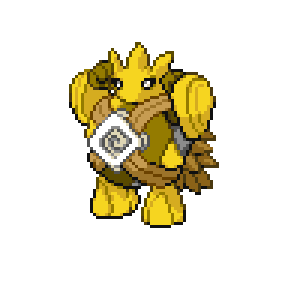
If cornered in a tunnel, Sandesta unleashes Flame Charge, scorching the walls. These burn marks act as warnings to future intruders.
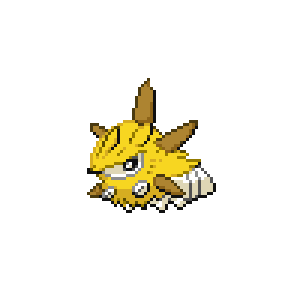
Its long claws can cut through sturdy stone in a single swipe. It will dig for hours without tiring to seek soft soil for nourishment.

Sandvern glides silently across nighttime skies after emerging from its tunnels. It can reach speeds of over 40 mph while airborne.
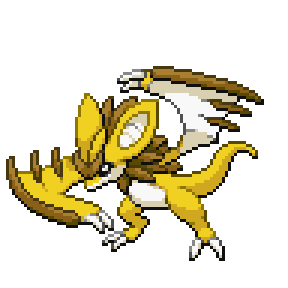
During the day, Sandnea opens its scales to absorb desert heat. At night, it seals them shut to trap warmth and survive the chill.

If one of Sandlett's razor-sharp claws breaks, it enters a deep sleep. Regrowth can take up to three full days.

As Sandtrio digs through rocky terrain, the sharp scales on each head naturally hone themselves. Continuous tunneling makes them increasingly dangerous.

When lost in its tunnels, Sandbra teleports to the surface. It immediately digs downward again, retracing its route to regain its bearings.

The thick spines on its back extend during cold weather to insulate it from the low temperature. During the summer, the spines will regrow entirely.

Sandchoke smashes obstructing boulders with powerful fists. Its reckless strength can sometimes cause upper tunnels to collapse.

Its neck is quite long; the head can extend up to 3 feet to reach food. When a Sandbell sleeps, it will retract its head completely into the opening.

Sandler digs through cliff faces using its four hooked claws. If it finds marble, it consumes it to reinforce its hardened scales.
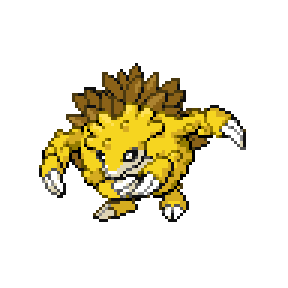
If overwhelmed in battle, Sandlem coils tightly and detonates. The explosion launches its razor-sharp scales in every direction.

It emits a loud buzzing noise while levitating through the air. However, it is unable to levitate higher than 10 feet.

When asleep, the scales on Sandnix's back rise and fall with its breath. Its tail stones rotate slowly while it dreams.
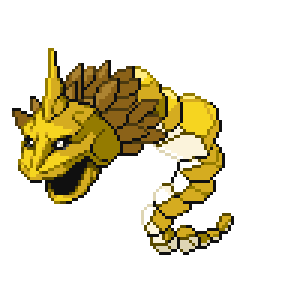
Ancient legends claimed Comceus's feathers could revive the dead when placed upon the head. When these stories were disproven, resentment toward the species quietly spread.
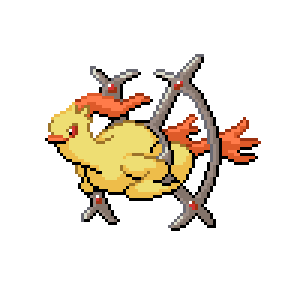
Mudcute lives in clusters on the bottom of lakes, where they form tight-knit groups. Some clusters can be up to 20 Mudcute large, working together to find food and protect each other.

Mudos crawls on the floor of lakes before capturing prey such as Magikarp in its webbing. It waits patiently for the right moment, using its web to trap its catch.

It hops around rice fields, letting loose a sweet nectar from its flower that flows into the water. Rice from these fields is used in the creation of delectable jelly doughnuts across Kanto.
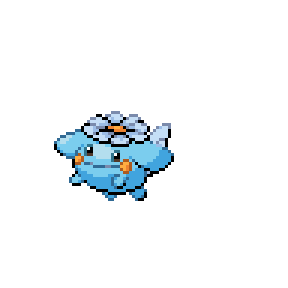
It plays in the mud and spits water at anyone who interrupts it. Mudper's laughter echoes across its marsh during the evening hours.

Mudkrow spits water at people to make them drop what they're carrying before it flies down to steal it. It scatters water as it flees to make pursuers slip and fall.
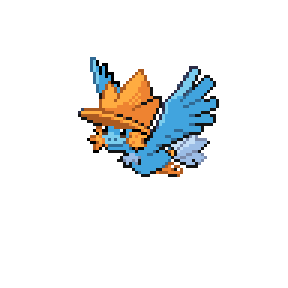
The coral stalks that grow off Mudsola's cheeks glow before it shoots water from its mouth. Its attacks are precise enough to hit the center of a target from up to 100 feet away.

Mudbird's tail is filled with water that it uses to carry trinkets from its home pond as it travels. It keeps these souvenirs close as it travels, ensuring that it always has a reminder of its origins.

Ancient cultures sculpted mud effigies of Mudceus to pray for rain. These figures were believed to bless crops with steady rainfall.

When it spots a dehydrated traveler in the desert, Mudgon eagerly sprays them with water. Unfortunately, its jets are so strong they can break bones.
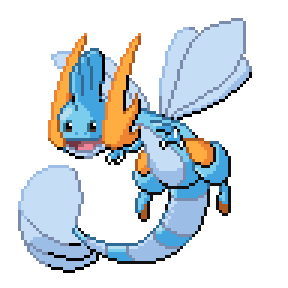
Mudnette collects abandoned plush toys from junkyards, soaking them with water to mark them as its own. It takes them back to its den, where they serve as its cherished collection.

Mudmuku lives on pond bottoms and uses Water Pulse if someone gets too close. The burst of water will create a series of ripples to repel any intruders in its territory.

Mudpet float around abandoned homes at night in search of Litwick. If they find one, they will douse its fire with sprays of water in order to safely feast on the remaining wax.

The slimy film on its body smells like a bog. It hovers over water sources while it sleeps, letting loose a psychic aura that makes those nearby feel happy.
Mudtump lives in soggy tree stumps, using them for shelter. During rainy days, it will dance outside its stump, absorbing the water and enjoying the damp environment.

While walking around the shoreline, Mudkaboo's lower half releases an orange glow to communicate with others of its kind. The light is said to help guide lost spirits back to shore, most notably demonstrated by being a beacon for Mudkaboo gatherings.
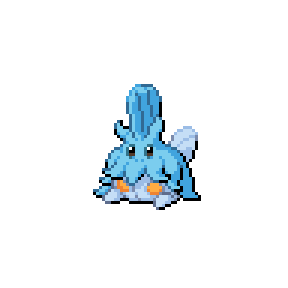
The glue-like slime that Mudmer's body is made of is sticky even in water. This odd substance helps it cling to surfaces and entrap prey, making it an excellent hunter in aquatic environments.