Page 4 / 8 of 7640 pokedex entries by .izik.
A Ralgela's vines are used in the production of Stable Mulch. When the vines are trimmed, the tips become a darker green before growing again.

When Ralgon inhabits a computer, it generates streams of complex mathematical equations on the screen. If ignored, it projects these problems telepathically until the user moves several feet away.

Ralba senses sorrow with ease. Instead of eating nearby flowers, it picks them and gifts them to sad individuals to make them feel better.

Using its empathetic powers, Raling detects sadness in others. It flies near windows and chirps cheerfully in hopes of lifting their mood.
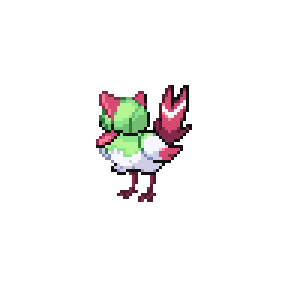
When bored of its pond, Raltad teleports to a different one nearby. It may repeat this multiple times in a night just to explore new places.
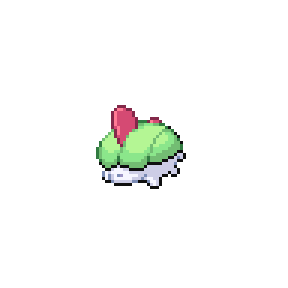
Raldot senses emotions with its psychic abilities to detect malice. If danger is too close, it flees or detonates to protect itself and its allies.

Kirotto dances while flying, spinning through the sky. With a flick of its mind, it plucks Apricorns from trees mid-flight.

Kirper twirls joyfully in puddles, drawing in moisture through its skin. Onlookers feel an urge to cheer as it dances due to its psychic influence.

In the warmth of afternoon sun, Kireon twirls gracefully. It uses telekinesis to assist its flowing, radiant dances.
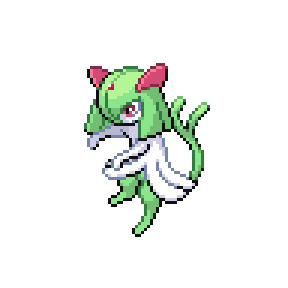
Despite having a shell harder than steel, Kirtress dances fluidly. If it stumbles, it uses psychic power to steady its movements.

Using psychic energy, Kirckle plucks berries and stores them in its shell. As they ferment, it shares the sweet juice with others of its kind.

Kircross slams its horn into pine trees to drink sap. The sweet taste increases its psychic power for hours afterward.

While dancing, Kirloom releases glittering spores into the air. If it senses disapproval, it may lash out with a punch mid-spin.

Kirno's eyesight is extremely poor, but it compensates with strong psychic abilities that helps it sense its surroundings.

Kirkoth is only fully awake for about fifteen minutes per day. The rest of the time, it moves through psychic control, pretending to be alert.

Kiroth performs complex ballet-like movements without tiring. While dancing, it reads the emotions of nearby beings with empathetic powers.

Swarms of Kirtik gather around damaged wires. If they sense electricians approaching, they vanish in a sudden psychic blink.

As it rolls, Kirpede emits a psychic aura that urges others to chase it. Even strong Pokémon sometimes feel compelled to race alongside it.

When hugged, Kirful's soft body triggers a psychic wave of bliss. The joy vanishes the moment the hug ends, leaving many dazed.

Kirbell dances through jungle canopies, releasing a green pollen. Those nearby may fall into deep despair after breathing it in.

It spins like a top at incredible speeds. Its psychic abilities amplify the rotation, creating a dazzling yet disorienting display.

It gathers acorns from the forest floor, which it uses to focus its telekinetic powers. Without these, its abilities become erratic and less controlled.
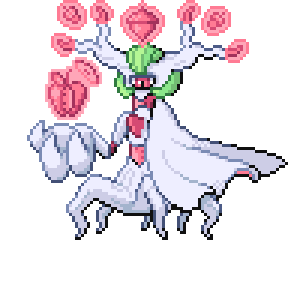
The powder falling from its scales was prized in ancient times. When refined, it served as a powerful and reliable sleep aid.
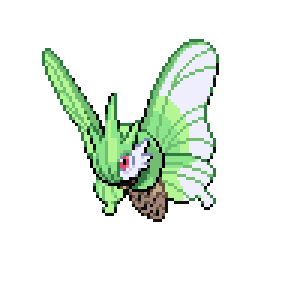
It wields its large, flat feathers like sharpened hatchets during combat. Each strike is both precise and devastating.

If surrounded by angry humans or Pokémon, it will sense the hostility telepathically. Overwhelmed, it may explode in a psychic burst as a defense mechanism.

Despite its rotund body, it surprises foes with incredible speed when launching an attack. Its swiftness makes it a difficult target to counter.

It uses its large wings to disperse a psychedelic powder into the air. The substance manipulates the minds of foes, leaving them disoriented and vulnerable.

Though its wings never move, Shedjask can soar faster than sound. A single collision could shatter its hollow shell completely.

Shedpent hovers above lamp posts, its hollow body mimicking the lights below. It watches from above, unmoving, its long arms dangling lifelessly.

Holes dot Shedseed's copper-plated shell. Legends warn that staring into one too long allows it to drain your life essence silently and without a trace.

Shedsian floats in place, purring softly with an eerie, rhythmic tone. It never blinks, never breathes, only stares with its body disturbingly still.
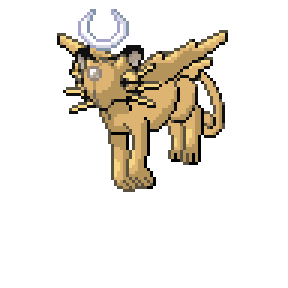
It is almost completely blind, relying on its ears to sense its surroundings. If it detects an enemy, it will warn the other seeds of the danger.

Nidotung's saliva contains poison that can cause blurred vision. Anyone struck by its tongue will find their sight impaired, making it easier for Nidotung to evade or attack.
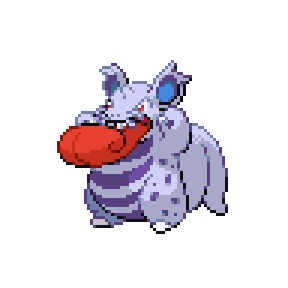
If Nidosey sees a crying young Pokémon, it will inject them with a mild poison that causes them to sleep. This doesn't harm the Pokémon due to the small dosage, offering them rest and comfort.

Each of Nidogela's vines is coated in a thin layer of green poison. The poison can cause headaches if touched, making it a deterrent to predators and intruders.

Nidother's blades are coated with a poison that causes amnesia. A single cut from its sharp blades can leave victims disoriented and with memories clouded or lost.

Nidosir's pincer-like ears can dig into maple trees to cause sweet sap to drip out. It feeds on this sap, using its powerful pincers to harvest the sugary substance with ease.

A Nidoros will avoid grazing in muddy areas to keep its hooves clean. The hooves themselves can be used create a nutritious powder.

Nidowl's keen eyesight allows it to spot openings in a predator's attacks, enabling it to escape with ease. When escape is impossible, it will fight back with poison-coated talons, striking with precision.
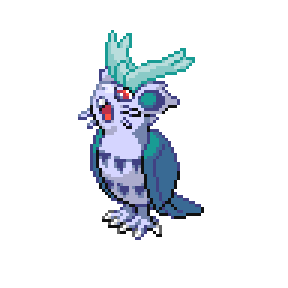
Microscopic barbs on Nidoian's fists are filled with venom. It attacks anyone who gets too close to its flower patch, using its stingers to defend its territory.

Nidodos spits a poison-coated webbing and uses it to trap prey or defend itself from attackers. This sticky, toxic web is strong enough to immobilize even the toughest foes.

During a full moon, Nidofa's poison is strong enough to knock out a Charizard. During the rest of the lunar cycle, its poison is rather weak, only becoming potent during specific phases of the moon.

Nidorill spits poisonous water that can cause a fever if touched. The liquid is a defense mechanism, deterring predators from getting too close.
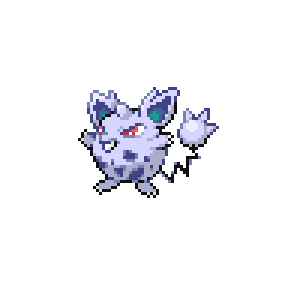
Nidoicate roots through dumpsters behind restaurants for food scraps, and will prick someone with its horns to inject venom if they get too close. Its territorial nature makes it highly protective of its food source.

When biting, Nidobull injects a powerful venom that causes lethargy for days. Its bite is often a last-ditch defense, leaving its opponents weak and sluggish for a prolonged period.

Flocks of Nidorow prey on Caterpie, injecting their venom to weaken them. This tactic helps the flocks efficiently capture and incapacitate their prey, ensuring a successful hunt.

Nidocross's huge horn is coated in poison that shouldn't be touched, as it can cause an intense fever. The venom is potent and can overwhelm anyone who challenges Nidocross.
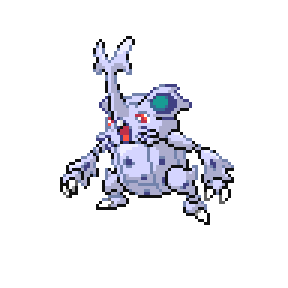
Nidoursa tries to charm its way out of confrontation, then hides behind larger Pokémon to protect it. Its sweet and innocent nature masks a tendency to avoid battle, relying on its companions for protection.

Nidogma's bubbling body is made up of a thick, hot poison that can burn on contact. The intense heat and toxic nature make it a dangerous adversary for anyone who comes too close.
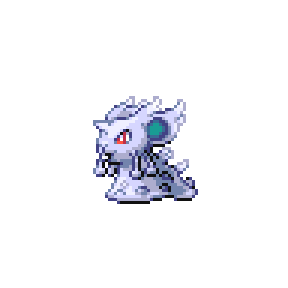
Nidorow's feathers are coated in poison. It is very territorial and will squawk loudly at anyone who gets too close, using its venomous display to ward off potential threats.
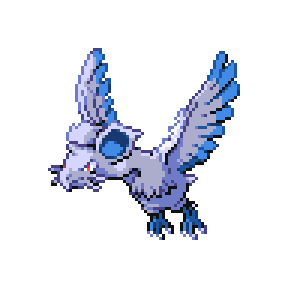
The venom that oozes from Nidodour's tail can be boiled down into a syrup that is extremely spicy. Though it's no longer toxic after this process, it's often used in salsa, adding a fiery kick to the dish.

Nidopy leaves a coating of toxin anywhere it rolls. The poison serves as a defense, making it difficult for predators to follow or approach.

Nidochu uses Thunder Wave to stun foes before fleeing combat, as it prefers to stay away from fights. Its quick thinking and agility allow it to avoid confrontation while leaving its opponents immobilized.

The round stones growing on Nidosly's head leak a light blue poison that can be boiled down into a delicious sauce for pasta dishes. The poison is gone once cooked, leaving behind a savory flavor.

After poisoning its prey, Nido Jr. uses clever tactics to cut off their escape with Barrier. This strategic defense traps its target, ensuring they cannot flee.

When digging through hard stone, Nidoshrew sweats poison. This toxic perspiration helps it carve through tough surfaces, though it can pose a danger to anyone nearby.

Nidodoof spends its days building dams in rivers, using its front tooth to chop free tree limbs. It prefers not to fight and will hide when pursued, focusing on its peaceful tasks instead.

If Nidoskull notices a graverobber in its cemetery home, it will inject them with a powerful venom that doesn't wear off until the morning. This ensures that the thief can be apprehended once the venom subsides.

Nidorino uses its horn to knock apart saplings to line its nest. The strong horn helps it clear space in the forest, making a safe and secure environment for resting.
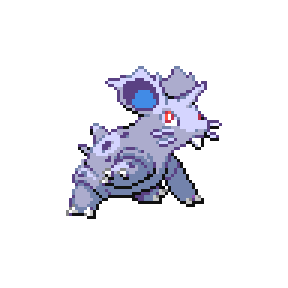
A Nidoiard will use its sharp blades to cut into trees and stones. Each Nidoiard has a unique symbol that they prefer to carve.

Nidotula's toxic webbing can cause seizures. The potent venom in its webs makes it a dangerous predator, capable of incapacitating prey with ease.

Nidopix's poison can be boiled down into a sugar-like substance. Since it loses all potency when cooked, it can be used in a variety of spicy curry dishes, adding a unique flavor.

Nidolu's poison is less potent if it senses the foe they're fighting has a kind aura. This suggests a deeper connection to its empathetic nature where its venomous traits diminish in the presence of good intentions.

Nidoroth is extremely energized during morning hours, and its poison during this period is particularly potent. The heightened strength and toxicity make it a dangerous opponent in the early part of the day.

Nidoagon's head is extremely strong and is used to headbutt prey. Its poisonous sweat seeps into their body on contact, weakening them over time.

Nidodew's Pinap Berry-scented sap that drips from its bud is very poisonous. This sap serves as a defense mechanism, deterring potential threats from getting too close.

Nidoloon floats through forests, using its long, string-like arms to grab poisonous leaves to eat. This diet makes its poison stronger, enhancing its abilities and defenses.

Its spikes are extremely sharp. Legends state that blacksmiths from long ago would melt their spikes down to create blades.

Nidocorio scatters poison around the area while it dances during combat. The swirling toxins disorient its enemies, leaving them vulnerable to its hypnotic movements.
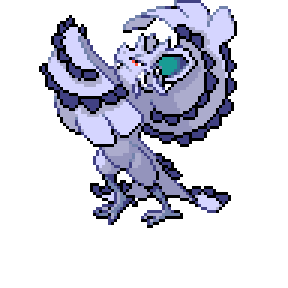
Nidotump makes its home in tree stumps, always staying hidden in the shadows. If anyone gets too close, it will flee, avoiding confrontation and leaving behind only whispers of its presence.

Nidoruff uses its horn to loosen stones from cliff walls, then plays fetch with others in its pack. This playful behavior makes it a social creature, enjoying time with its companions.

Nidoroc makes loud howls in the early morning before venturing out of its den. Its fur is coated in a poison that can cause dangerous sores to erupt on someone's body upon contact.
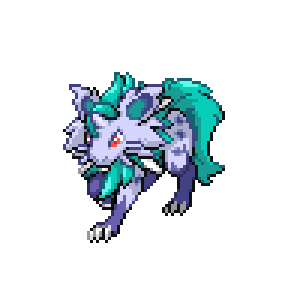
Nidoroc is primarily active at night, traveling in packs across mountainous areas. The fur on its head is covered in a thick poison that can cause nausea, making it difficult for foes to approach.

Nidosect's mushroom is extremely poisonous and can cause someone to go unconscious with a single bite. However, if cooked properly, the poison will dissipate, leaving behind a flavorful dish.

The purple powder that comes from Nidonat's body when it shakes is very poisonous and can cause light sensitivity. This powder serves as a defense mechanism, deterring those who get too close.

Nidomoth's green poisonous powder is used in pigments for painting. In small quantities, a touch causes mild itching, but in large quantities, it can blind the person, making it both a useful and dangerous substance.

Nidolett digs through landfill sites to consume putrid waste, strengthening its poison glands. It reserves its toxins for emergencies rather than routine hunting.

Nidosian uses its poison to stun people in parks before stealing loose change from their pockets. Its agility and stealth make it a skilled thief, always careful to avoid detection.

Nidokey is strong enough to break apart boulders with its kick, but it rarely uses this power, as it is primarily passive. Should it become angered or cornered, it will attack with all of its might.

Nidoape is extremely poor-tempered. If someone gets too close to its food source, it will attempt to use Poison Sting to subdue them, ensuring it keeps its meal safe from intrusion.

Nidobell's leaves smell of Leppa Berries to attract bug Pokémon. It spits poison onto them before devouring the paralyzed prey, using its toxins to immobilize and prepare them for consumption.

Only one of Kecute's six heads is real, while the others are illusions created with its innate psychic energy. These false heads shift colors to match the environment, making it nearly impossible to tell them apart.

When Kecbone cries, its body flashes through shifting colors. Scientists remain unsure whether this is defensive behavior or an involuntary reaction.

Kecsir clings to tree trunks, perfectly camouflaged. It ambushes prey like Caterpie with sudden, crushing force.

Kecvee's body constantly shifts between different hues, mimicking the colors of all of its known evolutions. Researchers believe it may possess a unique, unpredictable evolutionary potential.
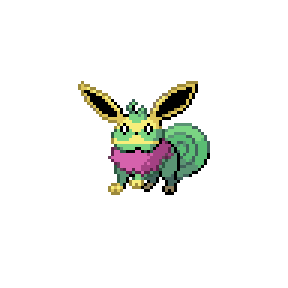
A slick oil coats Kecret's fur, letting it blend into shrubs and bushes. When frightened, it vanishes in plain sight.

Kectu's feathers shift to match its terrain when it senses a dark future. This instinctive camouflage helps it vanish instantly.

When danger is near, Kectu's feathers shift wildly in color. The flashes reflect panic from visions of its uncertain future.

The wool on Kecreep's body changes hue with its surroundings. If disturbed while resting, it lashes out with a sudden flurry of tongue slaps.

Kecloom floats above meadows, shifting color to match the sky. From below, it becomes nearly invisible as it drifts.

Kecsparce's ability to camouflage extends even underground, where its scales take on the texture of the soil around it. It tunnels through the earth unseen, leaving only faint, color-shifting trails.

Kecgar glides silently to tree tops at night. Its sweat lets it shift colors, allowing it to diguise itself as rough bark until dawn.

Kecrow's feathers change with its environment and the weather. Its tongue lashes out to trap prey when it swoops low.

In snowy regions, Kecnub's skin turns pale white. It nestles in snow dunes, watching silently for movement.

Kecsol's body shifts colors uncontrollably when it senses an incoming hurricane. Some believe its erratic patterns form warnings for those who can decipher them.

While sleeping before gravestones, Kecskull's body shifts to the favorite color of the person buried there. How it detects this is still unknown to researchers.

A reactive poison coats Kecrino's skin, altering color to match the nearby environment. Even its scent adjusts to remain hidden.
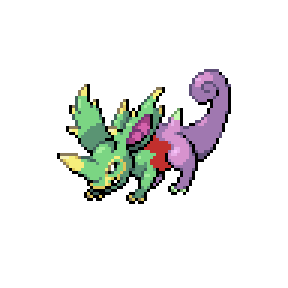
The blades on Keciard's arms turn crimson before it attacks. Its blades are sharp enough to pierce solid stone.

Blending into coral reefs, Kecmuku waits motionless. It snatches passing prey like Goldeen with its long, sticky tongue.

Kecada shifts its body color to match its surroundings. If spotted, it instantly burrows into the dirt and vanishes from sight.

The metallic sheen of Kecon's body changes color depending on the minerals in its surroundings. Cave explorers use its shifting hues to locate rare gemstones.

While buried in sand, Kecinch mimics its color perfectly. When flying prey passes overhead, it lashes out with its tongue to drag them down.

Kecpet drifts between trees in the early morning light. Whenever it stops to rest, it attempts to mimic the exact shade of the surrounding leaves.

Kecseed's iron shell changes colors to match the rusted metal and stone of abandoned ruins. It clings to walls motionless for days, waiting to ambush unsuspecting prey.

Kecxew's tusks are as sharp as steel and change color based on its mood. If it is startled, its entire body turns jet black, allowing it to blend into the shadows.

Kecpede hides among cave stones, blending in seamlessly. Its saliva carries a mild toxin that causes confusion in prey.

As it dances, Kecorio's wings shimmer with shifting colors. Its emotions dictate both the dance style and hues it displays.

Kecnat's fur changes to match nearby shrubs. If threatened, it whips out its tongue to strike before fleeing into the brush.
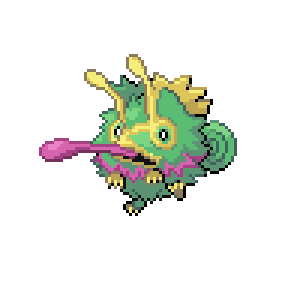
During a howl, Kectyena's body turns a deep crimson. Afterward, it obsessively licks itself and its packmates with its long tongue as a form of bonding.
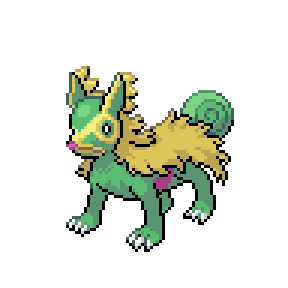
Kecdot sleeps near ponds, shifting its skin to match nearby plants. When it soaks its feet, small sprouts sometimes grow from its tail.

Kectrike's tongue crackles with stored electricity. It lashes out to stun prey before delivering a stronger attack.
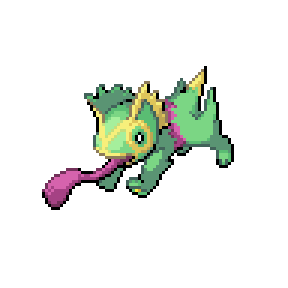
It can see infrared light with the lens on its chest. Detectives in Unova use this ability to track criminals with great precision.

When searching for prey, it will shine a red spotlight from its eye. When it sees a victim, the light will flash rapidly to disorient the target.
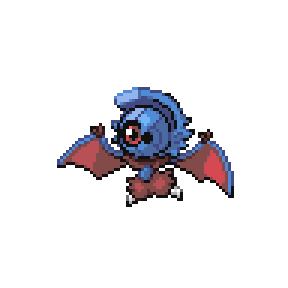
The cotton-like substance that comes out of its body moves like wings. While it cannot fly at high speeds, it can stay airborne for days at a time.

Its eye can see for miles with little effort. Search and rescue units utilize Belett for locating survivors of disasters.
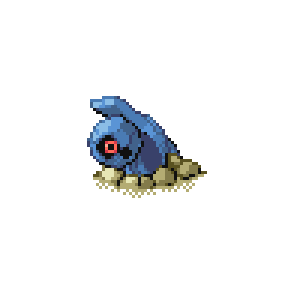
Metorb slams its fists together to charge its body for an attack. Sometimes, this charge can overload, causing it to explode in a burst of electrical energy.

Metnair's metal body glows a bright blue when it is in danger. It will summon thunderstorms to create a fearsome defense when threatened.

Metdos spits webbing out of its mouth that is harder than steel. This strong webbing allows it to trap foes effectively, making it a formidable predator.

Metlix's fists spin around its body as it creates tunnels through mountain ranges. It can reach speeds of up to 70 mph when traveling in a straight line, carving through rock with incredible force.

Metkid can float if it presses its two arms together. It leverages its agility by attacking with perfectly placed electric shocks, making it dangerous in battle.
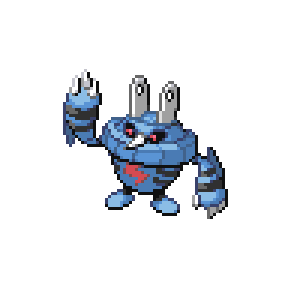
Metvile's metallic body is very cold to the touch, and rain freezes on contact. This cold aura makes it stand out in its environment, especially during storms.

If its tunnel suffers a cave-in, Metbite uses its psychic abilities to clear the rubble. It then searches for weaker Pokémon to consume, using its telepathic strength to locate prey.

After eating enough metal, Metwile's Bullet Punch gains enough force to destroy a small building. It uses this to assert dominance over other Metwile.

Metclops's body has a blue metal casing, but it is hollow inside. This hollow structure gives it an eerie appearance, as it floats with a ghostly presence.

Metsharp uses its psychic powers to hold prey in place before striking with the blade on its head. The precision of its strikes is unmatched, making it a skilled hunter.

Ancient libraries contain tomes detailing Metlurk's assistance in building temples using its telekinetic powers. These records show its role in constructing massive structures for ancient civilizations.

The metal arms protruding from Metlous's body can punch through steel. However, it has very poor eyesight and may occasionally punch its allies by accident during battle.

Metxio channels lightning through its large metal arms before striking. Its powerful combination of psychic energy and electricity makes it a formidable fighter.

Metron uses telekinesis to hold rocks in place before ramming into them to test its own strength. This ability allows it to continuously challenge its limits and grow more powerful.

Metelgon's body is harder than titanium, making it nearly indestructible. It can levitate for long periods, using its psychic abilities to float effortlessly through the air.

Metink attaches its arms to a machine to increase its efficiency. It can also use its ability during a power loss to keep vital machines working, ensuring they stay operational.

Metxure's metal tusks can cleave a semi-truck in two. It will sharpen these tusks on stones and the metal objects in its immediate area.

Metbat uses psychic power focused in its horn to pin prey down, then drinks their blood. This method of attack makes it a deadly predator in its environment.
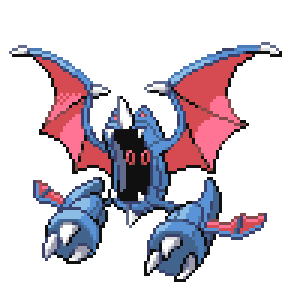
Metgoo's body is coated in an odd blue metallic gel. This substance is extremely valuable and is sometimes used as coolant for machines.

The scales on Metmo-o's body are highly magnetic. It uses this property to track and hunt metal-bodied prey such as Aron.

Mety subdues intruders like Nosepass with powerful Headbutts. It senses their presence through faint magnetic pulses in its frill.

Metmite has two brains that work together to plan attacks. If fighting a Steel-type Pokémon, it will attempt to hold it in place with magnetic charges to neutralize the threat.

When dirty, a Bigela rolls in a small pond or puddle to get clean. If the vines on its body dry out, they will fall off in clumps.

Bito becomes fascinated with its own reflection in still water, trying to mimic every movement it sees. It often confuses other Pokémon by perfectly copying their behaviors as well.

Biret lines its lodge with soft algae for comfort. It sheds fur from its long tail, layering it over the moss to keep warm.

Bihoot rocks its body back and forth like a metronome at night. At midnight, it suddenly gnaws down every limb from a nearby tree for reasons unknown.

Biowl constructs its nest from twigs gnawed off trees. If an enemy gets too close, it puts them to sleep with Hypnosis before carrying them away with its claws.

Biba prefers fields full of tulips, weaving the flowers into makeshift nests. It gathers petals for comfort, creating cozy places to rest beneath the colorful blooms.

Bian gathers orchids in its fists while flying, using them to line its lodge. This habit fills its home with a pleasant aroma.

Birak secretes a sticky adhesive, which it uses to strengthen its dams and hold together nests. This natural glue makes its structures sturdy, withstanding even harsh weather.

Bidos weaves water-resistant webbing between logs in its dam to reinforce the structure. At night, it lays silk traps near the water's edge to capture unwary prey like Squirtle.

It can flap its wings at high enough speeds to create blades of wind. These air currents are used to chop up trees for its den.

While it chews on wood, the static in its fur grows due to the movement. Contact with its body while it eats can cause a mild electrical burn.

Biluff floats along riverbeds in search of ideal dam-building locations. It plants flower seeds nearby to mark its territory.

Bitata gnaws off branches above passing travelers to startle them. If they drop anything in surprise, it quickly steals the item and dashes into the woods.

Bicate make their homes by the river's edge. During the autumn months, it will gnaw large holes in rocks for shelter.

It sees through both pairs of eyes simultaneously. Because of this, young Bifarig can get motion sickness by just walking.

Large clusters of Bico will live in a single tree. Should one be disturbed, it can set off a chain of small explosions.

Birow's keen eyesight allows it to spot Apricorn Trees from over 200 feet away. It swoops down, snatches Apricorns with its sharp teeth, and flies them back to its nest.

Biursa pretends to be friendly to those who approach its den. If someone gets too close, it bites them with its fangs before snatching one of their belongings and fleeing.

The bubbling mud on Bigma's body burns hotter than an industrial furnace. It enjoys gnawing on burnt trees near volcanoes, consuming the ash as part of its diet.

Despite its tiny neck, a Birow can swallow an apricorn whole. It can survive on one apricorn for an entire week.
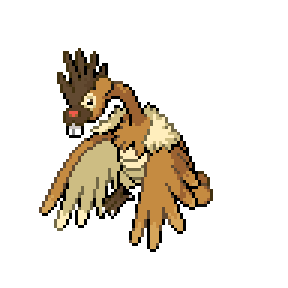
Bipy uses its strong sense of smell to detect predators before starting construction on a dam. If it senses danger, it rolls away at high speed to escape.

Bigle leaves stains wherever it goes, dragging its tail through paint and mud. Each mark it creates seems intentional, almost as if it is trying to tell a story through art.

Birill enjoys splashing in shallow creeks, using the flowing water to cool off during hot days. It builds small dams nearby, turning parts of the creek into peaceful pools.

Bipom uses its powerful tails to strip bark from trees with surprising dexterity. It enjoys stacking logs in strange patterns, which researchers believe may be a form of play.

Bisly creates motionless copies of itself with mud near its lodge at night to confuse predators. If it begins to rain, it quickly retreats inside for shelter.

Bi Jr. watches travelers near its den and mimics their mannerisms with excitement. As a thank-you for the entertainment, it offers them bundles of freshly gathered twigs.

Bits carries mint leaves in its fur, spreading a refreshing scent wherever it goes. Other Pokémon seek its company, drawing calm and clarity from the aroma.

Biran drips a foul-smelling venom from its horn around its lodge to deter predators. If the warning is ignored, it attacks with a ferocious Super Fang.

Biskull floats near cemeteries by riverbanks, silently observing the area. It bites off limbs from flowering trees to decorate graves.

Biran builds lodges across the river from others of its kind, engaging in a friendly rivalry. This competition drives them to constantly improve their surroundings.

Bibarel slaps mud onto logs to reinforce its lodge. Once its home is complete, it plants flowers on the roof as a finishing touch.

Binx collects parsley to line its den, using the herb's scent to ward off pests. Its resourcefulness makes it a helpful companion in any environment.
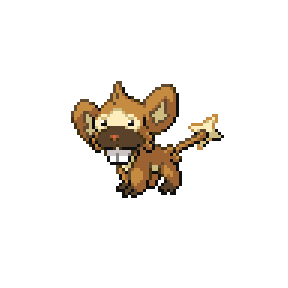
Bielia makes its home near posies, enjoying their fragrant scent. If disturbed while basking in the sunlight, it attempts to bite intruders or swat them with its log-like arms.

Biling nests among tall sunflowers, using the plants as both shelter and food. Its bright demeanor matches the cheery flowers, making it a beloved sight for passing Trainers.

Binder spits tiny flames to loosen tree limbs, then uses them to build its nest. If intruders approach, it flaps its wings to whip up strong winds as a warning.

It will steal lumber from unoccupied construction sites to build its den. Its teeth are as hard as diamonds and can cut through solid steel.
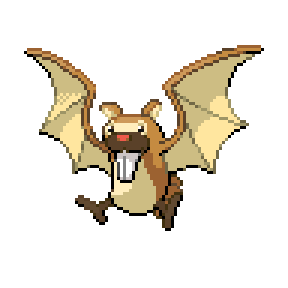
Bitump chews through trees in the morning, then possesses the stumps before sleeping. Why it prefers stumps over whole trees remains a mystery to researchers.

Biful's fur retains moisture, keeping it cool during hot days. It enjoys resting near rivers, where the dampness in its coat helps regulate its body temperature.

Biruff senses when its Trainer is sad and chews off a tree branch to offer as a toy. It wags its stubby tail and requests a game of fetch to cheer them up.

Bikaboo plants pumpkin patches around its lodge to mark its territory. At night, it curls up and sleeps among the pumpkins.

There are reports of Bimoth swarming around towns and gnawing at streetlights. Once it severs the base of the pole, it will fly the entire post back to its nest.

Bikey aggressively defends its lodge, knocking out intruders with a powerful Low Kick. It then hurls them into a nearby river to be carried downstream.

It punches trees to test its strength. Once the tree falls, it will use its sharp fangs to consume it over the course of days.

Spirireon inhabits chunks of Fire Stones while resting, leaping out in a blaze of flames if disturbed. Many Trainers have unknowingly picked up an inhabited stone, only to be attacked.
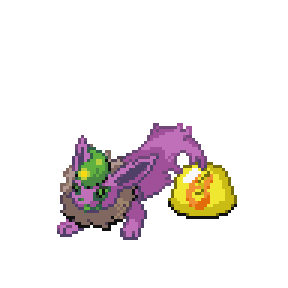
Spiridreavus possesses a tome inscribed with an unknown language. Each tome was once an ordinary book, warped by its haunting presence.
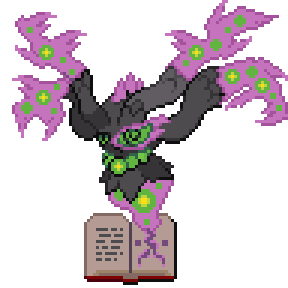
Spiricargo's body is formed of glowing, animated slime. When tired, it retreats into its Odd Keystone, carrying it like a portable home.

Sounds of many different voices can be heard weeping from behind Spiriskull's skull-shaped mask. Rumors say that if one ever understands the words they whisper, they will be cursed for life.

Spiritom easily inhabits electronics, causing devices to flicker and spark. Those nearby hear many voices speaking in incomprehensible tongues.

When exhausted, the ghostly mass of Spiriwick shrinks to a fraction of its size. Small embers escape its mouth as it snores, flickering like candlelight in the darkness.

The ghostly portion of Spiripent's body can pass through solid matter effortlessly. When angered, it releases an overwhelming Overheat attack that scorches everything nearby.

At night, Spiripet floats through abandoned manors, letting out haunting howls. Each wail sounds like hundreds of voices crying out at once.

The Odd Keystone carried by Spirimask echoes with strange, humanlike voices. Though familiar, the words they utter make no sense.

While asleep, Spirizee will astral project to watch for approaching foes. It remains fully aware of its surroundings even in deep slumber, ensuring it is never caught off guard.

When Lucathorn senses danger through aura, the vines on its head flail wildly. It will defend its Trainer with relentless kicks until the threat subsides.

Lucalure's flames turn crimson in the presence of malevolent aura. In ancient times, royal courts stationed them in castle entrances to expose spies or traitors.
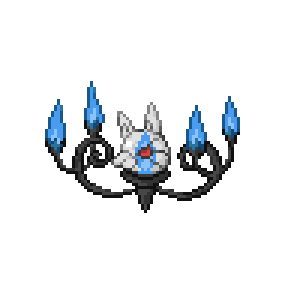
Lucabat scans the auras of passing creatures for signs of illness or weakness. When it finds vulnerable prey, it descends without mercy.
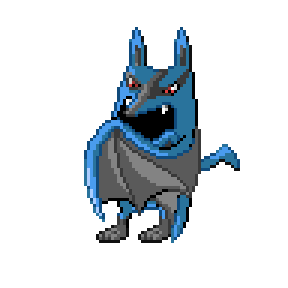
Lucaria soars above mountain ranges, scanning for signs of distress. It can sense aura signals of panic or pain from miles away and rush to aid the source.

Lucamise lurks in sunless ocean trenches, detecting even the faintest aura of prey like Pyukumuku. When found, it slams into them with terrifying speed and force.
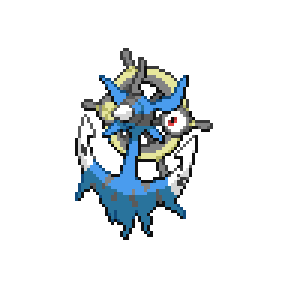
After injecting venom into its foe, Lucapex hangs back and monitors their aura from afar. It waits until their vitality dims before striking again.
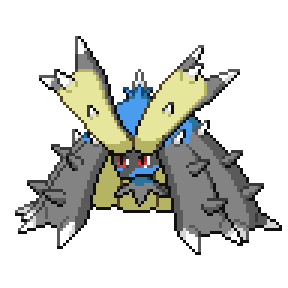
If Lucakazam senses an evil aura, it immediately unleashes devastating psychic blasts. It gives no warning before striking.

Gibone is fiercely defensive of its skull. Even a curious attempt to touch it will provoke an immediate Dragon Rush.

Gibtar's eyes are coated with a special mucus that protects them from sandstorms. This adaptation allows it to traverse harsh deserts with ease.

Gibinch tunnels through sand at astonishing speeds, reaching 80 mph in mere seconds. Its rapid movements leave behind spiraling sand trails.

A small group of Gibolett were discovered guarding an ancient shrine in Johto. They continue to protect the bell inside with unwavering dedication.

To create its den, Gibat burrows into massive stalactites with precision. It ensures the structure remains stable to avoid collapse.
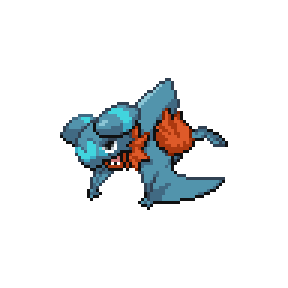
Giblu soars through clouds with its dorsal fin jutting out. Its menacing silhouette through nimbuses often frightens smaller Pokémon.

The mucus trail left by Gibmy slowly dissolves organic materials. It uses this to weaken plants before feeding on them.

Gibmo-o's powerful jaws can crush marble with ease. It lives in mountain caves, chewing on stone to train its bite strength.
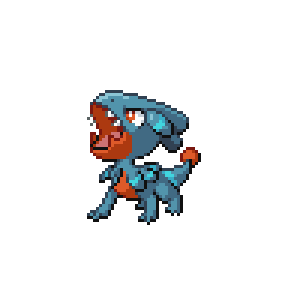
Gibtrio effortlessly tunnels through pumpkin fields, devouring the roots beneath. Farmers often consider it a troublesome pest.

It has a peculiar knack for sensing those who are in pain or sick. Rather than helping, it seems to take amusement in their misery, laughing loudly.

When it spots a clear sky, it raises the orbs on its tail in an attempt to summon storms. The resulting weather is said to be unpredictable and wild.

It takes enormous bites out of metal objects, wreaking havoc at construction sites. Workers often return to find their vehicles and materials mangled overnight.
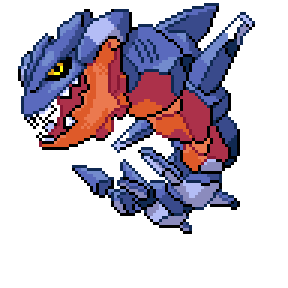
It slithers through dark caves, fiercely biting at anyone who disturbs its solitude. Many Pokémon avoid its domain, knowing its aggressive nature.
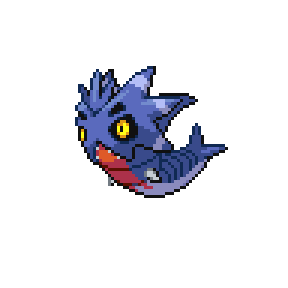
It swiftly glides around icy clifftops, using the terrain to ambush unsuspecting prey. Its claws are sharp enough to carve paths through thick ice.
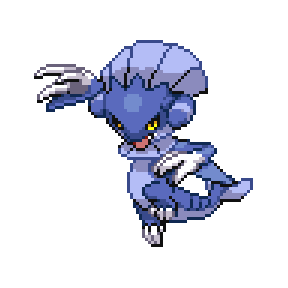
Its sensitive nose can detect a person's intentions. If it senses malice, it will dash away to avoid conflict.

Before shedding, Gabsharp's metallic scales turn silver and fall away. Collectors prize these for their rare shine and jagged metallic edges.
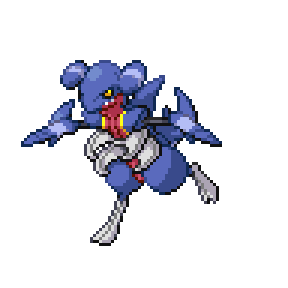
A group of Gablurk were recently discovered guarding undocumented tombs. They attempt to unleash a powerful Dragon Claw on anyone who approaches.

Living in dark tunnels, it roars with both heads simultaneously to create a terrifying echo. The reverberations are enough to drive most intruders away.

It consumes cobalt-rich minerals to enhance the strength of its armor-like scales. Its metallic body gleams brighter after every feast.

Occasionally, fragments of its protective shell fall off. These pieces are highly valued and are used to create potent healing poultices.

It drags its tusks across the walls of mining tunnels, leaving deep grooves to mark its territory. This behavior is often a warning sign for miners working in the area.

It enjoys making its home in rocky quarries, where it shrieks at the walls to create echoes. This pastime often unnerves anyone nearby.
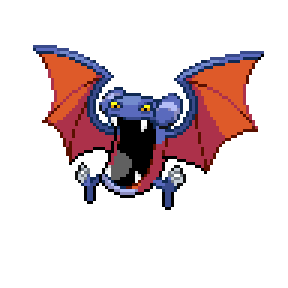
The viscous fluid that seeps from its scales is prized for crafting soothing cough drops. However, the collection process requires great care.

Gabmo-o sleeps deep in caves with its tail scale raised high. This lets it detect even the slightest vibrations approaching its den.
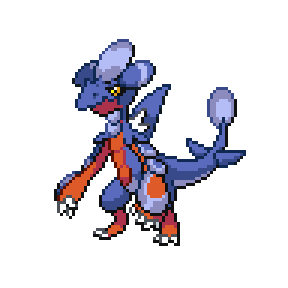
A group of Gabty was found near Dragon's Den in Johto. Though they act disinterested, turning your back on one may result in a powerful surprise kick.
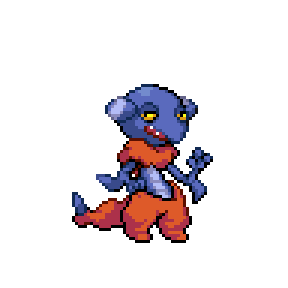
Ancient worshippers once painted the star marking of Garceus across their faces in devotion. The paint used was made with Iapapa Berries and Yellow Apricorns.
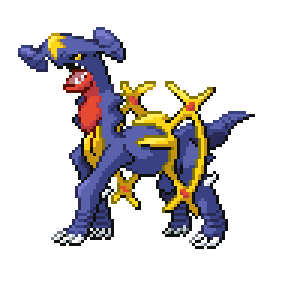
Venuto fires petals from its gelatinous body at extremely high speeds to attack. The noise it makes when doing this is similar to gunfire.

During the autumn months, small berries sprout from Venuchu's back. Picking them causes a mild electric shock, but the berries are sweet and commonly used as oatmeal toppings.
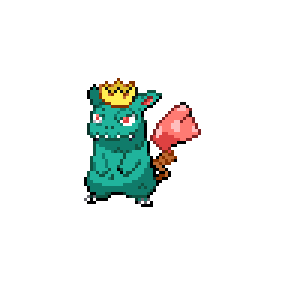
Venulett keeps most of its plantlike body hidden beneath the soil. As it ages, its roots spread vast distances underground.

Venutrio wraps its rootlike legs around palm tree roots while resting underground. This allows it to siphon nutrients without surfacing.

It lays in ponds to filter out toxins from the water. It drinks the liquid through its skin then sprays the clean water from the flower on its back.

The fluid in each of Nidocute's heads is extremely toxic. Should any spill out, it is unwise to touch it with bare skin, as it can cause dizziness and vomiting, making it a hazardous creature to approach.

The saliva on Nidotung's long tongue is incredibly potent and acidic. The acidity is so strong that it can dissolve metal, making its tongue a terrifying weapon in battle.

Nidokhan's motherly instincts cause it to take care of young Poison-type Pokémon nearby. During storms, it will usher them into its den for safety, ensuring that they remain protected until the storm passes.

When defending its kin, a thick blue toxin coats Nidother's blades. This venomous coating allows it to deal more damage, deterring any predators or threats that come too close.

Nidosir's ear-like pincers are extremely sharp and can fell a pine tree in a single cut. It will do this to drink the sap inside, using its impressive strength to gather sustenance.
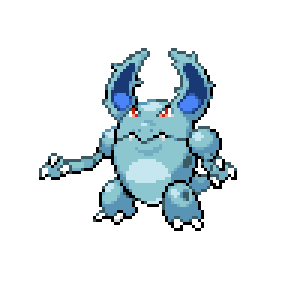
It prefers to eat green vines and moss. However, if it spots an Oran Berry, it will dash for it with a ravenous look in its eyes.

The viscous slime coating Nidoto's body has the ability to imitate any poison it encounters, mimicking the effects with unsettling accuracy. This adaptability makes it a formidable opponent in battle.

Nidohoot tilts back and forth as it sleeps, and a sloshing inside its body can be heard, as it is filled with a potent poison. This toxin serves as a deterrent to any would-be predators, ensuring its safety during rest.
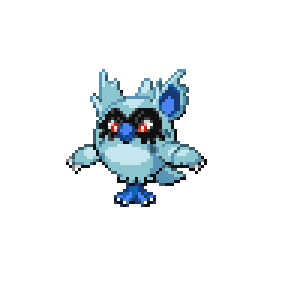
Nidowl protects its nest by spreading its wings to look bigger than it is. Its talons are tipped with a strong venom, making it a formidable protector of its territory.

Nidotto's feathers are surprisingly sharp and are tipped with toxins that cause horrible migraines. These toxic tips make it a dangerous adversary, especially for those who try to approach its territory.

The poison dripping from the stone spheres on Nidowoodo's arms is extremely sweet. If boiled down into a paste, it loses all toxicity and can be used on pastries, adding a unique flavor to treats.

The garbage Nidotata consumes alters the toxins in its body. It prefers to poison its foe and then flee, ensuring they cannot follow and exact revenge while Nidotata remains free to scavenge.

It hates flying when it is raining. Should even a slight drizzle begin, it will hide under a tree until the storm subsides.

When it wants to sleep, it burrows most of its body into the ground. If someone steps on a Nidoco, it will panic and explode.
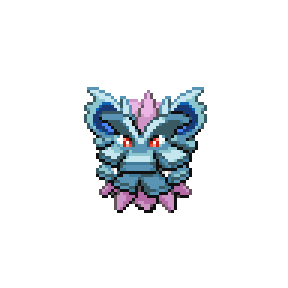
While traveling in a flock, Nidorow uses its poison-coated beak to attack in unison. This coordinated attack overwhelms foes, making it dangerous to approach a group of these aggressive birds.

The oil on Nidorow's feathers is very toxic. It flings feathers at anyone who tries to interrupt it while it eats Apricorns, using the venomous oil to deter intruders and protect its meal.
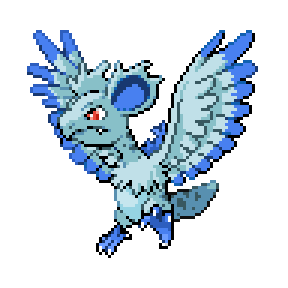
Nidoans's tail rattles rapidly as the toxins in its body accumulate. The rattling is a warning to keep predators from its den, signaling that it is ready to defend itself if necessary.

Nidotar eats stones in caves to satisfy its appetite. If it eats gems, its poison sacks fill more rapidly, enhancing the potency of its venom and making it even more dangerous.

The spikes on Nidoshrew's ears aid it in digging into the soil. It eats tree roots, using its sharp ears to tunnel and gather nourishment from the earth beneath it.

Nidoran eats poisonous vegetation near its nest to get stronger. It prefers not to fight, spitting poison near its nest to keep predators at bay and avoiding confrontation when possible.

The toxins coating Nidoeon's body change color when it is scared. This color shift is a defense mechanism, allowing it to blend in or signal its distress, depending on the situation.

The poison within Nidorino's body is frequently used for paints. The stronger the poison, the stronger the vibrancy of the color, making it a highly valued ingredient in crafting vivid dyes.
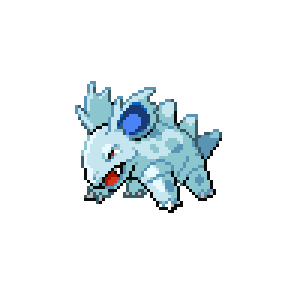
Nidojask speeds across riverbeds with its rapidly beating wings. It eats poisonous plants to strengthen itself, using their toxins to enhance its speed and agility.
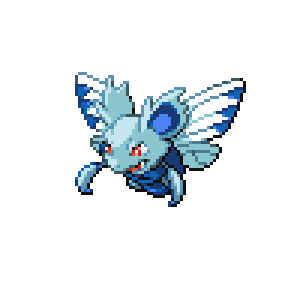
Nidopix's poison is always boiling when it spits it at foes. The intense heat and toxicity of the venom make it a dangerous weapon to face in battle, often causing burns upon contact.
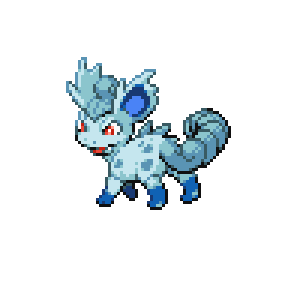
Nidoroth's venom is very sweet and can be boiled down to remove its toxicity. It invigorates anyone who imbibes it, making it an effective supplement for bodybuilders or joggers, enhancing their endurance and energy.

Nidoagon's head is coated in a thick layer of poison, which is applied to the target when it headbutts them. The poison activates quickly, causing disorientation and leaving its prey vulnerable.

Should Nidoseed become enraged, it will explode, scattering poisonous barbs everywhere. This defensive reaction makes it a dangerous opponent when threatened, leaving behind a field of toxic spikes.

Nidopede gnaws on the roots of poisonous flora to become stronger. By consuming these toxic plants, it enhances its own venom, making it even more formidable in battle.
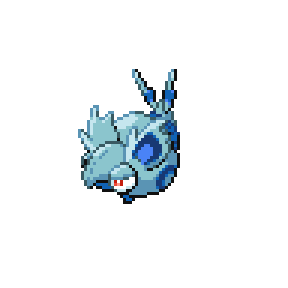
Nidoras prefers to eat poisonous mushrooms to get stronger. The toxic nutrients enhance its own venom, making it even more dangerous to approach.

The blue scale on Nidosect's back is similar in consistency to a mushroom. It lets loose toxic spores while in combat, using its poison to weaken foes and deter any further threats.

There are millions of scales on each of its wings. These scales can be used in small amounts with water to create a powerful Repel.
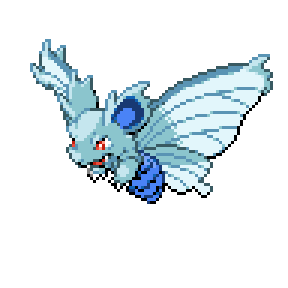
While tunneling, Nidolett retracts its poison barbs into its body. This prevents them from snapping off against hard stone.

Nidoth flings poisonous barbs at tourists who travel alone at night so it can steal jewelry. This devious tactic helps it gather treasures while using its venom to protect its spoils.

Nidosian guards its gathered shiny objects with the poison secreted from its whiskers. This toxic substance keeps thieves and rivals at bay, ensuring that its treasures remain untouched.

When enraged, spikes under Nidokey's fur become sharper. This heightened aggression makes it even more dangerous in combat, with its sharp spikes adding to the intensity of its strikes.

When enraged, sharp spikes will grow from Nidoape's fists. It will swing at anything moving nearby until its rage subsides, becoming a force of uncontrollable fury in its quest for vengeance.
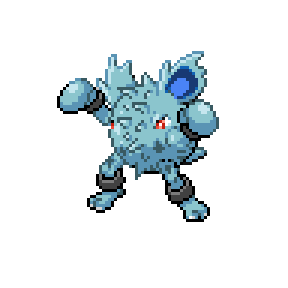
The oil on Nidolithe's fur is extremely toxic, but if washed carefully, it can be used in extremely warm scarves. Many shops across Kalos sell these scarves, made from the carefully processed fur of this Pokémon.
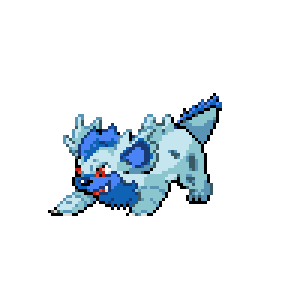
It is extremely stubborn, refusing to lose even a single logic based game. If it sees its opponent is winning it will attempt to wipe their memory.

Its body is extremely light and agile. While navigating through a forest, it jumps from tree to tree, utilizing its ears to glide slightly.

The saliva leaking from Nidoduo's two heads is extremely poisonous and should not be touched. This venom causes fevers and hallucinations, making it a dangerous threat to anyone who comes too close.
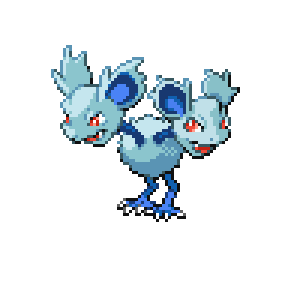
Mawhorn regularly runs through rock quarries, using its iron plating to ram into the walls. It does this as a show of strength to others of its kind, counting the rocks it knocks loose.

The mouth on Mawsey's forehead is extremely humid and moist, perfect for storing eggs safely. It will protect the eggs of other Pokémon if their parents are away until they return.

The steel blades on Mawther's arms allow it to cut apart large tree branches. Should it spot prey like Weedle, it will attack with its large maw.

Mawsir uses its large maw to easily consume an entire Kakuna in one bite. Its powerful bite can break through tough shells, making it an efficient predator.

Mawros repeatedly bites itself with the mouth on its tail to rile itself up for battle. This behavior lets it fly into a rage, boosting its strength for the fight.
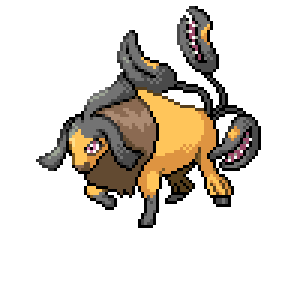
All three of Mawfa's mouths sing a sorrowful tune on nights when the moon isn't visible. The melody is so haunting that it can make a person cry from just hearing a small portion.

Should it be struck by any attack, the mouth on Mawbuffet's tail will bite back with double the force of what struck it. It is careful to maintain balance, making scientists study its behavior for the exactness of its reaction.
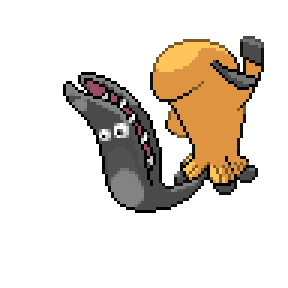
The metallic shavings that come off Mawtress's body were once used to create automobiles. Unfortunately, many of them were recalled due to the metal's explosive properties.

Mawsparce burrows into the ground face-first to sleep, leaving the mouth on its tail exposed. During the rain, its mouth clamps shut tightly to avoid filling with water.

Mawcross uses its strong jaw to bite open cedar trees, feeding on the sap inside. Its powerful bite allows it to break through tough bark with ease.

Mawring lays down with its mouth open, releasing a honey-like scent to lure prey in. Once they enter, it snaps its mouth shut to catch them.
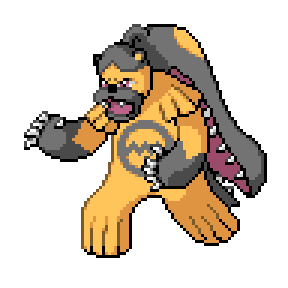
Mawmory's thin metal blades, which are used as wings, are sharp enough to slice through pine trees with ease. It uses these wings to hunt prey like Hoppip, cutting down obstacles in its path.

Mawtar stores ore that it wants to eat later in its secondary mouth, which has no connection to its digestion. This allows it to gather food without worrying about immediate consumption.

Mawmega's mouth on its tail makes an odd whirring noise while it fights. The sound increases its power, allowing it to unleash Bug Buzz with greater strength.

Mawcor glides across the night skies in search of prey. It uses its second mouth to clamp onto prey like Murkrow mid-flight, carrying them away to feast.

Mawidos hits its hard head into buildings under construction to knock loose steel beams. It will try to eat them unless shooed away.
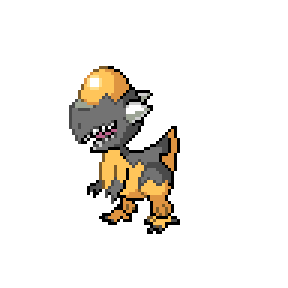
Mawdon's mouth on the back of its head opens to exhale air when overheated. This usually happens while it's eating ore, likely due to the heat from digestion.
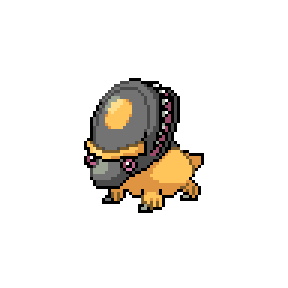
The large maw-like 'head' on Mawclops's hollow body is mainly for show and cannot bite down. It uses this feature to scare others away from its crypt home.
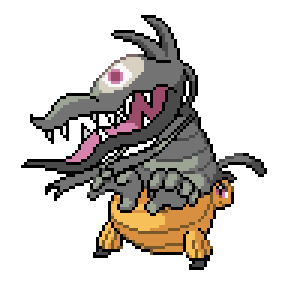
Mawfairy's extra mouth makes loud snapping noises as it dances under a full moon. Many gather to watch this behavior, fascinated by the ritualistic movements.

Mawloom's second mouth releases metallic powder, which is used in some discount versions of Pester Balls. The powder's paralytic properties make it an effective tool in stunning Pokémon.
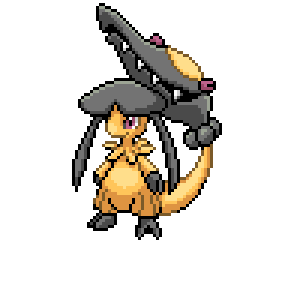
Mawroth's mouth behind its head opens and closes constantly. It gets anxious if it isn't performing this motion and will do it repeatedly for comfort.

Mawon's sharp teeth can eat through steel beams, making it a nuisance at construction sites. Its relentless chewing makes it difficult to keep away from valuable structures.
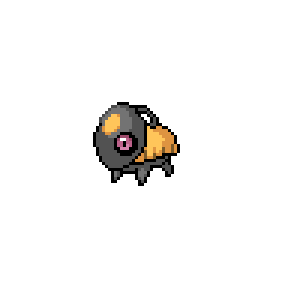
Mawron uses its great maw to chew through dense metal ores. It prefers the deepest, darkest cave passages where rich deposits lie.
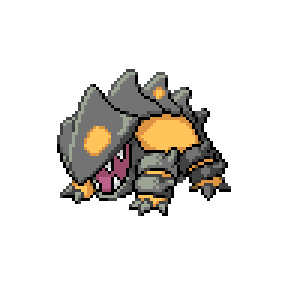
Mawbat uses its steel fangs to bite down onto its prey when flying through deep underground caverns. Its sharp fangs make it a formidable predator.
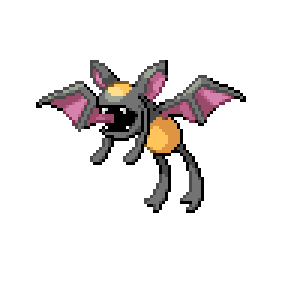
Mawbat's extra mouths emit a high-pitched screech when it is alone at night. This sound is used to attract potential mates and establish territory.
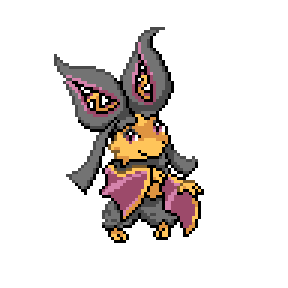
Mawmoth lets loose thick purple powder from the mouth on its abdomen. This powder can cause vertigo, disorienting anyone who inhales it.

The skin around Mawggy's waist is as hard as iron. It pulls it up when struck by powerful attacks, using it as a shield to block the damage.
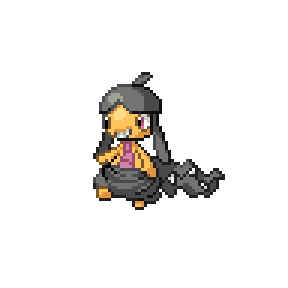
After a night of floating through the sky, Mawor clamps down on trees with its extra mouths and dangles to sleep. This behavior helps it secure a safe spot to rest after its travels.
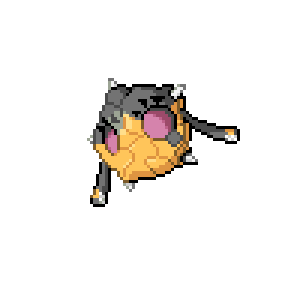
Mawor streaks through the night sky at high speeds, with its extra mouths dangling behind it. The speed of its flight makes it a spectacular sight in the dark sky.
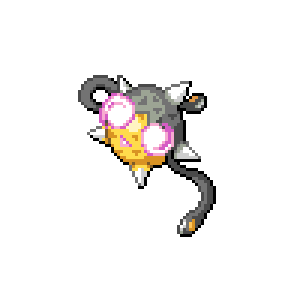
The massive maw on Mawyama's arm clamps onto prey without warning. It follows with a barrage of kicks strong enough to topple cedar trees.
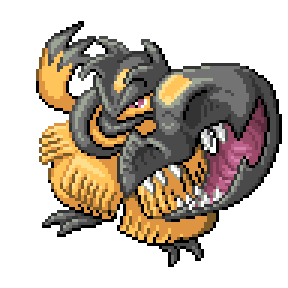
While asleep, Mawtite's skin hardens to the toughness of nickel. Through meditation, it can harden itself even further before battle.

Mawdol opens and closes its jaws loudly in rhythm with its breathing. Deep within tombs, the distinct echoing sound signals an imminent ambush on explorers.
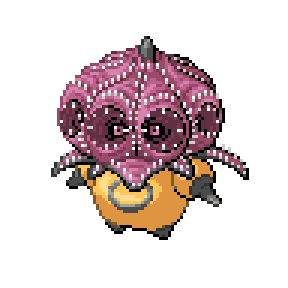
Mawrath's spiral on its second mouth rotates to hypnotize its foes into a deep slumber. This mesmerizing effect allows it to incapacitate enemies before they can react.

Mawchop's steel-plated hand on its head can lift a truck with little effort when it's irritated. This burst of strength makes it incredibly formidable in battle.

Lilbone grows long tendrils from its skull coated in a viscous fluid. The substance gives off an intensely bitter scent that deters predators.
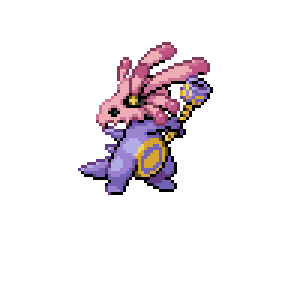
Rooting itself deep into coral reefs with Ingrain, Lilnyte strengthens its thick shell with nutrients from the coral. It can stay anchored for days without moving.
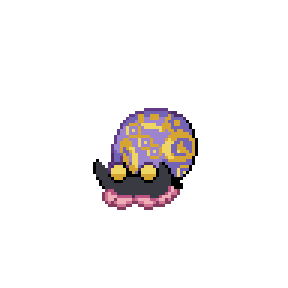
Liltini clings to rocky sea beds with its long body. It uses its petal-like appendages to catch drifting seaweed in ocean currents.
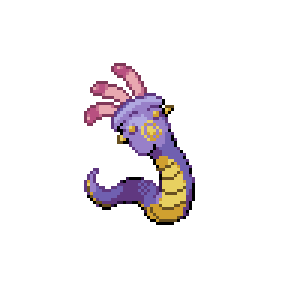
Its diet consists mostly of coral and plant life on the sea floor. It will sometimes eat seashells and barnacles if no plant life is available.
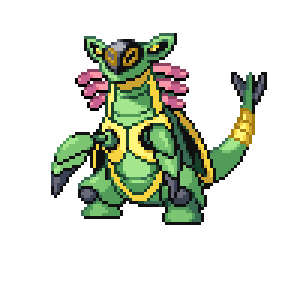
Anobone swings its bone-like boomerang in wide arcs across the battlefield. If it misses, it follows up with Brine to keep foes off balance.
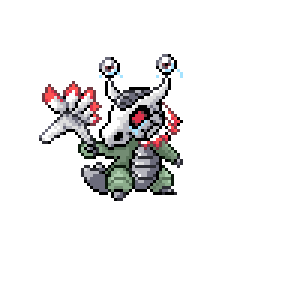
Anonyte uses its claws to grip undersea cliffsides and eat kelp. If disturbed while eating, it unleashes a Mud Shot to escape.

Anoto scuttles across the seafloor, chewing on rotten plant life. Its hard shell protects it from anchors dropped by passing ships.

Paleontologists recently found a cluster of Armdactyl fossils near Mulberry City. The fossils show that they flocked together in large numbers.

It breaks walls inside caves to create paths, making exploration easier. This behavior often transforms complex cave systems into navigable trails.
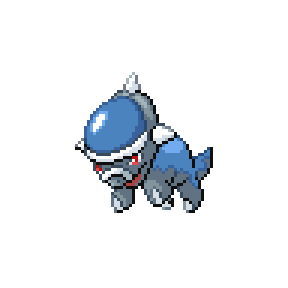
The stones that fall off its body were once used in ancient times to craft armor. These relics remain highly sought-after by collectors and historians.

Legends speak of an underground tomb near Pewter City where groups of this Pokémon stand as guardians. Their watchful presence ensures no intruders enter these halls.

It snacks on stalagmites, wearing down the formations over time. The mineral-rich diet also makes its headbutts even more powerful.

It prefers foods high in iron, which help strengthen its already robust skull. This diet gives it an edge in headbutt battles.
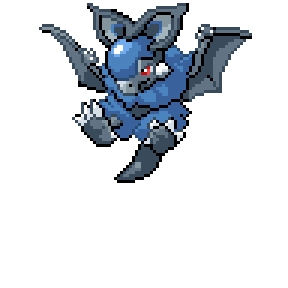
Cranbink slams its rock-hard skull into clusters of amethyst, shattering them into tiny shards. It eagerly devours the crushed gemstones, strengthening its sturdy body.
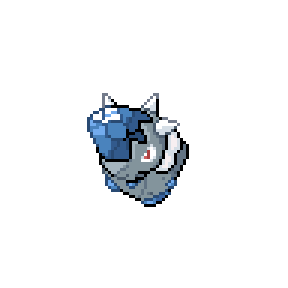
It watches over playgrounds, intervening when it spots bullies. Its protective nature has earned it the trust of children.

It cracks open boulders to eat the crystals hidden inside. These minerals give it the energy it needs to maintain its strength.
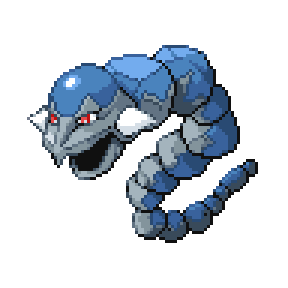
Its body is made up of many small magnets. Every morning, it shakes violently to loosen debris that have accumulated on its base.

Shielbone hurls its bone at cave stalactites to knock them down. It eats the fallen stone chunks to harden its metallic cranium.
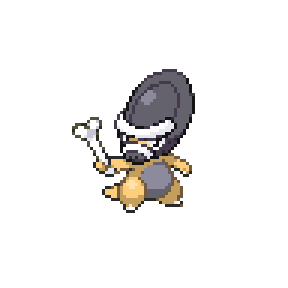
Shielidos's armor is tougher than steel. It slams its head into cave walls to dislodge ores, which it then consumes to reinforce its body.

Ancient tapestries show Shielolett guarding city gates. Its head was used to deflect arrows and stones during great sieges.
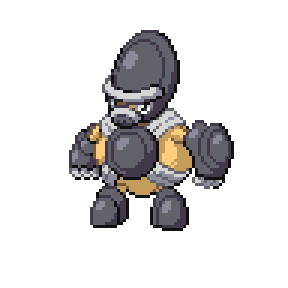
It charges through marshlands to create large divots in the mud. This allows waterways to expand more easily.
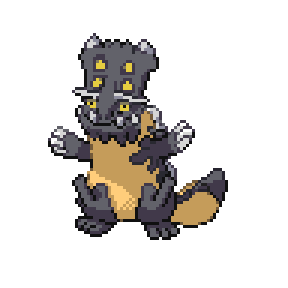
Despite its grumpy expression, Slatung prefers lounging in the shade. It lazily licks fruit off trees with its long, rubbery tongue.

On overcast days, Slaflora becomes unusually lethargic. It swats at intruders using fur-covered leaves that can leave allergic reactions on contact.

Slaty rarely moves but will attack with brutal force if its space is disturbed. It builds nests beneath fruit trees and guards them fiercely.
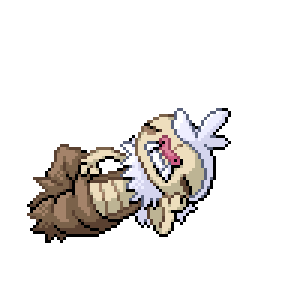
Nidobone's skull is coated in a white, sticky poison that can cause convulsions on contact. When it cries, the toxin seeps onto the surrounding ground.

The leaf-like moss growing from between Nidovenant's hard scales is used in many remedies. When ground up, it can be used to treat burns and abrasions, providing relief and healing properties.

Nidovern uses sound waves from its ears to stun prey before surrounding them in Toxic Spikes. This strategy allows it to immobilize and weaken its prey before moving in for the final strike.

Nidoria uses Toxic to stun other flying Pokémon while it travels. It then takes them back to its den for others of its kind to feast on, making it a dangerous hunter of the skies.

The hard scales on Nidolucha's body make it aerodynamic, allowing it to perform flying kicks with ease. This enhanced agility gives it a significant advantage in aerial combat.

Nidororus prefers living in extremely cold climates, where its body produces a thin, clear poisonous liquid that leaks from its spikes. This toxic substance acts as both a defense and as a hunting aid.

When the light in Nidogeist's torso pulses, its venom is at peak potency. Waking it during its sleep may trigger in it a panic attack worsened by hallucinogenic toxins.

Nidor burrows into cliffsides with its horn to sleep. If it detects a coming rockslide, it braces with Defense Curl to avoid serious harm.

After flying, Nidor embeds its horn into cliff walls to rest. Once lodged in the stone, even strong wind gusts cannot dislodge it.

Nidolett injects mild toxin into tree roots with its horn to soften them. It rips the roots into pieces and digs as deep as 100 ft before feeding.
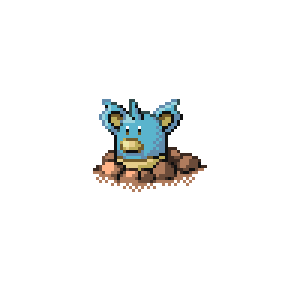
Nidogar's tongue is coated in poison, which it uses to subdue anyone who gets too close to its kin. This toxic attack allows it to protect its family and territory with lethal force.

Despite its solitary nature, Abone ventures into nearby villages when it senses an approaching tornado. It releases a shrill cry to warn those in its path.

The pollen Abrita spreads from its leaf smells like basil and accelerates plant growth. If it senses an approaching flood, it encourages trees to grow rapidly to absorb the excess water.

Should it sense someone with terrible luck, it will fly in circles over their home to release any bad omens. It prefers to fly in a clockwise motion.

When a disaster nears, the orb on Abrill's tail grows intensely warm. Its water attacks heat up as well, becoming hot enough to burn skin.

Abwoodo disguises itself as a tree while waiting for its instincts to confirm an upcoming disaster. If it senses danger, it shakes violently to warn nearby Pokémon.

Absire floats lazily in rivers, unaffected by the chaotic world around it. However, if it detects an approaching flood, it will let out a deep bellow to alert nearby Pokémon.

It watches people in the city from the tops of buildings. When it foresees a cheese-related disaster, it jumps into action.

If Abfarig senses an incoming hurricane, it channels psychic energy through its rear head to gently urge Pokémon and people away. If they do not listen, it forces them back with powerful psychic waves.

The honey-like scent from Abring's fur becomes incredibly strong before a violent storm. The aroma lures smaller Pokémon into its den, providing them shelter and safety.

Its nose can somehow smell earthquakes before they occur. It will bury its head in the dirt if it senses danger.

Abphan's thick fur keeps it warm as it rolls through snowy mountains during brutal winters. If it detects a severe blizzard approaching, it trumpets a warning from its trunk.
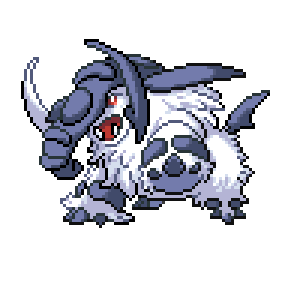
Abok's long tongue darts out during poor weather to detect scent changes that indicate severe storms. If it senses an impending disaster, it lets out a piercing screech as a warning.

If Abslash senses an upcoming tornado, it screeches loudly while flinging sand erratically. This chaotic display serves as a warning to those nearby to seek shelter.

The teeth of an Abwile are about as sharp as a high-grade kitchen knife. Poachers frequently harvest these teeth to sell for a moderate price.
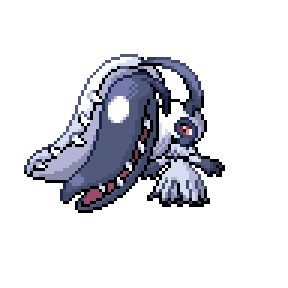
Ancient tomes claim that peering between Abclops's fingers allows one to see future disasters. However, this has been proven untrue on multiple occasions, though some still believe in the legend.
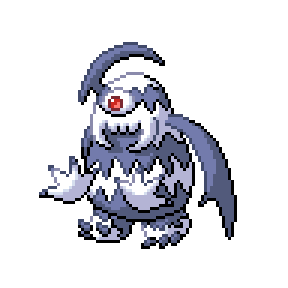
Abray's piercing eyes can see through heavy storm clouds to detect brewing disasters. If it senses imminent danger, it howls into the sky, sending warning sparks through the air.
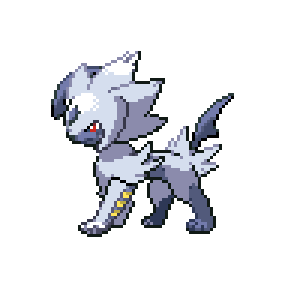
Abnette floats quietly in empty storm shelters. If it senses an incoming tornado, it knocks nearby Pokémon unconscious and drags them into the shelter to save them.

It lays in the desert during the night to absorb nutrients from the moon's light. After the sun rises, it covers its body in a layer of sand.

It floats slowly through swamps making jingling noises. It is said that if one hears this noise, they will face bad luck with love for many years.

Abno lives deep inside caves, sensing earthquakes before they happen. When danger nears, it releases a horrifying roar that sounds like a mix between a boat horn and a child crying.

Abnx's fur bristles with static electricity before a disaster strikes. It sends small jolts into the air, alerting others of an approaching storm.

The small white hairs covering Abon's body are as hard as steel. When it senses an earthquake approaching, its hair stands on end.

Abmander's body can withstand intense heat, allowing it to aid Pokémon trapped in wildfires. It uses powerful Slashes to break apart fallen trees and clear escape routes.

Sensing a hurricane, Abish scatters foul-scented pollen to drive others from the area. The scent lingers long after it flees for safety.
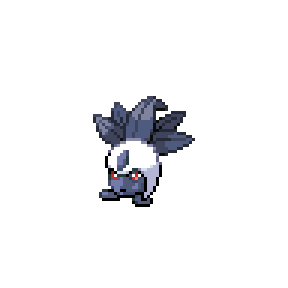
Abcorio dances frantically with its scythe-like feather when it senses an impending tornado. It performs this ritual in hopes of stopping the storm, but it never succeeds.

The tentacles of an Abeanie can be fried in Leppa Berry juice to create a savory dish. A restaurant on the S.S. St. Flower serves this meal.
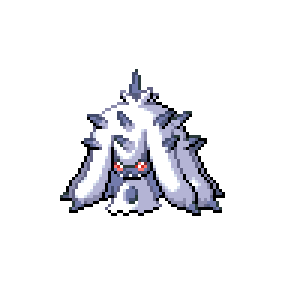
Abrantis's blade-like petals glisten blue before a storm, reflecting flashes of lightning. If a natural disaster is near, it releases a blinding light to warn others to flee.

Abty attempts to warn others of an impending flood by waving its arms frantically. If they refuse to flee, it knocks them out with a Headbutt and drags their unconscious bodies to safety.

Abyena gather in packs only when disaster looms. They abandon hunting to bark loudly, driving other Pokémon away from danger zones.
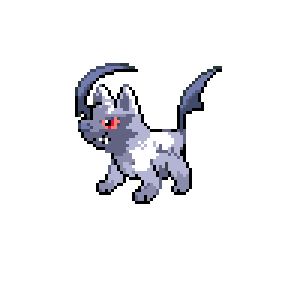
When a severe thunderstorm approaches, Abzagoon's fur becomes slick with oily residue. The oil smells of rotting fruit and burnt wood.
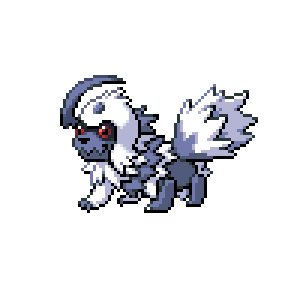
Abnoone's neck fur stands rigid when it senses a forming tornado. It runs in frantic circles before darting into nearby caves for safety.

Abell's vines stiffen like thorns when disaster is near. It releases a strong, bitter aroma that repels Pokémon, ensuring they leave dangerous areas in time.
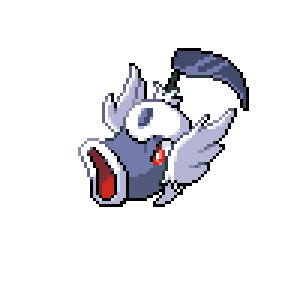
Abta's mane flares up when it senses an impending disaster. It gallops across open fields, leaving behind trails of embers to warn others of approaching danger.

Abdash dashes through the wilderness at incredible speeds when it senses a calamity. Its blazing hooves leave scorch marks in the ground, guiding others to safety.

Mass amounts of Abeel congregate near bays before typhoons strike. Many sailors view their appearance as a grim harbinger of disaster.

Its skull gleams brightly in the moonlight as it silently hunts its prey. This eerie glow strikes fear into those who see it.

It is said that Dusursa will steal the toys of children if it is neglected, leading to kids placing pots of honey in forests. The red glow from the Dusursa's eye causes the honey it eats to resemble blood, further frightening children that see it.

Its body is made of an incredibly hot, viscous oil that radiates intense heat. This hot liquid allows it to thrive even in scorching environments.

Duspy resides near ponds close to graveyards, using its nose to drink water. It will sometimes pull objects off of graves into its burrow as keepsakes.

The skull on its head shines brighter if it consumes a nutritious diet. Pokémon Centers will observe Dusran in the dark to determine their health based on the intensity and color of their glow.

When angered, Dustomb emits a wail like a chorus of screaming men. Legends claim these voices belong to fallen war heroes, though no proof exists.

Certain ancient cults worshipped Dusceus, believing it would spare them torment after death. Stone tablets describing these practices still remain scattered across Hoenn ruins.

When its fangs grow too long, it gnaws on the edges of tombstones to wear them down. Ghost stores claim these scratches come from those looking to escape their graves.

The candle on its head emits a scent resembling delicious soup broth. Out of respect for the deceased, it sleeps near gravestones.
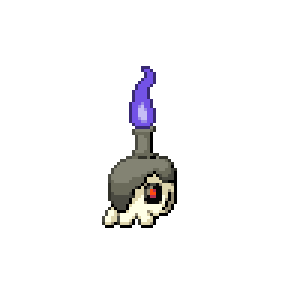
It burrows its body near crypts, camouflaging itself among the graveyard's foliage. This allows it to remain hidden from intruders.

When threatened, it emits a piercing, childlike scream that can paralyze people with fear. This unsettling sound is often mistaken for a ghostly cry.

It barks during the night in rural towns, hoping for someone to come near. Should anyone make physical contact, it will drain their vitality.

A rotting pumpkin-like scent follows Duskaboo as it floats through crypts, lingering in the air long after it passes. This unsettling aroma keeps grave robbers and trespassers away from sacred burial sites.

It nests in trees within graveyards, often resting on the tombstones of fresh graves at night. It is debated if it seeks to protect or prey on those that have recently departed.

Duscbone guards abandoned graveyards by threatening intruders with its bone. It wields it with the discipline of a knight brandishing a sword.
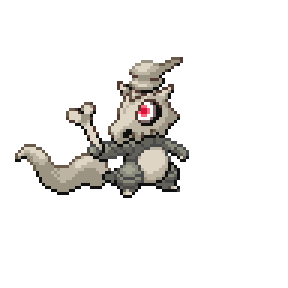
The nails at the ends of its bindings anchor it when entering a psychic trance. To relocate, it focuses its mind to move the nails, resembling a spider walking with precision.

It makes its home in abandoned places of worship, clinging to ceilings and walls while it sleeps. Its presence adds an eerie aura to these forgotten spaces.

The wood-like covering on its body produces a highly unsettling wail when the wind blows over it. It prefers to live in the eerie silence of swamps.

When it punches, its hands harden to a steel-like substance, delivering devastating blows. This temporary transformation enhances its combat prowess.

On nights of a new moon, it emerges from its cave to prey on villages. Folklore claims leaving a pot of honey outside will ensure your safety.

When it spots prey while flying, it swoops down and grabs them with its massive hands. It carries its victims away to secluded places for feeding.

Its ghostly body allows it to float slightly as it rolls down landscapes. This eerie motion makes it appear weightless even during rapid movement.

Its hands move independently, capable of gripping objects from over 30 feet away. This range makes it a master of both stealth and precision attacks.

It uses its tail, as sharp and thin as a blade, to slice Apicot Berries from trees. This skillful motion allows it to harvest food with precision.

It meticulously organizes machinery parts in abandoned factories. This behavior has earned it the title of the "ghostly machinist" by inventors.

Its massive jaws can crush iron with ease. This strength ensures that it dominates any encounter where brute force is required.

When sensing an impending earthquake, Duscsol stands in populated areas and radiates an unsettling aura. This eerie presence instinctively drives people away, minimizing casualties from the disaster.

It can fire powerful bolts of lightning through its massive red eye. This ability makes it a formidable threat even at long range.

The bandages wrapping its body move independently, lashing out like tentacles to grab enemies. This ability makes it a formidable combatant.

The eye inside its mouth can see and interpret emotions. It uses this power to detect fear and sadness in its surroundings.

When it encounters a lost person in a canyon, the flame on its head brightens. This light serves as both a lure and a guide through the darkness.

Its presence causes an eerie wind to blow methodically from an unknown source. Some believe this wind carries whispers from the departed.
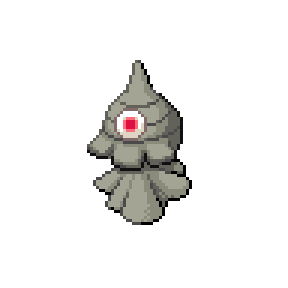
Its eye can levitate away from its body to observe distant areas. At night, it rests its detached eye safely in its mouth.
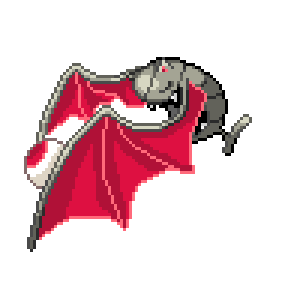
The eye on its head sparkles like a brilliant ruby. This captivating gleam is said to hypnotize anyone who stares at it for too long.

Its arms move independently from its body, gripping objects with immense pressure. It is said to be strong enough to crush a pickup truck with ease.

Duscrantis's eye glows an ominous red while it stalks its prey through the darkness. Once close enough, it swiftly slashes with its razor-sharp appendages, cutting down its victim in an instant.
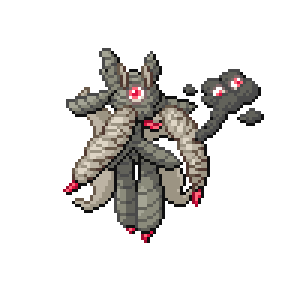
Duscor drifts in slow circles above cemeteries, emitting eerie, echoing sounds that chill the spine. Some believe these noises are the whispers of spirits long forgotten.
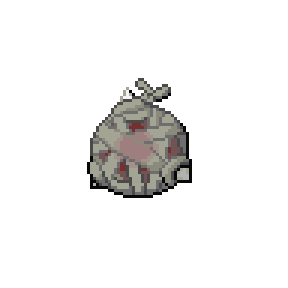
When exhausted, Duscor rests atop gravestones, absorbing moonlight to replenish its energy. As it regains its strength, spectral bandages sprout from its back, slowly wrapping around its body.
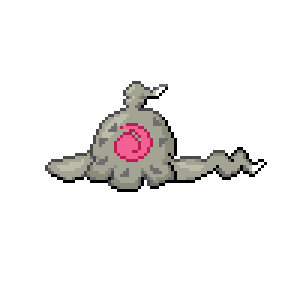
All of Duscdol's eyes blink at the same moment. It detests sunlight, often shuffling through daylight hours with its eyes tightly shut.

Pods of Wailking are often seen near Red Rock Isle by local fishermen. They destroy fishing nets by using their reinforced horns.

Wailfish floats buoyantly on the sea's surface during the day. Its sharp spikes can pierce ship hulls if vessels drift too close.

Waildisc swims joyfully alongside vacationing couples. If it senses a nearby predator, it ruthlessly drives it off with a devastating Heavy Slam.
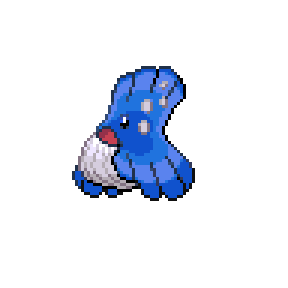
If bumped by flockmates while feeding, Wailgull erupts in anger and fires a Water Spout. The flock responds in kind, making their feeding grounds hazardous.

Wailcool can fire powerful jets of water from its tentacles using Water Spout. These blasts are strong enough to threaten even large ships.

Wailpoke splashes seawater to confuse and catch Shellder. It often forgets its goal mid-task, distracted by the fun of splashing.

Arcdactyl were once worshiped as demigods of the mountains, said to rule the skies above high peaks. Annual festivals honored them, where villagers wore crafted wings and performed ceremonial dances.

Arcnair were once revered as deities of hurricanes and violent storms. Offerings of alcohol were poured into copper bowls in hopes that they would lessen the fury of incoming weather.

Arcdrill produces honey said to be the purest known, prized by top culinarians. Many believe it to be of divine origin, offering roses in gratitude for its sweetness.

Arcnaw produced water once consumed during sacred rites. The bacteria within often caused fevers and vivid hallucinations, which were believed to be divine visions.

Arcret's fur was said to grow fluffier the more it was worshiped. Legends describe it entering towns and releasing a scent that caused reverence in those nearby.

Arcdos produces silk once reserved for sages and religious leaders. Garments woven from it were believed to grant clarity of thought and strengthen spiritual focus.

Archou were thought to be gods of the sea, using their light to guide lost ships home. Paper boats with candles and jam were set afloat as offerings to assist missing sailors.
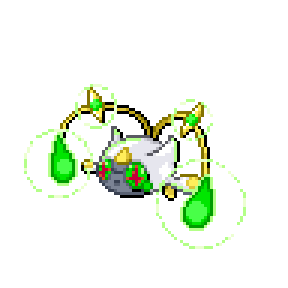
Arcfa is said to sing atop mountains during a new moon. Legends warn that if interrupted, it will retaliate with a devastating Judgement.

Arcros were once feared as deities of thunder, blamed for sudden lightning strikes. Villagers painted doorframes yellow each year, believing the color would ward off their wrath.

Arcossom were once worshiped as the goddesses of forest glades. Each spring, people carried baskets of daisies into the woods to appease them.

Arcpom is said to split its handlike tail into 1,000 smaller hands when enraged. Legends claim each hand manipulates a different emotion in its foes, though no complete list has ever been confirmed.

Arcrow were believed to be demigods of storm-lashed skies. When tempests approached, people performed flapping and squawking rituals, hoping their city would be spared.
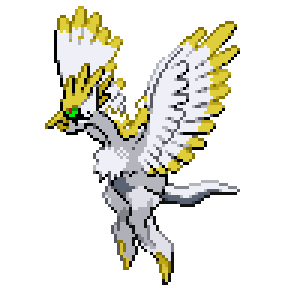
Arcphan were once worshiped as deities of travel and safe passage. Roads formed by their rolling bodies were believed safer, with vegetables left as roadside offerings.

Arcbok were worshiped as gods of purification and detoxification. When angered their venom was feared, yet legends say the same substance could cure nearly any toxin when they were calm.

Arcvire were once thought of as gods of lightning by mountain villages. In ancient times, people offered tree branches struck by lightning as sacred gifts.

Arcor's tail venom could cause those with weaker minds to see it as divine. Affected individuals offered it sweets for weeks, until the toxin's influence finally faded.

Arcbusken were once worshiped as gods of forges and fire. Feathers from other Pokémon were scattered around anvils in rituals meant to appease them.

Arcdoof are said to have built legendary dams that stopped floods in ancient lands. Tales claim they could fell entire forests in minutes, though this has never been witnessed.

Arcble was said to curse those it bit, causing them to become lost within winding caves. Some legends describe it as having 1,000 mouths across its body, despite no real evidence of this being presented.
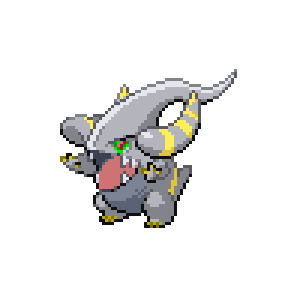
Arcbite were once revered as draconic gods of battle. Warriors stitched their scales into armor, believing this would secure victory in combat.

Arcsol were once revered as gods of tragedy, believed to herald disasters before they struck. Towns formed circles of gemstones in ritual offerings, hoping to calm their presence and avert floods or ruin.

Arcsharp were once thought to be guardians of knights and warriors. Swords were placed atop mountains each year to gain their favor in battle.

Arcgon were believed to be gods of sand. Desert villages carved intricate patterns into nearby dunes to keep them pleased.

Arcrai were long believed to be gods of nightmares. Those plagued by bad dreams burned incense before sleep in hopes of chasing them away.

Arcfairy were thought to be lunar deities tied to the new moon. Children stacked stones atop nearby hills each year as a ritual offering.

Arcnette were once revered as deities of cemeteries, believed to watch over the restless dead. Plush toys were placed yearly at burial sites in hopes that ancestors would be granted peace.

Arcfable were believed to be demigods of the moon. Many cultures held grand feasts during the first full moon of the year to honor them.

Arctula produces exceptionally soft webbing prized in sacred garments. The thread was valued for its comfort and radiant sheen.
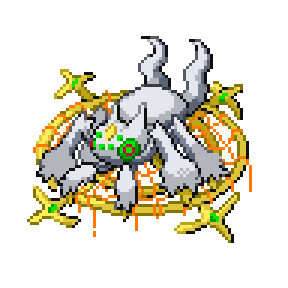
Arcthorn were revered as demigods of dense jungles and wild growth. Villagers left freshly cut vines upon stones, believing this would protect them from disease.

Arclure were once seen drifting through swamp skies and were believed to be gods that guided lost spirits. Villagers burned candles when they appeared, hoping to keep spirits from being led into their homes.

Arcbarel were believed to be the deities of lakes and still waters. In autumn, people gathered fallen branches at lakesides as offerings of praise.

Arceary were believed to be gods of crops by towns near open meadows. Offerings of carrots were left each spring to ensure healthy harvests.

Arcsion releases waves of psychic energy that cause those nearby to perceive it as divine. Under its influence, people were compelled to bring berries as offerings for days at a time.
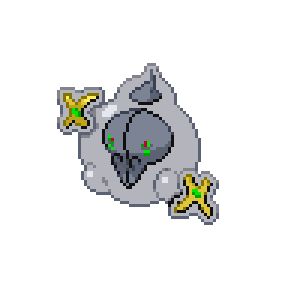
Arconee's cotton was once burned with incense in bronze braziers during religious ceremonies. When lit, it releases a gentle rosemary scent said to calm the mind and spirit.

Arcling's feathers were once burned in silver bowls during sacred rites. The feathers released an energizing, spicy scent during the process.
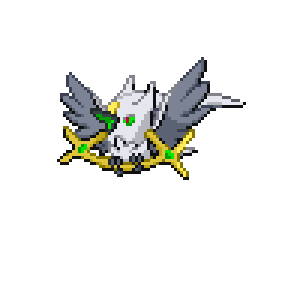
Arcmy's mucus was once harvested and boiled into a paste for sacred rituals. When burned, its pine and musty scent was said to honor old gods and repel evil spirits.

Even brief contact with Arcdra's mucus was believed to inspire religious devotion. Those affected refused to wash it away for weeks, convinced it was a blessing of a living god.

Arcaura were believed to be goddesses of the tundra, controlling the ice and snowfall. Ancient tribes often left offerings of warm stew, praying their settlements would be spared from the deadly cold.
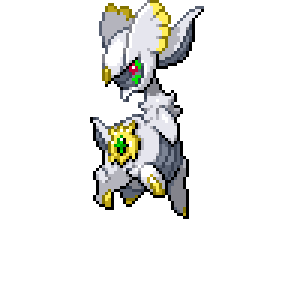
Arcrorus were honored as deities of glaciers and endless winters. If a town survived the cold season, a yearly festival was held to thank them for mercy.

Arcpin were believed to be gods of sprouts and early growth. Farmers traced intricate symbols in the soil around fields, praying for them to bless their crops.
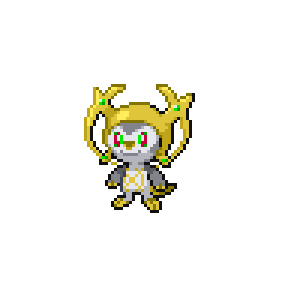
Arcnaught were once worshiped as gods of trees and forests. Orchard keepers left baskets of seeds as offerings, hoping they would bless them with a strong harvest.
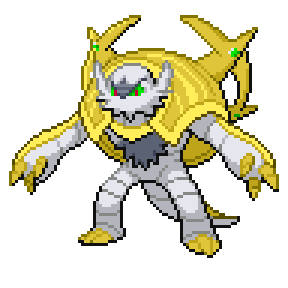
Arcxen were worshiped by some smiths as goddesses of embers. Berries were tossed into flames each winter, hoping they would bless the year's merchandise.

Arcadier produced water once boiled for ritual use. People poured it in a circle around themselves, believing it would grant protection for the day despite its scarcity.

Arcgeist's were once worshiped as deities of autumn in parts of Hoenn. Towns crafted jack-o'-lanterns yearly as offerings, and though belief faded, the festivals remain.

Arctrio were once thought of as deities of canyons and shifting stone. People carved symbols into nearby rock faces, believing this would keep their homes safe from deadly rockslides.

Arcboach were believed to be guardians of streams and flowing waters. People scattered loaves of bread into rivers twice per year to placate them and prevent flooding.
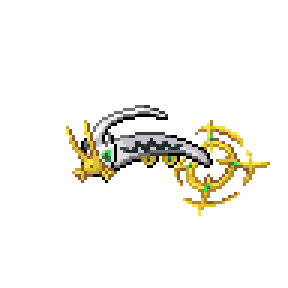
Arcdol were revered by many cults as gods. Pottery was crafted in their honor, and clay was harvested with extreme care for sacred use.

Arcform were once blamed for droughts and scorching heatwaves. Ancient cultures offered Rawst Berries under the sun, praying for relief from withering temperatures.

Arcform were once feared as deities of floods, blamed for rivers overflowing their banks. Chesto Berries were left at river edges as offerings, hoping to calm their rain-soaked wrath.

Arcform were believed to be deities of avalanches and bitter cold. During harsh winters, people left Aspear Berries outside their homes to appease them and lessen the freeze.

Arcgalge were thought to be gods of the ocean depths. Sailors cast food into the sea during voyages, fearing they would otherwise drag their ship beneath the brine.

Arcduo's erratic squawks were recorded in ancient scriptures as warnings of coming tragedy. Because of this, they were feared as the Bird Gods of Foreboding.
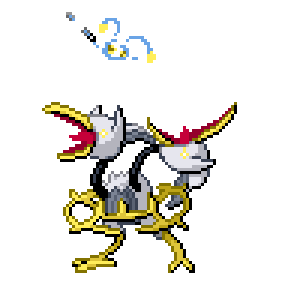
Arcgong produces intensely cold water once used for ritual bathing. It was believed to cleanse the soul of impurities before important ceremonies.

Arcgar were believed to be deities of curses and misfortune. Many towns left food in their windows every Saturday, fearing they would curse homes that failed to offer tribute.

The vines covering its body grow darker during the winter months. During this time, they have the same consistency as Pasta.
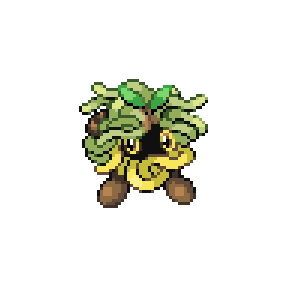
When stressed, Turkoal releases a soothing Passho Berry scent from its saplings. This aroma calms nearby Pokémon and helps it stay composed.

Certain cults revered Torceus as a god of forests. Flowers were said to bloom wherever it stepped as it wandered through the land.
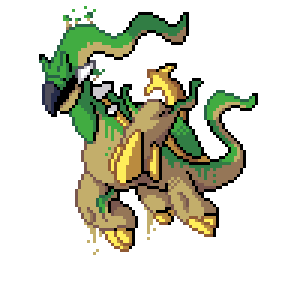
Chimbone's bone absorbs ambient heat from its surroundings. This stored warmth is released through its fire attacks, causing severe burns.
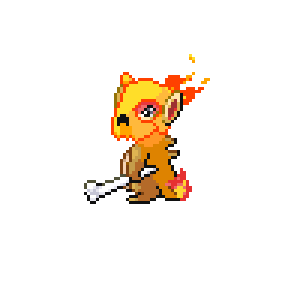
This Pokémon loves eating charcoal, crunching through pieces like a beloved snack. The more Chimdour consumes, the brighter and hotter its inner flame burns.

Chimdoom lays in the sun for hours, absorbing heat to store for future use. This stored warmth keeps it active and powerful on even the coldest nights.

The small flame atop Chimwick's waxy body flickers into different shapes at will. When it burns brightly, it emits the sweet scent of bananas.
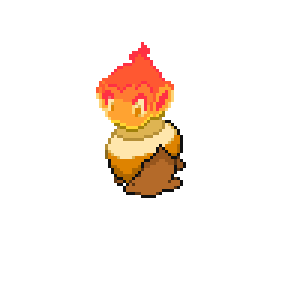
It lights the entrances of cemeteries hidden at the edges of jungles, guiding lost souls and travelers alike. The flickering flame it carries provides both warmth and unease to those passing by.

Chimki performs playful, jingling dances to lift the spirits of those around it. Its joyful antics often bring smiles to the most somber faces around it.

The orb on its body has a flame that burns inside. The intensity increases should a Chimink become stressed.
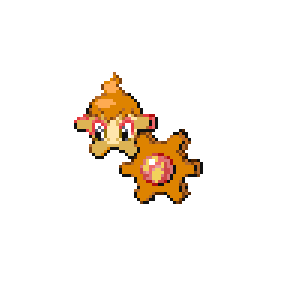
Chimang are sometimes employed at factories in Snowpoint City. Due to the cold climate, they are preferred to keep machinery running.

Despite its heavy shell, Chimkoal is remarkably agile. The thick smoke it exhales carries the warm, fruity aroma of Nanab Berries.
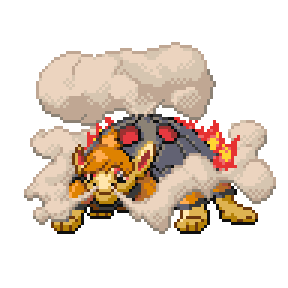
Nidosey takes abandoned Pokémon eggs under its care, using its horn to stab at foes if they get too close. It is fiercely protective of its adopted charges and will defend them at all costs.

Nidogela's vines contain a thick blue poison that can be boiled down into a delicious salad dressing. Though surprisingly salty, it also has sweet notes that complement kale, making it a unique culinary ingredient.

Nidokhan stays close to Nidoqueen when it is tired, treating it as if it is a guardian. Nidokhan's venom is more potent when it is near Nidoqueen, possibly drawing strength from their bond.

The venom on Nidother's blades can cause intense neurological fear in anything it cuts. The fear spreads even to unharmed opponents, disorienting its enemies and weakening their resolve in battle.
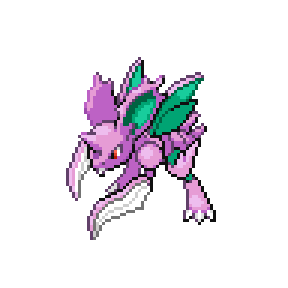
Its ears are extremely sensitive to loud noises. Sometimes, it will cower while grasping at its ears in response to a sound humans cannot hear.

Its tails have small barbs at the tips. When fighting, it will whip them wildly in the air, hoping to poison its foe.

A thin layer of pink poison lingers on Nidogey's feathers at all times. The poison is frequently used for making paint for cars. It is prized for its vibrant hue and protective qualities.

Nidohoot balances on one foot during the evenings, and a sloshing sound can be heard from within its feathers as it rocks from side to side. This calming ritual helps it prepare for the night.

Nidowl's venom is primarily produced during the nighttime hours. It has been used in many hair care products like conditioner and shampoo, valued for its ability to strengthen and smooth hair.

Nidoian consumes toxic flowers to strengthen its venom. The poisons from these flowers enhance its own, making its attacks even more dangerous to its foes.

While Nidodos's webbing is poisonous, if harvested with a steady hand, it is incredibly valuable due to its use in clothing. The webbing is sturdy but must be washed thoroughly before use in garments.

During a full moon, Nidofa's venom loses almost all of its potency. Luckily, this only happens during a one-hour period.

Nidorill leaps from behind waterfalls to surprise foes with its sharp horn. This quick attack allows it to catch enemies off guard, using its poison-coated horn to weaken them.

The cologne produced with Nidokern's poison is often described as having a delightful floral scent. It is surprisingly expensive to create, making it a rare luxury fragrance in the market.

Nidofarig's poison causes memory loss but also grants the person affected short-term telepathy. This curious mix of abilities can leave victims confused, but with fleeting moments of telepathic connection.

Nidobull bites things it likes to show affection. However, it must be careful, as biting for too long will transfer a burning venom that can cause discomfort to its target.

Nidorow's poison is used by cosmetic companies to make cologne. Many describe the scent as light and airy, making it a popular fragrance for those seeking a subtle, fresh aroma.

Nidoursa's venom is used in cologne and has a honey-like scent. It doesn't last long, but was once used as a machine lubricant due to its viscosity and pleasant aroma.

The boiling pink poison covering Nidogma's body is extremely hot. If cooled, it will break off and lose all potency, making it harmless once it solidifies.

Nidorow uses its horn to knock sticks from trees to make its nest. This tactic helps it gather materials efficiently, allowing it to construct a sturdy and secure home.
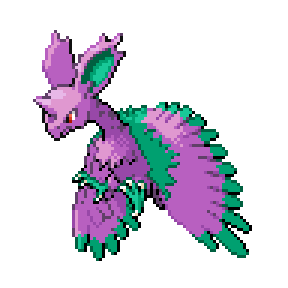
Nidodour's poison induces an intense burning sensation. Its venom acts quickly, leaving a painful and burning aftermath that makes any encounter with it dangerous.

While rolling, the poison sacks in Nidopy's body swirl, getting more and more potent. It is unwise to get in its path while it rolls.

The hard stone sphere on Nidosly's head oozes a mild venom that can be used in stir-fries. When heated, the poison cooks out, leaving a strong garlic-like flavor that adds a unique taste to dishes.

Nidocko's poison is used in cologne and is easily harvested. It has a maple and woodsy scent, offering a refreshing and natural fragrance that's both affordable and popular.
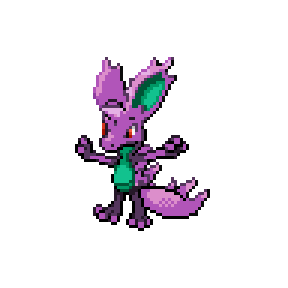
Nidodoof uses its hard horn to dig up mud and saplings, which it uses to build dams. This industrious nature makes it a skilled builder, capable of shaping its environment to suit its needs.

Nidoskull's skeletal body is covered in a purple smog. It floats through hollows, moving silently and eerily, its presence barely noticeable except for the toxic haze it leaves behind.

Nidopix's venom is almost always near its boiling point. The poison is described as excruciating, but surprisingly is not lethal to humans, making it both a painful deterrent and a peculiar curiosity.

Nidolu can see a combatant's aura. If it deems the enemy as evil, its poison becomes twice as deadly, adding a layer of justice to its venomous attacks.

The poison from Nidoroth's horn is boiled down and used in many energy drinks across Johto. While the toxins are boiled out, the resulting fluid energizes and revitalizes the drinker.

If Nidoagon senses a predator approaching with its long ears, it will use Dragon Breath to scare them away. The fiery attack helps to ward off any threat, allowing it to protect itself and its territory.
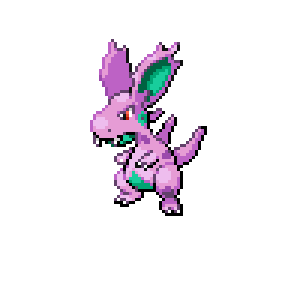
Nidotump drills tiny holes into its tree stump home to mark its territory. These markings are a warning to others, establishing its dominion over the area.

Nidoruff's horn is as hard as quartz and extremely sharp. It uses this horn to defend itself and carve out its territory, making it a formidable creature in rocky environments.

After howling, Nidoroc's venom becomes more potent. The howl seems to trigger a surge of energy, empowering its toxins and making its attacks even more dangerous.

At night, Nidoroc's venom is more potent than normal. The darkness somehow enhances its poisonous abilities, making it a formidable adversary during the evening hours.

Nidorantis stays in deep jungles, imitating insects. Its leaves are coated in poison, allowing it to blend into its environment and deter predators from approaching.

Nidolett searches soil near sewers for chemical leaks. It consumes the toxins found there to reinforce its own venom.

Nidotrio thrusts the spine on its head forward to inject a potent toxin. Victims often develop intense fevers shortly after being struck.

Nidosian guards its shiny object hoard with its sharp horn. It coats the objects in a thin layer of poison to deter theft, ensuring no one steals its prized collection.

When enraged, Nidoape's venom becomes 10 times more potent. Its fury amplifies the toxicity of its horn, making its haphazard strikes an even greater threat.

The poisonous sap that Nidobell exudes is used in cologne creation. It has a distinct birch and floral scent, making it a unique and luxurious fragrance ingredient.

Nidoduo runs towards enemies quickly while its heads flail about. Once it catches its prey, it will stab at the enemy with both horns, using its speed and sharp attacks to overwhelm foes.
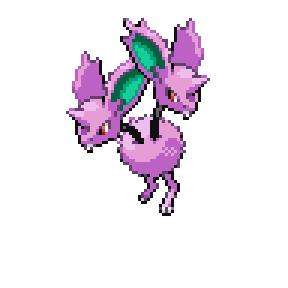
Pipnx dances gracefully while blasting water from its fins. The faster it moves, the higher the pressure, making its performances both elegant and dangerous.

When it senses joy nearby, Piptic's beak glows gold. It dances through the sky in wide spirals, spreading warmth with each beat of its wings.

After slashing foes with its icy claws, Pipsel follows up with vicious pecks. It attacks with unrelenting precision until its target falls.

Pipswine fires sharp blasts of snow from its beak. Though small, it can chill predators to the bone with relentless frost-based attacks.

Pipbird glides across frozen lakes like a skater, using its sack-like tail to balance. It collects shiny objects to store for reasons unknown.
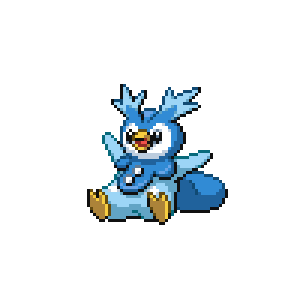
Pipceon's body encases itself in ice as it sleeps on frozen lakes. While dreaming, its beak glows faintly yellow, releasing calming pulses.
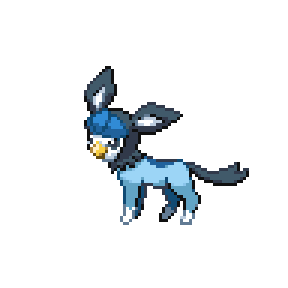
Trespassers in Piplie's icy den are met with relentless pecking. It won't stop until the intruder flees.

Before calling blizzards, Piplass's golden beak begins to glow. These storms are sudden and fierce, often forming around its nesting grounds.

Pipedo surges through the ocean like a missile. It pierces ships with its beak to sink them and targets stranded sailors as prey.

Pipduck swims at high speed using webbed limbs. When upset, it lashes out with its beak, flinging driftwood aside with bursts of psychic force.

Pipder produces blue pearls from its beak. These are used in necklaces and earrings throughout the Johto area.

Pipler grips prey tightly in its claws before unleashing high-powered jets of water from its beak. This results in launching its foes great distances.
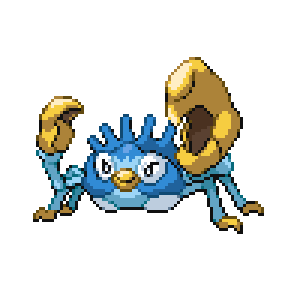
In frozen regions, snowy villages worshipped Princeus as a demigod. Ice effigies were carved in its likeness, believed to bring health if formed during the cold season.

When sleeping, Nosemar points its nose straight up directly to the sky. Its flames grow dim during this time, leading researchers to believe that this position calms it for an unknown reason.
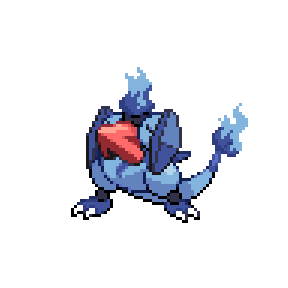
Flocks of Noserow will have one leader with an extremely magnetic beak. The magnetic powers of their beaks allow them to communicate somehow with others of their kind and lets them form organized groups.
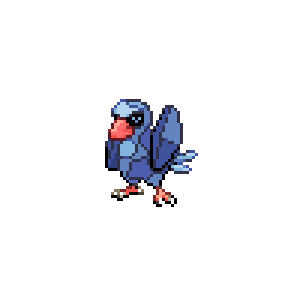
Nosecargo's magnetic nose remains oddly cool compared to the rest of its bubbling molten-hot body. It prefers to live in volcanic areas, thriving on the heat while its magnetic nose remains unaffected.

When tired of flying, Noserow sticks its magnetic nose to the metal sides of stopped train cars. It will dangle there until the train starts, jostling it awake and preparing it for its next journey.
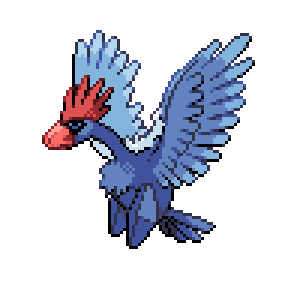
The magnetic stones on Noseoom's head emit a Spelon Berry scent that attracts prey. It will use Thunder Wave to render them helpless, making them easy to capture and consume.
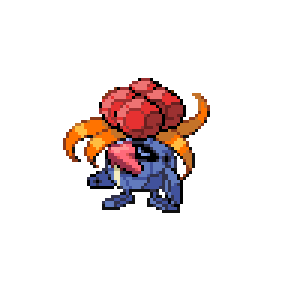
When resting in the desert heat, Noseturne always points its nose north. It has trouble sleeping if it is not pointing in that direction, as its orientation is somehow vital for its rest.

The more seeds Nosepin eats, the more magnetic its nose gets. It uses this magnetism to sense the world around it, allowing it to navigate through environments with a unique sensitivity.
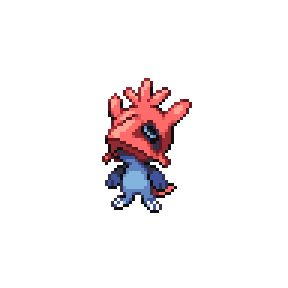
The magnets coming from Nosekin's ears become incredibly strong right before it unleashes a fire-based attack. The flames it unleashes are hot enough to melt iron.
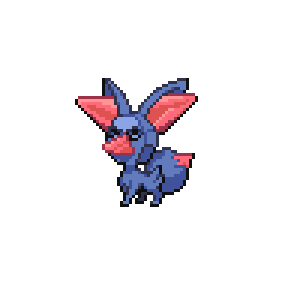
Noseggy pulls up its sagging hide before releasing magnetic waves from its nose. When it senses ore, it violently headbutts cave walls to dig and feed.
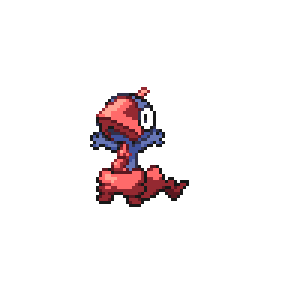
Noseth uses the magnetic nose on its face to detect coins. It seeks them out to add to its horde, constantly on the lookout for new treasures to collect.
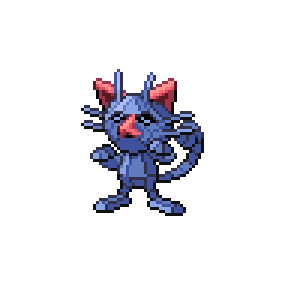
Nosesian's paws are extremely magnetic and allow it to cling to metal surfaces. It uses this ability to enhance its agility, allowing it to steal valuables from those in its territory with ease.
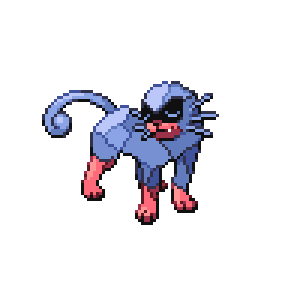
When Nosechop's nose is facing north, its strength triples. It can easily lift a pickup truck at this time, using its enhanced magnetic power to dominate its surroundings.

The flames on Noseta's body are actually thin magnetic wires. They billow like flames as it gallops across meadows, giving the illusion of fiery energy in motion.
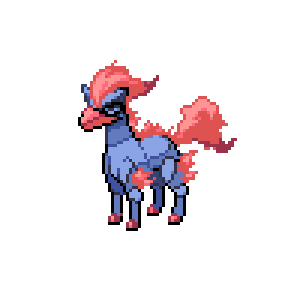
The thin-haired magnetic wire-comprised mane on Nosedash's body can get very hot if it runs too fast. It needs to take multiple stops throughout the day to ensure it doesn't overheat and cause harm to itself.
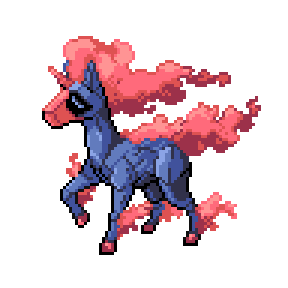
Nosenix uses its magnetic nose to find iron deposits and eat them. It can sense these hidden resources from over one mile away.
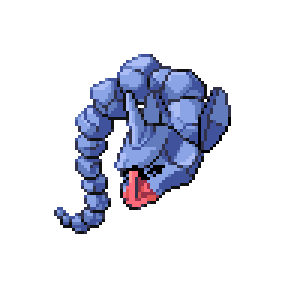
As Probosire wanders through marshes, cans and bottlecaps stick to its body. When tired, it naps on a slope, letting its weakened magnetism slide the junk off.

Probosopod tears apart sunken ship hulls with its claws. Shredded metal clings to its magnetic body, forming a makeshift armor that strengthens its defense.
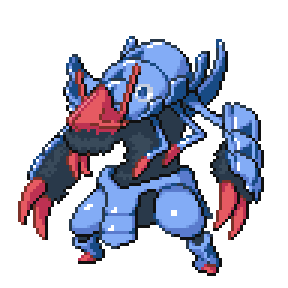
Those pricked by Honpi's blade feel their happiness drain away. With a gentle touch of its sash-like tail, it can pass that joy to someone else.

The blade-like scale on Honmo-o's head is sharp enough to cut a tree in half with one slash. It is always looking for others to spar with, ignoring weaker Pokémon entirely in its quest for battle.

Honmantis uses its sword-like leaf to trim weeds and tend to its nesting area. Its precise movements evoke the appearance of a gardener at work.
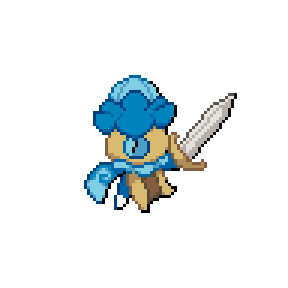
The blade protruding from Hondude's rocky body is incredibly sharp. Some believe it cannot be removed without shattering the entire stone.

Doubone wields its sharpened bones like a pair of sabers. It performs complex acrobatic maneuvers to gain advantage in nearly any environment.
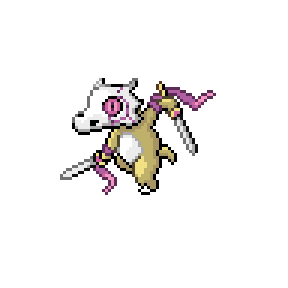
The metal on Doubshrew's blades constantly grows and sheds, much like its skin. These shavings were melted into ingots and used in the past to develop the flotation tanks for the ZERO-ONE.

It carves patterns into the sand around its den with one of its blades. These markings warn others to stay away from its territory.

The shields on its body grow harder as it gets older. In ancient times, armies would use these shields during large battles.
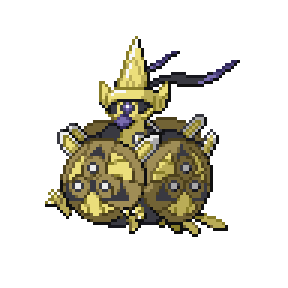
When someone gets too close, Aegity defends itself with its sturdy shield before countering with a swift Low Kick. It has a habit of sizing up opponents before striking their weak points.
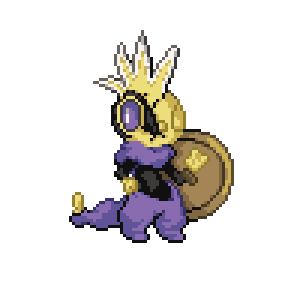
The thick red saliva on Nidotung's tongue has enough poison to knock out a Wailord. Its potent toxin serves as both a weapon and a defense mechanism, allowing it to subdue larger foes with ease.

The poison Nidokhan produces has no effect on the child in its pouch. This ensures the young remain unaffected and safe from venom if accidentally pricked by one of its spikes.
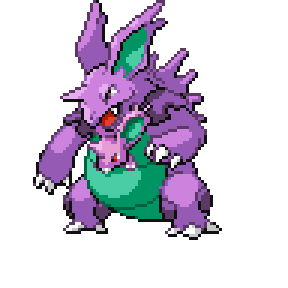
The clear poison coating Nidother's blades results in a variety of symptoms when entering the bloodstream. Should even a tiny nick occur, it's important to wash the cut thoroughly with water to prevent severe reactions.
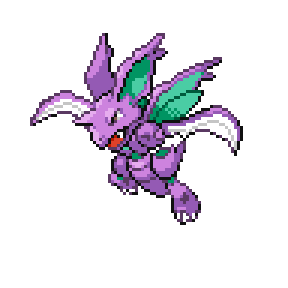
If it falls onto its back, it will rotate its arms backwards to pick itself up. Its arms can rotate freely, allowing it a full range of motion.
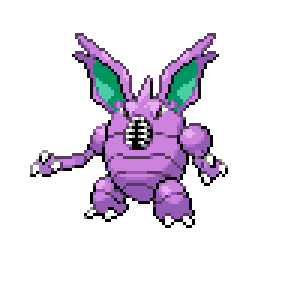
It will make a bedding of grass and mud to sleep on at night. If its sleep is disturbed, it will completely recreate the bedding.
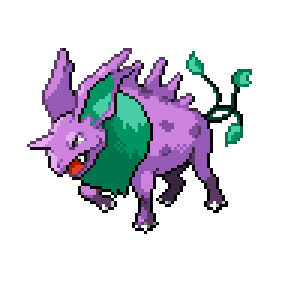
The slime covering Nidoto's body takes the potency of the last poisonous thing it touched. Oddly enough, if it never touches anything poisonous in its entire life, the slime stays non-toxic.
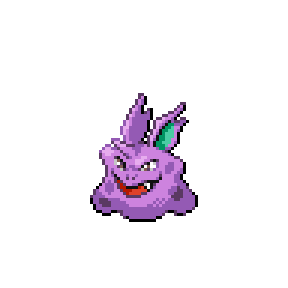
Its eyes will change to a darker green at night to see in the darkness. When exposed to bright light, it will panic and hop in place.

At night, the poison in Nidowl's horn becomes five times more deadly. It uses this enhanced venom to hunt for prey like Sentret, overpowering its quarry with increased lethality during the dark hours.
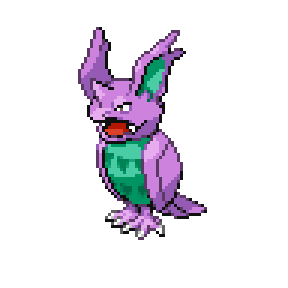
The feathers on Nidotto's body are coated in a thin toxic oil. It builds its nest with fresh herbs like thyme and sage, as the scent calms its young.
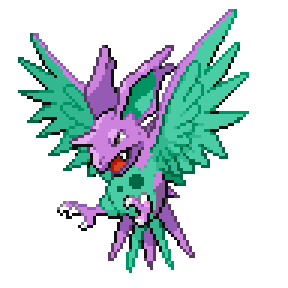
Nidotata uses its horn to make shallow burrows near dumpsters, venturing out to gather discarded food in the evening. Its sense of smell is exceptional, allowing it to find food easily, even in the dark.
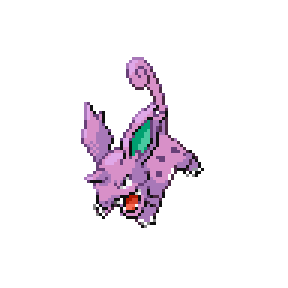
Nidoma flies at high speeds before jabbing at prey like Sunkern. It injects a potent toxin that causes asthmatic symptoms in humans, making it a dangerous creature to approach.
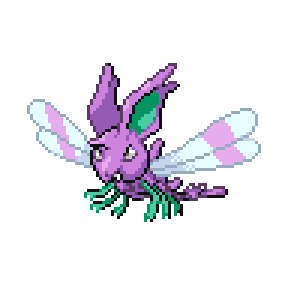
Nidoicate gathers soft materials from dumpsters to line its den. If disturbed during the process, it will jab with its hardened horn, using its venomous attack to protect its home from intruders.
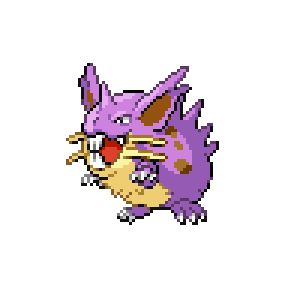
It rolls on the forest floor, seeking Berries. When it finds one, it pierces the Berry with a spike and drinks the juice.
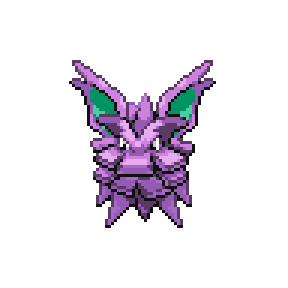
Flocks of Nidorow create rivalries with other flocks of bird Pokémon. A loud, unified squawk usually marks the start of a territorial brawl, where they fight for dominance over feeding areas.
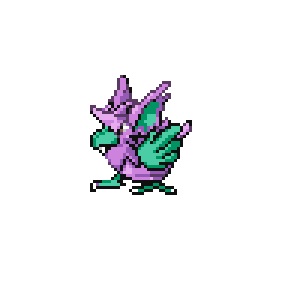
Nidorow finds rivalries with other Flying-type Pokémon. It will peck at them even when they are not prepared to fight, injecting them with a powerful, numbing venom so it has the upper hand in aerial combat.
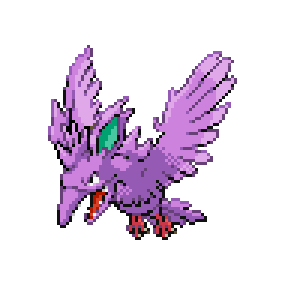
The ear on Nidoans's tail is very sensitive, allowing it to hear predators as they approach, even if it is sleeping. It slithers away very quickly, using its acute hearing to stay one step ahead of danger.

Nidotler's horn glows as it uses telepathy to search the surrounding area for threats. If it senses any aggression, it will hide in the brush, using its keen senses to avoid potential danger.

The poison leaking from Nidotar's rocky skin contains a numbing agent. When mixed with other herbs, it becomes a salve for minor aches and pains, making this natural remedy highly valued by those who know how to harvest it.

Should Nidoshrew find a hard stone slab while tunneling, it will ram its horn to shatter it. Its tunnels have been observed reaching over 100 ft below the surface of the earth.
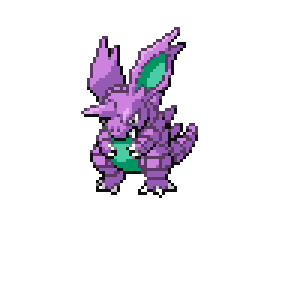
The poison leaking from the spikes on Nidoran's ears is the most potent toxin its body produces. It has a rancid smell akin to rotting vegetables and oil, making it highly effective in warding off threats.

The thin layer of poisonous fluid covering Nidoeon's body changes color when it is ready to fight. This visual cue warns others of its heightened aggression and readiness for combat.

The poison Nidorina produces has a numbing effect. Many surgeons use this poison in limited quantities to make procedures more comfortable for the patient, aiding in pain management during operations.
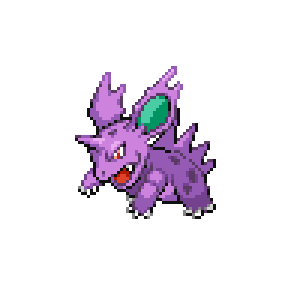
The poison leaking from the spikes on Nidoran's ears is the least potent toxin its body produces. It has an incredibly sweet smell, like honey and apples, which serves as a misleading deterrent for predators.
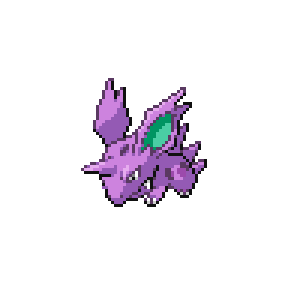
Nidojask flies at high speeds before ramming its horn into trees. It does this as a show of strength to others of its kin, demonstrating its power and dominance within its group.
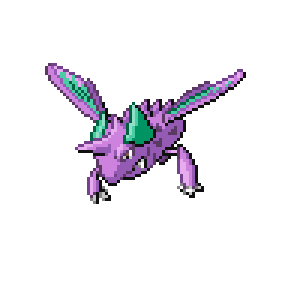
The hot venom that comes from Nidopix's horn is hot enough to melt quartz. It uses this ability to melt stone and create its burrow, digging deep into the ground to create a safe home.

Nidono's hearing is amazing, making up for its terrible eyesight. Its ears flit about in every direction should it hear a predator, allowing it to react quickly and evade danger despite its poor vision.

Despite being extremely energetic during the day, a single drop of Nidoroth's poison can cause extreme fatigue. This paradox makes it an unpredictable adversary, balancing bursts of energy with the power to drain opponents.

The thin scales covering Nidoagon's body sometimes fall off, causing a viscous pink poison to seep out. Once thought to be blood, this poison is distributed by tiny sacs located just below each scale to deter predators.
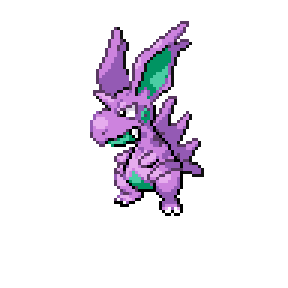
When Nidoseed explodes, it scatters poisonous barbs that can cause an intense burning sensation. This self-defense mechanism leaves behind a hazardous field of sharp, toxic spikes.

The venom that seeps from Nidoxew's tusks can cause hallucinations. This venom is used to confuse and disorient enemies, making it a strategic advantage in battles.

Nidopede eats poisonous plants like nightshade to strengthen the sticky venom in its horn. Even a single prick from its horn can spell doom for someone who doesn't take an Antidote immediately after.

It sleeps with its feet buried in mud at the side of rivers. On dry days, it emits a strong peppermint odor from its leaves.

Nidoras crawls up trees with its thin legs and uses its horn to pierce apples. It brings them back to its kin as gifts, showcasing its resourcefulness in providing for its family.
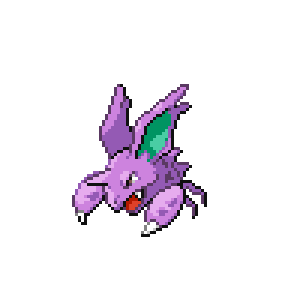
The dark green powder scattered from Nidomoth's wings is highly toxic. Even a quick sniff can cause severe exhaustion, leaving its opponents weak and disoriented.
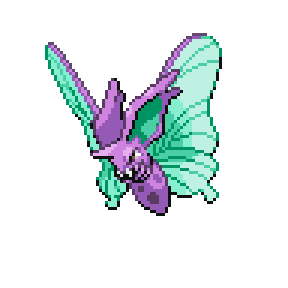
Soil tilled by Nidolett mysteriously kills only weeds in gardens. How it spares useful plants remains unexplained by botanists.

Male Nidotrio compete underground for status and mates. Their prolonged subterranean clashes can shake the earth and trigger small earthquakes.
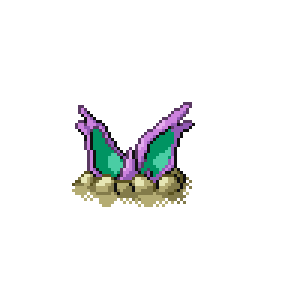
Nidoth coats its trove of stolen change in a clear poison. It sleeps on the pile at night to ensure it stays safe, using the venom to protect its valuables from would-be thieves.
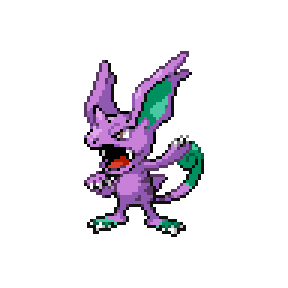
When Nidokey flies into a rage, the horn on its head grows longer and sharper. It wields this horn like a head-mounted rapier, using its heightened aggression to strike fiercely at anyone who threatens it.
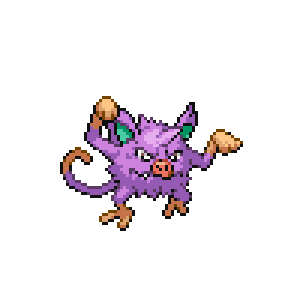
By flapping its ears rapidly, it can hover for a short period of time. It will practice this exercise well into the night, hoping to achieve flight.
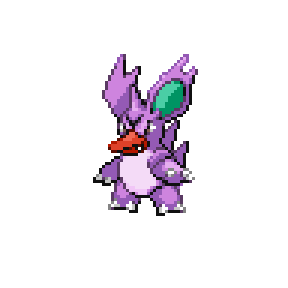
Nidoduo attacks with the toxic horns on its heads to deter predators from its den. These venomous horns cause intense pain, forcing attackers to retreat before they are harmed further.
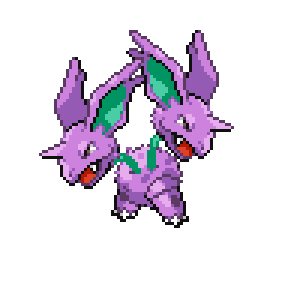
The venom in Nidono's horn can cause someone to sleep for a full 24 hours. While they slumber, it monitors their dreams and eats any happy ones, drawing power from the joy of others.
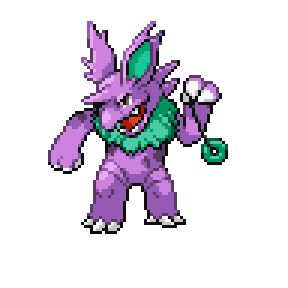
Pawnowl trims dead branches with the blade on its head to keep its nest tidy. It prefers silent, moonlit groves for roosting.
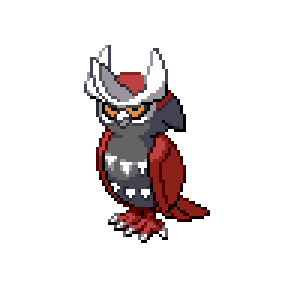
Pawnicate chews discarded soda cans for nutrients. Its metal body glows faintly after feeding on aluminum and rust.
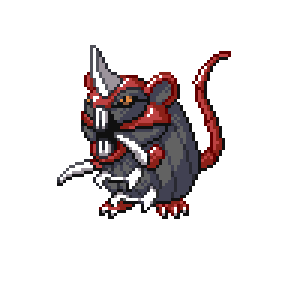
Pawnrow's iron-plated beak can pierce a Kakuna's shell in one strike. It fights fiercely to defend its sparse nesting grounds.

Pawncada uses its bladed claws to tunnel through stone before resting underground. Its metallic body stays still for hours while it waits.

The blade on Pawnkoal's head glows red-hot before it strikes. Though slower than most attacks, a single swing can cleave solid stone.
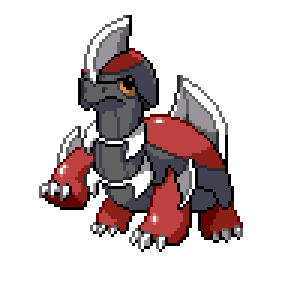
Pawnix's head blade slices through stone like shale in a single stroke. Miners once followed its tunnels to uncover ore.
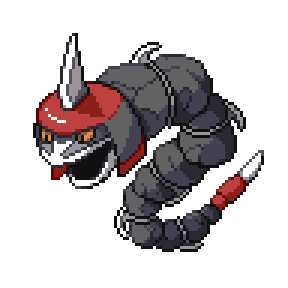
Bisey carves out cave walls with its blades to create nesting spaces for other Pokémon. If it notices an injured Pokémon, it carefully chops herbs to aid in their recovery.
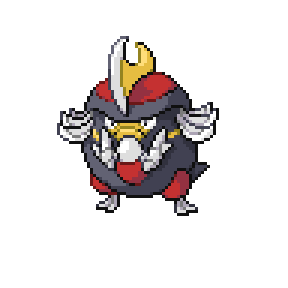
Binair swims to the center of lakes and performs an intricate blade dance. This ritual is said to summon massive storms, altering the weather in mysterious ways.

Bilix uses the blade on its head to tunnel through soil effortlessly. When it finds basalt deposits, it gorges on them to strengthen its already hardened body.

Bivile's metal-coated body can reach temperatures as low as -20°F. In winter, it climbs snow-covered trees and pounces on unsuspecting foes with its razor-sharp blades.
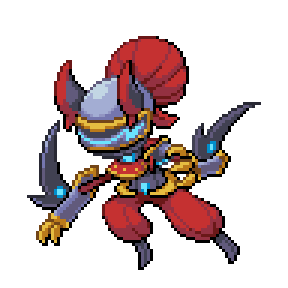
When gliding, Bibite extends the steel fins on its arms. These allow it to remain airborne for long distances with minimal effort.
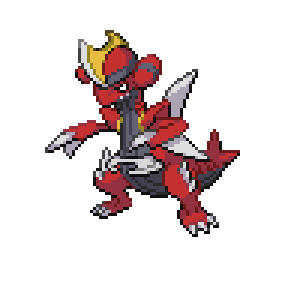
Ancient tomb discoveries depict Bilurk leading massive armies in war. Its blades, forged from an unknown metal, can slice through iron as if it were butter.
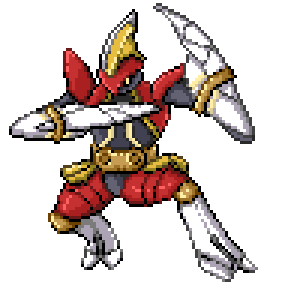
Biron devours silver ore to strengthen the blade on its head. It will run its blades along stones to sharpen it, ensuring the edge remains as sharp as possible for battle.
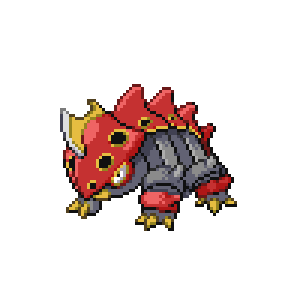
Bielgon eats gems like emeralds and topaz to strengthen its hard metallic casing. It can withstand a rockslide with ease, nearly impervious to physical damage.
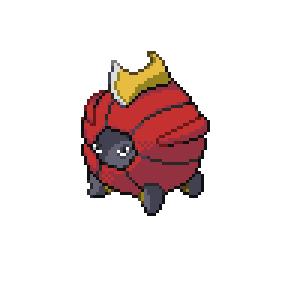
Bixure uses its sharpened metal tusks to mine iron ore in abandoned shafts. It consumes the metal to reinforce its armored skeleton.
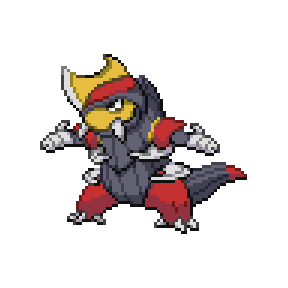
Despite normally being as hard as metal, Bibat's wings become soft and fluffy when heated. Some chefs fry the wings in corn flour and serve them with a delightful Pomeg Berry sauce, creating a unique and delicious dish.
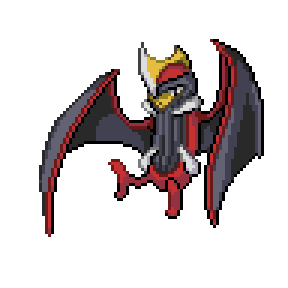
Bigoo's gooey body clings easily to tree trunks. It climbs Apricorn Trees and slices off branches with its bladed head to eat the fallen fruit.
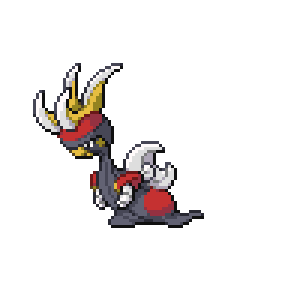
The blade-like scale on Bimo-o's head is composed of a bronze-like metal. It slams this scale against cave walls, producing a deep gong-like sound that echoes for miles.
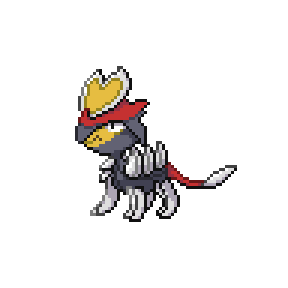
Bimo-o's scales are as sharp as finely crafted blades, each honed to perfection. It performs intricate battle dances, using the movement to dazzle and disorient its opponent before striking.

The fin on Bity's head has the consistency of copper yet is sharp enough to slice chunks off of boulders. It prefers to make its home near dumpsters in city alleyways.
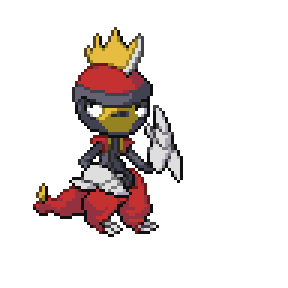
Luxbone channels electricity through its bone and fires it with deadly precision. Flying Pokémon are often struck down as if hit by a cannon.

After entrapping a foe with invisible walls, Luxmime charges electricity within its body. It disables the walls just before unleashing its attack to ensure it hits the target.
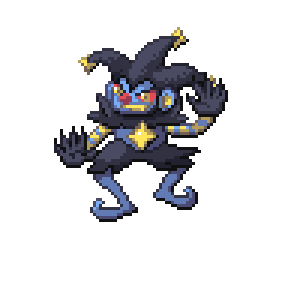
Luxwoodo collects electrical wires from abandoned factory equipment. It stands completely still in maintenance closets, hoping to be ignored when someone enters.

Luxring tries to get struck by lightning to store charge in its fur. When fully charged, the fur releases a honey-like scent.

While rolling through the landscape, Luxphan generates electrical power in its body. It can roll with enough speed to break through boulders with ease.

If Luxsol senses an incoming hurricane, it fires lightning bolts into the sky. This display gives others time to flee before the storm hits.
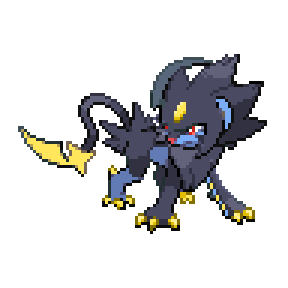
Luxclops's furry body is completely hollow and filled with electricity. It unleashes blasts of electricity from its hands to subdue foes.

If Luxceus feels insufficiently revered, it unleashes 1,000 bolts of lightning across the surrounding area. The only recorded way to calm it is for all nearby observers to bow in unison.

Luxnette unleashes ghostly energy to make foes feel sick before it attacks. Its electrical charge is strong enough to paralyze opponents.

Luxrantis's large, leaf-like scythes crackle with electricity. It defends its nest fiercely, releasing bursts of sparks when striking intruders.
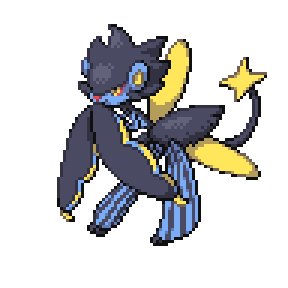
Its body is extremely gooey. As it moves from place to place, it will leave a putrid metallic paste in its path.

The metallic bones in its body are mostly hollow. Using its light weight, an Aggark skillfully jumps from cliff to cliff when traveling.

Aggtula prefers power pylons as their meal of choice. A swarm can easily descend on a power substation and devour it in minutes.

Each of the nails on its arms is connected to a vine. This vine can extend over 30 feet to catch a foe.

Legends tell of a prince from a far away land who travels in search of a flame from an Agglure. In the story, he uses a crystal vial to hold the fire.

A punch from an Agglurk is strong enough to destroy a tank. The alloy throughout its body becomes sturdier as it ages.

When it flaps its large wings, small metal shavings come off. These shavings can get hotter than most household ovens.

It extends its chain to reel in any valuables that it finds on the ocean floor. It consumes any gold or silver it finds with a fiendish glee.

The steel armor covering Aggapex's body is immune to rust. Even after months of being submerged, its plating remains spotless and uncorroded.
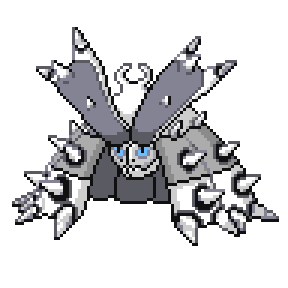
The spoons from an Aggkazam were once melted down to make crowns for Kalos rulers. The crowns defended the kings and queens from mind control.

Its body is covered in a thick layer of steel. Should it begin to rain, Agglem will run to find cover and avoid rust marks.

During thunderstorms, Milodeen raises its horn toward the sky. After a lightning strike, its scales emit a dazzling pink and azure glow.

Miloras's body is sheathed in translucent icy scales. These rare scales are highly sought after to craft magnificent dresses.

Tiny scales around Miloturn's body shimmer brightly. Just before unleashing powerful bursts of electricity, they glow in waves.

A necktie decorated with Milodisc's sparkling scales is a cherished engagement gift. It is believed to ensure a joyful marriage.
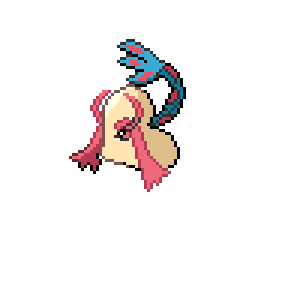
Milocool's tentacles are coated with tiny crimson scales that get lighter when out of the water. Many jewelers attach these scales to necklaces, paired with Shellder pearls, due to their unique beauty.

Miloder's shell gleams like sapphire under the sun. Oddly, the pearls it creates are dull and largely dismissed by Johtonian jewelers.

Salaceus was revered as a god of the skies in early myths. Its shed scales were woven into ceremonial garments for use in dances.
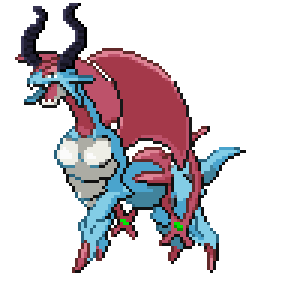
By mimicking the cries of other bird Pokémon, Zorokrow deceives parents and steals eggs from their nests while they're away.
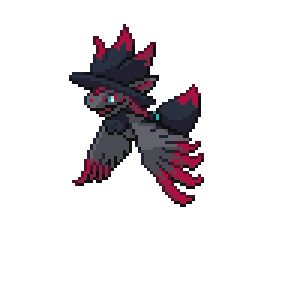
Despite ominous tales, Zorosey is gentle toward lost toddlers. It imitates their parents to guide wandering children safely back to towns.

Zorochu imitates power plant workers with eerie precision. When left alone, it siphons electricity from machines to fuel itself.

If miners enter its cave, Zorogron imitates one of them to lure an individual away. It drags the isolated victim deeper into the mine to feed.

Zorotula disguises itself as a powerplant worker near substations. It absorbs large amounts of electricity unnoticed before slipping away.

Zorothorn mimics the form of lost cave travelers. If approached, it lashes out with Power Whip and drags its victim back to its den.
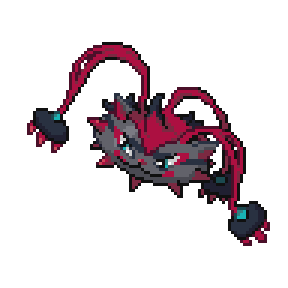
Zorolure lurks in abandoned chateaus, typically posing as a chandelier. It imitates noble figures waving silently from windows to passing travelers.
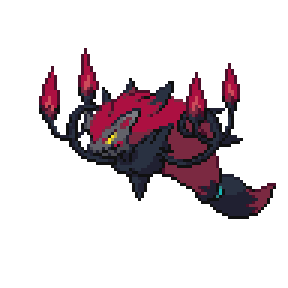
Ancient tablets tell of Zorolurk shifting into human forms during great wars. It can briefly fly by expelling bursts of energy from its limbs.

When hunting, it will create illusions of itself and surround the prey. Once it breaks the prey's spirit, it spits flames at them.

Deep within caves, Zorobat takes the form of explorers. It isolates wanderers from their groups before feeding in the shadows.
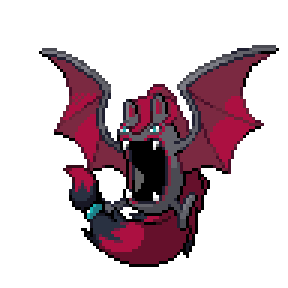
Zoroish disguises itself as a child and plays in parks. If discovered, it releases Sleep Powder and vanishes before anyone can react.
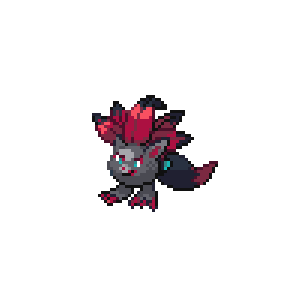
In foggy marshes, Zorovenant takes the form of lost children. It waits for rescuers to draw near before attacking with a Hex.

In coastal mists, Zoromise mimics drowned sailors calling for help. Those who approach are silently dragged beneath the waves.
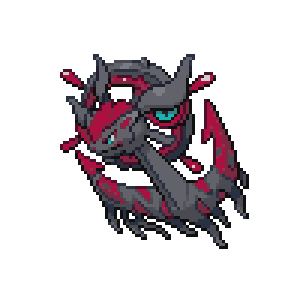
Underwater, Zoroapex mimics scuba divers swimming in groups. It isolates victims with charm before poisoning and dragging them into the deep.

Zoromoth mimics lone hikers with eerie accuracy. When confronted, it bursts into a cloud of violet powder and escapes into the air.

Zorogeist disguises itself as Pokémon invading its pumpkin patch. Once close enough, it drops the illusion and attacks with a powerful Seed Bomb.

Zorolem's rocky body can morph into surprisingly convincing human shapes. It waits silently until prey draws too close.

Zorono takes on the form of hospital nurses and walks silently down the halls. While unnoticed, it feeds on the dreams of sleeping patients.
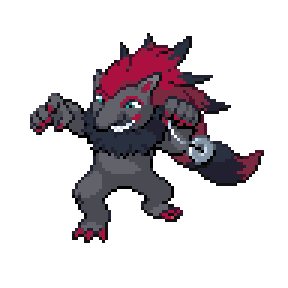
The poisonous gas released by Sylzing induces intense bliss. It also causes dangerous side effects, including suppressing hunger for extended periods.

Each vine of Sylgela is coated in a sticky sap that induces joy on contact. Prolonged exposure, however, can lead to severe mental instability.

When Sylgon affixes its ribbonlike body to a computer, it begins draining stored data at astonishing speed. It can consume multiple terabytes in mere moments.

During winter, Sylowl is known to swoop down and wrap shivering travelers in its soft wings. Feathers from one are said to bring warmth and fortune, many still keep them as lucky charms.

If spotted while scavenging through dumpsters, Sylicate releases a calming aura from its ribbonlike feelers. The effect pacifies witnesses long enough for it to escape.

Sylrow emits a soothing aura from its tail feathers to calm Caterpie. Once its prey is relaxed, it dives swiftly to hunt with a brutal Peck.

Sylrow's feathers naturally release a calming influence. Many hospitals stuff pillows with them to help trauma patients sleep peacefully.
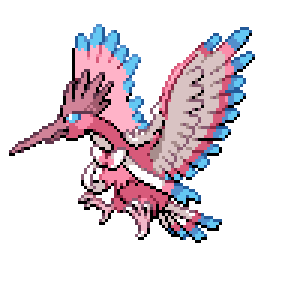
The tip of Sylans's tail releases an aura that suppresses fear and aggression. While prey is subdued, it injects a potent venom with a bite.

If electric shocks fail to stop a fight, Sylchu releases a strong calming aura from its chest ribbon. The opponent usually loses the will to battle within moments of being exposed.

Thousands of volts course through Sylchu's ribbonlike tail. Even brief contact can cause paralysis that may last for months.

When colliding with another Pokémon while digging, Sylshrew emits a soothing aura. This prevents territorial conflict as it retreats further underground.
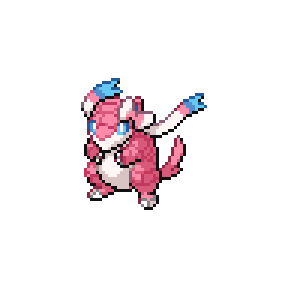
In combat, Sylslash's soft ribbonlike back quills harden into razor-sharp edges. It coils into a ball while releasing calming pheromones to confuse predators.
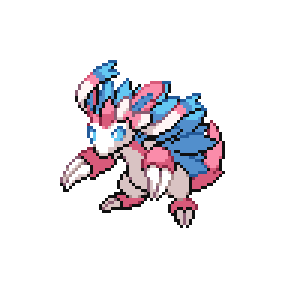
Sylrina releases a soothing aura from its feelers to deter attackers. If that fails, it lashes out with poison-coated feelers to flee.

While sleeping, Sylran's poison-coated feelers emit a steady calming aura. This keeps nearby allies relaxed and prevents panic during severe storms.

Sylrino wraps prey in poison-laced feelers that induce complacency. As the victim relaxes, a fever causing vivid hallucinations weakens their body.
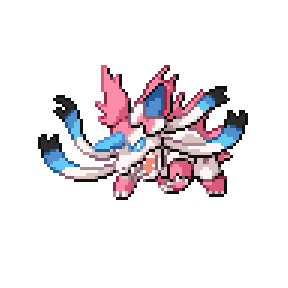
The toxin on Sylking's feelers causes numbness and intense euphoria. While prey is overwhelmed by bliss, it strikes with a powerful Thrash.

During a full moon, the calming aura from Sylfable's feelers expands tenfold. Those nearby experience an unsettling sense of total calm.

Sylpix burns wood into fine ash before consuming it. Some believe the ash has calming properties when used in cosmetic treatments.

In ancient folklore, exchanging a Sylflame feather symbolized a bond never broken. These feathers retain their warmth even in blizzards and are passed down through generations.
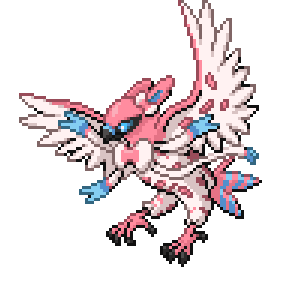
Syltales's fluffy fur radiates warmth and comfort. On cold evenings, groups huddle together, generating remarkable heat within their den.

If its calming aura fails, Sylpuff emits a piercing cry. The sound can force predators into sudden sleep almost instantly.

When distressed, Syltuff's rubbery body produces a high-pitched tone. The sound both soothes and induces widespread sleep in nearby predators.

Sylbat releases a soothing aura from its wings as it flies in formation. The swarm calms targets briefly before striking together with Supersonic.
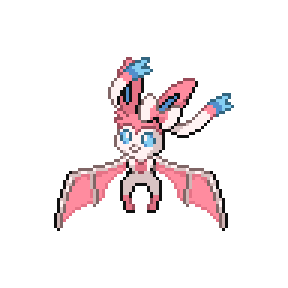
Sylbat latches onto sleeping prey and drains their life force with its maw. A calming venom is injected to keep the victim docile while it feeds.
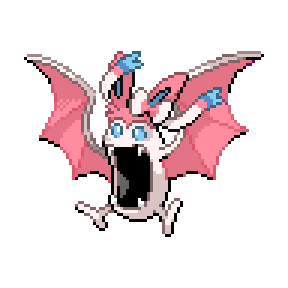
The ribbonlike leaves on Sylish's head emit a calming scent. Groups of three are said to halt even a rampaging Rhyhorn herd.

Syloom grows blue berries that taste extremely bitter yet induce bliss. During battle, it tosses them into a predator's mouth to disable them.

Sylras's spores induce exhaustion mixed with euphoria. It swarms weakened prey and drains them with Absorb before carrying them back to its nest.

At night, Sylsect wanders forests releasing an aura that keeps prey asleep. It plants parasitic spores that allow for remote control later.

Sylnat releases a soothing aura from the ribbons on its antennae to disarm prey. Its eyes then glow as it fires a powerful Psybeam.

Sylmoth scatters calming pink powder from its wing feelers. Once prey becomes complacent, it follows up with a strong Confusion.

Syltrio digs concealed pitfalls throughout its territory. It lures prey into them using a calming aura before attacking.

Sylth's calming aura intensifies when coins are nearby. Each use of Pay Day expands its area of effect significantly.

Sylsian gently coddles distressed feline Pokémon with its long feelers. This contact induces a deep, soothing happiness.

Sylithe's feelers grow dangerously hot when it becomes upset, yet they emit a calming aura. It uses this warmth to comfort others of its kind.

Sylnine dwells near volcanic regions. Just before an eruption, the ribbonlike tuft on its head glows red hot, warning those nearby.

The water Sylwag spits carries soothing properties. Spas across Hoenn collect and dilute it for relaxation treatments.

Sylwhirl's rubbery hands are coated in a sticky substance. Physical contact induces a sense of calm in those it touches.

The ribbonlike structures on Sylwrath's head detect shifts in humidity. When storms approach, it hides beneath lake surfaces until conditions stabilize.

If Sylkazam encounters someone crying, it reads their thoughts to learn the cause. When it judges the problem trivial, it telekinetically forces their lips into a smile.

If calming a target with its aura fails, Sylchop flashes a cheerful smile. It then attempts to uppercut the foe skyward.

Sylchoke performs elaborate martial arts displays to ease stressed Pokémon. If the stress remains, it begins striking with punches until calm or unconsciousness follows.

When sensing sadness, Sylchamp flexes theatrically to raise morale. If this fails, it restrains targets with ribbonlike limbs and subdues them with powerful punches.

Sylsprout prances through flower fields, its lanky vine-like body moving playfully. A forced wave of joy spreads within 20 ft, affecting all nearby whether welcomed or not.

Sylbell releases a sugary scent that draws distressed Bug-type Pokémon seeking comfort. Once close, it drenches them in acid and consumes them.

Sylbell hunts at night, the false face on its leafy appendage glowing softly. It calms prey into a joyful sleep before swallowing them whole.

Pink stones shed from Syldude's body were once used in rituals to soothe children's nightmares. Later studies revealed they had no real effect.

The pink gravel Syler sheds was once eaten in hopes of inducing bliss. Instead, it caused severe digestive distress in those who tried.

As Sylem consumes gemstones, its calming aura expands dramatically. The effect mysteriously resets each dawn.

Syldash coils its long ribbonlike appendages around foes. It then gallops forward, dragging them at high speed to inflict heavy damage.

Sylpoke rarely experiences negative emotions, existing in near-constant bliss. Any brief distress it feels vanishes quickly after a single positive interaction.

Sylton's calming aura affects Steel-type Pokémon far more strongly than others. Some researchers suspect magnetism may be part of the reason, but the true cause remains unknown.

As Sylduo sprints across open fields, its fluffy feathers release a soothing aura. It appears to do this deliberately, spreading smiles to anyone nearby.

Sylgong rescues shipwrecked sailors and carries them to its iceberg den. Its calming aura keeps them docile as the cold slowly overtakes them.

Nidoqueen's horn oozes a toxin that it uses to mark its territory. If someone gets too close, it will Thrash, attacking with wild, uncontrollable force to protect its domain.

Nidolie's horn oozes a poison that freezes quickly upon contact with the air. It flings this poison at prey, freezing them in place and making them easy to capture.

Its tail is extremely strong. Should someone pull it out of the ground while it naps, it will swing its tail with enough force to break bones.

Nidovenant makes its home in dark caves, where it Ingrains into the stone walls. It uses Poison Jab to attack any Golbat that gets too close, defending its cave with lethal precision.

Nidovern emits a high-pitched noise from its ears to disorient its foes. It then stabs with its venomous horn, using the confusion to its advantage during attacks.

Nidoria spits a poisonous haze while it flies, leaving behind a toxic cloud that disorients its prey. This ability allows it to create a dangerous environment, weakening anyone who dares to approach.
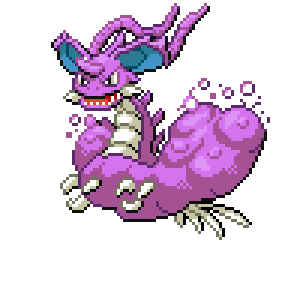
Due to its spikes, Nidor frequently gets stuck in trees if floating too close to the ground. It cannot see well, which makes it prone to accidents as it floats through the environment.
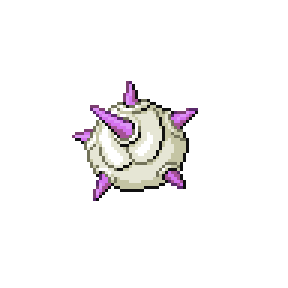
Nidor eats smog while floating through the sky to strengthen its own poison. The polluted air serves as a nutrient source, enhancing its toxic capabilities.

Nidolett feeds on the roots of poisonous plants to enhance its toxins. Even a single horn prick can cause violent fevers.
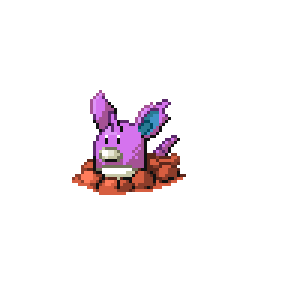
Nidotrio senses prey and whips its tail violently as a warning. It then tunnels at high speed and stabs targets with its sharp horn.

It uses its abnormally large tail to propel itself through the water. It will look for large rocks so that it can eat the algae.

Nidolem uses its horn to loosen quartz from walls, then eats it. The minerals help to fuel its energy, keeping it strong and resilient in battle.

When Kyoceus feels insufficiently revered, massive geysers erupt from the ground. These scalding torrents are powerful enough to destroy mountains.
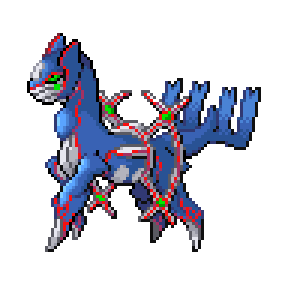
Ancient tablets warn that if Grouceus enters an unreverent city, it will steadily raise temperatures. Entire water sources are said to evaporate under its displeasure.
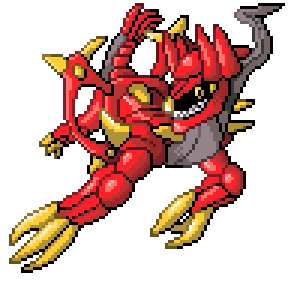
If no one within range reveres Palkceus, it may use Spacial Rend without warning. This makes encounters with a wild Palkceus extremely dangerous as this attack can level skyscrapers.
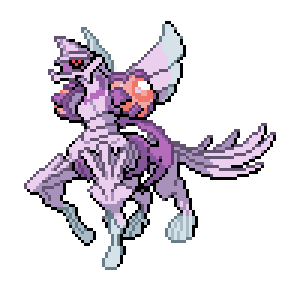
Sculptures of Giraceus were said to grant divine visions or reveal spirits when touched. Though often disproven, occasional coincidences keep these legends alive.

Ancient sages wrote of Wild Regiceus moving continents with 1,000 arms. No record explains where these arms emerge from, fueling endless speculation.

When Reshiceus feels unrevered, it sulks and triggers massive hurricanes. Offerings from humans are said to calm its destructive moods.

Clefbone wanders caves alone, favoring isolation. If disturbed, it retaliates swiftly with Bone Club.

Its tough hide makes it nearly impervious to physical attacks. This resilience allows it to defend its home with ease.

Clefotto's feathers shimmer faintly under moonlight. Headdresses adorned with a single feather from it are said to make the wearer lucky in matters of love.

It cuddles up to larger Pokémon, hoping they will defend it from danger. This behavior makes it a beloved companion among gentle giants.

During a full moon, Cleffy leaps delicately through meadows, its purple fluff crackling with static. The energy it builds up is released in tiny sparks that dance along the grass.

It scurries swiftly and quietly, using stealth to avoid predators. When cornered, it relies on speed and agility to escape.

Scientists state that there are a group of Cleficate that cluster in a cave in northern Kanto. At night they will gaze longingly at the moon.

It digs into cliff walls, creating small burrows for shelter. These cliffside dens provide it with safety and an excellent view of its surroundings.

It loves burrowing into snowdrifts, where it stays warm even in harsh winters. The snow also provides it with a perfect hiding spot from predators.
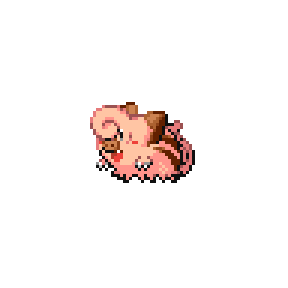
It practices martial moves, imitating Tyrogue to hone its skills. This playful mimicry often leads to surprising displays of strength.

During nights with a waxing moon, Clefchum performs joyful little hops, twirling in the snowy landscape. It makes its home on icy mountains, where the moonlight glistens beautifully on the frost-covered ground.

Its behavior seems tied to the lunar cycle, becoming more energetic during full moons. During these phases, it bounces happily under the night sky, spreading joy to those around it.

Fearful of rain, it hides under dense foliage or rock overhangs. Its aversion to water makes it a rare sight during storms.

It uses its sharp jaws to launch ambush attacks, catching foes off guard. Despite its small stature, it is a formidable opponent.

A large group of Clefable gathers near ponds west of Cerulean City on new moon nights, tossing white stones into the water after performing intricate dances. The purpose of this ritual remains a mystery.

On nights of a new moon, groups of Clefpuff gather and compete to sing the loudest. Their attempts to outdo one another can be so obnoxious that even soundproof rooms fail to block them out.

Its body shimmers in the moonlight, reflecting a vibrant glow. This trait makes it highly sought-after by collectors and admirers alike.

Mediums claim that when Clefbat flies in circles above them during a new moon, they gain the ability to contact their ancestors. This belief has persisted for centuries.
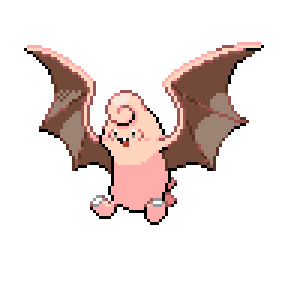
It steals shiny objects, hoarding them in hidden caves. The glimmer of its treasures reflects its mischievous personality.

It enjoys the company of Rockruff, playing rough but friendly games. The two Pokémon form close bonds that last a lifetime.

The large moonstone on Clefbink's body shines a brilliant pink on nights of a new moon. Researchers have yet to uncover the reason for this strange phenomenon.

On nights with a full moon, Clefor floats in circular patterns atop remote mountain peaks. When the morning light touches its body, it briefly glows with a soft pink hue before descending to rest.
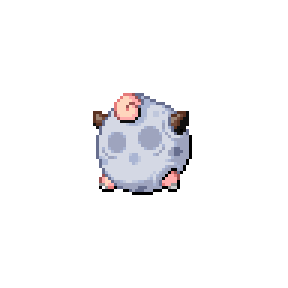
During a new moon, Clefor's body blinks with soft blue light. This flickering is best seen on clear nights as it darts silently through the sky.

On full-moon nights, Cleflett digs intricate patterns underground. Many claim resting near these tunnels brings a sense of comfort.
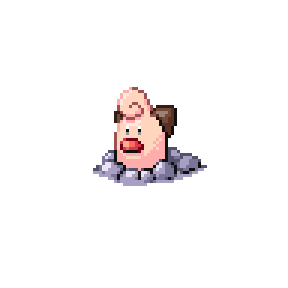
At midnight during a full moon, all three of Cleftrio's heads stare skyward for exactly five minutes. Researchers have no explanation for this ritual.
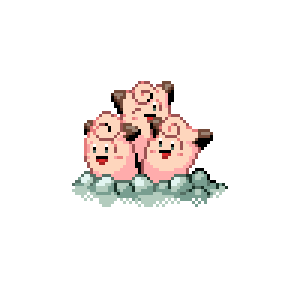
It rolls boulders to create barriers around its home, ensuring its safety. These natural fortifications deter most intruders.

Clefler levitates its heavy stone body for exactly 12 seconds at midnight on the night of a full moon. Once the effect wears off, it crashes back to the ground with a loud thud.

It sings a haunting song during foggy days. The left head will vocalize the low tones and the right head sings the high tones.

It generates an eerie mist that unnerves even the bravest opponents. The mist often signals its presence long before it is seen.

It digs deep tunnels to travel undetected, emerging only when necessary. These underground paths also serve as escape routes.
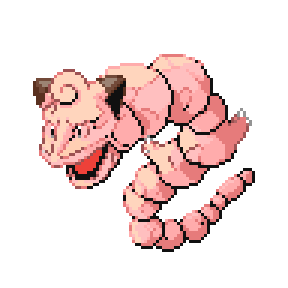
Ancient nations honored Zekceus during violent storms. Being struck by lightning during these festivals was considered a sacred honor.

Kyueal can freeze water beneath it as it rolls along the sea. The resulting ice is so dense that a ship striking it could be torn apart.
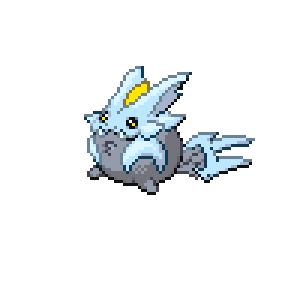
Its rubbery arms inflate with hot air before striking. This buildup of heat makes its attacks both powerful and unpredictable.

When in danger, it inflates its body to twice its size, releasing static electricity from within. This shocks attackers and creates a diversion for escape.

Floating over meadows, it leads a flock of Drifloon, ordering them to abduct people and Pokémon. Its eerie presence inspires fear across the land.

It inflates its body with air, unleashing gusts of hot wind to scorch enemies. This fiery attack makes it a dangerous opponent in battle.

Ancient records claim a single breath of Drifbceus's heated air could warm an entire city. During harsh winters, offerings of honey and relatives were made in worship.
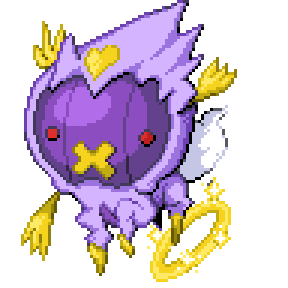
It wraps its legs around an enemy's head to blind them before releasing supersonic pulses. This tactic incapacitates foes effectively.
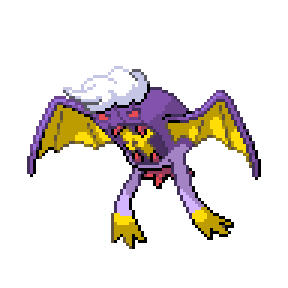
While dancing among clouds, Drifbcorio emits mysterious music from deep within its body. Its body fills with hot air as it dances, keeping it aloft for hours.

Drifbkin expels hot air from its gas-filled head to adjust its flight trajectory. With the added ability to unleash fire attacks, it becomes a fiery force in battle.
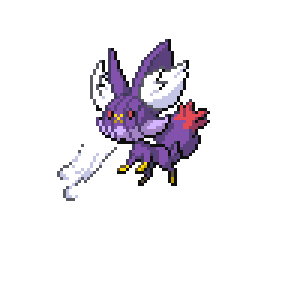
It fills its body with air to hover above the ground before dropping a devastating kick onto its enemy. This airborne attack catches foes off guard.

Farmers once worshipped Lopceus as a god of root crops. Wooden effigies of it and offerings of vegetables were made yearly to secure harvests.

Lopblim floats silently above farmland, stealing vegetables and berries with its long ribbon-like arms. Farmers must guard their fields carefully to avoid nightly losses.

Lopbarel builds its muddy lodge near fertile soil and plants carrot seeds around it. Even if it doesn't eat them, it compulsively replants them over and over.

Brebone's skull-like head is composed of dense mycelium packed with spores. If damaged, the spores disperse and can induce fevers in those nearby.

Brepod hardens its body when danger is near. If struck, it releases a burst of spores that lull attackers into a deep sleep.

Brehorn sheds sap from its cap, leaving a trail as it moves through forests. These drippings are known to have medicinal properties, and are treasured by Pokémon healers.
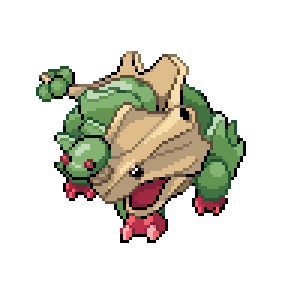
Bresey mixes natural herbs into potent salves, applying them to heal injured Pokémon. Its remedies are widely sought after for their remarkable effectiveness.

Brekhan weaves brambles around its territory, creating natural barriers to protect its young. These thorny defenses are nearly impenetrable to outsiders.

Brefree cultivates hydrangeas near its nest, using the flowers to camouflage itself from predators. The blooms also serve as a lure, attracting smaller Pokémon to its territory.

Brether sharpens its hardened fungal arms against rocks to keep them razor-thin. It slashes at trees with lightning speed, leaving deep cuts filled with fast-spreading fungi.

The spores that fall from Bredrill's tail emit a sweet honey-like scent. However, inhaling too much can cause intense fevers and vivid hallucinations.
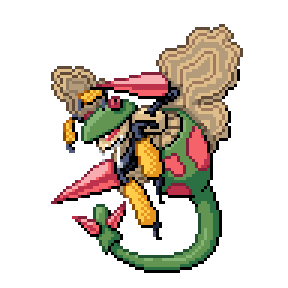
When Breret wags its fluffy tail, it releases trillions of tiny purple spores. These spores lull predators to sleep, allowing it to escape unharmed.

Breluff spreads clusters of floating spores that drift for miles on the wind. If these spores land in fertile soil, they quickly sprout into strange fungi.

Breflora shapes clay into small sculptures, displaying them proudly near its den. These creations often resemble local Pokémon, showcasing the inspirations it draws from its surroundings.
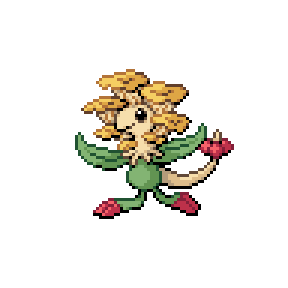
Brecross forages for portobello mushrooms, storing them in its pouch for later consumption. It uses the energy from these fungi to power its powerful strikes.
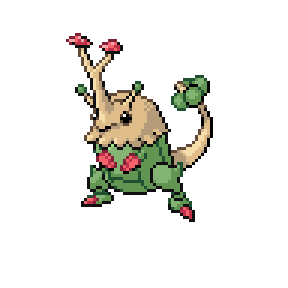
Brelia's spores give off the aroma of porcini mushrooms, attracting food enthusiasts from far and wide. It uses this scent to lure unsuspecting prey closer.

Brewile decorates its territory with peonies that it finds, adding a delicate beauty to its otherwise rugged environment. The flowers act as both a lure and a trap for curious Pokémon.
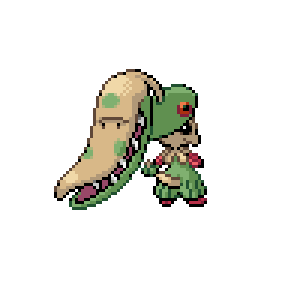
Bresol radiates an aura of madness, unsettling even the calmest of creatures. Despite its wild nature, it moves with precision, striking fear into those who encounter it.
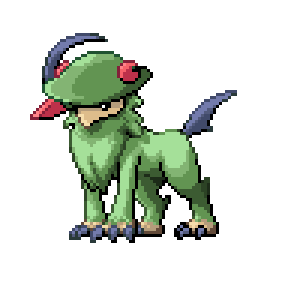
The mushroom cap covering Breno's eyes limits its vision, forcing it to rely on its sense of smell. It spends its days wandering caves, spreading spores wherever it goes.

Brecada burrows underground during the day, only emerging at night to spread its spores. It spreads powder from its mushroom-covered head to camouflage itself among tree roots and fallen leaves.
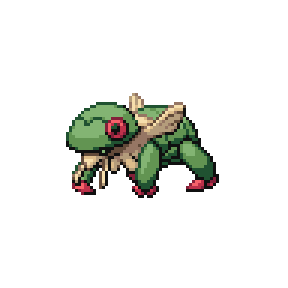
Breroth weaves through dense bushes with unparalleled agility, using them to conceal its movements. It thrives in overgrown areas, where it blends seamlessly into the foliage, always ready to ambush.

Brepede's legs contain powerful toxins that can paralyze foes with a single kick. Its spores blend with its venom, creating a hallucinogenic effect when inhaled.

A creamy, Haban Berry-scented sap drips from Breoom's nose as it stands motionless on tree stumps. This aroma attracts small prey like Igglybuff, which it mercilessly drains with Giga Drain.

Brewear embodies exhaustion, always teetering between bursts of energy and moments of collapse. Its powerful strikes are unpredictable, draining both itself and its opponents.

The mushroom on Bresect's head releases a constant cloud of orange spores. These spores can infect the soil, causing large patches of glowing fungi to grow overnight.

Bremoth releases spores that cause persistent coughing, disrupting foes mid-battle. It uses this distraction to strike with precision, leaving opponents struggling to recover their breath.
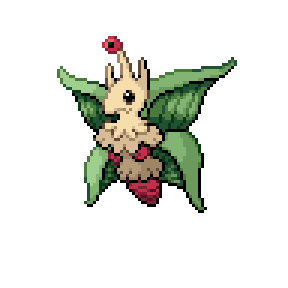
Brebell's spores smell overwhelmingly sweet, attracting Pokémon looking for nectar. However, inhaling too much of its scent causes intense dizziness and drowsiness.
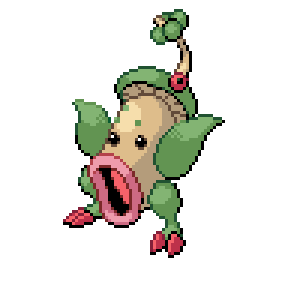
Brefetchd's body is covered in a soft, mushroom-like material. Many chefs harvest small portions of it to craft rich, Rindo Berry-based sauces.
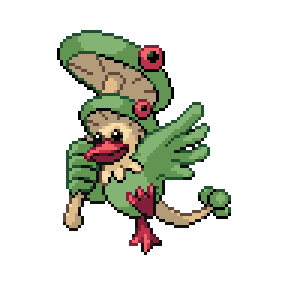
Breduo often causes confusion with its erratic movements, leaving opponents uncertain of its next action. Its dual nature keeps even experienced Trainers guessing.

The other five heads of Nincute rotate around the base head at extremely high speeds, making them seem almost invisible. Its telekinetic powers allow it to move debris out of its way while traveling, ensuring a smooth flight path.

Ninwoodo pretends to be a tree within groves of apple trees, despite not looking like them. If someone approaches, it will use Mud Slap before dashing away, trying to trick intruders into thinking it's just another tree.

Ninluff prefers not to use its wings unless the wind stops, instead letting the breeze guide it around forests. It makes its nest in the trunks of Red Apricorn trees, thriving in peaceful and sheltered environments.
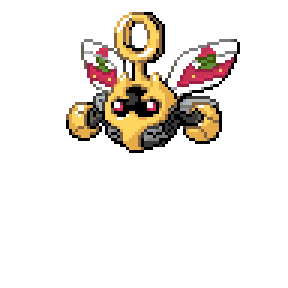
Ninphan will slam its heavy trunk into prey like Yanma to knock them out of the air while it flies. It follows up with a Rollout to finish the prey off, using its power and speed to dominate its foes.

Ninrina will fling a poisonous liquid from its wings as it flies to deter predators from its territory. This defense mechanism allows it to keep its space clear and its kin safe.

Ninrino is intensely rivalrous with other Pokémon. It will engage in mid-air jousting matches to determine dominance, using its speed and agility to assert its position as the superior fighter.
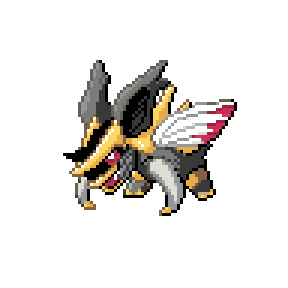
Ninpent flies around at night, its soft purple glow dancing happily through wheat fields. It snacks on the plants when it gets tired, dimming its light when eating and creating a serene atmosphere in the fields.

Ninmuku uses its wings to propel itself at high speeds deep under the ocean. Its powerful flight allows it to move swiftly in underwater environments, where it navigates the sea floor in search of food.

The fin on Ninxew's head slightly moves to cause drastic changes in its flight pattern. With this, it can easily turn at 90-degree angles in close to an instant, making it an agile and unpredictable flyer.
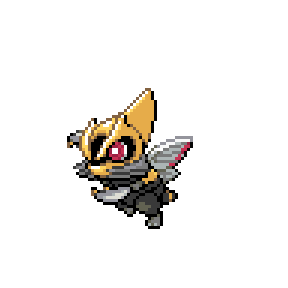
Ningast makes its home on beaches, using its claws to sort through sand to add to its body. The way it makes these choices has baffled scientists for years, as it seems to have an uncanny ability to select specific sand for its collection.

There are tales of sages relying on its silk to tie a person's soul to their body after death. The ritual requires a silver needle and a crystal.

Its primary habitat is in urban areas. While hunting for food, it will dance within the shadows of alleyways to wait for lost tourists.
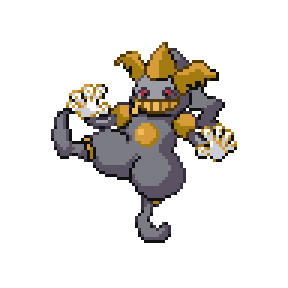
It is constantly searching for objects to test its blades on. Should it find something it cannot slice, it will spend weeks tirelessly sharpening its claws.

Many Bansir prefer to live in abandoned textile factories. It will consume any loose fabric or string that it finds in order to satiate its hunger.
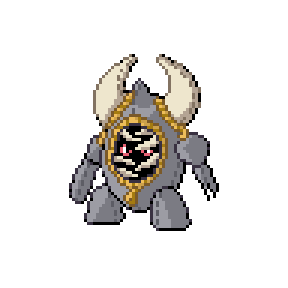
It prefers to make its nest in marshes. The venom within its horn lets loose a foul odor that smells like rotting Pecha Berries.

It has a hard time sleeping when it is not in direct contact with the moon's light. If it attempts to sleep during the day, it will become restless.

The string that it produces was used by cultists to create dolls in ancient times. These dolls were said to have the power to inflict powerful curses.

Despite looking like it is full of cotton, its body is extremely hard and similar in density to quartz. When sleeping, it will stand upright and remain completely still.

Due being so lightweight, it is easily blown away by the wind. Should it be caught in a tree, its eyes will glow brightly as it wiggles free.

The pollen that comes from the flower on its head gives off a smell that is reminiscent of rotting meat. It uses this to deter predators from its nest.
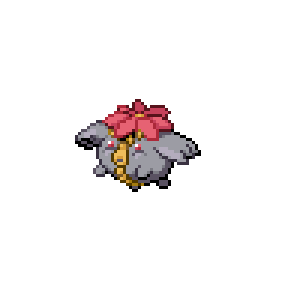
It prefers to live in humid environments, allowing its body to stay moist. The sweat that beads off of its body was once used in a poison that caused nightmarish delusions.

It steals yarn and string to create its nest. A Bankrow only deems its nest complete once ten different fabrics are incorporated and sewn together.
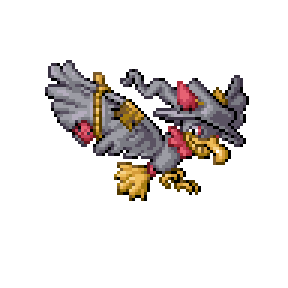
Its shell will become softer if it feels happiness. Because of this, it's important during combat for a wild Bantress to think of horrible experiences to keep its outer layer strong.

It emits an aura while it rolls that can cause negative feelings in adults. This can cause crying, fits of rage, or even a deep depression.

It spends its days gathering dead flowers and bringing them back to its den. It can eat a pound of flowers for a single meal.

Bankip often steals plush toys from playgrounds to consume the cotton inside. If approached while eating, it sprays the intruder with Water Gun and flees.
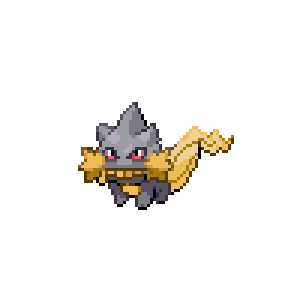
When it gets upset, it will begin to cry orange tears. The tears are extremely poisonous and should not be touched.
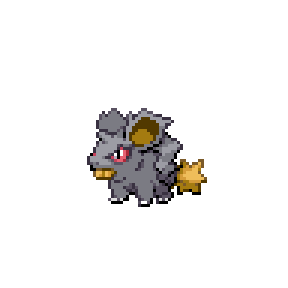
Bansol collects cotton from fields to fill its soft body. If it senses a tornado approaching its favorite field, it screams with a loud, human-like voice to warn nearby farmers.

A single touch from a Banclops is said to curse a person for a lifetime. The legends say the curse causes its victim to become unable to fall in love for the rest of their life.

There are stories that say that a Banran can hear things in alternate dimensions. There is no factual knowledge that backs this up.

It actively seeks out objects with high sentimental value and eats them. The more love a person has for the item, the more delicious Banray finds it.

A colony of Bancada recently were found in the vast cave systems of Mt. Shady. Their claws are deceptively sharp and able to dig through solid stone.

Its eyes glow a deep crimson if it becomes jealous. If it encounters a traveler, it will attempt to steal something valuable from them out of greed.

It laughs like a child from shadows while watching children play. Should a child get too close to the shadow, it will pull them in and feed off of their fear.

Banbat beats its soft, plush wings at incredible speed to stay aloft. During rainstorms, the wings absorb water, slowing its flight until it can dry off.
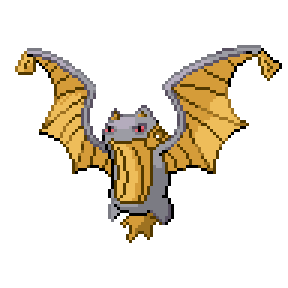
Its roots extend deep into the mud to absorb nutrients. It prefers to live in wetlands and other areas with plenty of fresh water.
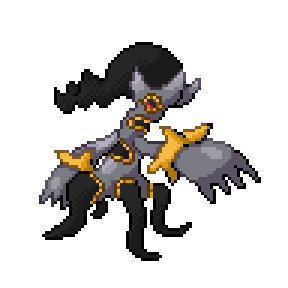
There is a children's story of Banwear that watch for children who do poorly on tests. Once they get bad grades, it will steal them from their home.

It spends most of its time in deep caves, only emerging in the middle of the night to gather food. Its fangs are able to break solid marble.

Banbink absorbs life energy through the gems on its body. If it unzips its mouth, it releases that force in an explosive burst that can level homes.
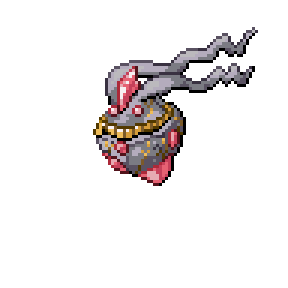
Its eyes tint to a darker color of red when it is in darkness. Doing so, it can read heat signatures from both predators and prey alike.
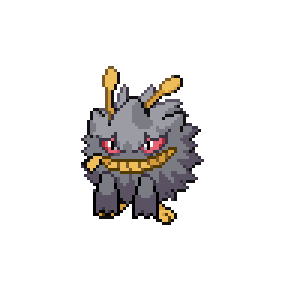
Its fur is incredibly light-weight and easy to tailor. There is a weaver is Greenstation Town that makes elegant gowns with this material.
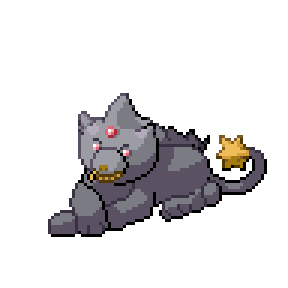
When it is alone, it will wail for hours due to its loneliness. The sound of its cry can get so high-pitched that it can break glass.

Roceus possesses electronic devices to broadcast mind-altering signals. Those affected believe it divine until it leaves the machine.

Rocorio performs a slow, rhythmic dance before entering TVs or radios. Though it causes static, some say loved ones briefly appear on screen.

Once worshipped as a god of the future, Reuniceus granted false prophetic visions to followers. Its gelatinous body trembles as it meditates deeply, linking arms with any worshippers nearby.

Absorbing too much moonlight causes it to build up unstable energy, leading to explosive consequences. This makes it a hazardous presence on clear, moonlit nights.

It fiercely defends its nest with brilliant rays of Moonblast. The radiance of its attacks often deters even the most determined predators.
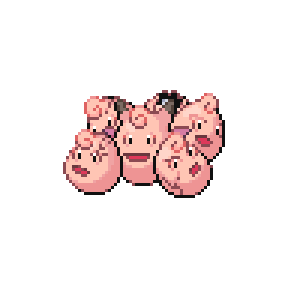
Clefbone prefers sleeping under direct moonlight. When in a deep slumber, a soft cooing can be heard from within its skull.

When it swings its bone, it lets loose crushed gemstones. Kanto astrologists use the pieces to divine the future.

Its Life Dew is known to heal even the most severe wounds, restoring life to those in critical need. Many Pokémon seek it out in times of great distress, hoping for its healing touch.

To keep allies safe, it uses Follow Me, drawing attention away from them. This selfless act ensures its companions remain unharmed.

Powerful Rock Slides are its primary defense against threats. It uses these attacks to block pathways and protect its territory.

It creates trinkets from small rocks, gifting them to travelers for good luck. These thoughtful gestures make it a beloved companion among those on long journeys.

On moonlit nights, Clefkhan holds its Cleffa up toward the sky for hours. No one knows why, but some believe it is a ritual to bring good fortune to its offspring.

If it catches sight of its reflection, it may become anxious and lose focus, breaking its mimicry. This moment of vulnerability reveals the delicate nature beneath its playful exterior.

If Clefotto cannot see the full moon on a night when one is present, it chirps nonstop in distress. Some Trainers carry Moon Stone pendants to calm it down.

Cleffy absorbs the moon's light into its body, amplifying the power of its electricity. On full moon nights, its fur crackles with energy, making its wool glow faintly.

Clefrow somehow flies faster during full moons, soaring effortlessly through the night sky. Researchers have yet to determine why moonlight enhances its speed.
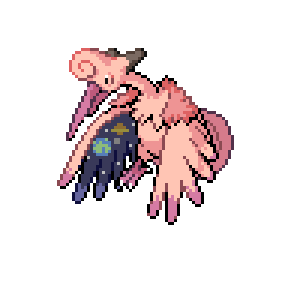
It makes its home in forest caves, where the ambient magic enhances its abilities. The tranquil energy of these caves provides a safe space for it and its allies.

It can eat its weight in Nanab Berries without slowing down. This insatiable appetite makes it a frequent visitor to berry orchards.

It wanders deep in jungles, using its vines to navigate through dense foliage. This Pokémon is known to assist lost travelers, guiding them to safety with gentle tugs.

Old religious writings credit Clefceus with causing the moon to shine each night. Entire lunar dances were performed in reverence of this belief.

Clefairy gathers stones and arranges them in a perfect circle once per week. On moonlit nights, it dances gracefully within the formation, glowing softly as it moves.
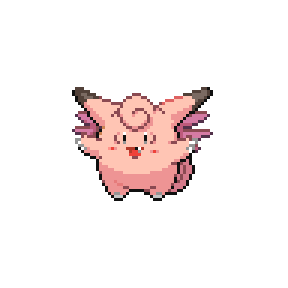
On full moon nights, clusters of Clefpuff float together in a perfect spherical formation, singing in unison. Their combined voices create an otherworldly melody that echoes across the land.

On full moon nights, Clefbat mysteriously stops flapping its wings and glides effortlessly. Some believe the moon's pull allows it to defy gravity for a short time.
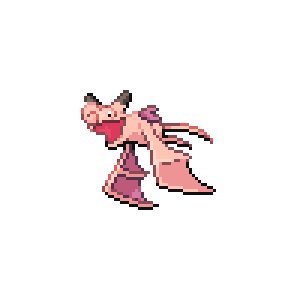
Crystals embedded in its body shimmer under moonlight, amplifying its mystical presence. These crystals are believed to store energy, which it releases during intense battles.

Lamps and bright lights irresistibly attract it, making it a common visitor to campsites. While its presence is harmless, it sometimes causes mischief by blocking light sources.
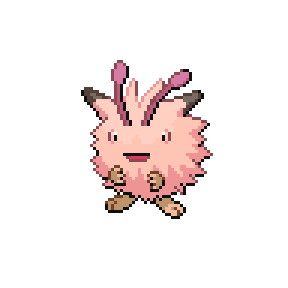
During moonlit nights, Clefor floats across the sky, trailing bursts of pink light. At sunrise, its ability to float mysteriously fades and it rests on the ground.
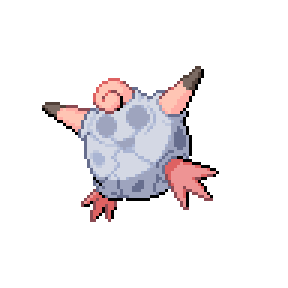
Trace amounts of Moon Stone dust appears in soil Cleflett digs through. Older individuals leave noticeably higher concentrations behind.

Folklore claims that if all three of Cleftrio's heads wink during a new moon, the witness will enjoy a year of financial luck.
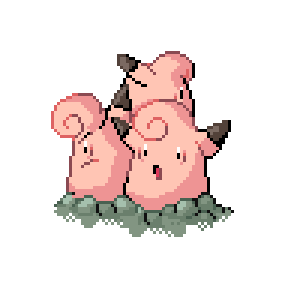
Clefdude frequently attempts to throw stones at the moon for an unknown reason. Despite its best efforts, no stone has ever been recorded making it past the treetops.

The cotton-like substance around its body muffles nearby sounds, allowing it to mimic others in complete silence. This eerie trait makes it difficult to tell when it is nearby.
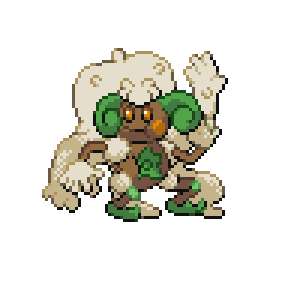
It burrows underground, using tufts of its own fur to line its den. The cotton retains warmth, making its nest one of the coziest hiding spots in the wild.

As the sprout atop Whimsiwig grows, cotton fibers flourish across its body. In Celadon City, tailors harvest this fluff to make durable swimwear.

Whimsibre stores large amounts of water in the cotton on its head. It submerges itself in ponds for hours, as drying out can prove fatal.

All night, Krookoperior swims through desert sands as if they were water. Its horn detects body heat, letting it track prey hidden below the dunes.

With a blade-like body, Krookoslash guards its sand dune home like a seasoned knight. It performs sweeping slashes with elegant precision.
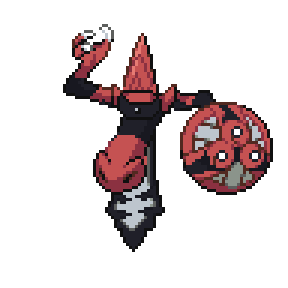
Golden sands swirl like flames within Krookolure's translucent body. At night, it glows faintly, luring wanderers through the desert.
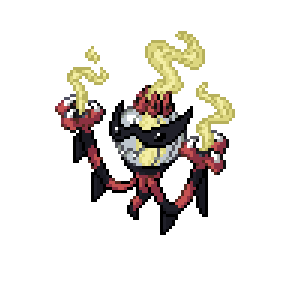
Krookobarel swims near desert oases, biting at travelers with its enormous jaw. Its presence alone often keeps others far from the water.

Krookorok grabs prey with jagged claws and delivers a devastating Crunch. It regularly prefers to attack from beneath shifting sands.

Krookolie hides deep within frozen caves at sunrise. If approached, it bares its claws and uses Scary Face to drive intruders out.

Bone-like wings let Krookovern glide through desert nights. It emits thunderous booms from its ears to disorient foes mid-flight.

Krookoty fiercely guards its sun-drenched dune territory. Its massive jaws can crush vehicles, and it bites without warning if approached.
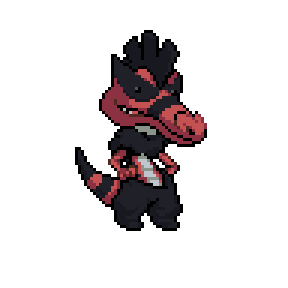
Cofabone roams desert temples seeking combat with others of its kind. It wields its bone like a short sword.

The tongue extending from its mouth is made of tightly entwined silk. This sticky appendage helps it cling to surfaces and capture prey.

It drills into solar panels and weaves webbing inside to absorb electricity. This behavior has caused issues at solar farms near mountain ranges.

Its body is cloaked in translucent silk, and each vine is coated with nearly invisible webbing. These webs are both sticky and surprisingly strong.

A tailor in Brussel Town designs elegant hats with its silk. These hats are popular during spring festivals for their lightweight feel.

A shop in Luxuria Town specializes in bug nets crafted from its web. These nets are popular for their durability and fine mesh.

It digs up power lines to chew on the insulation. This habit often causes electrical surges in rural areas.

A weaver in Emeragrove Town creates socks from its silk. The socks are celebrated for their unique ability to repel static electricity.

Its silk is laid over flowerbeds to suppress weed growth. Gardeners in small towns rely on it to protect their plants.

The cotton-like tufts from Galvanluff carry a faint static charge. These fibers cling to surfaces, aiding it in creating complex webs.
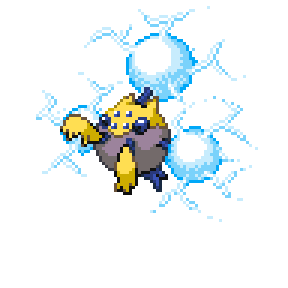
The tip of its horn has tiny, wall-crawling legs. It suspends itself from ceilings before ambushing prey with an expertly aimed web.

It flings webbing from its tail to ensnare foes. Once trapped, it shocks them with a powerful jolt of electricity.

Its glowing eyes allow it to see perfectly in the dark, making nighttime raids on farm plots easy. It can strip an entire field of crops overnight.

It hurls sticky balls of webbing at foes to ensnare them. Once immobilized, the prey is left vulnerable to its electric attacks.

A tailor in Nimbasa Town crafts hair ties using its silk. The ties are praised for their durability and soft texture.

It uses its sturdy body to assist with electrical work in hurricane-prone areas. Its silk helps stabilize power lines and prevent outages.
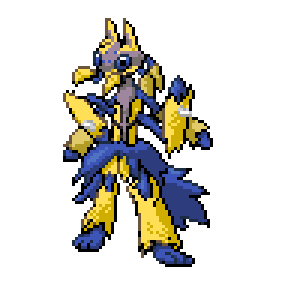
A seamstress in Vertress City makes raincoats with its silk, infused with its venom. The coats are waterproof and surprisingly resistant to damage.

Shops in Camelia Town use its silk to create durable skirts. The material is highly sought after for its strength and flexibility.

It scales lit street signs along highways to absorb electricity. These nocturnal climbs often disrupt nearby lighting systems.

A weaver in Astilbe Town uses its silk to craft protective vests. These vests are prized by miners for their durability and comfort.

It stands as a sentinel near shipping docks, throwing its web to secure drifting debris. Sailors trust it to keep waterways clear and safe.
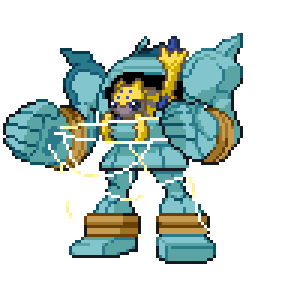
It spits webs onto foes using its beak, immobilizing them. It then unleashes a powerful Ember to roast its prey.
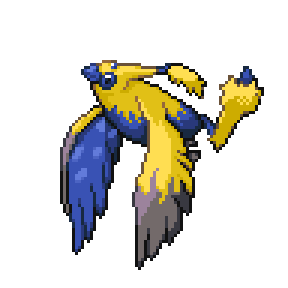
The legs on its head are used to weave silk into intricate patterns. These patterns are often admired for their artistic beauty.

Its electric web keeps gears in power plants running smoothly. Engineers rely on its high conductivity and lightweight consistency.
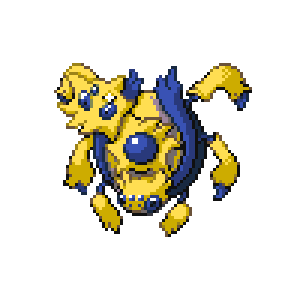
Electricians incorporate its silk into power lines for tall buildings. The material's incredible strength ensures long-lasting stability.
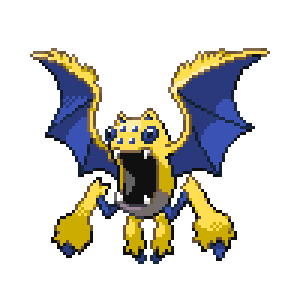
It fires large globs of webbing coated in Stun Spore at foes. This tactic paralyzes prey, allowing it to capture them with ease.

It spreads its sticky silk across the water's surface to reel in floating ship debris. It will eat debris regardless of what it is.
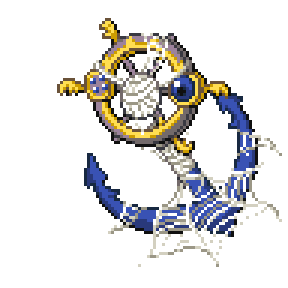
Galvanapex spits massive webs charged with electricity to ensnare prey like Corsola. Once caught, it drags them into caves to feed alone.
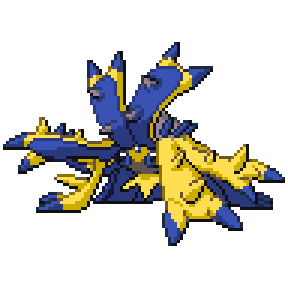
It spits webs at lightposts to climb closer to the light source. After reaching the top, it rubs its snout against the bulb, absorbing its heat and energy.

A merchant in Daybreak Town crafts scarves from its silk. The scarves are known for their soft texture and ability to retain warmth.
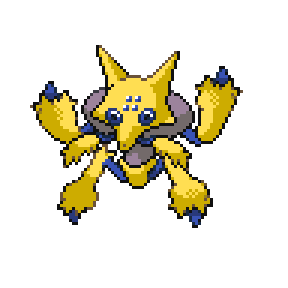
Though it appears stone-like, its exterior is composed of tightly woven silk. This silk is remarkably resilient against physical attacks.

It channels its electric power through its pendulum. The charged pendulum emits a faint glow, entrancing nearby foes.

When transforming into an enemy, the vines on its body pulsate rhythmically. This motion redirects nutrients and fluids to aid in its transformation.

The thorn on the top of its head holds the most nutrients. When ground up, it is used in the creation of X Attack and X Accuracy supplements.

The metal tips of its tail-like vines pulsate with magnetic energy. When disturbed, it releases a powerful Thunder Shock to deter threats.

The metallic object attached to its vine resembles a spinning top. It coordinates its attacks with the top's movements, using the momentum to enhance its strikes.
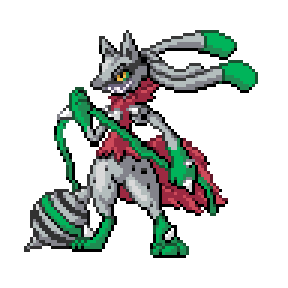
The long, tail-like vine protruding from its rear can be wielded like a whip to dispatch foes. Its precision and power make it a fearsome weapon.

If trespassers enter its territory, it transforms into their likeness. While they are confused, it attacks with a flurry of barbed spikes, forcing them to flee.

The tips of its vine-like legs are magnetized, allowing it to attach to metallic surfaces. This adaptation gives it an advantage in industrial environments.
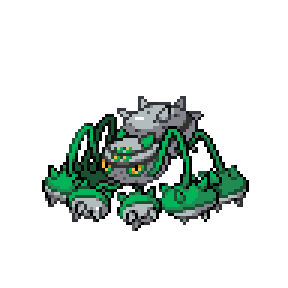
It sleeps near jungle ruins, defending the tombs of ancient rulers. Its vinelike arms can extend up to 40 feet, delivering devastating punches to intruders.

While resting, it extends its vines to nearby tree limbs, hanging high above the forest floor. If disturbed, it unleashes a Fire Spin to trap its foe before escaping.

The plant-like maces it wields are adorned with platinum spikes. Using its telekinetic powers, it throws and redirects them with incredible accuracy.
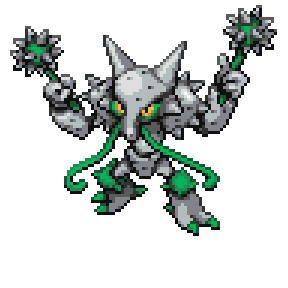
The thorny bush growing from its neck produces sweet and nutritious berries. Pastry chefs in Snowpoint City use these berries to craft exquisite tarts.

Litkrow flies around ancient gravesites, pecking at those who wander too close to its hidden nest. Some believe it is a guard of those who recently departed.
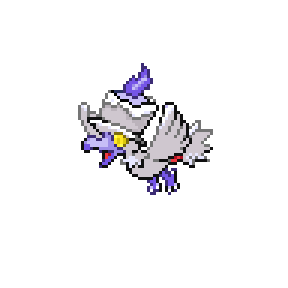
Ancient royal customs called for Litdreavus's pearls to be placed on deceased rulers. The heated necklace was believed to guide their souls safely to the afterlife.
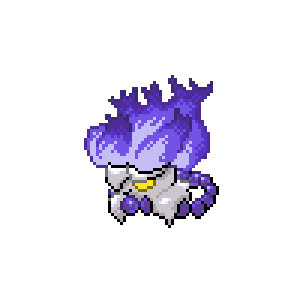
The gems at the base of Litmagius's body were once ground by apothecaries and used to boil potions. Brews made this way were said to be incredibly potent.

Many Litomb dwell in ancient treasure vaults, illuminating the space with haunting flames. Their bodies are said to contain the souls of treasure hunters who perished nearby.

As Litskull floats through graveyards, wax drips from its body, marking its trail. In ancient cultures, the wax was seen as a curse and was strictly avoided.
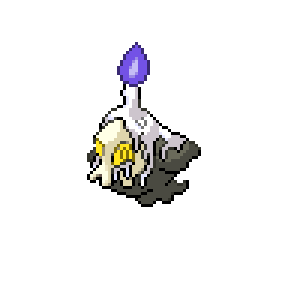
Litclops's hollow body is encased in a brittle, wax-like shell. Its cries echo eerily from within its chest.

Litchar's wax was once used by royalty as sealing wax due to its high melting point, which allowed it to adhere to important documents for extended periods.

While sleeping, Litang's waxy gears harden completely. Upon waking, it must heat its body quickly to begin rotating once more.
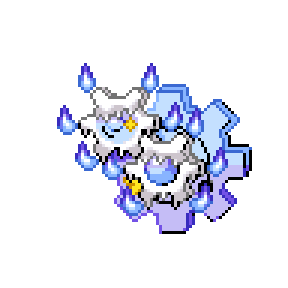
Litbat swarm out of caves at sunset, their flaming heads lighting up the evening sky. Tourists gather from afar to witness the dazzling display.
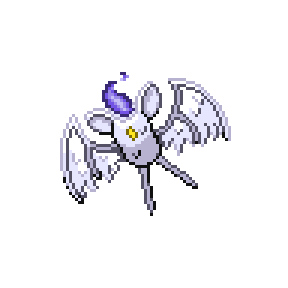
Litesta scales the walls of ancient tombs using its wax-covered feet. The wax it spits is hot enough to rival lava.
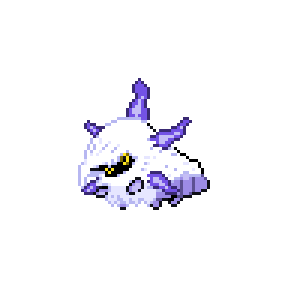
After consuming large amounts of malachite, Liteye's waxy body hardens, and it enters a deep slumber. Its flames dim to avoid detection.

Litcorio waves its waxy wings in slow, elegant dances. If one listens closely, a soft lyre melody seems to accompany its movements from an unknown source.
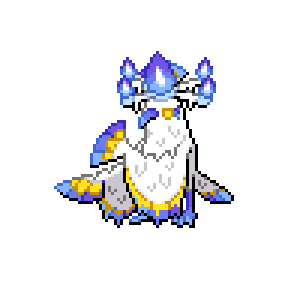
Litlucha trains by performing acrobatic leaps from gravestone to gravestone, leaving behind waxy footprints with every landing.
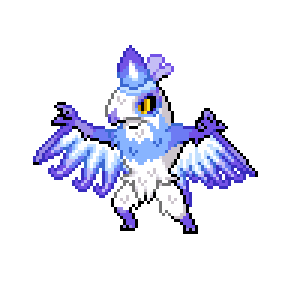
Litzee's flame flickers brighter when it gazes into someone's dream. It gleefully devours bad dreams, savoring the fear.
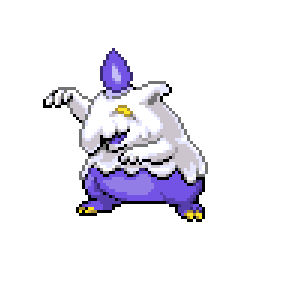
Lampther's bladelike arms are made of fragile glass. When enraged, it superheats them and flings molten shards to burn foes.

When happy, Lampreon's tail glows with intense light. Its mane dances like fire but remains cool to the touch.
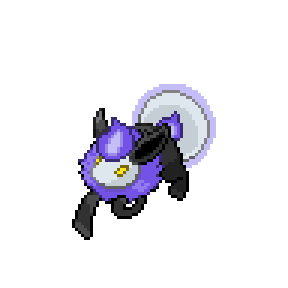
Lamptress hangs from cave ceilings by hidden threads. As it dreams, the flame within pulses rapidly, casting strange shadows.

Lampcargo's body is composed of molten glass. It slithers up cave walls to sleep in safety, far from creatures that dwell on the ground.

After howling, Lampdoom's paws glow with a bright violet light. This glow boosts its speed, allowing it to swiftly chase down prey.

Lamptler's large, metallic antlers heat up when someone enters its hidden glade. It only lowers its guard if it senses kindness in their heart.

Lampgrowth uses its thick vines to shield its delicate lanterns during battle. The lights constantly shift position to avoid incoming attacks.

Lampinja's body is incredibly delicate; one careless touch can shatter it. It remains motionless unless fully prepared for danger.
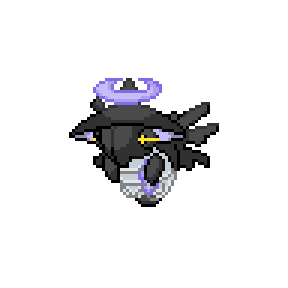
Lampchar leaps through treetops with fiery agility. It roasts Nanab Berries over its tail before eating them mid-jump.
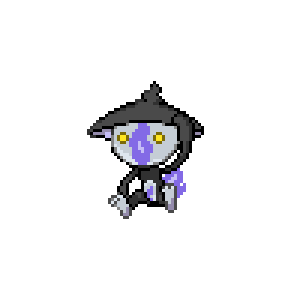
Lampjask darts through swamps with incredible speed. Its head flashes in short bursts, hoping to catch the attention of a mate.

When frightened, the black wax on Lampwick's head melts rapidly. It scatters the wax behind it to slow pursuers while fleeing.
In deep-sea caves, Lampmuku raises its small lantern to guide lost scuba divers toward safety. Its light is soft but reliable.
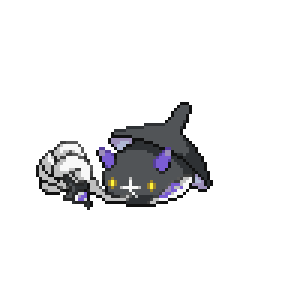
Lampki attaches itself to abandoned castle walls after collecting forgotten keys. It lights up every night, hoping to return them to owners who never come.

Lamproth defends its abandoned hotel home with fiery claw swipes. It uses bursts of Smog to disorient and trap unsuspecting prey.
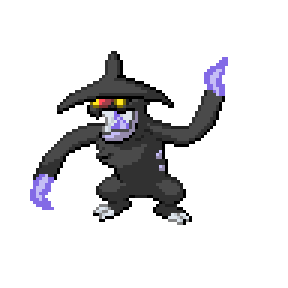
Lampang's gear-like base rotates slowly while its head glows purple. The sudden flash can briefly stun foes during battle.

Lampet floats through abandoned castle courtyards in the evening, its lantern dimly glowing. Staring too long at its light is said to bring terrible luck for the rest of the night.

The flame inside Lampsion burns hotter as it sleeps, causing the goo encasing it to bubble and shimmer with heat.

Lampseed dangles from pine trees in deep forests, its purple flame flickering. Travelers often mistake them for ghost lights.

Lampxew's tusks burn with violet flame, which it uses to carve symbols into trees. These glowing marks warn others of its territory.

Lampesta rests deep in desert caves. While sleeping, the light in its abdomen glows faintly, giving off gentle warmth.

Lamprunt's tail orb glows deep violet while biting down on a foe. As its grip tightens, the glow intensifies to a piercing brightness.

The flame on Lampkoal's shell changes color based on its diet. Consuming sulfur can turn its fire into a radiant golden hue.
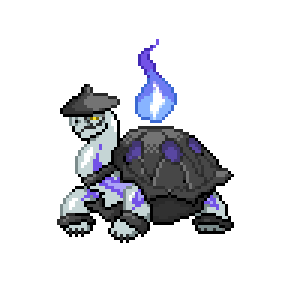
Lampsian haunts abandoned hotels, using its bright glow to stun intruders. While they recover, it silently steals their valuables.

It mirrors the reflections it sees, becoming an eerie mimic of its surroundings. This strange duplication often confuses even the most observant Pokémon.

At night, it saves lost souls, lighting their way home with a gentle flame. Its warmth offers comfort and protection to those it encounters.

It sparks with lightning, discharging electrical bolts alongside bursts of flame. The combination of fire and electricity makes it an unpredictable opponent.
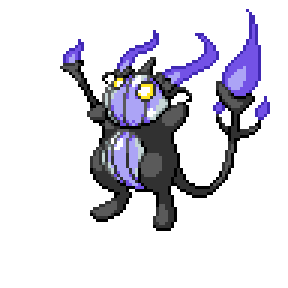
It devours malachite, storing the minerals to fuel its glowing flame. The green stones seem to enhance its fire, making it burn with an unusual intensity.

For over a century, a cult worshipped Chandelceus believing it could reveal deceased loved ones. The faith collapsed when no evidence of this power was ever observed.
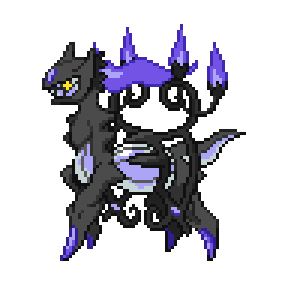
It radiates intense heat, leaving burns on anything that comes too close. Even metal melts under its fiery aura, making it a dangerous guardian of its territory.
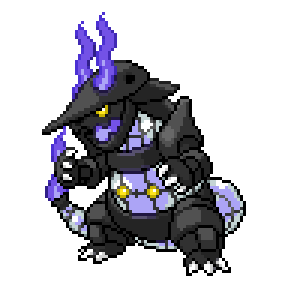
Its flames glisten like molten glass, reflecting light in mesmerizing patterns. This shimmering glow attracts prey into its deadly trap.

Its flame burns with a spicy scent, which grows stronger with every flicker. This unusual aroma wards off enemies, though some Pokémon find it strangely enticing.

Its flame sometimes burns dimly as it ages, flickering weakly like an old lantern. Despite its faint light, it patrols tirelessly, watching over abandoned ruins.

It flies swiftly through the night, leaving trails of flickering lights in its wake. These lights disorient prey, making it easier to capture them.
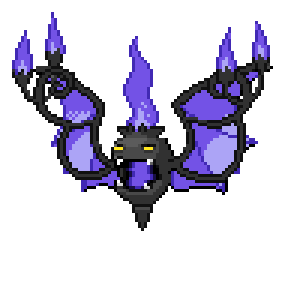
It makes its home in mountain caves, where it illuminates the dark passages with dim violet flames. These caves stay eerily quiet, as few dare approach it.

During thunderstorms, it rides on violent winds, glowing brighter with every flash of lightning. It thrives in the chaos, feeding off the storm's energy.
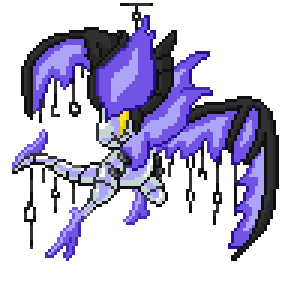
It drifts through night skies, illuminating the clouds with a haunting glow. Many believe it watches over travelers, guiding them through the dark.

Chandelapex refines its deadly toxin using intense heat, creating a rare ingredient used in perfumes. Some believe wearing this scent makes them lucky.

This Pokémon invades dreams, casting eerie lights that mesmerize sleepers. Those touched by its glow often experience vivid, otherworldly visions.
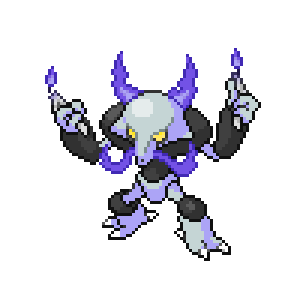
Its body is encased in thick glass, magnifying the glow of its inner flame. This glassy armor reflects light in dazzling patterns, making it both beautiful and dangerous to approach.
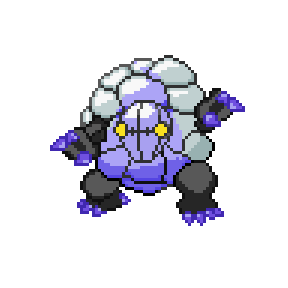
Firefighters revere this Pokémon for its ability to extinguish dangerous blazes. Its flames are said to burn in reverse, absorbing heat instead of spreading it.

Haxceus sharpens its tusks by slashing through gemstones found deep underground. The fractured gems are collected and used in religious rituals across many regions.
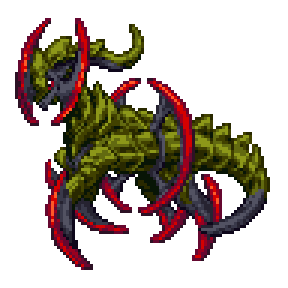
Golunair rests in rivers near ancient tombs, its presence keeping intruders at bay. The cool waters it inhabits are said to enhance one's vitality.

Golulix rotates its massive body clockwise while burrowing through the ground. It occasionally disrupts subway tunnels by mistake, causing major delays.

When distressed, the cracked portion of Golutar's body glows a bright yellow. Legends warn that staring into this glow curses one's family with terrible luck.

Goluchu uses its tail as a weapon, whipping it at foes to unleash powerful bolts of lightning. The electricity is strong enough to scorch the ground.

Ancient urns frequently depict Goluvile in various acrobatic poses. Despite its solid frame, it can leap at high speeds, striking foes with swift Ice-type attacks.
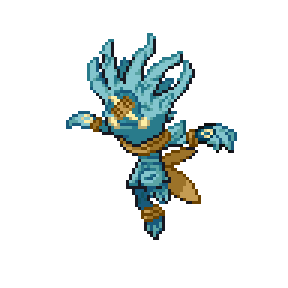
Golutang is frequently employed in freight yards to move massive canisters. Their strength and efficiency make them invaluable in heavy-duty operations.

When trespassers approach the temples it protects, Golubite summons enormous sandstorms. These storms obscure the sacred grounds, making them nearly impossible to find.

Ancient desert ruins sometimes describe Goluceus as housing unimaginable power in its body. These clearly fictional tales always end with that power being released and the world destroyed.
