Page 5 / 8 of 7640 pokedex entries by .izik.
Goluark disguises itself as an explorer to lure unsuspecting intruders into traps. Once their guard is down, it launches a surprise Shadow Ball attack.

It weaves intricate webs in the halls of catacombs, capturing any who wander too far. The sticky traps ensure the sanctity of the tomb remains intact.
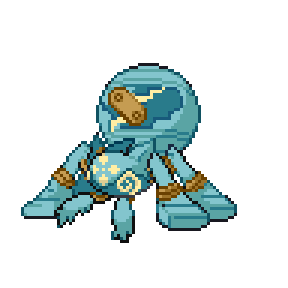
It uses its massive fists to gently comb through leaves, checking their health. If it senses sickness, it injects nutrients into the soil to rejuvenate nearby plants.

Blasts of flames erupt from Golurona's large palms during battle. These fiery bursts can incinerate entire fields, leaving behind scorched dirt.

Golulous stamps the ground with its massive feet to flatten rugged terrain. It creates paths through canyons, often aiding lost travelers in the process.
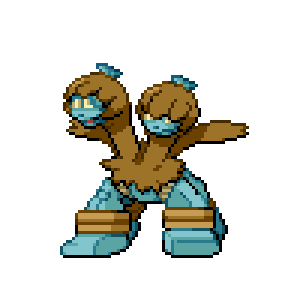
Goluron can often be found guarding ancient ruins and tombs. They patrol in groups of three, tirelessly ensuring no intruders disturb the sanctity of the area.
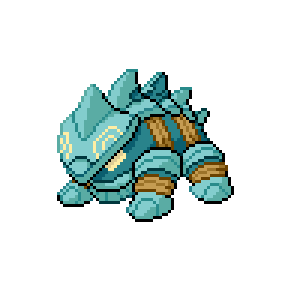
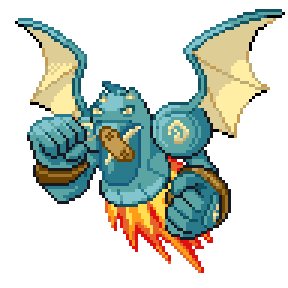
Goluelgon often leaps off high cliffs, activating its jet-like boosters to soar through the air. This behavior is thought to be part of its battle training.

Goluxure uses its razor-sharp tusks to fend off intruders near temples it guards. Its blades are so strong they can cleave a pickup truck clean in two.
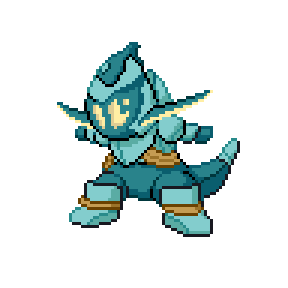
While gliding through the night sky, it ignites fiery jets from its back to propel itself faster. This spectacle is both beautiful and intimidating to those who witness it.
The thin sand inside Golugoo's body is prized by glassmakers. It's often harvested to create intricate chandeliers and other delicate glassworks.
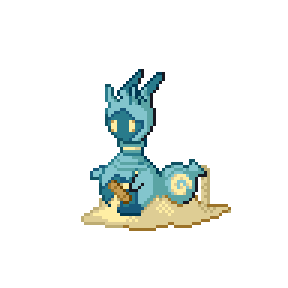
Ancient harbors used Goluapex in shipyards to clear barnacles. Its poison kills marine pests but leaves wooden and metal vessels unharmed.
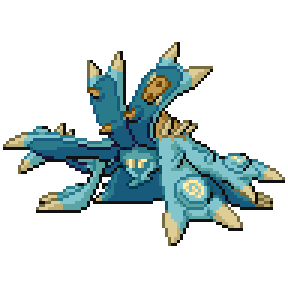
Ancient tablets depict Golumo-o engaging in tournament-style combat. They struck one another with powerful swings of their scaled tails.
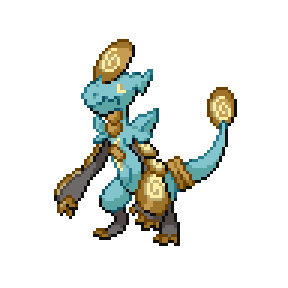
Ancient tomes depict Goluty as protectors who travel between villages in their territory. They ruthlessly attack any Pokémon threatening humans in their areas, making them fierce guardians of their land.
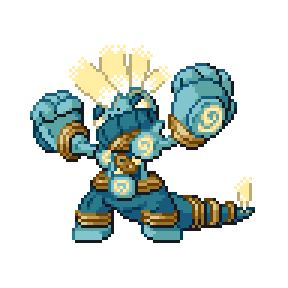
Should anyone discover its temple, a Goluno hypnotizes them to erase the memory of its location. Legends say only records written before being hypnotized reveal the temple's secrets.

Vulbuzz channels searing heat into its fists. It fires electricity from its tails first, resorting to fiery punches if needed.

Vulmar's six tails burn when it uses its fire-based attacks. The hotter its breath, the more tails ignite.

While soaring, Vulhoot lets out a soft hoot when spotting Persim Berry trees. It toasts the berries with flames before eating.

The webs that it spits out are acidic in nature. In the mornings it will look for burnt out campfires and devour the ashes.

Vulrill sprays boiling water at anyone who grabs its tail. Trainers are warned to approach it with extreme care.

Vul Jr. balances on one paw and traps foes in glowing Barriers. With a thought, the walls heat up enough to cause burns.

When it senses a tornado forming, Vulsol shoots flames into the sky. The fiery signal warns others of the approaching danger.
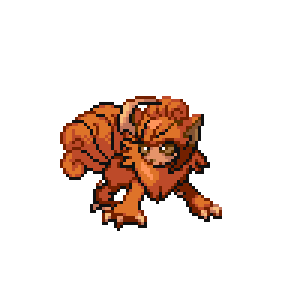
Vulskull often dozes while floating silently through the night. If startled awake, it lashes out in panic, spitting fire in all directions.
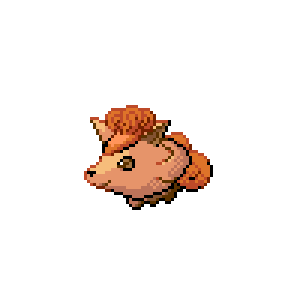
Vulron's titanium helmet glows white-hot before it unleashes scorching fire. The sight of its shiny helm is feared by many.

Vulpet becomes dangerously hot when agitated. Strangely, presenting it with a plush toy immediately calms it, though the reason for that is unknown.

Vulucha releases embers from the tails on its arms while performing acrobatic battle moves. Its fiery flips dazzle opponents.

Vulett tunnels through volcanic walls to bask in warmth. If disturbed mid-dig, it retaliates with powerful bursts of fire.

Vultrio is extremely shy near its den. When approached too closely, it fires embers from its burrow to drive intruders away.

Vulgull spits streams of scalding water in sync with its flock to steal food. These coordinated attacks can pose serious danger to beachgoers.
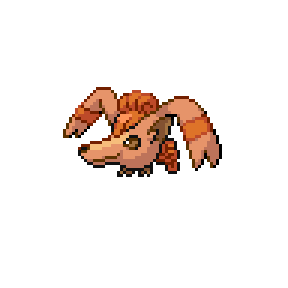
Before unleashing Fire Spin, the coin on Vulth's head glows red-hot. This is the only warning it gives before trapping its prey.

While meditating, Vultite's body temperature rises to dangerous levels. Paper and dry materials nearby can ignite without warning.
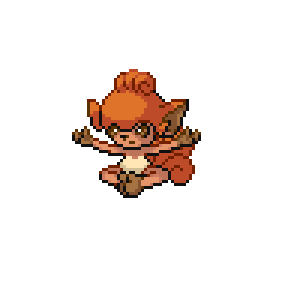
While playing fetch with its Trainer, Vulithe wags all of its fiery tails in unison. Sparks trail behind it as it sprints joyfully.

Vulsprout's roots radiate intense heat. It clings to predators' faces and spews Acid to defend itself.

Vulmer's body oozes with a sticky, hot slime. Its smell resembles burnt wood and spicy peppers, warning foes to stay away.
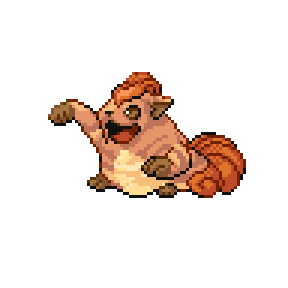
Pyukucute gathers by the hundreds at sea cave entrances. They communicate telepathically, creating a dense psychic web of shared awareness.

Pyukugela's innards resemble long vines that wrap around its body. They extend outward to grasp seaweed, which it pulls in to eat.

Pyukuvee burrows in seabed sand to find evolution stones. If it locates a cluster, it signals allies so they can take turns evolving together.
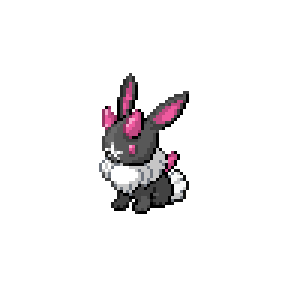
Pyukuret looks for prey around dusk, using its internal organs to attach to their body. It acts as a parasite to absorb nutrients which help its fur become extremely soft.

The innards extending from Pyukuchou's head glow brightly before discharging electricity. This glow is visible from miles away across the ocean.
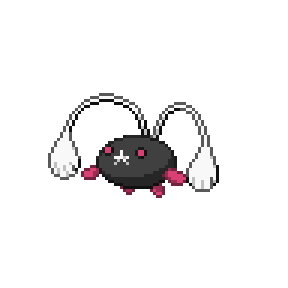
It generates electricity in its stomach and channels it through the hands on its head. It electrocutes enemies by grabbing hold of them.

Pyukusire drinks from puddles using its extended innards, minimizing movement. In hot weather, it sweats a toxic mucus to keep its body moist.

Pyukusola feeds on dying kelp within coral reefs. If startled, it releases Gastro Acid as it retreats into deeper waters.

Pyukucada digs extensive tunnels along the seafloor while seeking shelter. These underwater pathways can stretch for miles without surfacing.

If threatened, Pyukumer summons a Whirlpool to trap predators in a swirling vortex. It then escapes swiftly, hiding in distant sea caves.

Pyukusis floats on ocean surfaces, gently bobbing with the waves. It telekinetically redirects currents to reach its preferred destinations.

When Pyukuinder flaps its wings underwater, the surrounding water heats up. At high speeds, this can cause boiling currents to form behind it.

Pyukufisk lies motionless on the seafloor and stretches its innards upward to discharge electricity. Once predators are stunned, it flees quickly to kelp fields to hide.

Pyukutump drifts through deep waters in eerie groups of six. It emits unsettling moans as it swims, causing many to avoid its presence entirely.

When Pyukueanie spots a Corsola, its innards stretch into a hand-like shape to grab it. It then injects venom before consuming its prey.
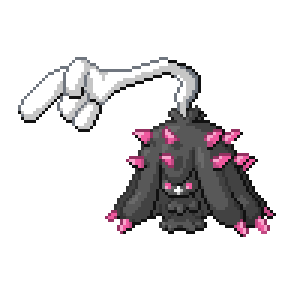
Pyukuturne stands still in shallow coastal waters, absorbing moisture at night. By day, it secretes a slick, aloe-like fluid to keep its body hydrated.

Pyukugeist surfaces from seas in late summer to seek out pumpkin patches. It uses Soak to keep the crops healthy, guarding them with silent devotion.
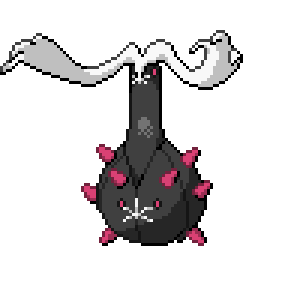
The gem on Pyukuduck's head helps it telepathically scan its environment. Upon sensing danger, it dives rapidly into the ocean's depths.

Mucus dripping from the innards on Pyukubro's tail is used in sunblock production. Despite its usefulness, it has a notoriously foul odor.

Pyukuduo's extended innards resemble two heads, each with eyes that scan for danger. It uses these to monitor surroundings while remaining motionless.

Kleftu's beak resembles a changing key. It peers into the past to study old locks, mimicking lost keys with perfect accuracy.

Klefloom hovers gently near warehouses. The keys on its head jingle faintly in the breeze, alerting others to its presence.

Klefluff floats near barns, waiting silently. As farmers unlock doors, it drops down to snatch their keys and vanishes into the clouds.
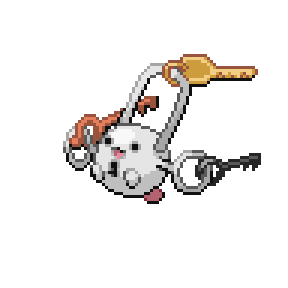
Klefkrow lurks in alleyways behind shops. When owners lock up, it swoops down to steal their keys as treasured trophies.

Kleficate rummages through hardware store dumpsters, eating faulty keys. If it finds one it likes, it proudly hangs it from its tail.

Klefgar spins like a disc while soaring over warehouse districts. It dives erratically to avoid capture and snag shiny objects.

With wings shaped like jagged keys, Klefrow strikes prey in quick, darting bursts. Its metallic slashes leave deep cuts.

Klefgma's body glows white-hot at all times. Its head-mounted keys burn hot enough to melt through titanium in mere seconds.

Klefpy's key-like appendages grant it exceptional traction. It can roll straight up vertical cliff walls with ease.

Ancient cultures offered keys to Klefceus, believing it would bless family bloodlines with luck. Witnesses describe it galloping across the sky while producing constant jingling sounds.
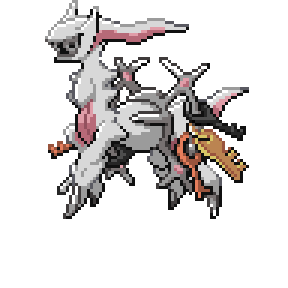
Klefchar superheats its key before swinging it as a weapon. It fiercely defends its home by striking intruders with searing blows.
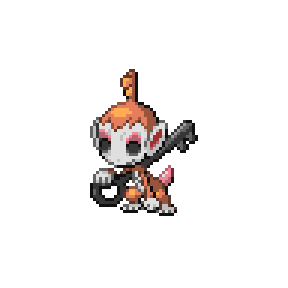
Klefiard's key-shaped blades are razor sharp. It can easily slice through solid iron without dulling its edge.
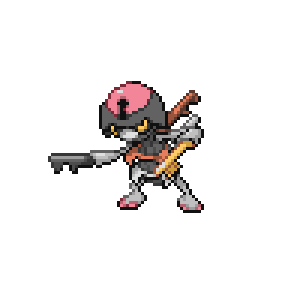
The key atop Klefwick's head glows at night. It stands on fences near farms, illuminating the dark and warding off thieves.
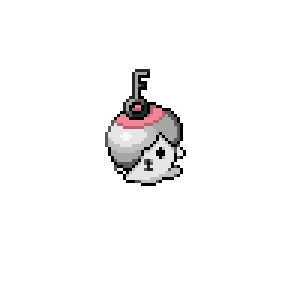
Before unleashing a fiery attack, Klefpent's keys begin to glow as a measure of the heat it will use. Few have lived to witness the moment all of them glow at once.

Klefcada's sharp, key-like antennae can cut through soil with ease. It tunnels underground to bury or retrieve hidden trinkets.

Klefbarel can reshape its key-like arms to unlock almost any lock. It stores stolen padlocks at its creek-side lodge as treasured prizes.

Klefxio's tail key spins rapidly when it's ready to strike. The faster it spins, the more powerful the coming electric blast.

Klefink consumes metal to grow new key-like protrusions across its body. These keys rattle constantly as it moves.

As Klefonee floats through abandoned warehouses, the key dangling from its body jingles faintly, alerting others to its presence.
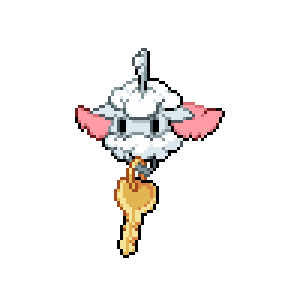
As it ages, the key-like structures on Klefesta's body grow longer. Strangely, they remain unmelted even in volcanic heat.
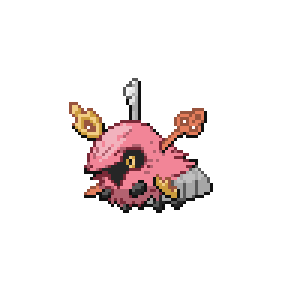
While flying, Klefbat clashes its keys together to create piercing sounds. These high-pitched noises disorient nearby foes and prey alike.

Klefrunt's key-like tail jingles loudly during battle. The sound intensifies while it bites down hard on a foe.

Klefedo spins its keylike nose like a drill to breach ship hulls. It then waits patiently, striking down any swimmers who attempt to escape.
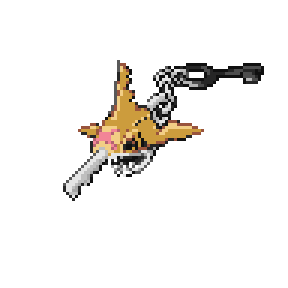
Living near sunken battleships, Klefish's tail key gradually reshapes itself. The longer it stays, the better it fits the ship's rusted doors.

The padlock-like structure on Klefkoal's back spins rapidly when overheated. It submerges itself in water to cool down and avoid damage.

Legends say pressing Klefdisc to your admirer's chest will "unlock" their hidden feelings. This has never been proven to work.
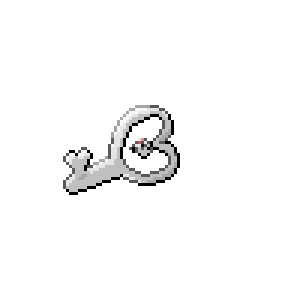
At night, Talonveon coils its heated ribbons around its Eggs, shielding them from the cold. This warmth accelerates hatching and soothes nervous hatchlings.
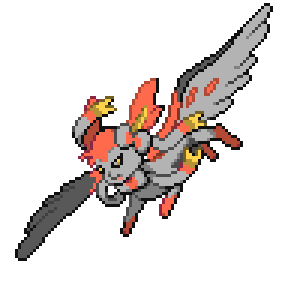
Talonbarel snaps branches off trees with its burning-hot beak. It stacks them with uncanny precision to help build sturdy creek dams.

Mimimantis uses Double Team to surround its prey. It strikes with a powerful X-Scissor, overwhelming its foe with ghastly precision.
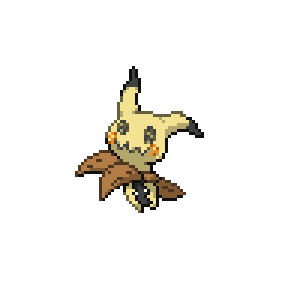
Deibone taps cave walls with its bone to release sound waves for navigation. It relies on this method heavily, as it is nearly blind.
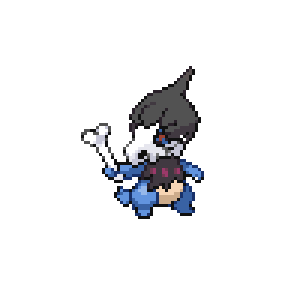
If Deiros is unable to locate its prey due to its blindness, it flies into a violent rage. It charges into nearby trees and rocks until it either finds something to attack or tires itself out.

After emerging from water, its scales glisten brightly, reflecting light with dazzling intensity. This radiant appearance often attracts both allies and foes.

Deidrill is completely blind but compensates with an acute sense of smell. Its venom carries a strong honey-like scent, luring in unsuspecting prey before it strikes.

Deickle scours the jungle floor for overripe Berries, grinding them into a sticky paste. Though blind, it lures in unsuspecting prey by using the strong, fermented aroma the Berries create.

When it finds a crystal that catches its eye, it dances in delight. These joyful displays often leave others puzzled by its enthusiasm.

With exceptional control over levitation, it dodges stalactites with ease. Its precision and agility make it a formidable opponent underground.
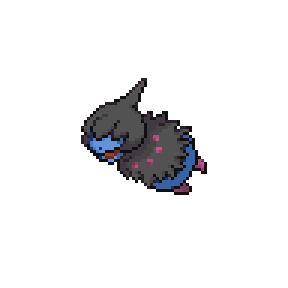
It fires concentrated balls of energy from its mouth, using them to intimidate and overwhelm foes. This powerful attack leaves deep craters wherever it strikes.

Deirina relies on its large ears to detect movement in its surroundings. When it catches prey, it holds on tightly with its venom-coated claws to ensure a swift takedown.

Despite its blindness, Deiloom shakes its tail vigorously to release thick clouds of spores. These spores obscure its presence, allowing it to ambush its prey with ease.
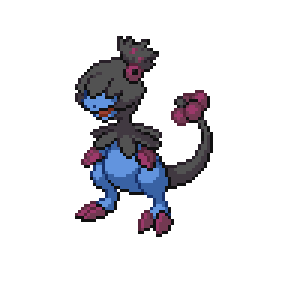
Since it cannot see, it bites anything it doesn't recognize the sound of. This habit makes it a challenge to approach without alerting it.

It roars in sync with thunder, as if trying to compete with the storm's fury. This behavior makes it feel connected to the wild power of the elements.
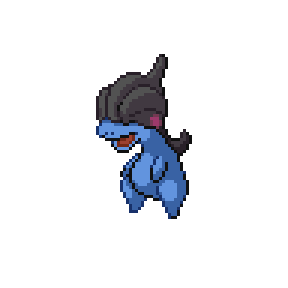
It enjoys basking in moonlight, soaking in the gentle glow to calm its restless energy. These nightly rituals seem to enhance its mood and vitality.
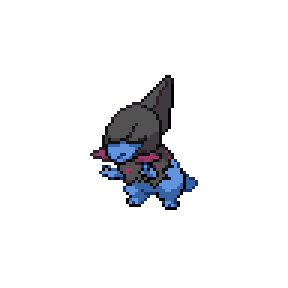
It carefully studies the movements of its opponents, waiting for the perfect moment to strike. This calculated strategy makes it a master of surprise attacks.

Deipede compensates for its lack of sight by releasing a paralyzing toxin from its antennae. Once its prey is immobilized, it easily tracks them down using scent and sound before delivering a finishing Bite.
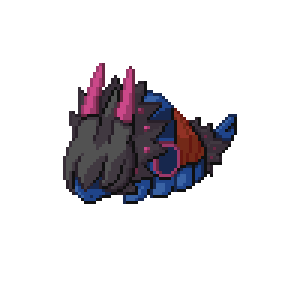
Though unable to see, Deioom emits a sweet Leppa Berry scent from the pods on its body: this attracts prey close enough for it to bite down with its powerful jaws.

Deibat emits a deep, resonant cry to navigate its surroundings. The vibrations allow it to perceive obstacles despite having no eyesight.
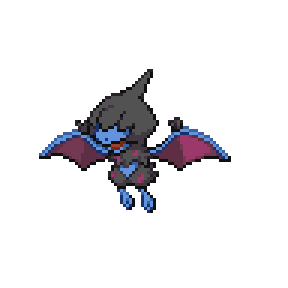
While flying, it leaves behind a faint scent of charcoal in the air. This smoky trail marks its path, lingering long after it has gone.

The slime it leaves behind carries a scent similar to oil. This peculiar smell both repels and intrigues other Pokémon.

It prefers living in areas coated with ash or soot, blending effortlessly into its surroundings. This environment provides both camouflage and comfort.

Even while buried underground, it can sniff out food with remarkable accuracy. This keen sense of smell makes it a successful hunter despite its poor eyesight.

The crystal at the end of its tail lights up when it concentrates. Using an unknown power, it can change the weather at will.

The head on the end of its nose will take time to make sure the lower head eats. The mouths do not share a stomach and each have their own.

It prefers to eat gemstones from deep within caves. It dislikes sunlight, as it causes the fur on its body to shed rapidly.
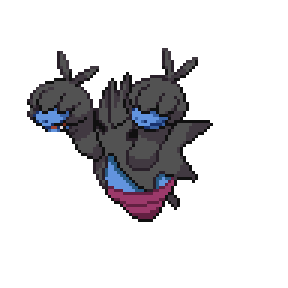
Despite its blindness, Zweivile's hearing is exceptionally sharp. It traverses cave systems by jumping off walls, allowing it to move swiftly through the darkness.
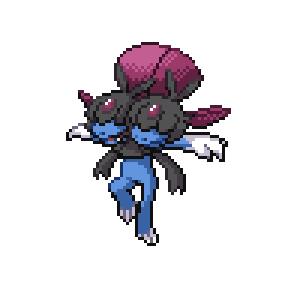
It can hover up to 300 feet off of the ground. Doing this consumes a lot of energy, which it replenishes by eating grass and other vegetation.

Zweibite's thick skin is rough to the touch. It is sharp enough to shred through stone if rubbed the wrong way.

The consistency of the metal on its body changes based on what it's consumed. Softer foods result in a softer metal.

The slime that drips off of its body is incredibly sticky. It is used to make an industrial-strength glue that takes years to lose potency.

Though nearly blind, Zweimo-o uses its superior hearing to sense the world around it. The scale on its tail is sharp as a blade and can cleave marble with ease, making it a formidable opponent.
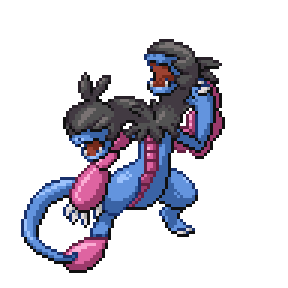
Zweity is almost entirely blind, but it can sense the world around it based on the tiny hairs around its neck vibrating from sounds. Should it get cornered, it will unleash a Dragon Breath from its second head.
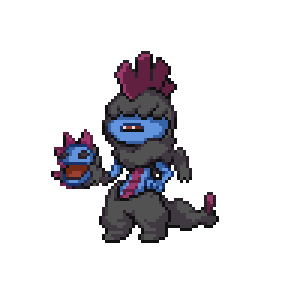
Hybone races through cave systems at tremendous speed. Its echoing sobs announce its approach long before it is seen.
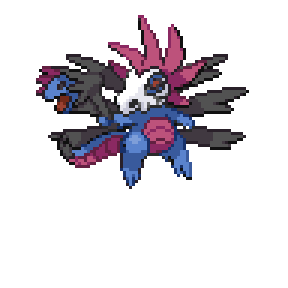
When enraged, Hyceus has been reported to manifest up to 1,000 additional heads. These apparitions strike in perfect unison before vanishing without trace.
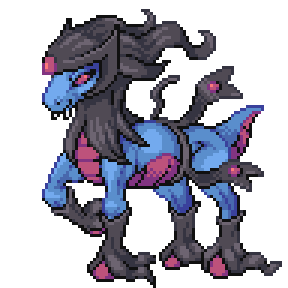
It will spend hours grooming its tails. It hates when its fur is wet and will grow enraged if it is caught in a rainstorm.

If Ninelett goes too long without digging, its fur grows dangerously hot. It has even been observed digging while asleep to cool down.
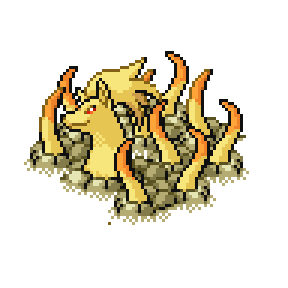
Deobone's bone contains a strange virus that has fascinated scientists for years. The virus alters its structure and effects depending on the individual it originated from.

Hives of Ninorb make their homes in tunnels. They explode if disturbed, sometimes setting off a chain reaction that can level buildings above their tunnels.

When Ninbone cries, the chitin on its head darkens in color. It burrows underground afterward, using this change to calm itself into sleep.

Ninret's fur is extremely fine, and it frequently takes dust baths to rid its coat of moisture that it accumulates underground. It gets anxious if its coat stays damp for too long.

Nindos's burrows are covered in a sticky web that does not stick to this Pokémon. If anything gets caught in its web, it hurries to dislodge it to keep the webbing clean, ensuring its home remains pristine.

During the full moon, Ninfa emerges from its tunnels and stares at the sky. Though nearly blind, it somehow knows where the moon is and faces it, drawn by its light.

Sometimes, while eating the roots of bushes, Nintu will stop abruptly. During this time, it sees visions of anyone who interacted with the bush in the last week.

After eating enough roots, a thick green wool will grow from Ninreep's carapace. This wool stores an electrical charge, which it can survive off of while it waits to evolve.

Ninpip prefers to eat tulip roots. When full, it will spin while floating over forests, spreading joy as it drifts through the air in search of new places to explore.
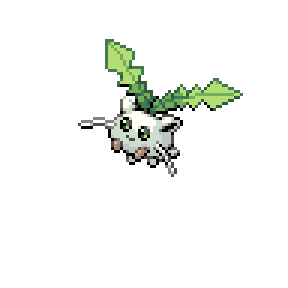
Ninloom despises sunlight as it irritates its already poor eyes. At night, it will float around forests looking for areas with dense trees to make a future burrow where it can rest undisturbed.
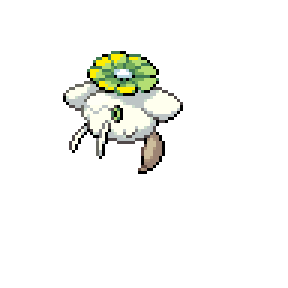
If Ninluff eats all the roots of nearby flora, it will gather seeds from other areas and scatter them while floating high above the ground, ensuring the growth of new plants.
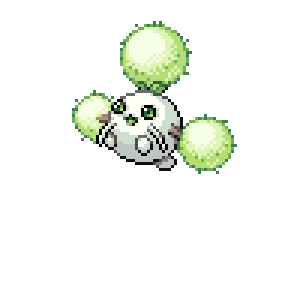
If a predator enters its tunnel, Nintata will attack with a coy Tail Whip before unleashing a powerful Hyper Fang. This ensures its tunnels stay safe for others of its kind, protecting its home from intruders.
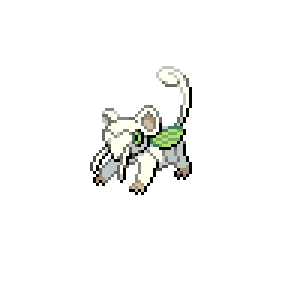
Ninpom uses the claw-like portion of its tail to grab Nanab Berries from trees. It then withdraws into its burrow to eat the fruit, savoring its sweet, juicy flesh away from predators.
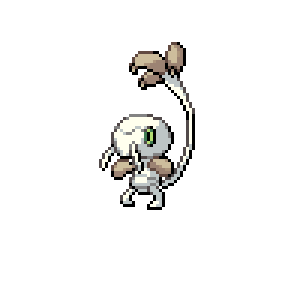
Ninper's eyesight is extremely poor. It wanders around marshy areas not because it likes to explore, but because its eyesight is so bad it cannot see where it is going or where its den is.

At night, Ninkrow will leave its current burrow to look for other places to dig. Should it find a maple tree, it will immediately dig down to eat as much of the roots as it can, savoring the rich nourishment.

Ningar uses its large claws to dig underground, creating intricate tunnels. It can wait motionless for multiple years after eating enough plant life, hoping to evolve into something more powerful.
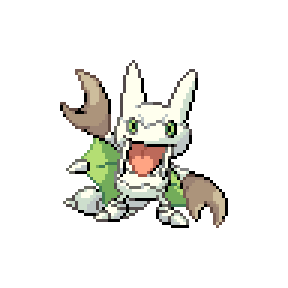
At night, Ninrow leaves its burrow to fly into Apricorn trees and knock loose the fruit. Two are usually enough for it to stay sustained for a month, as long as it remains motionless underground.

Ninckle makes a burrow under Persim Berry trees, gathering fallen berries and storing them in its shell. As it digs, the berries ripen further and turn into a delicious slurry, which is combined with drinks in restaurants across Hoenn.

Nincross uses its horn to break apart tree roots, drinking any moisture that seeps out. This behavior allows it to nourish itself while continuing its underground lifestyle.
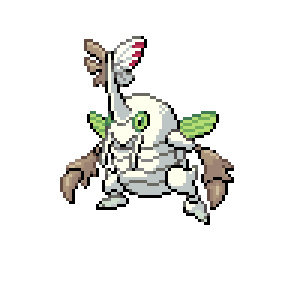
After eating the roots of daffodils, Ninrogue's strength multiplies, allowing it to smash boulders with its bare hands. This effect lasts only a few minutes but makes it incredibly powerful in that brief period.

Nintank spends its time eating roots of medicinal herbs. Its milk is extremely bitter but is able to heal minor abrasions on contact, making it valuable for healing purposes.

Ninshrew uses its claws while digging to search for tree roots. It has trouble seeing, so it relies on its tiny whiskers to determine its surroundings, ensuring it can navigate through the earth with precision.

Ninkip consumes the roots of plant life near its pond. These roots provide it with the nourishment needed to grow and thrive in its aquatic habitat.

Ninceus's whiskers glow gold when it senses irreverence. It retaliates with Judgment before proudly walking away.
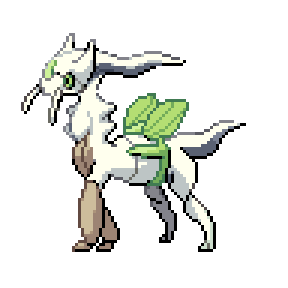
Niniard uses the blades on its arms to cut apart oregano roots from below the surface of the ground. It prefers the flavor of this herb over all others, often making burrows near patches of the plant.

Ninette makes deep burrows in landfills, staying hidden from the light. It hates sunlight and only emerges after night falls to feed and scout for new areas to haunt.

Ninmuku burrows under the seafloor to eat the roots of aquatic plants. It stays underground as much as possible to hide from predators like Lanturn.

Ninki steals keys from nearby towns and keeps them in its burrow as a trophy. It prefers keys made of iron which are later added to its collection.

Ninxio prefers to eat hydrangea roots and will use its electrical powers to defend its food. Its energetic nature makes it fiercely protective of its meals.

Echoes of Ninpuff's song can be heard throughout its lengthy tunnels. If one hears it, one could fall asleep or become disoriented in the underground passages.

After eating basil roots, Ninink's gears will rotate rapidly in happiness. It prefers that herb's flavor above all others, making it a rare and sought-after delicacy for the creature.

The green flame on Ninmander's tail glows brightly within its underground burrow. This flame keeps it warm when surrounded by cold soil, allowing it to survive in dark and chilly environments.
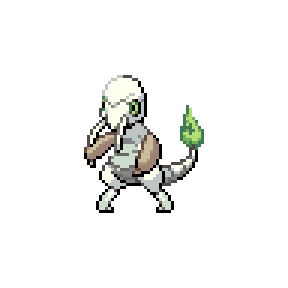
After night falls, Ninloon ascends from its tunnel and floats just outside the entrance, looking for tall trees. During the daytime, it digs towards these areas to eat the roots, its primary food source.

At night, Ninpet emerges from its burrow to float through forests. It makes an unsettling noise- like a child's laughter mixed with windchimes- to scare away intruders.

Ninsis uses its psychic powers to move dirt when digging. It neatly packs any mud or stone to ensure the tunnels do not cave in, creating stable and well-structured homes underground.

Ninonee emerges from its tunnels at night to float through meadows. During this time, it surveys the area to decide where to tunnel next, constantly searching for a new place to settle.

After eating the roots of chamomile, Nintik's body's electrical charge strengthens to three times its normal amount. Scientists are still discovering the reason behind this peculiar reaction.

As Ninpede eats the roots of poisonous plant life, the venom sacs in its body fill. This increase in toxicity boosts its ability to defend itself against predators, making it even more dangerous.

The leaves on Ninish's head become extremely glossy after eating the roots of pine trees. The oils they produce are used for treating seasickness, making this Pokémon valuable in medicinal practices.
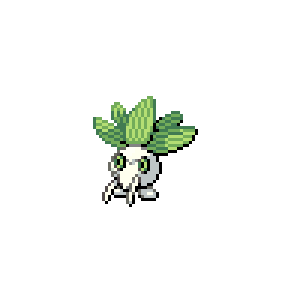
While nesting in a tree stump, Nintump absorbs the remaining moisture in the roots. This leaves the stump brittle before it leaves to find a new home, ensuring its territory is always secure and ready for its next resting place.

Ninvenant's roots will grow out of its legs when it finds a swamp to live in. These roots connect with other plant life in the area, allowing it to sense the surrounding environment via vibrations, compensating for its poor eyesight.

Should a Sandshrew invade its tunnels, Ninlucha will attack with a Brick Break. It then rolls the unconscious invader out of the tunnel and continues digging.

Ninkaboo lives in clusters beneath the ground, resembling pumpkins at a glance. During winter months, their clusters become tighter as they share warmth, ensuring they remain cozy in the cold season.

Ningeist digs under pumpkin patches to eat the roots. It thrives in these eerie environments, using its underground burrows to feast on the nourishing roots hidden beneath.
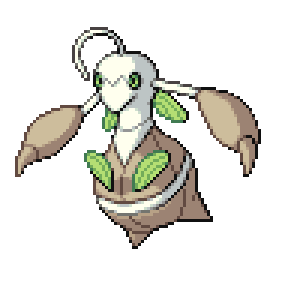
When its headache worsens, Ninduck will dig underground at an accelerated speed. This physical exertion soothes it somehow, providing a temporary relief to its pounding mind.

Ninmite burrows under power plants, sleeping near buried wires to siphon energy. The draw of power it takes is very minuscule and can go unnoticed for years, allowing it to sustain itself without detection.

Ninix digs massive tunnels in mountains to find thick root clusters that it can eat. Its powerful body is built for excavation, allowing it to create vast networks underground in search of food.
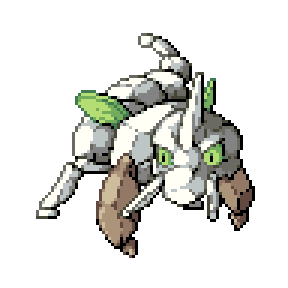
Its legs can extend up to double their original length when kicking. They use their powerful attacks to fell trees.

Bichan spends time in quarries, honing its strength by smashing boulders. It uses chipped stones to build complex dams, ensuring that no water leaks through by carefully filling every gap.

The smoke that pours out of a Bifing smells like rotting wood. It prefers to feed on tree stumps and other fallen foliage.

Bikarp swims playfully through streams, releasing bubbles that shimmer in the sunlight. These bubbles often linger on the surface, forming delicate patterns that mesmerize other Pokémon.
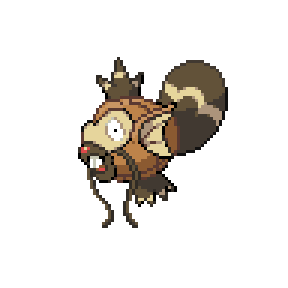
One of the first known Bigon appeared as a file within a Hydropower Plant's server. Its origin is unknown.

Biuna remains motionless in its riverside burrow, its outer shell hardening over time. When the moment is right, it bursts forth with surprising speed to defend its territory.

Biret constructs fences from sticks and stones, marking the boundaries of its territory. It patrols these barriers tirelessly, ensuring that no intruders disturb its carefully crafted domain.

Bian cultivates rose bushes near its lodges, using their blossoms to camouflage entrances. The scent of the flowers masks its presence, allowing it to move unnoticed.

Bidos waits patiently by swift-moving streams, weaving delicate webs over the water's surface. Its clever traps mimic natural patterns, fooling prey until it pulls them in with precision.

Biotto builds its lodges near old tree stumps, using them as lookout points. From these vantage points, it surveys the area, ensuring no intruders disturb its carefully arranged home.

Bitu watches over small hamlets, standing motionless for hours as if in deep thought. Locals see it as a guardian, believing it predicts events and offers quiet protection.
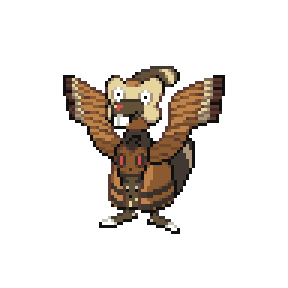
Biffy nests near factories, gathering discarded wires to line its lodges. The static it collects helps regulate energy, making it more active during thunderstorms.

Biloom cultivates kudzu vines, encouraging them to grow around its lodges for protection and shade. These fast-growing plants also attract other Pokémon, creating bustling habitats.
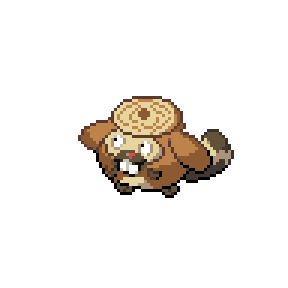
The balls on its arms are made of an unidentified wood-like substance. It swings its arms menacingly to keep enemies away from its den.

Its den is made up of mud and twigs. It gathers shiny objects that it finds on the river's floor and stores them in its home.

It gathers branches off of trees to make elaborate dens. These dens can have multiple rooms and floors.

Bico collects moss to line the walls of its lodge, creating a soft, insulating layer. The moss also helps maintain moisture inside, ensuring a comfortable habitat throughout changing seasons.
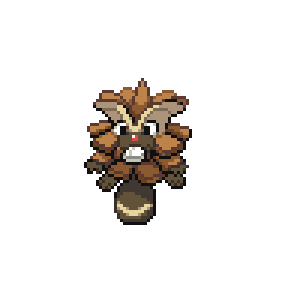
Bigar spends much of its time playing in puddles, splashing around with carefree abandon. It uses its claws to shape these puddles into small reservoirs, storing water for drier days.

Birow feeds by stripping bark from trees, leaving distinct patterns in its wake. These marks signal territory boundaries, helping other Pokémon avoid its domain.
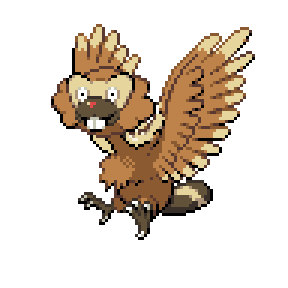
Bidour often wanders through villages, where it gathers discarded wood for its lodges. Though it acts standoffish, it shows kindness by sharing shelter with other Pokémon during harsh weather.

Bipy carves chunks of marble into smooth shapes using its sharp teeth. These polished stones decorate its home, adding a touch of artistry to an otherwise humble lodge.
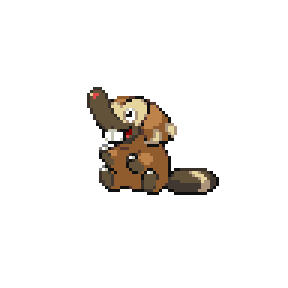
Bipom thrives along riverbanks, where it uses its twin tails to build cozy lodges. It aids other Pokémon crossing currents, acting as both protector and trickster in equal measure.

Bilax forages for algae along water surfaces, storing it inside its lodge to be snacked on later. It has a habit of collecting more than it needs, causing its lodge to overflow with slimy greenery.

Bicor stacks logs with precision, creating sturdy barriers to shape waterways. It takes pride in its agility as well as its strength, maneuvering through tight spaces with ease.

Bichic gathers twigs obsessively, using them to build intricate nests near water. Its small body hides surprising strength, easily carrying large bundles of wood in search of the perfect building site.

Despite its sturdy frame, Bivoir exudes an air of elegance, moving gracefully through the water. It offers comfort to those who approach, wrapping them in a soothing embrace with a kindness that surprises many.

Bilade's powerful arms can carve through slate, which it uses to reinforce its lodges. It takes great pride in the precision of its work, leaving behind structures as strong as they are beautiful.

Binja floats expressionlessly over riverbeds, eerily unmoving as it observes the water's flow. If anyone gets too close, it sprays them with a jet of water before silently drifting away.

Bidoof works tirelessly to construct elaborate dams, reinforcing them with chewed-up logs. It is highly territorial and will slap the water with its tail to warn intruders.

Bisol has fur that ripples like the calm waters of a lagoon. Though it exudes tranquility, its presence hints at coming changes that leave others unsettled.
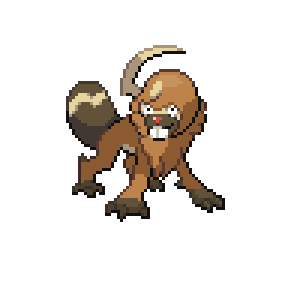
Bislash glides silently across open sea, with its hard body cutting smoothly through the water. Sailors who encounter it during twilight speak of sudden storms that follow soon after.

Biveon's fur is unusually soft, and its dam is often decorated with colorful ribbons made from river plants. It forms strong emotional bonds with those who help maintain its home.

Biblim's body holds nitrogen pockets that allow it to stay buoyant even in deep waters. It floats along rivers, using bursts of gas to steer through narrow streams and over obstacles.

Bipunny gathers lilies from nearby ponds, weaving them into intricate wreaths. It decorates its lodges with these floral arrangements, adding a surprising touch of elegance to its home.

Bidile mugs unsuspecting travelers along riverbanks, using stealth and strength to overpower them. It drags the spoils back to its den, where it carefully hides them beneath layers of mud.

Biki moves noisily through forests, rattling objects it collects to announce its presence. Its loud behavior keeps predators at bay and lets it avoid surprising others.

Biflame's nest is lined with fireproof feathers, preventing its lodge from burning. It can boil the water near its nest by slapping the surface with its tail.
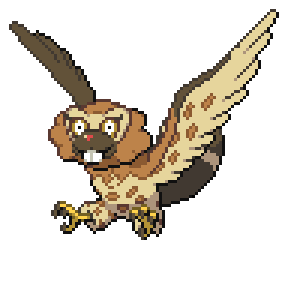
Bixio's fur crackles with static when it dives into water, sending electric currents through the river. It uses this ability to stun prey like Poliwag before scooping them up with ease.

For an unknown reason, groups of Bink recently appeared in a dam north of Rifure Village. They make an odd clicking noise to deter enemies.

Bielia grows twisting vines around its lodge, weaving them into intricate patterns. These living decorations provide both beauty and defense, keeping unwanted visitors at bay.

Bionee lines its nests with soft bedding made from fallen leaves and plant fibers, creating cozy homes for itself and others. Its careful craftsmanship ensures warmth even in cooler climates.

Bile coats its skin with the gel of aloe plants it gathers from riverbanks, soothing itself after long days in the sun. It uses these plants not only for comfort but also to aid in healing minor injuries.

Bibat roosts among stalactites in dark caves, using its sharp senses to navigate with ease. It wraps its body in wings and vines to create a cocoon-like nest, ensuring a peaceful rest.
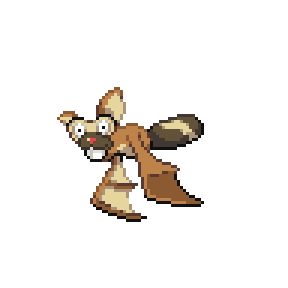
Known for its cunning, Birok often raids campsites, making off with supplies and treasures. It carries its stolen goods back to its lodge, adding to an ever-growing hoard.

Binder prefers to nest among sycamores, using fallen leaves to insulate its lodges. It guards these trees carefully, knowing they provide shade and materials essential for its survival.

It bounces its rubbery body to move from place to place. Each bounce has enough force to cause the ground to shake.
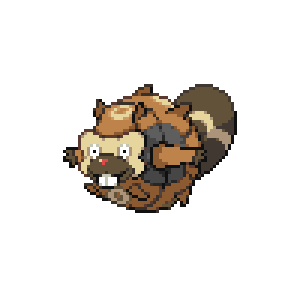
Bibish collects cardboard from abandoned places, crafting waterproof shelters along rivers. It takes pride in repurposing discarded materials, turning trash into comfortable homes.
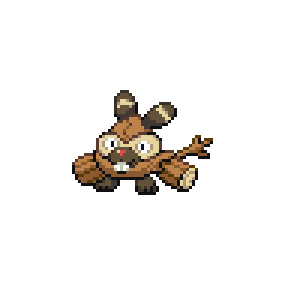
Even during winter, Bivanha remains active in icy waters, its sharp teeth helping it carve paths through frozen rivers. It gathers in schools, using group strength to break through thicker ice.

Biwear is often seen during monsoon rains, eagerly building dams to manage rising water. Though well-intentioned, its actions sometimes cause unexpected floods, leaving others scrambling to adapt.

Bimise drifts near old shipwrecks, gathering fragments to strengthen its dams. Its wooden body gives it an ancient, mysterious appearance, as if a part of the ocean's history moves with it.
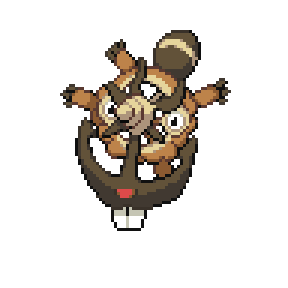
Binea builds intricate nests coated with a layer of foam, which helps retain moisture in dry environments. Its nests provide shelter not only for itself but also for smaller Pokémon seeking refuge from the heat.

Bish has teeth as durable as stone, with lost ones often collected to craft intricate tools. It proudly showcases its set, using them to intimidate rivals and carve through tough objects.

Bity reinforces its dam with scavenged materials, layering stones and debris to fortify its home. If threatened, it headbutts intruders with enough force to knock them into the water.

Bibre decorates its lodge with lillipads that it gathers from nearby ponds. Bibre's teeth are harder than diamond and can break stone with ease, serving as a formiddle tool for when it builds a new structure.
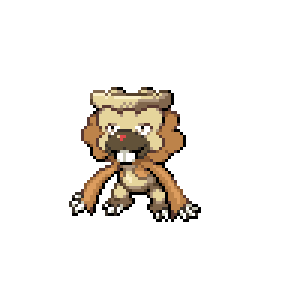
Bidisc thrives in polluted waters, purifying its surroundings as it swims. It carves heart-shaped patterns into the riverbanks using its sharp teeth.
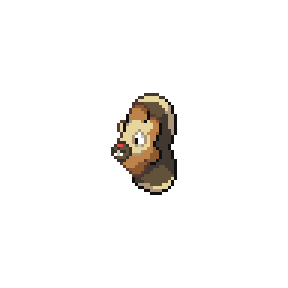
Bith hoards smooth stones, polishing them until they gleam like treasures. It often swaps these stones with other Pokémon, trading them for food or new additions to its collection.

Bikey enjoys constructing monuments from sticks and stones, stacking them in peculiar shapes along riverbanks. Though crude, these structures are said to mark important events or victories.

Biape swings playfully from willow branches, using them both for shelter and recreation. Though it enjoys company, its sudden bursts of energy often catch others off guard.
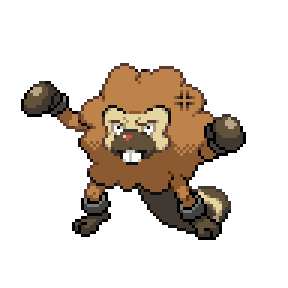
Bibell's dam is coated in a sticky, sweet-smelling sap that attracts prey like Hoppip. It hides inside its home, striking at anything that comes too close with a sudden Vine Whip.

It competes with others of its kind by holding onto cliff walls for long periods of time. The winner is determined by who holds on longest.

It will use its Ember to immolate logs that it has chopped up with its fangs. It will then roll in the ashes to clean its coat.

It can discharge highly pressured water from its mouth when threatened. Once its opponent is soaked, it has been known to let loose a powerful Thunder Shock before running away.

Bieel swims gracefully, using small icebergs as resting spots during long journeys. It balances on these icy platforms with ease, delighting in the cold waters it calls home.

Its body is coated in a dark, poisonous mud. If it stays in the sun too long, portions will harden and fall off.
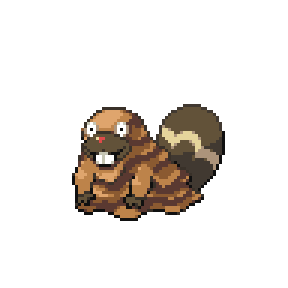
It is very protective over the food it gathers. Should another Riopie approach, it will spit a web of sticky silk at it.

Riotung uses its aura-reading skills on food. It can instantly identify the most delicious meal before taking a single lick with its tongue.

Upon detecting a dark aura, Riogela traps the foe in vines. It then screeches loudly to signal its allies to flee while it fights alone.
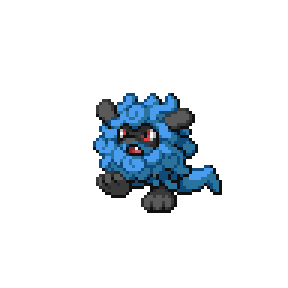
Paralyzing powder drifts from Riofree's wings. After stunning its foe, it finishes the fight with a precise Vacuum Wave.

If Riodle sees a malicious aura, its horn glows red. During this state, its venom doubles in potency and releases a terrible rotting stench.

It makes its nest outside of small villages, hoping for pies to be left on windowsills. It prefers Pecha Berry pies due to their sweetness.

When Riorita senses a kind aura, it releases a soft floral scent. This reaction is most common when near gentle Trainers.

Riochu travels around in search of small discarded electronics. Once it finds them, it attempts to charge them with a bolt of electricity.
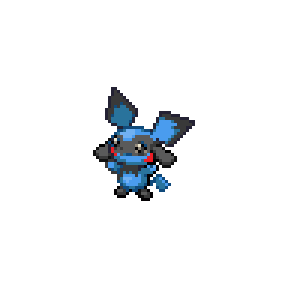
While scavenging trash, Riotata uses aura to detect approaching threats. It escapes easily while making a squeaking noise.

If Rioco detects malicious intent with its aura reading skills, it drops from tree branches and explodes. It sacrifices itself to protect its kin.
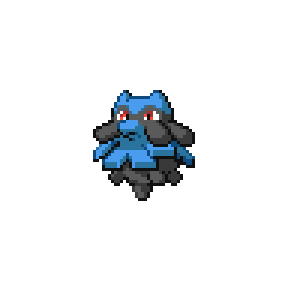
If Riodour detects a malicious aura, it barks loudly to alert its pack. The warning gives others time to prepare for danger.

Using its aura sense, Riopy rolls through pitch-black caves. It deftly avoids obstacles with precise, instinctual movement.

Riotler's antlers glow a sapphire blue when scanning nearby auras. If it detects a hunter's intent, it retaliates with a Quick Attack.

With its aura-sensing ability, Riopiny protects weaker Pokémon. If danger approaches, it defends them with a powerful Rock Smash.

Riolax uses aura to locate the perfect fruit tree. Once satisfied, it can eat over 100 lbs of food in a single sitting.
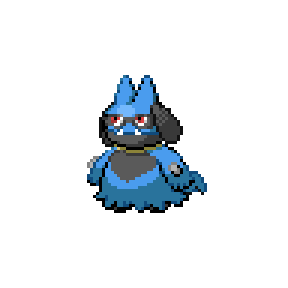
While digging, Rioshrew uses its aura to sense danger ahead. It marks unsafe tunnels by placing warning stones along the wall.

Using aura sensing, Rionette searches for discarded plushies. It detects the lingering aura of the children who once loved them.

Riotula traps those with weak auras in sticky webs. It then shocks them repeatedly before dragging them back to its den.

Though naturally energetic, Rioroth's vigor triples when it detects the aura of a challenger. It strikes fast with sharpened claws.

If Rionx senses a hostile aura, it releases a burst of electricity. This stuns the foe long enough for it to escape.

Riorua studies the aura of nearby humans to copy them. It creates illusions to blend into crowded city streets unnoticed.

If you step on Riofisk, it reads your aura. If it senses you did it on purpose, it unleashes a painful electric shock.

When sensing a positive aura from someone it trusts, Riolix emits a sweet, cupcake-like scent as a sign of affection. The fur covering its body is light and fluffy like cotton candy.
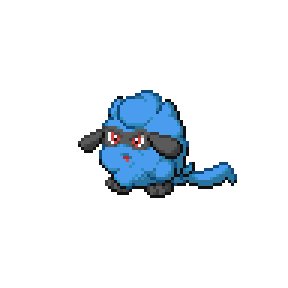
Rioape rages if it senses its opponent isn't fighting at full effort. It keeps swiping long after victory, even after the foe is knocked out.

When Riomite detects an evil aura, its body sparks uncontrollably. It often takes flight to escape without a fight.
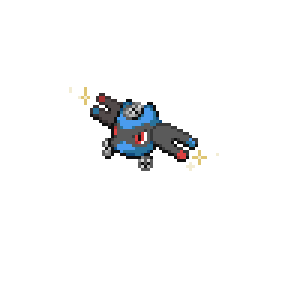
Slakrow is known to doze off mid-flight. It often crashes into trees or Beedrill hives, waking up only after the impact.
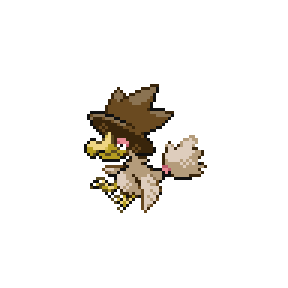
As it sleeps, Slanx's thick fur builds static. During storms, its fur crackles audibly with small sparks discharging as it snores.

Slarua disguises itself as a sleeping human in public parks. While resting, it emits a soft, comforting cooing.

Slaonee's dense fur is so light that it floats gently over meadows in spring. It naps midair, drifting slowly with the wind.

Even while asleep, Slapede rolls at high speeds. It leaves behind a potent trail of poison that puts pursuers to sleep.
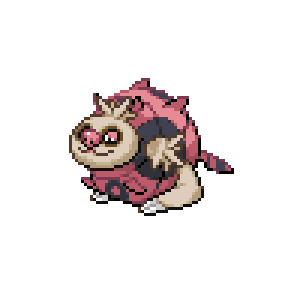
While Trevenant sleeps, Slavenant mounts its back and extends vines into its mind. It uses this connection to subconsciously control nearby trees.

Slaoom releases clouds of licorice-scented pollen while asleep. The aroma is strong enough to lull nearby Pokémon into a nap as well.

When it snores, Slabat emits low-frequency pulses from its ears. The blasts can cause temporary deafness if one gets too close.
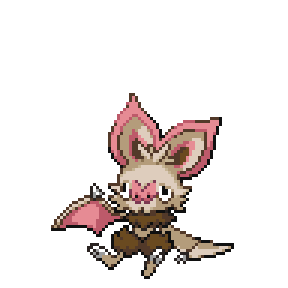
On humid days, Slatad naps atop its soft lily pad. A golden sap oozes from its body and is often harvested for biscuit glazes.
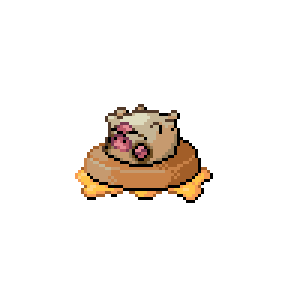
Slayena sleep in large piles near cliff bases. If one is disturbed, the entire pack awakens and swarms the intruder without hesitation.
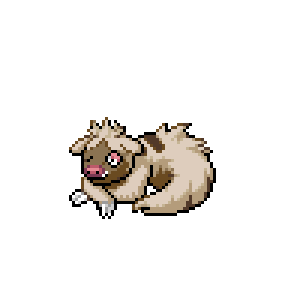
Slaple yawns frequently, releasing threads coated in drowsy silk. Predators often fall asleep mid-chase after inhaling it.
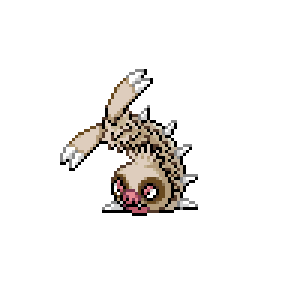
Each part of Vigocute thinks independently, rarely syncing up. Even in sleep, one or more sections remain twitchy and alert.

Vigohorn smashes boulders with its head and immediately seeks another. It charges nonstop, seemingly never running out of stamina.
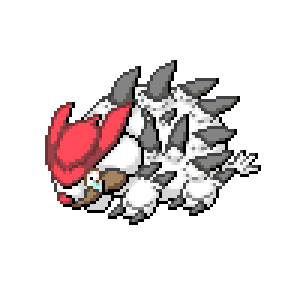
Hoenn herbalists harvest Vigogela's vines to make cheap energy tinctures. The vines regrow quickly, making it easy to farm.

With wild energy, Vigosir tears bark from trees to drink sap. If startled mid-meal, it retaliates in a frenzy of claw slashes.

Vigodrill bounds from branch to branch, never staying still. It feeds on fruit blossoms, pollinating trees as it moves through the canopy.

Herds of Vigoreep sprint across fields, buzzing with energy. They transfer mild charges to each other as they run in sync.

The pollen from Vigoloom induces bursts of energy in nearby Pokémon. It's often surrounded by small groups unable to sit still.

At dawn, Vigogrowth's vines flail unpredictably, grabbing anything in reach. It remains restless until calming down late into the evening.

If sleep-deprived, Vigoran secretes a red toxin that energizes others on contact. Victims become restless, unable to sleep.

Vigorina's clear poison grants bursts of hyperactivity followed by deep fatigue. It secretes more of this toxin when provoked in battle.

In its den, Vigoran coats the entrance in poison using its horn. It attacks intruders with Throat Chop before they can flee.

Chilan Berry-scented spores drift from Vigoloom's head as it runs. Breathing them in triggers bursts of energy and erratic, playful movement within its own body.

A claw extends from Vigomuku's mouth to crush coral with ease. It's highly selective, spitting out pieces it deems unworthy.

Vigono lets out a bellowing roar when it spots prey, sending them fleeing. It revels in the wild chase, driven by its boundless energy.

Using aura senses, Vigolu searches for energetic Pokémon. Once found, it challenges them to rapid-fire sparring bouts.

Vigoang rotates furiously as it moves, radiating chaotic energy. This motion builds electricity that discharges on contact.

In combat, Vigoseed spins its metal body while surging with energy. While spinning, it focuses to unleash devastating attacks.

During early mornings, Vigoxew is brimming with energy. It slams tree trunks with its finned head, leaving deep grooves to mark its territory.

It enjoys floating in the shallows with schools of its kind, releasing playful jets of water. These gentle currents provide protection to smaller sea Pokémon.

It gracefully glides through the water, spinning in circles to create mesmerizing whirlpools. These whirlpools help it catch smaller prey with minimal effort.

It produces pulses of light while swimming in the deep sea, guiding lost Pokémon toward safety. Fishermen have learned to follow its glow to find schools of smaller fish Pokémon.

Its glowing orbs are visible even in the darkest ocean depths. Many sailors mistake it for a guiding light, unaware of the deep-sea creatures lurking nearby.

It bounces playfully on the ocean's surface, using its rubbery body to create large splashes. Coastal towns often see them playing together during festivals.

It enjoys resting on coral beds, covering its body in shards of broken coral for camouflage. When startled, it spits them out at high speeds as a defense.
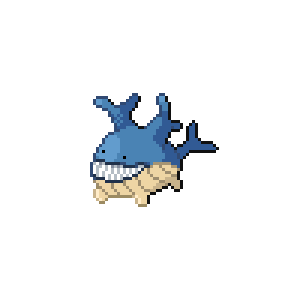
It enjoys riding ocean currents alongside large groups of its kind, sometimes hitching rides on larger sea Pokémon. The smoother the current, the happier it seems.

Its playful nature makes it a favorite among divers, often approaching them curiously. It emits joyful squeaks while gliding just beneath the waves.

Its vibrant blue scales shine brilliantly under the sun as it floats near coral reefs. If disturbed, it unleashes powerful psychic waves to scare away threats.

Wailsopod duel on sunny beaches, but will immediately stop if either begins to dry out under the harsh rays. Due to this, many fights don't last over an hour.

Wailkie hops along pond edges searching for prey like Ledyba. It launches into the air and dispatches them midflight with a powerful Bounce.
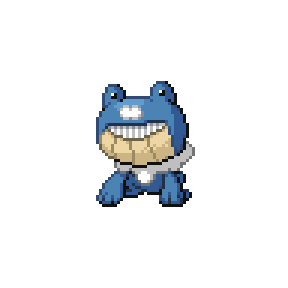
When two Waildisc play together, their heart-shaped fins create elegant water patterns. Many believe seeing them leap together is a sign of everlasting love.
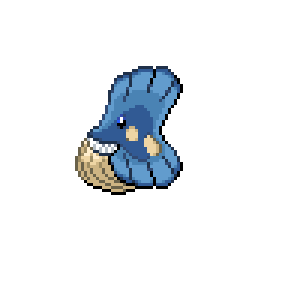
It playfully races against fast swimmers, using jets of water to propel itself forward. Trainers believe swimming alongside it enhances endurance.

Shichu constantly rubs its cheeks to ease the ache of stored electricity. Sparks leak from the star on its tail when it struggles to hold the charge.

Shisel crackles with energy from the feather on its head. The brightness of the sparks reveals its health and mood.
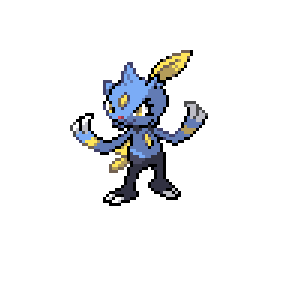
Shians coils tightly around its foe while rattling its tail. As it tightens, it builds a charge, then releases a burst of electricity all at once.

While dancing, Shi Jr. stores electricity in the pom-pom on its head. Interrupting its routine often results in a shocking retaliation.

While tunneling, Shishrew builds electricity in its tail. Electricians study its tail tip, which can deliver precise shocks strong enough to disable larger foes.

The star-like parts of Shipix's tails glow red-hot during battle. The stronger its electric attacks, the hotter they burn.

Shirua mimics humans using illusions while it hunts. Tiny sparks left in its footsteps are the only clue it was ever there.

As it flies, Shibat releases shocks from its tails to stun prey. It then swarms the target with others of its kind.
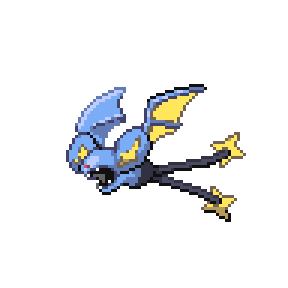
Static builds within Shiful's cottony body as it moves. Even a gentle hug can result in jolts powerful enough to leave mild burns.

Shitad uses the lily pad on its head to absorb lightning during storms. It stores the energy to shock predators that get too close.

Static electricity allows Shith to stick coins and bottle caps to its fur. It treasures anything shiny and builds small hoards.

When playing fetch, Shilithe becomes overjoyed. Sparks leap from its fur as it dashes, leaving a trail of static behind.

Luorb touches its tail to electric poles to absorb power. If it takes in too much, it will explode violently.

Lubone's electrical power surges when it cries. Tears scatter across the battlefield, allowing its electricity to reach much farther than usual.

Luto disguises itself as electrical equipment near power substations. When unobserved, it feeds on stored electricity with a faint hum.

The pointy fur on Lueon's body is always coursing with electricity. When frightened, it discharges more power than a lightning rod can handle.

During thunderstorms, Luowl watches the lightning in awe from tree branches. If a large strike is coming, it hoots in excitement.

Luchu gnaws on wires in power plants. When startled, it discharges enough electricity to knock itself out.
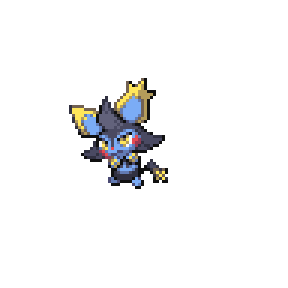
Lupom uses its long tail to launch bursts of electricity, knocking Nanab Berries from trees with expert aim.
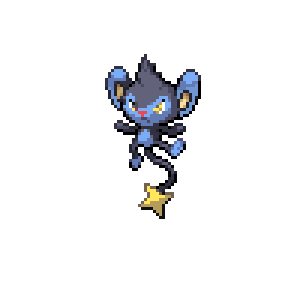
Luma flies in Z-shaped patterns over lakes looking for prey. If it spots a Magikarp, it unleashes an electrical shock.

Lukrow spends its days watching people talk, imitating words it hears. If it feels it hasn't done a good job, it will release sparks from its tail in frustration.

Luicate discharges enough electricity from its front teeth to electrify a small pond, using this ability to knock out prey like Goldeen. It will glow yellow before a powerful attack.
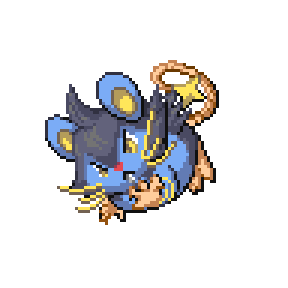
Lugar channels electricity into its claws to attack, divebombing prey under the cover of night. Its claws are strong enough to crush tree trunks.

Lurow flies through storm clouds to absorb electricity, glowing yellow if it gathers too much. During this period it will be extremely irritable.
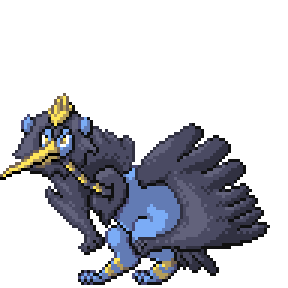
Lukid places its tail on electric appliances to steal power. If overcharged, it moves rapidly from one point to another, unable to slow down.
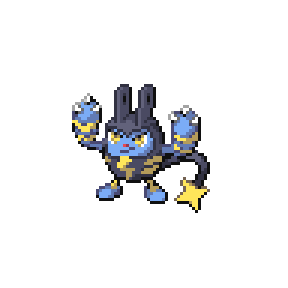
Lumagius can be heard chanting an odd cry during thunderstorms. It is not a known language, and many assume it is chanting a curse of some kind.
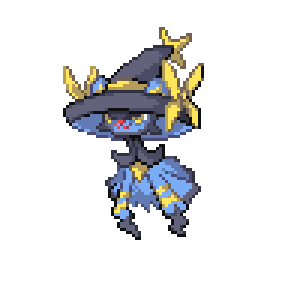
Lukrow's feathers crackle with static as it flies, calling down lightning to strike anyone near its nest. It sparks even while asleep due to the high voltage coursing through its body.

Luki's brass rings crackle with electrical energy, jingling as it floats through the air. It is extremely energized during thunderstorms.

Lucada digs into the dirt to create tunnels. Its excitement for digging somehow generates electricity, which builds as it enjoys its task.

From its riverside lodge, Lubarel senses threats with sharp instincts. At night, it releases powerful lightning strikes to keep predators away.

Luink floats through power plants, checking equipment with its tail. If it detects an issue, it lets out a loud screech to alert the workers.

The gelatinous membrane encasing Lusion's body stores excess electricity like a battery. Sparks constantly dance across its surface as it floats.

Lubat releases bolts of electricity from its tail to stun foes, then sucks their blood afterward. It prefers to only hunt at night.
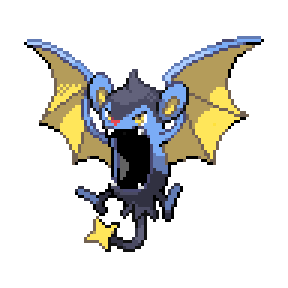
Lufisk lays on cave floors waiting for prey. If stepped on, it unleashes enough electricity to charge the skin of its attacker.

Lubish consumes e-waste to absorb latent electrical energy. Sifting through dumpsters is its primary way to find food, as even small scraps can sustain it for weeks.
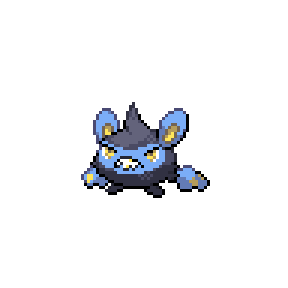
Lulucha performs acrobatic movements while jumping from tree to tree, pulsing with electrical energy. The air moving through its wings somehow charges its body.

Luroc absorbs sunlight into its fur to charge electricity within its body, unleashing the energy from its maw. Its fur will stand on end when fully charged.

Lupuff touches its tail to outlets to gather electricity. When fully charged, it releases a scent similar to Razz Berries.

Lumite's tail flutters as it floats above buildings. The fur tuft on its head is made of trillions of tiny metal wires.

After feasting on dreams, Luzee's body surges with electric energy. It crackles with power, sometimes even gleefully discharging shocks from its ears after eating pleasant dreams.

If Jigglykhan finds a sleeping Pokémon in the wild, it gently places them in its pouch. It then hums a soft melody to ensure they rest peacefully.

Its body is filled with air. It uses its fangs to clamp down on surfaces to avoid floating away while sleeping.

After putting a foe to sleep, Jigglygar uses its strong claws to grab them tightly. It prefers to strike from above, dropping in silently after its lullaby takes effect.

After eating honey, Jigglyursa's voice becomes wildly off-key. Despite this, it continues to sing with great enthusiasm.

Jigglyrow sings at the entrance of tunnels to lull the inhabitants inside to sleep. It then uses its long beak to reach in and pluck out unsuspecting prey.
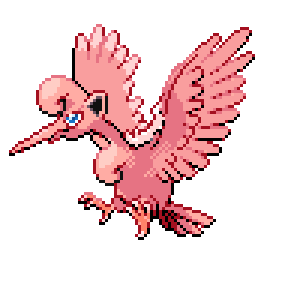
The milk Jigglytank produces has potent sleep-inducing properties. Strangely, even touching the milk without drinking it can cause sudden drowsiness.

Jigglyceus sings in low, resonant cadences that subtly alter perception. Listeners often believe it divine until the song comes to an end.

On full moon nights, Jigglyfairy sings directly to the moon. When five or more gather, their combined voices are said to evoke deep sorrow in anyone who hears them.

Jigglycada flutters from tree to tree with its small wings, singing a gentle tune. It pauses only to nibble on freshly budding leaves.

Jigglymander sings atop volcanic plateaus, its voice carrying over the fiery landscape. The glow of lava below gives its performances an almost hypnotic allure.
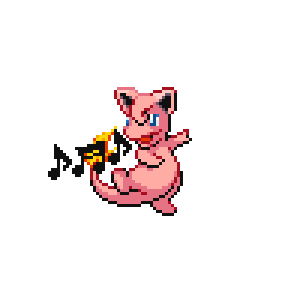
Jigglyor floats gently through the night sky, singing with joy. Most who hear its lullaby can't stay awake long enough to hear it finish.
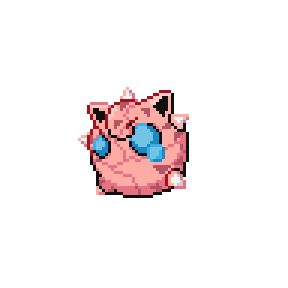
A muffled song echoes from within Jigglyor's rocky shell as it drifts through the sky. If it senses someone isn't listening, it will explode in a fit of rage.

Jigglylett sings cheerfully while digging alongside others of its kind. The melody is soothing enough to lull nearby tunneling Pokémon into sleep.

Jigglytrio's three heads sing in perfect unison when someone approaches. The melody entrances prey, luring them toward hidden pitfalls.

Flocks of Jigglygull circle above beaches while singing softly. Once beachgoers fall asleep, they swoop down to steal unattended food.
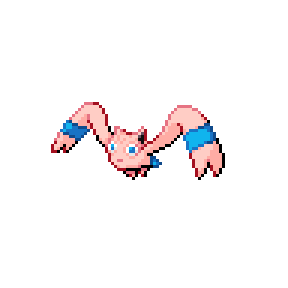
Jigglysprout whistles a delightful tune said to help plants grow. It can often be found in the middle of daisy fields, singing softly as flowers sway around it.

Jigglymite's soft body crackles with electricity while it floats near power plants. When it sings, tiny sparks escape its mouth and fall to the ground.

Arorb's body is covered in a tungsten shell, allowing it to roll across rough landscapes with ease. If interrupted while traveling, it unleashes a powerful Electro Ball.

Scientists recently spotted clusters of Arfa drifting through space. For some reason, they do not require food once they leave the atmosphere.
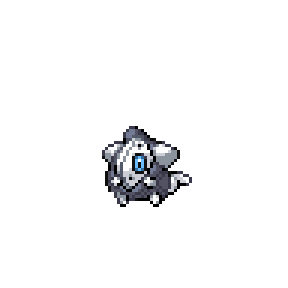
Artu pecks at mining equipment with its metal beak, occasionally consuming small pieces. Afterward, it sometimes experiences visions from the most recent user's life.

Arpom's hand-like tail is harder than iron. It smashes it into cliff walls to knock loose chunks of marble, which it eagerly consumes after grinding it up with a powerful Metal Claw.

Argar uses its silvered claws to smash cave walls and knock loose Hard Stones. It collects these rocks to decorate its underground den.
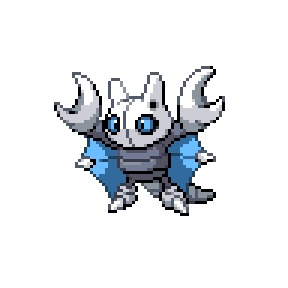
It prefers to keep its body as cold as possible. During the winter months it sleeps in frozen caverns, keeping its internal temperature low.
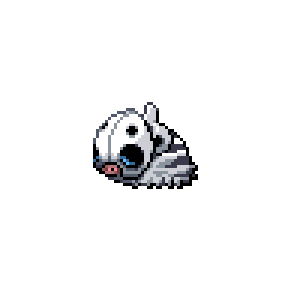
Arans flicks out its blue tongue in deep caves to smell for Blue Shards. Upon finding some, it rams its head into the wall until the shards break loose.

Artank produces milk rich in iron, often used in vitamin supplements. It generates more milk than usual during the spring months.

Arshrew slams its metal head into the ground to startle prey like Diglett. When they surface, it finishes them off with a powerful Bulldoze.

The metal coating Aran's body is covered in a thin layer of clear poison. Contact with this toxin can cause violent seizures if not washed off quickly.

Areon tastes cave walls with its long tongue to analyze their composition. It can mimic the texture and color of any stone it licks, blending in seamlessly.
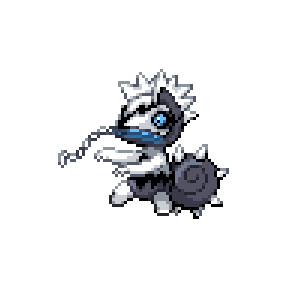
It violently slams its head into trees and other stationary objects to test its strength. Some say it keeps a count of how many foes it knocks over.

Before a hurricane, Arsol's metal shell glows with a bright blue hue. During this time, it runs through villages hoping someone will notice the warning and spread the word.

Aran's large metallic ears can detect even the faintest noise from over 100 feet away. If it senses a predator, it quickly retreats to its burrow.
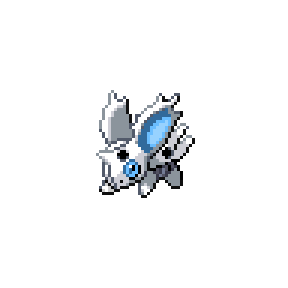
Arino drills into rocky outcrops in search of Moon Stone shards. Eating these shards seems to strengthen its vitality and defensive capabilities.

Ariard carves intricate labyrinths in stone using its bladed limbs. It performs an intense Swords Dance while balancing on its heels to prepare for battle.

The blue metal star-shaped tip of Arxio's tail crackles with static. It uses this tail to track underground power lines and mineral-rich veins.

A melancholic song echoes softly from the holes on Arpuff's body. The sound can cause dizziness and fainting in the elderly if heard for too long.

Arinch digs pits and hides inside, waiting for prey like Spearow or Ekans. When one passes by, it leaps out, snapping its iron jaws and dragging the target underground.

The metal coating Armander's body becomes extremely hot when using Fire-type moves like Ember. When exhausted, it consumes coal to refuel its flame.

It slams its head into cave walls to create loud noises. It uses these tumults as a form of echolocation to determine its surroundings.
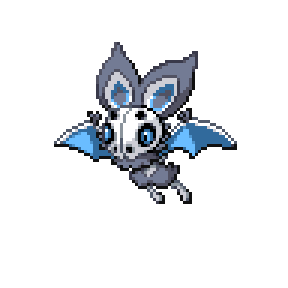
Arbink's outer layer is made of a steel-like metal that strengthens as it consumes gems. Sapphires seem to make its shell harder than any other gemstone.

Arnat's body appears fluffy but is covered in metallic purple strands as strong as rebar. These metal fibers provide exceptional protection against attacks.
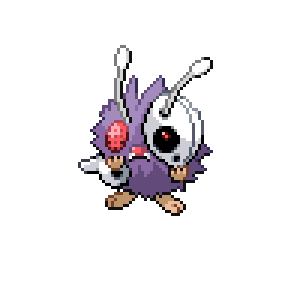
Arth sneaks into homes to steal gold jewelry, which it consumes. This diet strengthens the golden mask-like plating on its face.
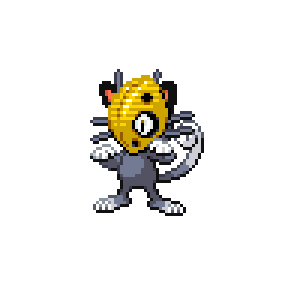
Arsian's silver whiskers can detect temperature changes with remarkable precision. If it senses a storm approaching, it gathers its allies in a cave for shelter.
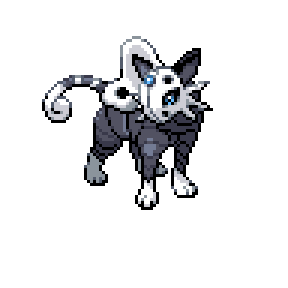
Arape fights by rolling its round, metallic body like a ball across the ground. If it misses even a single strike, it flies into a blind rage and attacks indiscriminately.

A single kick from an Archop can halt a moving train. The alloy that covers its body grows like skin and falls off if it gets damaged.

The steel plating covering Armite's body delivers a painful shock to anyone who touches it. When tired, it rests on traffic lights to recharge.
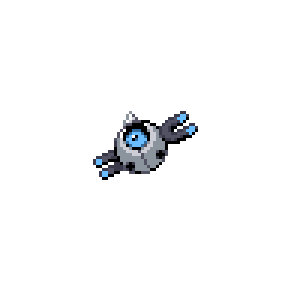
Arduo's beaks are coated with a gold-like metal. It pecks cave walls to dislodge Light Clay, which it then devours with delight.
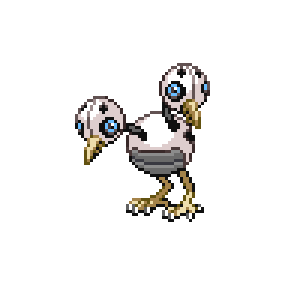
Lairbone's skull is formed from dense layers of iron. It strikes ore from cave walls with its bone, consuming it to further harden its skull.
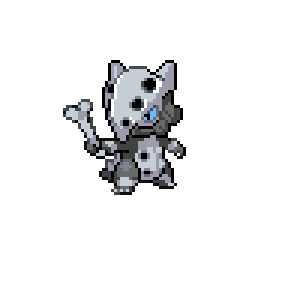
The helm atop Lairnair's head is forged from a lead-like alloy. When the orbs on its tail glow blue, a massive thunderstorm soon follows.

Lairlix's segmented body grows denser the deeper it digs. It consumes raw ore as it tunnels through mountainous terrain.

Lairtar's iron body hardens as it rests. It hops between copper deposits while sleeping, slowly building strength for evolution.

Lairvile climbs icy mountain cliffs in search of metal pitons left by climbers. Eating these strengthens its armor and sharpens its claws.
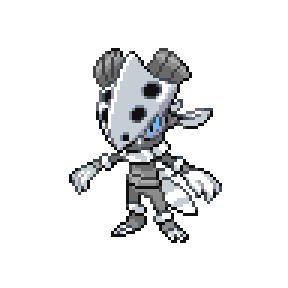
Covered in dense cobalt plating, Lairtang hovers using psychic force. It rarely touches the ground, even while mining.

A hollow aluminum alloy encases Lairbite's body. It captures rushing air while leaping, allowing for brief glides between cliffs.

With its iron-plated second head, Lairwile playfully nibbles at its kin. At times it bites too hard, unintentionally leaving dents.
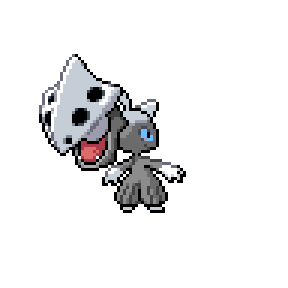
Lairsharp tears into ore veins with sharp metal claws, breaking stone with ease. It can feed on the same deposit for months without moving.
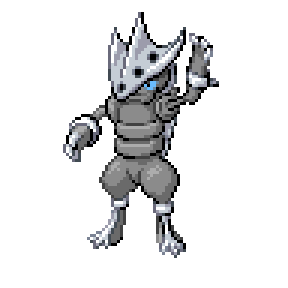
Lairlous's two heads are made of dense iron. While sleeping in its cave, the two heads unintentionally alternate snoring, the sound echoing deep through the tunnels.
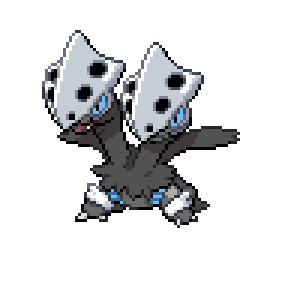
Lairbat emits sonar pulses to locate copper veins in dark caves. Once found, it gnaws on the metal to bolster its armored body.
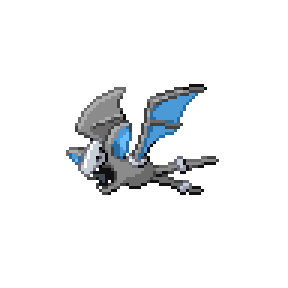
Lairxure's tusks are coated in thick steel, reinforced for digging. It tunnels through rock in search of rare minerals.

The more emeralds Laireye eats, the stronger its metal armor becomes. When deprived of gems, it grows sluggish and weak.
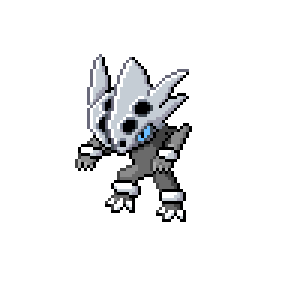
A coating of liquid metal seeps from Lairgoo's body, pooling in puddles as it moves. It sleeps curled into a glossy, silent orb.

The blue metal scale on Lairmo-o's tail falls off if it gets even slightly chipped. It will regrow faster if it eats metal, allowing it to rapidly repair and maintain its defensive strength.

Lairty's aluminum helmet gleams brighter the more it's polished. It uses its silken tail to buff the surface obsessively.
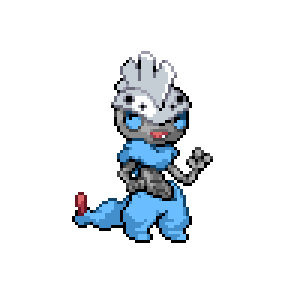
Lairdred shatters iron veins with powerful sound blasts. It then consumes the exposed chunks of metal with ease.
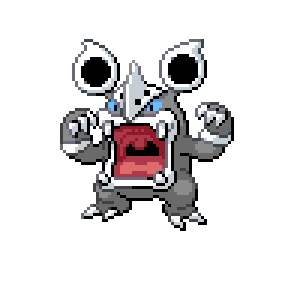
Lairtite trains relentlessly inside caves, balancing strength and focus. When exhaustion sets in, it consumes small metal objects to quickly restore its stamina.

After feeding on metal ore, Laircham's body becomes very shiny. During this time, its psychic attacks grow vastly stronger.

The silver helm on Lairlithe's head glows red-hot when it plays. Trainers often toss it fire-resistant toys to keep it entertained.

Lairdude crushes iron ore between its hands before eating the powder. This process helps reinforce its already dense armor.

Lairler scoops iron ore with ease in abandoned mines. It consumes the ore to reinforce and thicken the steel plating on its head.

The sand that streams out of its mouth is frequently melted down into glass by artisans. Safety Goggles that use this glass have a yellow shine.

Vibrarow's feathers buzz as its wings flap at high speed. It glides over savannahs, scanning the tall grass for movement before diving.
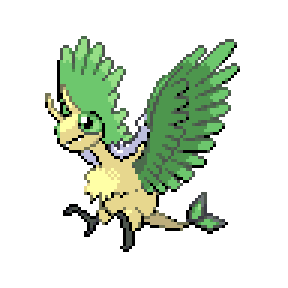
While digging, Vibraile flaps its wings to throw sand into the air. Once prey is blinded, it strikes with crushing jaws from below.
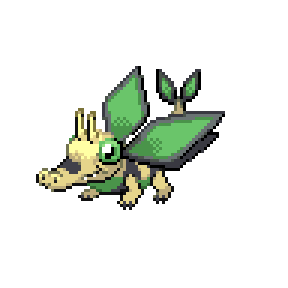
Vibramask nests in stone tomb pillars, drawn to ancient sites. It streaks through the ruins to intercept intruders with Disable.
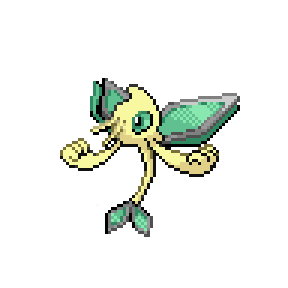
Ancient healers once used Vibraolett to deliver poultices across harsh terrain. Many dusty scrolls reference its role in forgotten remedies.

Just before attacking, Vibraesta's wings vibrate in a fiery blur. It releases bursts of heat strong enough to melt sandstone with ease.
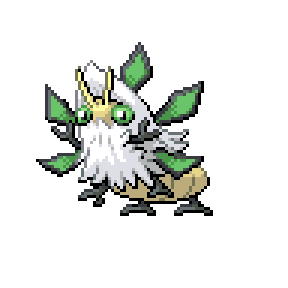
Large schools of Feedeen appeared near Frond Island within the last year. They are extremely territorial and attack anyone fishing in the area.

It freezes in surprise if anyone looks at it, refusing to blink. This reaction releases an icy chill that spreads through the surrounding water.

The light on its antenna resembles an Oran Berry, blinking blue in the sea's depths. It uses this lure to attract unsuspecting prey.

When it spots someone on the shoreline, it approaches with a friendly demeanor. It then shoots jets of cold water to distract them and steal items.

The fins on its body are coated with a thin slime that can induce deep sadness in anyone who touches it. This defense ensures it is rarely disturbed.

Shy and elusive, it unleashes a powerful Pin Missile into the water when spotted. These sharp projectiles deter any potential threats.

It uses the suction cups on its tentacles to cling to piers, observing the sea. If noticed, it panics and scrambles into the water to escape.

The underside of its body glows at night, resembling a stunning colorful stained-glass pattern. Artists are often inspired by this ethereal beauty.
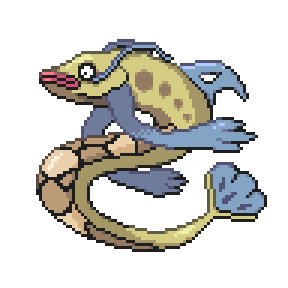
Incredibly shy, it spits globs of Gastro Acid into the water around itself when spotted. This tactic serves as a distraction while it escapes.

Preferring solitude, it buries itself in sand near the sea. If accidentally uncovered, it releases a mild spark to scare away intruders before finding a new hiding spot.

It stares intently at food before eating, but the slightest movement from others scares it. It quickly hides, waiting for the danger to pass.

It watches picnicking travelers from nearby lakes, pretending to be shy if spotted. It splashes water and winks in hopes of receiving free food.

Feesopod is extremely shy and hides in remote lagoons. If cornered, however, it lashes out with claws sharp enough to cleave concrete into pieces.

Its constant headaches cause it to psychically relive embarrassing moments from those around it. This makes its headaches worse, creating a vicious cycle.
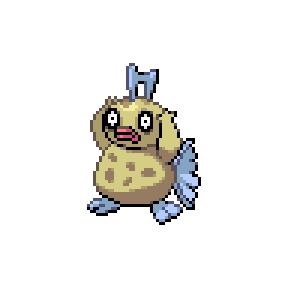
It perches on lily pads, glaring at passing Trainers with a judgmental stare. If approached, it trips over itself in a frantic attempt to escape underwater.

Living in deep underwater caves, it avoids attention at all costs. When spotted by divers, it emits a bone-chilling Screech and flees into the darkness.

It uses psychic powers to sense the thoughts of those who approach. If it detects interest in interaction, it goes completely still, pretending to be unnoticed.

Its body consists of corrosive slime that drifts across the water's surface. The slime absorbs plant life it touches, extracting vital nutrients.
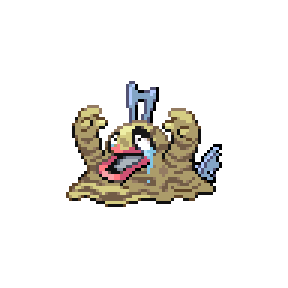
Its acidic slime spreads thinly across the surface of ponds. When prey enters the water, the slime wraps around them instantly, trapping them.

It produces stunning blue pearls within its shell. When pursued, it tosses the pearls onto nearby sand, hoping to distract the pursuer with treasure.

Batung uses its long tongue to knock foes off balance before ramming them with its skull. Its skull becomes harder than granite if its diet is rich in minerals.

The vines that writhe around Bagela's body are as hard as bone, despite their flexibility. It uses these vines to uproot shrubs and devour them whole.

If Bather fails to slice through a tree during training, it headbutts the trunk until it falls. Once successful, it strikes a triumphant pose atop the fallen tree.
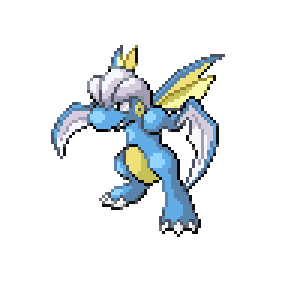
It clamps its mouth around a foe's head before attempting to ensnare them with its long body. Its body is covered in tiny, soft scales that glow when wet.
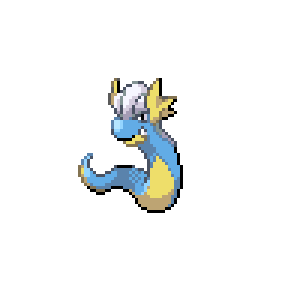
Bacross frequently leaps off rocky outcrops in a desperate attempt to fly. When it inevitably fails, it slams the ground with its horn.
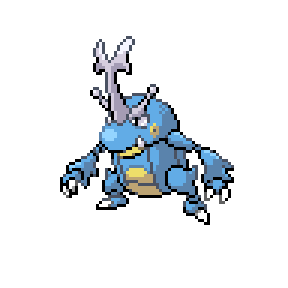
The skin covering its body its extremely coarse to the touch. One should avoid petting a Batar to prevent injury.
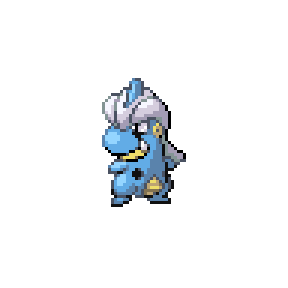
It makes a low-frequency noise that sounds similar to a bell while it flies. It clamps onto the sides of cave walls with its fierce jaws.
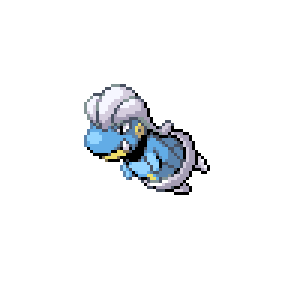
It eats ore in order to absorb their nutrients. Bable prefers copper and silver ore over all other types of ore due to the flavor.

Its skin can dry out quickly and crack. Due to this, wild Bano tend to stay close to rivers, creeks, and other bodies of water.
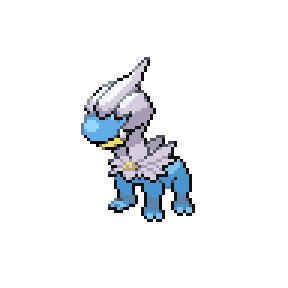
Baolu performs backflips in an attempt to mimic professional fighters. Its heavy skull often causes it to stumble mid-routine, frustrating it greatly.
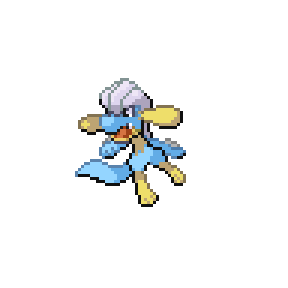
Baroth is most energized at sunrise, wildly swinging its arms while gazing at the morning sky. During this time, its skull glimmers with a faint blue hue.
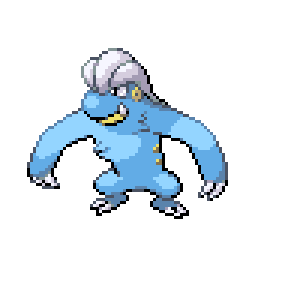
The helmet on its body is made of an extremely hard metal. It smashes its helmet into trees to break branches off and eat the fruit.
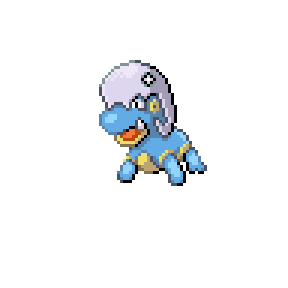
Since ancient times, blacksmiths have used Baxew to forcibly shape metal. This is due to the Pokémon's high tolerance to heat.
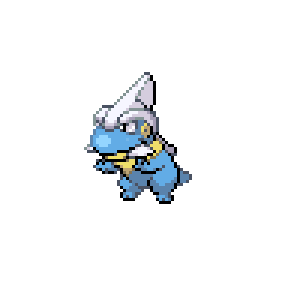
It pierces enemies with the spikes on its arms. Should the spike break off, it will regrow slowly over the course of one week.
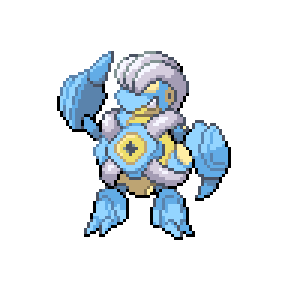
Bapede's hard forehead is coated with a sticky, white poison. A single Headbutt leaves foes covered in a residue that causes dizziness and clings to clothing.

The cotton-like substance on its wings comes off in clumps as it flies. Its wings are extremely soft and were once used to stuff mattresses.
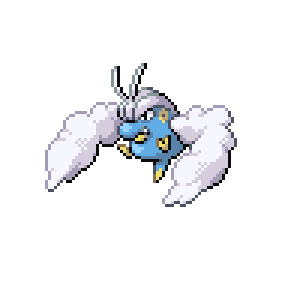
It releases a sticky substance while it moves across the ground. The slime it leaves behind smells like rotting vegetables.
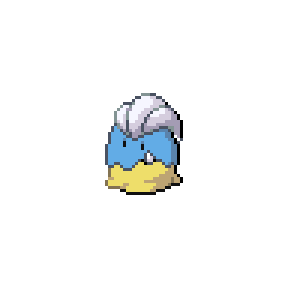
The scales on Bamo-o's body, as well as its skull, glisten during heavy rain. These scales are sometimes harvested by jewelers to craft decorative shower curtains.
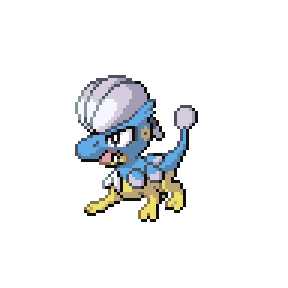
Banat emits telekinetic waves through its antennae, using them to levitate discarded toys in an effort to simulate flight. It nests near toy stores, hoping to find the perfect abandoned toy.
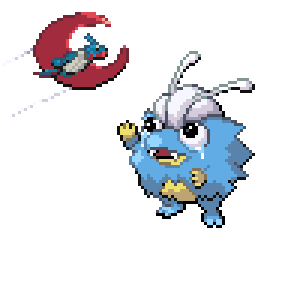
It tunnels through the ground at extremely high speeds. Should it encounter a rock, it will use its thick skulls to break through the stone.
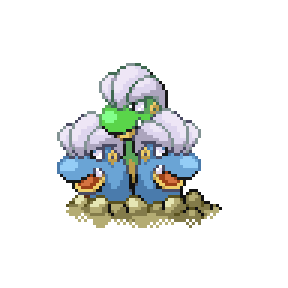
Shelvile sleeps curled in a ball deep within icy caves. Its frilled plating wards off ambushes, and the surrounding air drops by ten degrees as it slumbers.

A thick iron shell shields Shelsharp's head from cave-ins and ambushes. It constantly searches for iron ore, which it consumes to reinforce its armor.
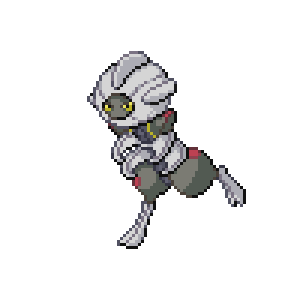
Ancient records tell of Shelurk aiding in mountain rescues. Its heavy plating allowed it to march through avalanches unscathed, carrying survivors to safety.

In tight-knit packs, Shelron scuttles through caverns in search of silver ore. A single group can consume over 50 tons in just one week.

Shelbat glides through tunnels, emitting sonar pulses from its metallic body. It can map an entire cave system in pitch-black darkness.
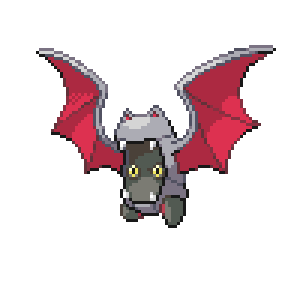
In battle, Shelty hoists its loose skin over its head and stiffens it into a metal-like shield. Shelty charges headfirst into foes, confident in its armor.
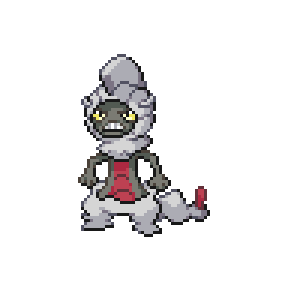
Klitung's long, metallic tongue crackles with stray sparks as it eats discarded electronics found in junkyards and landfills.

Often found near landfills, Klieon digs through heaps of discarded electronics. Its gears whirr and spin furiously while it feeds.

Kligar glides through construction sites at night, chewing through bulldozers. It digests metal to reinforce its own grinding gears.

Klipy charges across wastelands while rolling at high speed. Sparks fly from its gear as it discharges bursts of electricity.

Klikid makes its home in abandoned textile factories, gnawing on forgotten machines. Its body hums with electric energy as it feeds and powers up.
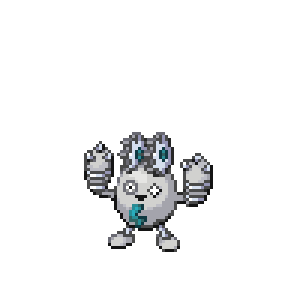
An oily coating allows Klieon's metal body to shift color with its surroundings. It hides in derelict factories, perfectly camouflaged.

Klitang uses subtle psychic waves to influence factory workers during repairs. It finds deep satisfaction in watching machinery run smoothly.

The blue lightbulb in Klipent's core resembles a flame but emits no heat. At night, it perches atop cranes, letting loose tiny sparks as its bulb glows.

Kliki claims abandoned electronics warehouses as its territory. If disturbed, it emits a piercing metallic cry and discharges static bursts.

As it burrows beneath Lum Berry trees, Klicada's neck gear spins rapidly. It knocks Berries loose by releasing bolts of electricity.

Klielia's flower-shaped gears hum with electricity. It uses stored power to defend its kin from aerial predators like Skarmory.

Klimask defends ancient tombs by unleashing horrifying Shadow Balls. Its tail gear vibrates with ghostly energy before each attack.
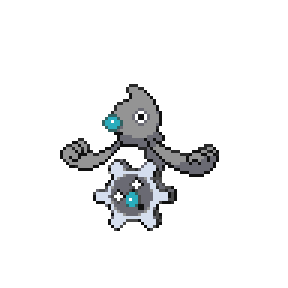
While absorbing electricity, Klitik's gears spin at high speed. It can retain power for months depending on the intensity of the charge.
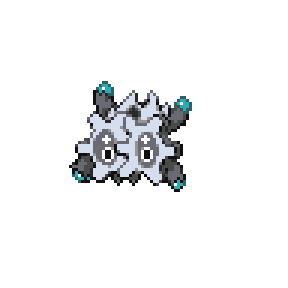
The metal surrounding Kliesta's body is constantly hot. High-end grills are rumored to use parts from it for consistent heat.

Tiny holes across Klipede's tin body leak a thick, green poison. Contact with the fluid causes severe irritation.
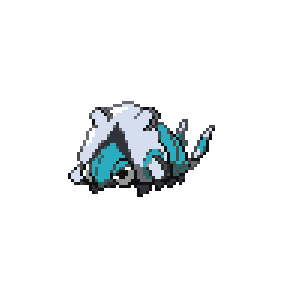
The thick steel shell covering Klilie is freezing to the touch. Rain freezes instantly upon contact with its frigid frame.

Though it appears fluffy, Klilix's metallic-colored candy floss tastes awful. Survivors describe the flavor being similar to battery acid and oil.

The pants-like rubbery skin around Kliggy's legs protects its allies by preventing accidental electric shocks while it trains or battles.

The cogs on Klaffy slow as its internal electricity depletes. At night, it enters a deep sleep to restore its charge.

Klaloom hovers near factories and power plants, gently spinning as it absorbs sunlight to fuel its Electric-type attacks.
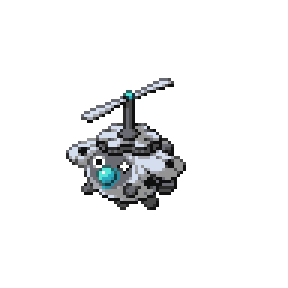
Klaluff's cogwheels are made of lightweight aluminum, allowing it to drift effortlessly through factories and scrapyards.

Klalicky uses its conveyor-belt-like tongue to scoop up metallic scraps. It digests the metal slowly, absorbing trace energy from each piece.

When using fire-based attacks, the cogs on Klachar's body spin furiously. Sparks fly from its joints as it heats up.
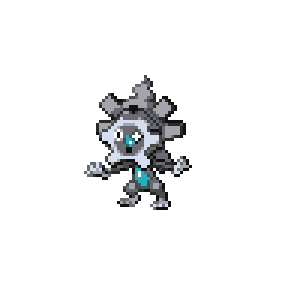
Klaiard moves with stiff, mechanical motions, resembling a wind-up toy. It strikes enemies with the dagger-like blade on its left arm.

Klawick nests atop electrical poles, channeling currents through its body. It lights up brightly to lure prey like Venomoth closer.

A blue bulb glows within Klapent's head, resembling a cool flame. Upon waking, it releases a blinding flash from the bulb.

Klaesta's round nose heats up beyond commercial oven temperatures. A single touch can leave severe burns on even the toughest Pokémon.

Klakoal's head rotates slowly as it walks. It senses nearby mechanical failure, growing hot to the touch when something is wrong.
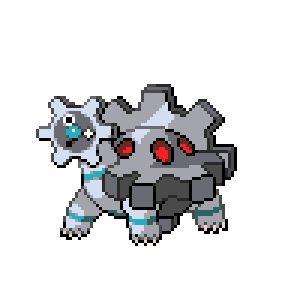
Zopie frequently disguises itself as an elderly person wandering darkened woods. If someone gets too close, it spits a sticky silk thread to capture them, leaving them for others in its nest to feed on.
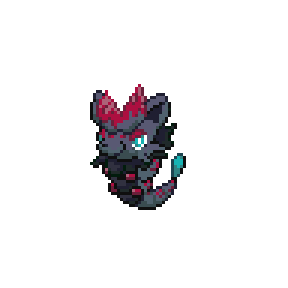
Using a mysterious illusion-based ability, it pretends to be a pile of leaves while resting. It will cower and shake violently if it senses danger.
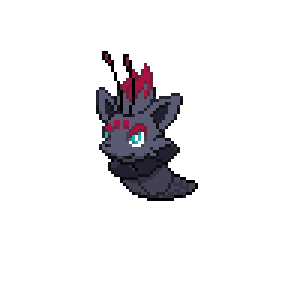
Zodle pretends to be a crying infant deep in the forest to attract unsuspecting passersby. The moment someone gets too close, it injects them with venom and disappears into the shadows.
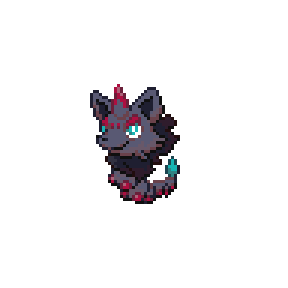
A pleasant basil-like scent wafts from the tuft of fur on Zorita's head. Many find this aroma oddly calming, though it may be a trick to lure unsuspecting victims.

Entire cultures once worshipped Zoceus en masse. Unbeknownst to them, it often joined the festivities disguised as a human.
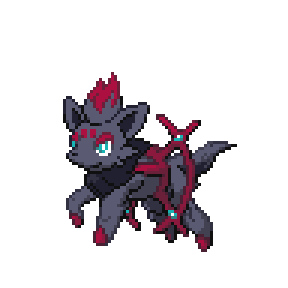
Zonx often transforms into a child to blend in at playgrounds, happily playing alongside other kids. However, if it spots a bully, it will punish them with a well-placed electric shock.

Charbone unleashes intense flames when disturbed during rest. The lonelier it feels, the hotter its fire burns.
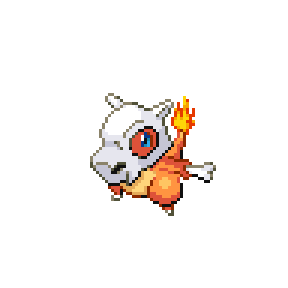
Jewelers in Castelia City will employ multiple Charfa to work on melting precious metals. Necklaces made by a Charfa's flame are in high demand.
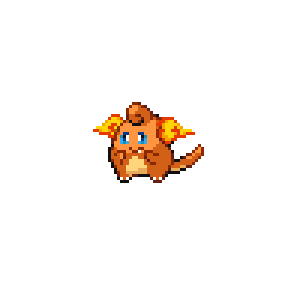
Chartu often stops walking and stares into the distance. Scholars believe it sees glimpses of past moments in time, and when its vision ends, it sneezes small bursts of flame.
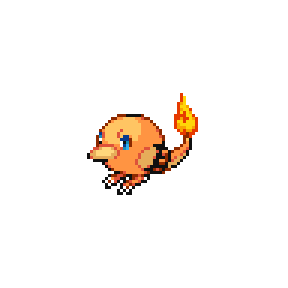
Charkrow sneaks through the night, stealing hats from unsuspecting travelers. If cornered, it spits fire to distract its pursuers before making its escape.

Chargar glides through the dawn sky in search of prey like Oddish. It scorches them with embers before swooping down to finish the hunt.

If Charow comes across a nest more impressive than its own, it spits embers at it out of sheer jealousy. Its competitive nature often leads to feuds with other Pokémon.
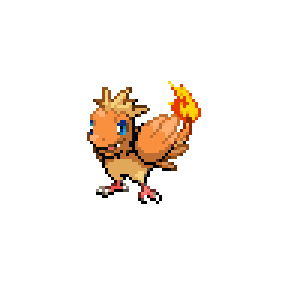
It consumes tree branches to keep the flame in its belly burning. Without constant fuel, its internal fire would weaken, leaving it vulnerable in colder environments.

Charpy leaves behind scorched trails wherever it rolls. Its superheated body ignites dry grass and dirt in its wake.

It carves paths through the tundra with bursts of flame, melting snow and ice in its way. These fiery trails allow it and other Pokémon to move freely through frozen landscapes.

Charby enjoys eating spicy food purely for fun, seeking out the hottest ingredients it can find. The intense heat only fuels the flames within this Pokémon's body.

Chartank produces milk that can soothe burns when splashed onto an injury. Despite its fiery nature, it is known to help wounded Pokémon recover.

Chareon blends in with the volcanic terrain, shifting its skin color to match nearby rocks and lava. This camouflage allows it to ambush prey before unleashing fiery bursts.

Charsol spits flames wildly in town squares when it senses an incoming hurricane. Its fiery warnings often go unheeded until the storm arrives.
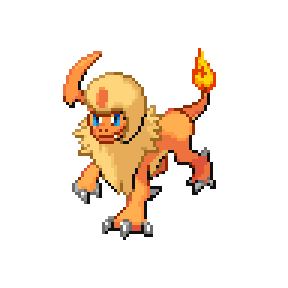
Ancient texts revere Charceus as a herald of summer's heat. When it feels unadmired, temperatures nearby rise sharply, sometimes hot enough to boil water.

Its body remains hot at all times. It will chop off portions of trees so that it can feed the burning flame in its stomach.

Its hands are hot to the touch. The spores it creates can be used as a seasoning for spicy dishes.

Charcada's claws heat up to a white-hot temperature as it burrows into the ground. Its tunnels are often lined with charred soil from its intense digging.
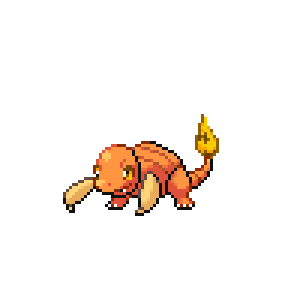
Charpuff's body becomes extremely hot before it inflates and floats. It can reach heights of over 100 feet, leaving behind a faint trail of embers.

The metal on Charon's body was once harvested by blacksmiths to forge ingots. These ingots were prized for their superior heat dispersion properties.

By using its flames, Charile melts sand to create dens made of glass. These shimmering dens serve as both glittering shelters for this Pokémon and also befuddling traps for unsuspecting prey.
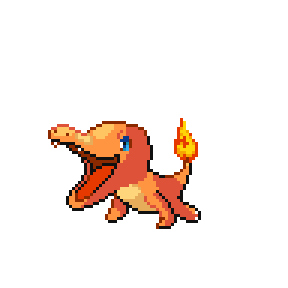
Charunt frequently becomes confused about whether to breathe flames or snow, often switching between the two. This unpredictable nature makes it difficult for opponents to anticipate this Pokémon's attacks.

Charlucha leaps effortlessly from cliffsides, spinning mid-air while spitting flames. These fiery displays are meant to impress others and assert dominance.

Its spines radiate heat, scorching anything that touches them. These fiery spines make it difficult for predators to approach without getting burned.

The ground around Charlett heats up the longer it stays still. To prevent wildfires, it constantly relocates to cooler soil.

The soil around Chartrio heats up as it digs. To avoid causing wildfires, it carefully keeps distance from tree roots.

Charmite thrives near lava pools, absorbing intense heat into its body. The hotter it becomes, the stronger and more erratic its Thundershock attack grows.

While usually not visible, it has tiny arms beneath its orange feathers. At night you can identify Charduo running through the fields by their glow.
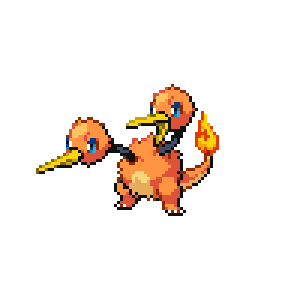
Chardrio has small orange feathers that litter the landscape as it runs. These feathers stay surprisingly cool regardless of how hot its body gets.
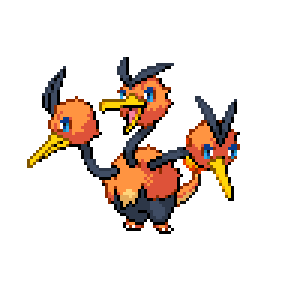
Chareel frequently eats floating ice chunks to cool its intensely hot body. Without this, it risks overheating and becoming sluggish.

If others fall asleep while it is singing, Wigglyode grows furious. In its frustration, it may self-destruct, blasting everything around it with a powerful explosion.

Wigglywak will fling a club at someone who falls asleep during its song, doing so with high speed. This sudden action is a playful yet surprising way to wake its target up.

Wigglydon spins the drill on its nose while singing, creating an oddly rhythmic pattern as it moves. This combination of song and drill serves to both entertain and intimidate in battle.

Wigglysey takes care of young Pokémon, singing them to sleep when they are scared. Its soft, fluffy body provides comfort to those seeking warmth.

During full moons, it mimics human speech to lure people out of their homes at night. Those who venture out are never seen again.

Should someone attempt to walk away mid-performance, Wigglyeon will pin them down with psychic energy. It refuses to let an audience leave until the song is finished.
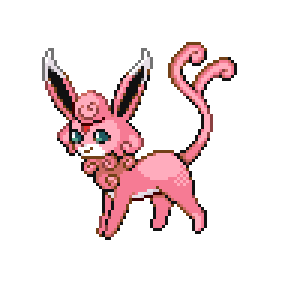
Wigglyicate sings for hours on end in pure bliss after eating cheese. Its soothing voice echoes in the air, filling the area with a calming melody that can have a peaceful effect on nearby Pokémon.

Wigglyrow sings while soaring over meadows, hoping to invigorate grazing Pokémon with its melody. However, its soothing voice inevitably lulls them into an unintended slumber.
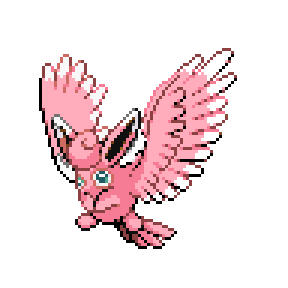
Wigglyphan trumpets a cheerful tune from its trunk that can soothe even the most furious Pokémon. Unfortunately, it often puts its own allies to sleep in the process.

Wigglylia performs intricate dances while singing on the battlefield. It moves gracefully to its own rhythm, creating an almost mesmerizing aura that can confuse or entertain its foes.

Wigglylucha enters a fighting stance when someone falls asleep to its song, waiting patiently for them to wake up before delivering a powerful punch. It uses this tactic as a playful but strategic move during battles.

Its vocal cords are fully operational. If you hear a baby crying while exploring a cave, think twice before following the sound.

The sorbet-like top of Wigglypuff emits a sweet pistachio scent. If that fails to lure prey, it unleashes a deep bellowing song that puts them to sleep instantly.

Wigglylett's ears are finely tuned to vibrations beneath the ground, alerting it to approaching predators. Digging through thick mud dulls its hearing considerably.
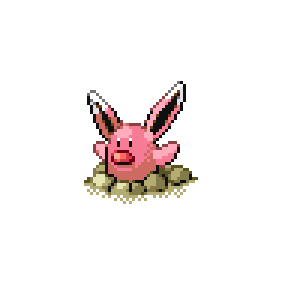
While singing, Wigglytrio's rubbery body coils around foes. As they fall asleep, it slowly pulls them beneath the ground.

Wigglybra uses its mind-reading abilities to sense someone's favorite song, then tries to mimic it. This ability allows it to resonate with its opponents, making them feel more connected or distracted.

All three of Wigglydrio's heads sing a melancholic lullaby, harmonizing in eerie unison. Those who hear it are quickly lulled into a deep, dreamless sleep.

It spits an odd assortment of seeds on any empty soil it finds. The seeds are from an unknown source and can become many different plants.

The dust from its antennae is used in salves for burns. Its smell resembles a combination of Belue Berries and White Apricorns.

Bubone sprouts flowers from its bonelike body during summer. The pollen they release has a calming effect on nearby creatures.

Buhoot thrives near wetlands, where it absorbs nutrients from the watercress growing around it. At night, it hoots softly while spreading its pollen to strengthen nearby plant life.

The stem beneath Bupi's bud is surprisingly strong, resembling the durability of bamboo. This Pokémon grows in clusters, supporting other Pokémon that build nests within its leaves.

Butu thrives in sunlit meadows, where it absorbs energy from flowers. It flits between blossoms, spreading cheer with its gentle movements.

Bukern's seeds resemble tiny cashews, packed with energy-rich nutrients. Wild Pokémon often seek them out, but its tough outer shell makes them difficult to crack open.

Buco's movements are accompanied by a soft rattle, warning others of its approach. This sound, though faint, helps it maintain its personal space among wild Pokémon.

Buchum's petals exude a cooling eucalyptus aroma that soothes those nearby. It sways gracefully in the wind, releasing calming spores into the air.
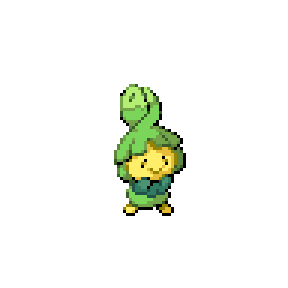
Buby's leaves release a faint smoky scent, resembling burning charcoal. When threatened, it emits embers from its petals to deter attackers.

The sap seeping from Buran's stem has a milky, toxic consistency similar to milkweed. Herbivores that attempt to eat it experience numbness in their mouths.

Buish releases spores that induce sneezing in anything nearby. These spores drift harmlessly through the air, acting as both a defense mechanism and a playful prank.

Butik lets loose small bolts of electricity into the water to sterilize it. After this, it dips its body into the water to absorb it and grow.

Buesta releases a warm, floral scent that soothes nearby Pokémon. This fragrance intensifies as it moves, making it a beacon of tranquility in blooming fields.

It prefers to eat leaves that have fallen off of maple trees. The darker brown the leaf is, the more desirable it is to a Bupede.
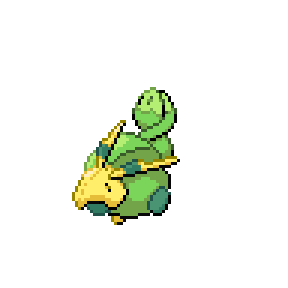
Burunt's leaves are coated in a fine, frost-like dust that smells faintly of fir trees. It thrives in cold environments, where its icy sap protects it from freezing.

Bucorio emits an unsettling presence despite its delicate appearance. It sways rhythmically, leaving others unsure whether to be entranced or unnerved.

Buras produces a distinct aroma that lingers long after it passes by. This scent attracts other Pokémon, though not all are pleased by its pungency.

It seeks out yellow flowers due to its affinity for gold. Due to this, its den is usually filled with sunflowers, dandelions and daffodils.

As Roseink spins, it releases a rose-like scent. While pleasant, this aroma signals that it is ready to strike any creature that gets too close.
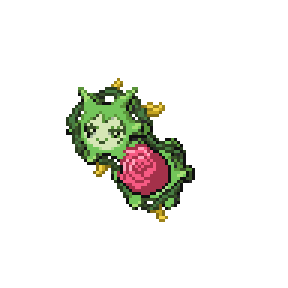
The bush growing from Rosekoal's back has soft, inviting leaves. Swablu and Pidgey rest in it, often gifting Apricorns in gratitude afterward.

The air inside its body smells faintly of moldy basil. This odd aroma lingers for up to 3 hours wherever it drifts.

Driflbone drifts through clouds while crying softly. The sound is meant to draw the attention of children, whom it then attempts to carry away.

Driflgey floats lazily above rivers, scanning for prey like Caterpie. Once it spots one, it wraps its thread-like limbs around it and drags it away to its nest.

Driflpi sneaks into the nests of other Pokémon, curling up next to their eggs while they sleep. Its warm, rubbery body helps the eggs mature faster.
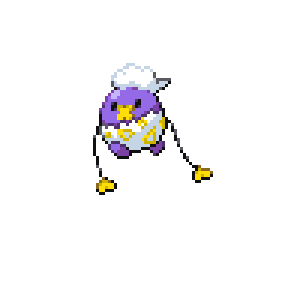
Driflrill expels a thick mist as it drifts over brooks, blending into the fog. If it senses danger, it releases powerful jets of water to push threats away.

Its tail fills with gas, allowing it to float up to 300 feet above the ground. This altitude gives it a wide view of its surroundings.

Its rubbery form bounces through mountainous areas as it travels. This unique motion helps it cover rough terrain with ease.
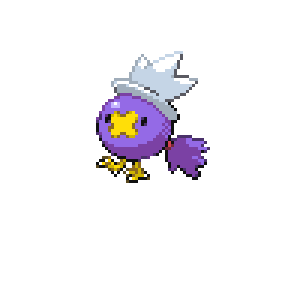
Driflbull floats near the windows of children at night, making scary faces to startle them. It listens carefully, searching for the softest cry before attempting to steal the child away.

Driflchu sprouts balloon-like objects from its back to float over cliffs. These balloons are insulated from its electric discharges, and it can generate up to four at a time, adjusting their number based on how far it needs to travel.

Driflran's hollow body fills with toxic gas when it senses danger. It is light enough to use this gas to float over vast distances, avoiding conflict whenever possible.

Poisonous gas seeps from Driflran's rubbery body through its ears. It controls its movement midair by releasing small bursts of this gas in different directions.

The heat Driflpix expels from its rubbery body is hot enough to melt silver. In ancient times, artisans used it to help craft delicate jewelry.

Driflonee's gaseous body is filled with a yellow powder that helps it stay aloft. It floats high above the ground, searching for fresh water sources to sustain its kind.
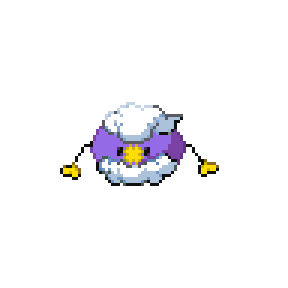
While floating through the sky, it releases small bolts of lightning. These shocks deter predators and make it an electric spectacle.
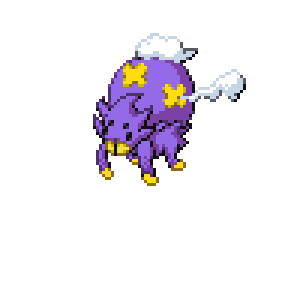
It fiercely guards ancient tombs and monoliths from scavengers. Any who dare approach are met with its unyielding defense.

Driflish's rubbery body is packed with tiny seeds. As it glides through grassy fields, it scatters them freely, causing entire meadows to sprout overnight.
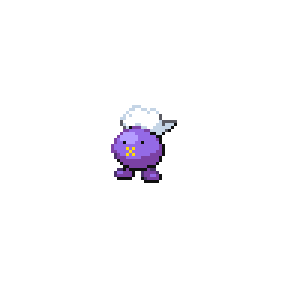
As it dances in the night sky, clouds are drawn toward Driflcorio. Those who watch too long fall into a trance, allowing it to lift them into the air and vanish without a trace.

Lying on beaches, it absorbs sunlight to warm the air inside its body. When predators approach, it puffs up to appear larger and more intimidating.

While Driflmantis's body looks to be made of rubber, it is more similar to leaves when observed up close. It eats leaves from trees as it floats through forests, purposefuly never chewing on the same tree twice.
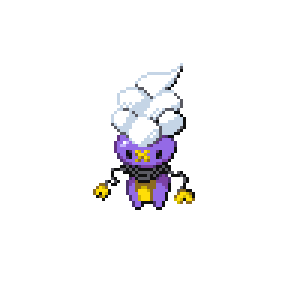
When inflated, its antennae become incredibly hot to the touch. This heat acts as both a warning and a defense mechanism.
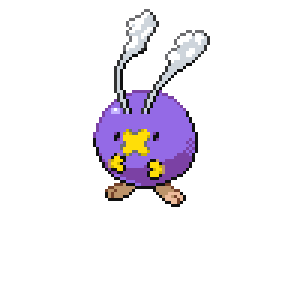
Driflggy has rubbery, pants-like skin from the waist down, which it uses to hide itself during lightning storms. It can float safely above the ground, shielded from the electrifying bolts.

While floating through city streets, Driflth uses its long, thread-like limbs to steal wallets from travelers. It lines its nest with these stolen items, seemingly hoarding them as trophies.

The humid gas that seeps from Driflithe's body is hotter than a furnace. It uses this intense heat to keep its den warm, even in the coldest environments.
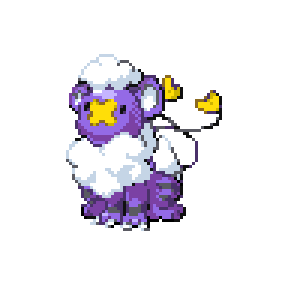
Driflwag's gas-filled body allows it to float on the surface of ponds. It uses its string-like tail to grab at objects hidden beneath the water's surface.

Driflsprout floats above lush fields, scattering seeds as it drifts. The fast-growing weeds it produces can overrun entire ecosystems within weeks.

Despite resembling an ordinary green balloon, its sword-like leek is incredibly hard and dangerous. It uses this weapon with surprising skill.

The air escaping from its nose induces drowsiness, often used in dental offices to calm patients. Its sleepy scent makes it a curious helper.

Bunpie spins silk with a faint carrot-like scent, attracting herbivorous Pokémon. It lines its burrow with the soft strands, creating a warm and fragrant nest.

Bunbone uses its bone to dig up carrots from farmland. When spotted, it pretends to cry before fleeing once guards are lowered.

Bunpod's powerful legs allow it to hop great distances, even while its outer shell hardens. It often leaps into tree branches to avoid predators.

Bundle's fluffy tail contains a hidden venomous barb, which it uses only when threatened. It whimpers frequently, lulling foes into a false sense of security.

Bununa eats large amounts of carrots to strengthen its developing shell. The tougher its shell becomes, the more confidently it faces predators.

Bungey builds its nest near cauliflower fields, hiding within the pale stalks. Farmers often find it peacefully resting among the plants at dawn.

The thick fur growing off its body smells like a carrot-based stew. It stores static electricity in this fur, which helps it deliver powerful shocks when needed.

The leaves on its head release a strong aroma while it floats. The smell is reminiscent of carrot cake and cloves.
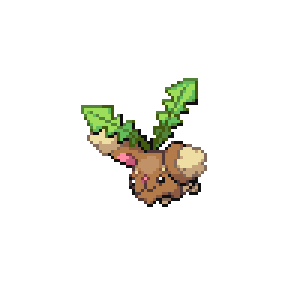
Bunbull takes a defensive stance whenever it senses danger, raising its ears to appear larger. It has an imposing presence, though it is often timid in nature.

Ancient tomes claim garments woven from Bunceus's fur could give someone the power to reshape reality itself. Repeated experiments have disproven these legends, though the myths persist in folklore.

Bunpass nests in the hollow of an old oak, using fallen leaves to line its home. It always knows its way back, no matter how far it wanders.
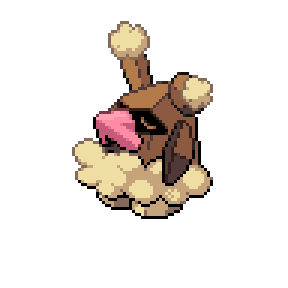
Bunelia sheds delicate tufts of fur as it hops, leaving fuzzy trails behind. The tufts are said to bring luck to those who collect them.
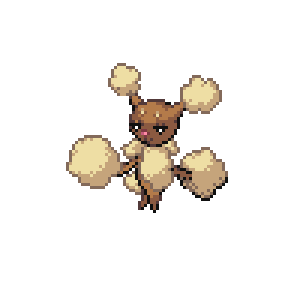
Bunsis hides among beech trees, using the forest canopy as a natural shield. Its light and bouncy movements make it difficult to track.

Bunonee spreads dandelion seeds as it hops, leaving trails of fluffy spores in its wake. These seeds drift gently through the air, carried far and wide by the breeze.

Bunfisk thrives in marshy areas, hopping between patches of mud and water. It generates faint electrical pulses, which help it detect movement in the murky environment.

Bunish grows small flowers along its ears, which it uses to attract friendly Pokémon. These blossoms release a sweet scent, spreading joy wherever it hops.

It makes its home in patches of wild carrots. During sunrise, it will make a chirp reminiscent of a doorbell.

The petals of the flowers on its body are filled with tiny barbed thorns. Should a petal touch bare skin, it will require a physician to be safely removed.

Bunturne's movements are fluid, letting it weave effortlessly through desert landscapes. It uses this agility to outmaneuver predators and dodge obstacles with ease.

Bungast adorns itself with seaweed to blend in along the shore. It buries small treasures in the sand, guarding them fiercely from curious Pokémon.

If Bunduck does not eat carrots regularly, it develops intense headaches. It is often seen rubbing its temples when deprived of its favorite food.

Bunape leaps between birch trees with great agility, using branches to propel itself forward. It prefers solitude, though it will defend its territory with fierce energy.
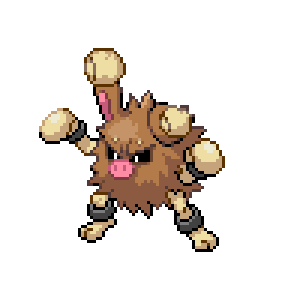
Bunra is said to bring nightmares to those it encounters while sleeping. It prefers to remain hidden, stirring up trouble only when it feels threatened.
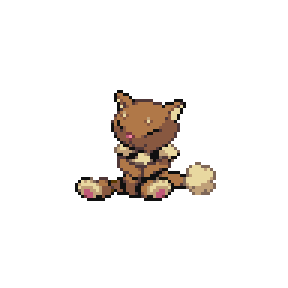
Bunsprout's body contains compounds that can reduce fevers in both Pokémon and humans. It hops around forests in search of herbs, always ready to prepare a remedy.

Should it be startled, Bunduo will shed portions of its fluff. The fluff itself has a mild adhesive and sticks to most surfaces.
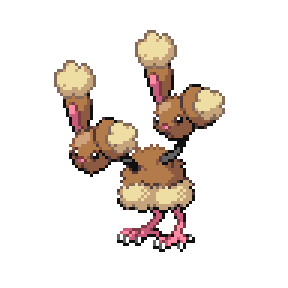
The powder that comes off of a Shroompie was once used in cooking. This stopped when scientists found out that it was extremely poisonous.

Shroombone's skull-like mushroom is soft and spongy to the touch. In Alola, many chefs prize it as an ingredient for hearty stews.

When surrounded by joy, Shroompi emits yellow spores that forces others to smile. The effect fades slowly, leaving behind an odd sense of calm.

Shroomkaboo wanders pumpkin patches during the day. When it finds a sick pumpkin, it scatters spores nearby to help the plant recover.
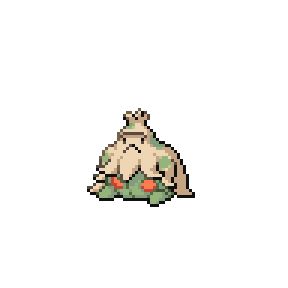
Shupbone imbues the bone it carries with eerie ghostly energy. Once thrown, the bone somehow attempts to home in on its target with uncanny precision.

Shupkrow's beak glows red when it detects jealousy nearby. It circles above quietly until the emotion fades or it decides to feed.
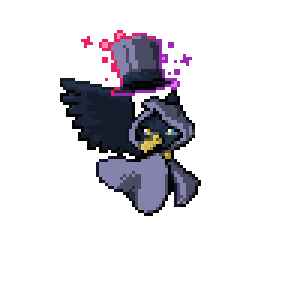
Shupdreavus crafts horrifying illusions based on deep grudges to scare humans. It feeds on fear drawn into the glowing orbs around its neck.

If it senses envy in someone, Shupkip blasts them with water to shift their mood. If this fails, it slowly drains that energy through prolonged exposure.

Shupclops wears a strange cloak that saps strength from anything it touches. It uses floating hands to press prey against the fabric and drain their energy away.
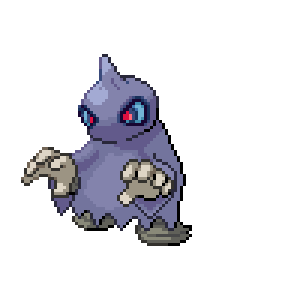
Shupnette levitates silently over landfills, searching for discarded dolls. It hoards these broken toys as prized trophies in its hidden den.

Shupcada burrows beneath the homes of envious people. While they sleep, it feeds off their negative emotions through the floorboards.

Shupsis uses its mind to move toys in playgrounds, stirring jealousy among children. It absorbs the emotional energy that that builds in their arguments.

If a vengeful person steps into its woods, Shupvenant calls on the forest to strike. Trees bend, twist, and lash out to protect its domain.

When someone steps into its pumpkin patch, Shupgeist drifts near and silently feeds on their life force. Its horn glows faintly during the process.
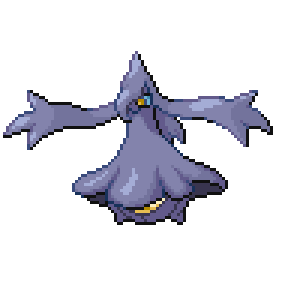
Shuptite naps while balanced in one-handed handstands to maintain constant training. Its body becomes faintly translucent during this meditative rest.

When near jealous people, Shupduck develops severe headaches. The pain soon radiates outward, causing dizziness in anyone nearby.

If Shupzee sees someone mistreat a stuffed toy, it will follow them home. That night, it inflicts them with brutal, relentless nightmares.

Green gel trails behind Sologey as it soars through the clouds. Folklore says a drop from its wings brings misfortune for seven days.

During rainfall, Solotto surrounds itself with a psychic aura to keep its gelatinous body dry. Its shimmering barrier glows faintly as it glides.

The slime from a Solopip can be condensed and used in pharmaceuticals. Many modern-day allergy medications use this slime.

Using telepathy, Solobird senses what its friends desire most. It then seeks out similar objects and delivers them as heartfelt gifts.

Solokip uses psychic power to draw water onto dry soil, forming mud. It rolls in the cool mud during hot days to regulate its temperature.

Soloceus floats through regions emitting psychic waves that sway weak-minded humans into worship. Overuse of this power temporarily prevents it from floating.

When tunnels begin to collapse, Solocada will hold the ceiling aloft with psychic force. It often sacrifices itself to save its hive.

The slime of a Soloeary smells like freshly-picked carrots. It is used in specialty shampoos and conditioners.

Mediums use the yellow leaves on Solotump's head to brew tea. The infusion is believed to allow brief communication with spirits.

During flash floods, Solovenant unleashes powerful psychic pulses to control trees and redirect the waters. It's revered as a forest guardian by smaller Pokémon.

Psychics who inhale Soloom's blue pollen report intense visions of the future. Researchers continue to debate its strange effects on the mind.

Sololu forms gentle flocks that hover near orphanages when children feel sad. They perform aerial loops and spins to lift spirits with bursts of psychic joy.

Solowhirl lurks by the shoreline near fishing spots. It uses telekinesis to create false tugs, leaving anglers irritated and confused.

Its slime actively absorbs pine needles and seeds from the forest floor. These are digested within the jelly-like substance to nourish it.

Sticky green fluid leaks from its vines, acting as an incredibly adhesive glue. This substance is almost impossible to remove once it bonds.

It creates invisible objects to cause people to trip and fall. Watching from rooftops, it gleefully observes their misfortune with mischievous delight.
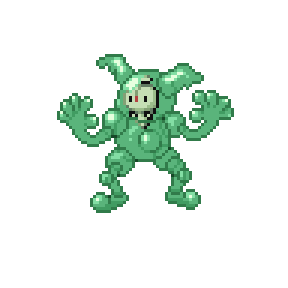
It uses its psychic powers to immobilize prey before slicing them with razor-sharp blades. This method ensures it strikes with precision.

The jelly coating its body was once used in ancient Sinnoh as a medicine for mental fatigue. This peculiar tradition has long since faded.

Its second brain uses psychic powers to detect and avoid future obstructions during flight. This foresight makes it a master of aerial navigation.

It floats lazily in quicksand, enjoying the slow descent. Once fully submerged, it sleeps for days before effortlessly swimming back to the surface.

It absorbs objects it loves into its slime, using them as an extension of its body. The Moon Stone it carries acts as a focus for its more powerful psychic attacks.

Its jelly-like covering emits a pleasant pine scent that intensifies as it consumes more pine needles. This aroma makes it oddly soothing despite its sticky nature.

Duotler emits a nausea-inducing scent from its gelatinous body when its scared. This defensive mechanism discourages predators from approaching.
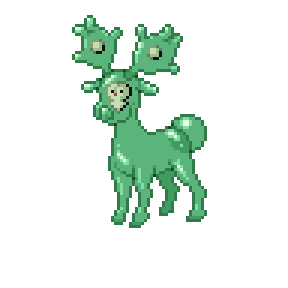
The green slime dripping from Duogle's tail is frequently harvested as a heat sink for machinery. It can also use its psychic abilities to manipulate the thoughts of those nearby, influencing their creativity.

The syrup-like substance covering its body seems to have a mind of its own, moving independently like vines. This sentient slime reacts instictively to heat and light.

Its body allows it to move effortlessly through thick mud. Unlike most slimes, the syrup coating it is not sticky, aiding its mobility.

The transparent, wax-like fluid dripping from its head is intensely hot. This burning liquid leaves scorch marks wherever it falls.

Duoxio generates electric fields within its protective membrane, shocking anything that gets too close. When threatened, it glows brightly to intimidate foes before delivering a paralyzing jolt.

The slime on its body boils constantly, radiating intense heat. Contact with it can cause severe burns to anything that gets too close.

Its body is covered in a viscous slime that glows faintly in the dark. This glow distracts prey as it closes in silently for the attack.

It emits waves of psychic energy to spin its body at incredible speeds. This rotation can create powerful gusts of wind to fend off attackers.
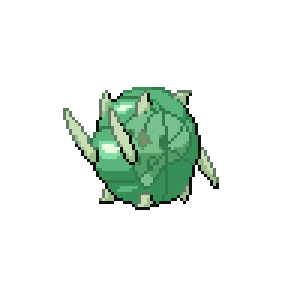
It absorbs the memories of those around it, transforming them into intricate dances. Each performance reflects the emotions it collects.

The gelatin-like substance covering its body smells and feels like honey. Its sticky nature attracts both friends and foes alike.

Its gelatinous covering emits an eerie glow in the dark, mesmerizing its prey. Before attacking, it howls, pinning its target with precision.

The glitter falling from its wings contains remnants of psychic power, causing confusion and headaches. This shimmering dust can disorient foes.

The gelatin coating Duobre's body releases a swampy odor that lingers in humid areas. It uses its psychic powers to pluck apples from trees, floating them toward its mouth.

It bumps into people, scattering coins from their purses onto the ground. It then absorbs the coins into its gelatinous paws and flees.

The second brain is significantly more intelligent than the main one, solving complex equations in mere milliseconds. This dual intelligence makes it an incredible strategist.
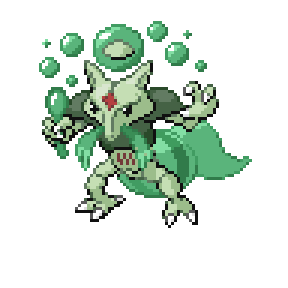
The fluid coating its body can induce intense delusions if touched, causing people to hallucinate an entire month of their life. This effect leaves them disoriented and confused.

It lingers near playgrounds, using hypnosis to convince children to hand over their snacks. Its mischievous nature makes it both cunning and troublesome.

The silk it produces is incredibly durable and elastic, causing it to be sought after by artisans. These delicate fibers are used to weave luxurious fabrics and fine garments.

It consumes barley until it becomes too heavy to move, often resting in fields after its feast. Farmers must keep an eye on it to protect their crops.

Cottonkern floats higher on days without a dense overcast. It does this to get as close to the sun as possible.

It sneaks into herbalists' shops to steal ingredients for its personal stash. These stolen herbs are often used to prepare remedies for its companions.
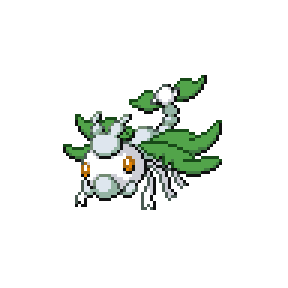
The wind flowing through its fine strings as it floats creates a playful whistling sound that echoes through the air. This haunting melody often amuses and confuses those who hear it.

Cottonfarig uses psychic power to redirect falling cotton fluffs. It drops them across the battlefield to slow down opponents with precise placement.
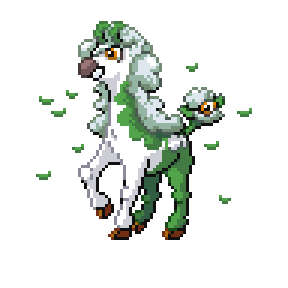
It gathers daisies and carries them wherever it goes, often creating little bouquets. It scatters these flowers from the sky as a gift to other Pokémon, making a charming sight in the wild.

Cottoncross consumes carnations to maintain its soft, cotton-like body, enhancing its ability to float on the wind. It uses its horn to knock branches aside as it drifts through the air.

As it flies, it releases a bitter aroma that lingers in the air. This scent often deters predators from following too closely.

Cottontler's fluffy rump releases a calming scent when shaken, soothing those nearby and diffusing tense situations. Its antlers are highly sensitive, detecting even subtle shifts in a foe's movements.

It guards flower patches fiercely, chasing away anyone who approaches without permission. Its determination makes it a reliable protector.

Cottonpiny adores marigolds and can often be found resting among them for hours. It carefully gathers their seeds and stores them within its fluffy body for safekeeping.

Given the chance, it can devour an entire field's harvest in under two days, leaving behind cotton that takes over the soil. Farmers try to keep it away by offering it spare bales of hay for it to snack on.

It releases pollen that can burst into flames at will, creating fiery bursts. This explosive ability makes it a unique mix of beauty and danger.

Seeds shed from Cottonceus's cotton were once believed to grant a single wish if gathered in great numbers. Careful study later proved these claims entirely false.
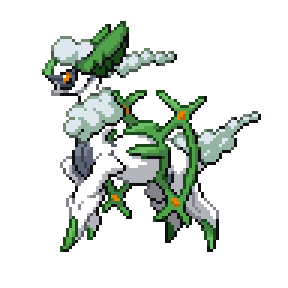
Its tails expel large amounts of pollen, which it uses to mark its territory. The dense clouds of pollen often leave trails through the air as it moves.

Young herb seedlings are its favorite food, which it carefully selects from forest floors. It often competes with other herbivorous Pokémon for these delicate greens.

It can fall asleep even while eating, often dozing mid-meal. Other Pokémon sometimes find it with food still in its mouth.

It tramples through fields as it searches for flowers to eat. While it actively appreciates the flavor and feeling of eating these crushed flowers, it doesn't seem to realize just how much destruction it leaves behind.

Cottonink is a highly valuble asset to flower shops due to its ability to smell when plants are sick. It grinds plant matter into fertilizer or medicine, making it a key part of garden production.

Though beautiful, its petals can become razor sharp, slicing through anything they touch. This trait makes it both graceful and dangerous.
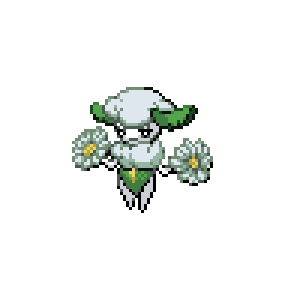
Cottonloon drifts lazily over sunflower fields, using its tiny tendrils to pluck seeds from the blossoms. It can go days without landing, carried effortlessly by the breeze.

It hops through fields while munching on flower buds, savoring their fresh taste. Other Pokémon often follow it, hoping to share in its floral feast.

Cottontik hovers near powerlines, positioning itself as close as possible without making direct contact. The static charge in the air causes its cotton-like fluff to crackle softly with energy.

Extremely light, it can float for miles on gentle breezes. This ability allows it to travel vast distances in search of new plants to pollinate.

Cottonish's leaves emit a peanut butter-like scent, attracting curious Pokémon to its presence. It floats above meadows, spreading the aroma, though this makes it a target for both friendly and predatory Pokémon.

Standing guard over fields, it wards off intruders with its imposing presence. Farmers value its protection, ensuring bountiful harvests.
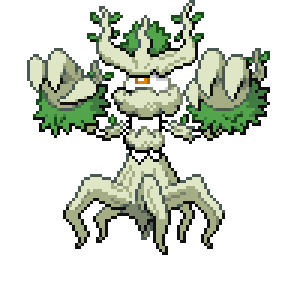
Cottonbat's ears can detect lies, twitching whenever falsehoods are spoken, causing other Pokémon to avoid deceit in its presence. The cotton-like substance on its head dampens unnecessary sounds, and it manipulates it to focus on important noises.
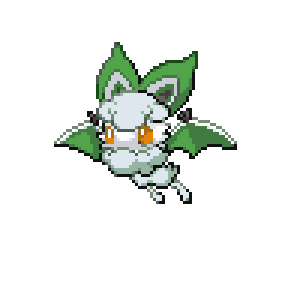
Amaranth is its preferred food, which it plucks delicately from the fields. Its lightweight body allows it to float gently as it forages.

Cottongast collects seafoam within its fluffy cotton, absorbing moisture as it floats near the shore. This helps it stay hydrated even in dry coastal winds.

Clinging to ocean rocks, Cottonpod scrapes off barnacles to feed on. If startled, it instantly releases its grip and lets the wind carry it away to safety.

Living on volcanic islands, Cottonkoal feeds on soot. The ash accelerates the growth of the cotton covering its body.
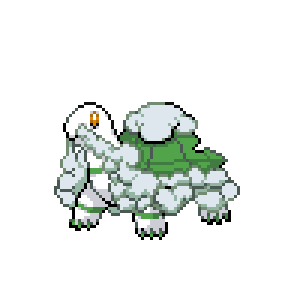
Cottongeist stands in gourd patches, waving its arms as cotton drifts from its body. The fibers nourish the soil, encouraging healthy plant growth.

Cottonlithe seeks out orchids in dense forests, as they are its preferred delicacy. It nibbles carefully to avoid harming the plant, and the flowers seem to fuel the flames in its stomach, making its fluff hot to the touch.

It feeds on seeds that it collects from fallen flowers. This simple diet helps maintain its light and airy body.

It enjoys sleeping under waterfalls, using the rushing water as a soothing lullaby. While it sleeps, it absorbs water with its fluffy body to help it grow.

When overheated, stone flaps along Sandihorn's back lift up to release internal heat. This keeps it cool enough to keep hunting in the sun.

Sandigon hides beneath pop-up ads on shady websites. When a cursor draws near, it snaps its jaws as if trying to bite the pointer.
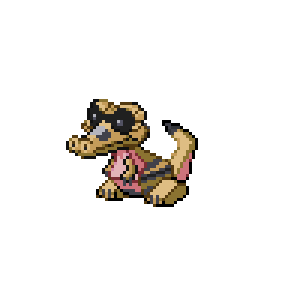
Sanditata tests its jaw strength on garbage cans. Once the lid is cracked open, it devours whatever scraps spill out without hesitation.

While flying across desert skies, Sandirow may dive into the sand mid-flight. It quickly burrows after prey like Sandshrew.
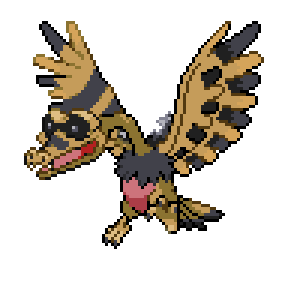
A chilling breeze escapes Sandichum's jaws before it delivers a kiss that leaves foes disoriented. The confusion can last for several hours.

Desert nations once worshipped Sandiceus as a god of shifting sands. Glass effigies were crafted in its image to bring wealth and fortune.

The cast iron blades on Sandiard's limbs heat up rapidly under the desert sun. It uses these superheated weapons to slash through tough prey.

Sandibarel digs along riversides searching for discarded sticks to build dams. If none are found, it can fell a tree in under a minute.

At dawn, Sandiva vibrates its wings to etch patterns into desert sand. It marks each piece by stamping its snout at the base.
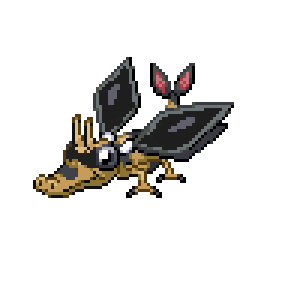
By day, Sandidew buries itself in the desert sand to avoid the sun. At night, its bud emits a Lum Berry scent to lure prey.
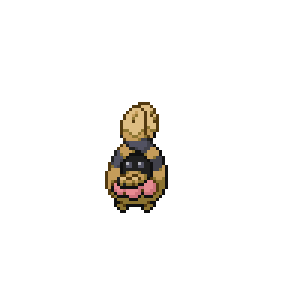
Ancient mining texts record Sandiolett crushing ore with its powerful jaws. It was paid in fruit and dried vegetables for its service.

During icy desert nights, Sandirunt shivers violently to stay warm. The friction from its scales creates faint sparks that glow in the dark.

Sandibish gathers windblown or buried trash in the desert. Its bag-like skin traps heat to help it survive frigid desert nights.
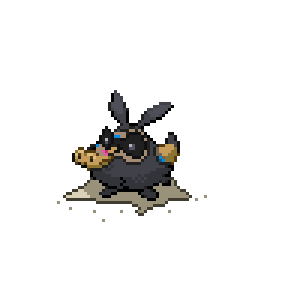
Using its thorn-covered body, Sanditurne detects subtle vibrations in the sand. It can burrow at 30 mph to chase prey underground.

Sandith uses Scary Face to intimidate travelers into giving it coins. These are dragged back to its desert den and hoarded like treasure.

Sandimite floats through the desert at night. During the day, it lies flat on the sand to absorb sunlight and recharge its electrical core.

Zurita spins the leaf on its head like a propeller, allowing it to hover in place momentarily. As it flies, it emits a pleasant oregano-like scent that lingers in the air.

Zutu's beak possesses an unusual psychic sensitivity, allowing it to detect prey up to 10 minutes before they arrive. It is most active at night, using this ability to ambush unsuspecting targets.
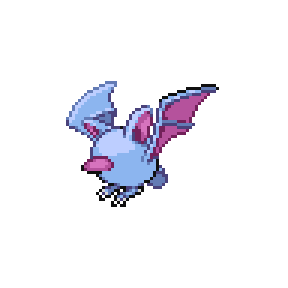
Zuidos bludgeons foes with its hard, gem-like skull to disorient them. Once they are reeling, it follows up with a vicious bite to incapacitate its target.
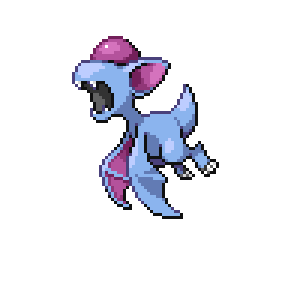
The earliest reports of Zudon date back to fossils found near Pewter City, estimated to be thousands of years old. Its round mouth was used to latch onto airborne prey with a nearly unbreakable grip.

During nights of a waxing moon, Zufable experiences an insatiable hunger. It silently stalks prey like Buneary for hours before finally striking.
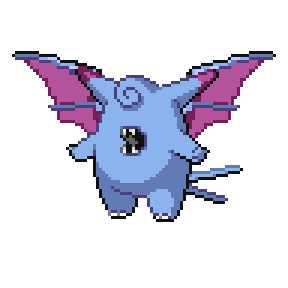
On moonlit nights, Zucada soars over turnip fields in search of food. It will suddenly dive and burrow into the ground, using its fangs to gnaw on the vegetables beneath.
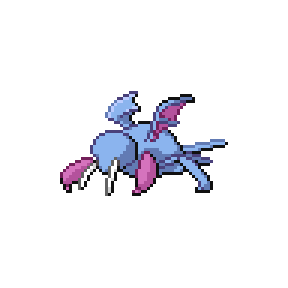
Zunx emits tiny sparks of electricity while hunting, using the flashes to sense its surroundings. This makes it particularly effective at navigating through dark caves and stormy nights.
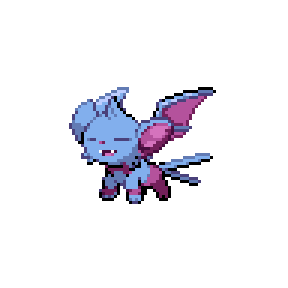
Zuron emits harsh metallic cries that echo like stone scraping iron. It uses these reverberations to navigate deep and twisting cave tunnels.
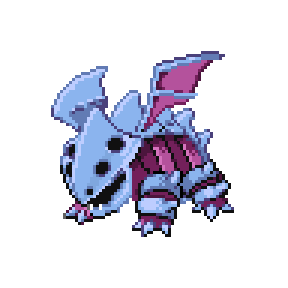
Zuloon uses its long, dangling legs to grapple foes mid-air. Once secured, it flies them back to its cave, where they are seldom seen again.
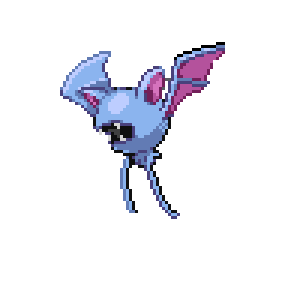
Zusis floats effortlessly using its psychic powers, needing little effort to stay airborne. It manipulates the minds of its prey, making them forget that it ever fed on them.

Zutik latches onto prey with its fangs before releasing a surge of electricity. This shock leaves the victim unable to move.
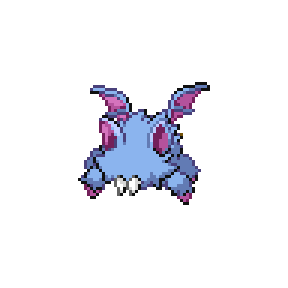
Ancient tomes warn travelers not to walk alone at night. They speak of Zuolett stalking villages to drink the blood of the unsuspecting.
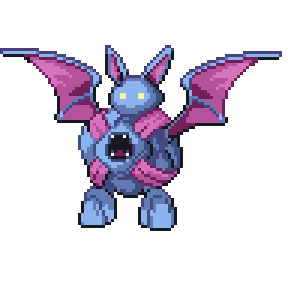
Zurunt flies with its swarm through frigid caverns. It expels icy air from its mouth to freeze foes before the group descends together.
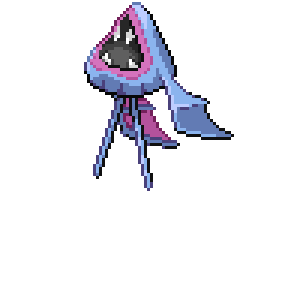
It sleeps at the base of willow trees during the daytime, preferring the shade from the hot sun. If woken up, it will screech at a high frequency.
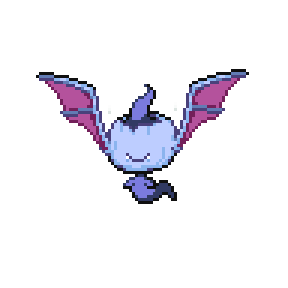
The plant fibers covering Zumantis's body grow rapidly after feeding on another Pokémon. It hangs upside-down to sleep while they thicken.
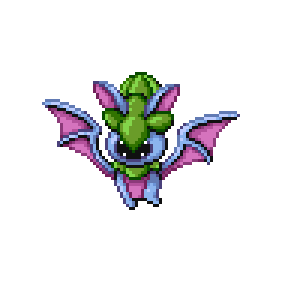
The purple portions of Zukaboo's body glow brightly when it emits high-pitched screeches. These eerie cries can cause disorientation in those who hear them for too long.
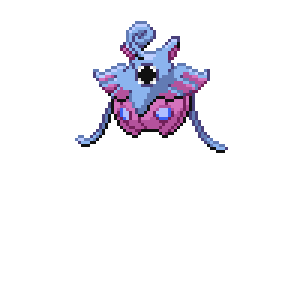
Zuggy uses its strong jaw to crush unripened fruit and eat it. The sweeter the fruit, the more rubbery the skin around its waist becomes, providing it with extra protection as it feeds.

While tunneling, Zulett fires bursts of sonar to disorient prey. It then lunges forward and subdues them swiftly with Scratch.

Zutrio releases piercing screeches from holes in cave ceilings. The sound stuns prey moments before it drops down to attack.
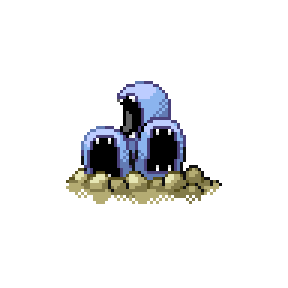
Zudred focuses sonic blasts to shatter stalactites while in flight. The resulting cave-ins rarely hinder it as it dodges falling stone effortlessly.
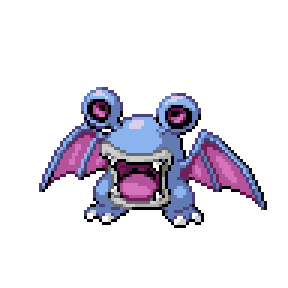
Zusprout wraps itself around jungle vines, blending in perfectly as it waits for unsuspecting prey. The moment they get close, it sinks its fangs deep into them.
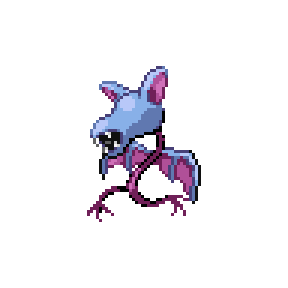
By flapping its wings, it propels itself through water at great speeds. Schools of Zutle regularly pass by Cinnabar Island during the fall months.
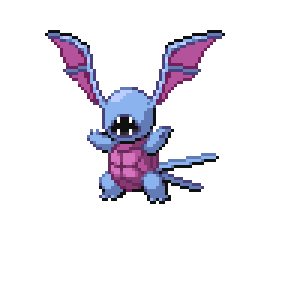
It makes a low tone to view its surroundings. This tone is unsettling and has been used in horror movies to cause unease.
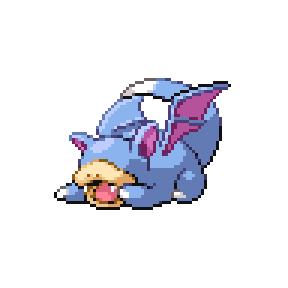
Zueel primarily live in coves in cold climates. There are reports of them using Bubblebeam to knock flying prey into the water.
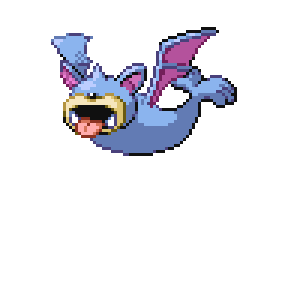
The slime on a Zumer can be boiled down into a a thick paste. This paste is used by beauticians as an ingredient in lipstick.
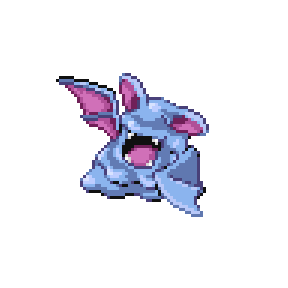
It glides along desert sands during the day, using thermals to stay aloft, and burrows under the sand at night. Its claws hold a particularly deadly toxin that can incapacitate foes in seconds.

It burrows into large sand dunes if it senses a bad sandstorm. Many travelers see this as an ominous warning and quickly seek shelter.
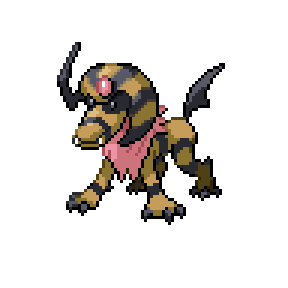
It spends years perfecting its ambush techniques, blending seamlessly into the sand before striking. The strongest among them are known to take down foes many times their size.

It makes its home near desert oases and bites at anyone who gets too close. It fiercely defends its territory, ensuring no one drains its precious water supply.

Krokoty lurks behind bakeries and restaurants, snapping its jaws at workers to scare them into offering food. It refuses to rob the same business more than once in a week.
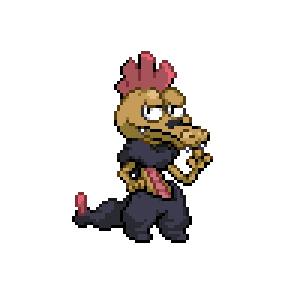
Yasel only lifts its mask when feeding on stolen eggs from other Pokémon nests. It consumes them quickly and vanishes without a trace.

When one presses an ear to Yamagius's mask-like medal, eerie voice-like murmurs can be heard. Listening too long often results in piercing headaches.
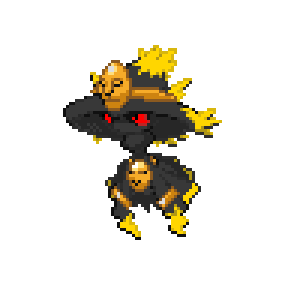
Yaslash digs rapidly through desert sands, using Protect to ward off predators like Krokorok. Its mask remains unscathed even in rockslides.
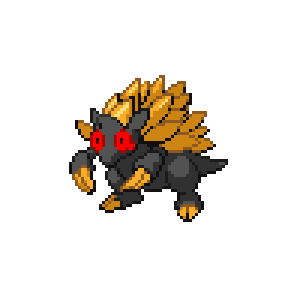
Disguised as a discarded mask on the ground, Yatomb rarely moves unless near someone it trusts. It can project ghostly auditory illusions that sound like a chorus of screaming voices.

Yainch hunts for Kasib Berries, scooping them up with its wide jaws. If disturbed, it unleashes a sudden Night Shade to cover its escape.

Yava's ghostly wings beat rapidly as it flies through ancient tombs. From its golden mask, it can emit a haunting Bug Buzz that echoes through the ruins.
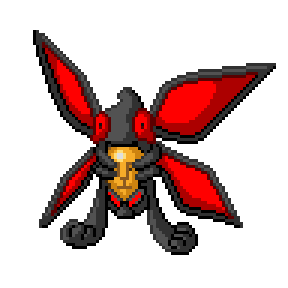
The split mask on Yapet's head begins to glow faintly an hour before sunrise. This gives it time to retreat into shadows before the light reaches it.

Wild Yaolett are typically seen near ancient ruins. Using an unknown sense, they can envision past events as if they are happening now.

Yatly's body mimics an ancient mask, but its hidden eyes can suddenly open. Those who see them are said to suffer a terrible Curse.

Jolbone's skull is composed of tightly layered silk. If damaged, it rapidly spins more silk to patch the breach.

Jolotto flies into thunderclouds for fun, basking in lightning. It nests near spots where bolts have struck to absorb their energy.

Roosting atop electrical poles near homes, Joltu is said to glimpse the pasts of those who live nearby, though no one knows how.
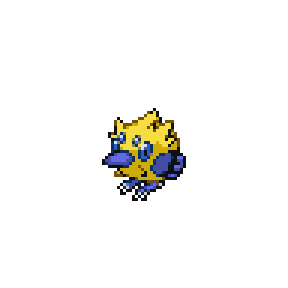
Jolpom collects bits of citrus peels with its long tail, rubbing them on its fur to deter predators. The zesty lemon scent lingers, masking its natural electrical charge.
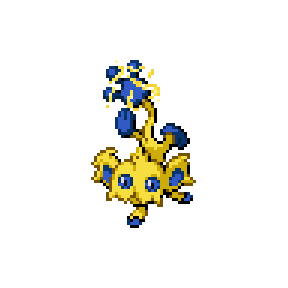
Before shocking its foe, Jolper drenches them in mud to maximize conductivity. It often plays in puddles while waiting to counter an attack.

Jolicate gnaws through buildings' wiring to drain power. Office workers often blame flickering lights on faulty circuits, unaware of its presence.

Jolceus emits precise electrical pulses that interfere with neural signals. Prolonged exposure can manipulate victims into thinking it is a deity through altered perception.

While napping beneath willow trees, Jolkoth occasionally releases jolts of electricity. This deters curious Pokémon from approaching.

Jolink spins metallic silk that crackles with energy while still attached to its body. Once severed, the charge fades quickly.

Jolish scatters spores around telephone poles. The mix of spores and static makes the area unsafe for flying Pokémon.

During thunderstorms, Jolonee floats high into the sky. Its fuzzy body crackles with static as it soars through the clouds.

Floating gently through ruins, Jolmask spins webs in strange patterns. The webbing is extremely sticky and is able to hold debris for months.
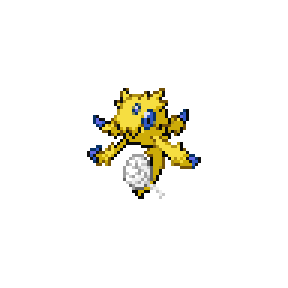
Jolesta traps prey such as Cacnea in sticky silk before blasting them with fire. It often leaves behind scorched webs and charred husks.
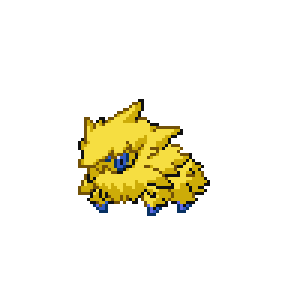
Jolpede injects venom into prey, then traps them with a charged Electro Web. It prefers to strike quickly and from above.

While spinning at high speed, Jolpede builds static across its shell. It releases the charge with a sudden, buzzing pop.

Joltump drifts aimlessly through graveyards, sparking with flickers of static. Its eerie flashes light up tombstones late at night.

Jolvenant builds nests in cedar trees and absorbs nearby lightning during storms. Some believe it protects the forest this way.

The flower bulbs on Joloom's head store sunlight each morning. As it rests, the energy inside slowly builds into electrical charge.

Jolu's wings crackle with static as it flies through storm clouds. Its cottony down can store lightning for hours.

The soft cotton in Jolful's body rubs together, creating static. It stores the charge in its fur until needed in battle.

Jolpod swarms gather near wind turbines, feeding off the ambient charge. When spotted, they scatter in every direction.
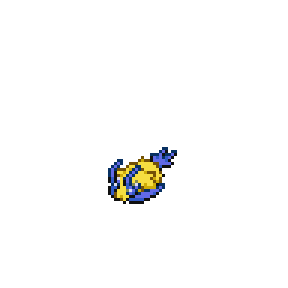
Jolmantis absorbs sunlight through its fur, converting it into electricity. It shocks anything that wanders too close.
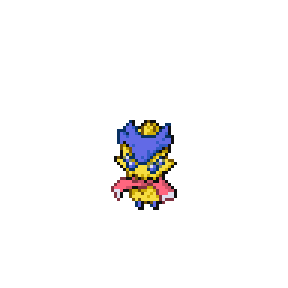
Jolkaboo's fur reeks of rotting Pumpkin Berries. When threatened, it unleashes a powerful electric blast from its body.
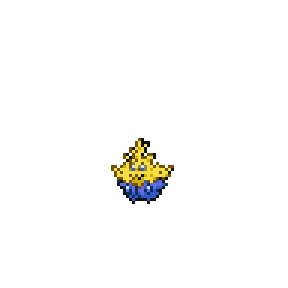
Jolmoth hovers near light poles in city parks at night. It siphons off electricity, leaving the lamps to flicker mysteriously.

The silk spun from Jolgeist's body carries a light electric charge. Its fur smells strongly of Pumpkin Berries in autumn.
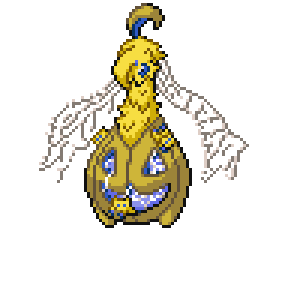
Jolggy delivers powerful headbutts charged with electricity. It uses them to drive off anything that nears its den.
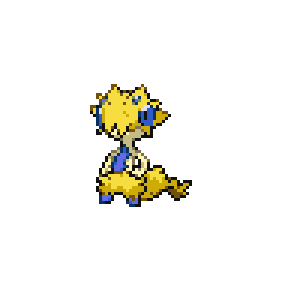
Before unleashing electricity, Jolsprout digs its tiny roots into the ground. This helps it stay grounded and boosts its attack.

Jolmite floats quietly through city streets at night. It draws electricity from traffic lights and power boxes to stay energized.

Jolfetchd raises its stick toward the sky during lightning storms. Some say it draws in thunderbolts to store for later use.
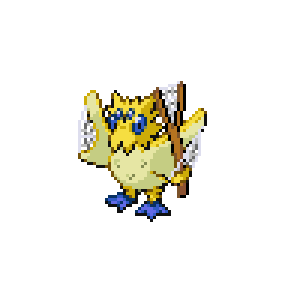
When it rests, vines grow from one of its six egg-like portions, connecting to the others. These vines transfer nutrients between the segments.

When in danger, it curls up and extends the thorns around its body. During lightning storms, the thorn on its nose extends to absorb electricity from lightning strikes.

If anyone approaches its young, it flings thousands of tiny needles from its tail. These projectiles create a painful and effective deterrent.

It uses its sharp blades to cut moss off cave walls to eat. This simple diet sustains it in harsh underground environments.
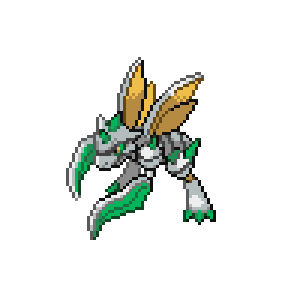
The more sap it consumes, the stronger Ferrosir's metallic shell becomes. It uses sharp pincers to cut into trees and extract the liquid.
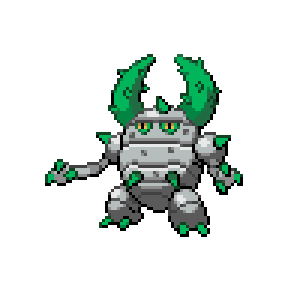
Its eyes can move independently, scanning its surroundings with ease. It can rotate a full 360 degrees on its metallic foot.

It swings its tail like a maul, delivering devastating blows. With a single hit, it can topple a cedar tree effortlessly.

When spotted while hiding in the forest, Ferrowoodo swings its spiked metallic head like a maul to attack. It hides the head underground during rain to avoid rusting.

The thorns on its head extend into vines that pierce tree limbs, allowing it to reel itself up. It often sleeps peacefully nestled in the branches.

Its goggle-like eyes glow gold as it accelerates in flight. In a straight line, it can reach speeds over 100 mph with ease.
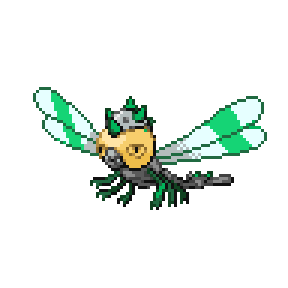
While flying, it divebombs anyone who approaches its nest. The helmet-like portion of its head is strong enough to smash boulders.
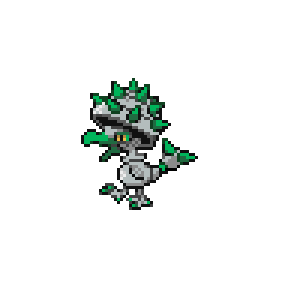
The gems embedded in Ferrodreavus's metallic body emit a strange, eerie power that lets it float. It lurks in abandoned factories, absorbing residual energy to sustain itself.

The green portion of its horn is covered in microscopic barbs. These barbs stick painfully into prey after it throws them with immense force.

The gold bands around its arms and torso help it focus its strength. With this enhancement, it can punch through solid steel.

If startled, Ferrochic's metallic body suddenly emits intense heat, making it dangerous to touch. It has been known to set dry grass ablaze in moments of panic.

Its body is hollow and made of pure silver, covered in microscopic carvings. These markings appear to tell the story of its past life.
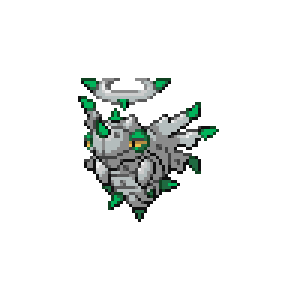
The tin-like material covering its body changes color to reflect its mood. It can mimic cool colors more effectively when calm and relaxed.

The spikes on its back ooze a green toxin, making its attacks particularly dangerous. It somersaults before striking to rake its spines across its foe.

The spike on its forehead rotates like a drill, piercing through even the hardest materials. It can effortlessly bore through slate during combat.
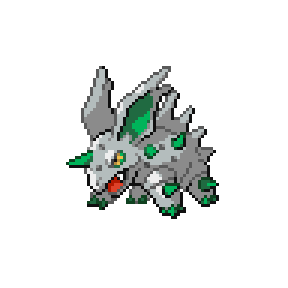
Its outer carapace is made of a thin but durable metal. While vulnerable to heat, it provides effective protection against physical attacks.

Though it resembles a flame, the green portion on its head is the tip of a long vine. This vine extends to slap at opponents who get too close.

Its body mysteriously generates mercury, which it spits out when frightened. This metallic defense is as perplexing as it is effective.

It uses its powerful arms to knock ore loose from cavern walls. The ore it consumes helps fortify and strengthen its outer shell.
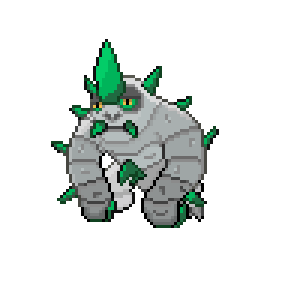
It floats gracefully above glades but drops with immense force if it senses a predator. The impact is strong enough to crack pavement.

As a last resort, it latches onto an enemy and injects mercury with its jaws. This toxic act can be fatal if left untreated.
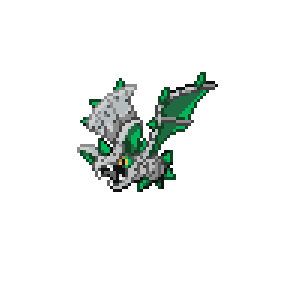
While resting, Ferroxew grows tusk-like spikes all over its body to protect itself from predators. These spikes are incredibly sturdy, allowing it to survive in hostile environments.
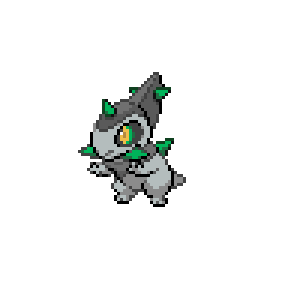
By day, Ferrobat clamps onto cave stalactites with its metal jaws. At night, it releases and flies off to silently hunt in the dark.
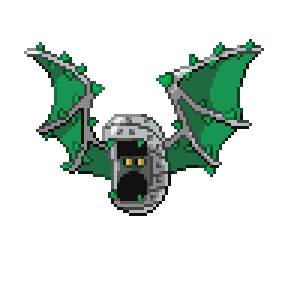
Its eyes blink brightly when searching for prey in the dark. It uses its thorns to pierce its catch before feeding.

It consumes silver ore scavenged from abandoned mines. A well-fed Ferrosian gleams with a brilliant, metallic sheen.

It swims through streams, its thorns wiggling as water washes over them. In battle, it uses its sturdy head to slam into foes with force.

The thorns on the front of its heads mimic beaks and function like mouths. It uses them to grasp and consume food with surprising precision.

Axetung uses its tusk-like tongue to pierce Apricorns and lick the juice inside. If it tastes something sour, it flails its tongue wildly in disgust.

Axesir shakes trees with its strong arms to knock down prey like Caterpie. It strikes fallen targets with its tusks before consuming them.
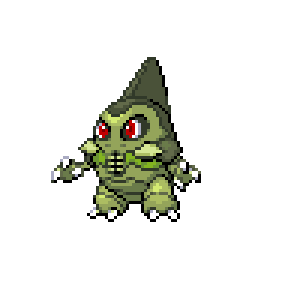
It absorbs sunlight through its skin to gain energy. Its nose functions well on dry land and in water.
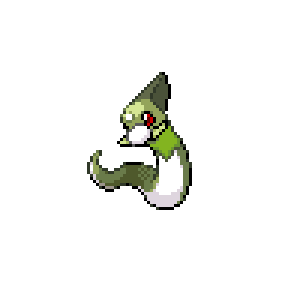
If Axeon's tusk breaks off in battle, it blends into nearby foliage while it regrows. It consumes saplings to speed up the process.

Axerino's tusks are coated in a foul-smelling poison and can break concrete with a single strike. It trains at night to better protect its den.
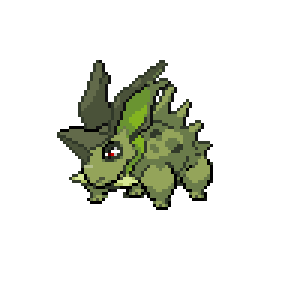
The iron spikes on Axeseed's body often break off but regrow within hours. Ancient civilizations once melted these spikes into alloys for crafting durable shields.
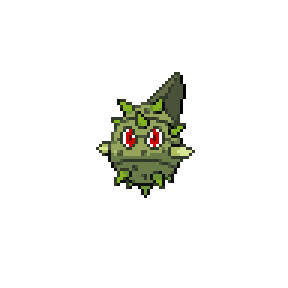
Axepede dispenses a thin, sticky webbing from its tusks to trap foes. Once restrained, it spits a corrosive poison to incapacitate them.

This Pokémon flies in erratic patterns in order to confuse its prey. Axebat will strike its foe the instant it believes the prey is dizzy.
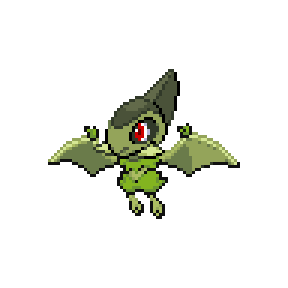
It will ram into trees with its hard wings to knock Apricorns loose. It will taste each Apricorn once so it can determine the order it wants to eat them in.
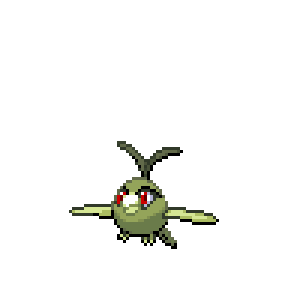
It prefers to spend its time in maple trees, drinking the sap from the trunks. Due to its diet, the mucus that comes off of its body smells like syrup.
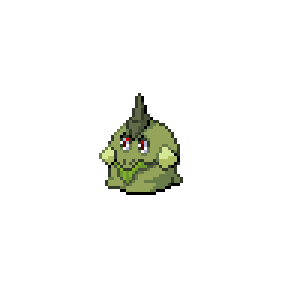
Axemo-o strikes its scales to communicate with others of its kind. If a scale breaks off, a new one grows within eight hours.
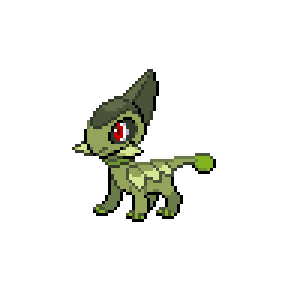
Axenat becomes excited when it sees unfamiliar light sources. In its excitement, it accidentally releases clouds of brown Stun Spore from its tusks.
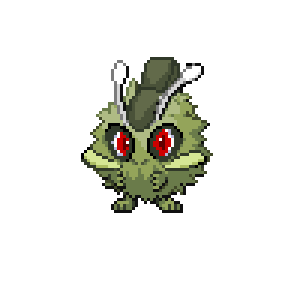
It digs vast networks of caves underground to impress a mate. These tunnels can spell trouble for a city's infrastructure and stability.

Axeduo's beaks frequently break off during feeding and regrow over time. When this happens, the other head eats enough food to sustain both of them until the beak returns.
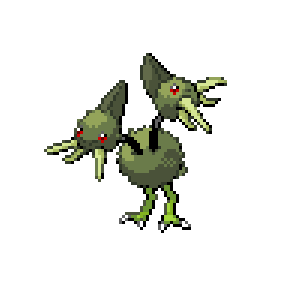
It slams its tusks against stalagmites, delighting in the resonating echoes. The sound is said to carry deep into caves, startling other Pokémon.
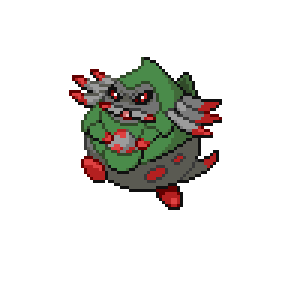
Its tusks are shed annually, prized by craftsmen for their unique properties. When ground into powder, they are used to create premium hair dyes.

It slashes at foes with its claws and tusks in a flurry of strikes. Once weakened, it delivers a potent Poison Sting to immobilize them.

Its blade-like wings slash into cave walls, leaving deep carvings. These markings serve as a clear warning to trespassers in its territory.

It raises its trunk high before unleashing a powerful Dragon Pulse. These attacks are strong enough to cause cave-ins if misdirected.

Fraxvile spars with its kind across frozen tundras. It begins with heavy tusk strikes, ending battles with a flurry of sharp, icy claws.
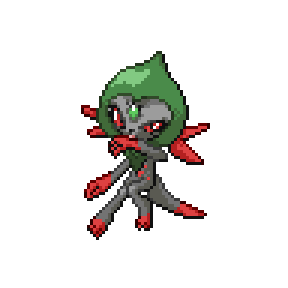
It becomes furious if construction occurs nearby, viewing it as a threat. With its metal arms, it unleashes destructive blows capable of leveling concrete foundations.

It sprints along cave walls and leaps off to cleave stalactites with its tusks. It pays no mind to where the falling debris lands.

Fraxsharp's tusks are sharp enough to cut through steel. Its body is covered in a thick dark-colored iron.
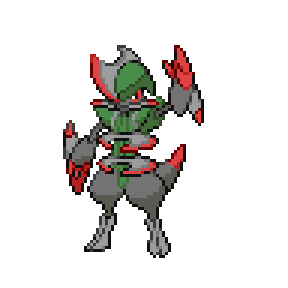
A group of Fraxlurk were discovered guarding an ancient Unovan catacomb. Mistaking explorers for grave robbers, they resisted for weeks before being calmed.

It scrapes its tusks along cave walls to knock loose gems. The broken shards are promptly consumed as part of its mineral-rich diet.

Using its sharp tusks, it carves into ore deposits to consume the fragments. This process is believed to prepare its body for evolution.

It tucks in its wings and dives at foes, using its heavy tusks as battering rams. The impact leaves deep gouges in the ground.
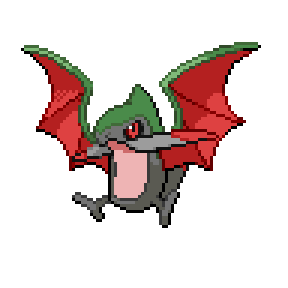
When excited, its tusks drip a green, gooey substance. Though harmless, the goo emits a pungent oil-like odor that repels predators.

It leaps nimbly off furniture or terrain, performing elaborate aerial maneuvers. Its combat style combines karate and sumo with ruthless efficiency.
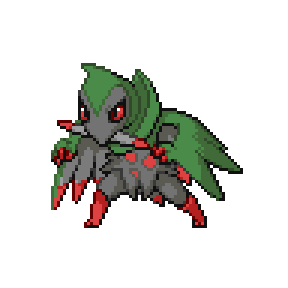
Fraxmo-o uses its strong upper body strength to smash boulders. When this fails, it will use a horrendous Dragon Claw.
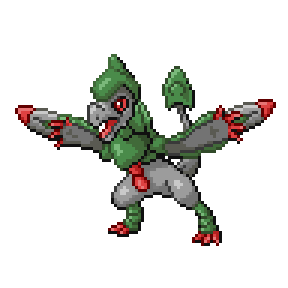
Fraxty's tusks were once ground up into a powder and boiled within its scaly shed skin. The resulting paste was used to relieve toothaches, making it a surprisingly helpful remedy in ancient times.
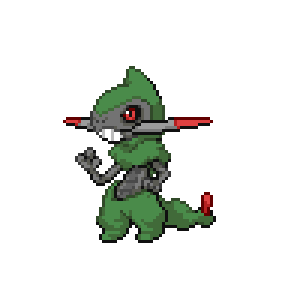
Its horn has the unique ability to sense others of its kind. This power grows stronger near ancient ruins, a phenomenon that puzzles scientists to this day.

The pearl on its head glows brilliantly when near ancient artifacts. Archaeologists are puzzled by this phenomenon, as the connection between the pearl and these relics remains unknown.

Golerow perches atop ancient temple ruins, crafting its nests from vines. These nests are often found near forgotten altars.
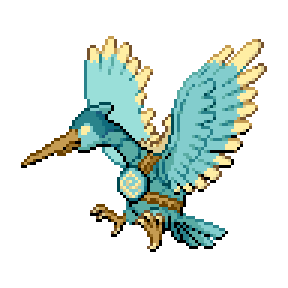
They chew boulders into flat tablet shapes, carving mysterious etchings on each. These unique markings are thought to be ancient, but their meaning remains unknown.

Old murals depict Goleslash clearing cave-ins in mining shafts. It carved through stone and was rewarded with bundles of roots and forest herbs.
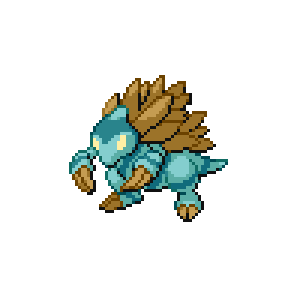
Ancient texts describe Goledum delivering parcels by air between towns. The service was fast but expensive, used only by the wealthy elite.

The tablet on its chest glows red with anger, warning enemies to stay away. Its rough skin becomes tougher in colder climates, making it an exceptional guardian.
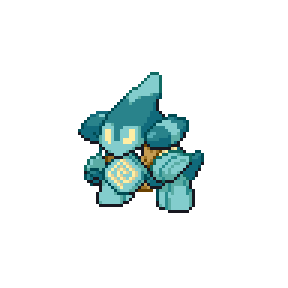
Many are found guarding desert tombs, the spirals on their larger mouths glowing white before delivering a deadly bite. Their eerie presence wards off intruders.

Microscopic etchings have been discovered on the orange glass dome of its head. These markings appear to be writings from a long-lost civilization, but their meaning and origin remain a mystery.

When deflecting attacks with its hardened head, the spiral on its chest glows briefly. The markings seem to react to impacts, though their purpose remains unknown.
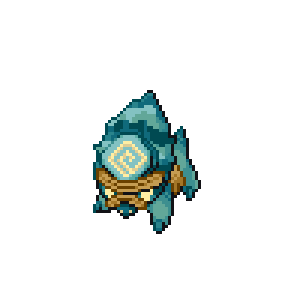
Long ago, Goleno were gladiators in ancient coliseums. Though blind, it can sense enemy movements through the mane-like structure on its helmet, giving it an edge in battle.

There are ancient desert murals depicting swarms of Goleva ripping up fields of crops and carrying them into the sky. Some scholars believe this legend refers to an old farming ritual, while others fear it was a sign of destruction.
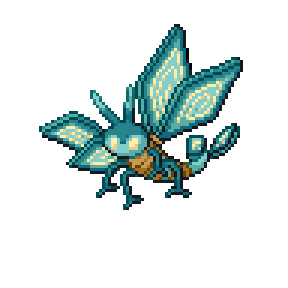
The tablet it holds is said to make those nearby feel uneasy. It floats silently through tombs with an unknown purpose, leaving an eerie presence behind.

It burrows into dunes near desert tombs, camouflaging itself perfectly. When explorers approach, it leaps out to drag them beneath the sands.
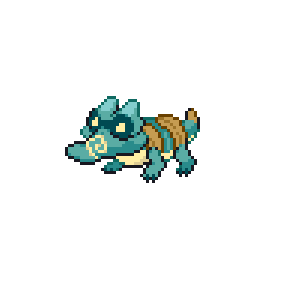
The tablet it carries was once used by fortune tellers to glimpse the future. It glows in twenty unique colors when deeply stared at, but Golemask will phase through walls to avoid unworthy gazes.

Golesta colonies are found in the walls of ancient tombs, thriving in the darkness. These hidden colonies can be detected through the presence of warm spots on the walls.

Goleye fiercely guards gems embedded in the walls of ancient tombs. Its vigilant nature has made it a prized protector in stories of treasure hunters.

Making their home in dark catacombs, Golebat uses echolocation to navigate the labyrinthine halls. Their agility makes them excellent fliers, even in total darkness.
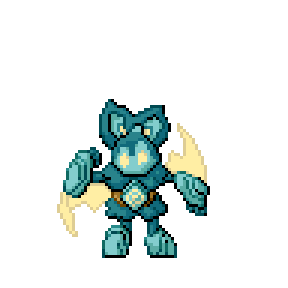
Golelu nests atop forested temples, its wings as light as air and made of an ancient cotton-like material. The origin of its unique wings baffles researchers.

The spirals on its cheeks glow yellow when it prepares to attack. The mucus it secretes while moving is extremely slippery, making it hard to follow.

The spiral on its belly glows brightly when Golenea is in distress. During these times, the spines on its head appear to grow sharper, serving as a defense mechanism.

Should ancient relics wash ashore, Golegast will instinctively guard them with unmatched loyalty. It will defend these treasures with its life.

Ancient gardeners are believed to have used Goleras to monitor the health of fungi. They can detect when a mushroom is sick or dying with startling accuracy.
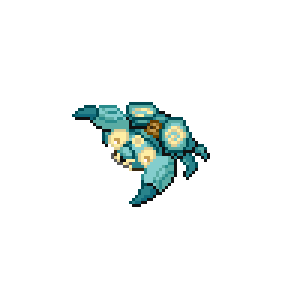
Ancient blacksmiths once used its Headbutt to shape shields. The force of its strike was said to be strong enough to bend even the toughest metals.

Ancient tomes tell of Goleggy guarding villages in coordinated packs. They pounced on invaders with Beat Up to drive them out together.
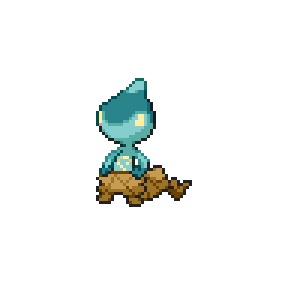
Golechop uses its immense strength to lift and reposition stone columns in ancient temples. They are often found restoring long-forgotten ruins.

The pole it wields as a weapon bears ancient carvings. Researchers have puzzled for decades over where it obtains these unique relics.

The spiral on its tablet glows brightly while it digs through solid rock. Some ancient miners employed Golenix to create intricate mine shafts.
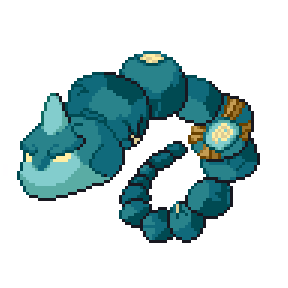
The vines covering its body are feathered, allowing it to flick them for lift. This peculiar motion gives it the ability to fly for short bursts.

Its body grows intensely hot before transforming and reshaping into its opponent. If disturbed, its original beak may persist after the transformation.
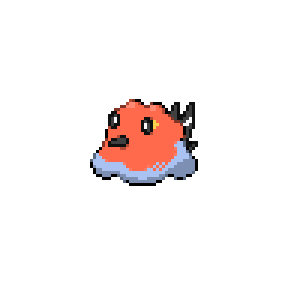
Fletchgey flies in small flocks, using gusts of wind to spread embers across fields. It communicates with others through fiery patterns in the sky, signaling warnings or directions.

Fletchoot chirps in rhythmic patterns, adjusting its calls based on the time of day. At night, the flames on its wings glow faintly, resembling distant lanterns in the dark.

By channeling air currents around its wings, it increases the speed of its punches. This aerodynamic boost makes it a formidable attacker while flying.

It patches holes in clothes left to dry with its sticky webbing. Despite its good intentions, the garments often end up stuck together.

It rubs yellow ooze from its tail on the nests of other Pokémon. Although harmless, this habit often angers territorial Pokémon.

It bounces off its springy tail to gain momentum before taking flight. This technique allows it to soar gracefully into the air.

It flaps its small arms as if flying before pecking at its opponent. The attack often lacks strength but shows its determination.

It flies to the tops of canyons to knock down trees into the rivers below. This behavior is thought to help redirect water flow for its nests.

Its ears crackle with electricity before it dives to peck at its foe. The sparks make it easy to spot at night, even when ambushing.

To rest, Fletchtump possesses hollow stumps in dense woods. The stump's surface grows hot, sometimes hot enough to ignite.

On spring mornings, it chirps nonstop until it sees someone wake up. Feeling proud of its effort, it flies away thinking it has been helpful.

It pretends to be a stuffed toy near daycares, blending in with ease. During snack time, it pushes over toddlers to steal their treats before flying off.

Fletchmar nests near volcanic geysers. When it absorbs enough heat, its feathers glow white and shimmer with dangerous intensity.
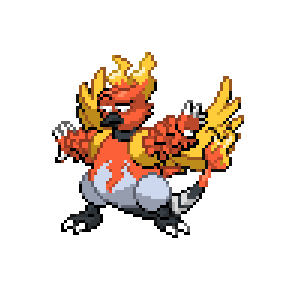
As it ages, it grows extra wings made of gelatinous material. This fluid is hot to the touch but cools when near friends.
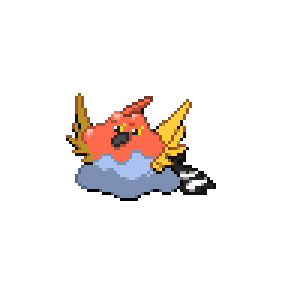
In cold weather, it struggles to fly and takes frequent breaks. To stay airborne, it blows fire onto its wings to keep them warm.

The large feathers on its back were prized by ancient poets. They believed writing with them would bring great luck to their works.

When building its nest, it searches for hot pepper plants. It squirts pepper juice on the base, enjoying the spicy sensation on its feathers.

It buzzes across creek surfaces, leaving trails of heat in its wake. Tracking it becomes easy with a thermometer due to the hot air it generates.

When throwing a tantrum, it perches on tall trees and scorches nearby bushes with flames. This fiery outburst is often done out of spite.

It uses its long neck to thrust its head underwater and catch prey. It avoids cold water as the chill saps its stamina.
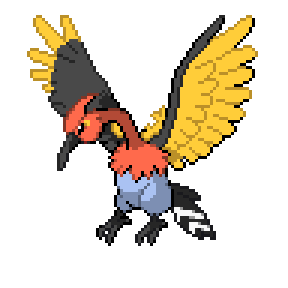
It sticks its nose into geysers to soak up the intense heat. This habit helps warm its nose during colder seasons.

It raises its internal temperature while rolling, blasting powerful flames from its trunk. The combination of fire and momentum makes it formidable.

The more delicious food it consumes, the brighter its flames become. A full belly significantly boosts the power of its fire attacks.

Fletchdoof builds its nests by carefully burning logs with controlled embers. It is highly territorial and will spit sparks at any intruders that approach its dam.

Fletchjask moves so fast that it leaves behind trails of cinders in the air. If it spots prey, it strikes with a fiery dive before jetting away in a blur of flames.

Its body is filled with a flammable liquid that jiggles as it moves. It spits this liquid at foes before igniting it with fiery attacks.

When searching for a mate, it flings its yellow feathers in a circular pattern. It performs an elaborate dance on a treestump that it has bitten flat.

Fletcholu senses the fighting spirit of those around it and responds by increasing the intensity of its flames. It spars with others by launching small fireballs to test their endurance.

The gelatinous material surrounding its body is intensely hot. To prevent fires, it avoids landing on flammable surfaces, even while resting.

Fletchlu's wings are soft like cotton, but they radiate intense heat. It perches atop treetops, basking in the sun to keep its flames at peak strength.

Spinning on one foot, it flings hot needles in every direction to deter foes. The leaves on its head grow slower when it is under stress.

It lands on plateaus and unleashes flames from its beak, creating intricate shapes in the sky. These fiery displays mesmerize onlookers.

While its snout resembles a beak, it is covered in soft fur. It wags its tail excitedly before unleashing powerful Ember attacks.
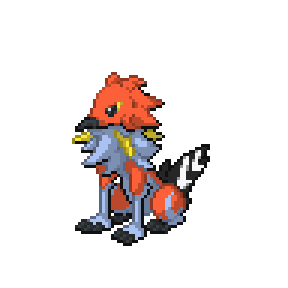
It performs somersaults in rapid succession, keeping foes off guard. While spinning, it blows flames at opponents with impressive precision.

Fletchchoke trains by carrying branches in its talons as it soars through the sky. Its powerful legs allow it to strike with kicks hot enough to scorch the ground.

The stones covering its body heat up the longer it flies. It hurls these fiery rocks at prey before launching an attack.

It generates gusts of hot air as it sprints across the landscape. These zephyrs can ignite dry grass, leaving blazing trails behind.
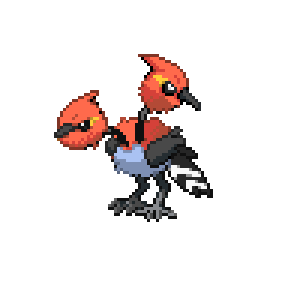
It slaps its tail against the water's surface to intimidate foes. Once provoked, it exhales intense flames to keep attackers at bay.

It lulls opponents to sleep using hypnotic psychic waves. Once they are unconscious, it unleashes fiery bursts from its beak to overwhelm them.

The silk that comes out of its mouth is warm to the touch. If left on exposed skin for more than ten minutes, it can cause a rash.

A pink venom drips from Larvdle's tail. Highly combustible, it can ignite from mere sunlight exposure.
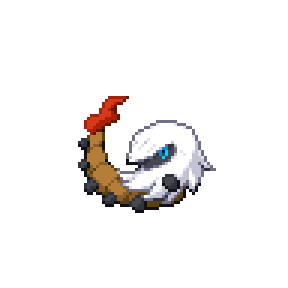
Larvowl watches from willow trees at night, waiting for prey near streams. Embers trail from its wings when it silently takes flight.
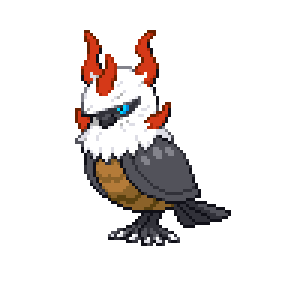
Larvotto's feathers radiate intense heat in the morning. A single loose down feather is hot enough to boil a pot of water.

As Larvma glides over lakes, the heat from its wings boils the water's surface. It snatches watercress midair to snack on.

If Larvco falls from its pine tree while asleep, it erupts into flames and explodes. These accidents have been known to start massive forest fires.
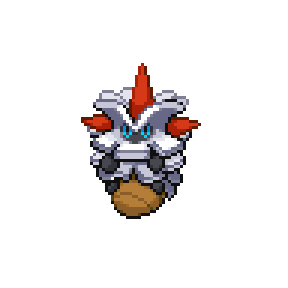
Under cover of night, Larvdoom prowls the desert. It howls and fires jets of flame into the sky to bring down flying prey like Vibrava.

Larvkid grips power lines to overcharge its body, growing dangerously hot. When enraged, it can emit heat intense enough to melt titanium.

Larvby drinks lava through its beak-like mouth and prefers to dwell in active volcanoes, where it can stay superheated at all times. It hates being cold, submerging itself in lava when it feels even the smallest chill.

The heat from Larvslash's back scorches tunnel ceilings as it digs. This molten touch fuses stone, reinforcing its underground lairs.

Swinging from branch to branch, Larvchar chars bananas before eating them. It leaves a trail of soot in its woodland territory.

The red-hot blades on the end of Larviard's arms are hot enough to melt stone. This fiery power makes it a fearsome fighter, capable of cutting through solid rock with ease.
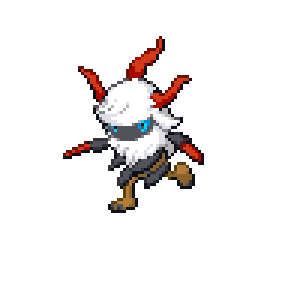
Found in volcano walls, Larvwick's waxy body never melts-no matter how high the temperature rises. The blue flame on its head flickers as it sleeps.

Larvpent resides in abandoned desert tombs, clinging to ceilings. The light within its body glows brightly when travelers pass below.

Larvki collects keys in abandoned mansions and jingles them while eating. The louder the jingling, the more it enjoys its meal and the hotter it gets.

Larva darts over desert sands at high speed. When it lands, the heat it emits can turn the sand beneath it into glass.
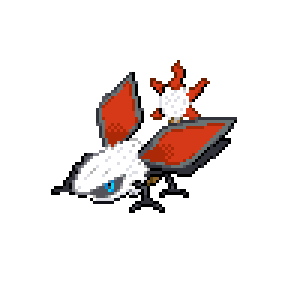
Its body is composed of heat-resistant metal, allowing Larvink to unleash powerful flame attacks without harm. It rubs against soft objects to keep itself clean and its metal polished.
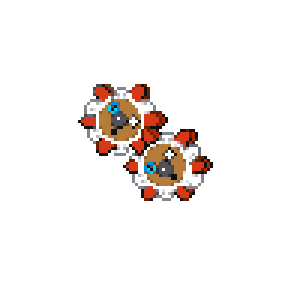
Larvang's gear-like body spins clockwise while unleashing fire attacks. After battle, it emits rhythmic clicking sounds while it sleeps.
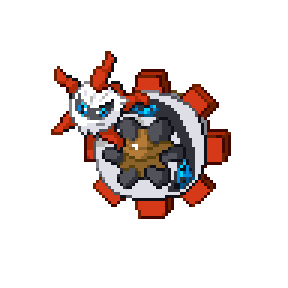
Larvdew's spicy leaves are prized in culinary circles and often used in porridge. A dish featuring it is the signature meal of a famed Sunnytown restaurant.

The spores shed from Larvish's body can cause mild burns. When properly harvested, these spores are a key ingredient in crafting Burn Heals.

Larvbat's furred wings keep it insulated during nighttime forest flights. It remains active even in the coldest winters.
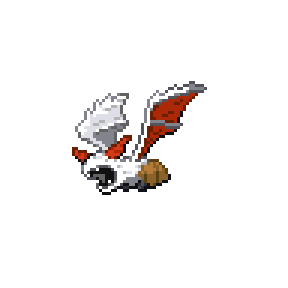
Larvtik prefers caves dense with magnetic ore, which it consumes by melting it down. It will spit fire at rival Larvtik who approach its next meal.

At night, Larvpede climbs trees with its antennae glowing brightly with heat. It spits acid at anything that gets too close.

When Larvtump wants to sleep, it possesses old tree stumps. Over time, the wood heats and eventually bursts into flames.

The mushrooms on Larvras's back are dangerously spicy. Even a single bite can irreparably damage a person's sense of taste.

Larvkoal builds its nest in volcanic tunnels, lining it with molten rocks. If it becomes too cold, its movements slow to a crawl.
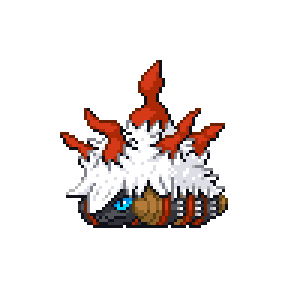
Larvkaboo's antennae emit a sweet pumpkin scent. As it floats above rivers, it releases flickering blue lights from its belly to lure prey.
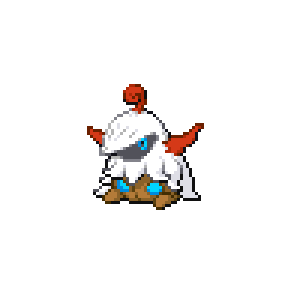
Larvbre's skin is hot to the touch. When it has nightmares while sleeping face-down in ponds, the surrounding water begins to boil.

Golode latches onto light posts to absorb electricity for sustenance. This behavior often causes power outages in smaller towns.
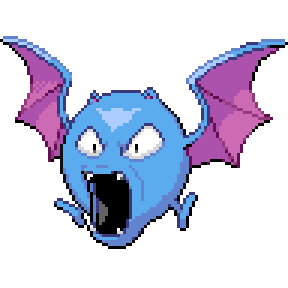
Golwak uses its bone to crack open geodes and decorates its nest with the crystals inside. These sparkling displays attract prey like Sableye.
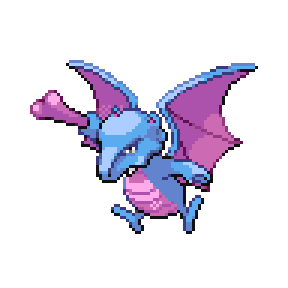
Golee's feet are highly sensitive, detecting vibrations in the ground to track enemy movements. This allows it to sense foes even in complete darkness.
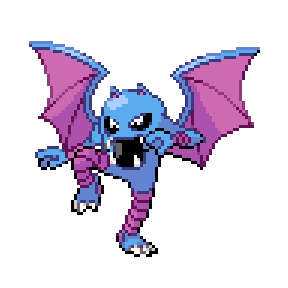
Golchan hones its agility by dodging droplets of water falling from stalactites in waterlogged caves. This rigorous training strengthens its evasive abilities in battle.
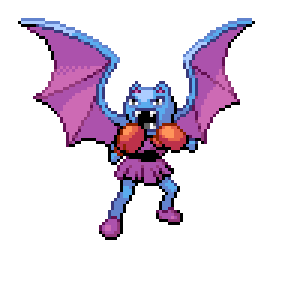
It emits a supersonic scream to terrify those around it. This serves as a deterrent while it waits for evolution to take place.
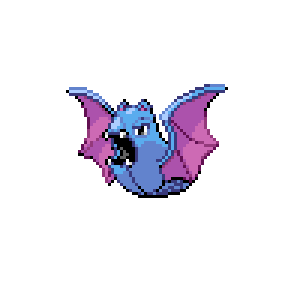
When it spots burrowing prey like Diglett, Goldon drills into the ground using its horn. It pursues its target relentlessly through underground tunnels.
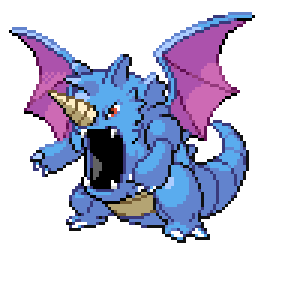
Golgela untangles its vines to snare foes, reeling them in for a venomous Poison Fang attack. Its precision leaves little chance for escape.
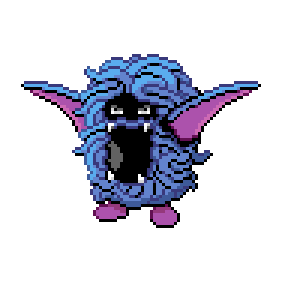
Golsea tails are a key ingredient in the 'Savory Cinnabar', a dish popular aboard the S.S. Anne. Lightly braised, they are served in a Colbur Berry-based sauce.

Golmime constructs elaborate near-invisible complexes in caves for its nest. Its translucent walls and furniture are nearly impossible to detect.
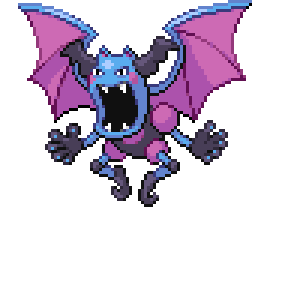
Golmar breaks off dead tree branches to fuel its flame-based attacks. It often forages in charred forests to find the perfect material.
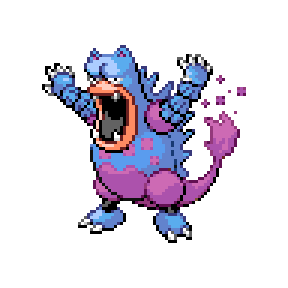
The floating crystal orb in Golnair's mouth glows a vivid violet when a storm is imminent. Sailors see it as an omen of turbulent seas.
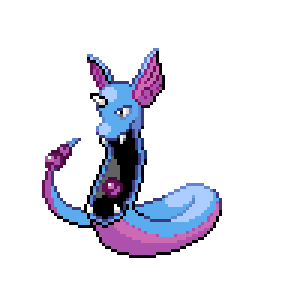
Golowl releases a dense Haze from its mouth to obscure its surroundings. It uses this tactic to confuse both predators and prey alike.
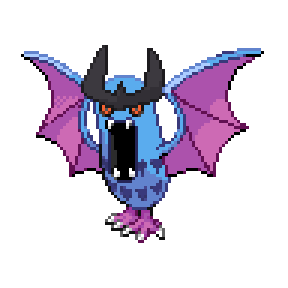
Goldos weaves its web between stalagmites in dark caverns. It uses this sticky trap to catch prey unaware as they traverse the tunnels.
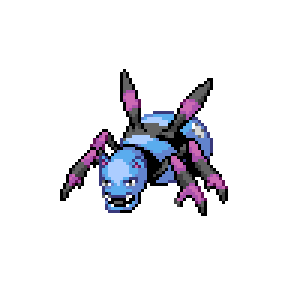
Golbat thrives in dense forests, preying on smaller Pokémon like Pidgey and Weedle. It uses a single Supersonic to disorient its prey before striking.
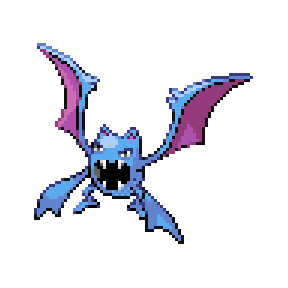
Golffy paralyzes foes with a Thunder Wave before carrying them away into the night. Its swift abductions have inspired many eerie tales.
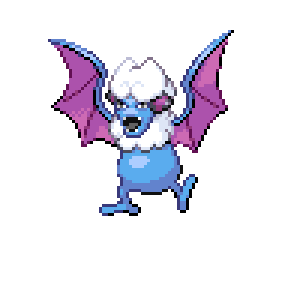
Goltata's whiskers twitch excitedly at the sight of prey. If unable to defeat a Trainer with its bite, it will snatch an item from their bag and escape into the sky.
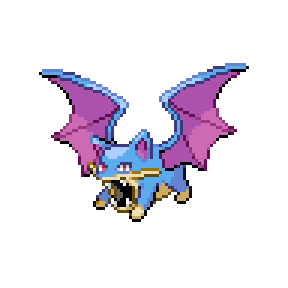
The tip of its tail is coated with a potent toxin, making it a dangerous weapon. Golpom uses its tail to incapacitate prey before feeding.
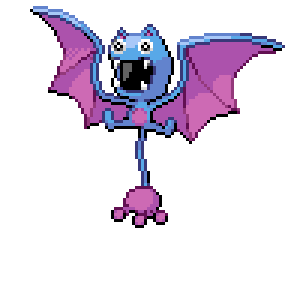
Golkrow flies around parks at dusk, drawn to the color yellow. It drains energy from anyone wearing yellow and steals their clothing as a prize.
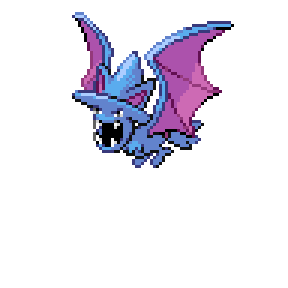
The red gem on Golking's crown glows intensely before it unleashes a barrage of Air Cutter attacks. It can break apart solid stone with ease.

Goldreavus emits eerie howls that resemble the sounds of sick children. It strikes when its target is off guard, draining life with its fangs.
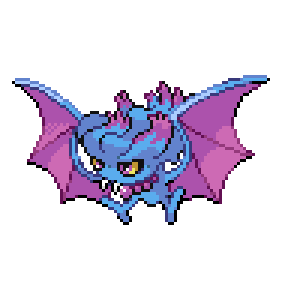
Golfarig emits a powerful Screech when an intruder approaches its nest. The sound is disorienting enough to deter most threats.
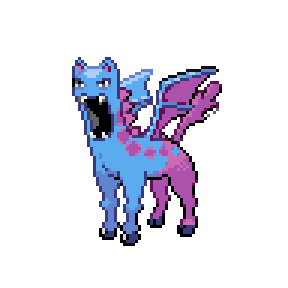
If disturbed while draining its prey, Golco glows a deep brown before exploding. This tactic ensures its escape from potential threats.
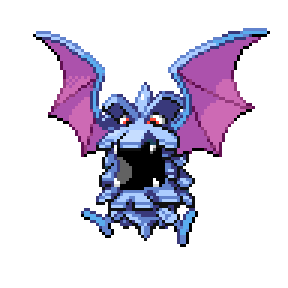
Golsparce is incredibly squeamish and uses Mud-Slap to disorient predators like Charmeleon. It quickly burrows underground to avoid confrontation.
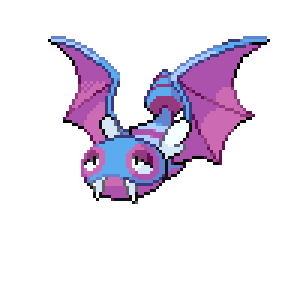
Golix glides effortlessly through the night sky, diving in and out of clouds. Ancient cultures once believed its gleaming body signified an impending poor harvest.
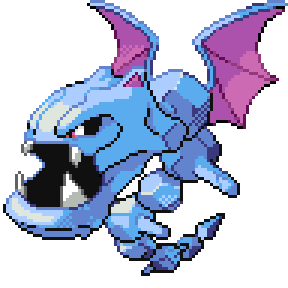
The hooded portion is attached to its neck. When it gets cold, its wings will radiate heat to keep the outer shell warm.
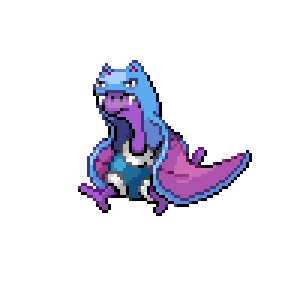
Golcross cleans its horn by soaking it in ponds. A freshly cleaned horn can be wielded more efficiently during aerial combat.
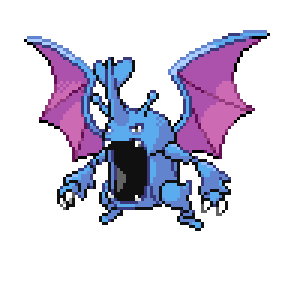
Golcargo's body is incredibly sticky, which allows it to scale vertical surfaces effortlessly. The body also radiates extreme heat, so it leaves a trail of burnt stone wherever it passes.

Golnub burrows into snow mounds with its wings folded tightly. It pokes its small nose out, sniffing the air for potential food sources.
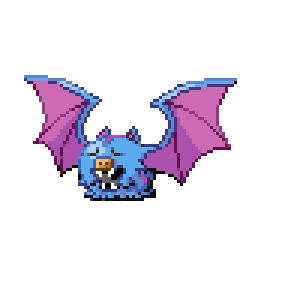
Golmory spins in swift, clockwise movements before diving onto prey like Metapod. Its razor-sharp wings slice through even the hardest shells.
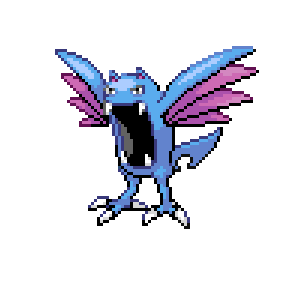
Rescuers sometimes deploy Golans to locate trapped survivors in caves. Its echolocation and small size allow it to navigate tight openings effortlessly.
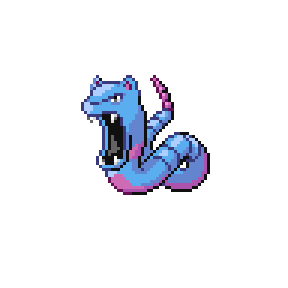
In ancient times, Golpy's wings were prized by leatherworkers. They were used to craft durable leather for shields.
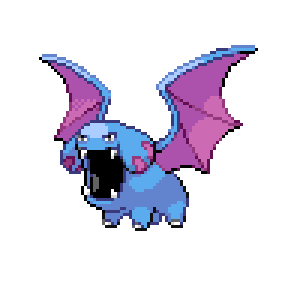
Golphan opens its massive mouth when rolling rapidly toward smaller prey like Spearow and Sandshrew. Its speed makes it nearly impossible to evade.
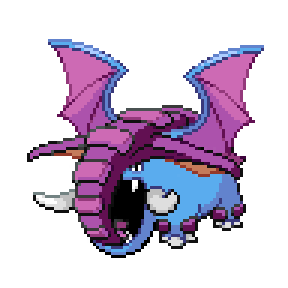
The inside of Golsey's mouth is humid, creating an ideal environment for incubating eggs. It fiercely defends this precious space from intruders.

Goltar's fangs naturally fall out just before it evolves. Long ago, knights sought these teeth to craft rings they believed would bring them good fortune.
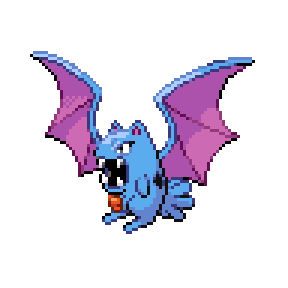
Goltar struggles to stay airborne with its stone-like body. When exhausted, it crashes into cliff faces to embed itself and rest safely.
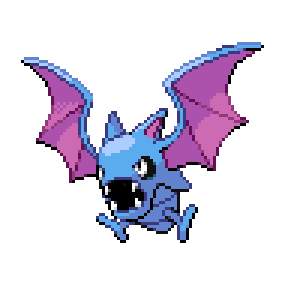
Golchu nests in power substations, where it bites into wires to absorb electricity. Its presence often causes localized blackouts.
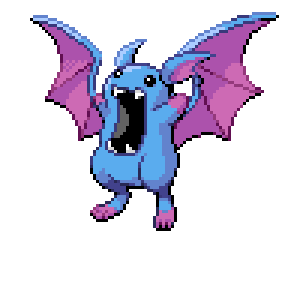
Golshrew avoids nesting near water and flies for days in search of arid landscapes. Its stamina is remarkable, even in harsh desert conditions.
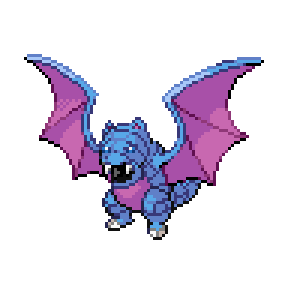
Golcor glides from its home near a mountain's plateau, screeching loudly at other predators who get too close. Its cries can be heard from up to ten miles away.
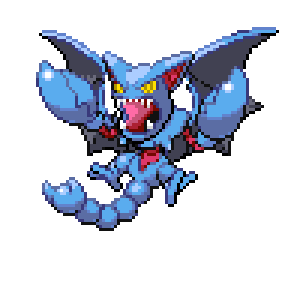
Golslash coils itself around stalactites to sleep, using its spiny body as a deterrent. The sharp quills keep potential threats at bay.
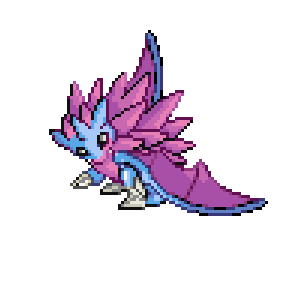
Golran bites into oil barrels and consumes the fluid that flows out. This fuel is mixed with its toxic glands for powerful poison-based attacks.
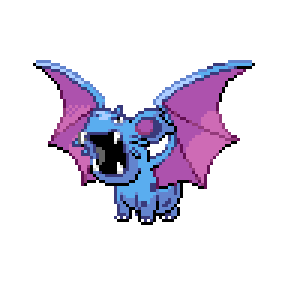
Chefs in Sandgem Town serve fried Goltang wings as a delicacy. These wings are spiced with cayenne pepper and paired with Watmel Berry jam.
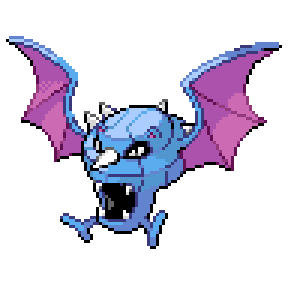
Goldoof's powerful jaws allow it to chop down a cedar tree with a single bite. It uses the wood to build elaborate dens near rivers.
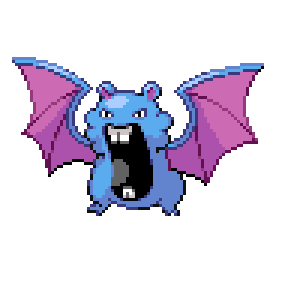
Rural villagers once enlisted Golcario to pound mochi with its precise strikes. This practice was vital in creating their traditional festive desserts.
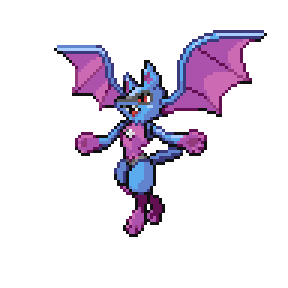
Golbite hunts in shallow waters, swallowing multiple Staryu in one gulp. Its voracious appetite makes it a dominant predator.
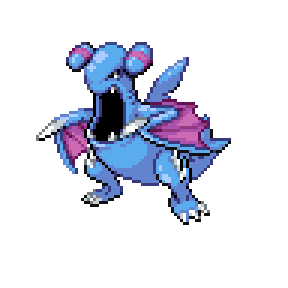
Golwile gathers and devours cave vines in large quantities using its massive second mouth. It stores excess food in its den for later.
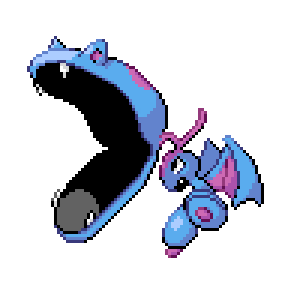
Golsol resides among large stalagmites, blending into the shadows to avoid predators. It only emerges at night to hunt.

Its wings are incredibly strong and can support its body weight. It will quietly flap the wings while it sleeps.

Golclops can stretch its elastic maw to envelop entire Berry branches. It uses this method to strip all the fruit in one motion.

The twig-like appendage on Golwig's head turns dark red when warm. While hunting, it emits a Lansat Berry-like aroma to attract prey.
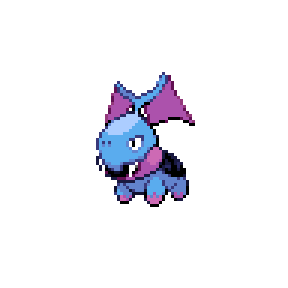
Golpass uses its magnetic nose to detect metal objects on nighttime travelers. Once it identifies a target, it waits for the perfect moment to strike when they're off guard.
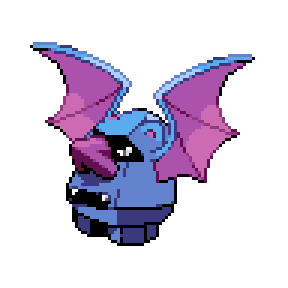
It consumes metal ore to fortify its wings, allowing it to fly through dense tunnels. Its strengthened wings can shatter stone with ease.
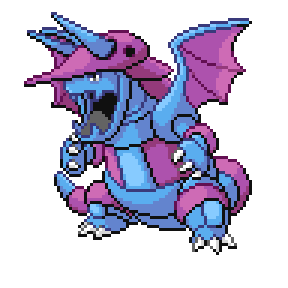
Golblim opens its enormous mouth to vacuum in prey like Hoppip and Cottonee. It often drifts silently before striking unsuspecting targets.
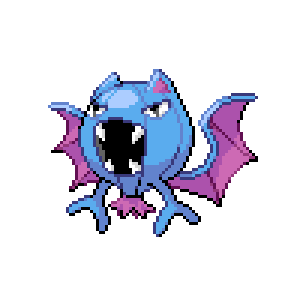
It soars through the night sky, using its powerful legs to deliver crushing dive-bombs. Prey rarely sees the attack coming before it is knocked unconscious.
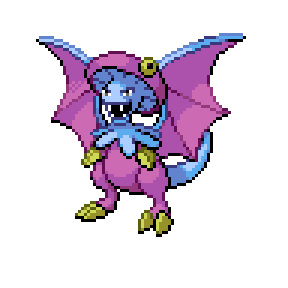
Being nocturnal and agile, Golfable is often employed by hotels for late-night room service. Its wings allow it to navigate hallways silently and swiftly.
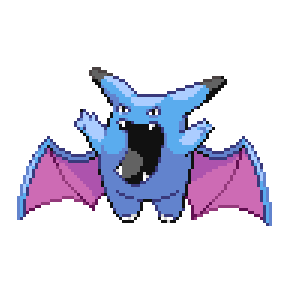
Golthorn uses its tentacles as whips to deliver powerful blows. Its attacks are fast and relentless, leaving its foes defenseless.
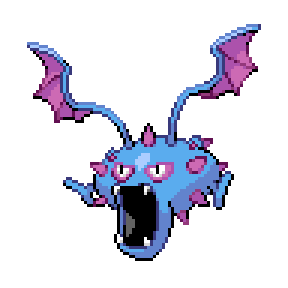
Golure's mastery over its flames has made it a valuable asset for bakeries in Kanto. Its steady heat is perfect for maintaining optimal oven temperatures.