Page 2 / 4 of 3754 pokedex entries by infinex21.
The markings on its wings glow brighter as its internal flame sac grows hotter. It uses its tail to abduct small prey to carry back to its nest. Arinder has a penchant for roasting its food before swallowing it whole.

The frills of these Pokémon bear intimidating markings that they seemingly use to startle predators and prey alike. While their foe is stunned, they will sink their fangs into them and deliver a potent poison into their bodies.
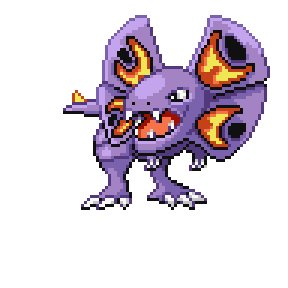
Artrum no longer use the patterns on their frills to intimidate, instead using them to entrance prey. They can extend their necks to catch foes off guard as they latch their jaws onto them.
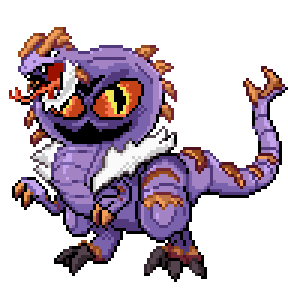
Its expansive frills shimmer like a vast aurora whose colors change depending on how light strikes them. The poison produced within its body has a chilling and numbing effect on its victims.
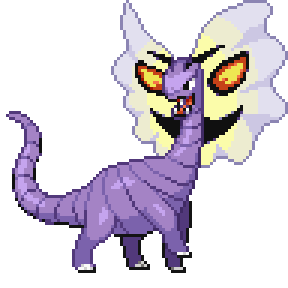
Magchu spit out flames and/or electricity when they get excited or when they feel threatened. If they do this for too long, however, they will only be able to spit out black smoke and weak electrical sparks.
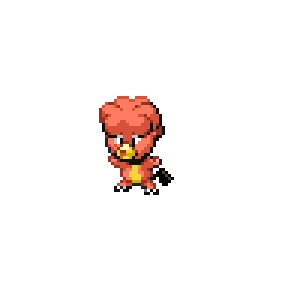
Magshrew prefer to live in hot sands until their own internal flames grow strong enough. Once they begin to spit out yellow fire, they have grown strong enough to keep their dens warm by themselves.

Magslash spend most of their days digging to expand their dens. When they become tired, black smoke becomes mixed with the flames they spew.

Wild Miltula allow their tiny offspring to drink plentifully of the milk they secrete from the udder atop their abdomen. Any who try to forcefully drink of this milk will be met with a tongue-numbing electrical shock.
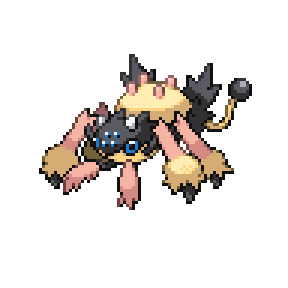
To humans, these Pokémon have disturbingly long udders that often drip with milk. But, to young wild Pokémon, these long udders are a welcome sight when they have grown hungry.

Milhita milk is rich in nutrients, especially protein. Although the milk is used to make many drinks aimed at the physically active, there are even more who will drink it raw.
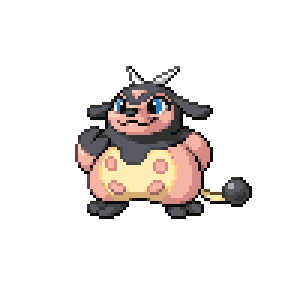
As it works up a sweat during battle, it exudes a pungent aroma that ranges from fresh milk to aged cheese. Its milk is nutrient-rich and can easily be made into other dairy products such as cheese, so it is highly sought by many connoisseurs.
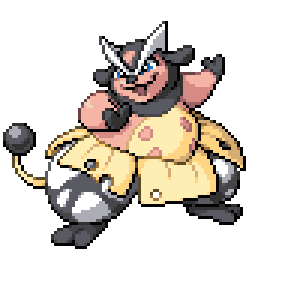
Bliswak can alleviate pain and negative emotions with strikes using their clubs, a fact still being studied. They are very attuned to the pain and sadness of others and will travel however far they must to alleviate either.
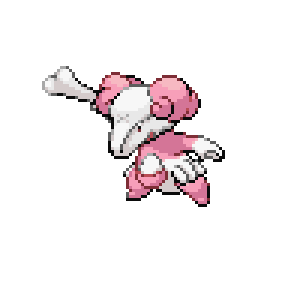
It carries its own egg within its pouch, even as it flies at high speeds. It is known to help the young, be they human or Pokémon, and will shelter the weak with its sturdy body.

These Pokémon scuttle about with egg-shaped bundles of silk containing nuts and berries. Surprisingly, Blisdos can launch these bundles from their pouches at considerable distances to those in desperate need of food.

They use their springy legs to perform quick maneuvers and to deliver quick kicks that overwhelm their foes. The more they move on their legs, the more electricity they generate.

Raichan strive to be champions in physical combat with their lightning-quick boxing techniques. Their signature move is a Thunder Punch that booms like thunder even if it doesn't strike a foe.

Rairos mark their territories using their tough, front claws which also help to slow themselves during a charging attack. Wild Rairos regularly fight over territory and pack leadership, the sounds of their clashing horns reminiscent of thunder.
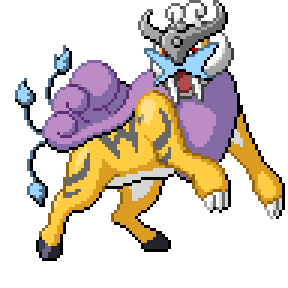
The purple furs of Raieon are notoriously water-repellant, despite how much time these Pokémon spend within water each day. Their fur is where they store electricity, which they can release through their claws and their fangs.

Their tusks and manes grow longer and larger with age and crackle with electricity when they are agitated. Even now, some humans still seek their tusks for how grand they are and, or, because they conduct electricity so well.

Its large fangs secrete a paralytic agent that could down a Mamoswine in less than an hour. To intimidate others, it can shake its lower body to produce a thunder-like sound.

Despite their size, Raishrew can create tremors that some have compared to the rumbling of thunder. During battle, when aboveground, Raishrew are wreathed in arcs of electricity as they dash about and slash at their foes.
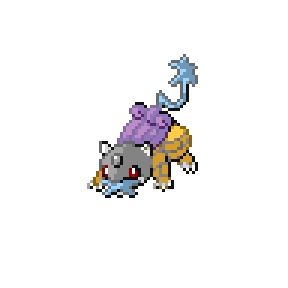
Raifeon channel and release electricity through their leafy tails when they raise them toward the sky. This stance allows them to seemingly call down lightning bolts. The tips of their purple leaves are green when they are healthiest.
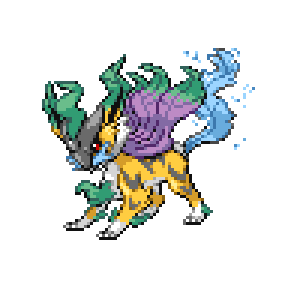
When it cries out, it releases sparks of electricity and flakes of its freezing energy. By freezing parts of its own fur, it can better defend itself and better regulate its own power.
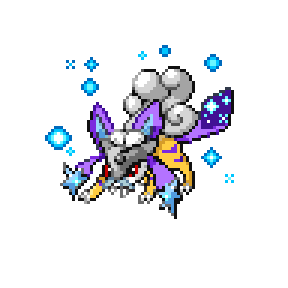
Raicor wait for sandstorms before they go on the hunt for prey within the deserts they live in. They ride the winds with their strong wings, pouncing quickly upon prey and finishing them with an electric shock delivered through their fangs.

Rairay live within thunderstorm-ridden badlands, with caves serving as their dens. Their eyesight is strong enough to see far across their badland homes, so they always know when the time to hunt is ripe.

These Pokémon are said to be born of the spirits of trees that were struck down by bolts of lightning, be they split or set aflame. Now they wield lightning itself in the defense of their forest homes.
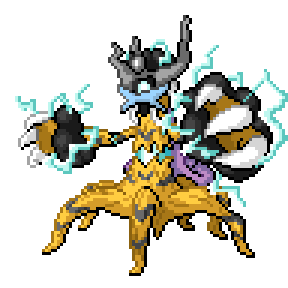
The older a Raisect grows, the taller its mushroom becomes. They are prone to being struck by lightning during storms, which they have grown to absorb with increasing ease.
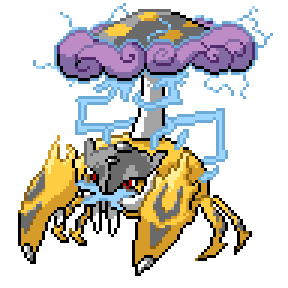
This Pokémon is said to embody the speed and ferocity of lightning and flame, respectively. The den of a Rainine is easy to spot due to the charred terrain and large gashes that litter the area around.
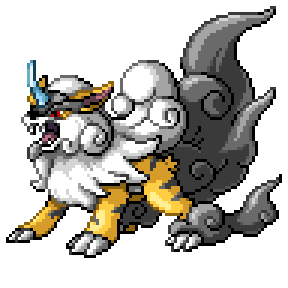
The cloudy fur upon its back is always quite hot, though it becomes even hotter when they are running. Its fur crackles with electricity that it can channel and release from its singular horn.
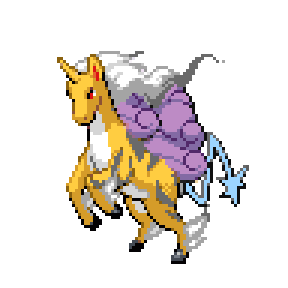
Enwak use tufts of their own white fur to pad their bone clubs, which they ignite with their breathed flames. These tufts of fur take almost half a day to fully burn away, which is why they have replaced firewood for some people.

Its small horn is cool to the touch and seems to be what allows it to regulate any of its energy. It throws a fit if it cannot find fresh water for over a day and will discharge electricity from its horn during its fit.

Suichu absorb nutrients from water through their ribbon-like feelers, or they metabolize electricity if there is no freshwater nearby. They display immense compassion for the lost or the injured, be they human or Pokémon.

Suichu have been proven to be able to use their own electric currents to remove pollutants from water. Many Suichu are still being used in myriad studies to find more effective and clean ways to counter water pollution.

The bulbs on its back regenerate so quickly that it will often fling them at foes, which will release a burst of frigid air on impact. It can launch its tail with a stream of water and spin it like a drill using frigid gusts.

The wraps upon its arms allow it to sense the auras of others for at least one mile away. One Force Palm from this Pokémon is said to cleanse the aura and soul of whoever it strikes.

Suiveon are inherently compassionate, especially toward young humans and young Pokémon. By dipping their feelers into water, they can tell how clean it is; this makes them valuable partners to many Pokémon Rangers.

By submerging its appendages in dirty water, Suiveon is able to purify the water with a special aura. The aura released by this Pokémon is known for being able to calm others, even a rampaging Gyarados.

The fur of a Suiruff is incredibly soft and always cool to the touch. They have a keen awareness of the feelings of their Trainers and will cuddle up to them while wrapping their feelers around them to offer comfort when they feel down.
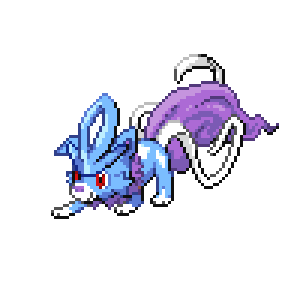
Suietta are able to skip across the surface of water, and are often found dancing atop lakes and ponds. Their songs resonate with water itself, causing it to ripple and sway as if the water were dancing to their tune.

Larviking ram into rocks and stones to break them apart, then eat the resulting pieces. Because of their power and appetites, Larviking have even created new rivers and streams by breaking through terrain for the sake of sustenance.

Larvieon feed on soil and rock, though they are particularly partial to Sun Stones. The tips of their tails quiver as they focus their thoughts to muster their innate, albeit weak, powers.
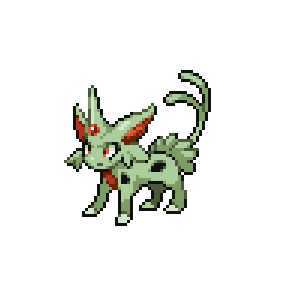
Larviveon feed primarily on soil, though they may also feed on rocks they pulverize. Once they have fed on around 200 tons of such materials, Larviveon fall into a deep slumber; they exude a calming aura as they sleep in order to protect themselves.

Larvish are born deep under thick dirt and must find their own way to reach the surface to reach their parent, or parents. It is, however, still very rare for them to ever not surface before their family moves on.
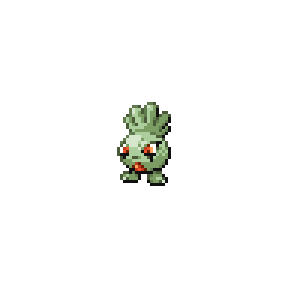
Pupieon communicate by touching the split tips of their tails against the crystals on their heads. Their bodies are hard and heavy, so they hone and focus their minds for hours each day. They use their psychic powers to help them move.
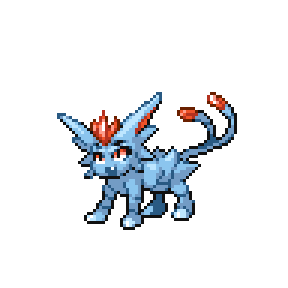
By feeding on coal and sulfur, Pupiveon produces helium gas within itself. It expels this gas under compression to swiftly avoid danger; over-inhalation of this gas will induce a false state of euphoria and relaxation.
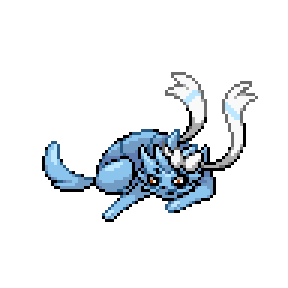
Tyrantor use their incredibly long necks to flail their three heads into opponents and send them flying. A rock-hard fruit grows upon their tail, which is said to be one of the finest delicacies by the few who have ever survived efforts to obtain it.

Tyraneon have hides harder than rock and are clad in sharp fragments of fulgurite. They hunt during sandstorms, concealing themselves before striking with quick blows and precise lightning bolts that often leave fulgurite in their wake.
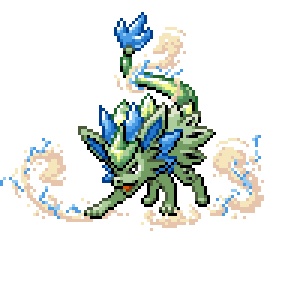
Their crystals are harder than diamond and serve as conduits for their psychic energies. When focused, they can use their minds to move boulders thrice their size. They are, however, easy to provoke, and so they struggle to stay focused and calm.
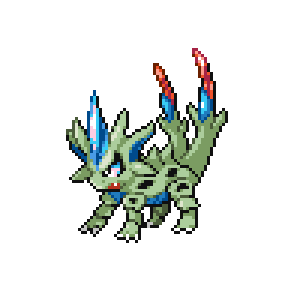
Tyranmortar are desert apexes that blast their enemies with burning-hot sand loosed from their cannon-like arms. The heat of their sand-blasts can be so intense as to turn desert sand into glass upon impact.

When agitated, their leaves turn rigid and sharper than any crafted blade. By swinging its tail at full strength, with its leaves rigid and sharp, a Tyranfeon can cleave through solid steel in a single motion.
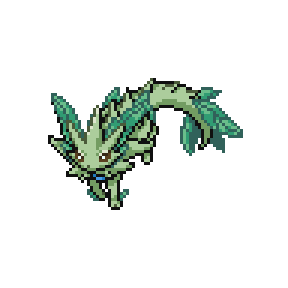
This giant Pokémon carries a small mountain atop its back which is often encircled by smaller, aerial Pokémon. The fruits that grow upon this small mountain are incredibly tough and contain a poison that must be cooked out.

Tyranveon feed on minerals, so they are often found within caves or near mountains. Using their ribbon-like feelers, they easily break apart rock and stone in search of their next meal. If a Tyranveon rampages, a cave-in is usually inevitable.

These serpentine Dragon-type Pokémon build their nests atop tall mountains. Anything that interrupts their rest will be met with devastating Hyper Beams and continuous rock slides until silenced.

A Tyranking's body is incredibly strong to support the weight of the large rocks upon its back. The mountains in which they rest are often marred by the scars of their battles that they almost-always win through sheer strength.

Tyrantula will swing their tails about to send their opponents flying or crush them with their strong pincers. They charge and store electricity within their tails, which they can then release as powerful lightning bolts from the tip.
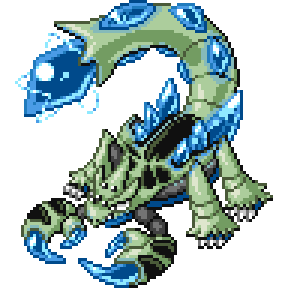
Although Tyranapex have small bodies, their large, head-bound legs are strong enough to pulverize solid rock into small grains within a few stomps. Because they can so easily churn tough, dry soil, they have been utilized by some farmers.

Tyrandash have bodies as hard and heavy as solid rock, yet their legs are strong enough to carry them for hours before they need to rest. They can release flames from the openings along their bodies to further overpower and intimidate opponents.

Lushrew are common near beaches and coastlines, burrowing into the terrain to travel and to create their nests. Some consider them to be pests, but Pokémon Rangers consider them allies because they will assail those who throw waste into the ocean.

Luslash's forelimbs function as wings yet also as arms and hands, which pack enough power to pulverize solid rock into sand. Its mane of blue fur hardens and becomes razor-sharp when it is agitated, offering it a hazardous defense.

Lumander live reclusive lives, potentially due to the immense power that some stories claim to be lying dormant within them. Despite being innately reclusive, Lumander are notably very expressive around those they develop bonds with.

Its tail flame, whose vibrancy and intensity reflect the health of the Pokémon, burns hot enough that it can melt most metals within close proximity. Supposedly, Lumeleon harbors immense potential, which may be why it is so eager to battle others.

Luizard commands remarkable power, which seems to manifest as raw strength and as intensely hot and vibrant flames. It relishes in taking on any challenge, as if to show off its power; some speculate it does this to work off excess energy.

Although some few stories claim that Lupoke contain vast, dormant power, these Pokémon display no such power at all. They are unfazed by anything, even if they are attacked or caught in a hurricane.
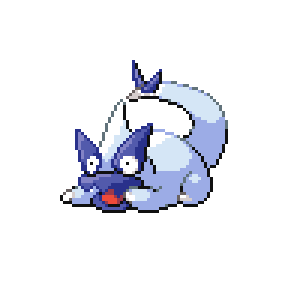
Ludrio are infamous for their powerful Tri Attacks and for the resemblance their three heads bear to the three Legendary Bird Pokémon. Even when tamed, a Ludrio's three heads rarely ever get along outside of battle.
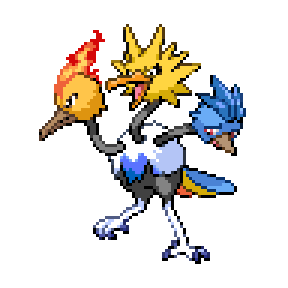
Lutoise wield psychic powers to reinforce their hardy shells, making their defenses all the greater. Remarkably, their waterspouts can loose jets of water with such power that they can punch a hole through a sheet of tungsten in seconds.
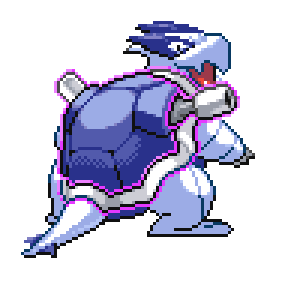
Evolution has caused its helmet carved from Thunder Stone to become fused to its body, empowering them further. Their Thunder Stone clubs are excellent electrical conduits.

Pikaquil release electricity or flames from their backs when excited or when trying to protect themselves. Their red cheek pouches are hot to the touch.

They let loose Thunder Bolts and Flamethrowers to threaten opponents or to ward off attackers. They can move very quick, often clad in flames and electricity to protect themselves.
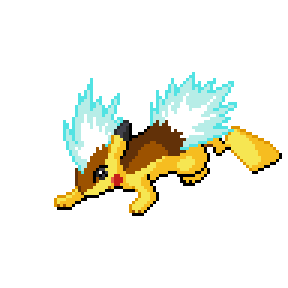
Pikakern absorb sunlight through their upright ears, which becomes the electricity stored in their cheek pouches. They communicate with others of their species by touching tails.

Pikagia mostly appear during electrical storms at sea and along coasts. Pikagia fly low enough to best catch and absorb lightning, which they can metabolize.
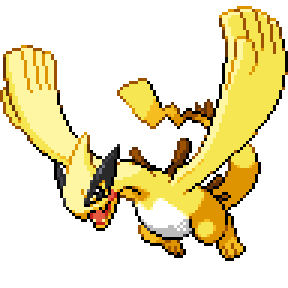
These speedy Pokémon have a habit of running around in circles; by moving, they generate electricity. If they stumble, they will spit electrically charged fireballs at the first thing they see.
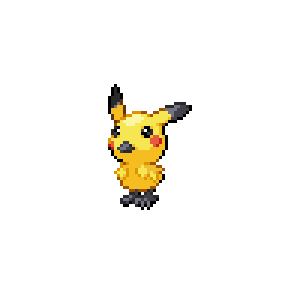
Pikagull generate electricity via atmospheric friction as they fly, which they release to take down small fish Pokémon and prey upon them. Although some would claim it resembles Zapdos, any theoretical connections have been thoroughly disproven.
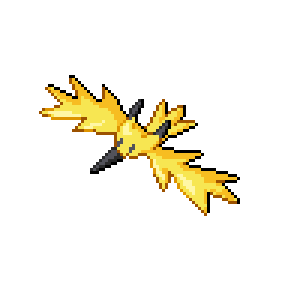
This Pokémon treasures the Light Ball resting upon its head as it bounces about to generate electricity. Its kind use their Light Balls to focus both their electrical energy and their psychic powers.

By rubbing its pincers together, it can generate electricity that is then stored within the red pouches upon its cheeks. It will never let go of prey grabbed by its pincers until they are shocked into submission.
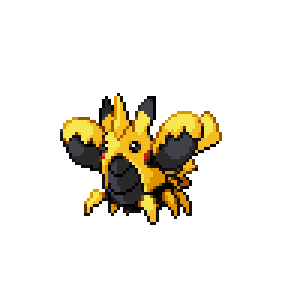
Pikadrio can generate electricity by rubbing the cheeks of their three heads together. When they have either absorbed or generated too much electricity, they run around quicker than normal to try and release the excess.

A story often told to children is that the prismatic core of Ho-mie is the source of rainbows that form after rainstorms. A Ho-mie can fly without tiring for days, as it thrives off of sunlight absorbed through its core.

Wild Ho-sel leave rainbow-like auroras when they leap and glide in the air. They often use their rainbows to prank others as though the rainbows will lead them to treasure, but will usually lead them to, at best, a pile of berries.

The orbs along their backs glow with iridescent light as they harness sunlight to power their various attacks. The feathers along the arms of Ho-tile often shimmer with a similar iridescent glow even after being shed.

The feathers of Ho-ceus shimmer with the colors of a rainbow and are said to bring great fortune to any who wield even a single feather. In the wake of its powerful flames, new life will quickly blossom and flourish from the ashes left behind.
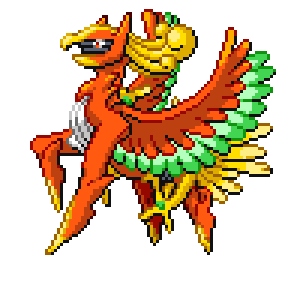
Its expansive wings oft scatter iridescent feathers that slightly warp reality around them as if they are incredibly hot. Its flames can achieve a wide variety of colors that often play tricks on others, be they Pokémon or human.

Ho-veon exude rainbow-like lights as they swing their feelers around. The sight of these rainbow-like lights has placated many people and Pokémon alike due to the soothing aura exuded in tandem.

Its many, puffy tails refract sunlight in peculiar colors that many say reminds them of rainbows. These many tails will puff up when a Ho-tales prepares to unleash a stream of flames from its mouth.

It is said that when a flock of Ho-ling sings in unison, a vibrant rainbow will form in the skies above them. Though small, these Pokémon can breathe colorful flames with such intensity that steel melts in their wake.

Ho-dash was first identified within stories that spoke of a rainbow-clad and winged steed that would only let those deemed worthy ride upon it. Its flames are strong enough to reduce vegetation to ash, yet all will regrow better than before.

Wherever a Celeon resides, there is sure to be a source of the purest and cleanest water nearby, surrounded by lush vegetation galore. With their wings, these Pokémon can gallop atop the surface of water with grace.
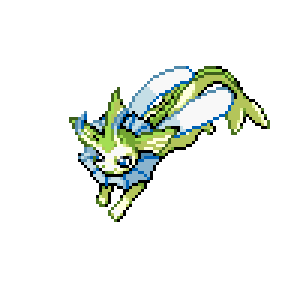
Ancient depictions of these Pokémon have been discovered lately, which led some to believe they can traverse time. While such power is unconfirmed, they are long-lived and extremely reclusive Pokémon that only appear to those they deem worthy.
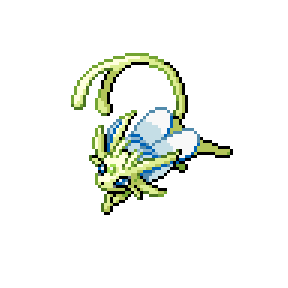
Celefeon reside only within the lushest forests and jungles, using their wings to leap between the trees with graceful movements. The purity of the air they leave in their wake has led to some people revering them.
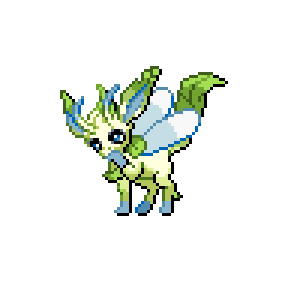
When its wings flutter, many reflective snowflakes are scattered around it. It can churn its wings fast enough to form a snow flurry. It conceals itself within flurries to avoid others, but supposedly it has graced some with its presence.

The two arrow-like antennae of this Pokémon move like the hands of a clock, always pointing to the current time of the region in which it resides. Only one of these Pokémon have been found in each region.
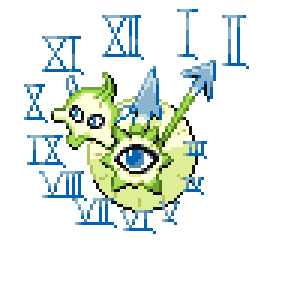
Azu Jr. are friendly and playful, using their own tails to stand on, jump on, and bounce upon as they perform tricks. If they fall or are knocked off, they will sob uncontrollably until consoled or given food.

Ambilia use their tails for movement, defense, and to crush up harder foods for themselves and their young. They are sensitive to the emotions of others, especially positive emotions; when at their happiest, they dance acrobatically.

It swings between trees using its two hand-like tails while plucking fruits and nuts from trees using its psychic powers. To fend off threats and foes, it will chuck nuts and pebbles using its limbs or its psychic powers.
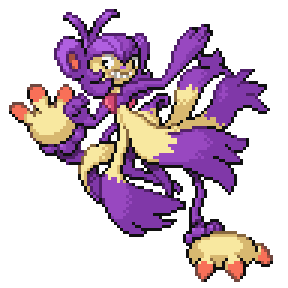
Ambiceus swing their four arm-like limbs around rapidly to mystify and overwhelm opponents. When they are not battling, they will use their limbs to mess with others and to shovel berries and other fruits into their mouths.

Wild Ambixys quickly traverse their jungle, or forest, homes using their four long arms. From atop tree branches, they will pluck and chuck nuts at travelers while giggling.

Its snoring sounds like incantations and its powers remain active to repel others even as it sleeps. It is content with spending its time sleeping and eating.

The cries of a Misnair are incantations that call forth various weather phenomena. The orbs along its body glow with an ominous crimson light to deter threats.
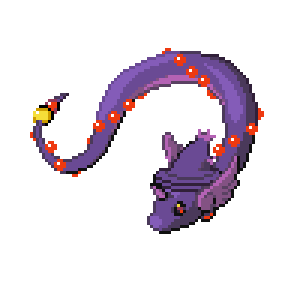
The red crystals lining their arms like blades glimmer with the mystic energies flowing within. Those cut by their blades, however small the cut may be, will be afflicted with misfortune until the cut heals.

Although the appearance of Misquaza is often considered to be very intimidating, it is actually just a very lonely Pokémon. It seeks companionship and will play with all who are willing, but will send evildoers flying in an instant.

Honchlia have often been seen leading flocks of Murkrow and other similar Pokémon to steal from people and Pokémon alike. Because some Honchlia use force to keep their flocks in line, they have been popularly portrayed as villains in some media.
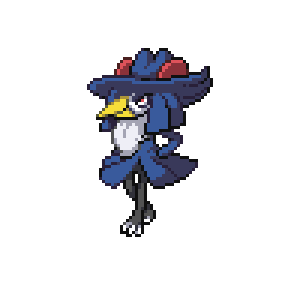
Honchvoir take great care of their feathers and even gather their own shed feathers to decorate heavy sticks, which they wield as foci for their powers. Due to their penchant for stealing from the wealthy, they have become popular characters in shows.

Honchveon are friendly and polite Pokémon who love to find valuables, if only to return them to their rightful owners. Quite a few detectives have Honchveon partners, who can track many things or people and restrain troublemakers with their feelers.

Touching its nose startles it, even if it sees you reaching toward it, and causes it to discharge electricity from its cheeks. These Pokémon seem to be innately curious about humans and other Pokémon.

Mimets are notoriously sensitive to the thoughts and emotions of others and typically evade people. Noteably, they are more willing to appear before human children and will attempt to mimic their movements and mannerisms.

Mimets love to collect and play with round objects, though red, round objects are the most alluring to them. Using their latent, albeit weak, psychic powers, they will often raise such objects aloft and pretend to juggle them.

To befriend humans and other Pokémon, Mimelia will use its psychic powers to perform tricks for them and will playfully mimic their movements and expressions. Their popularity with children has seen some media adapt caricatures of Mimelia.

These Pokémon are often called "Nature's Harlequin" by travelers due to their mimicry of court jesters in paintings and books. They are often seen juggling nuts and berries with their four hands.

Happibone are always pining for attention and will throw tantrums if they go long enough without receiving any. Their tantrums are at their worst if anything should happen to their egg-like stones or their clubs.

Happirak individually have their preferred nut or berry that they will insist upon eating as their sole food until they evolve. They will shoot long strands of their silk to collect their favored food and will wrap it up and store it for later, too.
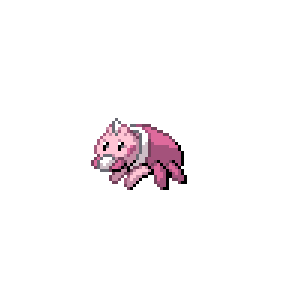
Happidos are friendly Pokémon that often wrap berries and nuts up in their webs to save for later. Forests where Happidos live are often littered with these self-same bundles that these Pokémon leave for others to enjoy.

Its egg-like shell secretes an edible liquid that fills any who consume it with remarkable vigor. The closer it gets to evolving, the more of this fluid it will secrete.

Their favorite food is the yolk of fresh eggs, be they abandoned or not. Their claws are sharp enough to burrow through most terrain.

Because Happitump have mostly been found near broken Pokémon Eggs, many thought they were born of the spirits of the unhatched Pokémon. It was later discovered that they are the ones who break these eggs to feast on the yolks within.
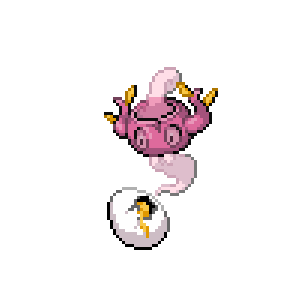
They carry large, abandoned eggs upon their backs with the help of thick, adhesive slime secreted from their bodies. They will temporarily hide these eggs within their hollow bodies to protect them, even if it puts their own lives at risk.
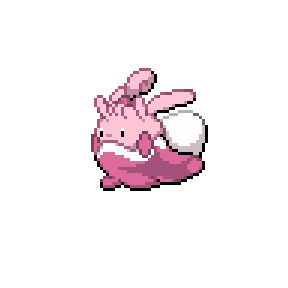
It uses an acidic slime to deter any threats in order to keep the egg on its back safe. Once the egg hatches, it will find a large, white rock and use its slime to shape it into a new "egg" to carry around.

A Happietta's songs are often used in daycare melodies that help placate young. Wild Happietta are often seen caring for injured, young Pokémon and singing them into a gentle slumber.

The "yolk" that drips from the egg-like ends of their wands is actually a delectable honey. This honey is said to bring mental clarity to any who consume it.
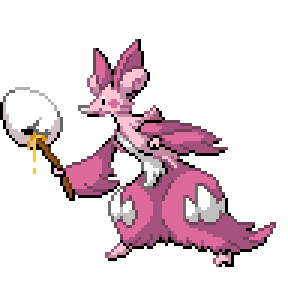
Raideen use their sucker lips to attach to foes and prey to better deliver electric shocks into them. They can expel precise jets of water from their mouths and electric bolts from their horns.

Their necks and tails are wreathed in strong flames that crackle with sparks of electricity. They will swing their flaming tails at foes and wherever the tip strikes, they will explosively release electricity.

If the tips of their tails touch anything metal, they discharge all of their electricity and become aggressive. To avoid this, some Raichu wrap their long tails around their small bodies.
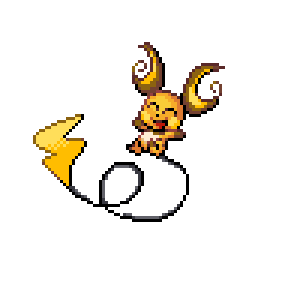
Raikern use their tails to ground them as they discharge excess electricity from their cheek pouches. They often hop about in puddles of water to keep themselves moisturized.

Through the yellow tips of their tails, Raigia can absorb and discharge electricity, up to about as much electricity as it takes to power Goldenrod City. They are closely monitored because they may go berserk if they store too much electricity.

Raiziken unleash powerful kicks charged with enough electricity to power an entire town. Their movements are quite agile, allowing them to use various physical strikes in combination while still avoiding plenty counterattacks.

A Raiklang prehensile tail will ensure that its gears never stop spinning. So long as its gears continue to spin, the lightning-bolt styled parts of its body will glow with electricity.
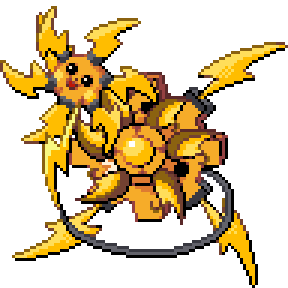
Its body is composed of highly-charged plasma, which allows it to suspend a piece of Thunder Stone within the ring-like part of its form. This Thunder Stone piece serves to further amplify its electrical energy.

Railucha generate electricity through the friction of their feathers, especially when gliding through the air. Though they can fight with electrical bolts, they prefer to fight up close. They have been known to grapple foes and shock them.
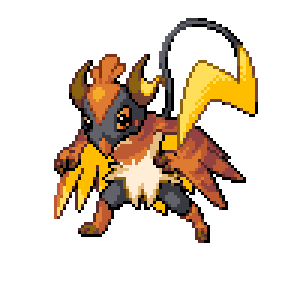
Raiecho are typically playful and benign, using their long tails to wrap onto a source of electrical energy to feed themselves. When they absorb too much electricity, however, their bulb-like horns shine bright and they become more aggressive.
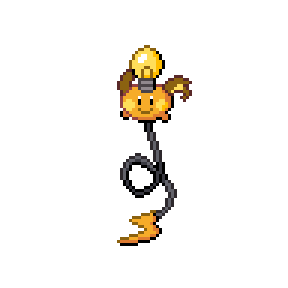
Raiduo use their prehensile tails to knock down hanging fruits and split them in half for their two heads to share. They turn aggressive if they store too much electricity, and their two heads will turn on each other.
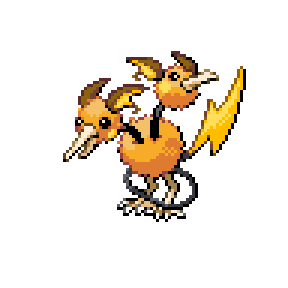
These Pokémon throw explosive fits if they grow too hungry. They love to eat batteries and Thunder Stones, both of which help amplify their electrical currents.

Munchode fly into explosive fits of rage if they are awakened from their slumbers, and will only calm down after stuffing themselves with food. Some people, unfortunately, engage in "Munchode Tipping" which involves sending a Munchode rolling.

Munchbone are almost always chewing on a bone, which they use as a club to defend themselves. Their saliva is incredibly sticky, allowing food and debris to collect on these bones, which they later eat in one gulp.
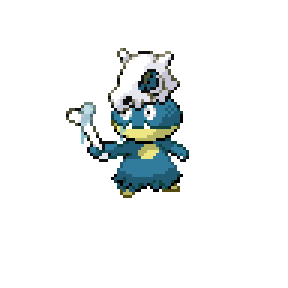
Munchorn charge and ram trees to knock free fruits and berries to gorge upon, but they may also charge toward the source of a delicious scent. When they start running, they struggle to stop.

It spits sticky silk webbing to procure and secure food for itself, favoring fruits and berries above all else. If anything tries to steal its food, it will use its fangs to inject a soporific venom and knock them out.

Munchbat fly rapidly through forests, swallowing whole any fruits or berries they can find. Many other Pokémon hunt Munchbat, even if just to keep Munchbat from stealing their food.
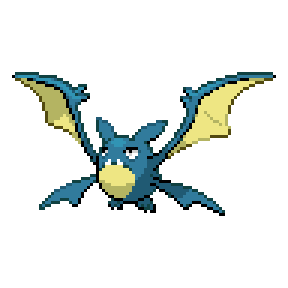
Their fluffy wool is so rife with static electricity that debris is oft caught within. When happy, such as when gorging themselves with food, their tail orbs faintly glow.

Its long fur tends to pick up and track twigs, fruits, and other vegetation as it wanders through forests and fields. It sleeps often due to having to share much of its nutrients with the bulb atop its back.

Munchsaur move very slow, eating whatever scraps or fallen vegetation they come across. If threatened, they shake strongly to scatter many soporific spores from their flowers.

Munchfish can greatly expand at rapid speeds by swallowing large quantities of water, which causes their venomous quills to stand on end. They catch small prey with their large mouths as they swim and swallow them whole.
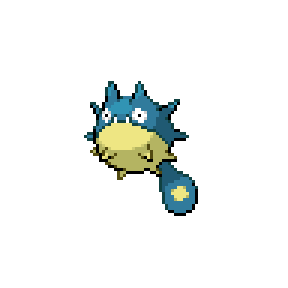
They use their snouts to root for vegetables, though sometimes come across buried food. They are indifferent about what they eat, so long as their would-be food is not poisonous.

It uses its tough tusks to dig for food and water, though it sometimes taps trees for sap. It can swallow food whole and spend weeks digesting it, helping it survive harsh winters better than some.

Though their bodies have remarkable constrictive power, they swallow food whole and thus their bodies are too stuff to utilize it well. They favor large fruits and vegetables, though have been witnessed devouring Pokémon eggs as well.

Though their bodies have remarkable constrictive power, they swallow food whole and thus their bodies are too stuff to utilize it well. They favor large fruits and vegetables, though have been witnessed devouring Pokémon eggs as well.

Munchrill can use their own tails to bounce and reach hanging fruits and berries. They can eat most things in one bite with minimal chewing.

Munchswine have large tusks made of solid ice, which help to clear avalanches and to break down trees. They eat once a month in large swathes, spending the rest of the month digesting the food and resting often.

It has a very strong body to help support the large flower upon its back. It will swallow entire bushes whole if they exude a sweet enough scent, even if they are merely flower bushes.

Munchran move quite swiftly and have oft been seen snatching and fully devouring food from others within seconds. They will eat moldy or rotten food without issue, so sometimes people leave such foods out for these Pokémon to eat.

These Pokémon feed on the emotions of others and reflect those emotions with their own expressions. They are always carrying a berry, seemingly fond of Oran Berries the most, and never share it unless it may save a friend.

Their jaws are strong enough to crush the toughest nuts into a fine pulp. They tend to teethe on tree bark and rocks.

When happy, their tail flames flick about and when angry their flames rage uncontrollably. They are happiest when stuffing their faces with plenty of food, though seem to care little for what exactly they eat.

Using its tough claws, it can climb trees and easily crack open tough nuts. It prefers to roast any of its food with its own flames before eating, and gets agitated when it has to eat food raw.

Munchth eat foods whole with minimal chewing and will even eat canned foods, including the cans. They spend most of their time sleeping, eating, and grooming their long fur.

Munchizard love to fight, though they always have to rest for a long time after just one battle. They love to hoard food for themselves to gorge upon after they wake up, even if it means stealing that food from others.
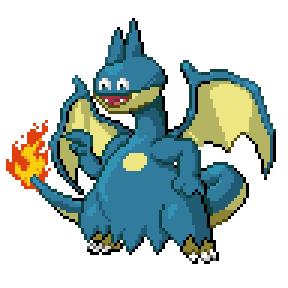
They always have food on hand, often holding two pieces of food in two of their hands while fighting with their other two hands. They only will fight with all four arms and hands when angered enough.

Their semi-fluid bodies help to store food to eat later, though it has a bad habit of forgetting about such food and it ends up getting subsumed instead. They can often be found near sewers and garbage dumps, feeding on leftovers and waste.
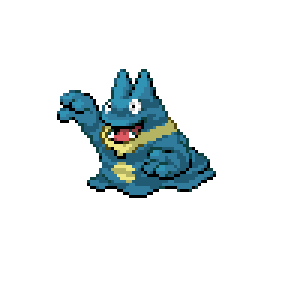
The gases of their bodies are soporific to most others, though too much exposure can result in a coma. Their mouths are massive, allowing them to easily swallow foods whole without having to chew.

Munchter often lurk in darkness, waiting for an opportunity to snatch up food for themselves. They have been known to frighten and prank others just to steal their food.

Disturbingly, its mouth extends to half of its total body and it can open it from the horizontal half to swallow foods whole. It will follow others if it thinks they have food.

They use their front claws to scale terrain but are reluctant to use them to defend themselves. Their vibrant, red hair exudes extra warmth which helps groups of them to survive colder environments when they're not hunting together.
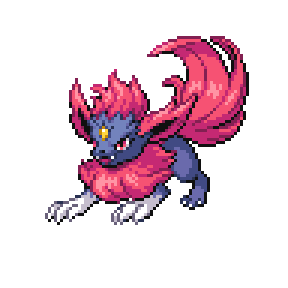
It exudes frigid air from the pale blue crystals along its body, which it can control to create sheets of ice on the ground for it to "skate" along. It delivers swift and merciless slashes that leave ice in its wake as it "skates" around its foe.

Magnedos tend to dwell near power plants so they may prey upon other Pokémon drawn to power plants as well. When they have absorbed too much electricity, they will fly into a long rage that generates an expansive magnetic field.

It appears during storms to catch lightning and store the energy within itself. It generates a strong magnetic field that causes most electronics and compasses to fail within a certain range of it.

They have developed better control over their magnetism, to the point they can concentrate it upon specific targets. They often use their powers to help save and protect others, including saving sinking ships.

Magnedrill exude a special magnetic field that keeps them afloat and propels them forward at high speeds. Their golden stingers contain a potent toxin that numbs the body in a few minutes, if the body is still in-tact after being impaled.
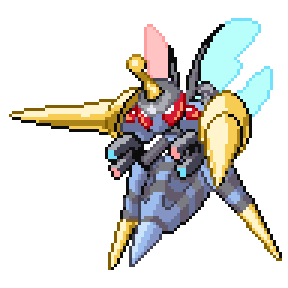
Its uses magnetism and psychic power to dominate battles. Its tail is incredibly thick and dense, which allows it to deliver bone-shattering strikes as well.

The three sub-units are extensions of itself that allow it to think quicker and to simultaneously track three extra targets. It generates a magnetic field that disrupts most devices when it is near, so tracking it has proven difficult.

It stays aloft and moves at high speeds using the magnetism it generates and controls. Its fangs can penetrate most known metals. It feeds either on electricity drained from machines or on the energy of Steel-type Pokémon.

Not only are its magnet-hands strong enough to be used like hammers, but they allow it to project and control a magnetic force. They will use this magnetism to either repel foes or to drag them in and deliver a steel-hard punch.
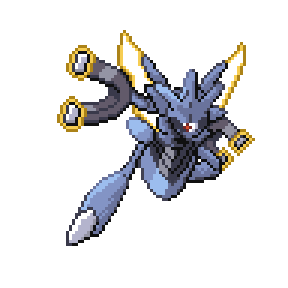
By harnessing its own magnetic field, Magnellery can fire rocks, nuts, and other things from its mouth like a railgun. The heads fused to the sides of its main head help it to stay aware of things around it during battle.
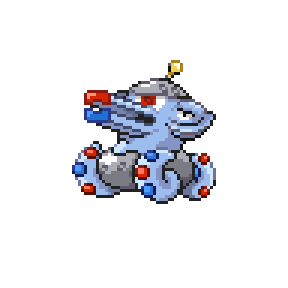
Its venom has magnetic properties, making it particularly effective against Steel-type Pokémon and Electric-type Pokémon. The patterns on its chest shine as it releases electricity from its large antenna.

The quicker its wings flutter, the stronger its magnetic field becomes. It uses its magnet-like tail to hang from metal structures, although it often causes interference with its mere presence.
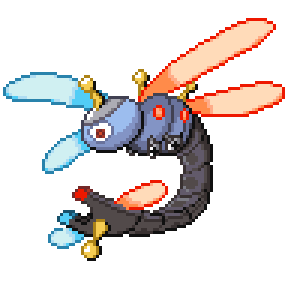
Magnelade prey on other Steel-type Pokémon, as they can wield magnetic forces to keep their prey from fleeing. They attack with their sharp, blade-like forelimbs and with precise electrical bolts fired from their magnet-like claws.

A Magnetang's shoulders contain not just additional eyes to watch enemies carefully but also extra brains that help it to think quicker. Its fingers are each powerful magnets that could disrupt complex machines.

A Magnewile's giant horn functions as a massive magnet that ensures Steel-type Pokémon rarely ever escape from it. It can swing its horn to crush rocks and metal to better eat them if it finds no Steel-type Pokémon to prey upon.
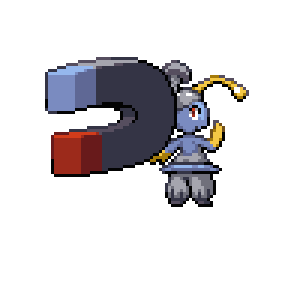
Magnerem controls a magnetic field and the powers of bitter frost. It uses its magnetic field to precisely control formations of ice, turning them into precise weapons that dominate against any foes.
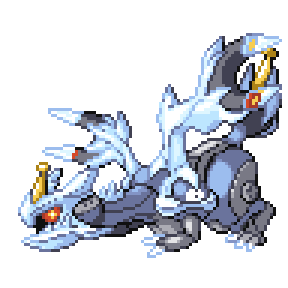
Magnexorus use their magnet-like claws to siphon electricity from other Pokémon or from human machinery. Their tusks act as magnets that serve them well in conquering the Steel-type Pokémon they oft prey upon.

Its malleable arms can split apart and collect rocks or other hard objects, which it will later shoot using magnetic force. Magnexys psychic powers are so strong that it can manifest sturdy barriers from pure energy.

Magnelie is covered in frozen minerals that became solid steel after it was exposed to a special magnetic field. Now, it wields a similar magnetic field of its own that uses to create mixtures of steel and ice to defend itself with.
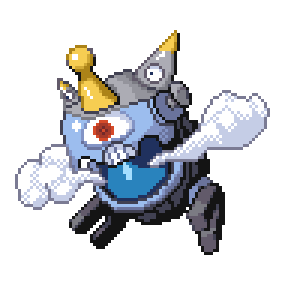
Its tongue is large and stretchy and its saliva is very thick and sticky. It often uses its tongue to gather foods in a large clump and pull them into its mouth.
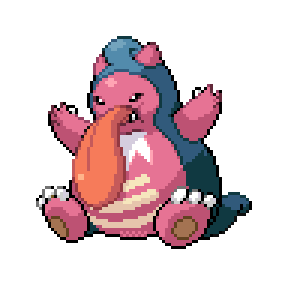
The white "ribbons" around its neck are actually a special material that exudes a calming and intoxicating aroma. Even this Pokémon is often tempted to chew on this material and will offer pieces of it to others as a token of friendship.

Its front legs can direct physical force into the ground like jackhammers to churn and shake the ground ahead of it. When its drill horn starts to spin even a little, it is a sign that it is about to charge and attempt to impale whatever is ahead.

These playful Pokémon have a habit of trying to chase and attack their own round tails or each other's tails. When they are happy, their two drill-like horns spin quickly. Their horns cannot even puncture a piece of fruit.
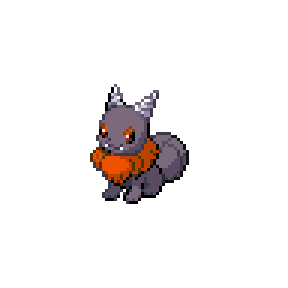
Despite their size, Rhyew pack enough power within them to wreck heavy machinery with just one swing of their tails. Using their drill horns, they create small tunnels in mountains that are infamously difficult to navigate.

Its drill-like beak allows it to effectively create a slipstream for itself; as a result, it can achieve high speeds. Rhyrow digs for burrowed prey using its drill beak, though it will also use it to prey upon some Rock-type Pokémon.
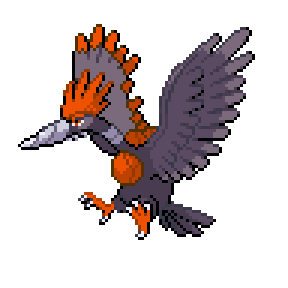
Its body is as tough as tungsten, though its horn is tougher than diamond and can spin fast enough to penetrate most materials. Its talons are strong enough to grip a boulder thrice its size and it can even carry them high into the sky.
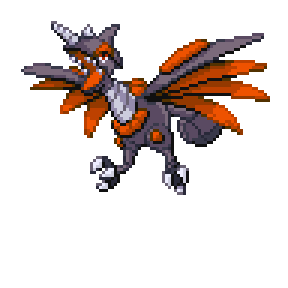
Its drill horn can spin so fast that it can cleanly pierce through steel, while its tail packs enough power to topple metal tower in a single swing. A Rhyking can plant its palms against the ground and use its muscles to create localized tremors.
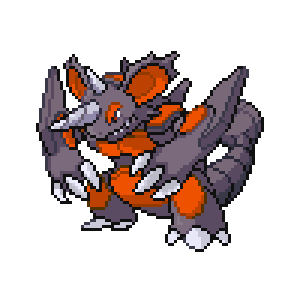
Using their bulky tails and their muscular forelimbs, Rhysaur create tremors to knock loose fruits, berries, and nuts in trees. They use their horn drills to access the sap and water within trees, though they can easily puncture solid rock as well.

Rhylucha adjust their positions with remarkable speed by releasing jets of air from the holes in their palms. They can quickly down most foes with a dive bomb attack that empowers their Horn Drill attack.

Their drill-like claws are so efficient at piercing solid rock that most mining crews will always have at least one on hand. Their extremely durable bodies and wrecking-ball tails also help deal with deep-cave threats.
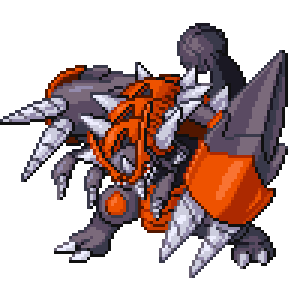
It is widely believed that this Pokémon's vines comprise the vast majority of its total mass, with the actual body being concealed by the large skull it wears. It subsumes its prey within its mass of vines. Not even their bones are left behind.
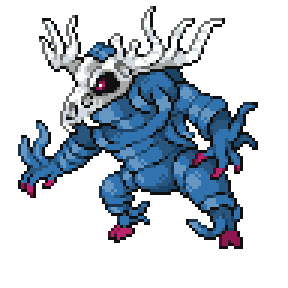
The protruding vines upon a Tanite's back can extend and expand into functional wings that allow it to fly at surprising speeds. Its arms can extend far and fast to deliver devastating strikes or snatch up food.

The vines along their bodies are dense and grow back quickly if damaged. Although this provides Tanring with decent defenses, they must often tear away their own vines or else they will overgrow and envelop their entire body.
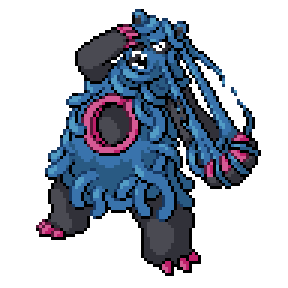
The bioluminescent parts of its body glow brightly when it becomes enraged. In this state, it will spin and charge at everything that moves with such strength that it can send construction vehicles tumbling.

Tanphan roll up into large, wheel-like shapes when they plan to move long distances and when to charge into opponents. Their large ears are clusters of strong vines that can lash at foes and can act as hands.

Its overgrown vines have all but consumed its entire form, save for its gaping maw and deadly fangs. Each vine is filled with a deadly poison that will cause it to rot and decay soon after being cut.

The vines along this Pokémon's arms conceal the open ports within its palms that allow it to shoot large Seed Bombs and bundles of writhing vines at foes. It often uses its long drill horn to crack open tough nuts and other fruit.
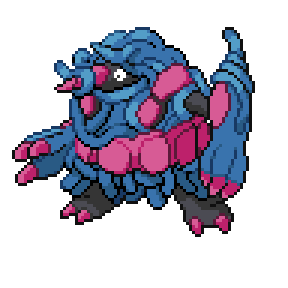
Tanvire vines are remarkably conductive, leading many to use them as cables and wires in some cases. The two vines that serve as their tails can deliver powerful electric shocks into foes until they are rendered immobile.

Its large tusks are made of dense, rigid vines that regrow in less than a week if ever broken. It charges down invaders of its territory and uses its strong legs to create tremors that knock free the fruit within trees.
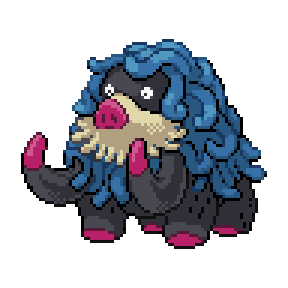
Its many lower vines form a long, flowing skirt that it can control with surprising precision. Each of its vines can grow to encompass a large area, with it being able to control each one individual to acquire prey or to ward off aggressors.

These large, predatory jungle Pokémon hold the many vines of their bodies together with their psychic powers. Their heavy limbs are actually made entirely of many vines coiled together into dense clusters capable of crushing rock.
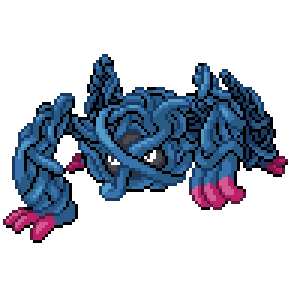
Tanwile use their many long, thick vines to camouflage themselves and wait for prey to cross by. When they see something they believe they can prey upon, they unveil their large, horrific maws and strike.

Tanqueen typically dwell deep within jungles, especially in areas where they can easily blend in due to the many vines covering their bodies. They can, and will, extend their arms to defend themselves and to secure food.

This Dragon-type Pokémon's impressive form is clad, and made much larger, by the many vines growing upon it. It can lash out at any enemy with many vines from all over its body or with its thick tail made even stronger by its vines.
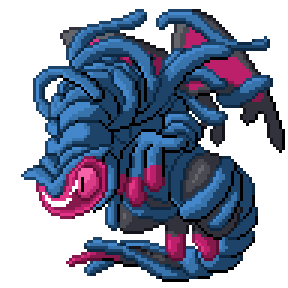
Its body is clad in lush, vibrant colors thanks to the nutrient-rich waters it lives within. Tantic's vines filter out any pollutants within water and fall off when full of said pollutants.

The tips of its vine-like feelers, which have formed almost like hands, secrete a soothing fluid that it uses to quell foes, subdue prey, or soothe its young. Its other vines contain a similar soothing compound, so they are used in many remedies.

Tangigas are towering Pokémon clad in many vines and patches of thick moss. The vines seem to help support their large limbs and aid them in moving until they snap, which they will then rest until their vines regrow.

They lurk within swamps and marshlands, blending in with the tangled greens within ponds and lakes. When prey draws near, they will use their large maws to consume them whole and hold onto them until they cease to resist.
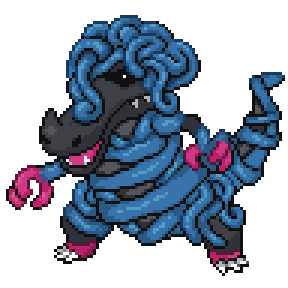
Its vine-like tails are always growing quickly to counter the ever-burning flames that continuously consume them. The vines along the rest of its body run warm with a fluid that quickly combusts when exposed to air.

Tanxys is a deadly jungle predator that darts above canopies and through the trees. Its many vines serve as sharp-tipped arms that can skewer prey and other food, even as it moves at extreme speeds.
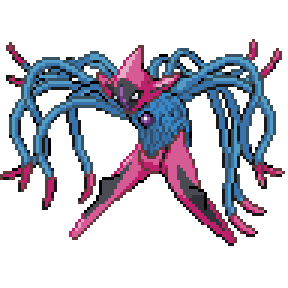
Their vines eagerly writhe to break free from within their cocoon-like shell, growing toward the open sky. Their thick, albeit small, legs are strong from carrying their incredibly heavy bodies.

It jabs at opponents with the thick spikes at the ends of its fists. When its vines ensnare an opponent, it will not stop lashing at them until they can be dragged in and consumed.
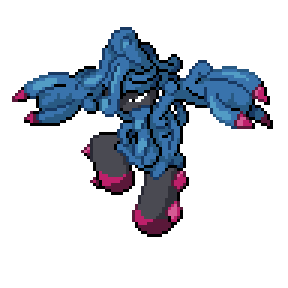
Their thick vines reinforce their already-strong arms while also offering a thicker defense. They can stretch their arms enough to continue pummeling prey if they attempt to flee.

These Pokémon are often seen as pitiful due to how they will try to flap their small arms like wings to fly. Though they struggle to fly, their legs are strong enough to leap above tree canopies.

Its head is covered in a bone-like shell that has been charred by the electricity it catches and releases via its antennae. Its kind favors metal pipes as weapons and as tools, especially those that conduct electricity well.
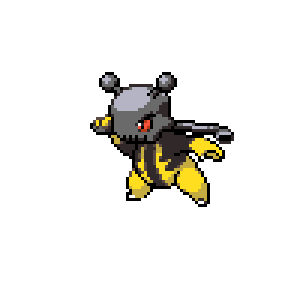
The result a misguided curiosity of what would happen if an Electivire were fused with a Magmortar. Its fists unleash strong Fire Punches and Thunder Punches. The fireballs loosed from its open palms explode with crater-forming might.

It presses the tips of its two tails against foes and electrocutes them with over 2,000 volts of power. If it runs low on power or is merely exhausted, it will curl into a ball to better defend itself.
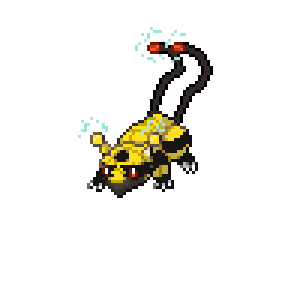
It lives atop tall mountains where storms are frequent, catching lightning bolts upon the tip of its tail. In battle, over 20,000 volts of electricity surge across both of its axe-like tusks.
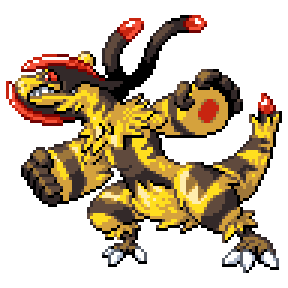
Electixew use their massive arms to traverse their environments. By touching the tips of their tails to their tusks, they can channel and direct over 2,000 volts of pure electricity.
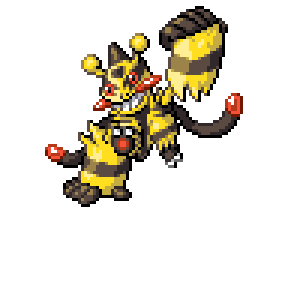
Wild Electixure will clash with one another using destructive Thunder Punches and their sharp tusks. Most foes cannot escape the grip of their large forearms.

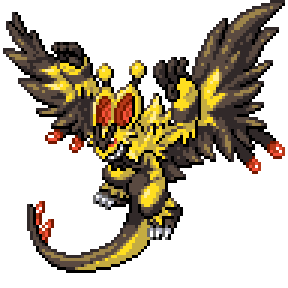
Within an Electivern's wings lie extendable feelers that can easily direct powerful electricity into whatever they touch. The sonic waves loosed from its ears are reminiscent of thunder and can split apart storm clouds.
The large lips of these Pokémon are almost always turned up in a grin, even as they loose scorching flames from their arms. They nest within pools of lava and eat volcanic rocks, which seem to act like coal to their inner flames.

Using their psychic powers, Magmoreon mold their intense flames into fireballs larger than themselves to scare away foes. They can using these powers to hold opponents in place before blasting them with streams of fire.
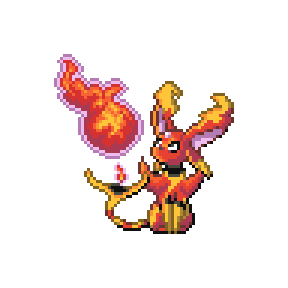
Magmoritar are brutal fighters that will grab the heads of their opponents with their strong, open-ended arms and blast them with intense flames. The angrier they are, the hotter their flames will become.

Born from the curiosity of what would happen if one were to fuse a Magmortar with and Electivire. Its fireballs can shatter solid rock and its lightning bolts can melt metal. Its body is hot to the touch and its fur bristles with numbing jolts.

It is a large Pokémon that walks within volcanos, absorbing the heat and sometimes the very magma itself through its large legs. It can retract its claws to use its own legs as powerful cannons that spew flames and magma and its foes.
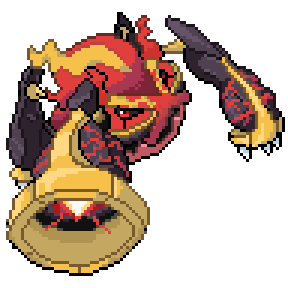
A single Magmorark can conjure walls of intense flames and illusions of even more flame walls to confuse and overwhelm its opponent. ITs claws are sharp and hot enough to easily slice through solid rock.
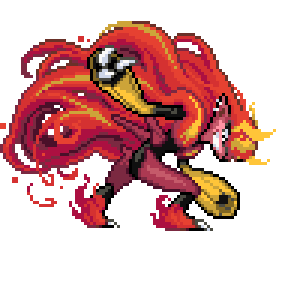
Magmorblim contain gas and fire within themselves, causing them to function and move like balloons. They release flames from their four arms both for battle and to control their movements with remarkable accuracy.

These Pokémon soar across the skies over volcanic areas, feathers falling from their wings like dripping magma. A single Magmorflame can breathe rock-melting flames with remarkable precision.
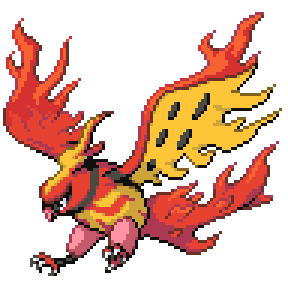
With flames hotter than lava, Magmortias can propel themselves through the air like fighter jets. Using their psychic powers, they can shape their own flames in various ways to overwhelm foes.
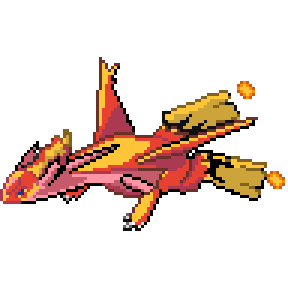
Their amorphous arms can meld together and form a cannon on each side that can channel their internal flames into powerful fireballs. They can suck up magma with these cannon-like arms and metabolize it to keep their internal flame burning.

Magmorlass are wandering, spectral Pokémon that roam volcanic regions. Their spectral powers can chill their foes before they blast them with fireballs.
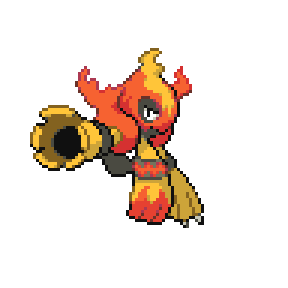
Magmoredo live and swim within magma, propelled by precise and intense flames. They will brutally rip into prey with their sharp fangs before incinerating them with intense flames.

Magmorvern have flame sacs within their wings that let them expel powerful fire in order to launch themselves at quicker speeds. Their sonic attacks can pulverize whatever their flames cannot char or melt.
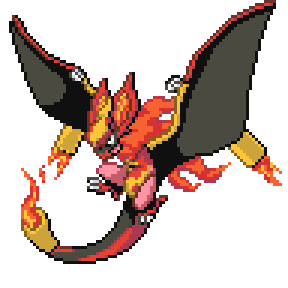
Magmorninja are agile Pokémon that conceal their movements with the black smoke left by their fireballs and the steam from their scalding-hot Water Shuriken. Their right arms are like cannons that help them to compress and release their flames.
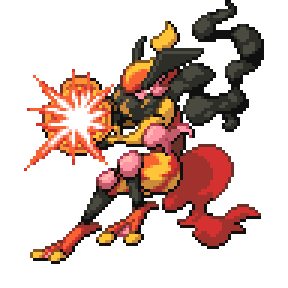
Magmorpius can produce and release such intense heat that they can propel themselves through the air. The peppers that grow from their bodies are often claimed to be the hottest peppers ever.
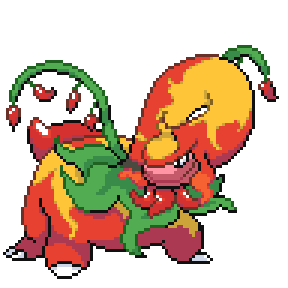
Magmorlem are almost-always shedding their hides that ooze a magma-hot fluid. A Magmorlem will commonly stock pieces of its own hide in its cannon-like arms to shoot at foes later.

Though these Pokémon display no malice, they are considered dangerous due to how they feed on emotions. Some theories persist that they cannot control this ability, which is why they passively drain emotions from all around them.

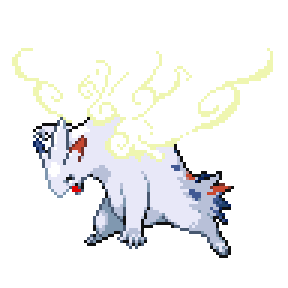
Togelosion's flames are said to be able to harmlessly burn away the impurities of the soul of whoever they touch. These flames will only harm those who Togelosion deems to be beyond salvation.
Wild Togeossom are often seen dancing within fields of flowers, even if sad or angry. Their emotions influence their dancing and the scents exuded from their many petals.
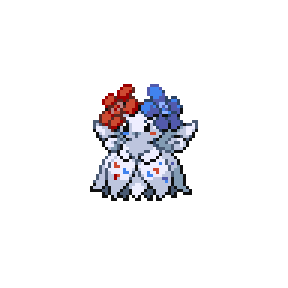
Togebull will only use their strong jaws to bite those with wicked hearts and malicious intent. As such, they are favored by police to help identify and detain criminals.

It uses mystical powers to soothe the hearts of others or to punish evildoers. Whether it does this due to a sense of morality is unclear, because it also seems to thrive off positive emotions.
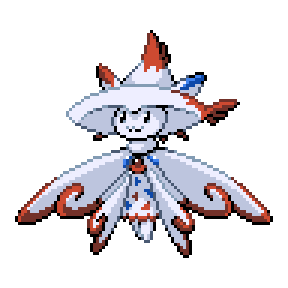
Togeslash dig underground and use the momentum when they surface to take off into the sky. They will use their sharp claws to protect others, but they prefer to avoid fighting.

Wild Togevoir wander some forests, searching for any strife to quell. These Pokémon seem to have the power to quell anger and soothe misery, making them fond companions for many.
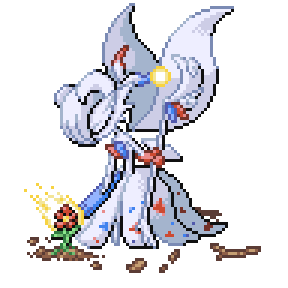
When a Togeklang senses incredible malice, it will awaken its full power and descend from the clouds above to smite the source. They often lack precision at this point and will eradicate everything around the source to ensure it can never return.
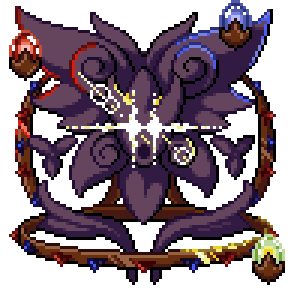
These Pokémon supposedly observe the world below from beyond the very clouds in the sky. Some stories claim that if the general alignment of the world's people were to turn toward evil, then Togeklang will descend and smite away wickedness.
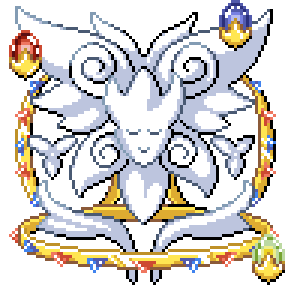
Togerachi is often considered an embodiment of pure joy and innocence that can detect, and will avoid, strife. It is capable of granting wishes, though typically only does so for children as they are usually just as pure and innocent as Togerachi is.

Togedrio will run off of cliffs and glide through the air across long distances. They are rarely ever sad or angry, and even if they fail at something they will never be discouraged from trying again.

The water they swim through often twinkles with bright lights in their wake. They clap their flippers together rapidly when they are happy. Wild Togegong have often been reported as having saved drowning humans many times.

The crystalline structures on its back are vitrified sand created by its own flames melting the quartz within desert sands. These crystals are quick to break, especially during battle, but inevitably reform while it digs underground.

Its jaws are strong enough to break apart solid rock. It swiftly swims through sand and surfaces to ambush and bite down upon prey.
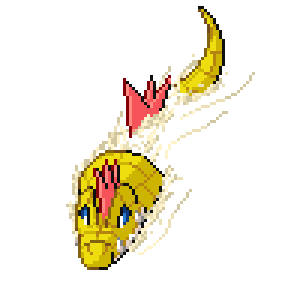
Tunnels dug by Sandreep are often lined with many tufts of wool. They curl into their own wool to hide or to defend themselves better.
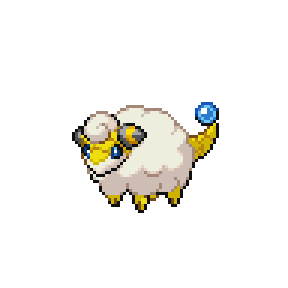
Sandbok can contract their hoods to become more slender, making it easier for them to burrow through the ground. They use their hoods to intimidate and distract, whilst constricting with their lower bodies and tails.

Wild Sandtar are very proud of the mounds of sand and rock they build to form their nests. Their claws can dig through hard rock but they must take care to sharpen them every so often.
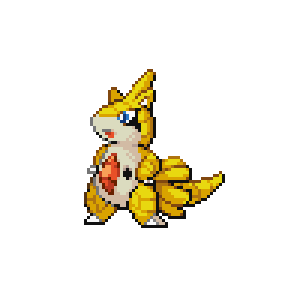
These desert Pokémon loose strong shockwaves from their wings to churn through the sand and bury most of their bodies to hide and rest. Their yellow hides are tough enough to endure most attacks, so they often shield themselves using their tails.

The blue organ atop its head glows with varying intensities that depend on the emotions it is exposed to. It has been seen dancing in deserts with wisps of sand flowing around it as its blue organ shines bright.

Sandsol are rarely seen and will whip up localized sandstorms to conceal themselves. Some stories persist of travelers who were near death that were approached by these Pokémon and awoke to find themselves alone near an oasis with food nearby.
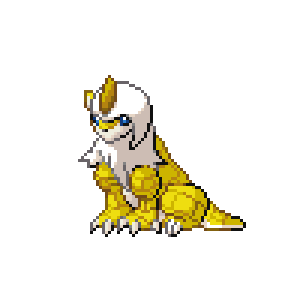
Sandlord are oft considered to be desert apexes due to their sheer size. They can swallow prey whole and release the sand consumed in the process from the blowholes on their backs.

Sandking lie in wait for prey by burrowing under sand, their bodies often blending in perfectly. Their bodies are strong enough to grapple large prey and partly curl around them while dragging them under the sand.

Sandile hide all but their eyes and noses beneath the sand or ground they dig into and watch for prey. When prey draws near, they lunge out and clamp their jaws down upon them.
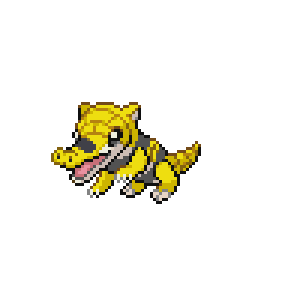
Sandpede dig long and winding tunnels through the ground and beneath desert sands. The claws near their necks secrete a venom that makes it easy for them to crush and drag down prey they wrap around.
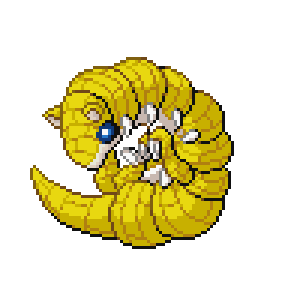
Sandaura are cool to the touch no matter their environ, yet also as coarse as sandpaper. They can furl up their sail-like frills to protect their faces and necks.

Sandrorus defend themselves and their young by releasing cold winds from the crystals along their bodies. Using their long tails, they can pick up and fling swathes of sand to be carried by their cold winds.
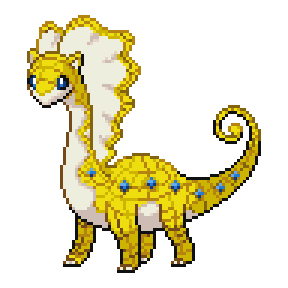
It cautiously approaches others out of curiosity and rarely displays aggression. If aggression is displayed toward it, it will kick up sand, turn tail, and run away.
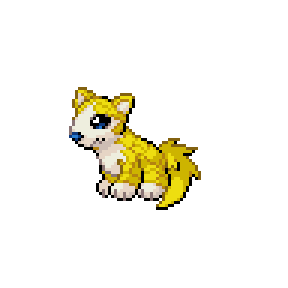
It can curl into a ball to defend itself, its jagged fur standing on-end like bristles. It often has sand caught between all of its fur, and will shake itself vigorously to clean it out.
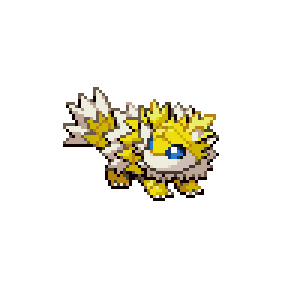
Sandeal are almost always rolling about along desert sands or along beaches. Their backs are clad in coarse scales, while their bellies are clad in plush fur.
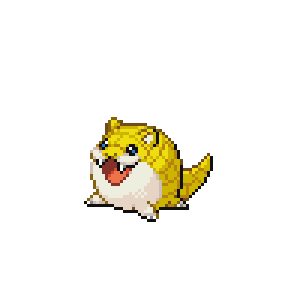
Sandwag use their sucker-mouths to swiftly drink water and to better avoid getting wet. Their tail fins have become rigid and they use them like shovels to dig through sand and rock.

Despite the oily secretions covering its body, its scales are coarse. It sings to communicate with others of its kind, its spiral pattern undulating in a rhythmic and sometimes hypnotic way.

Each slashing attack loosed by its four arms is empowered by its thick muscles. Although one would think it vulnerable to aerial attacks, it can claw out and throw large rocks rather quickly.

Sandeel are desert-dwelling Pokémon that nest near oases and swim through sand as if it were water. Though they live near oases, they despise getting wet.

Its body is remarkably cool to the touch, even after it has spent time swimming in desert sands. The sight of its kind leaping and diving in the sand is welcome to many, especially since it is a sign of a nearby oasis.
It uses the vibrations from its fluttering wings to soften up any prey or foe caught between its pincers. It will not hesitate to use its Guillotine attack to try and quickly defeat any foe in its path as it flies around at high speeds.

If its wings get wet, then the wings struggle to move until they have dried out. Despite this fact, this Pokémon loves to play in puddles but at least knows better than to get close to larger bodies of water.
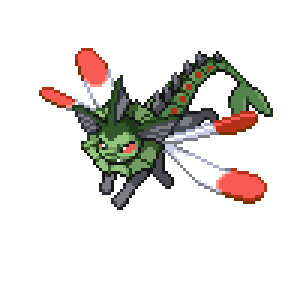
It uses it powerful stingers to tap for sap in trees. It sometimes looses shockwaves from its wings to soften tree bark, though will use the selfsame shockwaves to deter threats.
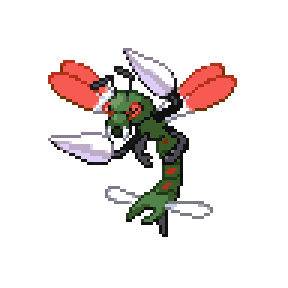
Yantwo's compound eyes allow it to not just see all around itself, but to also direct its immense psychic power at multiple targets simultaneously. Its wings can create physically-powerful shockwaves, despite being too weak for flight.
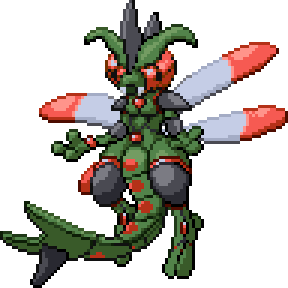
One flap from its wings can loose a shockwave with enough force to pulverize a large boulder. It is favored by some Trainers due to how fast, and how far, it can fly in less than an hour.

Its entire belly is like a gemstone within which one can see the electricity that this Pokémon generates as its wings rapidly flutter. It will capture prey within its eight limbs before electrocuting them and carrying them back to its nest.

This Pokémon can launch both flames and sonic shockwaves from its cannon-like arms, and will often combine them to create destructive fireballs. Its large tail will be used to stabilize itself as it fires it cannons or to keep foes at a distance.

The many quills of a Yanslash can vibrate at remarkable speeds, producing small shockwaves that allow them to pulverize solid ground into mere sand. They secure prey with the pincer upon their tail and then slash into them with their strong claws.

Yanziken's many eyes allow it to track every movement of its opponents during a fight, letting it strike at every opening. Its legs can thrust so quickly that they produce a shockwave capable of shattering small boulders.

Their large tails are strong enough to split apart solid rock, while the shockwaves loosed by their wings can churn rock into dust. Their strong limbs allow them to move boulders near their nests to reinforce them against storms.
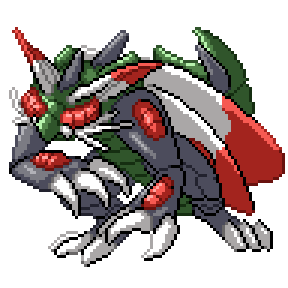
It will impale the ground with its large tail and flutter its wings rapidly to create tremors. Its tall horn contains a potent venom that causes long-term disorientation if not treated.
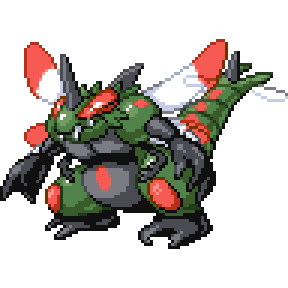
This bug Pokémon uses its long body to constrict any prey or any foe and crush them into submission. When it flaps all of its wings at the same time, the shockwaves released collectively sound like a crack of thunder.

Yanxorus have forsaken their wings for tougher exoskeletons and sharper tusks. Now, their tusks can cleave through trees like axes, their claws can shatter rocks, and their tails could send even a Rhyhorn flying for at least a mile.
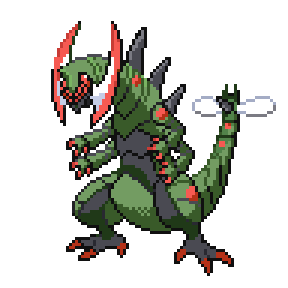
Yanxure have grown quite confident in themselves compared to their younger forms, and their wings have grown strong enough to keep them aloft for longer. Now their quick movements aid them in dealing quick, powerful blows to any would-be predators.
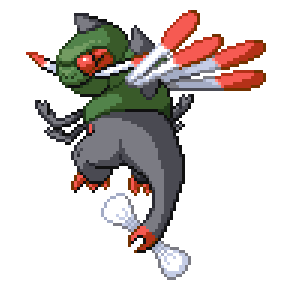
Yanvern has developed special horns upon its head that allow it to fire powerful sonic shockwaves with destructive precision. The wings upon its arms allow it to fly in short bursts of extreme speed as it bombards foes with sonic blasts.
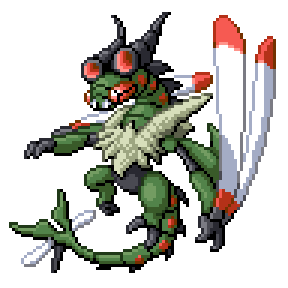
Yanrorus can emit roars of various frequencies that summon myriad auroras. Their legs allow them to traverse the roughest and slickest terrain with ease during yearly migrations due to how sharp and tough they are.
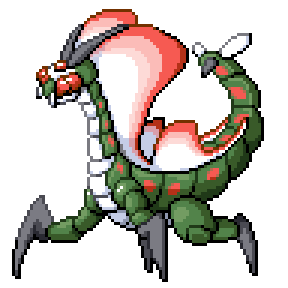
The roar of a Yanizard is of such a strong pitch and destructive force that it can shatter rocks with ease. It uses its many arms to secure prey before dousing them with intense flames.

Leafew photosynthesize, so they have no need for food. They love to eat sap and honey as a treat, however. They can purify air no matter how foul and polluted it may be, and their leaves only emit floral and fruity aromas.
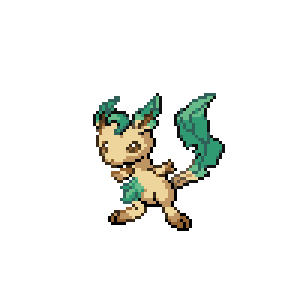
Some tales claim that these Pokémon helped those of the past to determine when each season begins and ends through their proclaimed foresight. They nest atop mountains so they can be closer to the sun, and their leaves change color with each season.
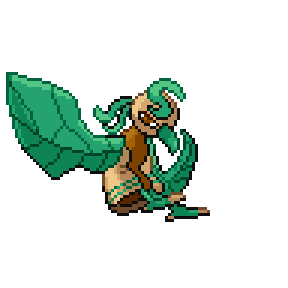
Leafros absorb and metabolize sunlight, which, in turn, causes their bodies to generate electricity. When electricity courses along, or through, their leaves, they become rigid and sharp like blades.
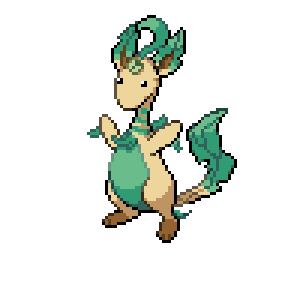
When it cries out, nearby plants and flowers seem to sway in rhythm with its vocals. Through photosynthesis, it keeps itself nourished and produces clean air. It has displayed a similar ability to cleanse dirty water.

It uses its two long fangs to tap into trees and quickly gain access to their sap. It need only absorb sunlight to keep itself nourished, however. It moves through fields and plains with such haste that flowers are almost always kicked up.
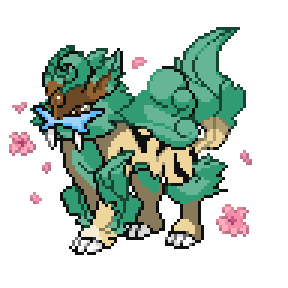
Leafchomp make their dens in damp caves and rest where the soil is richest. Though typically docile, Leafchomp can harden their leaves and use them as devastatingly sharp blades to defend themselves and their young.
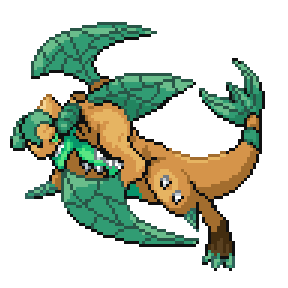
Leaftula live off of the sunlight that they absorb through their leafy bodies. They convert this solar energy into nutrients and into electricity.
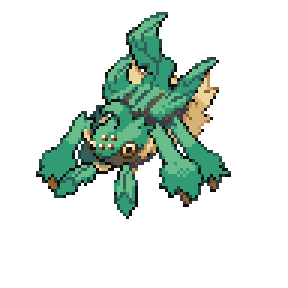
Not only do Leafnaught exude a clean and pleasant air around them, but they will also defend humans, Pokémon, and plants with all their might. They are common companions for gardeners and common partners for Pokémon Rangers.
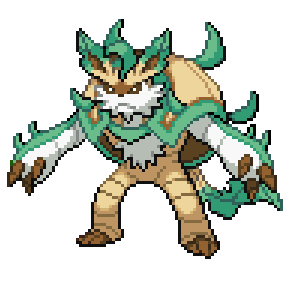
Leafkin favor snacking on tinder, such as dry twigs and dry grass, above all else; their waste, in turn, is a potent fuel and nutrient-rich fertilizer. They exude a clean, warm air around them that seems to boost nearby plant growth.
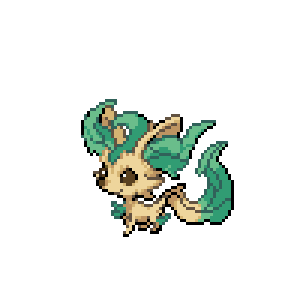
As a focus for its powers, Leafxen wields a durable stick said to have come from a well-aged tree. It seems to be able to exert some control over nearby plant life and even solar energy, the latter to the point it can create flames from the heat.
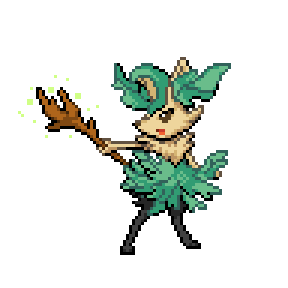
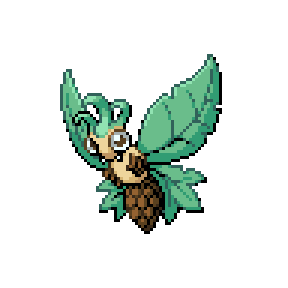
Leafmoth nest atop trees to better absorb sunlight through their leafy wings. The pollen they spread when their wings flutter boosts growth in plants and Grass-type Pokémon but is harmful to most other living beings.
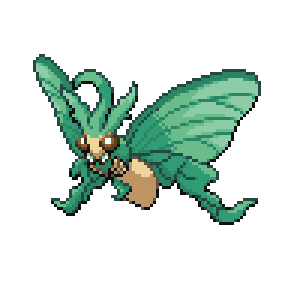
Leafmoth attach themselves to healthy trees and healthy Grass-type Pokémon so they may leech some of their nutrients. They scatter toxic powder from between the grooves of their lower halves to weaken others.
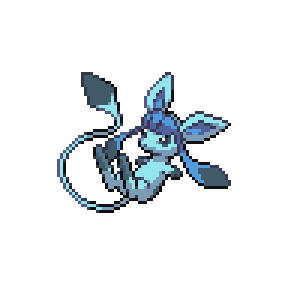
It is a notorious trickster that can manipulate its freezing energy to create harmless chunks of ice and snowballs, both of which it will playfully chuck at others. Its fur is cool and soft for those it trusts. Otherwise, it is frigid and bristly.
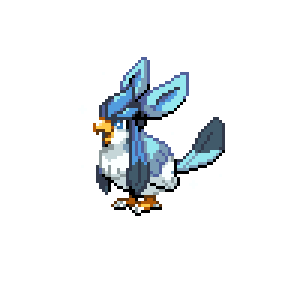
Glacegey are always cloaked in a thin, cold mist wherever they fly. Because these Pokémon can navigate through storms, such as blizzards, they are a favorite among starting Trainers.
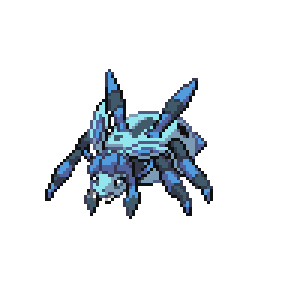
Glacedos are clever hunters that use their feminine heads to lure others into their cold webs. Once their prey is entangled, they will inject them with a bone-chilling venom and drag them into their lair.
Wild Glaceotto tend to nest wherever temperatures are coldest, even if that simply means atop a breezy mountain. They can freeze their own feathers and fling them at their foes with noteworthy accuracy.
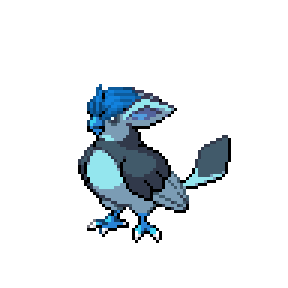
Its feathers, especially those upon its head, sparkle with frost and exude a gentle, cold air. It can release more of its cold energy and use its wings to create strong, albeit small, blizzards.

Glacecario are common partners for Pokémon Rangers in cold environments, as they can use aura to track and find those lost in blizzards. By coalescing their powers into an Ice Punch, they can shatter, and may even instantly freeze, large obstacles.
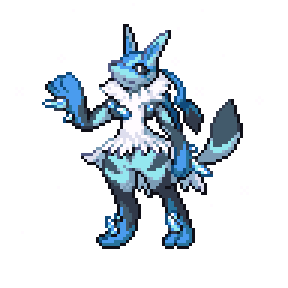
It can freeze the fur of its feelers to use them as sharp weapons, be it during battle or to deter would-be threats. It emits a cooling and calming air that will cause frostbite within less than an hour of consistent exposure.
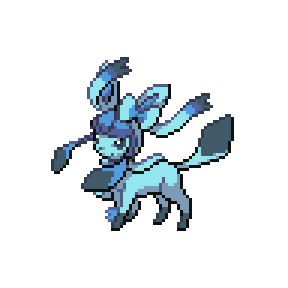
Their wings serve better for intimidation than for flight. They hide within caves or sand and pounce to wrap around prey before draining them of their blood.
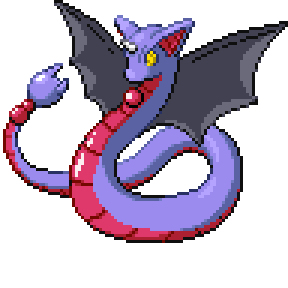
Its wings can unfurl wide to catch and ride winds high into the air. It dives upon foes and prey, crushing them with their claws and their heavy bodies alike.

These clever Pokémon hunt together, always hunting other Pokémon that have very thick fur and tough bodies. They will clad themselves in fur cloaks and wield pieces, or bones, of their prey as weapons.
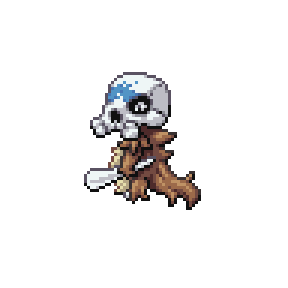
Mamowak mostly hunt Mamoswine, though they have begun to hunt other Pokémon with similar physiques or tusks. They never overhunt, always hunt in a pack of at least 6, and form various tools and weapons from stones and bones.
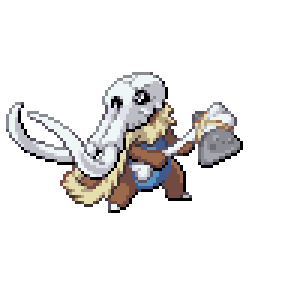
Wild Mamoros live atop snowy mountains and will charge at anything that nears their cave homes. When they are attacked, they will fly into a rampage that causes avalanches and rock slides alike.

Wild Mamosel display a level of sapience considered to be rather rare. They will decorate the tufts of fur upon their heads with small bones from their prey and fight using clubs of solid ice.

This territorial apex Pokémon clads parts of its body in solid ice to strengthen its already-devastating physical strikes. The eldest of this species of Pokémon was seen with tusks that reached further than its own arms.
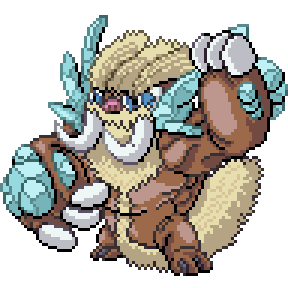
Its fur is clad with pieces of solid ice, which serve as protective spikes. Whatever it cannot lift with its tusks shall be met with a crushing Headbutt.

Their impressive tusks are made of ice more solid than the ice clinging to parts of their bodies. They reinforce their hard heads with layers of solid ice to further empower their headbutt attacks.

Its blue scales are as cold as solid ice. This Pokémon will not hesitate to cause an avalanche via small tremors for the sake of protecting its territory and its young.

Mamogigas move incredibly slowly, yet are absurdly strong and exude an air so cold they are constantly clad in ice as well. A single Mamogigas can lift a glacier of solid ice over thrice its own size with ease, let alone break it with a single strike.

These Pokémon only live atop the tallest mountains with the thickest of snowfalls. None can forever break the ice upon their bodies, and the few escape a clash unscathed by either their claws or their extremely tough tusks.
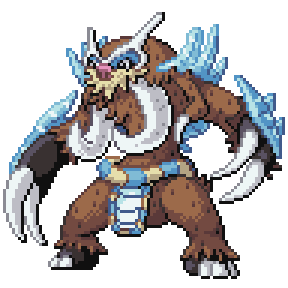
Their horns and tusks are made of solid ice and can gouge solid rock without chipping. When angered, they will stomp their heavy feet and their humps "erupt" with snow and ice.

Although seen in other climates, most Mamolem are inhabitants of colder environments. They are known for charging at anything that intrudes upon their territory and will use their horns to throw rocks, snow, or ice collected during a charge.
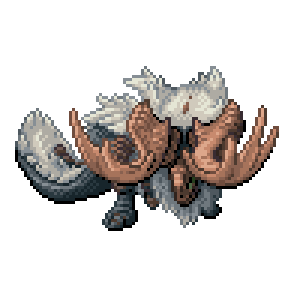
A Mamodash's bushy fur remains surprisingly warm despite the frigid cold environs that serve as their habitats. Their legs and hooves are strong enough to break through sizeable rocks, if their tough tusks do not first succeed.

Their strong legs and sharp talons allow them to remain steady even as they run across ice. Their three beaks can easily break through solid ice, and by using their three sets of tusks they can quickly dig up buried foods or prey.

The large bone it wields is an extension of itself that can intercept and absorb EM waves. It can lift this bone with ease despite its size and swing it with enough force to shatter a large, solid boulder.
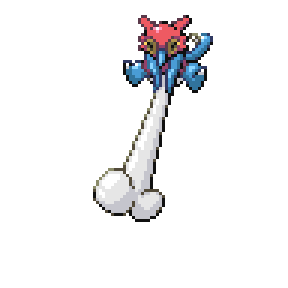
These Pokémon were supposedly created from data that would have otherwise been discarded. Reportedly, attempts to repair their software have been made, but they have proven too erratic and elusive to finalize.

It uses its tail to connect to, and interact with, machines and data servers. There was a time that this Pokémon was tamed and used its abilities to improve data flow for businesses, but something caused it to go haywire.

An attempt to update this Pokémon with a new program went awry, causing it to unceasingly overwrite the mineral data that had been used to create it. In an effort to slow the overwriting, it burrows in search of data cables so it may absorb new data.

Poryslash have progressively evolved from feeding on the data, though such mixed data has caused them to become erratic. Their claws are stronger than diamond and their quills are sharper than obsidian.

These Pokémon love to prank and scare others with their illusions, which many believe is why parts of their own bodies appear to be like data and glitches. They often make it seem as if they are striking through a screen of some form.
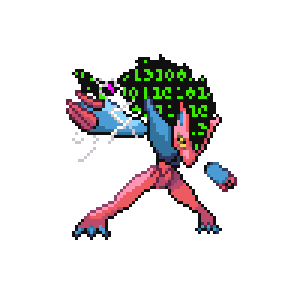
It resembles a computer worm that continuously regenerates and replicates across multitudes of networks. In keeping with this resemblance, it has remarkable regenerative capabilities and typically attacks its foes' weak points.

They feed on EM waves and often perch atop radio towers, even though they are often chased away. Countermeasures to prevent them from further jamming modern technologies and devices are still being developed.
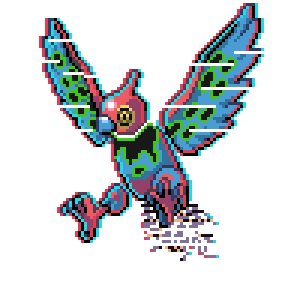
Its body has frightening adaptive capabilities that allow it to overcome most foes with ease. Researchers are still unsure what sustains it, though they have been seen stationary near transmission towers as if resting and recuperating.
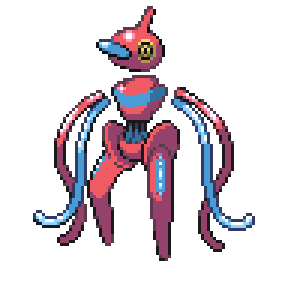
These anomalous Pokémon feed on data transmissions, though they often overfeed to the point that they are partly overtaken by the data they have consumed. Anything fully drawn within their maws becomes data that is inevitably subsumed.

Poryroc move erratically, yet swiftly, as they bombard foes with myriad attacks. Even when still, their bodies seem to be moving as if phasing in and out of existence, or so is the leading theory to the visual distortions around their bodies.

Supposedly, Poryizard became more erratic after intercepting bizarre EM waves of an unknown origin. Though efforts to tame them have been successful, their unpredictable natures combined with their formidable strengths make them dangerous.

Treewak guard their territories with ranged attacks shot from their bamboo shards or by striking swiftly with their bamboo. They can climb and stick to the sides of trees, allotting them many angles to potentially attack from.
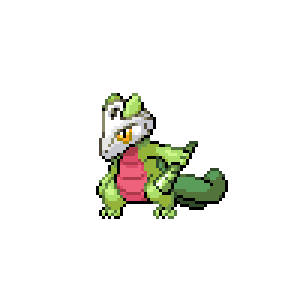
Treekip make their dens near trees in marshes and swamps, where the mud is rich and plentiful. Though they can climb the trees rather well, they typically shoot down the fruits above with jets of water.

Treeon typically make their nests in and around the largest trees within forests. The longer they spend in a specific environment, the more their bodily hues change to match the surrounding flora.

Treewile's twin tails appear to have evolved to look and function like extra sets of jaws. These jaws appear capable of consuming food, yet it primarily uses them to store food. Even with food stored within them, it remains an agile climber.

Despite initial assumptions, this Pokémon is able to scale up trees without issue, albeit at a slow pace. It favors tough fruits, which it can easily bite into thanks to its strong jaws. It deters dangers by spitting seeds from a high perch.

Treechar live in sizeable groups, gathering and sharing food with one another; they will often use each other's tail flames to roast some foods. Because their tail fires go out when they sleep, they take turns sleeping during winter and cold weather.
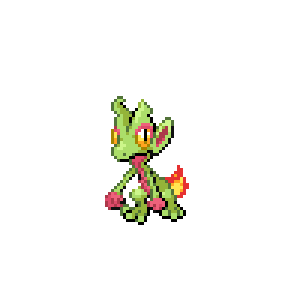
Its many tails contain flammable liquid that Treepix can release and ignite using its mouth. It will often spit flaming seeds at opponents while clinging to trees with its feet that are lined with many tiny hooks.

Despite its heavy body, the many tiny hooks upon its legs allow it to easily scale vertical surfaces. It uses its bulky tail to crush up rocks into smaller debris for it to eat.

Treeon nests at the base of a giant tree, where the soil is mineral-rich and damp. It consumes damp soil, filtering the water and minerals within itself, and then excretes the leftover soil; the soil it excretes is perfect for composting.
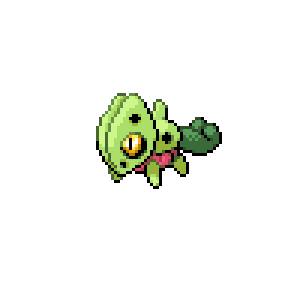
Treelia nest around giant trees that are healthy and bountiful, tending to these trees every day to ensure they stay healthy. When they rub the ends of their upper limbs together, they produce awful odors meant to repel bird Pokémon and bug Pokémon.
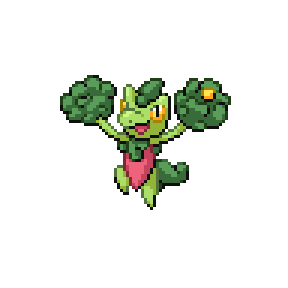
Treeple live in large swarms that all nest within the largest tree they can find; these swarms can be as large as at least 25 Treeple. Though they feed on leaves and fruits, they tend to leave their nesting tree alone to try and preserve it.
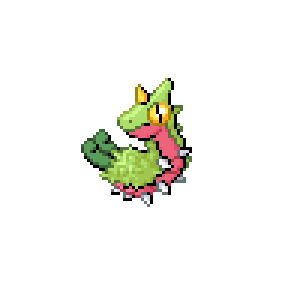
When Treeitty wave their tails around, they cast a grassy scent around; this scent is also subtly influenced by their diet. Treeitty have a habit of collecting round objects and playing with them, even nuts and berries.

Treeling emit loud screeches to disorient predators, knock loose fruits and nuts, and soften up hard foods. They nest within tree hollows and small burrows at the bases of trees.

Growak use their many leaves and deep green colors to conceal themselves as they leap between trees and clusters of bamboo culms. They wield pieces of bamboo to launch projectiles at foes and to deliver swift, hard blows.

Grocko can swing the long leaf on its head with enough force to crack a log; despite this, it primarily uses the sharp leaves on its arms to fight. It prefers to stay high atop trees and move between them rather than be on the ground.

What at first appears to be leaves and branches is actually a set of large jaws with enough power to bite fresh logs in two. Despite this power, they only seek to care for their forest homes and to gorge themselves on their favored fruits.
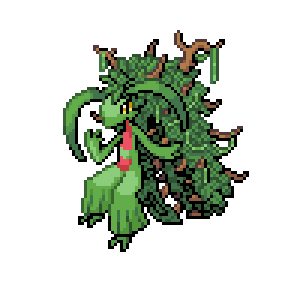
The leaves that grow out of a Gron's body are as hard and sharp as small blades. Their leaves get dull and wilt before being shed; Gron typically eat their own shed leaves, as they are still rich with nutrients.

Grozagoon use their leafy tails to fight and to cut down fruits and nuts. They are inherently timid, so they quickly forage for food, gather it within their bushy fur, and then flee back to their dens to eat and rest.
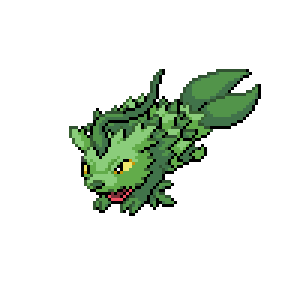
Its tail is strong enough to knock loose fruits in a tree with just a few strikes. When the leaf on its head is caressed, a verdant aroma is released; it only lets those it trusts touch this leaf.
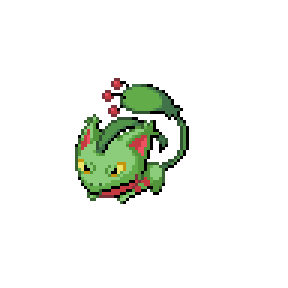
Scepwak wield pieces of bamboo to shoot small stones, hard nuts, and fruit seeds at threats to themselves and their homes. The leaves on their arms are sharp enough to cut through bamboo in a single stroke.
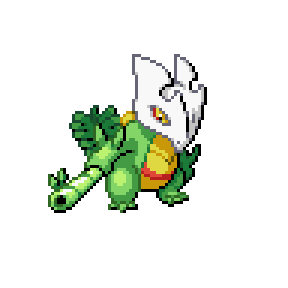
Its frills serve both as gills and a means to efficiently absorb sunlight. The yellow bulbs lining its body store both water and sunlight, resulting in them being nutrient-rich. It can launch its regenerative tail with a strong jet of water.
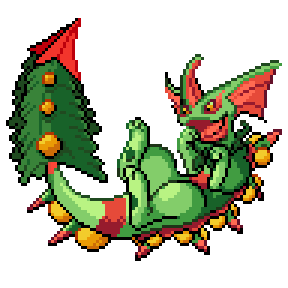
The red parts of its body glow when it channels its internal electricity. It uses its sharper leaves to quickly slash at foes before releasing a powerful bolt of Thunder from the tip of its bushy tail.
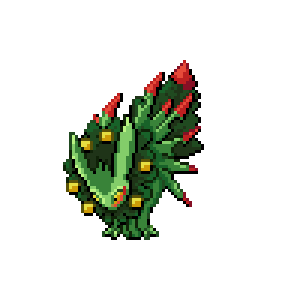
Scepcross will often begin their battles by launching their regenerative tails at their opponent. With this weight gone, they can move much quicker and deliver flurries of strong punches.

Scepmory are the terrors of the skies with seed-like feathers sharp enough to pierce thick tree bark. The orbs upon their backs harness sunlight that they will release as potent Solarbeams with frightening precision.
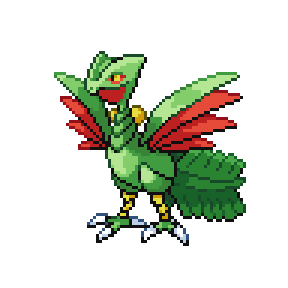
The yellow bulbs along a Scepfeon's body store condensed sunlight within them that it can harness to sharpen its leaves into sharp blades. These bulbs grow quickly if they fall off and are a delicacy in certain regions.
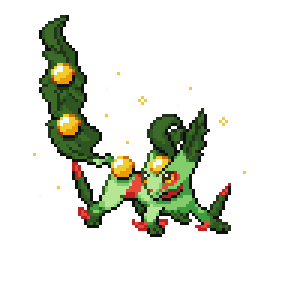
It stalks prey by gliding from tree to tree, waiting for a perfect time to swoop and strike. Scepcor pins its prey with its expansive body and siphons fluids from them through its fangs when its prey has been secured.

The color of its leafy tail is an indicator of its health; if the leaves take on various colors, it is critically ill. It conceals itself within foliage and pounces at its prey, slashing at them with the sharp leaves on its forelimbs.

It battles with blade-like arms that can cleave through solid rock and its bulky tail that can topple even petrified trees. It will use its arm-blades to secure itself to the ground and launch its large tail into foes. Its tail will regrow overnight.

The green spot upon its large jaws exudes a fresh scent influenced by its diet, which is primarily various berries and nuts. It swings its bushy tail with immense force, often to knock loose fruits from trees or to quickly defeat opponents.
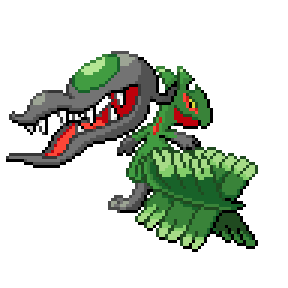
The fur upon these large Pokémon is actually many small leaves and patches of moss accrued from how often they rest. Every part of their bodies is densely packed with muscle, and a single punch could shatter a large boulder.
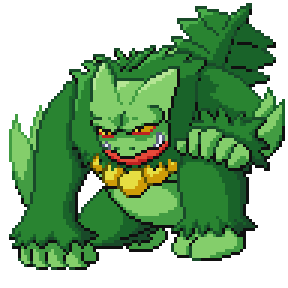
Smaller Pokémon often seek refuge within the canopies of the trees that grow from the backs of these Pokémon. While they do not seem to mind this, they will not tolerate troublemakers and shall go so far as to shed their trees to be rid of them.

Scepray generate electricity via the friction of their leafy fur as they run across their territories, which is stored within their yellow fruits. Scepray fruit is excruciatingly sour, to the point that it can debilitate prey that consumes it.
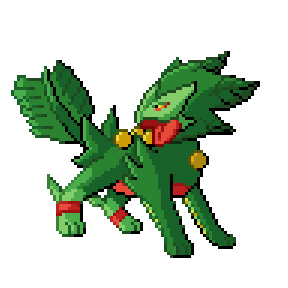
The soles of its feet are lined with tiny, hooked barbs that allow it to adhere to trees, even as it leaps between them. Its yellow vines can extend to ensnare prey so it may deal a finishing blow.

The leaves on its arms can grow and extend in seconds to become blades sharp enough to fell trees. Its roar is so intense that the very sound waves emitted seem to warp space around it.
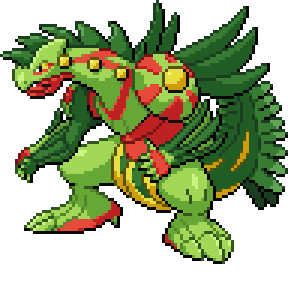
The leaves of its bushy tail are hard and sharp enough that it can scrape away scraps off metal and ores. Rough, multi-lined marks on trees and rocks indicate its territory.

The diamonds along their bodies that produce a freezing air are also seeds that store, and can release, sunlight. Sceprorus protect their boreal forest homes with their thick tails and with constructs of ice.
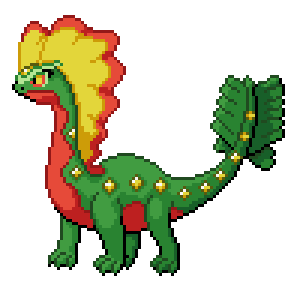
The vibrancy of Scepzagoon's fur patterns serves to indicate their health. They defend themselves with their large, bushy tails and by firing the yellow seeds on their backs; they also fire their seeds to knock down fruits and nuts.
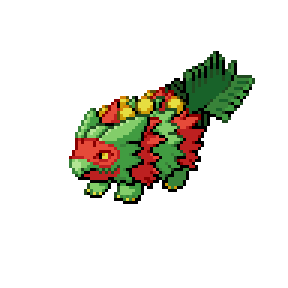
The yellow seeds on its back and on the tips of its tails are shed daily and regrow overnight; these seeds grow into trees but can also be eaten like fruit. Whenever it finds a flat surface that is warm and sunlit, it will take a nap.
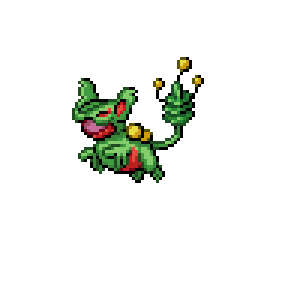
Despite its condescending gaze, Torchchu is quick to flee if confronted. To cover its escape, it will wildly discharge its electricity and spit out weak fireballs.

Aside from the zigzag on its belly, Torcheon can change colors to match its surroundings. If touched by a living being or by water while hue-shifted, it will drop its disguise, lash out by spitting fireballs, and flee.

Its frontal claws and horn deliver a rash-inducing venom. Torchran's ears can move freely to keep aware of its surroundings, so it can almost always swiftly react if attacked.

Torchmer are about 60% gas and air, causing them to be very buoyant; however, they are also easily knocked off their feet. They move on land by bouncing and by expelling steam, though the latter helps them maneuver in water as well.

Torchling are common sights near farms and ranches, chirping at the crack of dawn to signal a new day to all. If an attack is ever made upon them or near them, they frantically flap their wings and aimlessly spit small fireballs around them.

Torchinder fight by spitting balls of fire at their foes, though their inept aim quickly leads to them becoming agitated. When most agitated, they will dive recklessly toward their foe or their prey while wreathed in flames.
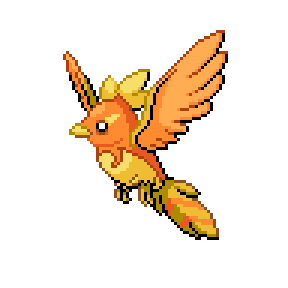
Torchlu have incredibly soft feathers that retain their heat quite well. Due to their internal flame sacs, these Pokémon are warm even in cold weather. Some Trainers let their Torchlu rest on their heads due to their warmth.
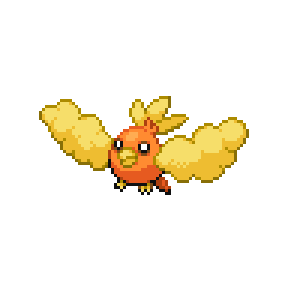
Torchple live in small groups due to the heat they inherently build up; if too many group up, then all members become overheated. They will spit fire at predators and have been seen using their flames to roast fruits before consuming them.
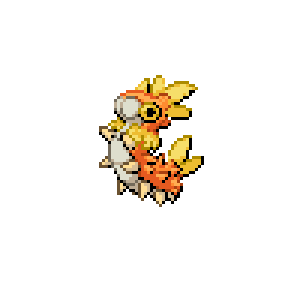
It loves to eat certain peppers and Tamato Berries due to how spicy these foods are. It will not hesitate to steal crops from farms and orchards. Its flame-resistant feathers are used in the crafting of scarecrows so they can endure its fire attacks.

Torchgull favor living and flying near the ocean because the cool air helps regulate their own heat. They soar on updrafts, sometimes even using their own flames to create updrafts for themselves and others of their flocks.
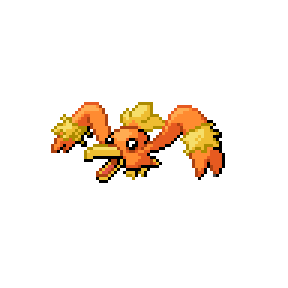
Torchle are common farm occupants because they strive to keep all of their friends and allies cheerful. To protect their friends and allies, they spit out fireballs formed within their bellies; they are strong enough to repel many bird Pokémon.

Torchtle coil their tails to spit out balls of hot water at foes. They can mix fire and water within their throats to loose blasts of compressed steam, though this tires them out more.

Torchdrio are almost always running around, leaving behind quite a few of their warm and vibrant feathers. Two of their heads sleep while one of their heads remains awake to watch for any threats.

Sandactyl use their strong wings to whip up fierce sandstorms to conceal their movements. The sharp quills on their backs can be shed and flung at foes, and regrow quickly.

Sandros build up electricity within their red orbs as they dig through terrain. Their long claws are harder than solid rock and conduct electricity better than some metals.

Sandran nest in burrows and small caves that they, themselves, dig out in dirt and rock. Their claws are still developing, so they will often ram others with their sharp quills instead.
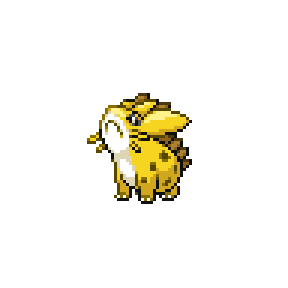
It curls up in a ball to protect itself, though it also does this to reinforce some of its attacks. It uses its long tongue to catch and prey upon small bird Pokémon.

Its claws secrete a pain-inducing, though non-deadly, venom. Its quills are rigid when agitated, but lay flat when it is calm.

Sandqueen are proud of their many quills, which grow longer with age. They display heightened strength and aggression when defending their young.

Its ears can pick up on the faintest of noises and vibrations, so it is almost always tense. To defend itself, it curls up in a ball with its quills standing on-end.
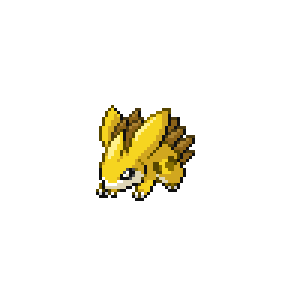
Sandrino quills are harder than quartz, offering strong defense. Each quill contains traces of venom that causes blood to coagulate. They shed their quills once a year, and will burrow underground as they wait for them to grow back.
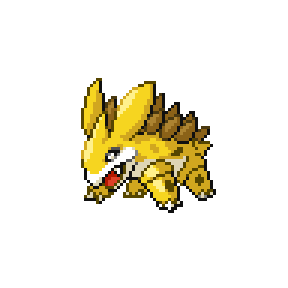
As it flies, the scales on its back produce song-like sounds as wind runs along them. It rests within sand, its rigid back scales allowing it to camouflage as an outcrop of rocks.

Their eyes can focus like binoculars, allowing them to track prey from afar and even through bad weather conditions. Though their claws are very sharp, they fight mostly with their tails and their long jaws.

It uses its long and hard quills to disguise itself as a rocky outcrop while lying in wait just beneath the surface. Its jaws can crush rocks, so very few of its prey can ever escape once caught between them.

Sandrok fight brutally using their claws and their bulky tails. Whenever their foes attempt to strike back at them, they turn their many sharp quills unto them.

Its many quills allow it to easily cross most terrains when it curls up like a large wheel. Each quill secretes a deadly venom, as do the small claws along its neck.

Its strong claws allow it to traverse even the roughest terrain. Each of its quills is sharp, coarse, and as cold to the touch as a piece of solid ice.

It protects its young by covering them with itself and baring its many sharp quills. These quills are colder than ice and each one exudes cold air in contrast to the desert heat.
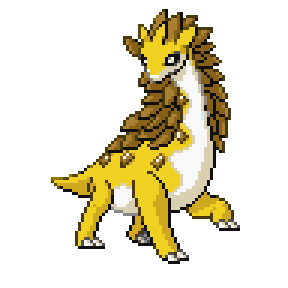
Its many coarse quills are each as hard as rock and as sharp as obsidian. It uses its quills and its claws to shred its enemies.
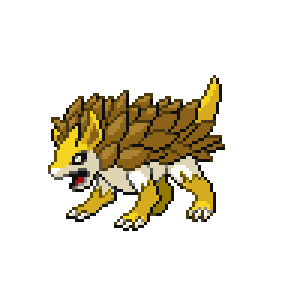
Though Sandnoone will typically run in straight lines, they may also curl up like wheels and roll around. When rolled up, their quills allow them to traverse rough terrain with ease.
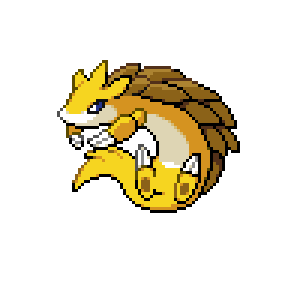
Sandape are easily driven into a fierce fury, where they will use their robust muscles and rock-hard claws to pummel foes and terrain alike. However, once they tire out, they will quickly curl up into a perfect ball protected by their sharp quills.

Their bodies are encrusted with rocks and sand, due to them spending their time swimming through deserts and digging through rock. The "rocks" on their backs are actually sharp quills that have grown to be as tough as solid rock.
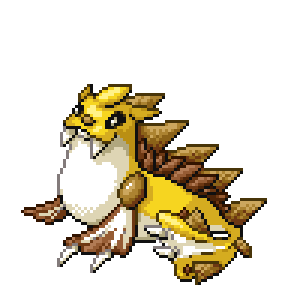
By quickly kicking its feet, Comchu generates considerable electricity and stimulates its internal flame sac. Comchu are commonly seen on farms in colder climates due to their heat and, in times of emergency, their electricity.

Comeon can launch their long tongues with enough force to punch holes in trees. They use their claws to puncture fruits and drink up the juices that flow out before actually eating the fruits.
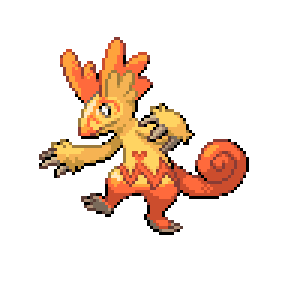
Comling are typically very amiable and chirp happily in the presence of others. However, when they are threatened or are made angry, they will rapidly kick and scratch at the source of their frustrations.

Comlow bombards its foes with fireballs before diving at them and unleashing a flurry of at least 10 kicks per second. If it sees other Pokémon being attacked, it will rarely hesitate to aid them and fight off their aggressors.
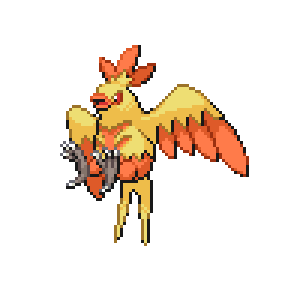
These energetic Pokémon often spend hours training their legs with flurries of kicking attacks against rocks and trees. Their broad arms are quite strong, though they tend to use them to glide or to try to fly.

When Blatile shakes its large tail, it scatters countless combustible seeds into the air. It battles by scraping its tail along the ground to create sparks and ignite these seeds, resulting in firecracker-like explosions all around it.
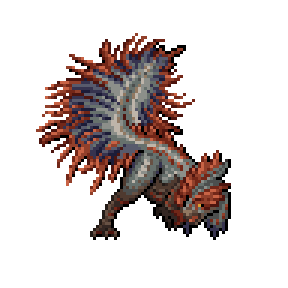
As they fight with blazing punches and kicks, their internal flames grow hotter and fiercer. The zigzag pattern on a Blaeon's belly changes color to match the intensity of its flames.

The fur-clad surrounding Blawile's large maw is flame-resistant and retains heat better than most types of wool. It fights with blazing kicks, scorching punches, and by swinging its maw around.

It expels bursts of intense fire from its tail feathers to launch itself into the air or toward its target. Although it is known for its powerful kicking attacks, it is even more infamous for its devastating Brave Bird attack.

Each of its tails is strong enough to split a tree with a full swing. Blatales can precisely strike with the tips of its tails; these strikes can bore holes into stone. Despite this, Blatales mostly fights with fireballs and streams of fire.

Blaedo propel themselves underwater with bursts of steam but can use bursts of fire to fly. These quick Pokémon brutally attack their prey from any possible angle until they submit to their injuries.

Blanine fight by rearing and kicking with their front legs or by spitting fire. They can run over 6,700 miles in a single day and night, though they will need to rest for most of the following day.

Bladuo have thick plumages that help to contain the heat of their inner flames, which makes them quite warm to the touch. They deliver powerful kicks to anyone or anything that may try to pluck their feathers.

It expels flames from its rear to launch itself at greater speeds and can do the same from each of its three heads to empower its pecking attacks. It delivers powerful kicking attacks in rapid flurries.
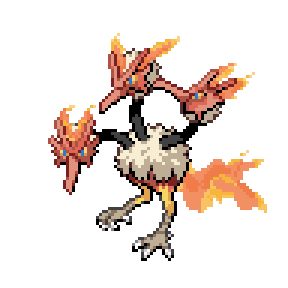
It fights using kicking attacks and by spitting flames from each of its heads. Although each head can think separately, and thus track different foes, all three inevitably focus on a single foe at a time.
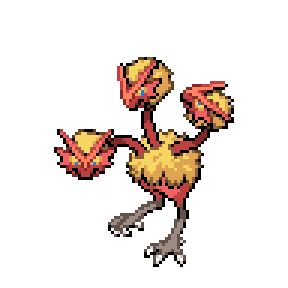
The fins on their cheeks give them an impressive sense of direction and a means to quietly communicate with each other. They land in puddles of water and mud at least three times a day to keep themselves from drying out.

Mudeon coil their tails to serve as counterweights, allowing them to lift boulders slightly larger than themselves. The hue of their scales changes depending on their health; vibrant scales indicate good health.
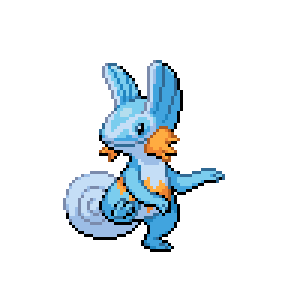
Mudlup are inherently lazy, becoming active only to defend themselves, loftily play with friends, or eat. They favor marshy areas and love to eat large, tough foods in single gulps, spending many hours chewing on said food.

Their tails are strong enough to lift large boulders with minimal leverage. Wild Mudmence will make their nests near bodies of water at great heights.
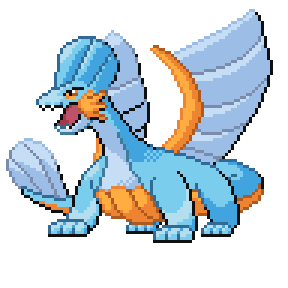
Mudveon use their feelers to communicate and to test the moisture of soil and mud. Their fur is often damp from mud and fresh dew, which helps keep them from drying out throughout the day.

Mudkoth always sleep or rest within fresh mud so that they remain hydrated. Though they are strong enough to lift boulders, they use their strength to shake loose fruits from trees. Once they finish a meal, they go back to sleep.
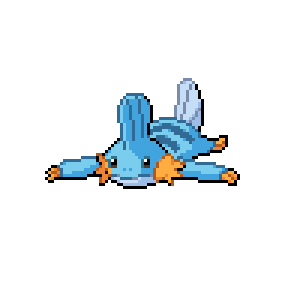
By planting its hind legs into the ground, it can amass enough of its strength to lift large boulders. It uses its hind fin to swim against strong currents, as though training its body.
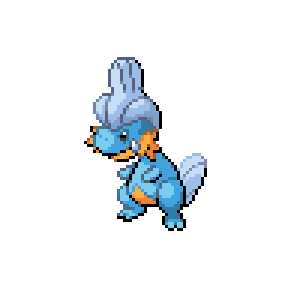
Many Mudple can be found within swamps and marshes, specifically in burrows made near mud and near the edge of water. They primarily feed on algae and aquatic herbs, though they will also eat fruits and leaves often enough.
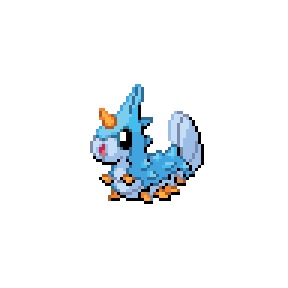
It swims by rapidly swaying its tail fin from side to side; the resulting friction generates electricity, which it stores in its cheek pouches. To conquer prey, this small Pokémon latches onto its target and releases all of its electricity into it.
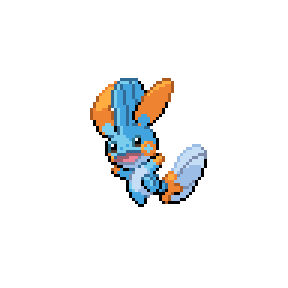
Despite unassuming appearances, its saliva is a paralytic toxin that seeps in quickly and takes effect within seconds. It resides primarily within marshes, keeping all of its body aside from its head submerged in mud even as it moves.
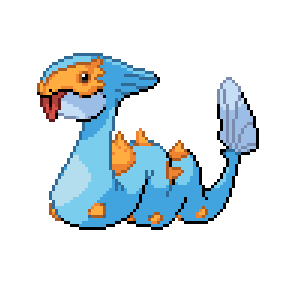
This amphibious Pokémon lies in thick, damp mud to stay moisturized while lying in wait for prey. Its tongue is stretchy and sticky, so it can catch multiple small bug Pokémon in a single go.

Marshwile tend to lie in mud most of the time to keep themselves hydrated. Upon their backs are maws that resemble fins, which they will open up while lying in mud so as to trap any prey that steps upon them.

It will loose jets of water to soften the ground around its nest into mud. To clean itself of any dried or excess mud, it will fly and pass against waterfalls or wait for rain.
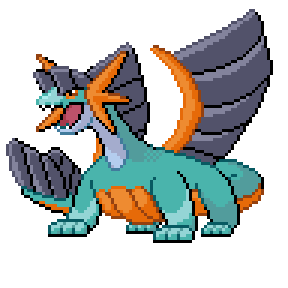
Wild Marshagon nest along muddy banks of rivers that lead to waterfalls and progressively move their nests closer to these waterfalls. Apparently, the location of their nests determines how far upstream they have managed to swim.
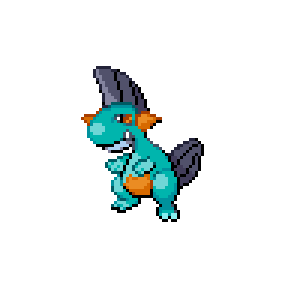
Marshelgon will roll themselves in fresh mud daily to keep themselves from drying out. They will clean off dried mud by sitting under waterfalls, which also helps to harden their shells.

Their cheek fins light up with electrical charge when they have built up enough volts and whenever they release any of that power. Marshle love to play in mud, which also serves to ground them should they need to release excess electricity.
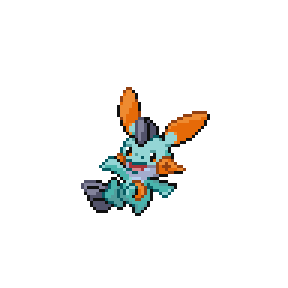
Using the paralytic venom from its fangs to aid in its hunts, this Pokémon ambushes prey and swallows them whole; it takes half a day for most of its select prey to digest. It keeps most of itself submerged in mud to keep its skin from drying out.
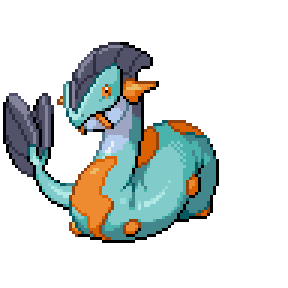
Swampcross's thick arms can store large amounts of water that strengthen its punches or be released as powerful streams. Its mighty horn is strong enough to lift and hurl boulders.
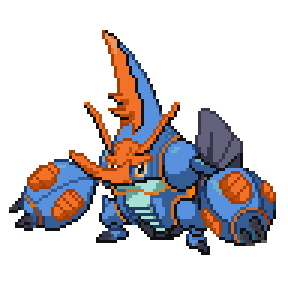
The brighter the orange of their bodies, the healthier they are said to be. Their tails are dense with muscle and can lift large boulders. They change their bodily colors enough to blend in with the water, even while swimming.
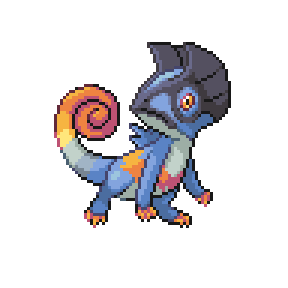
Despite its slender appearance, Swampnape is able to lift boulders larger than itself with relative ease. Its fighting style has been compared to flowing water, as it never seems to waste a single movement.
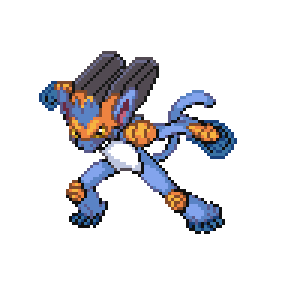
Swampass are averse to water exposure, instead preferring to roll around and lie in fresh mud to stay hydrated. They seem to be aware of impending storms, as they will head for clearings and look to the sky with mouths agape to drink up the rain.
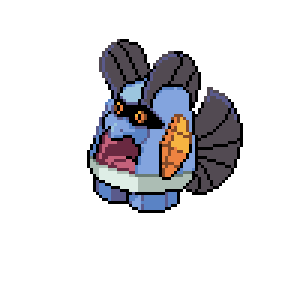
Due to how high it has built its nest, it rarely leaves so as to not dry itself out. It can sense when a storm is nigh and will take to the sky, the rain keeping it hydrated enough to travel far.

Its fur smells of rich mud and seawater, even if it goes days without exposure to either. Its ribbon-like feelers are strong enough to lift large rocks; it seals these rocks together with mud to create its nest.
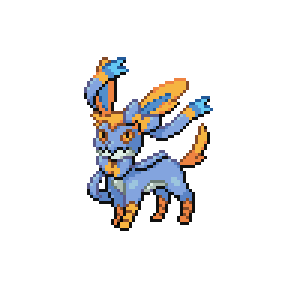
Wild Swampdon live near underwater volcanos, their bodies tempered by the steam and hot waters. Their bodies have such fast-burning metabolisms that they often prey on larger aquatic Pokémon, and often with a vicious ferocity.
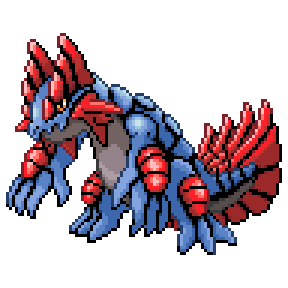
Wild Swampagon will train themselves daily in their efforts to ascend powerful waterfalls. It is said that when they finally breach the top of the waterfall they will then evolve.
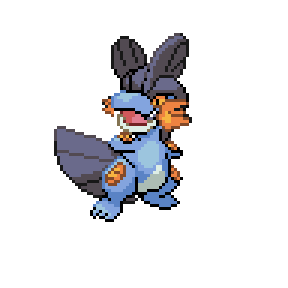
Swampelgon plant their stout legs into riverbeds and let the rushing currents hydrate them and clean off their shells of any debris. If they ever get swept away, their large tail fins are strong enough to fight against the current.
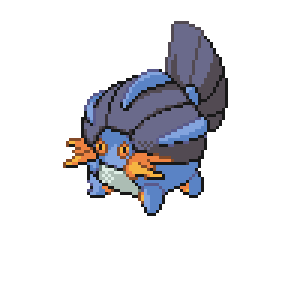
Swampzagoon's muscles are surprisingly dense for its size, to the point it can lift sizeable boulders with its forelimbs. It is inherently curious, to the point that it will effectively rearrange terrain so that it may explore.
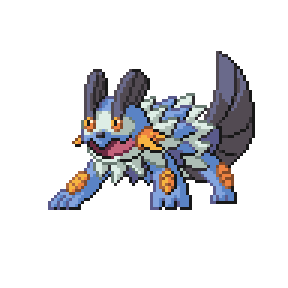
Wild Ralvee have a keen sense of the feelings of others, which they utilize to avoid most others. They often choose their own Trainers and only will appear before someone they are considering to be trustworthy enough.

Ralchou emit bright lights and psychic waves from the special organs at the tips of their antennae to deter and disorient threats. These organs are as hard as diamonds and have been praised as foci for human psychics.

Ralwile can sense the emotions of others through their pink horns and utilize this ability to avoid trouble. The saliva of their large jaws has a soothing effect on the mind, which helps them to elude predators and is very useful in medicine.

Ralon can sense and read the emotions of others through their pink spikes, which are also strong enough to break through stone. They are inherently shy of others, so they typically stay deep within caves and may even burrow underground.
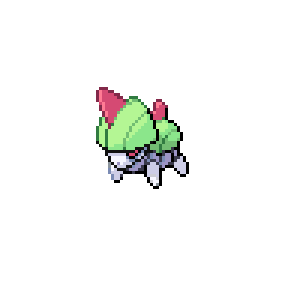
Ralagon tend to unknowingly project their own envy and sadness in regards to their longing for wings. Though they prefer to avoid fights, they will lunge with strong headbutts if they feel cornered.
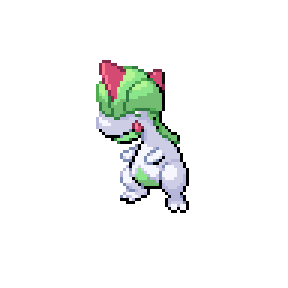
These Pokémon are rather attuned to emotions and will flee rapidly if they sense malice. This is not just out of direct fear, but because their leaves flourish due to positive emotions and wilt if exposed to too much negativity.

Ralitty are rather sensitive to the emotions of others, though they display a keener awareness in regard to their Trainers. When they sense someone is feeling down, they will attempt to cuddle up with them and play in front of them to cheer them up.
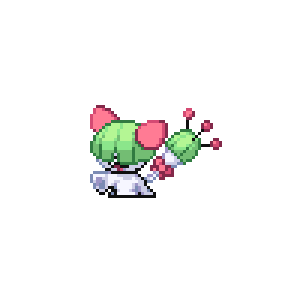
The bones wielded by Kirwak serve as conduits for them to channel their psychic powers. They seem to find these bones when they are young, from the remains scattered across vast deserts.
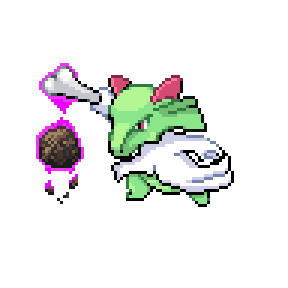
Kirdeen are a rare sight for most people, as these Pokémon lurk and nest deep within the ocean. They use psychic powers to propel themselves and protect their fins; the symbol on a Kirdeen's chest dimly glows as it uses psychic powers.
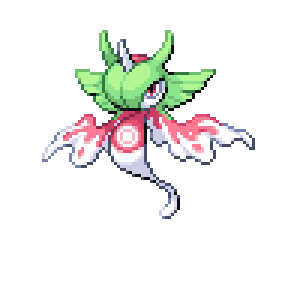
Kirnyte are skittish Pokémon that rarely come out of their shells when others are nearby. They can perceive their surroundings with their psychic abilities and propel themselves with jets of water.
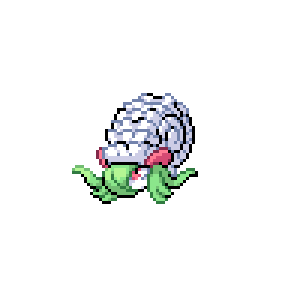
Kirchu seem to process information more quickly the more electricity they've stored; some researchers believe the electricity stimulates their brains. Kirchu are always aware of impending storms and will alert others if the storms are dangerous.
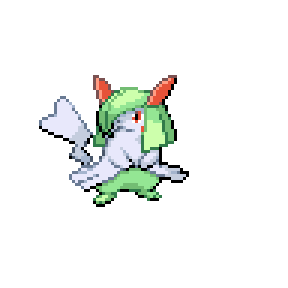
Supposedly, its psychic powers are great enough to see into the future. It is rather prone to bouts of sadness, especially so if it stares up at the sky for long.
Its supposed future sight is said to be why it patiently awaits its evolution. Though it does not need to eat or drink, it does seem to thrive when exposed to positive emotions.

A Kirish's leaves wilt if they are exposed to negative emotions for too long. A Kirish's vibrant, pink leaves are a sign of a well-grown and cared-for Kirish.
Gardedeen are protective of young fish Pokémon, even those of other species. Using their psychic powers, they can swiftly maneuver even through turbulent waters and detect potential threats.
Gardeking can harness remarkable psychic power via their three horns and the bioluminescent organ in their chests. Gardeking use their psychic powers to propel themselves through water, to shape burrows for their young, and to protect others.
The gem upon a Gardesola's head is said to bring fortune and health, which has led some people to hunt their kind. If its gem is removed, its coral-like body will become weak, frail, and it will lose all color.
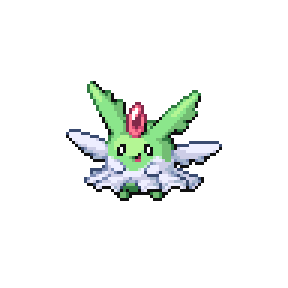
A well-raised Gardebok will often carefully coil around its Trainer protectively, although sometimes it may do so selfishly for the sake of attention. They can spit a psychedelic poison at their foes.

Wild Gardemence will often use their large wings to shield younger and, or, weaker Pokémon and even allow them to ride on their backs. Thanks to its psychic powers, it can largely ignore the effects of gravity.

Gardeklang wield remarkable psychic powers that keep them aloft. If a Gardeklang's Trainer is in grave danger, its gears will spin in reverse and create a black hole to try and save them.

Despite its fierce appearance, Gardeark is a kind and nurturing Pokémon that will protect those it trusts with its very life. It wields immense mystical powers and the ability to conjure illusions, both of which allow it to overwhelm most foes.

Gardeark wield psychic energies and illusion-conjuring abilities in tandem to protect themselves, their young, and their friends. Their psychic powers are great enough for them to defy gravity, making them capable of incredibly quick movements.

No one is quite sure where a scythe wielded by a Gardetula comes from, but some theorize it is formed from a pocket dimension born of their psychic powers. They use their psychic abilities to pull dangerous foes toward them before slashing them.

Gardetula use their many eyes to track the movements of their opponents with extreme precision. They use their psychic powers to craft large electric webs to ensnare anything that threatens their Trainers.

Using their psychic powers, Gardeflame can largely ignore gravity and achieve great speeds. They will use these same powers to lift their friends and Trainers into the air to fly alongside them.

Some rumors are abound with claims that the upper half of this Pokémon's body is a decoy meant to distract from the sensitive core within the bunker-like lower half. The spikes lining its lower half are filled with deadly toxins that deter many foes.

Garderoc use their potent psychic powers to manipulate rock and earth with precision in tandem with their swift, physical strikes. They can walk "on air" with psychic energy alone, allowing them to easily overwhelm most foes.

It is said that within its lower body resides a portal to a pocket dimension, which is maintained by Gardebell's immense psychic powers. Verification has been impossible, for it will not even allow its most trusted Trainer to peer within.

They can move entire glaciers with their powerful psychic abilities, even while they are swimming. They love to swim alongside others, be they human or Pokémon.

Galldeen wield psychic abilities with precision to fight off threats using blades of energy and water. Some call them "Undersea Knights" for how they deftly move in water while battling foes for the sake of others.

It fights using the ends of its pectoral fins and its three horns, though it primarily utilizes its centermost horn. Gallking can channel psychic energy to empower its attacks and for swift movement.
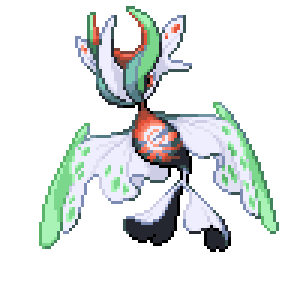
With its large wings, it will loose blades of psychic energy at foes. Whatever does not fall to its barrages of psychic blades is met with slashes and jabs from its sharp tail.
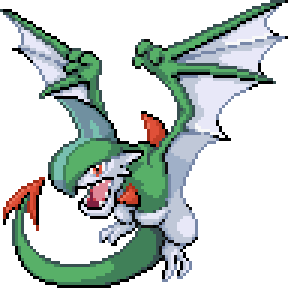
The red orbs upon their tails store much of their energy and will glow when they unleash any of said energy. They use their arm blades to fight and to defend, while agilely avoiding attacks by slithering about.

It can unleash powerful slashing attacks, including energy blades, from its sharp tail. Despite this, it typically avoids battling and mostly uses its tail to cut open fruits and nuts.

Even though these Pokémon have strong jaws that could break small rocks, they use their sharp dorsal fins to fight. Their jaws, instead, are used to break open their favorite nuts and berries.

Gallnaw will exchange slashing attacks with one another using their sharp fins and claws, purely for the sake of sport and growth. Dangerous foes, or those who interrupt their sparring, will be met with their strong jaws.

They can channel energy through their fins and claws to perform strong slashing attacks that can gouge solid metal. A Galligatr will bare its large maw lined with fangs to intimidate others, and earnestly fight those who don't flee.

Gallchomp is capable of flight, partly due to its psychic abilities; when it flies, it extends psychic blades from its forearms to form jet-like wings. It fights using its blade-like forearms, which are strong enough to cut through a steel beam.
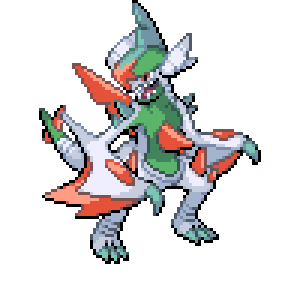
Wild Gallceus are chivalrous Pokémon that will leap to defend the weak and frail alike with blades of psychic energy they form upon their elbows. They are a common inspiration for stories of knights that ride upon white steeds to protect others.

It attacks using its blade-like tails and mystical powers; it can precisely control each tail. When Galltales swings all of its tails together, it can let loose a blade of psychic energy that can cleave through solid diamond.
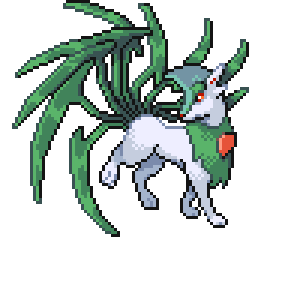
A Shedmie is incredibly hollow inside, which many theorize is why it so easily floats about in the air. It uses its psychic powers to drop berries and nuts into the opening on the front of its body, which will never be seen again.

Nidobone have a peculiar habit of crushing up Pecha Berries and rubbing the resulting paste on their skulls. This seems to keep their skulls polished, while also keeping their own poison more dulled so as to not harm others.

The poison within these Pokémon changes based on their environments, each variation having different effects from one another. The leading theory for this is that their own DNA is unstable and overtly influenced by their surroundings.
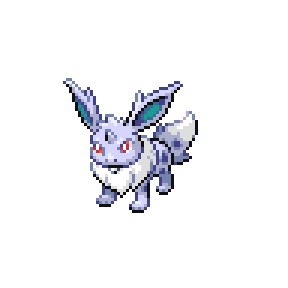
Their small claws are strong and venomous. Nidoto launch themselves into the air and latch onto prey with their claws, then wait for the venom to take effect so they may feed.

These small Pokémon are infamous with power plant workers, for they will oft nibble on cables to feed on the electricity within. Their whiskers are venomous, making them further troublesome to deal with.

Their claws are meant for digging more than they are for fighting. To defend themselves, they curl up with their venomous quills standing on-end.

Its body is covered in a thin film of poisonous slime, much of which comes from its blunt horn. To fight, it uses its broad tail to launch itself at a foe and drives its blunt horn into them with a Tackle.

Nidowhirl sweat a slick and toxic oil that keeps their bodies hydrated at all times. Though this oil has many uses in numerous remedies, their Poison Jab attacks have been the downfall of many.

Kecrak are small Bug-type Pokémon that can change the colors of most of their bodies to camouflage themselves, save for the zig-zag mark around their bodies. Their sticky tongues can stretch so far that they rarely need to go far from their nests.
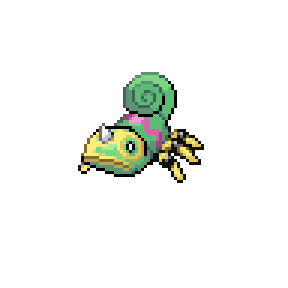
The purple markings of a Kecdos are the only parts of their bodies that struggle to change to match their surroundings. They use their long, curled tails to hang from tree branches and they use their sticky tongues to abduct small prey.

Supposedly, only one of these three is the real body, while the other two are projections. As this Pokémon rarely shows itself, this has been difficult to prove or refute.

It changes the colors of its feathers to match the skies and clouds around it, even during storms. It ensnares its target with its long tongue and drives its long beak into the target before it can break free.
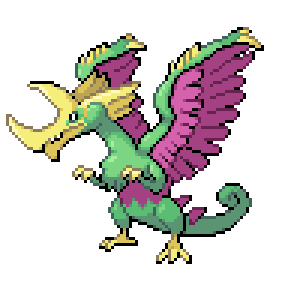
These adaptive jungle Pokémon quickly crawl along the sides of trees in search of food. They use their long, sticky tongues to quickly grab food and avoid their many predators.

Wild Kecvyle dart between their terrain, quickly changing colors to remain relatively blended in as they strike their foes from multiple angles. Their long tongues are strong enough to lift a Geodude off the ground and fling it into the air.

This large Pokémon dominates the very jungle it resides in, capable of changing its own colors to hide its entire body. It ambushes unsuspecting prey with its massive tongue, ensaring its target and finishing it off with Leaf Blade attacks.
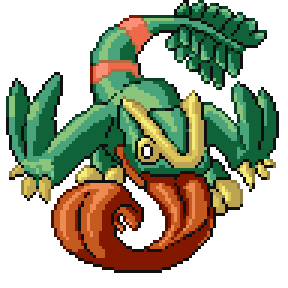
Their bodies can change colors to match their surroundings, save for the purple stripe along their bellies. They can launch their tongues at blinding speeds and easily snatch large prey with them.

These Pokémon change their colors to camouflage themselves and sneak into farms to steal food. If they think they've been caught, they immediately revert their colors and spit small fireballs before scurrying away.

Kecziken can camouflage themselves during battle, obscuring their movements and their attacks. They will overheat if they do so too often, however, and become sluggish until they can release the excess heat.

Its tail is prehensile and can unravel, extending for about twice its abdomen's length. By planting its four feet, it could use its tail to lift a boulder twice its own weight.

Because its hard body is as jagged as stone, Kecpass keeps itself to craggy areas. It can alter its body's colors to camouflage itself. It cannot change the colors of its purple segment, so it will partly bury itself when it hides.
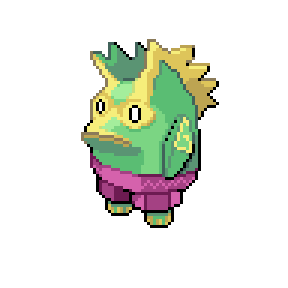
Kecpass get all of their needed nutrients from eating minerals and can even eat soil as well. The colors of their bodies can change to conceal themselves, though the shades of their hues seem to be influenced by their diets.

Kecgon s are roaming predators that can change their colors to match their terrain rather well. They strike suddenly with their stretchy and strong tongues or by lashing out with their long, often curled-up, tails.
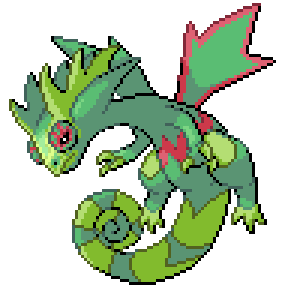
Kecxorus use their tusks to mark their territories, though they will still blend in with their surroundings to go about unseen. Those who ignore their markings will be met with their sharp, thin tongues launching at them with the speed of a bullet.

The hotter its flame sac becomes, the more its tail will curl and the more embers will scatter with every flap of its wings. It will shoot out its tongue to ensnare its target and incinerate them with a torrent of fire.
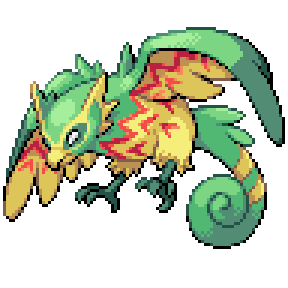
To distract foes, it changes each of its tails to different colors. Even the flames it spews can change color, with or without changing intensity and heat.

Keckoth utilize their ability to change the pigments of their own bodies to match their surroundings and remain hidden as they rest. Because they rest for over half of a day, they are often accidentally stepped on and tripped over.

The petals of its flowers can change colors, the process and result of which are influenced by its environment. The protruding pistils of Kecelia's flowers are venomous stingers; its venom induces hallucinations that affect all five senses.

They can build up heat within themselves by flapping their wings without moving, which causes their feathers to change color. They will change colors to blend into their surroundings or to try and intimidate others.

Kecinder can use their tails to capture and carry away prey that they have downed with streams of flames. Their feathers change color with temperature exposure and pressure, making them beloved toys for many children.
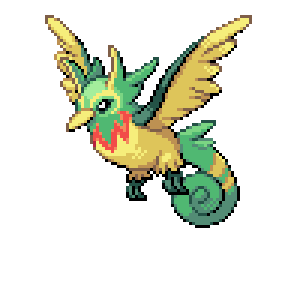
It can change the colors of its hide and its feathers. Unfortunately, its heads rarely manage to cooperate, so at least one of them will tend to be an entirely different color.

Kecgar are devious Pokémon that can change the colors of their bodies to blend in. These tricksters love to prank others, from using their long tails to trip them to using their tongues to steal items.

They tinker with myriad scrap metal and discarded tool. They start their work at birth and their first craft is to create a metal skull to protect their soft heads and a weapon to defend themselves with.

Wild Belwak often prey upon Beldums and uses the large claw-like parts of their bodies as weapons. They have begun to develop a weak magnetic field at this stage in their lives, which causes metal to fuse with their bodies over time.
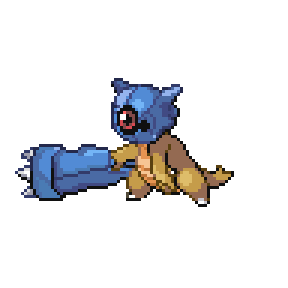
They propel themselves in the air with puffs of a white, toxic smog and repel attacks with a weak magnetic barrier. They typically will let themselves fall from the air to strike opponents below them using their metal bodies.

Belyu have metal bodies with remarkable regenerative powers. They can move their bodies with surprising fluidity and can easily entrap prey by closing their multiple limbs around them.

Belmie watch their surroundings carefully with their singular, large red eye. When their back part rotates, they generate a faint magnetic field that often causes them to stick to each other if they get too close.

They release a potent toxin from their tails to melt fruits and leaves into a drinkable slurry. Despite its body being made of metal, it can move rather fluidly.

Their bodies emit a weak magnetic field that repels most foes. They often stick together by accident, though this helps them to protect themselves better.

Beldrill have hollow metal bodies that still allow them to fly fast enough to chase down prey. Their sharp metal stingers deliver a potent toxin capable of bringing down Pokémon twice their size.

Its singular eye can easily track prey from a mile away while it flies. It can fling rigid metallic feathers to skewer or pin down prey.

Beltret balance themselves upon their arm-like tails and watch for foes and prey at vast distances with their large eyes. They will launch themselves and flip in the air before slamming their tails down upon prey to crush them.
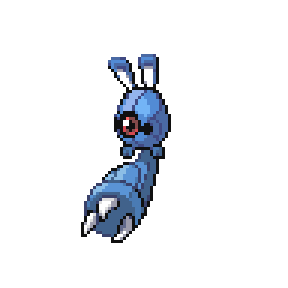
Belret can propel their long bodies like slim rockets to tackle their opponents. They have an odd preference for sleeping with their bodies upright.
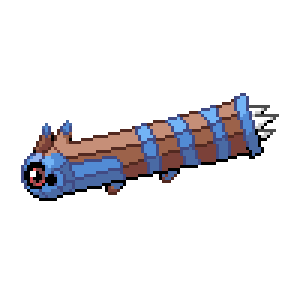
Large, metal feathers stuck in the ground are a common indicator of this Pokémon's territory. Their talons are sharp enough to pierce rock and their wings are strong enough to allow them to carry a Rhyhorn high into the air.
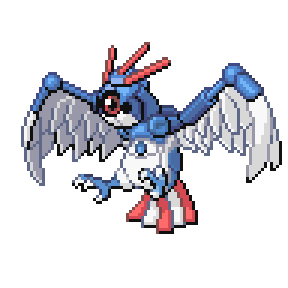
It moves quite fast despite its metallic body and will often ram into obstacles and foes. It can grab small objects with its tail and crush them into a fine dust, or paste, to consume them.

Beltine love to live atop rocks jutting out from the ocean and fly directly along the surface of the water. They occasionally dip their heads into the water to capture prey and crush them against rocks.
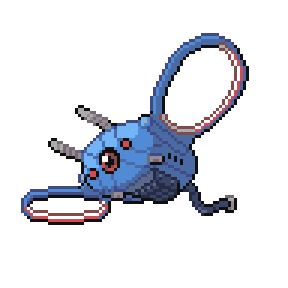
It can emit disorienting light from its singular eye to stun prey and startle foes. Its body has remarkable constrictive power further empowered by its metallic skin.

The steel-like ridges along its tail contain a deadly poison so concentrated it could melt low-quality metal. The two eye-like spots on its frill bubble and glow as its body continuously produces more of this poison to loose at its enemies.
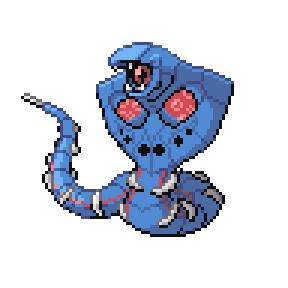
Groups of these Pokémon fight with such coordination that it is believed they are able to wordlessly communicate their thoughts to one another. Their arm blades are sharp enough to gouge solid rock in single motions.

The lower half of its body is a large opening lined with small, metal blades that can hold onto prey as they are dragged in and swallowed whole. Its species can communicate with one another using their metal antennae on the sides of their heads.
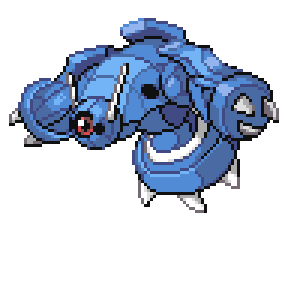
Due to their magnetic fields, even though they are weak, Beldot are easily drawn toward each other and will often become stuck to each other. Beldot will hurl themselves at foes and explosively release their energy to defend their friends.

They contain a magnet within their brains that is attuned to precious metals. They love to hoard chunks of unrefined gold. They sometimes consume gold dust.

These Pokémon live within ponds, their metal bodies so heavy that they are often stuck at the bottom of them. The metal of their bodies is rather transparent, to the point you can sometimes see their internal organs.

Its body grows stronger by lugging its large right arm around. The Mega Punches let loose though its right arm are strong enough to break boulders as large as itself.

Metdrill chase down all who intrude upon their territory and barrage them with rapid strikes using their four stingers. Their antennae help them to hone their latent, albeit weak, psychic powers to help them track all foes.

Metidos have an odd method of communicating with each other by tapping their metal heads together. Each time the heads of two Metidos collide, they generate a temporary magnetic field that can disrupt small devices nearby.

Its claws conceal injectors of a numbing poison to subdue mighty foes. The lenses of its arms can emit sunlight that help plants to survive and grow. Its species does not tend to seek conflict, but will fiercely defend plants and weaker Pokémon.
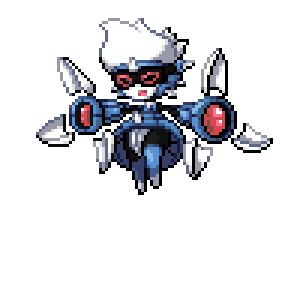
They use their psychic powers to manifest their internal flames as nine, long tails. Despite their bodies being made of metal, they are rarely hot to the touch even as flames roll within them.
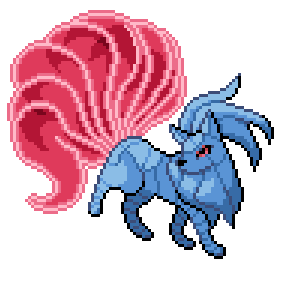
Its white belly is quite soft and vulnerable, even though the rest of its body is a blue, sturdy metal. Its physical strikes are very strong, but it will typically avoid conflict due to its large weak spot.
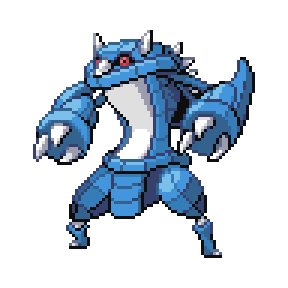
These amphibious Pokémon use their strong arms to walk along the bottoms of ponds and lakes they call home. Their claws grip prey into submission before swallowing it whole.

Metamime use their lower limbs to quickly move along the ground but can even walk along walls and ceilings. The feelers of their fingertips serve as conduits for their mystical energies, through which they often create defensive barriers.
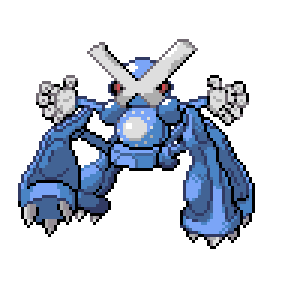
Metados supposedly have complex intellects, though they are also so often seen thrashing about in fits of rage. Their segmented bodies of metal provide them impressive flexibility.

A Metaras will fold its large limbs alongside its body as it swims through water. When it reaches land, or a floe of solid ice, it will launch from the water and use these limbs to continue its journey.

Its body is so heavy that it has developed greater psychic power to keep itself afloat. Its wings have become like boosters through which it shunts psychic energy to propel itself. Its stingers can be launched and will home in on all its targets.

A Metanium's neck can extend a decent bit to better position its head to absorb sunlight. They will dig their legs into the ground to root themselves and better avoid being blown over while they absorb sunlight.
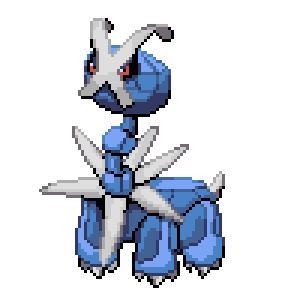
The extra arms of a Metalosion emit explosive bursts of fire with every strike. They can uses their explosive bursts to propel themselves through the air in search of prey or to escape if they get too hurt.
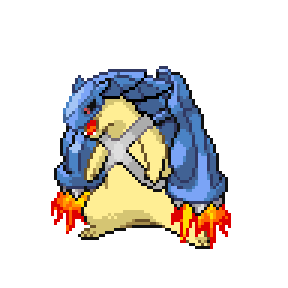
Metaligatr have massive, metal bodies that conceal their intricate, thick muscles. Their tails have the densest concentrations of their muscles and can crush a tank with a single swing.
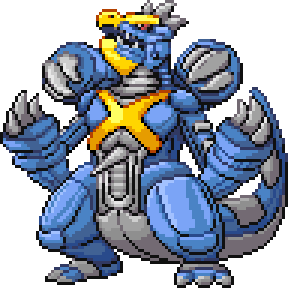
Metaturn have an electrical organ atop their heads that serves to illuminate the paths ahead of them as they propel themselves through water. They can release stronger jets of water from their open palms to accelerate and ram others.
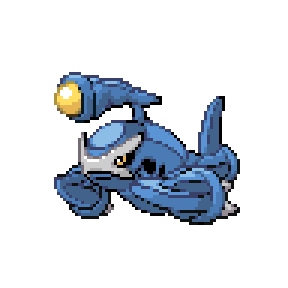
It can see all around itself with its many red eyes and track any number of foes. It can close its shell to shield its eyes as it rolls through foes and obstacles like a moving wrecking ball.

The "missiles" that this underwater Pokémon will launch at prey are actually parts of itself with their own brains. These brains are telepathically connected with the central body's brain to better coordinate the attacks.
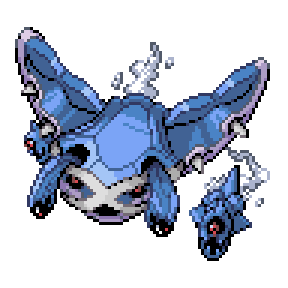
A Metamory will often use their pointed, albeit blunt, noses to strike foes by dive-bombing directly into them. If this fails, they will quickly fly away and barrage their opponent with their metal feathers propelled by their psychic powers.

Their many quills are sharp enough to damage tempered steel with ease. Their arms are strong enough to lift boulders twice their size, and their claws can pulverize obsidian into tiny pieces.
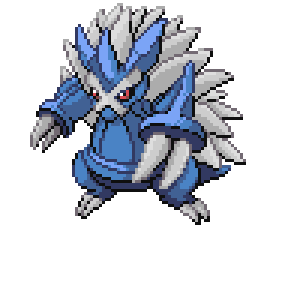
Metalia use parts of their bodies to project light like a stage that draws attention to their lesser, fleshy bodies. While opponents are distracted by this, they will bombard them with physical strikes loosed by their large, floating limbs.

Their lower bodies are so heavy that they struggle to move along the ocean floor they live upon. Metadily flail their spiked heads around to deter predators and to subjugate prey with brute force.
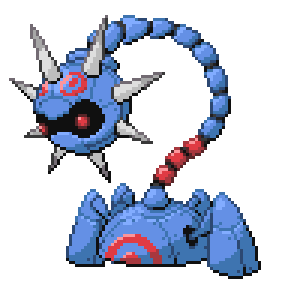
Some still debate if humans based submarines off of these Pokémon or if these Pokémon evolved to resemble human submarines. Whatever the case, wild Metalord are awe-inspiring sights as they propel through and out of water with ease.
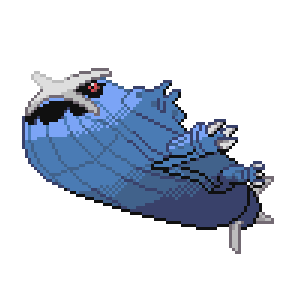
Its heavy arms support the dense shell and powerful cannon atop its back. Although it moves slowly, it can shoot down bird Pokémon and bug Pokémon to prey upon.

Even within the deepest, darkest depths of the ocean, the many red eyes of this Pokémon can be seen glowing. The crushing force of the ocean depths have honed its body into a incredibly dense metallic form stronger than many refined metals.

Metadon's large body is made mostly of muscle to support its incredibly heavy and strong arms. It can use its arms like giant jackhammers to create powerful tremors.
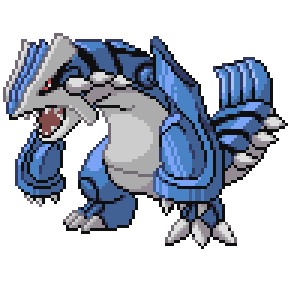
Metaesect uses its large, metal arms to secure itself to the ground before firing its back cannon at full power. Despite how heavy its arms appear, this Pokémon can fold upon itself into a form capable of swift movement.
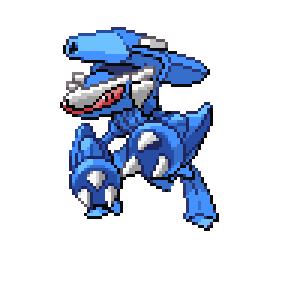
Metarom's body contains a powerful generator that can produce vast quantities of electricity that are stored within the "X"-like part of its outer body. The "X" will glow a vibrant blue when it has reached the pinnacle of its electric charge.

The golden blades of Metaxorus's body are sharp enough to cleanly cut a boulder in two. Metaxorus takes great care to polish and sharpen its blades and will even forgo battle if its blades become dull or chipped.

It combines its vast intellect with its amorphous body made of a metal-like material to quickly adapt to most combat scenarios. Its Meteor Mash attack can pulverize large boulders in no more than two strikes.
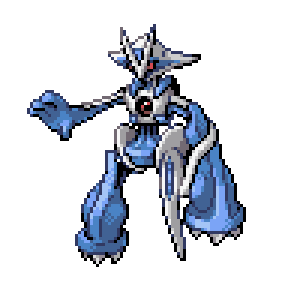
It jets water from around its elbow spikes to propel its punches with enough force to crumple a block of solid steel. When it is not fighting, it meditates, contemplating the many battles it has fought.
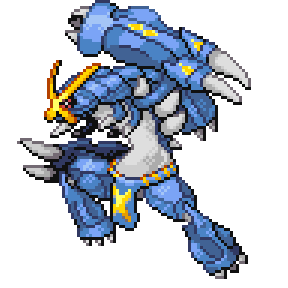
Spiridactyl are infamous for being violent tricksters, pretending to be piles of bones or skeletons to deceive others and then attack them. In their most active state, they radiate an eerie energy that flares when they are enraged.
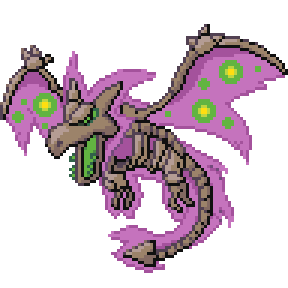
The spirits trapped within the Odd Keystone manifest in the form of a Spinarak to startle prey and predators alike. Those caught within their ghostly webs will feel like their very life force is being slowly drained away.
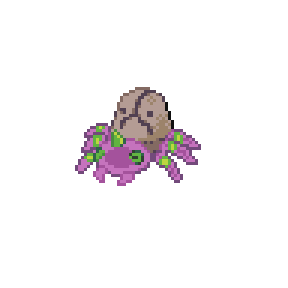
Spiriflora feed themselves by leeching nutrients from other plants near them until those other plants wilt and decay. They will move to a new resting place once the ground itself has dried up.

It is said to have formed from the spirits of fallen mountain climbers. The fact that it nests exclusively around the tallest mountains and fiercely repels would-be intruders, which often includes climbers, keeps those rumors alive.

The myriad souls of this Pokémon that were trapped within an odd keystone have manifested with a serpentine form. Its bite is said to deliver a poison that is agonizingly painful to incite screams that make it stronger.

Malicious energy seeps out from the cracks of its rock-like body that gradually form throughout its life. Those that peer within their glowing maws are said to witness an evil so intense that it scars them for life.
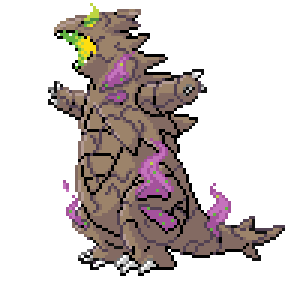
The once-unified spirits that this Pokémon consists of have begun to split into different collective minds. While this keeps them distracted often enough, they will still work together to defeat anything that dares attack them.
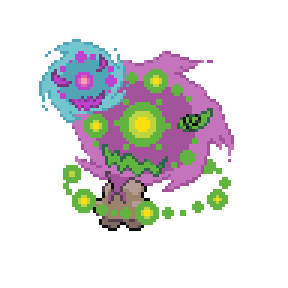
It is said to have been consumed by the malice and despair of others that it had absorbed to spare those others of their own feelings. Now, this Pokémon lashes out viciously at others that show even the slightest sign of wickedness.

Said to have been born from the coalescence of many mischievous spirits within a tree stump, this Pokémon is infamous for its pranks on any it comes across. Sometimes, its pranks go far enough to cause severe injuries.

It is said at least 108 spirits coalesced within a petrified tree, resulting in the first Spirivenant. These Pokémon can influence, if not fully control, nearby plant life even as they fight off others, making them dangerous foes.

The many spirits of Pokémon entrapped within an odd keystone formed a feminine, almost-human appearance to better interact with others. They do tend to be horrific pranksters as well and, thus, many dread seeing one.
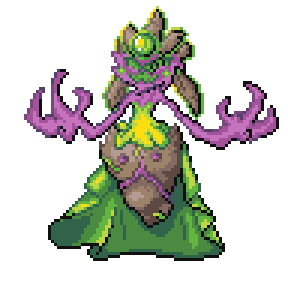
Spirilow utilizes its ghastly appearance to instill fear into others. It is able to sustain itself on the fear it induces, though it also needs to consume berries and prey regardless.
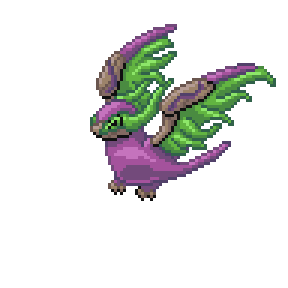
Spiriwellow are relentless predators that will pursue prey for hours while flying high in the sky. They seem to relish in the torment of their targets even more than they do in the climax of the hunt.
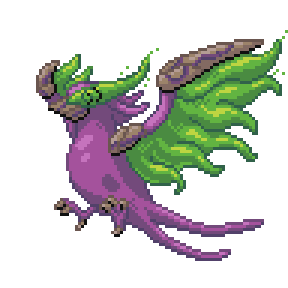
Spiriling are able to create or mimic many different sounds, including the cries of other Pokémon. However, they seemingly can only remember at most 108 different sounds and will quickly forget one if they learn a new one.
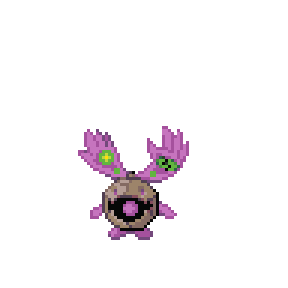
Spiriecho are devilish tricksters who love to mimic wind chimes, even if just to then grab someone with their single arm and scare them. They can emit dazing screeches if they feel threatened, granting them the time to escape.
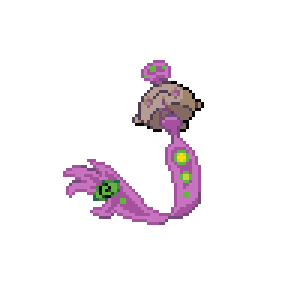
With its powerful, roaring howl it can call down lightning upon itself and become wreathed in electricity. It is remarkably dexterous despite its size and utilizes every part of its body to attack, though it tends to favor attacking with its tail.

When a Lucatile is cornered, it will wreathe its large tail in its powerful aura and form aura blades upon its arms. It will fight to the last at this point, even if it means taking its opponent down with it.
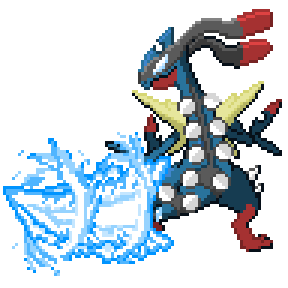
They stalk their prey through thick jungles and lush forests by sensing and tracking their auras. They will fire condensed Aura Spheres from their mouths as they leap between the trees.
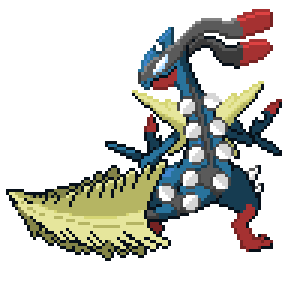
Lucawile are capable of sensing the auras of nearly all things via the horns and jaws upon their heads. They can condense their own auras and wield them in battle. They often form powerful Aura Spheres within their large jaws as they fight.
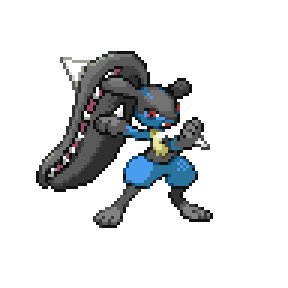
Its overflowing aura manifests as raging, blue flames that it can turn into various weapons. It will never strike a foe's back, not even if they are a wicked soul, for it strictly adheres to its own code of honor.

Lucark bear crimson fur the longer they have lived, their powers of aura and illusion having reached great heights. They can combine dark energies with their own aura to create powerful energy blasts loosed upon their foes.
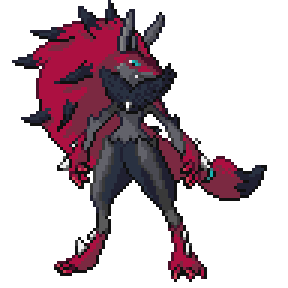
Although typically amiable, Gibling can be angered quickly over the smallest of things. They attack with weak flames and with flurries of biting attacks. Their jaws are too weak to do meaningful damage.

Its jaws are strong enough to bite through solid rock, which allows it to build a horizontal nest. It releases much of the heat produced by its internal flame sac to keep its nest warm at all times for itself and for its young.
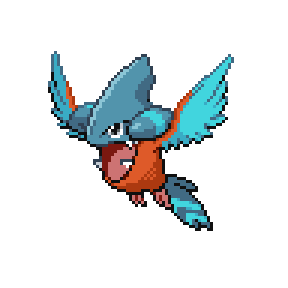
Gabveon are considerably vicious Pokémon when it comes to defending their dens and their young. At least thrice a year, Gabveon shed their scales; these scales are said to instil a sense of calm in those who hold and caress them.

Every few months, Gabflame shed much of their blue scales and some of their feathers so new, stronger coats of both may grow. Both of these materials are ground up and used in many remedies, especially those for treating severe burns.
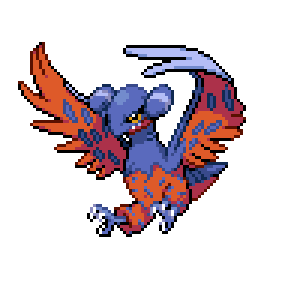
Gabinder build their nests in rocky crags and will hoard many treasures and valuables they find around their nests as well. Anything that approaches their nests will be met with many fireballs.

A Garwak will gather the largest bone from the remains of its prey and hone it into a brutal, dual-bladed weapon. They are never satisfied with their weapon and constantly fight to find new bones to hone into even greater weapons.

Garlosion can propel themselves through the air by extending their arms and releasing explosive flames from along their bodies. They use pillars of fire to conceal their swift movements during battle and slash at foes using their hot arm-blades.
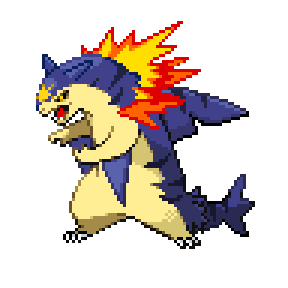
Many compare these Pokémon to jet planes because they often spread their wings out flat to achieve greater speeds. They will vent heat and flames from between their feathers and from their two horns, which further propel them quicker.
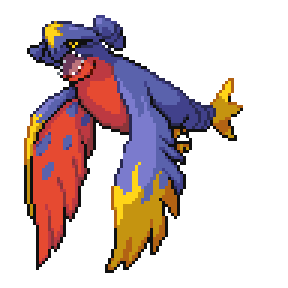
The thorn-clad flower it wields was once part of the flower upon its back and scatters poisonous spores when waved around. Its body is dense with muscle to help support the weight of its growing flower.

Venueon love to lounge in tepid ponds and lakes with their heads and petals above the surface, ambiently absorbing water and sunlight. They produce a sap-like liquid in place of saliva, which allows them to reinforce the bubbles they spit out.

Venueon's yellow "crown" is a special plant that acts like an organ to help regulate the electricity stored within its vibrant petals. Its claws are sharp enough that it can climb trees, though it only does this to better ambush prey.
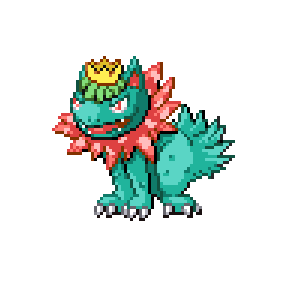
Venureon petals are always warm to the touch and contain an oil-like fluid that is flammable and incredibly spicy, making it a popular ingredient in some dishes. Within their tail fur are numerous seeds that they will launch and ignite in battle.
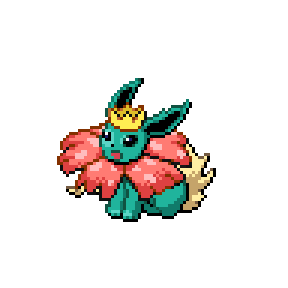
Though it can walk on its hind legs, it tends to crawl on all four so that its large flower is better exposed to sunlight. It has been seen laying atop a pile of stockpiled food while sleeping, with its flower exposed to the sky.

The flowers along Venutres's leafy wings are always in full bloom, scattering pollen and seeds across wherever it flies. The area around its nest is said to be one of the lushest and most exotic forests ever known.

Although Venuligatr move quicker quadrupedally, they spend much of their lives on their hind legs to better intimidate others. When they rest, they lie in tepid waters or in a damp spot where they can absorb plenty of sunlight.

Venuligatr were first discovered deep within a lush and humid marsh, first assumed to be a large plant that had grown to the surface of a pond. It was quickly discovered that they hide as such in order to swiftly and mercilessly ambush prey.
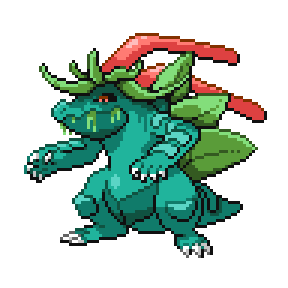
This swamp-dwelling Pokémon is remarkably pompous and arrogant, to the point that it acts like a ruler of other Pokémon. Each of its many thin leaves contains a hypnotic agent, which is why it will share them with its "subjects" every day.

This docile Pokémon does not wander far from the cave it has made its den within and only comes out when sunlight is present; it cannot be tricked with artificial lights. If anything touches its spotted petals, it viciously lashes out.

It uses the fluid secreted from the tip of its tail to mark its territory. This fluid is poisonous to most organic beings, yet plants and plant-based Pokémon thrive if they ingest or absorb it.

The large flowers upon their backs have partly begun to overtake them, yet this has only caused their muscles to grow. Most of their fat comes from the excess nutrients acquired from the sunlight gathered by their flowers.

It flies through the jungle at great speeds using its long, yet light, leafy wings. It releases powerful sonic waves to churn the ground so it may sow seeds from the fruits it eats.

The colors of their petals and leaves change with their environments. Venueon use their long tongues to reach fruits and berries on tall trees, be they for themselves or for others.

Venulup lay in water on their bellies, both drinking and ambiently absorbing it. When they are happy, water will shoot out from the centers of their lush flowers like small, harmless geysers.

This Pokémon is a jungle apex that roams the skies above to bathe in strong sunlight. If it witnesses any person or any Pokémon attempting to harm the jungle, it will descend and dispatch them with its full might.
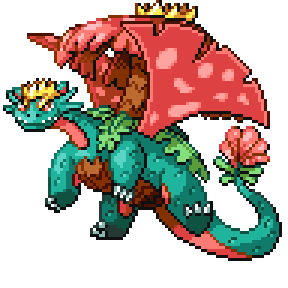
Wild Venunette care for their forest homes and for fields of flowers without fail. They are said to contain a cursed energy within themselves that is loosed only in retaliation against those who harm nature.

The petals of its flower sometimes seem to flap when it leaps, as if it is trying to use its flower to fly. Potentially because this does not work, it is quickly agitated and will ram others with its head.
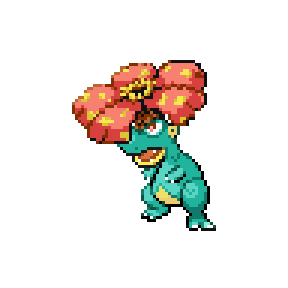
Each plate of its shell grows more vibrant as it nears its evolution. When it evolves, the plates of its shell will spread apart like a blooming flower.

Venubat can scatter ailment-inducing spores from their leafy wings to subdue foes. They use their sharp fangs to bite into trees to directly drink the sap within. Supposedly, the sap they drink can affect aspects of their flowers.

Venutump petals are laced with a non-lethal, poisonous pollen that causes lasting rashes and sharp, albeit prickly, pain. Yet these petals also contain a potent medicinal compound, which can even help to heal wounded plants.

It prefers to live deep within tropical forests, though it spends most of its time in open clearings with its leaves spread to capture more sunlight. It will share its excess nutrients with weak plants by connecting its vines with their roots.

Venucatty are beloved by many due to the pleasant aroma emitted by their vibrant flowers. Though they will habitually rest in different spots, they always pick locations with plenty of natural light and nearby water.
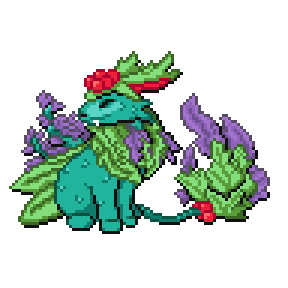
Their fur is like moss that becomes a bit rigid and more vividly colored when they fly into a rage. Their muscles are strong enough to lift a tree up to thrice their size from the ground, roots and all.
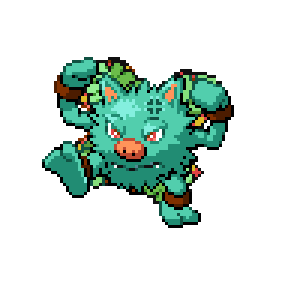
Venuwag lounge near the waters within lush swamps, with their leafy tails lying atop the water. Though they can leap over fourteen feet in a single bound, they will typically opt to retreat underwater when threatened.

The oily substance covering its body becomes sticky when mixed with water and becomes like tree resin as well. Because Venuwhirl prefers to spend much of its time in water, it favors areas with trees where it may scrape off this sticky "oil".

These lake-dwelling Pokémon release a sweet aroma from their flowers to lure bird Pokémon to them. Though they can survive through photosynthesis, they thrive by feeding on the prey they ensnare with their many vine-like tentacles.
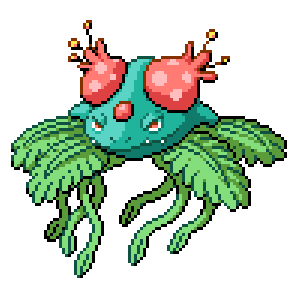
Their leafy plumages are rife with seeds that scatter when they run. The head with the most vibrant petals and "crown" is the one in charge.
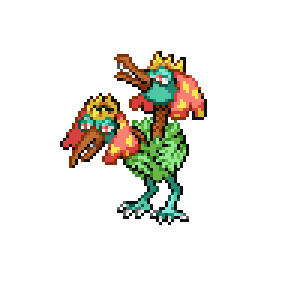
Its large leaves can function as wings to help it fly. When it runs, it scatters myriad pollen and seeds around. It can subsist on sunlight alone, allowing it to run all day before resting.

Venugong sleep "hanging" underwater with their buoyant tail flowers floating on the surface. Their leafy fins are robust enough to survive in frigid waters and for Venugong to propel themselves through water at considerable speeds.

Nidovee are typically docile and have their toxic barbs tucked away. They are easily influenced by their surroundings due to their unstable genetic makeup.
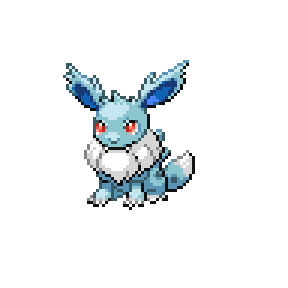
Nidochu cannot retain their electricity when agitated. Their venomous barbs stand up when they are separated from their packs for too long, in hopes of deterring threats.

Nidoslash have venom-filled quills on their backs that tense and stand on end when agitated. When calm, their quills lie flat and become softer.

Mawzor lack conventional mouths and instead use the mouths on their arms to consume and drink. These mouths are also used to fight, often biting pieces off of their prey with each strike.
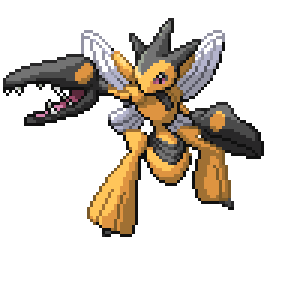
Mawchic utilize their unassuming appearances to draw in prey and lull them into complacency. When their prey has fallen for their ruse, they bombard them with many searing fireballs.

Its second mouth is not connected to its digestive system, so it often stores damp mud within it. It will fling mud at threats to cover its escape, even though it is strong enough to shatter with a single swing of its tail.
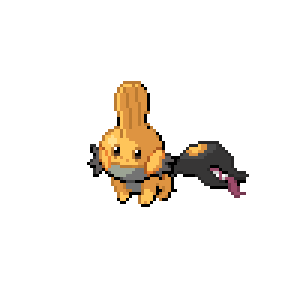
Its dangling horns have evolved to resemble small jaws, further expanding their sensitivity to feelings and gaining the ability to express emotions. Mawts shares any and all of its food with both of these jaws as if they were separate entities.

Its set of massive jaws reacts to its emotions and the emotions of others around it; these jaws express its emotions more than its face does. Oddly, if it feels distressed or is miserable, these jaws become aggressive and snap at everything.
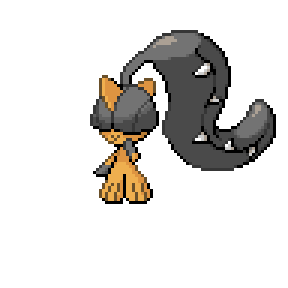
Current theories suggest it uses its psychic power to negate the weight of its large, detached mouth. It is a herbivore that favors large fruits and vegetables that it can chew on and slowly eat throughout each day.
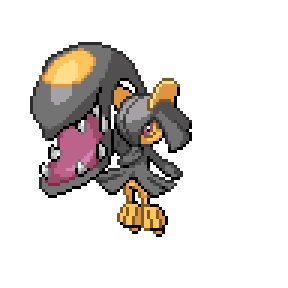
It uses its psychic powers to defy gravity for its entire body and to better guide its large mouth. It eats twice its body weight in fruits and vegetables each day without gaining any weight; the constant use of its psychic powers is very demanding.
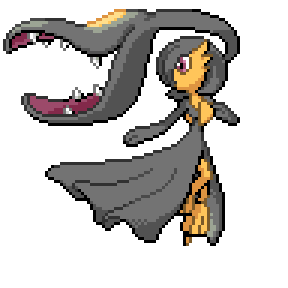
It has a second mouth that it can launch out and expand to swallow whole large foods. By changing colors to camouflage itself, it can set a dangerous trap using its second mouth.
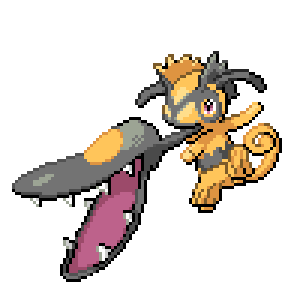
Despite initial assumptions, Mawlup are incredibly friendly and will spout bubbles to play with. However, these Pokémon have incredible appetites and will throw devastating tantrums when they become too hungry.
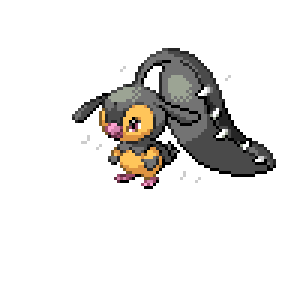
There are many rumors that the upper body of a Mawtic is just a decoy, and that the mouth-like appendage at the end of its tail is the real Pokémon. Though there is a lack of proof, this “tail” and mouth are all that ever seem to move.

When Mawkoth is awake, the maw upon its tail is asleep; likewise, when it is asleep, the maw on its tail is awake. Mawkoth awakens when attacked or when it is hungry, but in either case, it focuses on eating and going back to sleep.
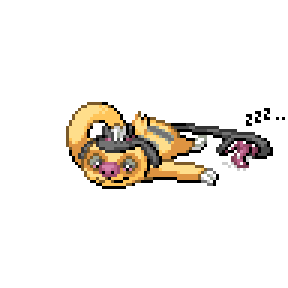
The fangs of its maw-like hands are harder than steel, allowing it to consume even the toughest of foods with ease. Within these two maws, it produces a slimy "saliva" that is laced with toxins that induce long-lasting rashes.
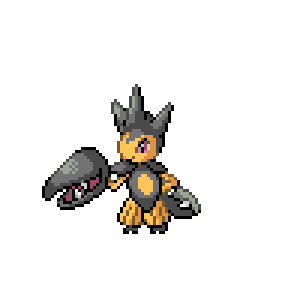
It stores many precious gems and gold coins within the chest-like second horn attached to its head. Using these treasures as bait, it lures many unsuspecting travelers into its awaiting maws and devours them in mere minutes.
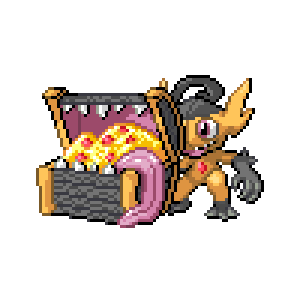
Supposedly, there is a smaller head of this Pokémon beneath the large, blooming maw so oft seen. However, none have ever seen this smaller head, or survived seeing it at least, to confirm this.
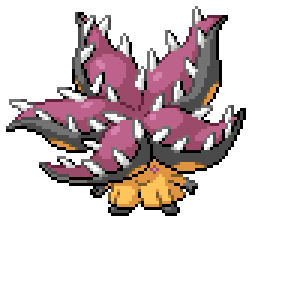
Each strand of its black fur is metallic and brittle. Concealed within its hair is a second mouth that it typically only reveals to scare others or to eat larger foods.
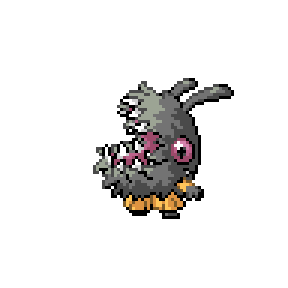
It has no eyes, so it must rely on its other senses to navigate; it often attempts to eat inedible objects, so its territory tends to be rife with its saliva. It is easily distracted by smells and sounds, so it zigs and zags while patrolling.
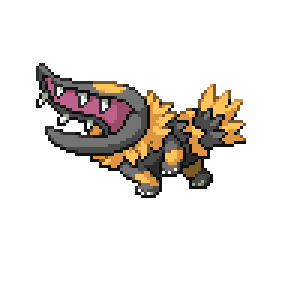
When it rests, it curls up into a ball, which hides the mouth-like appearance of its body. To scare away larger Pokémon, it will show off this "mouth" and emit high-pitched screeches.
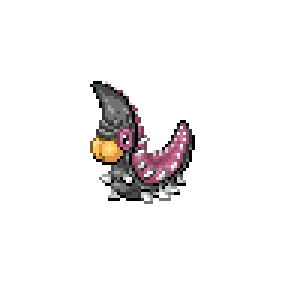
Mawdot is small yet can eat thrice its body weight in food each day. It stores its consumed food within its mostly hollow body and slowly digests it throughout the day. It becomes remarkably heavier as it digests food.
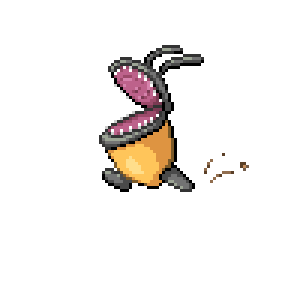
Mawskit's saliva is effectively honey with a powerful, sweet scent that many Pokémon find alluring. It draws in prey, namely small bug Pokémon, and swallows them whole; it will also sit beneath trees and wait for fruits to fall into its mouth.
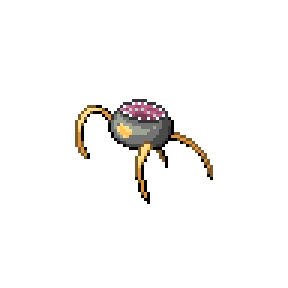
Mawitty are picky eaters, even though they each have individual preferences. To consume foods they dislike, they use their tail-like maws. They become quickly attached to round objects and often hold them within their maws as they prance about.
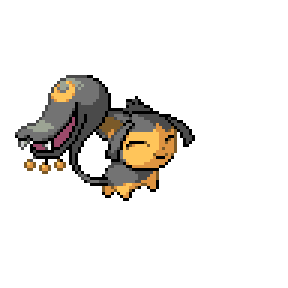
Lilveon stand still and sway their tentacles to appear as seaweed. This serves as both a defensive mechanism and a means by which they hunt for prey. These tentacles regrow quickly and contain a calming compound within them.

Cranhorn cannot stop running once they begin, so there are often warning signs in place near their habitats. The impact of their headbutt attacks is strong enough to snap a tree in half.

When these Pokémon are agitated, they drum their fists against their hard heads. This display also causes them to generate extra electricity that may fly loose from their spikes.
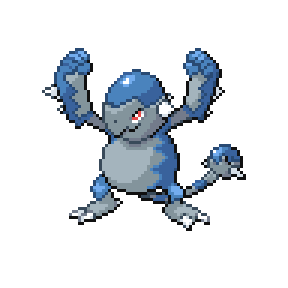
These small Bug Pokémon use their silk webbing to entangle prey and predators. When they manage to wrap enough of their webbing around a foe, they will pull themselves toward them and use their hard abdomens to deliver a concussive blow.
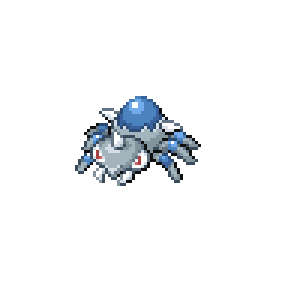
Crandos live only within caves and caverns. When a foe walks into their webs, they drop from the ceiling above, using their entire rock-hard body to deliver a powerful concussive blow directly to their head.
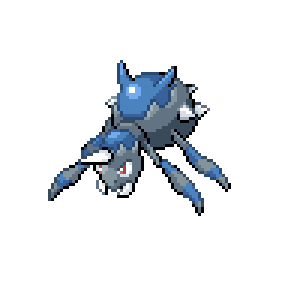
To keep the tops of their heads smooth, they rub coarse leaves along their heads. They can loose electricity from the small spikes on the sides of their necks.
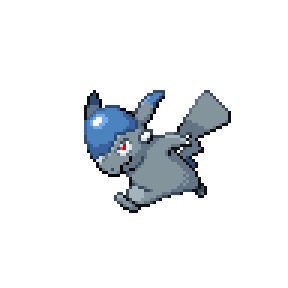
When it strikes its tail against its hard head, electric sparks fly about. It uses its tail to break open nuts and to crush berries before eating them.

In battle, Cranitty swing their tails around like flails. They are obsessed with keeping their tails cleaned and polished. The gleam of their polished tails tends to distract them, even during battle.
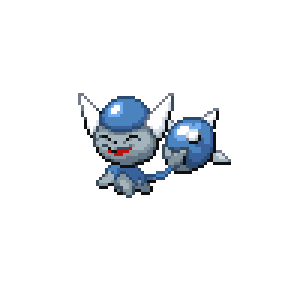
It headbutts trees to knock free fruits and nuts, then roasts them with its flames. Many gatherers have a Cranine on hand to help collect many fruits and nuts, though must keep them in line so they do not topple any trees by mistake.

These small Pokémon weave their silk webbing into small webs that can launch them like miniature springboards. They will launch themselves at their opponents like small boulders that will pulverize them into submission.

The spikes lining a Ramdos's abdomen can shoot out threads of durable webbing that ensnare their opponents. They will often reel themselves in via these threads to deliver a rock-shattering blow with the blunt tip of their abdomen.
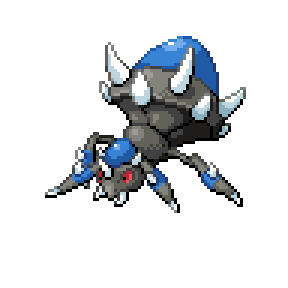
Using its feelers, a Ramveon will ensnare its foe and pull itself in toward them to deliver a crushing Headbutt attack. Even a tamed Ramveon will sometimes weakly headbutt its Trainer if they are riddled with doubts or concerns.

Its three heads were once one, which most believe is how they function with such excellent coordination. They will synchronize their headbutts to help tenderize tough ground, shatter solid rock, or to pummel an opponent from below.

Their charcoal-black furs are hot to the touch, though they will tend to be warm for their trusted Trainers. Ramnine can achieve great speeds, which carries into their devastating headbutt attacks.
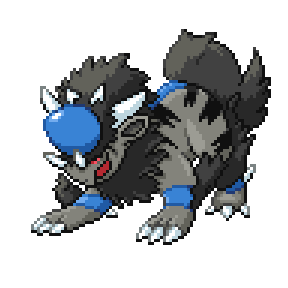
Shieloh's feathers harden over time, causing them to have once been classified as scales. Its feathers are tougher than iron and have prismatic sheens when they are properly polished.
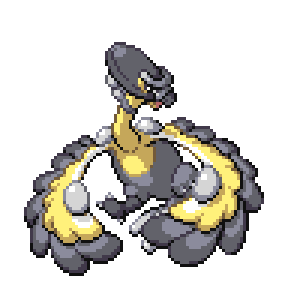
It avoids conflict as much as it can, though it will rarely hesitate to leap to the defense of others. Its face and head are tougher than diamond, so it can endure and repel most attacks.
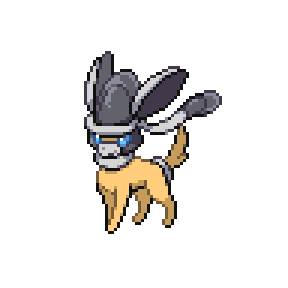
During battle, it can make its own feelers rigid and brace itself against attacks by stabbing them into the ground. It will bar the path of anyone who approaches its den and/or its young.
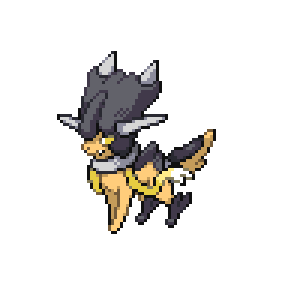
Slaking's fur has grown long and bulky due to its rest periods, which can sometimes last up to three days. When it is active, it is always focused on finding food to gorge upon, utilizing its vast strength to remove all obstacles in its way.

The single arm protruding from one of its gears is strong enough to shatter a large boulder in a single strike. Unfortunately, or thankfully, this Pokémon's strength is exhausted in a single strike and it will have to rest before it can strike again.
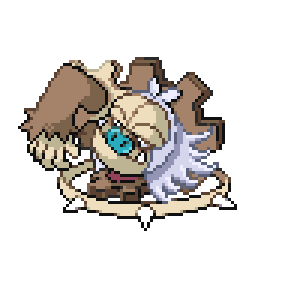
The fronts of their bodies are their softest spots, with the rest of their bodies covered in thick scales. By launching themselves with their tails and curling into balls, they deliver crushing tackles.
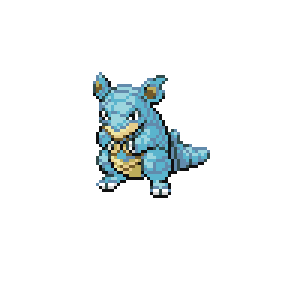
To protect its young, or its eggs, it will clutch them against its belly and turn its back lined with sharp quills toward the nearest threat. Its horn carries a strong venom, which it will ram into foes with a forceful tackle.

Abdactyl are known for their ravenous appetites and aggressive natures in regard to defending their territories. Because these Pokémon are especially fond of vegetation, farmers consider the sight of Abdactyl to be an ill omen.

Some legends claim that Abnair harbor immense power within them, with further claims that said power will manifest in disasters. They are incredibly elusive and seem to be remarkably attuned to the emotions of others.

Supposedly, its large eye allows it to witness natural disasters that may befall a locale it witnesses. Each head is capable of thinking individually, but they may also think as one on a level comparable to a Metagross.

Many Abvoir have lived long lives, with some even having outlived their Trainers and even being passed down within some families. They have a keen sense for most dangers and if they consider their Trainer worthy, will guard them from said dangers.
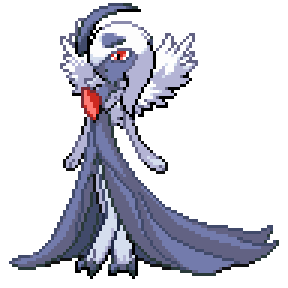
Abmence seem to be keenly aware when a severe change in their surroundings is about to occur. Some fables claim that a terrible storm will follow in the wake of an Abmence that flies overhead.
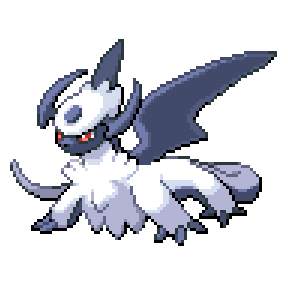
Abveon are drawn to those with troubled spirits and will offer comfort or their very strength to aid them. Their feelers can lash with such swiftness that they can churn the very air into potent Razor Wind attacks.

Abtales are highly attuned to changes in the environment as well as to the malice of others. There are quite a few towns and villages that are home to these Pokémon and treat them like guardians, for they will oft warn people of impending danger.

It is often seen looking up to the sky and staring for long times, as if there is something it senses. There are very few legends that claim this Pokémon is aware of something beyond our own solar system and that it is always monitoring for it.

It defends itself by ramming others with its hard head. It seems to always be aware of its surroundings and if another Pokémon or a Trainer draws near.

Abelgon bide their time as they store energy for their evolution. They can sense changes in their surroundings and will seek shelter far in advance of an impending storm.

Dusgey are carrion feeders that live in large flocks and move only at night. They nest within caves or thick tree canopies to avoid sunlight.

Dusotto utilize the crimson glow of their eyes and their shrill cries to terrorize their prey before descending upon them. They only target weak prey; if they can find no prey, they will feed on carrion.
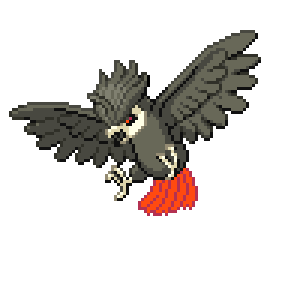
The crimson glow of a Dusgeot's gaze can even strike fear into Tauros, which is what they seem to favor as their prey. They use their strong talons to seize their prey and carry them back to their nests.

Dusgon2 were supposedly created from dead data as a means to compress, isolate, and remove said unnecessary data. The few Dusgon2 that exist are drawn to graveyards, supposedly keeping records of the deceased.

Duslow are carrion feeders that come out only at night. If they are interrupted during a meal, they will glare at the interrupter; their glares are known for instilling fear into nearly anyone.
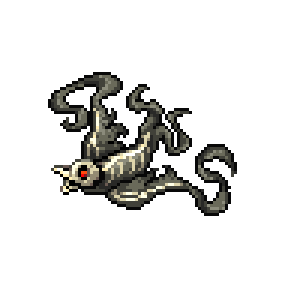
Duscxys have potent telekinetic abilities that they used to manifest their shadows as a second layer of their own bodies. They barrage opponents with Shadow Punches until they submit.

Its large eye is also its core, brimming with a sinister, spectral energy. Even as the eye focuses on one target, it remains aware of any other targets. It attacks by releasing its spectral energy as destructive blasts and beams.
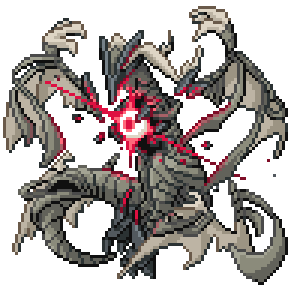
Some legends claim that Duskceus are spectral warriors that arose from the underworld itself. These Pokémon can run through darkness itself as they barrage their foes with Shadow Balls fired from the cores on their chests and powerful Shadow Punches.
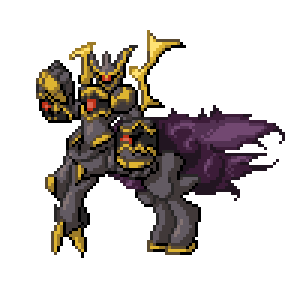
Duskrai wields a scythe made of its own spectral powers combined with dark energies. This scythe is said by many to have the power to harm the very soul without needing to cut the physical form.
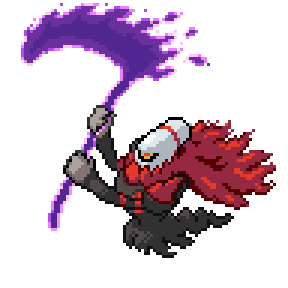
Duskdash are clad in spectral flames said to be both chilling and hot to the touch. Their stomping hooves are often said to feel as if they hurt the very soul itself.

Wailsopod are renowned hunters of the ocean, though they are prone to hunt mostly in colder seas. Though they are capable of easily skewering prey by catching them off-guard, they typically prefer to have an honest fight instead.
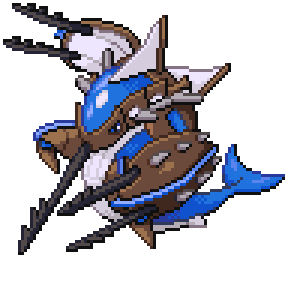
Arctor are very friendly Pokémon with branches for limbs that fruits quickly grow on. They often dance and shake these branches, scattering their fruits around for anyone to enjoy.

Although the large wings of wild Arcfree are considered a beloved sight during their yearly migrations, their actual bodies are tragically quite small. Their wings scatter countless, faintly-glowing scales with every flap.

The many eyes upon an Arcmie's rings are rumored to be capable of watching everything that occurs across the planet. While this is still just a theory, what is known is that they can launch devastating rays of light from these eyes if attacked.

The oddly-shaped horns of an Arcros are tougher than iron. Many people will collect their broken, or shed, horns and turn them into long-lasting tools.
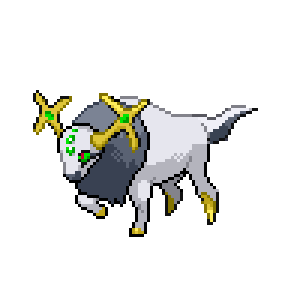
The crossing rings of an Arcdos can absorb lightning that would otherwise put this bird Pokémon in danger. They can absorb stored electricity by grasping a ring with their talons and metabolize it to continue flying.
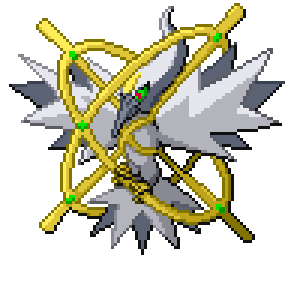
The tail fur of an Arcret is forever-growing, even if it is damaged. The longest-known tail of an Arcret spanned nearly twice the length of an Onix's body when laid flat. The trimmed tail fur is often worn by high-class people as scarves.

Arcbat have no legs to walk on and only rest during the day by hanging from branches using their tail. They have incredible night vision that aids their rapid movements through forests at night while they are hunting.

These meek Pokémon often appear to be stuck within their own, organic rings due to their fluffy wool. This is actually just a clever ruse used to lure in prey before electrocuting them.
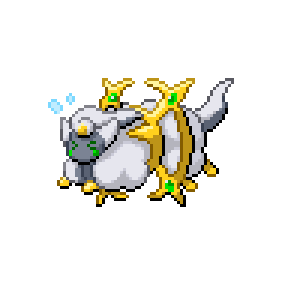
The silver and gold feathers of an Arcgeot are so beautiful that many Trainers favor them at least at one point in their journeys. The ring-like part of its body is a development born of how often they would be used to fly across regions.

Arcown are often depicted in ancient murals as the cogs of certain mechanisms. Though most of said mechanisms that have been found have fallen into ruin, there are still some yet intact that Arcown will often be living nearby.

Arco hang from cave ceilings and tree branches as they wait for prey to fall upon. They can spin their bodies so fast that the ring around their bodies can cut through trees like sawblades, though they will quickly tire and become dizzy.

Wild Arctress often use their tails to hold onto tree branches and swing themselves around to gain momentum before throwing their iron-hard bodies at prey. Their tails are remarkably powerful as a result, but are too short to be as useful in battle.

Wild Arcsparce spread their wings wide and bare their drill-tipped tails at their foes to intimidate them. If this fails, they will either use their wings or their tail to escape because they are incredibly weak.

The shells of Arckle are reminiscent of an Azure Flute. When wind blows against them, their shells will emit a soothing melody.
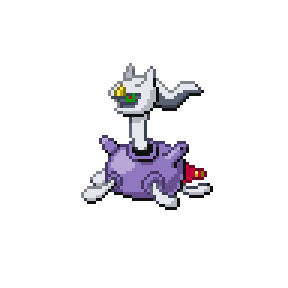
The belly mark of an Arcring will glow brighter the more excited it becomes. They live for the thrill of combat and use the peculiar tools crafted from an unknown material to reinforce their punches.

An Arcllery's many eye-like suckers along their tentacles will often help them to frighten prey and catch them off-guard. For tougher foes, they will constrict them with their tentacles and loose a beam of pure energy from their one, large eye.

The oddly-shaped antlers of an Arctler function like tuning forks for the psychic powers laying dormant within their green orbs. They are a protected species of Pokémon because of how sought-after their antlers are.
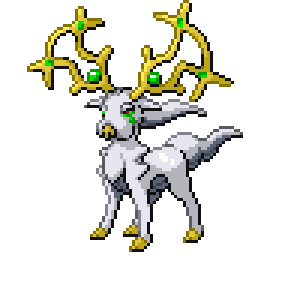
Archum are so prideful of their looks that they use their meek psychic powers to keep themselves off the ground to avoid the dirt. They will cry loudly if anyone manages to get any form of filth upon their faces.
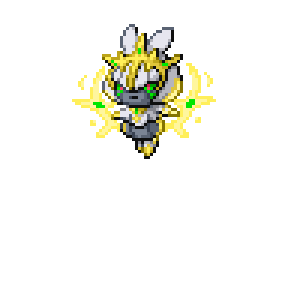
There are some murals from over 1000 years ago that depict these forest-dwelling Pokémon at the exact same size and appearance as seen in modern times. Some once believed they could traverse time but, in actuality, they are just very long-lived.

These young Pokémon often play with their own ring by spinning it around. Their arms often end up surprisingly strong as a result, making them able to spin this ring fast enough to deter predators.

Arcmega often are seen playing with Oran Berries, spinning them within the indents at the tips of their tails at such speeds they almost look like a globe. When threatened, they defend themselves with deafening Sonic Booms loosed by their wings.
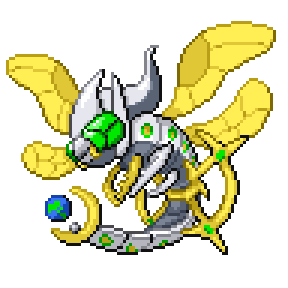
Arceon are almost always accompanied by a wreath of solid ice they use for offense and defense. The sharp tips of their feet allow them to stay steady atop ice and to skate effortlessly across ice as well.
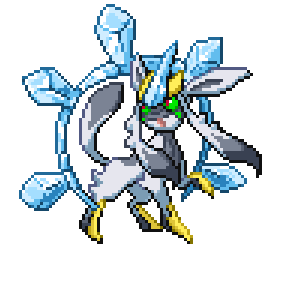
The arm favored most by an Arcbusken is the one that grows clad in gold scales like armor. They enjoy battle, but do not antagonize others, instead using it to hone their skills.

Arcziken use their cape-like manes to daze their enemies as they perform combos of punches and kicks. If that were not enough already, they can also release bursts of flames from the soles of their feet to accelerate their kicks.

An Arckip's peculiarly-shaped cheek fins are as rigid as the beds of riverside rocks they make their nests amidst. These fins can resonate with their cries and help them to travel further to communicate with others of their kind.
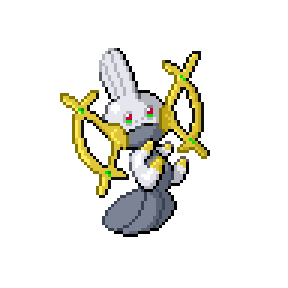
The twin-pronged fins upon the cheeks of these Pokémon help strengthen their cries to make it easier for them to pulverize large rocks. Those with the longest cheek fins are the ones that other Arctomp will typically follow.

Arclia control three separate rings using their telekinetic powers. These rings serve as weapons, shields, and short-ranged portals through which Arclia will often dance and jump through. These portals are connected only to one another.

Arcvoir are incredibly loyal to their Trainers and wield their immense, otherworldly power to protect them. They use this power to defy gravity and will use that same concept to create a black hole as a last resort to protect their Trainers.
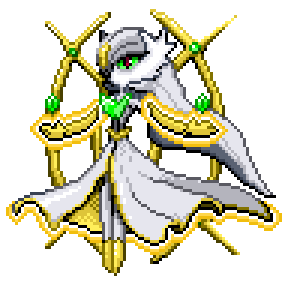
Arcwile are very friendly Pokémon that love to make friends and love to bring gifts to others. However, if anyone steps upon the long, draping horn of an Arcwile then it will fly into a rage and flail it around like a powerful whip.
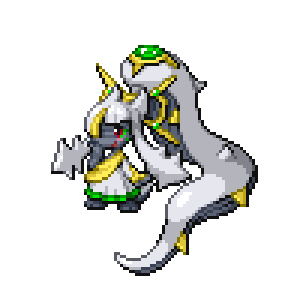
Stories claim that Arcskull use their antenna to communicate with the afterlife so they know which spirits they must guide. Yet, in spite of these stories, these Pokémon often spend their time spreading terror through pranks.
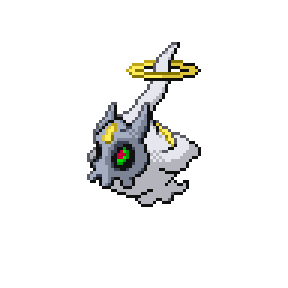
Arcray are sometimes spotted atop cliffs, watching far below with their powerful eyes. They can call upon lightning itself with their roar and will let loose their most powerful bolts upon those they judge are worth such power.
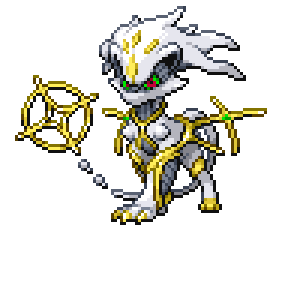
Researchers are still studying how the hollow wings of an Arcgon allow it to fly as well as it does. These very same wings are often used in wind chimes.
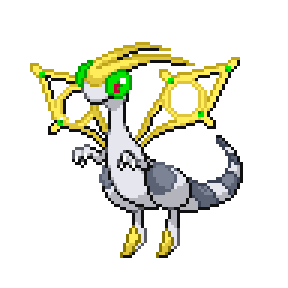
Their wispy bodies grow and shine the more energy produced by their constantly-spinning rings. Their rings offer a radial defense and can release bursts of energy to deter or defeat foes.

Arclurk can deliver devastating blows with their massive limbs or coil their legs inward to unleash energy blasts like cannons. Their green orbs glow when active, and if the light fades, they immediately rest.

The core of these space-bound Pokémon are often thought to be able to shine so bright they are mistaken for the stars of a night sky. Some observational data has shown that they destroy approaching asteroids and feed on the debris.
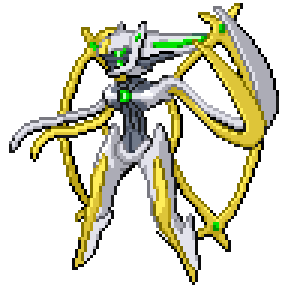
Wild Arcrachi drift in the sky like little stars as they sleep. When they awaken, they fly toward the nearest source of light in hopes of meeting people or other Pokémon.

Arcinch can never seem to eat enough, though thankfully they can sustain themselves on rocks and minerals. When their powerful Crunches are not enough to defeat a foe, they will spew a powerful energy attack instead.

Arcink are very small Pokémon with bright green cores so often visible. They can spin their golden ring so quick, and so suddenly, that defense is rarely a concern for them.
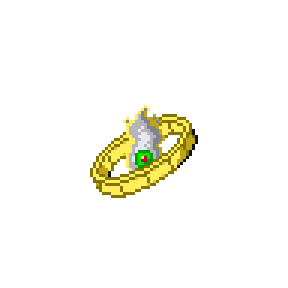
Its bright green core serves as an eye as well, which can stare unblinking and almost never lose sight of a foe. Its two rings are always spinning to produce and store energy within them, which can be loosed offensively or defensively.

The flame at the tip of an Arcmander's tail shines like a miniature sun, although it is only slightly hotter than a candle's flame. Young Trainers often favor having one of these Pokémon around to help them navigate dark tunnels.
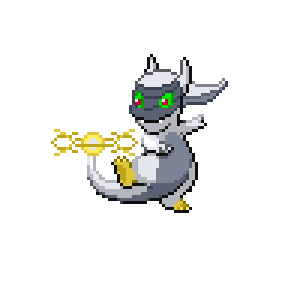
Arctuff are incredibly innocent, bordering on pure naivety, and will often trust just about anyone. Once they finally realize they have been tricked, they will slap their betrayer with their large hands.

Arctrum are believed to have lived over 1,000 years ago without their kind fully dying out to this day. As proof of their survivability, their bodies have adapted to survive in many environments and pack enough power to fight off most foes.

These Pokémon are often found near sites of petrified trees, be they cut down or still standing. They have shown to be gentle and docile, caring only to nurture trees and protect them.
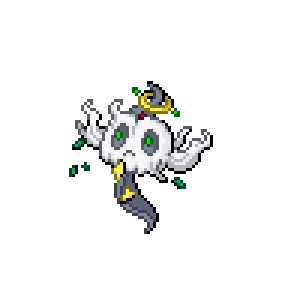
These Pokémon are commonly believed to be spirits born from ancient, petrified trees that were felled prematurely. Yet they harbor no apparent malice unless their forests are threatened and are content to tend to and continuously grow their forests.
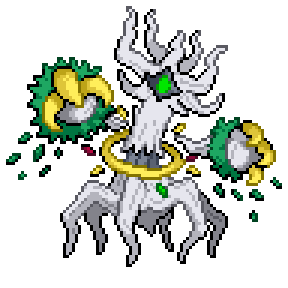
These meek Pokémon typically hide within their cloud-like feathers and only peek out when their curiosity gets the best of them. They can be heard humming gentle songs within as they absorb and metabolize sunlight through their large rings.

Some stories still remain that claim its body is made of the same material as some ancient ruins that are claimed to predate most civilizations. One strike from this Pokémon can easily shatter a boulder over twice its size.

Their bodies are made of solid ice that refracts light like a prism, so they often look different depending on the perspective. They fight with ice created by the frigid air they exude or by focusing light into harmful rays.
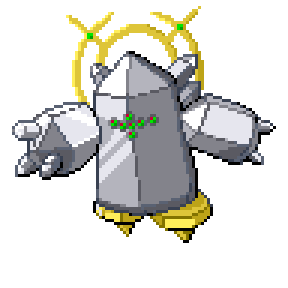
Arczma focus light through the organic lens upon their heads into precise, hot beams. They never come out at night, not even for their Trainers.
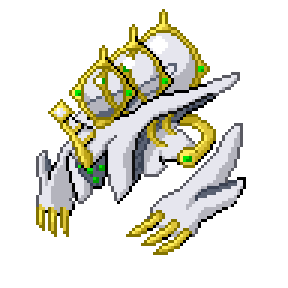
Arcroc clad themselves in a thin veil of light as they quickly move around their opponents, dazing them with their swift movements and dazzling light. Trainers who raise them with kindness will have a very loyal companion who often seeks to cuddle.
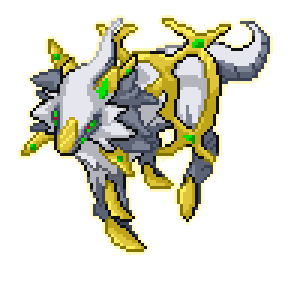
Arcroc emit bright flashes of light from their rings when they howl. While their opponents are still dazed, they will claw at them with powerful Slash attacks and finish them with a hard Headbutt.

Arcetta sing only one day every 1,000 years, their songs reaching the ears of those that are miles away. Their skirts shimmer like space itself and their golden locks are reminiscent of the sun itself, causing many to portray them as cosmic singers.

They regularly smack their own scales together or against objects to express themselves or to scare others away. They shed many of their scales as a result, though they seem to grow back a little bit better than before.
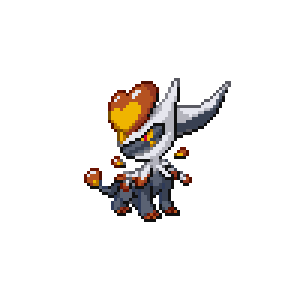
Arcmo-o fight others often, training their bodies for when they must wait for their scales to regrow. Each time their scales regrow, they are harder and sharper which makes their trained bodies all the more dangerous.
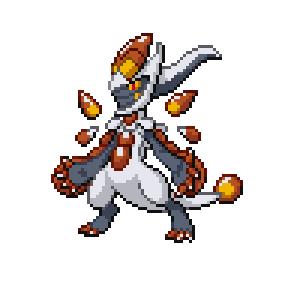
Arcmo-o clash their scales together to emit myriad noises that disorient or unnerve others. There are few enduring legends that claim an Arcmo-o's scales will reach their pinnacle after being shed and regrown a 1,000 times each.
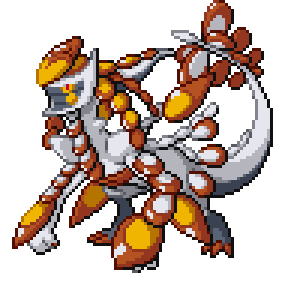
The antennae protruding from an Arcphox's ears will glow when they concentrate their thoughts on a single thing. They can concentrate their psychic energies upon the tips of their wands and release it in myriad ways, such as a beam or as flames.

Arckaboo vary in size at remarkable variance, which seems to be influenced by how well-tended-to the fields they live near or within are. A common tall tale among farmers tells how a poorly kept field will give rise to at least 1,000 tiny Arckaboo.
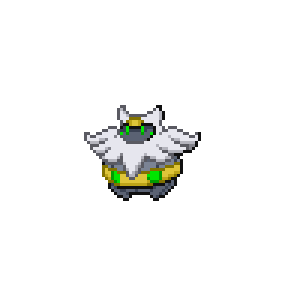
Arcgeist are not inherently malicious, though they do feed on the suffering of others such as prey or even the suffering of plants. They can often be found near fields that are poorly maintained, where they will have plenty of suffering to feed upon.

Arcty wear their own shed skin as a protective coat they can pull on to deflect some attacks. Though they mostly fight with powerful kicks, the tails of their shed skin can also serve as effective whips.

The flame at the tip of their tail has grown hotter upon evolving, though the light it provides has stayed the same. Their claws have developed to be strong enough to dig through rock due to them so often accompanying Trainers through tunnels.
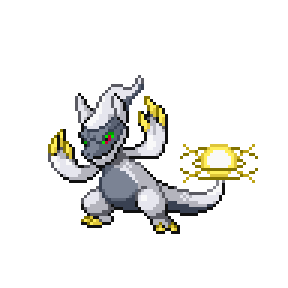
The crystalline lower half of this Pokémon captures and refracts light, glimmering with "strarlight" from the energy it produces in the process. It has the power to create crystals, be it for combat or as gifts for its friends.
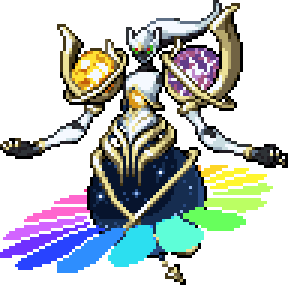
Arctyena move with graceful swiftness, even as they assail their foes with precise rays of light loosed by the rings upon their backs. There are a few stories that claim one of these Pokémon once led 1,000 of its kind as a pack.
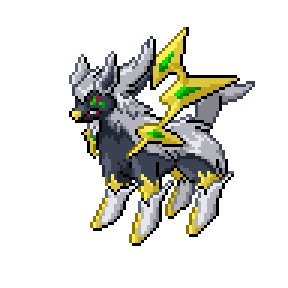
Arcscoon move by loosing sticky threads from their golden spikes, which they are remarkably skilled at doing. Though they can swing themselves into threats, most would prefer to suspend themselves high off the ground within a web of their threads.
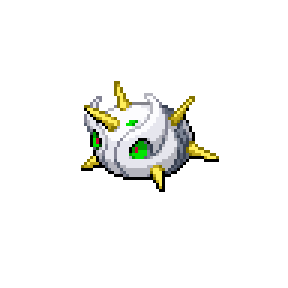
Arcdol's eyes can each watch their own targets without a loss of focus or a lack of precision to their attacks. Their arm cannons can detach and loose streams of light all around them to quickly dispatch threats.

Arcecho fly about with the use of their weak telekinetic abilities. Their rings resemble halos to the eyes of many others. Some old tales speak of their lower halves as being an inspiration for the use of stained glass in religious works.
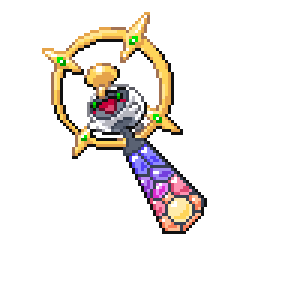
Arcamo are incredibly small Pokémon that live near sources of electricity, especially near cities and towns. They use electricity to fly and will attach themselves to machinery to absorb electricity. Many consider them to be a nuisance.
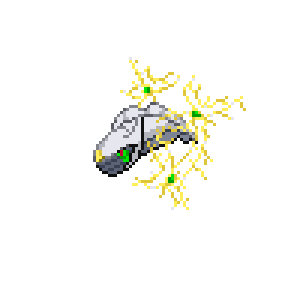
Arclektrik attach themselves to prey using their suck-like mouths and electric fangs. For tougher prey, they can use their pointed tails to stab at them and to electrocute them.
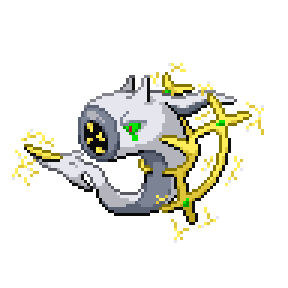
The ring-like growth along the back of an Arctross helps them to discharge excess electricity. They attach their sucker mouths to their foes and strike at them with repeated Thunder Punches until they give in.

Arcizard have so often come into battle with cave-lurking Pokémon that they grew to love battling. The harness-like organic plating on their bodies is supposedly a means to help them train their various muscles to be in peak physical form.
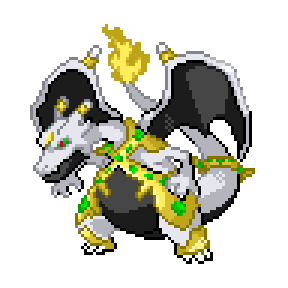
Arcbro are very long-lived Pokémon with the figure of a shadowy Pokémon biting upon their tails. They constantly forget that these shadowy Pokémon even exist, which seems to infuriate them and make them bite even harder.
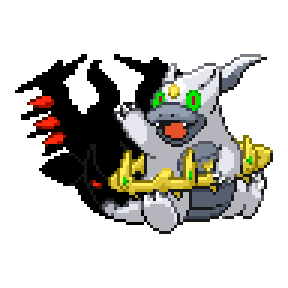
An Arcfetchd's most prized possession is the stick it so strongly holds onto within its talons. Despite how it looks like a staff, this Pokémon typically uses it to strike their opponents upon the head.

Wild Turquil often trot around happily, but will release flames from their backs when startled. Their strong jaws are hard to escape from before they breathe puffs of fire.
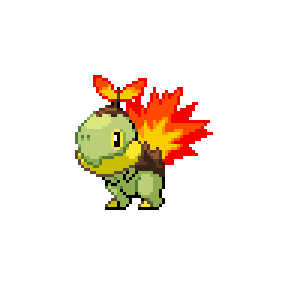
Turcko live in areas with rich soil, clean water, and strong trees. The vibrancy of their tails is a sign of how healthy they are; a rich, bright, and verdant green indicates when a Turcko is in perfect health.
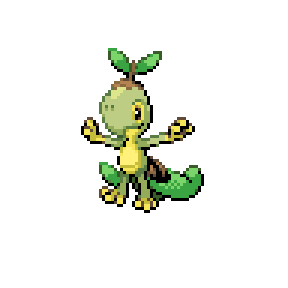
Turchic are always quite warm to the touch; their warmth helps their head sprouts resist winter cold. During hot weather, they often lounge in puddles to keep from overheating.
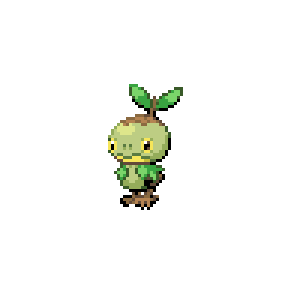
Its shell hardens as it drinks or lies in water; any moisture seems to apply the same, so it may lie in fresh mud as well. By spewing jets of water and using its broad tail to churn dirt, it can create its own mud with relative ease.
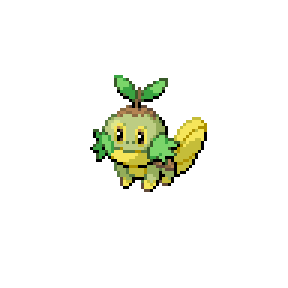
Tureon's shell is made from soil, hardening when it is hydrated; if they ever drink foul water, their shells become black and harder than rock. Tureon use their sharp claws to climb trees in search of fruit to eat.
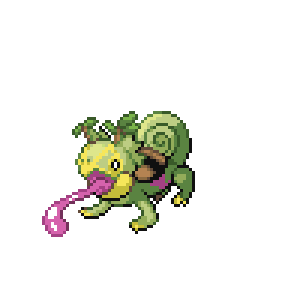
Turpass have an uncanny ability to locate sources of water, even if they are underground or otherwise obscured. Quite a few Pokémon Rangers have at least one Turpass in case of emergency.
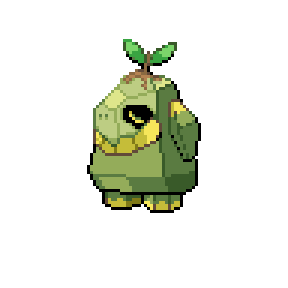
Turkoth sleeps for many hours each day, and the first thing it does when it wakes up is pad damp mud or soil upon its head around its sprout. It has strong jaws that allow it to eat very tough foods, so it never struggles to find a meal.
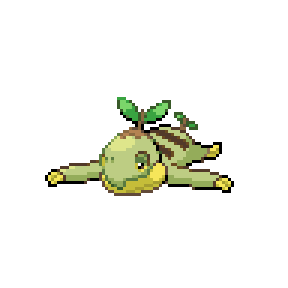
The shell upon its back is made of soil mixed with various metal minerals, and it hardens whenever it consumes water. Its jaw is so strong that it can bite through train track rails as if they were twigs; it will eat raw ores and refined metals.

Their strong hind legs allow them to break out into quick dashes at a moment's notice, even during battle. They can easily crack open nuts with their strong jaws and roast their insides before eating them.

Grochic tend to play in water regularly to help regulate their own temperatures due to their internal flames. Their leaves absorb water and sunlight, so they rarely need to drink and may sometimes go hours without eating.
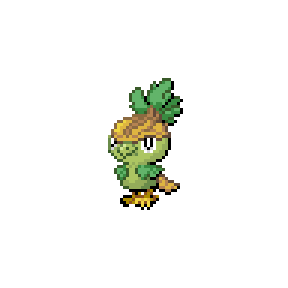
Using their powerful jaws, Groeon eat every part of nuts, shells included, and break into trees to drink the sap within. The hues of their flesh change to match their surroundings the longer they live in a single area.

Gropass never lose their way, even in particularly dense forests or jungles; their footsteps have long served as natural trail markers. Though they dislike being exposed to a sudden, large amount of water, they love to let rain fall upon them.
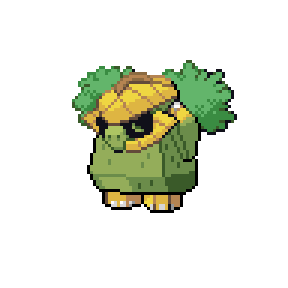
Their stout hind legs can hold up their heavy bodies clad in burning vines and burning small trees. The trees and vines on their backs may always be burning but they will never turn to ash, no matter how hot their flames get when enraged.

These Pokémon are often compared to certain depictions of prehistoric Pokémon, primarily due to the sturdy spike-like plates lining their backs. They headbutt trees to knock free the fruits within to eat and send foes flying with their thick tails.
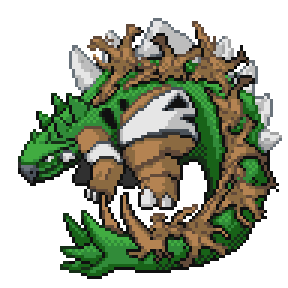
To keep themselves and their trees healthy, they lounge in damp mud and deep puddles. There are many who enjoy trimming their trees in various ways, which even Torkip seem to enjoy having happen.
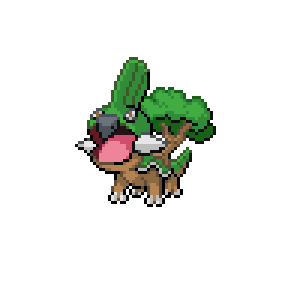
Many consider it to be a juggernaut in a class of its own when it comes to combat. With a single swing of either of its arms, it can shatter large boulders. Its sizable tree indicates its health; if the leaves wilt, its strength wanes.
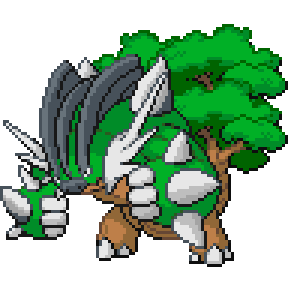
The leaves of its tree change colors with the seasons and in response to its health; signs of illness are when the colors become darker. Toreon primarily carries its young on its back, though it may carry other young Pokémon on its back as well.

Small Pokémon often perch atop Torpass's tree, as it can always find water and food with ease; it also rarely gets lost, so many refer to it to know where to go. Due to its magnetic field, pieces of metal often get stuck to it and within its tree.
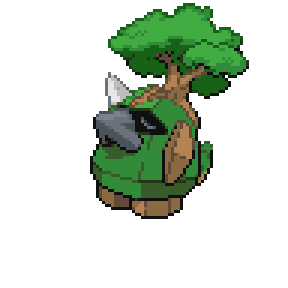
Torxorus tend to walk on all fours when not in battle, the lush conditions of their shells offering at least a refuge to other Pokémon. In battle, they use their forelimbs to grab hold of their opponent and slash them with their axe-like tusks.

Tortales spread their leaf-like tails during the day to maximize the amount of sunlight they absorb. Coursing through each of their tails is a special fluid packed with nutrients, though this fluid burns to the touch for most beings.

Tortales's nine tails are hardy roots, the tips of which it buries into the ground whenever it rests. Its tails glow warmly with sunlight, which it can convert into beams of energy or into flames.

Torelia are often seen taking care of smaller Pokémon, protecting them and letting them eat the small, delectable berries that grow upon their bush-like limbs. The spikes on their heads release irritant toxins when the tips are touched.
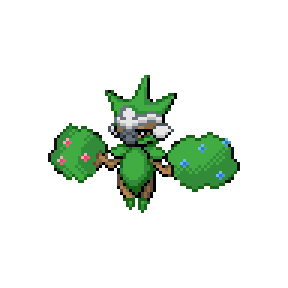
It can quickly scale rough, vertical surfaces such as trees and cliffs in search of a place to live. By beating its hands against its chest, it can agitate its internal flame sac and prepare itself for battle.
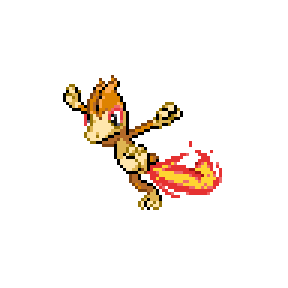
It is a bundle of energy that will spit fire at anything, be it as an act of aggression or as a playful performance. By rapidly stomping its feet in place, it readies itself for battle.
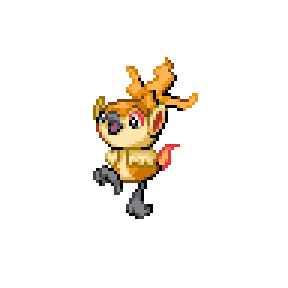
It can climb a fully grown oak tree within a minute when it is fully rested; it can climb even faster if it is hungry enough. It engulfs its curled tail in flames to intimidate others but will shift hues to blend in and try to flee rather than fight.
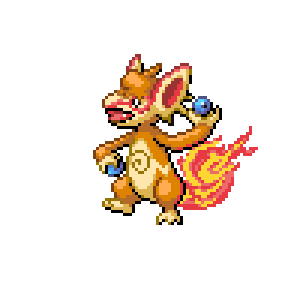
Chimon live within and atop craggy mountains, scaling rough terrain with fire-boosted leaps through the air. They burn coal and metal ore shavings within themselves for energy.
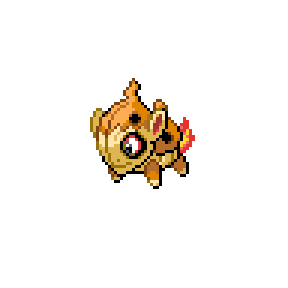
It shoots fire from its tails to intimidate others and for bursts of speed. To protect itself or others, it will clad itself in fire and launch itself into its foe with all its might.
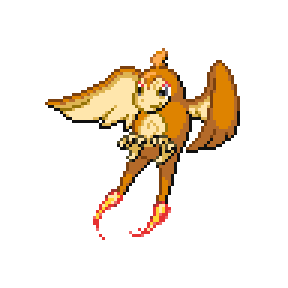
It secretes a flammable oil from the top of its head, which burns slowly; when agitated, it produces even more oil, causing its flame to grow. It moves nimbly across pond surfaces and flat terrain in search of food. It loves roasted tree nuts.
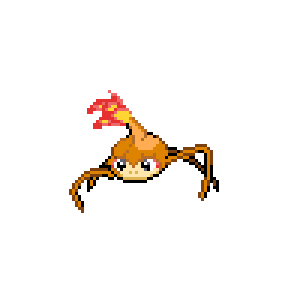
Nidobone collect rotting, or rotted, Pecha Berries to coat their skulls in, keeping them clean and polished. What is leftover will be consumed, which seems to keep their bodily toxins potent for the sake of protecting themselves.

Their vibrant colors serve as a signal to others that they are poisonous Pokémon. Though their horns deliver their poison best, they secrete poison all across their scaly bodies.
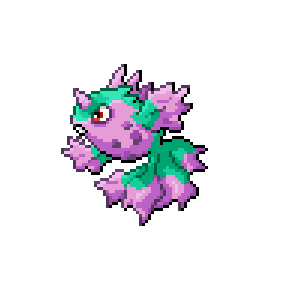
These Pokémon communicate with chirps of various pitches, their ears serving to hear these sounds from, at most, a mile away. Because their bodies grow hotter as they remain active, Nidoling do not need to migrate for winter.

Moneon can change the colors of their bodies, all except for their vibrant facial markings and the zigzag patterns on their bellies. If their cover is blown, they release flames along their tails and pound on their chests to intimidate their foes.

Monon can control the flames upon their tails rather well. They can enlarge their flames to intimidate others or concentrate them enough to soften or even melt rock. They consume any molten material they create, be it metal or pure rock.
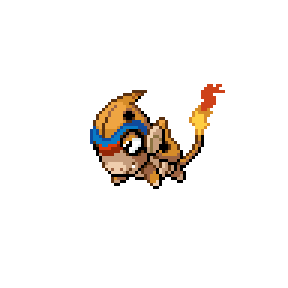
It vents fire from the top of its head to appear larger than it is; these flames die out whenever it sleeps. It can jump rather high and will use its tail to grapple onto foes or objects to perform acrobatic maneuvers.

Infereon fight using every part of their bodies, including their tails and long tongues. They can change the colors of their bodies to avoid conflict, though they typically only do this when they are too hungry to fight.

Inferlup fight with fire and precise tail strikes, given how small their limbs are. They are incredibly prideful and quick to anger, with the flames on their heads reflecting their tempers within seconds of being angered.

It delivers strong blows using its tail and stubby limbs and unleashes flames hot enough to melt most metals. It is often seen helping blacksmiths with keeping metals hot and using its strong tail to help with the forging process.
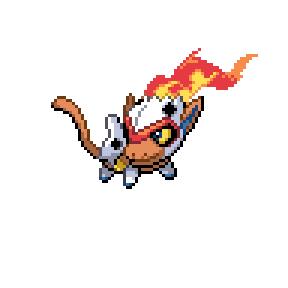
Pipsaur trot along the beds of shallow seas, though they are more common in colder waters. They live through photosynthesis, the oxygen produced being released as bubbles from the bulbs on their backs.

It insists on climbing trees to find leaves to eat and will not touch leaves that have fallen, no matter how hungry it may be. It exudes a powerful odor reminiscent of the sea from its antenna to deter predators, though some find it more enticing.

Pipfree's wings are clad in a poisonous, water-repellant powder. They are most prominent when it is raining, but they will scatter and hide at the sight of lightning or the sound of thunder.

Pipsir use their pincers to grab and shake trees to knock free their nuts, berries, and fruits. If nothing falls from these trees, they will crush the tree in two. They spit bubbles to clean their food before eating it, no matter the type of food.

Supposedly, the "crown" it wears was acquired from a Venusaur's flower, though many are skeptical of this due to how weak this Pokémon appears. It is known, however, to be very fond of the pollen produced by Venusaur flowers.

The bubbles spat out by these Pokémon are coated in their oily saliva, which allows them to last until forcefully popped. They are popular with young humans and young Pokémon for how they love to perform tricks with their bubbles while swimming.
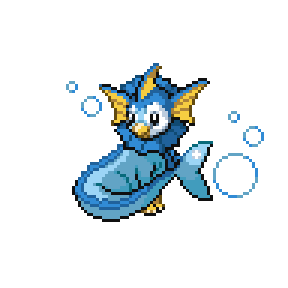
Pipreon are known for their cool, luscious fur and the pride they carry over their own fur. Their fur is laced with a slick oil that helps them to regulate their temperature, though it will foam and bubble when they get extremely hot.

Piprita absorb sunlight through their leaves and dip their leaves into water, which is all they collectively need to stay nourished. During summer, when the sun is shining at its brightest and hottest, these Pokémon use their own leaves for shade.

Its leaf exudes the scent of the ocean, even though this Pokémon lives further inland near lakes and rivers. To defend itself, it will spit compressed bubbles, which it can launch even quicker by swinging its leaf about.
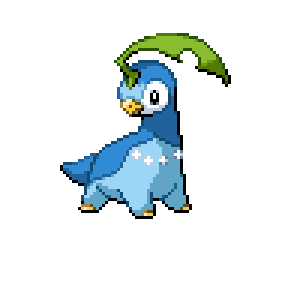
Pipgey are infamous at seaside locales due to their habit of stealing food from others; handouts, or even offerings, are never accepted. They dislike battling, and wild Pipgey will spit plumes of bubbles to cover their escape rather than fight.
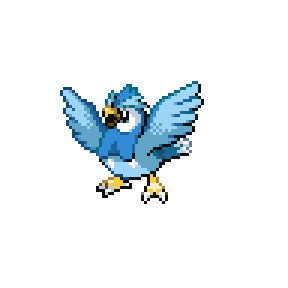
Pipotto are so prideful that, even if hungry, they will not prey upon any Pokémon but those they beat fair and square. They will spit many bubbles to confuse their foes before swiping at them with their sharp talons.
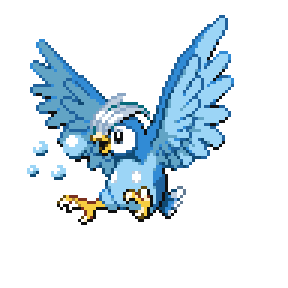
Pipchu are energetic Pokémon that often stumble while they run about, which causes them to discharge their electricity. They are extremely prideful despite their failings, so they seldom accept any help from anyone.
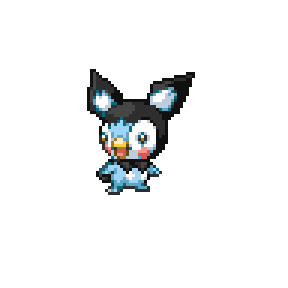
Its head feathers are covered in a glossy, waterproof film. The shine of its head feathers is a source of immense pride to itself and an alluring sight to many others.
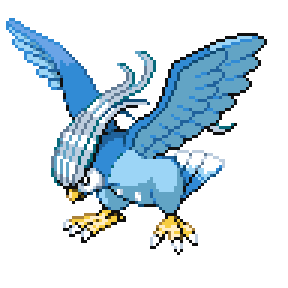
Pipsaur scrape off algae that grows on coral with their beaks, with any consumed coral being digested and excreted as a fine, white sand. All other nutrients are gained through the developing bulbs on their backs, which grow as steadily as they do.
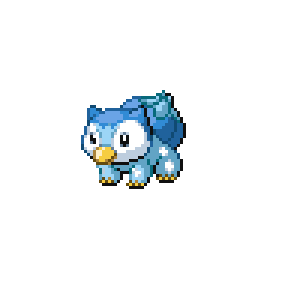
Wild Pipsaur have often wandered into gardens and farm fields, using vines to absorb some of the nutrients and water in the soil. They hate to receive help and will lash out at any person or Pokémon who waters their bulbs, even if done accidentally.

Pipcross are notoriously ill-mannered, as they hoard their liked foods and refuse to share with others. Even though they are willing to fight over food, their pride is so fragile that if beaten, they will throw a tantrum and sulk when tired.

Piprow with this color are so full of themselves that they barely perceive other Pokémon as threats until it is too late. If anything gets dirt or grime in their feathers, they will emit ear-splitting shrieks.

Pipchu will repel others with electric bolts, even for the sake of rejecting assistance due to their pride. They are clever Pokémon that, rather than risk climbing, will shoot quick bubbles to knock down berries to feast upon.
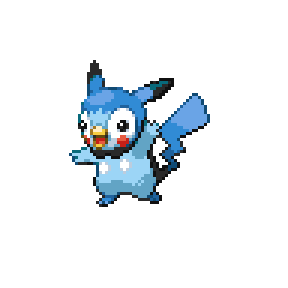
Pipcko have small hooks along their feet that allow them to not slip while walking on ice; despite this, they do love to slide along their bellies. They are highly prideful, so they often end up competing with others.
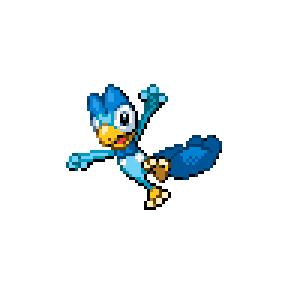
Pipchic are incredibly energetic Pokémon that often trip as they run around. Their excitability causes them to be quick to lash out with scalding, fast-launched bubbles at anything or anyone around them after they have fallen.

It is often mistaken for a Torchic, even up close, which allows it to blend in with flocks of Torchic and steal some of their food. What usually causes its identity to be revealed is that it will spit out warm bubbles when it is happy.

Pipeon are a prideful species that often compete with each other over food and mates. To keep their eggs warm, Pipeon wrap their tails around them; Pipeon eggs have hue-shifting properties, so they usually go unnoticed by predators.
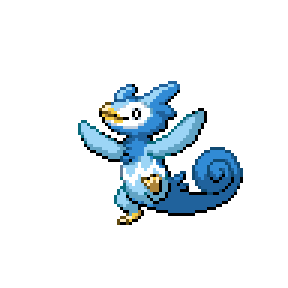
This Pokémon uses its beak to break open nuts & hard fruits and to scrape away at moss on rocks or trees. It lounges in gentle streams and rivers with its bulb and leaves above water, while its body is fully submerged.
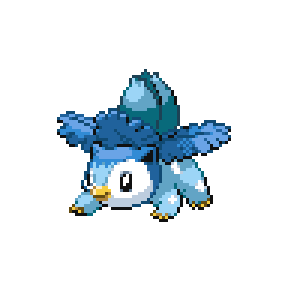
Pipsaur flowers produce a special sap that, when mixed with water, will give form to bubbles that typically last until they are popped. Their saliva has a similar property, which allows Pipsaur to spit bubbles at their foes.

Pipwile are too proud to accept food from others and may even ignore food that has fallen without any effort made by themselves. Their large jaws, however, will eat up food while Pipwile have their backs turned.

Pipass have bodies of dense fat, which keeps them warm in colder climates. They all seem to have an innate desire to reach the northern magnetic pole of our planet; during winter, many Pipass attempt to traverse the sea to reach this pole.
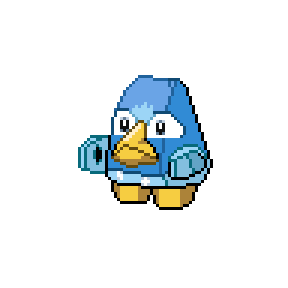
Pipon take immense pride in keeping their steel-like armor clean and shiny, and they become furious if anyone dirties them. Despite how heavy they are, they are very capable swimmers.
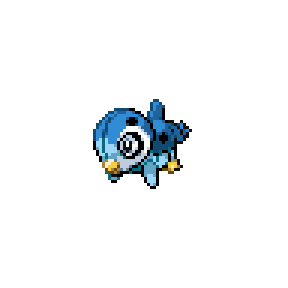
Pipelia's flowers are uniquely capable of expelling air, which it uses to create bubbles from its flowers' special sap. The sap of its flowers is quick to froth with water and friction applied, so it is commonly used in cleaning products.
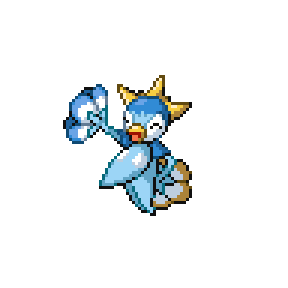
It secretes a special oil from the tip of its tail that foams and bubbles like soap when exposed to water. Its entire body heats up when it is angry, which also causes this oil to foam and bubble; no other application of heat has this result, though.

Piptle are arctic Pokémon that love to slide across ice on their bellies, though some also enjoy sliding on the backs of their shells. They struggle to get up off their backs, yet they will never accept help.

Their two heads have a strong bond, but they also have their individual senses of pride. Although their two heads evenly split food between themselves, if either head tries to share food with the other, a fight between them will soon follow.
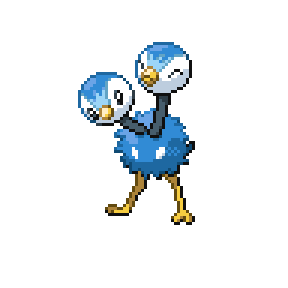
Prinsaur utilize the seaweed growing upon them to lure and ensnare small prey. Despite their size, they are strong swimmers that can swim against currents to at least some degree.

A tropical, sweet aroma is exuded from the curled-up leaves around their necks. By waving their leaves, they spread this aroma to soothe enemies. Their leaves are sharp enough to slice through the hardest nuts and berries thus far known.

A soothing, tropical aroma wafts from its petals, even when it has been agitated. It lives a solitary life due to its ability to revive some dead plants with its breath, which it was once exploited for.

Prinsaur are considered boons to many other aquatic Pokémon, as they produce oxygen-rich bubbles from their bulbs through photosynthesis. They seem to be aware of this and are quite prideful as a result.
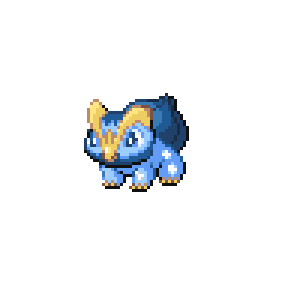
Prinsaur grow remarkably dense with muscle as their bulbs grow with every day and often compete with one another to see who is strongest. They are horrifically prideful, to the point that whichever one loses will leave its pack due to its own shame.
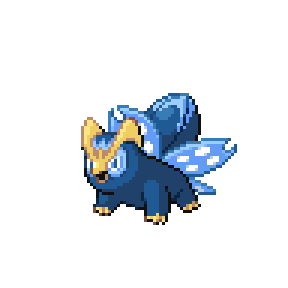
Princross are too self-centered to live with others, even those of their species. If two Princross ever meet, they will cross horns and battle with no regard to the damage they cause.
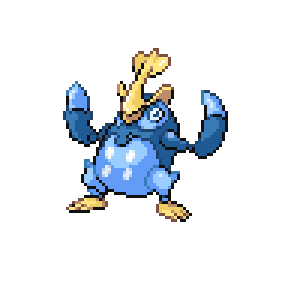
Princhu live solitary lives due to their immense egos, yet they have been known to help Pokémon of other species by leaving food for them. They will go so far as to use their electricity to roast hard berries and make them tender for young Pokémon.
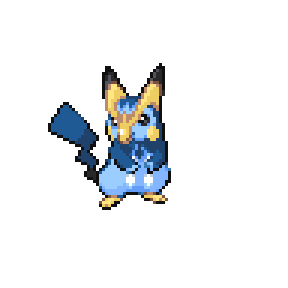
It generates a static charge by rubbing its cheeks, the power of which it will store within itself. It believes itself to be superior to many due to how much power it can store within itself.
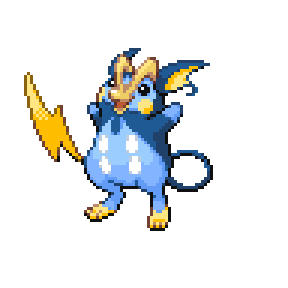
Princko live alone, within and around the trees in boreal forests. Though they are not violent with others of their species, they regularly express disdain if they come across each other.
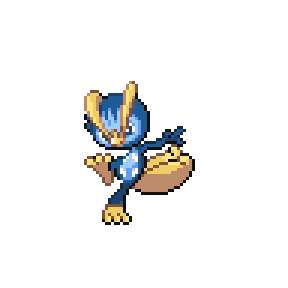
It uses its hard beak to open nuts and crush up fruits. It has a penchant for cleaning its food with water so hot that the food gets partly cooked in the process. This may be why it prefers certain nuts and fruits that have more flavor when cooked.

Prinbusken are very proud of themselves and their fighting styles, to the point they clash with one another to prove which of them is stronger. Unfortunately, this innate pride causes them to shun, and potentially outright abandon, those who lose.

Prineon take turns caring for their young, teaching them basic survival skills, and taking great pride in those who learn quickly. If baby Prineon become separated from their parents, they camouflage themselves and wait for a parent to return.

The sap of their flowers has properties reminiscent of soap, but it is also very aromatic and sweet; thus, it attracts many other Pokémon. Prinsaur act annoyed by the presence of Pokémon, yet they typically carry them on their backs nonetheless.

Although it prefers to remain by itself, the scent of its flower attracts a myriad of Pokémon to it. Perhaps consequently, it trudges down to the seabed every day and feeds mostly on algae and seaweed.
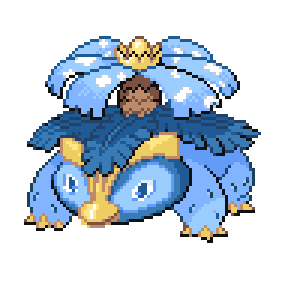
Prinlow is a prideful loner who often clashes with its own kind whenever it crosses paths with them. Its small beak allows it to easily utilize compression as it fires water and bubbles at its foes.
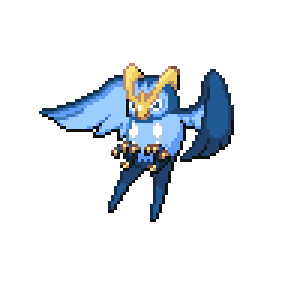
It defends itself from predators by jabbing at them with its three horns, which secrete a weak, neurotoxic venom. It scrapes at algae with its beak to keep its body nourished, while its bulb survives through photosynthesis.
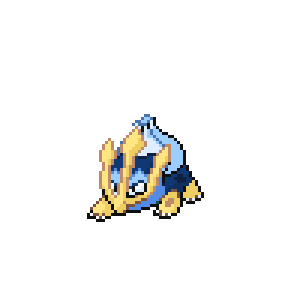
It keeps its horns sharp by grinding them against the hardest rocks it can find; it's only satisfied when it can impale a tree with them. It uses its wings to swim swiftly and skewer prey upon its horns, surfacing when its horns are heavy with food.

The Empocuno with the largest horns is the leader of its pack and will proudly show off its might in battle to prove itself time and time again. They can spew powerful jets of frigid water from their beaks, even from high in the sky.
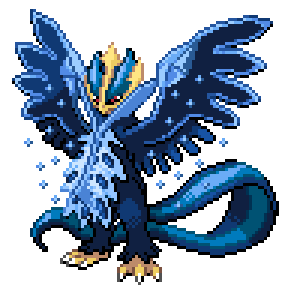
Their antennae grow longer in tandem with their horns as they grow older, which serves to garner more respect from others of their kind. They are docile Pokémon who solely focus on keeping the plants in their domains healthy and alive.

Empogeot with long horns are the leaders of their flocks, though this does not stop others of their flocks from challenging them. If any of their three horns are broken, their morale plummets and they will exhibit signs of depression.
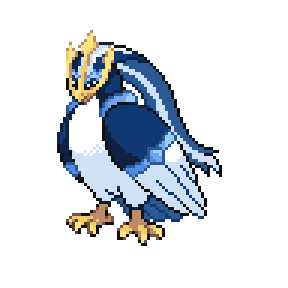
Their impressive horns never cease growing, so even though they are a source of pride for them, they must routinely whittle them down. Empocross use their sharp forelimbs to cut into trees and gorge upon the released sap.

It is strong enough to uproot a large tree without even using its powerful horn. It has a fragile sense of pride that makes it easy to provoke it, even over the smallest of things.
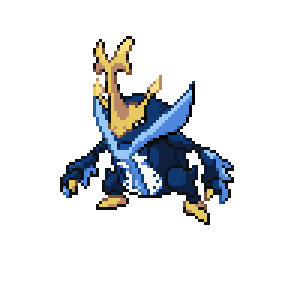
Its cobalt-blue gems are the greatest source of its pride. Should its gems ever be made dirty, it flies into a rage that lasts for nearly a whole week. Its talons are said to be so sharp that they could gouge solid diamond.
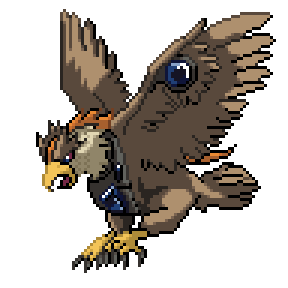
Empovile hunt in groups of at least five, swiftly "skating" along ice while using their wings to quickly adjust their movements and seal off their prey's escape. With their sharp wings, they make precise cuts that quickly fell their targets.
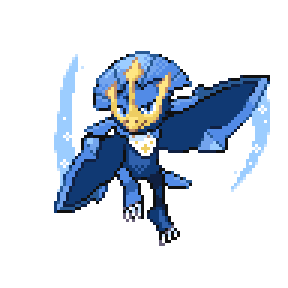
It will capture lightning bolts through its three horns and store the power inside itself, up to around 100,000 volts worth. By striking together its sharp wings, it will challenge others to a battle so it may work off some of its stored energy.
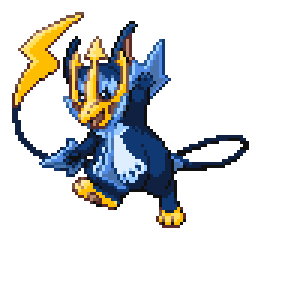
The horns extending from its beak are a testament to its age and power while also being a source of pride. It spits compressed, scalding hot water at its foes with considerable precision, though it must brace itself due to its small stature.

Emposlash have very sharp "wings" that allow them to easily cut into dirt and rock and burrow quickly. The longer and sharper their quills are, the more respected they are among their species.

Empoziken with long horns are said to have lived long lives and are said to be the most respected among their kind. They fight with martial arts that utilize their blade-sharp wings and their powerful legs to deliver devastating chops and kicks.

Using the sharp edges of their flipper-like wings, Empoeon brace themselves to fire out compressed water jets or their long tongues. Their tongues can shoot out with enough force to break apart a chunk of solid ice.

The sharp and rigid petals of their strange flowers have long been used in some tools and weapons, though they contain a medicinal sap within them as well. The longer their horns are, the more respect they garner from their peers.

Emponine have long lifespans, which are denoted by the length of their three horns. When enraged, steam rises from their bright blue fur.

These prideful Pokémon are quick to battle if they are struck in any way or if they feel as though they are being challenged in some way. Their blue-white flames burn hotter and longer when met with water, akin to Class D fires.

The central head is the one that eats, while the other heads prepare the food by tenderizing it, pulverizing it, or merely by cutting it up. Each head believes itself to be the most important, so they often end up fighting among themselves.

Noseon's red nose has strong magnetic properties, so it can easily find metal ores. Although it will happily eat ores that it finds, it is possible to train it otherwise; because of this, it is a common companion for some miners.
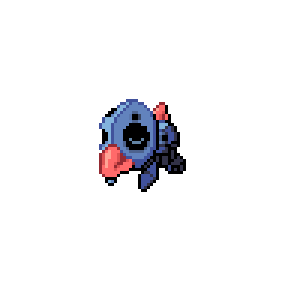
The pad atop its head houses a spike that acts like a compass's needle, always pointing due north. Despite its heavy, rocky body, it is a capable swimmer that can absorb minerals from water.
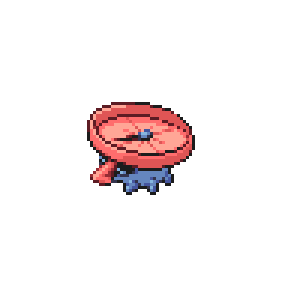
Noseitty emits a strong magnetism, which is even more potent around its nose; because of its magnetism, it can easily find ores to feast upon. When it discovered an Iron Ball, it instantly took to playing with it and would not let anyone touch it.
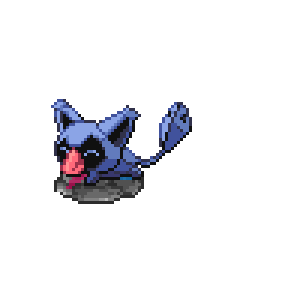
The head with the red nose is the core of this Pokémon's body and the one that controls the other three heads. The core's nose will always point North and the noses of its other heads will each point in one of the other cardinal directions.
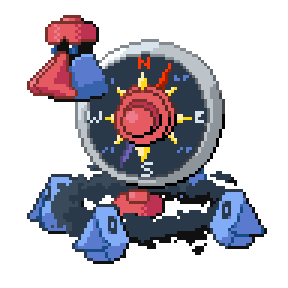
Honursa carve swords from pieces of wood using their claws. On moonlit nights, the swirl patterns on their heads glow faintly; their cloaks almost seem alive on such nights as well.

It wraps its own head in its purple fur; whether it does this for protection or because it is shy is unknown. Even with its vision obscured, it can strike quite accurately with either of its twin swords.

Aegiwak appear in many murals and tales as honorable knights that fight to protect others, especially the young. Their swords and shields return to them if they are ever lost or thrown during battle and are made of an extraordinarily durable metal.
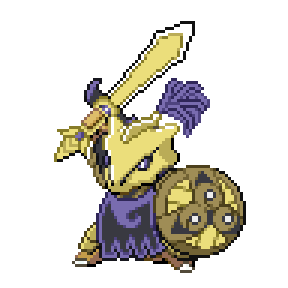
The flames of this Pokémon signify its undying will personified as flames. It is remarkably skilled with its giant sword despite having no hands, but will only unleash it against worthy foes.

Aegidra will only allow their Trainer to wield them. Its scope can track the souls of its targets no matter where they go.
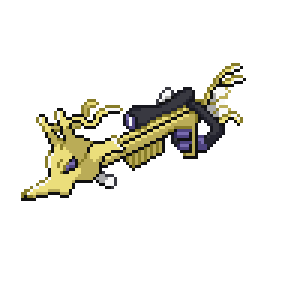
Because Aegigia resides deep underwater in immense pressures, the metallic plating along its body is tougher than current-known metals. Some legends claim that Aegigia only surfaces when it senses a worthy Trainer or to confront a great evil.
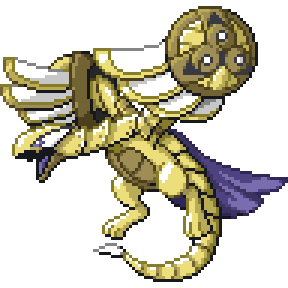
Aegislash has forsaken its ability to curl up in defense and instead chooses to engage their foes head-on. It can use its tail to pluck and fling the many small daggers growing upon its back even while it is engaging foes with its sword and shield.

It is a chivalrous Pokémon that only raises its blade in the defense of others or when faced with a worthy foe. An Aegiveon will only wrap even a single feeler around another if they believe that other to be a worthy leader of them and of others.
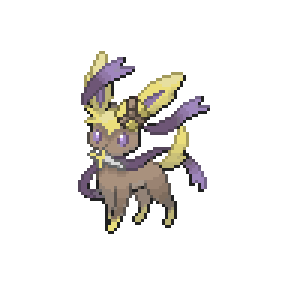
Aegilucha are warrior Pokémon clad in armor and wielding weapons often found in the ancient ruins they call home. Supposedly, the armor and weapons they wield are cursed, yet Aegilucha show no signs of being afflicted.
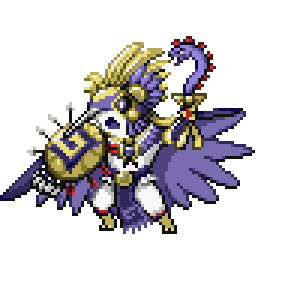
Although its claws are quite strong, it tends to ram foes with its sharp and venomous horn. The venom in its horn is also present in its quills, and just a few drops can cause immense pain that lasts for at least three days.

Nidodily exudes a special, invisible gas from its ear-like appendages to lure in prey; this gas smells intoxicating to almost any individual. When prey comes close enough, it lunges and bites into them with venomous fangs to subdue them.
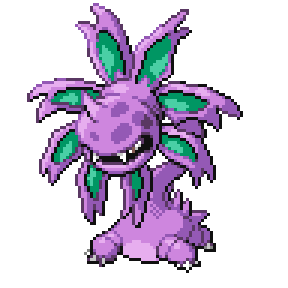
It secretes a green toxin across its entire body that is highly flammable. The friction of its feathers is enough to ignite this toxin. This toxin burns quickly but must be smothered when ignited, for water will only cause the flames to spread.

Nidoling defend their nests, especially their eggs, with their diamond-hard horns. Flocks of Nidoling communicate with myriad chirps and can coordinate their attacks rather well.
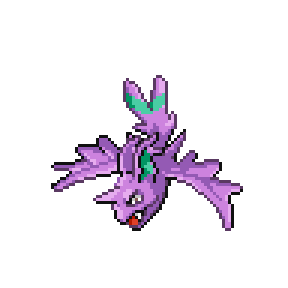
Both their horns and their beaks inject a debilitating, yet non-lethal, venom into their targets. A heat rash will develop around the site of injection, for which there are thankfully many remedies these days.
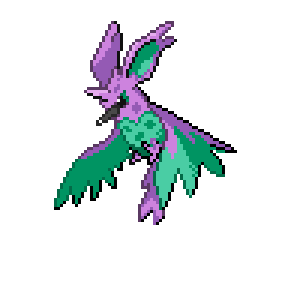
It often runs its tail blade along the blades on its chest area, which makes a chilling noise and seems to help keep the blades sharp. Its head blade, however, is regularly shed and grows back stronger and sharper each time.

Their favored food is honey, which often puts them at arms with particular Bug-type Pokémon. They use their sharp arm-blades to gather honey and will lick it clean off, which also helps to keep their blades sharp and polished.

Wild Pawnta are often witnessed clashing with one another in open fields. Closer observations led to the conclusion that these battles are a form of sparring to keep them each in tip-top form.

The blade-like feathers of Birow are said to be so sharp that warriors of the past would use them as the blades of their swords. Supposedly this is why this Pokémon will avoid humans and fervently defend their territory from all invaders.
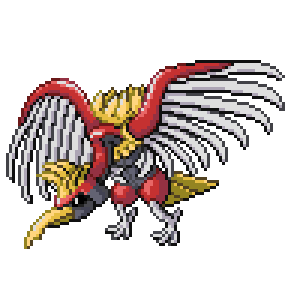
The forelegs of Biceus are tougher than their steel bodies and can pierce multiple sheets of steel in a single strike. The blades on either side of their torsos thwart most physical attacks from blind spots.

Wild Bitrum often command herds of Pawnrunt during battles, but are always the ones to deliver the finishing blow. Their tail blades regrow whenever they break, each time returning stronger and sharper than before.

Bidash often feature in fantasy novels as the jousting knights of armies due to their lance-like arms. Their lower bodies allow them to run at impressive speeds and they can emit bursts of fire to propel their thrusting attacks with greater force.

Luxtwo fight using electrical bolts that they shape and control using their powerful psychic abilities. Though they prefer to fight from range, their bodies pack enough muscle to deliver devastating physical strikes as well.
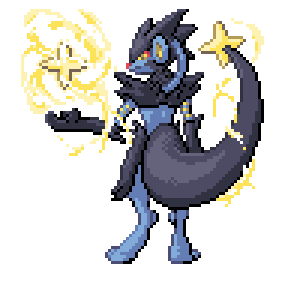
Flame and electricity come together as one within its arm cannon. Its electrified fireballs explode with destructive force on impact.

Luxgron love to feast upon magnetic minerals and galvanic crystals. Their eyes are capable of seeing through multiple layers of solid rock. The metal across their bodies glows brightly whenever they discharge electricity.

Luxgon stalk deserts during lightning storms, their tails often catching lightning and their bodies surging with electricity. Their ocular membranes protect their eyes from debris and from bright flashes of light, such as from lightning.
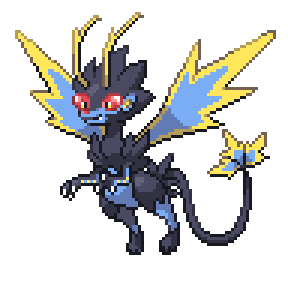
A Luxark's impressive mane crackles with intense electricity during battle and creates illusions of storms to intimidate others. Their eyes can see through any mirage or illusion and track their prey across great distances.
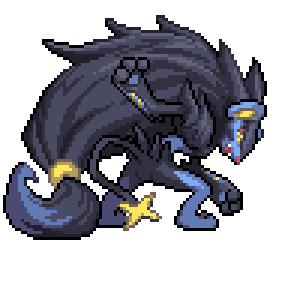
Its two horns are harder than steel and secrete a painful venom. It uses the front-facing horn to scrape away at metals and ores to feed on, which makes its horns grow longer and stronger. Its venom can corrode some metals, even in trace amounts.

Aggnaw use their long horns to chip away at metal and ore, able to sustain themselves with mere scraps. They tend to laze near river rapids, occasionally using those fierce curents to keep their bodies honed and clean.
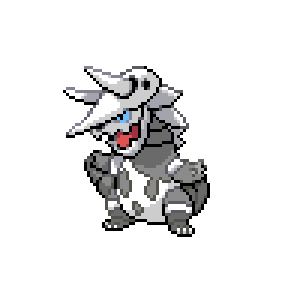
They have a common preference for meteorites and sometimes even Moon Stones. Wild Aggreon will only, and always will, emerge at night to bask in moonlight, which sets their markings alight.

Aggfeon's leafy body has grown hardy and strong from the nutrients of countless minerals and the light of the moon and sun. Their leaves are as sharp as blades and can even gouge solid steel.
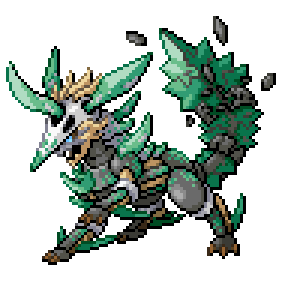
Nothing made by humans is as sharp as the blade-arms of Aggchomp, for they can cleave through a block of solid metal in a matter of seconds. Despite how sturdy their bodies are, they are still light enough to be capable of bursts of flight.
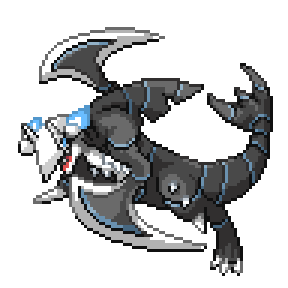
A Aggwile's second head is technically just a horn, though it can open and close like a mouth to crush up the rocks and ores for it to eat with its actual mouth. These Pokémon will also use their large horn to ram their opponents with great force.

Tame Aggveon share special bonds with their Trainers and will defend them to their last. Their sharp, ribbon-like feelers can cut through rock with ease.
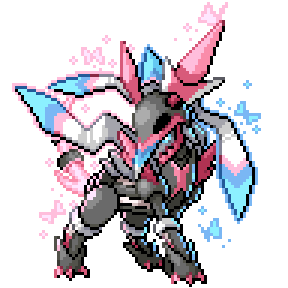
These Pokémon spend most of their lives deep underground in caverns kept hot by rivers of magma. They use their massive claws to dig new caves in search of more metals and ores to feast on, the heat melting and fusing metal scraps to their bodies.
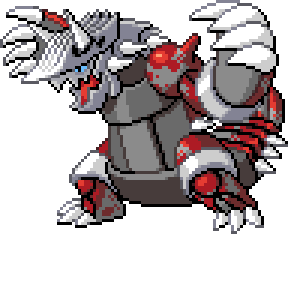
Aggdile have long jaws that are strong enough to punch holes through walls of rock, which allows them to easily feed on minerals and ores. Their eyes can contract to change the range of their sight, which allows them to easily track foes.

Their stout bodies are harder than iron and packed with strong muscles. Their horns are always growing steadily thanks to their diet of metals and ores.

Their lower bodies are quite strong to support their large, metal heads and their claws are strong enough to help them dig for the ores and metals they feed upon. Their eyes are covered in a special membrane that lets them see far within the dark.
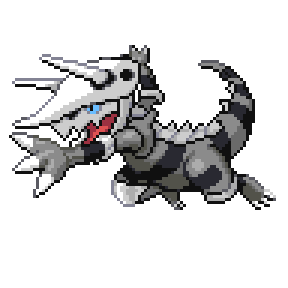
Its jaws are strong enough to turn a sheet of metal into a fine dust within a few seconds of chewing and its armor is tougher than refined steel. It fights with considerable honor, despite how easily it can probably crush most who challenge it.
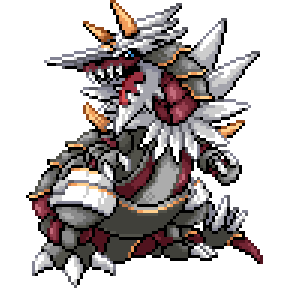
They use their frontal horns to scrape away at ores and metals to eat the shavings. The dorsal horns are poisonous and, although they will still run more often than not, they will leap up above a foe and dive at them with those horns.
Aggvanha are an uncommon sight of predevelopment that seem to occur when an Arvanha has fed mostly on refined metals, such as the hulls of ships. Their steel horns make it even easier for them to hunt ships and to dig out new underwater caves.
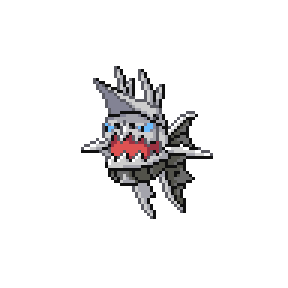
Aggedo are clad in light, sharp steel that allows them to effectively slice through water and rock with equal ease. By releasing pressurized water through their steel bodies, they can effectively swim through rock as they hunt for more minerals.

Aggroc can move very fast despite their metal bodies. An Aggroc will ram its opponents with its iron horns pointed forward and uses its tail to hurl large rocks.
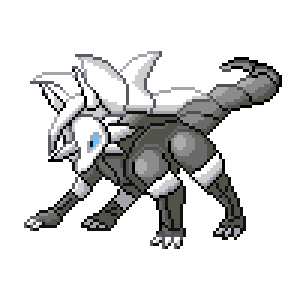
To protect the blue crystals upon their own heads, Aggsian grow out and hone their steel horns. Their claws are harder than steel, which allow them to dig through solid rock in search of metal ore to feed on.
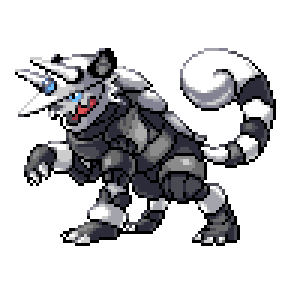
Although Aggecho have tough bodies, they are cowardly and meek. They typically avoid conflict due to their lower bodies, which emit threatening, metallic noises when air rushes against them.
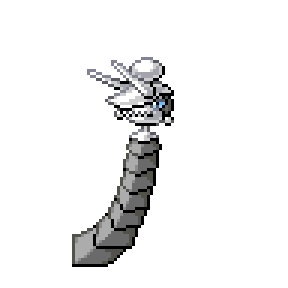
It releases intense flames from within its metal-clad body as it charges down foes. Its hooves are hard enough to quickly break apart large rocks and its horn is sharp enough to pierce through steel.
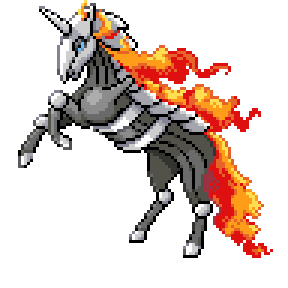
Wild Flymie will often bury themselves with sand or cling to the walls and ceilings of caves. They can spin their bodies fast enough to churn up fierce sandstorms.

Wild Flyeon dart across deserts, their backs and legs clad in electricity. Their wings are only strong enough to let them glide when they leap and create thunderous booms when clapped together.
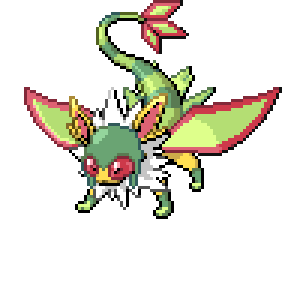
A Flygia's wings are so strong that they can whip up brisk sandstorms with all but a few flaps. Their roars are so intense that they can cause small tremors when on the ground.
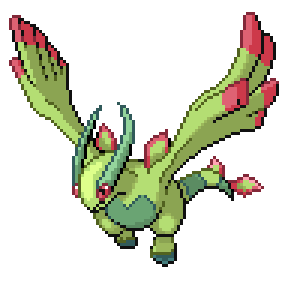
Wild Flyzone live in parts of deserts where metallic sands are less rare. They use their localized magnetic fields to fly and to control metal sands in order to fight.

Flycor can create powerful desert winds to glide upon while searching for prey. Its glider-like wings emit a song-like noise that is both alluring and chilling, making it easier to secure its prey.
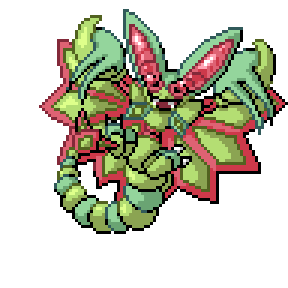
A Flyceus will lift itself onto its hind legs and rapidly beat its wings to scare off foes tougher than it is. It can uses its wings to help channel strong vibrations through its pointed forelegs to create powerful, albeit localized, tremors.
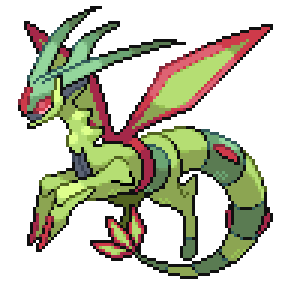
It spins its body at high speeds to quickly burrow or emerge from desert sands. The tips of its upper vines resemble Trapinch heads to trick certain predators of Trapinch in order to prey upon them.
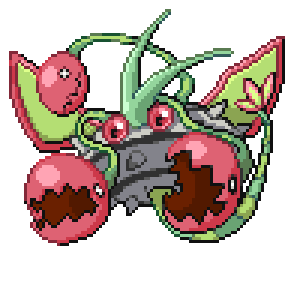
This Pokémon lives in deep lakes and will defend its home ferociously, leading it to be seen as a lake guardian. Its wings shimmer brightly like painted glass and produce a soothing melody when it takes flight.

They use their beautiful scales and intoxicating flowers to lure in all manner of prey and foe while they lurk near the edges of lakes. When one draws near, they will scatter toxic spores and use their serpentine lower half to drag them underwater.
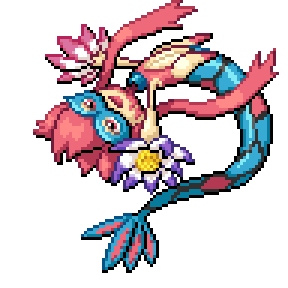
Milopunny have long since been sought after for their incredible beauty, which only caused them to become incredibly wary of humans. It is considered an incredible boon to be approached by a wild Milopunny, even more so if allowed to capture it.

Known to many as the "Songstress of the Lake," Miloetta will sing and dance within the waters of deep lakes. These performances have mystifying powers that cleanse water, and it will only move to a new lake when it has fully cleansed the prior lake.

Milogong live deep within frozen lakes or near large ice floes. Their beautiful scales are as cold as ice to the touch, making them common decorative pieces in ice sculptures to help keep them from melting.

Salasaur are often seen leaping as if to reach high into the sky, to the point they may leap off of tall rocks or off of tree stumps. When they tire out, they return to these tall perches to nap in the sunlight.
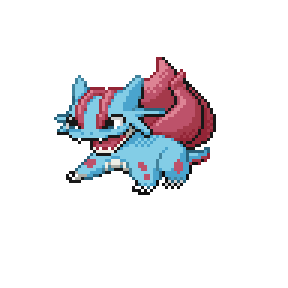
Their legs grow very strong to support the large bulbs on their backs. They will fly into a rage if they witness too many flying Pokémon and rest in sunlight after tiring themselves.

A strong desire to fly spurred its body to grow two strong wings and a glider-membrane between its arms that allow it to fly among the clouds. It will swoop down at incredible speeds dive bomb its foes with all its might.
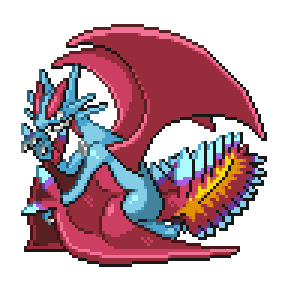
Peculiarly, the sharp petals of its flower can spin like rotor blades and allow this Pokémon to fly through the air. It must land before the sun sets, as it requires sunlight to have enough strength to stay aloft.
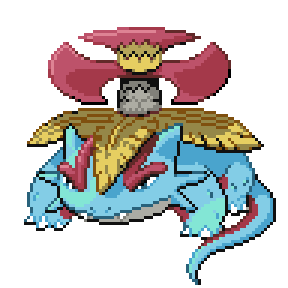
This Pokémon flies just below the stratosphere. If any Pokémon attempt to cross its path or simply draw too near, it will brutally assail them until one of them either flees or falls.
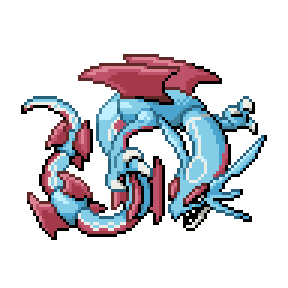
An angered Salaxorus will rampage for hours, swinging about its sharp, axe-like tusks and powerful tail at everything around it. The quick temper displayed by a Salaxorus is attributed to its longing for wings to carry it through the sky.
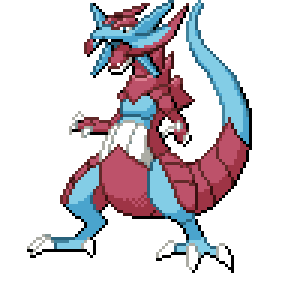
Salasaur use their strong legs to leap into the air and glide with the help of their large, poisonous leaves. The toxins in their leaves have helped to develop medicines that fill others with immense vigor.

These large Pokémon lend their immense strength to save or protect others and their impressive wings to aid travelers. They are immensely prideful and will throw a fit if ever bested by another Pokémon.
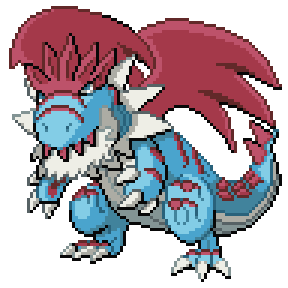
Wild Klinkhan keep their children safe within a part of their body always kept close by a weak magnetic field. They will engage in combat with any potential threat to their child, even if it puts themselves in danger.
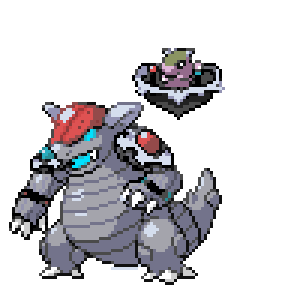
These odd Pokémon have reportedly been seen scouring farms, abducting Tauros and Miltank. Scientists have yet to witness this themselves, and no one is sure where these abductees have supposedly been taken to.
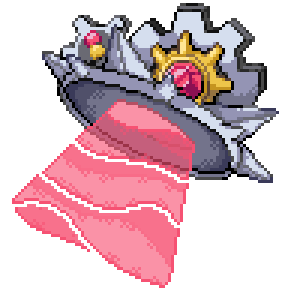
The treads of a Klinkllery are clad in suction-pads that allow them to move across nearly any terrain, and even along walls and ceilings. The gears on either side of its head spin quickest right as it prepares to fire from its cannon.
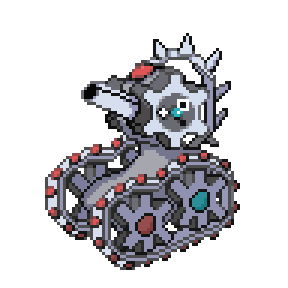
Supposedly, the two gears within its hands are called "Time Gears." Legends claim that if the smaller gear is stolen, then time around Klinkbi will freeze. Likewise, they also claim if the larger gear is stolen, then all of time will also freeze.
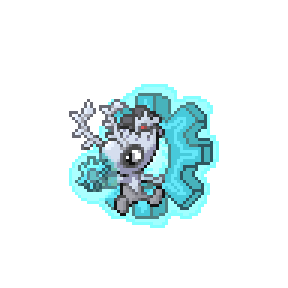
Klinkiss are seemingly drawn to areas filled with strife and conflict, often seeming to try and interfere with any aircraft. The bombs they drop are filled only with restorative and soothing energies meant to encourage peace.
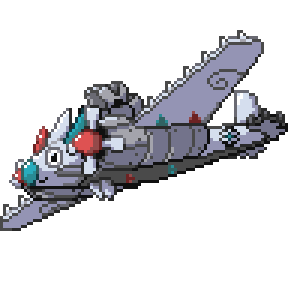
These odd Pokémon often make their nests near bodies of running water, even though their metal bodies can rust. Their bodies are strong enough to lift boulders, which they stack up along their nests to try and block most water.
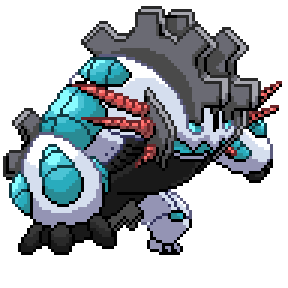
The gear at the very center of the energy within its ring-like body never turns unless the Klinktomb is agitated. The quicker its gears turn, the stronger its otherworldly powers become.
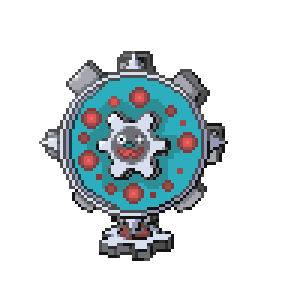
The abdominal mouth of a Klinknoir is used to collect and devour scrap metal, emitting ominous smoke as it recycles the material. The reclaimed metal becomes new parts to replace old ones, which are discarded as scrap.
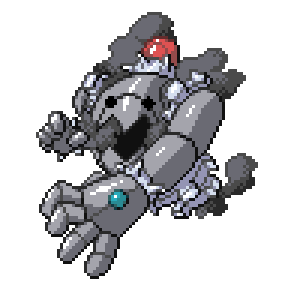
The gears around their necks and ears spin even while they sleep, generating energy to fuel their bodies. They are uniquely aware of when components in machines are either faulty or nearing their end, making them valuable assistants to engineers.
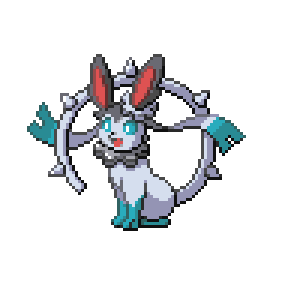
This mechanical Pokémon soars in our planet's orbit, its rings and gears always turning to generate raw power. It will quickly target and destroy any meteors that draw too close to the atmosphere.
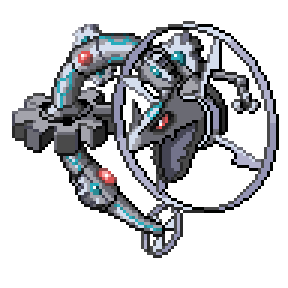
The gears of Klinkrom's tail are constantly turning, generating a steady flow of potent electricity. When it discharges excess energy from the ring on its back, it creates thunderstorms in local areas.
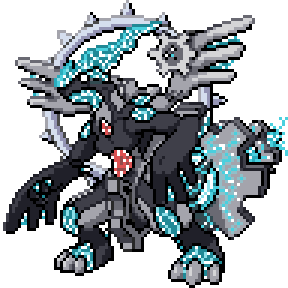
It uses the hoop-like parts of its own body to perform acrobatic maneuvers, even during battle. The more it moves, the more it builds up energy within its own body to further empower its attacks.
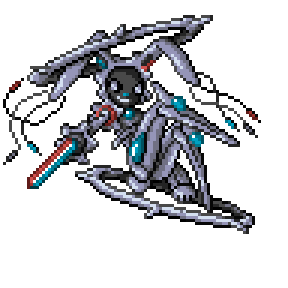
Wild Zorodos will use illusions to hide their complex webs to better capture prey. They are also mischievous pranksters who will use their webbing and illusions to mess with others, even their own Trainers.

Zorotile protect their lush territories and the many other Pokémon within using complex illusions and plants grown from the blue seeds upon their shoulders. They fight alongside their illusions to overwhelm their opponents.

Zorovoir bear a resemblance to a depiction of Pokémon once seen many years ago in another region. They are often found in cold areas, wandering listlessly and frightening others with powerful illusions.
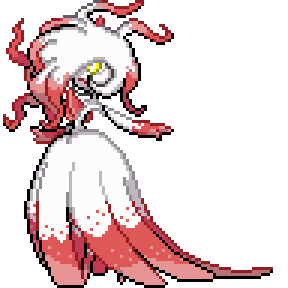
Zoroveon can create and control illusions with remarkable skill. They use their illusions to protect others and to soothe young Pokémon, even if they are of other species.
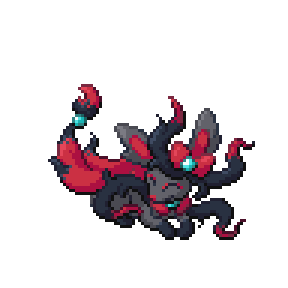
Zoroetta can create multiple illusions of itself or others that perform together with it as it sings and dances. It will also use these illusions to protect its friends, both by hiding them and by making its attacks harder to predict.

Zorochamp often create illusions to make it seem as if they are punching with more than just their four arms. In order to defend their friends, they will also create illusory copies of themselves.

Wild Zorogong create realistic illusions to protect themselves and their packs. They have been known to create illusions of large glaciers to deter human ships from drawing too near.
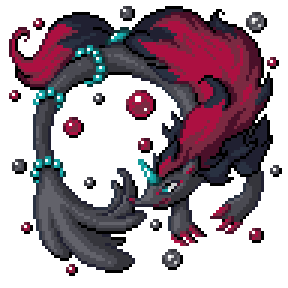
As a Sylcuno flies through the sky, it casts a frosty veil of many colors as a trail from its wings and tail. Sylcuno have been labeled a protected species due to how hunted they were for their vibrantly colored feathers.

Its ribbonlike appendages allow it to sense vibrations in the air, keeping it aware of most things around it, even as it rests. Though skittish, it will look after abandoned Pokémon and let them rest upon its soothingly soft and plush tail.

Sylchu exude calming auras through their feelers, though this is also how they channel their electricity. Some medical facilities train Sylchu to comfort patients and to power equipment during blackouts.

Sylkrow are so fascinated by anything that sparkles that they have long since been associated with fortune and wealth. They are keenly aware of evil intent, so they avoid those with wicked hearts, no matter how much sparkling jewelry they may bear.
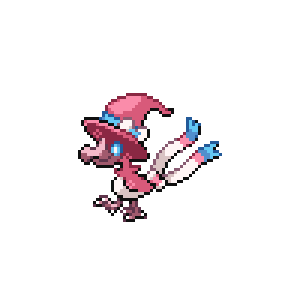
Sylco use their feelers to hang from branches with their spikes embedded into the branch to siphon some of the tree's nutrients. When a Sylco falls, it will develop a strong attachment to whoever catches it.
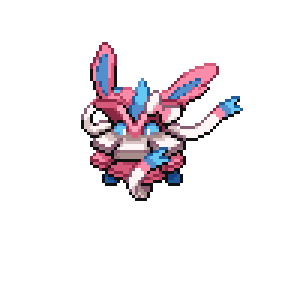
Sylsel work together in pairs, though they live in packs of up to ten individuals. Using their claws, they scale trees to collect food for themselves and for their packs; a Sylsel will worry about feeding its friends and family before itself.

The heart on its belly glows with electricity as it twirls its arms around; colorful electricity also arcs between its prong-like horns. To express its joy and love, it will touch its claws to its beloved Trainer and release a harmless jolt.

Its cries can soothe flocks of agitated bird Pokémon and compel them to obey it for a time. Although some see it as an omen and potential threat, it has yet to use its powers for anything other than ending strife.

Sylvile use their claws to leave marks in the terrain to signal to their packs, but some researchers have developed guides for understanding these marks. Though they gang up to hunt prey, they strike with precision to ensure no suffering occurs.

Sylfeon perform photosynthesis to acquire their needed nutrients for the day, even as they move. The air they produce through this process is not only clean, but it also carries a soothing aroma.
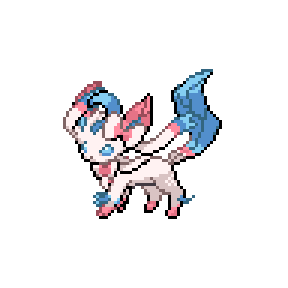
Wild Sylceon have scarcely been seen, but every report of them claimed they were protecting or saving others lost in blizzards. Their bodies are cool to the touch; touching their fur seemingly soothes fear and anxiety within minutes.
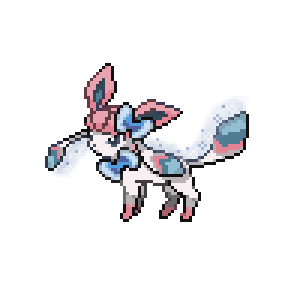
Wild Sylcko make their nests within, upon, or near the most verdant trees they can find. They care for all life, but they are most serious about caring for these trees.

Syltile can traverse dense jungle with ease and haste thanks to their ribbon-like appendages and keen senses. Pokémon Rangers work together with their Syltile partners to track down poachers and to save others from sudden, severe weather.

Wild Sylchic often hang from branches using their long, ribbon-like appendages. They spit small fireballs at others' feet with playful intent, though most take this as an act of aggression.

Although Sylziken usually prefer to not fight, they are quite adept at fighting when they deem it necessary. They weave punches and kicks with attacks that utilize their feelers, including using their feelers to immobilize or disrupt their opponent.

Sylziken use their long feelers to keep foes at range or to entangle foes that have drawn near. They can release bursts of energy from their feet to deliver swift and powerful kicking attacks.
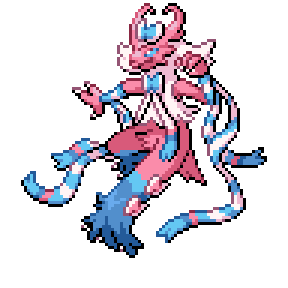
A soothing aura emanates from the fins on its cheeks when it cries out. By planting its feet into the ground, this Pokémon can muster enough strength to lift a human adult or large Pokémon out of deep mud pits.

Its hind legs are stout, yet strong enough that it can lift large boulders over its head without buckling. It uses its ribbony appendages to reinforce itself as needed, be it for strength or for balance.

Their strong bodies allow them to swim against powerful currents, even if they are carrying or holding others. Sylpert are beloved by beachgoers because even the wild ones will not hesitate to save anyone in danger.
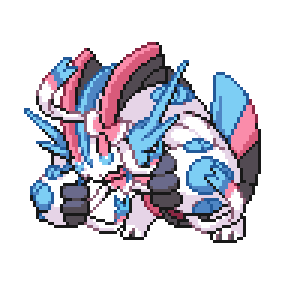
Their blue horns are attuned to the emotions of others, allowing them to easily find or avoid humans or Pokémon. They are drawn to those riddled with fear and/or anxiety and offer comfort to those they find.

Many wild Pokémon have been seen twirling in open fields at the crack of dawn, their long feelers swirling around themselves. They are unfazed by any signs of aggression and remain compassionate, even when struck.

Sylvoir use their immense psychic abilities to protect their Trainers and weaker Pokémon, even if they themselves have been caught and tamed. Those caught by their feelers quickly lose the drive to fight, even in their own defense.

Wild Sylade often appear to defend other wild Pokémon who are weaker than their aggressors. They fight with their blade-like elbows and restrain unruly foes using their ribbon-like feelers.

Although they typically prefer not to fight, they will launch fierce Moonblast and Aura Sphere attacks to protect those they care for. They only let those they trust touch their feelers, which serve to help them sense auras.
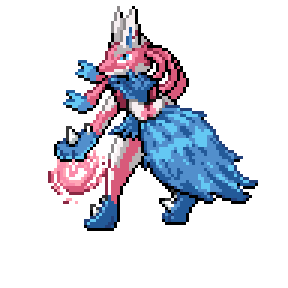
Its sharp blades can cut through steel beams without chipping or being slowed down. Every cut made into foe or prey by this Pokémon forcefully soothes the victim, causing them to cease resisting long before they succumb to their injuries.
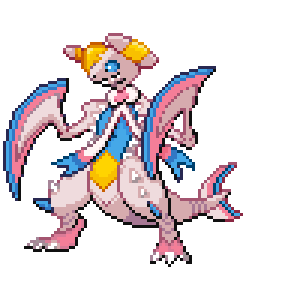
Syldon use their steel heads to intercept attacks and protect others. When their heads are struck, a sound is released, and those who hear it will feel a wave of calm wash over them.
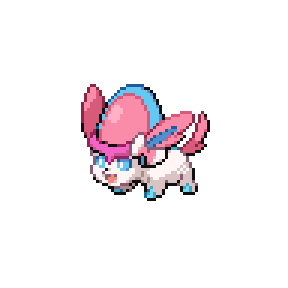
Their heads are tougher than tungsten, and no attacks faze them even if taken head-on. Their heads are equally heavy, so their bodies have evolved to better support their own weight. They can each carry two adult humans on their backs without issue.
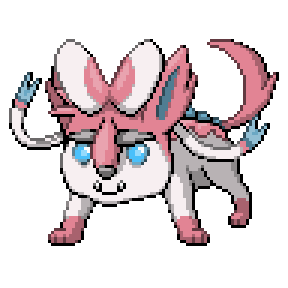
Sylking would be full of energy if not for their overpowering, calming auras that keep their emotions in check. Their auras are so strong that they even cause others who are too close to be compelled to lay down their arms and rest.

Sylsol have oft been drawn to impending disasters, offering aid and comfort to those who would be affected by them. Many stories prevail of Sylsol that have saved and protected many others, even at the cost of their very selves.

Its ribbon-like tongue saps those it touches of their will to fight, even as it forcefully restrains them. Its uppermost eye emits calming waves at whoever looks at it, even if it is not directly looking back.

A large Pokémon that can shrug off most attacks and will remain unfazed by them as well. It is more than happy to ferry others across the sea; many claim that they felt calm upon its back, even as they crossed through storms.

It uses its wings to churn up or dispel sandstorms, either for its own protection or to protect others. It has appeared before weary travelers to protect them from other Pokémon far stronger than itself, earning it a renowned reputation.
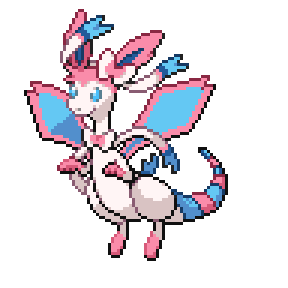
These lake-dwelling Pokémon have been depicted in many artworks as guardians that quell any strife near their dwellings. Most people would agree that these Pokémon, and their shed scales, are some of the most beautiful things to ever be witnessed.

Its roar has a mystifying power over the emotions of those who hear it, causing them to lose their drive to fight within minutes. It only allows its Trainer to ride upon it, let alone to hold onto its ribbon-like feelers.

Sylark have the remarkable power to create realistic illusions in a wide area around them. They will use their illusions to protect and comfort friends and family.
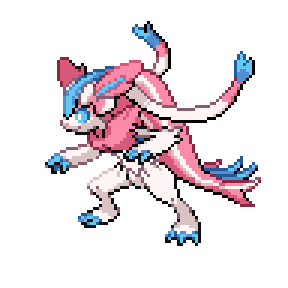
Some stories persist that depict this Pokémon as a guardian of life, be it humans, Pokémon, or plants. These stories are supported, to an extent, by the fact that Sylalga will protect those nearby if it feels they are in danger.
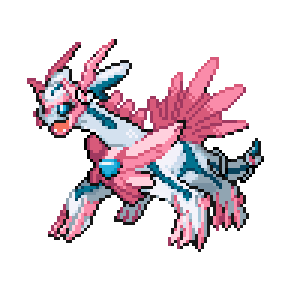
Its ribbon-like vines are clad in many small thorns that make quick work of most foes. It fights as if it were performing an elegant dance, wreathed in its own soothing aroma while whipping foes with its vines.
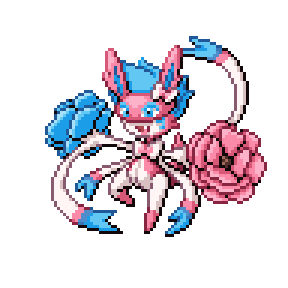
It produces a special gas within itself, which allows it to control the altitude at which it drifts. This gas is soothing enough that someone with a phobia of heights can safely enjoy an aerial ride with a Sylblim.

It is said to have grown malicious due to being abandoned by its Trainer. It siphons the very vitality and willpower of others with its ribbons, bringing about a false sense of calmness in its victims.

Sylcott have bodies as light as cotton and must tether themselves using their extendable ribbons, or else strong winds will carry them away. Many claim that their soft tufts will bring comfort to anyone, no matter their ailments or mood.

Pokémon scour their desert habitats searching for victims of the intense heat to carry them to safety upon their backs. Their eyes are covered with a special film that allows them to see far, even through thick sandstorms.

Much of its body resembles beloved treats for humans and Pokémon alike, which serves well to attract all manners of prey. It uses its ribbony feelers to ensnare its target and pummel it into submission.

Sylpent feed on the positive emotions of humans and Pokémon inhabitants; the stronger the emotions, the stronger their flames. They can carry others using their ribbony appendages and by expelling much of their flames' heat.

Its ribbon-like tusks are rigid, tough, and sharp; these tusks can cut through a steel beam without even chipping. Despite its daunting appearance, Sylxorus loves to play with others and will let young Pokémon slide down its back and along its tail.

Sylki resemble objects that bring blissful nostalgia to most people. Their screen-like faces can display various icons to convey their every emotion felt. A well-loved Sylki will cling to its Trainer using its feelers.

Its two heads allow it to focus on multiple targets at the same time, which serves it well when protecting weaker Pokémon. Its heads have their own food preferences and will exchange food with each other to ensure they are both happy.

Only their central heads have brains, yet they are remarkably intelligent; they only think of compassion and joy. Syldreigon use their three heads to defend others with fierce powers and to collect plenty of food for everyone around them.
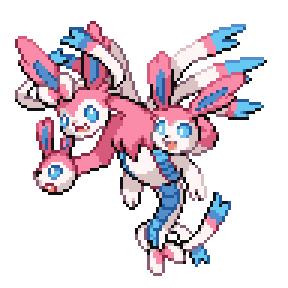
Legends persist that any heartfelt and unselfish wishes written on the notes on their heads will come true. When asleep, they exude a calming aura in a wide range to protect themselves; these auras are even stronger when they are awake.

Sylolu use their feelers to read the auras of others and to channel their own auras, though they are always training to be better at the latter. They have the ability to soothe others graced by the touch of their feelers.

These Pokémon love to meet others as much as others enjoy seeing them bounce atop ocean tides. There are many reports of wild Pokémon excitedly leaping onto land to meet others, though they cannot survive long out of the water.

When the tips of its feelers draw close or directly touch, electricity arcs between them. It has such refined control of its flow of electricity that some scientists have experimented with utilizing this Pokémon in some therapies and treatments.
