Page 4 / 5 of 4067 pokedex entries by infinex21.
Cara are often seemingly floating in water as they sleep. If a Cara is disturbed from its slumber, it will either lash out with a Bite or use Teleport to change its location. Cara have rarely warped aboard ships and raided them for food.
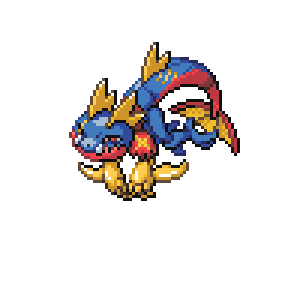
It is a common pest at hydroelectric dams, as it will bite into anything flowing with electricity and leech that energy for itself. It is difficult to safely remove a Sharporb, as the slightest stimulus could cause it to fly into an explosive rage.

Sharpbok can pursue their targets at speeds on par with speedboats underwater. They bite their prey with their venomous fangs to immobilize them and then constrict them with their long bodies to finish them.

Sharptank are infamous for becoming increasingly violent as they age, yet also famous for how rich their milk becomes with age as well. As a result, Sharptank milk is an extremely treasured and rare ingredient to many chefs.

Sharpbok are brutal deep-sea predators that so often get into battles that most sightings of them are covered in myriad scars. The venom they deliver via their fangs causes intense pain and numbness within just a few minutes.

Sharpmagius rarely reveal themselves to others; rather, they typically let their schools of entranced Carvanha do their dirty work. They relish the suffering of others, to such an extent that many believe they also feed on anguish.

Despite their size, Sharpkip can swim through thick mud as easily as they can swim in water. Their head fins are a common sight within marshes and swamps as they encircle their targets and prepare to pounce.

Wild Sharpceus are so quick to challenge other Pokémon near the beaches they live upon that their bodies are always covered in many scars. Their many fangs break rather easily during battle as they bite their foes but they always grow back tougher.
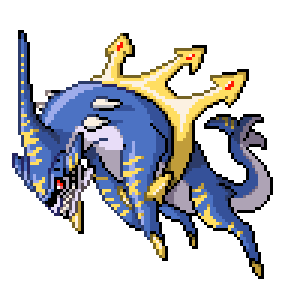
A colossal underwater behemoth with jaws that easily shred ships' hulls and surprisingly cunning intellects. Sharpron are clad in the remains of ships they've torn apart as proof of their terrifying cunning.

Its many teeth are often the last sight for unaware deep sea divers and small aquatic Pokémon alike. The markings along the bodies of these Pokémon glow within the depths and only dim when they are hunting.

This underwater leviathan of a Pokémon lives within only the deepest, darkest undersea trenches. Sharpquaza's body is covered in countless scars from its many battles with other underwater Pokémon over over territory and prey alike.

Sharptina are vicious Pokémon that use their many hook-like limbs to ensnare their prey and to drag their foes down into the watery depths. They can swim fast enough underwater to barrel through ship hulls without a scratch upon themselves.

This Pokémon lives and hunts in arctic waters, though it is capable of staying on land for periods of time. The ice along its body protects it while also giving it a deadly horn that allows it to quickly impale any of its prey.
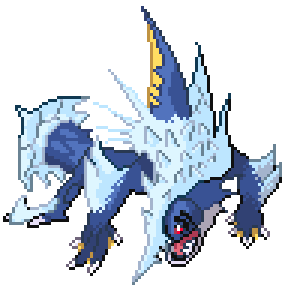
Although the range is limited, Sharploom can stretch their necks around half a foot and ambush targets with swift, biting attacks. They can move swiftly in water and are agile on land, which makes them tricky foes to overcome.
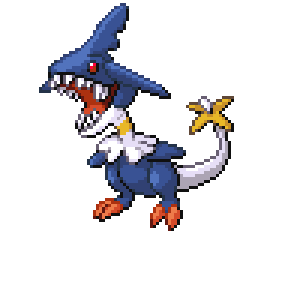
These horrific-looking Pokémon wander around in the depths of oceans, letting out song-like cries that invoke melancholy. Despite how they look, sudden attacks have not been reported; rather, they seem to long for contact but are met with fear.

The jaws of Sharpron are unassumingly strong enough to tear through metal ship hulls and deep sea rocks. Their teeth quickly regrow if they break, and they grow back stronger thus resulting in them being tougher than most metals.
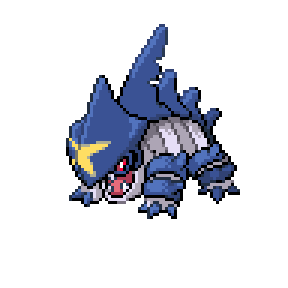
These Pokémon began to display lower brain function as mushrooms accumulated upon their bodies, causing them to be swept away by rivers and carried into oceans. Somehow, when they become injured in battle, mushrooms will grow from the scars.
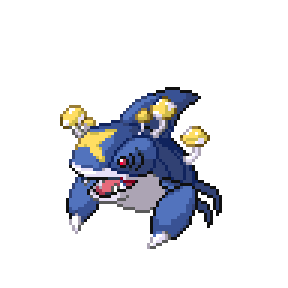
Sharpnoone can achieve remarkable speeds in water so long as they move in straight lines. Because they struggle to turn at high speeds, they often crash; most of their scars are from crashing.
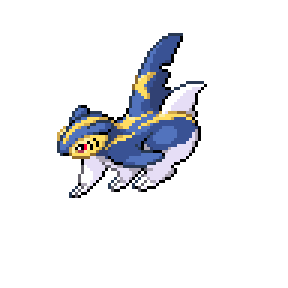
Although small, it is a vicious Pokémon that will target and harass individuals one at a time; this behavior is most noticeable with prey. It does not hesitate to assail targets larger than itself; as testament to this, it has many battle scars.
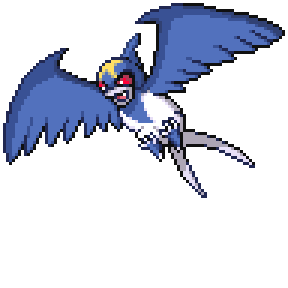
Sharptty are easily distracted and allured by moving objects, lunging toward them to bite into them; sometimes, they even bite their own tails. They are typically clad in various scars, many of which come from them biting each other by accident.
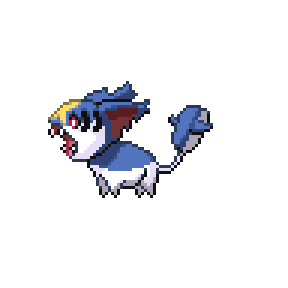
These nocturnal forest Pokémon wear and wield pieces of old trees. They seem to need only moonlight and water to survive, yet they wander every night as if in search of something.

Parts of the forest have become fused with their bodies as they grow. They carve intimidating heads onto large, thick branches, wielding them as weapons to strike fear into enemies.

Phanto hide along trees and wait for prey, which they can sense the movements of with their wisp-like horns. They will launch themselves toward their prey and cling on with their claws as they proceed to drain their prey's life essence.

Though it displays a unique ability to detach its own head, it can only do so for less than an hour before it must be returned to its body. It typically only detaches its head to reach foods that are far away and/or high up.
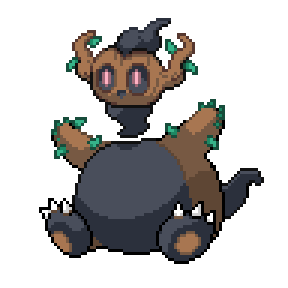
Phantu are infamously known as "Silent Watchers," as they will perch atop tree stumps and branches to watch passersby without uttering a single noise. Some believe they can see into the hearts of others and that they will act if they see malice.
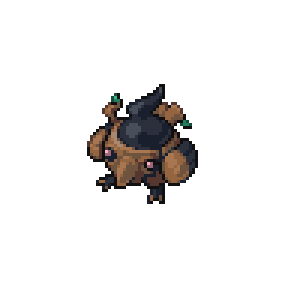
Phantsaur are most active during rain, which is absorbed by their foliage and brings back color to their floral bulbs. They are happy to share their leaves with those they trust, but they release a tear-inducing pollen to repel all others.

Phantsparce dig burrows within damp, nutrient-rich soil and absorb nutrients and moisture as they rest. They never sleep in the same burrow, as they will carefully bury seeds in their burrows so new life may grow.

The loud cries of these Pokémon are so alike to the voices of human children that many travelers have been deterred from the forests Phantrow call home. Phantrow nest within tree canopies and prey upon Bug-type Pokémon that feed on said trees.
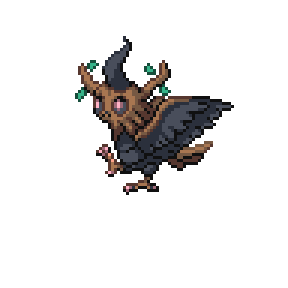
Wild Phantshrew live in burrows they have dug out under trees. They live off trace amounts of nutrients and water acquired from the tree roots above their burrows.

These Pokémon wander forests and spit fire at anything or anyone they deem to be a threat to the forest. If they encounter anyone who is lost, they will try to guide them to safety; some stories claim this is because Phantchic were once lost spirits.

These Pokémon are said to be the decayed remains of trees possessed by mothers who perished in search of their lost children. They wander forests at night, as if still continuing their search for their long-lost children.
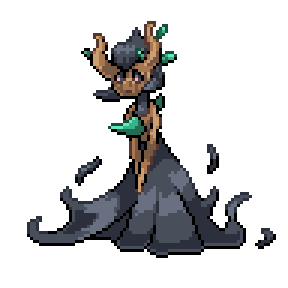
Phantinja are said to be created when spirits possess the shed shells of bug Pokémon that tree bark has grown around. Their bark-like bodies continue to grow as they metabolize sunlight, so some have been seen stuck to trees.
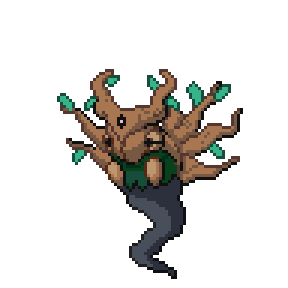
These Pokémon are incredibly shy, yet they have kind hearts. They typically conceal themselves within foliage and by utilizing their hue-shifting abilities, but they will reveal themselves to comfort or protect a crying individual.

Phantdum are drawn to one another, so they always live in large groups. They can move in nigh-perfect unison, as if connected by a hivemind. They coordinate their attacks to defeat strong foes and to defend their forest homes.

It is said that Phantang are the result when the spirits of two Phantdum merge. Their "noses," much like the rest of their bark-like parts, are harder than steel and can cleanly penetrate solid rock when they charge forward.
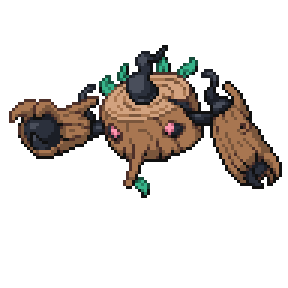
Some tales claim that Phantcario are connected to the very "spirit" of their entire forest homes, allowing them to sense all that happens within. They will show up to protect young humans and Pokémon alike if they are in danger.
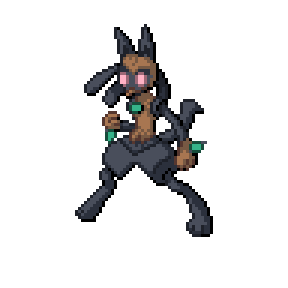
Phantsaur leaves are known for their medicinal properties when properly ground up and mixed with water and sap. They shake loose some of their leaves when they come across injured travelers, which scatters a cool, calming pollen from their petals too.

Phantron is highly territorial and will fly into a rage if it ever discovers that its forest has been damaged. So long as it is shown respect, though food offerings help as well, it will allow others to pass through.
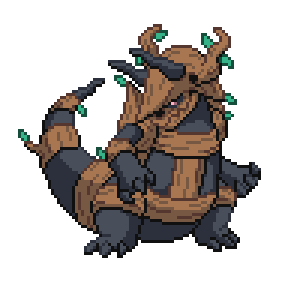
These small Pokémon wield a weak power that accelerates the growth of plants. Using this power too often leaves them so tired that they will be rendered immobile until they absorb enough sunlight and water.
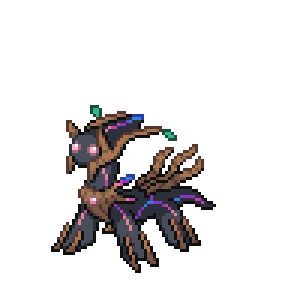
Phantpunny use their slender, prehensile ears to ensnare foes that harm those they care for, then dispatch them with powerful kicks. Though they aggressively defend others, they are otherwise docile and shy.

Phantjask move with such speed that they are often difficult to see, though within forests they blend in quite well even while still. Their eerie cries can achieve disorienting pitches that may induce migraines.
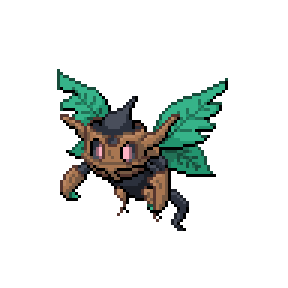
Phantfairy are believed by many to have come from beyond our world, be they as spirits or as extraterrestrial Pokémon. They scatter a shiny, pollen-like dust that boosts the health and growth of plants, making them treasured by many people.
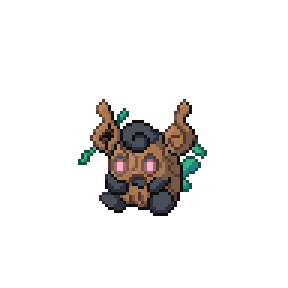
Though they can ride upon gentle winds, Phantcott are deathly afraid of strong winds, as those will scatter most of their leaves. Their leaves wilt in minutes when detached, yet they have great medicinal properties as well.
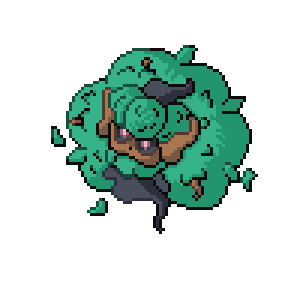
Their shadowy tail splits into many tails as they grow stronger, though they can never surpass six on their own. The spirits they were born of are said to have been those of children, which may explain why Phantpix are so friendly and playful.
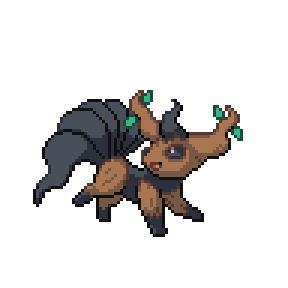
Phantkoth are so rarely sighted that they were once mostly known through tales and rumors. As many tales claimed, they do rest for long periods of time, especially atop the remains of trees. When awake, they emit cries as if grieving something.
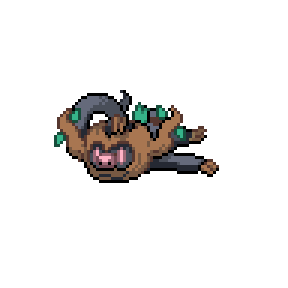
Phantpuff are known for their melancholic songs that can often be heard resounding throughout forests at night. These Pokémon are light enough that a strong gust of wind will launch them off their feet.
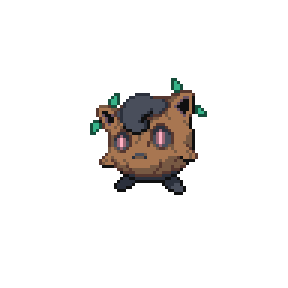
Phanton feed on rocks and metal scraps, making them valued partners for Pokémon Rangers for the sake of keeping forests clean of harmful debris. The leaves on their bodies are rich with iron nutrients and exude fresh air via photosynthesis.
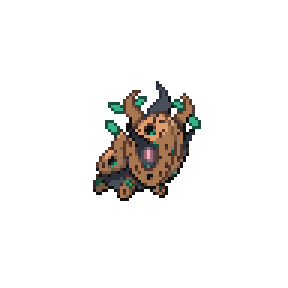
Phantrua have long been called "Fell Spirits" due to the belief they were born of the spirits of felled trees. Such a belief is bolstered by how these Pokémon fervently guard and protect tree stumps using their illusionary abilities.
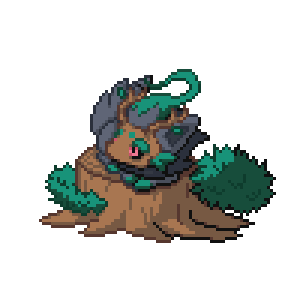
Phantmander have been spotted within forest clearings at night, cheerfully dancing with their fellow kind while their red flames flared and flicked about. They have kind hearts and have often helped to guide lost travelers they had only just met.
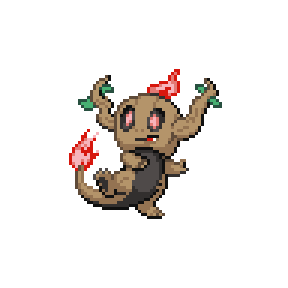
Phanteary flowers, albeit small, contain concentrated medicinal compounds coveted by many. Unfortunately, these Pokémon were hunted for their flowers and only now have begun to prosper again, albeit with a greater aversion to humans.

By crouching and curling its ears up, Phanteary disguises itself as a shrub to avoid humans and Pokémon alike. If it is attacked, it lets out a piercingly loud cry and quickly hops away.

During the day, this Pokémon hides itself in piles of leaves and twigs or in hollowed-out logs as it rests and conserves its energy. At night, it comes out to explore and to absorb moonlight.
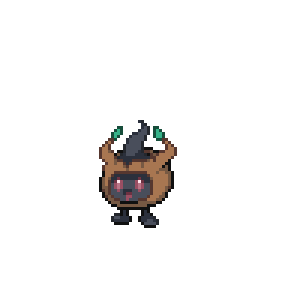
These small Pokémon are common sights within old forests, scurrying along the ground and devouring any rotten matter they come across. Though their leaves contain poison, they also exude an exotic aroma that attracts many Pokémon.
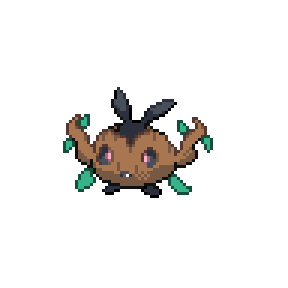
It is rumored that these Pokémon were born of the spirits left behind by forest fires, now possessing the burnt remains of trees. They are incredibly docile and shy, though when happy their flames noticeably grow and they cannot help but dance a bit.
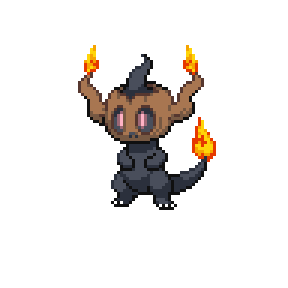
Its red flames are said to be otherworldly energies made manifest, which may explain how they do not set their forest homes aflame. A Phantmeleon will fight viciously to defend their homes, using their claws, horns, and flames alike.

Because of their long, wood-like bodies, these Pokémon can easily camouflage themselves within forests. They are commonly found near trees or upon tree branches, as they mostly eat leaves.

Phantmur are typically quiet when they cry out, with some comparing their cries to young children. However, if their branch-like horns are grabbed, Phantmur emit shrieks strong enough to blow leaves off trees.
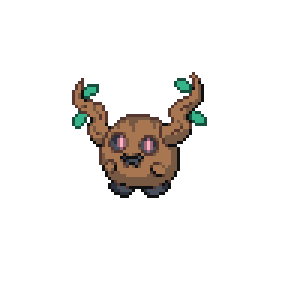
Although a Phantnine will enshroud itself in spectral flames to intimidate others, it's only able to do so for at best an hour before it exhausts itself. It is usually seen near sites of forest fires and perceives nearly anything as a possible threat.
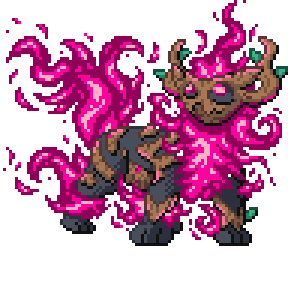
In battle or when cornered, Phantmeleon display a ferocity that is often compared to wildfires. Their flames burn so strong, even as they rest, that they have isolated themselves within caves near the forests they once called home.
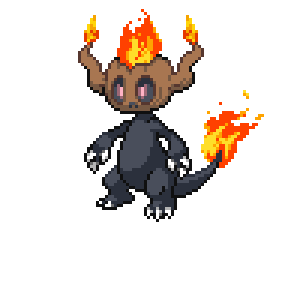
It spits out a fast-hardening latex to ensnare and quickly finish off the Bug-type Pokémon it preys on. It will also use this latex to help seal the wounds on larger plants and trees.
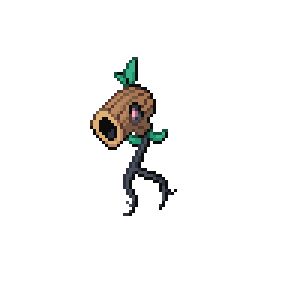
Because its head glows with fiery light during battle, some have theorized its head is hollow. Despite this, it is a clever fighter who makes use of its environments to the fullest. When not battling, Phantizard will gently tend to plants nearby.
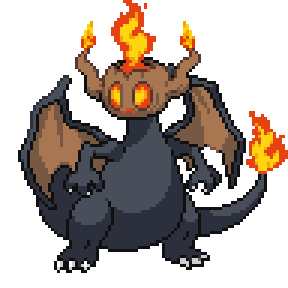
A Pokémon born of a small spirit's choice to inhabit a large piece of driftwood. It tends to the moss on its belly and makes enjoyable patterns of it. Its body is surprisingly tough, and it can withdraw inside to further enhance its defenses.

Phantcool live within forest lakes and ponds, their light bodies allowing them to float with their glassy, green orbs above the surface. They only need sunlight to survive, but some tales claim they will drag others underwater if they get too close.

It emits alluring lights from its glassy orbs to draw others closer to the edge of its lake habitat, then drags them down to feed on their life force. Phantcruel can also emit child-like cries from the hole on its head to lure humans closer.

Perhaps due to their inherent weakness from the moment they are born, Phanta will only ever let children ride upon their backs. Their trust must still be earned first, lest their black flames harm their rider.
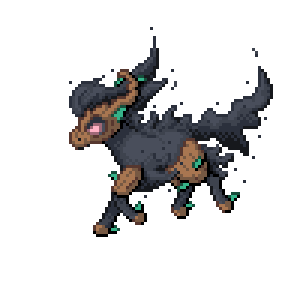
Despite their size and strength, Phantdash mostly only let children ride upon their backs. They are known to make exceptions for loving families, however. Their black flames will never hurt those they trust, and they help to conceal their movements.

Their leafy tails are a sign of age and garner respect among their kind; how much respect is gained depends on the length and thickness. They subsist on sunlight, moss, and water, so they are frequently spotted near ponds and streams.
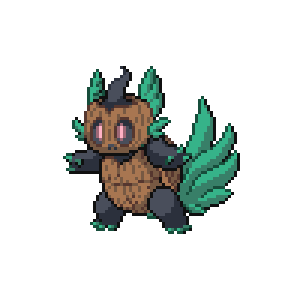
Debate persisted for quite some time over which was the head of this Pokémon, though further study revealed the face on the shell is a diversion meant to trick others. Its shell has the composition of wood, yet the durability of iron.
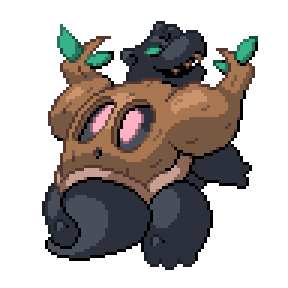
To prevent their gaseous bodies from being blown away, Phantly seek refuge within tree hollows, which often also become their nests. They are infamous for startling and frightening travelers, yet they do not seem to do so out of malice.

Phanter display an abnormal capacity to influence the plant life around them with their hands, as if they were puppeteering without any strings. They use this ability to lure humans and Pokémon into their forests, who are rarely ever seen again.
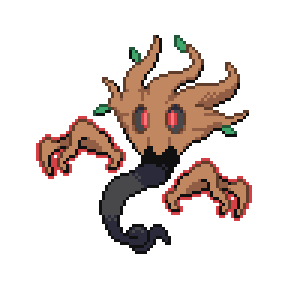
Its red eye never blinks and always follows an intruder within its forest territory, even if they are behind cover. As they wave their branches wielded as clubs, they display the ability to exert control over other plants near them.

Their cloaks of leaves and the branches upon their heads all grow with age. The one with the longest of both is the leader of its pack. They display a level of intellect by forming powerful weapons out of wood for themselves and for others.

Tredeen swim so slowly near the surface that they are often mistaken for driftwood. The tips of their horns glow bright red to distract, disorient, and unnerve their foes.

Wild Treking nest within fields of seaweed, which they can control to ensnare any prey or threats so long as their grassy fins are dug in. It is said that looking directly into their glowing red lights will sap one's very life force.

Treros are untrusting of all others and will charge at anyone they see within their forest domains. Their legs pack enough power that they soften hard ground when they rampage, allowing new life to more easily take root.

It sharpens its scythes against dense rocks and uses them to trim the forest overgrowth, the scraps of which it feeds on. It shares its leaves with ill Pokémon, for they contain medicinal compounds and plentiful nutrients.

Tretops pose as trees so they may watch for any threats to their forest homes and strike as they see fit. They extend roots from their feet to absorb nutrients and water. They may use their roots to connect to and control nearby plants as well.

Although multiple Tredactyl may be found near the same forests, they live independently of each other and may even clash over territory. Their dens are covered in amber that formed from their resin-like saliva, indicating they may be ancient.
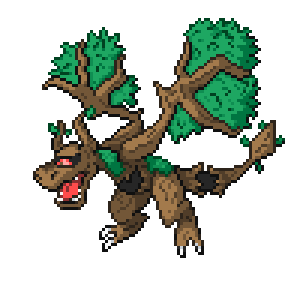
The apples that grow upon its branches vary in size and taste, with "Perfect Apples" being the rarest to grow and the most sought after. It will only let its friends even touch these apples and will bring down its full might on would-be thieves.
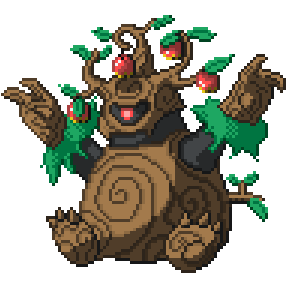
Tregar's saliva is like tree resin, which they use to mark their territories and to tend to their own wounds. They cling to the sides of trees and glide toward their prey, which they fell using their pincers and venomous stingers.
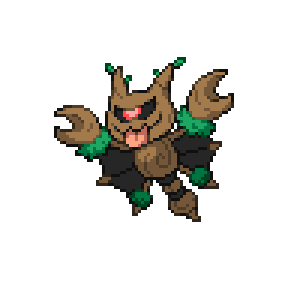
Trelix burrow beneath forests at a slow pace, reaching out with roots and vines to connect to the trees above to detect what may be happening on the surface. If they sense the forest is threatened, they will emerge and viciously defend their homes.

Trepy use their small trees on their trunks to mop up loose water and puddles, which is absorbed and filtered within them. They are playful Pokémon who love letting others trim their trees, which helps keep them from overgrowing.

Some few legends refer to this Pokémon as a guardian deity of the eldest forests, with even fewer citing that it is the manifestation of a forest's spirit. It has an uncanny power over nearby plants and trees, using them to ward off others.
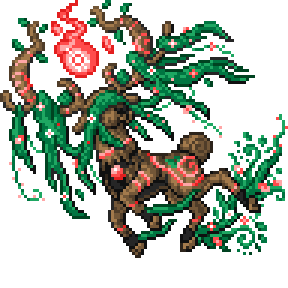
Its skull-like head is made of petrified wood, which serves well to unnerve and intimidate others in tandem with the glowing mark on its chest. It tightly wraps around its targets and drains them of their life essence within less than an hour.
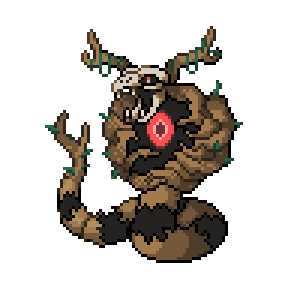
It hangs from tree branches using its tail, even when it rests. It is skilled at using its gliding membrane to ride on even the weakest breezes and can swiftly navigate through the forest as it hunts.
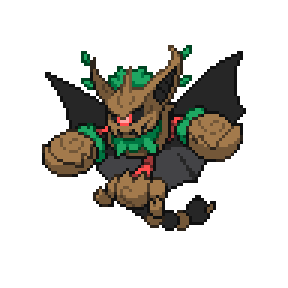
Treslash can exert control over nearby trees by burying most of their bodies in the ground, save for their leafy backs. By ingraining themselves like this, they can also acquire nutrients and water from the ground and flora around them.

There are a few fables that say Treceus has the power to control an entire forest to defend itself or the other Pokémon within. While this is yet unsure, what is known is that Treceus attacks any threat with many roots and vines.
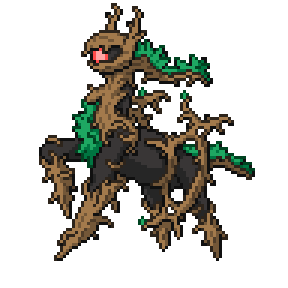
Within each of its tails is said to be a mournful spirit of those who were forever lost within forests and jungles. By digging in even one of its tails into the ground, it can exert control over nearby plants and use them to repel would-be threats.

When a Tretrum roars, the trees around it quiver and sway as if responding to its call. Despite initial assumptions, Tretrum are gentle giants that prefer not to fight. They use their claw-like tails to till the ground so new life may take root.
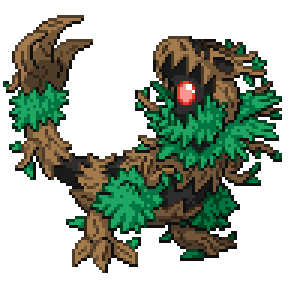
Trelie can spin fast enough to churn the ground, allowing them to partially bury themselves. While buried, they can extend roots to control nearby plants. They can release freezing air all around them to impede any foes nearby.
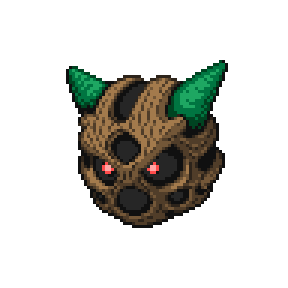
Trelass produce a special form of resin within them that can harden like amber within minutes of exposure to cold air. They preserve their prey in amber and feed on their lingering life force; when no life remains, Trelass discard them.
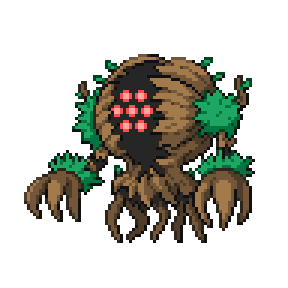
Its seven eyes are always blinking in patterns, which some believe allows it to communicate with bygone spirits. Its den is within a dead forest, yet by ingraining its many roots, it can control the dead plants to drive off threats.
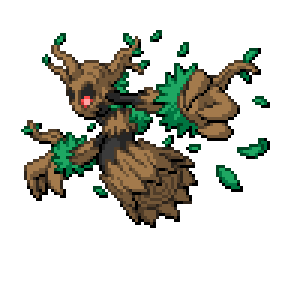
Trekie clad themselves in protective cloaks of leaves held together with sticky bubbles; as such, they nest within tree foliage. They spit out many bubbles to put out flames and prevent forest fires, then hunt down those responsible.
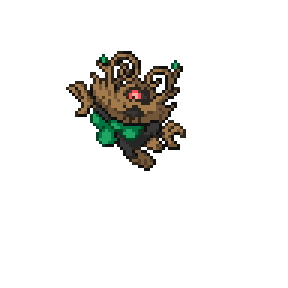
Its cloak of leaves is held together with green, adhesive bubbles, which helps it to blend in while perched atop tree branches. It throws leaves at lumberjacks with remarkable accuracy and at such speeds that they will leave painful cuts.
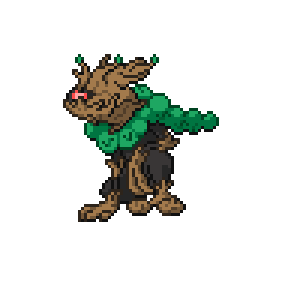
The appendage around its neck is a long root that allows it to connect with and control nearby plants through their roots. From the shadows, it monitors those in its forest and attacks them with precise Water Shuriken if they harm the forest at all.
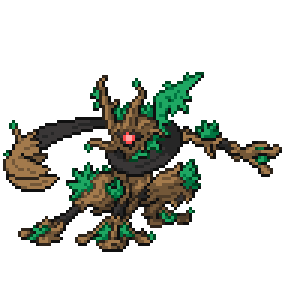
When agitated, such as in battle, parts of their bodies become red hot, and they exude a thick, black haze around them. This haze is laced with ash that works well as a fertilizer on its own, so their habitats are considerably lush.
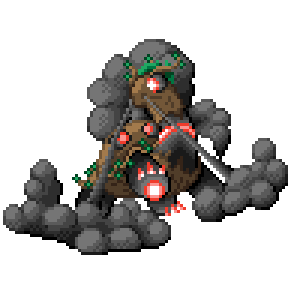
Trekoal move awkwardly, though some would call it shambling more than walking, and fight by manipulating nearby plants and their roots. Reportedly, people have seen the red lights in Trekoal's shells following their movements and blinking.
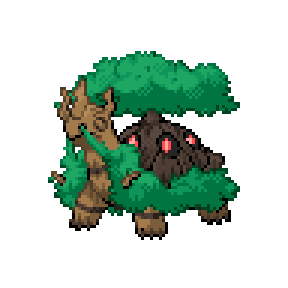
A storied Pokémon said to reside deep within ancient forests, with some stories claiming it resides at the very center. It will dig its mass of roots into the ground and then exert control over nearby plants to defend itself and its home.

It has the power to manipulate nearby plants, but that power is still weak. To intimidate others, it will bark at them and make nearby foliage rustle at the same time. If its threats fail, it will whimper and hastily flee.
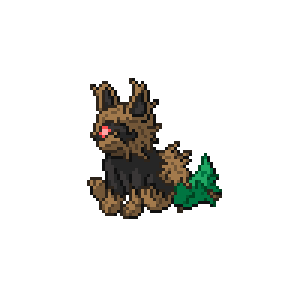
Though Tretyena live and hunt in packs, at least one member of the pack will use their powers to manipulate the surrounding forest to aid the other pack members. Though they are loyal when their trust is gained, that trust is difficult to earn.
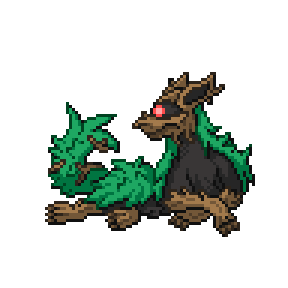
Tretry is capable of churning vicious winds with its fan-like hands, which it does to protect the very forest that serves as its home. Although plant-based, it sweats a resin-like compound, which it will slather onto trees to repair any damage.
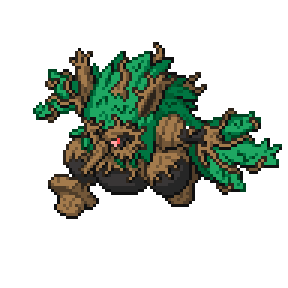
Tredol move slowly through their forest territories, patrolling for any troublemakers. Though they may sometimes go idle, they are always alert and will fire powerful, precise Solar Beams from their hands if they detect a threat.
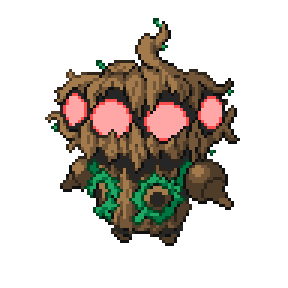
Treperl are common sights within flooded forests, nestled together at the bases of trees. Their inner leaves are rich with nutrients gained by filtering the water they absorb through their iron-hard shells.
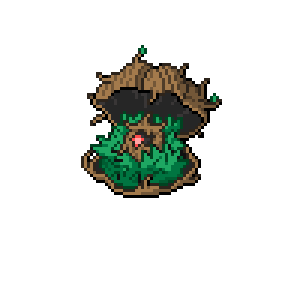
Using their red eyes, Tretail distract their quarry before driving their sharp tail tips into them. Either through their tail tips or their fangs, Tretail feed on the life force of their prey.
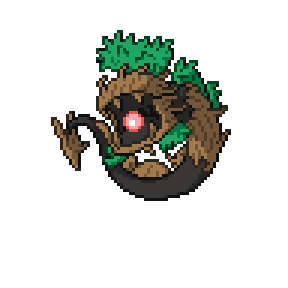
Trebyss drives its thin mouth into the base of trees within a flooded forest and siphons the fluids within; it will do the same to prey if it is starved. It delivers rock-shattering Wood Hammer attacks with the tips of its tail.
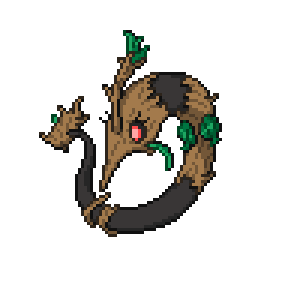
These long-lived Pokémon reside within large forest lakes, though they stay close to the bottom. They use their lower leaves to "scrub" the bottoms of lakes for microscopic organisms to feed on.
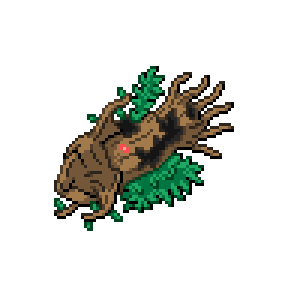
A Pokémon thought to have gone extinct that was rediscovered in the lake of an ancient forest. It rises to the surface to sleep, absorbing sunlight or moonlight through its leaves to replenish its energy.
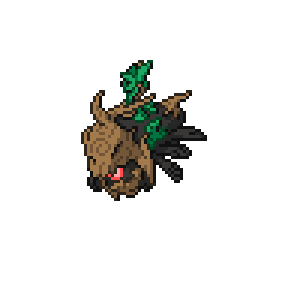
Trenamo float and fly using electromagnetism, with the friction of their many leaves serving to generate plenty of static electricity. Schools of Trenamo will latch onto prey and shock them so they can safely leech their life force.
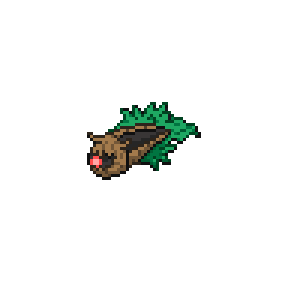
Tretrik wrap themselves around trees to blend in while watching for prey. When a Tretrik spots desirable prey, it will launch itself and wrap tightly around its target and deliver a devastating electric shock.
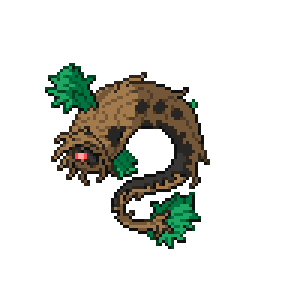
Using its claws, this Pokémon crawls along the bed of a flooded forest or climbs up trees while patrolling its territory. By dragging itself along surfaces, it generates enough electricity to quickly dispatch any foes or prey.
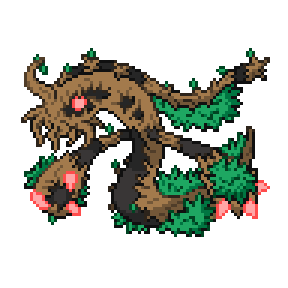
Wild Tredude notoriously cling to the sides of trees and mountains that are near forests, though they will fall if struck by anything, even a small pebble. Their bodies are as hard as stone, so even by falling they can cause considerable damage.

Trenix ingrain themselves in one spot and never fully emerge from that spot unless they're forced to. They are able to manipulate nearby trees via their roots so long as the tips of their tails are ingrained.

Its own honey-like saliva is so intoxicating that even this Pokémon is often cognitively impaired. It will wave around its large leaf to keep threats at bay, but often stumbles about and eventually falls over.

Glooleef drool honey that is intoxicatingly aromatic, though the flavor differs between each individual depending on their diet. The tree shoots within the curled leaves around their necks secrete sap with consistencies that match their honey.

It drools honey that is nutritious enough to boost the growth of most known plants and the growth of most known Grass-type Pokémon. Each of its bulbs are extremely fragrant and are often used in cooking.

Gloolava secrete an viscous fluid from their mouths that is equally aromatic and flammable. They will fling this fluid and set it aflame to protect themselves.

It seems to be unaware of how rancid its viscous, honey-like saliva is, as Gloosire frequently tries to make friends with others. There are some connoisseurs that find the scent decadent, and some perfumes have been made with it.

They produce a special, noxious liquid that smells like honey or sap depending on the season. This liquid is perfect bait for prey and is also very sticky, making it versatile in battle as well.

The sweet-smelling honey that secretes from the mouths of Glooh was once sought after by chefs, until they realized it was highly toxic. They use their honey to attract Bug-type Pokémon and fly off with them after they try to consume it.

Glooshrew secrete honey from between their plates, the flavor of it being influenced by what they consume. The bulbs upon the tips of their tails are full of nutrients and, thus, are coveted by many.

Glooleep root themselves along damp shores of dirt or shores of dark mud. They produce a noxious honey-like liquid within their rather hollow upper bodies. To defend themselves, they will flail their upper bodies and send this liquid flying about.
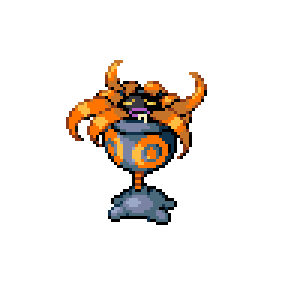
Noiveon use their sonars to determine which fruits are ripe enough to be consumed, which is why many of them are used to help farmers. They can sense ultrasonic waves with their feelers, so they never get lost in pitch-black caves.
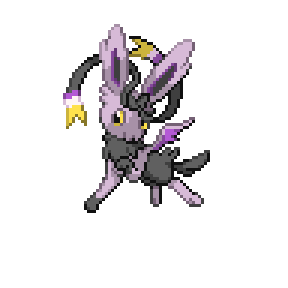
Because their bodies are physically weak, Noita emit ultrasonic waves from their ears to daze foes before fleeing. They can breathe weak flames that help hunt prey and startle predators.
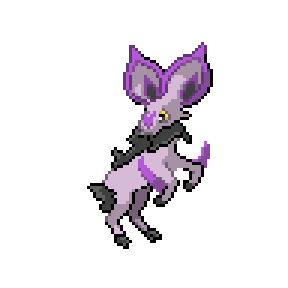
Noiwile's dual, jaw-like horns can emit powerful Boombursts capable of pulverizing thick steel plates. However, it prefers to sing tranquil songs and will only emit sonic shockwaves when threatened.

Noilithe can fly for short bursts thanks to their small wings, though they often prefer to run. Their ears help to amplify their bark into a roar that will often scare off foes larger than it.
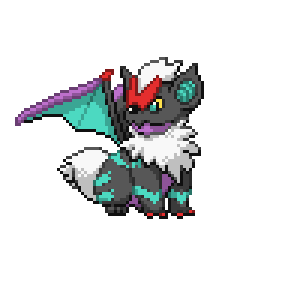
Noita dash across plains and leap far with their wings while clad in crimson flames. Their flames burn whoever tries to ride them without taming them and their tails can send most of their foes flying.

Noidash are very loyal companions to Trainers who treat them well. The crimson flames of a Noidash will continue to burn longer than normal fire, so even a single fireball can be enough against most prey.

The "cloud" on its back is made of cotton spores that are laced with various pollens. Its body is remarkably light, allowing it to make large jumps and to leap rather far.
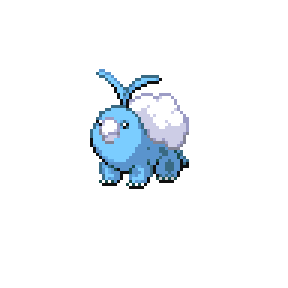
Swabchic rarely migrate for winter due to their inherently warm bodies and their cottony feathers. If attacked, they emit high-pitched noises produced by venting their own heat; they produce similar noises whenever they spit fire.

Swabeon are meticulous about their nests and their immediate surroundings, taking care to organize and clean up whatever they can. Their bodies change color to reflect their health and mood; lighter colors are a sign of joy and good health.

Its small size conceals a voracious appetite. Within the cloud-like mass extending from its head is a powerful set of jaws, with which it can consume large foods to sate itself. It is light enough to ride the winds across fair distances.
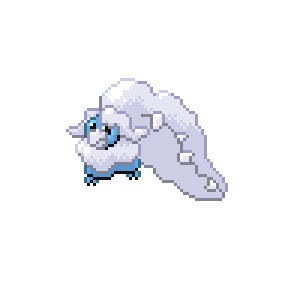
Swabwile fly by letting updrafts and strong gusts lift them into the air and land by folding their cloud-like wings against their sides. The cloudy plumes extending from their heads can close like mouths, so they use them to store food.
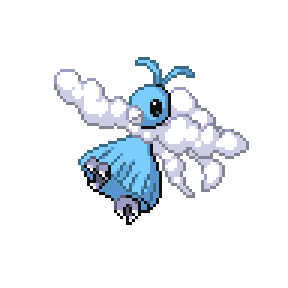
Its body is as light as its many cotton-like tufts. It takes great care to keep its tufts clean. Some say that its tufts are so soft that they soothe anyone who touches them; it does not share its shed tufts with anyone but those it trusts, however.
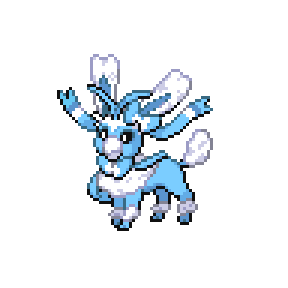
It clads its upper limbs in cotton spores to make them appear larger than they are. Given its docile and gentle demeanor around others, it is believed it uses its cotton spores to dampen the impact of its own attacks as well.

Swabzagoon can float on strong winds due to their hollow bones and their incredibly light fur. Because they always zig and zag as they explore, they often track plenty of debris within their cloud-like fur, so they must regularly shed tufts of it.
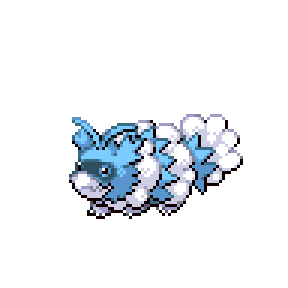
Altaros are renowned for their strength and for their soft, white fur. Despite how strong and wild they can be, when their trust is earned, they become faithful companions, even for children.

Altabok can emit light within their cloud-like furs to imitate storm clouds and intimidate others. To lure in prey, Altabok have evolved to emit hums and sounds like an alluring melody; they can also emit harsh noises to scare away threats.

By rubbing the cloud-like fur on its wrists together, it generates static electricity, which is channeled to and stored within its tail. Its tail darkens with more stored electricity, increasingly looking like a storm cloud as it builds a charge.

The blue spikes in its tail are quills that become rigid when it is agitated; the cloud-like fur of its tail becomes bristly as well. It routinely sharpens its claws at least twice a day until they are sharp enough to gouge a large stone.
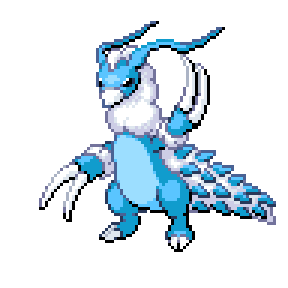
Altaloom tend to appear rather docile and protective of others, even if Altaloom are attacked by them. Their upper limbs can stretch up to a foot away and can hit hard enough to crack a tree; they prefer to subdue foes with soporific spores, however.

Its fluttering white fur is softer than silk and yet is burning hot to the touch if its trust has not been gained. When it is with those it trusts, it hums and cries in a beautiful soprano voice.
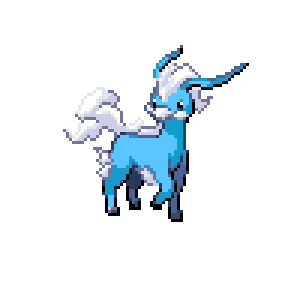
A Altadash's lush, white fur is always warm, even when sheared or shed, but can achieve the heat of an active flame to ward off threats. Although Altadash live in herds, they rarely group up closely due to their own emitted heat.

Gooveon use their feelers to help spread out their own mucus, which helps them to remain hydrated even during dry weather. Though this mucus is cool to the touch, it contains many germs that could be harmful to others.

Gooth are covered in a thin, sticky film that easily traps debris. They often spend most of their days grooming themselves.

Goosian are often proud despite how weak they have proven to be. They are proud enough to try to fight, but they will typically utilize their agility to flee if struck by a strong attack.

Its skin is coated in a thin film of a water-repellant yet moisturizing oil, which has become popular in the making of sunscreens. This oil seems to aid it in swiftly withdrawing into its own shell and allows it to relax even in intense heat.

The slime secreted from its ribbon-like organs has a calming effect on those it touches. Sliveon's slime is used in many remedies and even in some anesthetics.
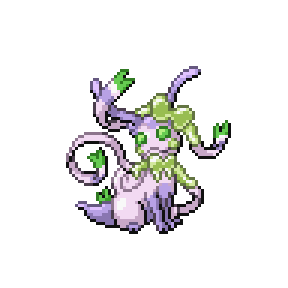
Slith's mucus can dissolve most organic materials. Rather than chew its food, it will dissolve it and drink the resulting "slurry" despite any small debris that gets mixed in; however, they eventually spit up such debris as a messy "ball" later.

Slisian collect their own mucus into coagulated balls that they spit out at enemies. They use these mucus balls to more easily restrain their enemies and to mark their territories.

It contains a remarkable amount of energy within its body, which empowers its every attack. Those who pick on it or the ones it cares about are often met with a powerful strike of its tail or fierce blows from its horns.

The webbing of their wings is clad in a concentrated mucus that keeps them clean and free of debris. Though typically meek, they fight fiercely to protect others.

Its powerful punches release bursts of sticky goo that will trap opponents for long periods. It prefers not to fight, so once its foe is stuck, it will often trot away.
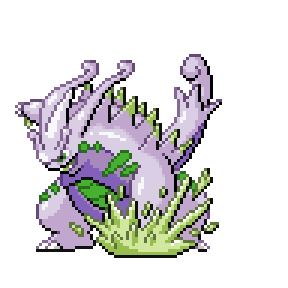
Gooth use their sticky mucus to mark things as theirs, be it food they will eat later or toys they prefer. Unfortunately for their Trainers, Gooth mucus is frustratingly difficult to completely clean off.

Goosian are incredibly clever in how they utilize their own sticky mucus, such as coating their paws in it so they can scale surfaces or cling to ceilings. Unfortunately, such cleverness typically causes problems for their Trainers as well.

Gooizard are typically docile yet are capable of becoming incredibly aggressive within a few minutes. Their mucus has adrenaline-inducing effects, which many believe may be why they can turn aggressive so swiftly over the slightest provocation.

It contains vast energy that allows it to release devastating Hyper Beams to defend itself. It burrows through loose rocks to repair or replace any of its body that gets damaged in battle.
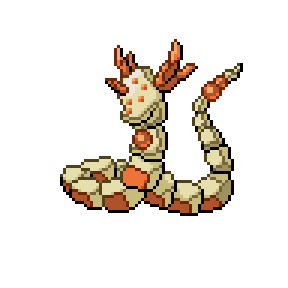
Regigma are often spotted with just the head-like rock lying atop sand, which causes them to go unnoticed in their desert homes. When prey draws close, they awaken and quickly move to smother them with their sand-like bodies.

By curling upon itself, it can appear as a cluster of rocks and boulders in order to avoid others. Its "trunk" of multiple rocks is strong enough to lift a large truck with ease.

Wild Regitar often go immobile and blend into their rocky environments when they need to rest and regain their strength. They can lift boulders twice their size with relative ease and defend their homes with destructive Hyper Beams.

This massive cluster of living rock uses its smaller body as a decoy to lure foes and prey alike into its cavernous maw. Once they are too far within to escape, its cave-like jaws seal shut and all within are eventually digested.

It replaces any of its damaged stones, though it is quite picky about which stones it will replace them with. Its patterns of flashing lights have an effect akin to subliminal messaging, which subdues agitation before a fight might break out.
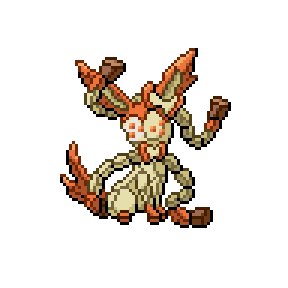
Regipunny are incredibly shy and will utilize their rock bodies to pose as inanimate statues to avoid strangers. If given cause to fight, they will swing the long rock formations on their heads around with enough force to snap a tree in half.

Despite being made of solid ice, Regifing are surprisingly light and stay aloft with little issue. The frigid haze they exude has a numbing effect on those who inhale it.

Regizing is the result of two Regifing colliding and their bodies fusing together due to their extreme cold temperatures. The cold, toxic haze it emits has grown strong enough to numb and lull most who inhale it.

These playful Pokémon are often witnessed rolling across fields of snow, which easily cling to their bodies made of solid ice. There are often signs warning Trainers of their presence due to how easy it can be for them to roll out of control.

Regilosion's body is so cold that not even the flames that burst free around its neck can melt it. It often creates a path of ice using its frigid breath and then launches itself with its flames to hurl itself into its opponents.
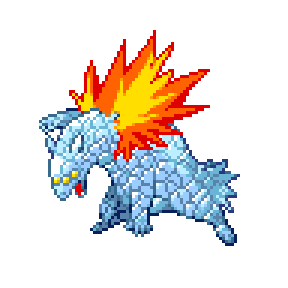
Regisparce are very timid Pokémon that often remain underground, only surfacing to feed upon berries and to drink water which helps sustain their bodies of ice. They live in constant fear of their ice bodies being shattered or melted.
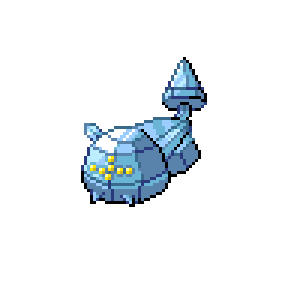
Its entire body is incredibly similar to liquid helium, save for its shell that is simply made of solid ice. Its body easily tracks ice and snow within it, which it can expel to defend itself.
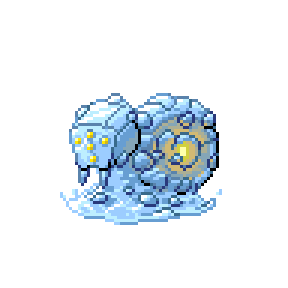
Regioh's many feathers of solid ice glisten and shine with the colors of rainbows within them. Only a few of these feathers survive their fall, and those who find ones intact will be blessed with good fortune for a year.

Regimagius drift across arctic regions, always hovering a few inches off the ground and exuding a chilling aura that can freeze flowing water. Their bodies are made purely of ice, yet some claim they have seen something eerie flowing within.

Regivile are snowy tricksters that only live in areas constantly visited by snow or hail. Though not malicious, they will pelt any travelers in their sights with many snowballs until someone fires back.

Wherever these Pokémon fly shall be graced with a gentle snowfall. They only appear during Winter and ensure that no city or town will be unvisited by at least one snowfall a year.
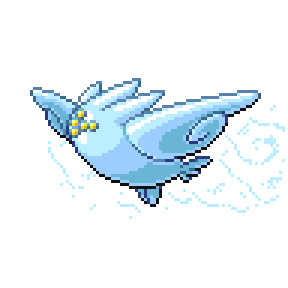
Regidon are ancient Pokémon that have lived for over a million years without the ice of their bodies ever melting. They only need to drink water to sustain themselves, and this same water will form new ice should any of their ice break off.
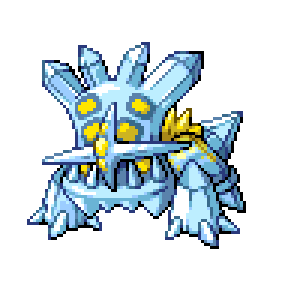
These Pokémon only seem to appear during snowstorms, and even then they are only recognizable by their bright, yellow eyes. Their manes of pure, flowing snow allow them to create illusions that lure prey into cold obscurity.
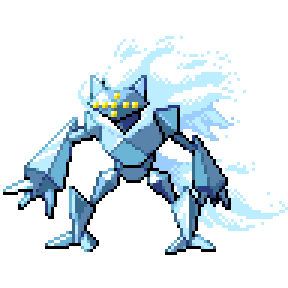
Regiogre's entire body is made of solid ice yet there is also an abundance of water flowing within its hollow spaces. Despite how cold its body must be, it can swim safely through any water without freezing said water around itself.

Although a Reginiclus's body appears to be frozen solid, it is actually rather malleable and capable of moving with no difficulty. Trainers are advised to not touch them, for they are so cold that even mere seconds of contact could result in frostbite.
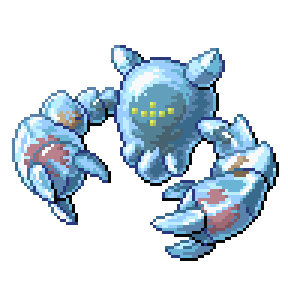
This Pokémon is born from the grief-filled soul of a traveler who became lost in northern areas and their body became encased in a chunk of solid ice. They wander frozen plains to warn others to not succumb to the same fate as they once did.

Regiodor gorge themselves upon large quantities of snow and ice together with various berries. Their snowy bodies often become stained with the juices of the berries they eat, causing them to bear various color combinations.
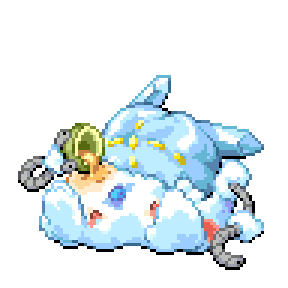
The hollow hump of a Regirupt is said to be so cold inside that anything will be frozen solid should it fall within. When enraged, this hump erupts like a volcano that scatters snow instead of ash and rains chunks of ice instead of balls of fire.
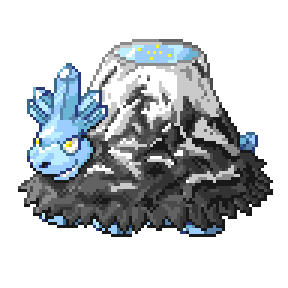
Regidol are often mistaken for ice sculptures within certain ruins that serve as their homes. They wield potent psychic powers that sustain their forms and repel invaders of their homes.

These Pokémon live within deep lakes, often slumbering without a need to eat. They will rampage for an entire day if disturbed from this slumber. Stories claim they will only truly awaken in response to ecological disasters.

The body of this artificial Pokémon, supposedly modeled after Mew, is made of an unknown material that can change its shape. Its red eyes are always flashing because it is always learning and adapting, even when its body is completely still.

This Pokémon's strange body is always in a state of flux, shifting between various shapes and consistencies as it scours the world. Anything it deems to be a threat shall be met with a powerful beam of energy let loose by its cannon.

From Regidrill's cannon-like arms, it precisely fires darts packed with venomous payloads at its targets; the venom causes severe pain, but it has been deemed nonlethal. For particular tough foes, it utilizes its drill and charges at them.
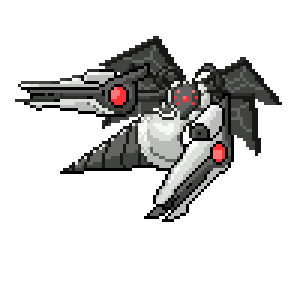
Regiowl were designed and deployed for the sole purpose of observation and the study of the world around them. They have minor weapon systems meant only to distract aggressors so that they may flee.

The mind of this artificial Pokémon is theorized to be connected to the minds of many other artificial Pokémon with designs similar to it. As such, any models of Regiking are carefully observed, even though they're always thinking rather than acting.
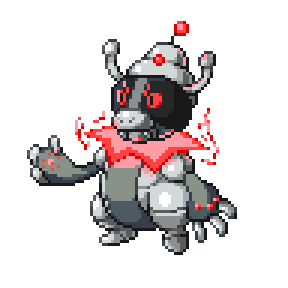
Ancient texts describe this artificial Pokémon as an ever-tunneling weapon that will tear through any obstacle as it digs. Supposedly, it has myriad weapons installed within its body, but none have dared approach it to determine if this is true.
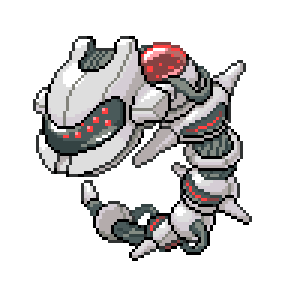
Very few Regimory have ever been sighted. These Pokémon fly about, propelled by the same energy that powers their precision weapons along their underbellies.
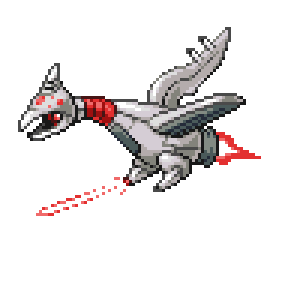
These Pokémon are always traveling to and from bodies of water across the world. They use their feelers to analyze the purity of the waters and will take action to cleanse these waters if they detect hazardous materials within.
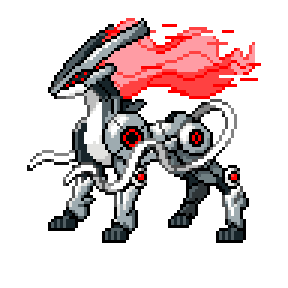
Regigia can move with ease at extreme underwater depths without sustaining damage to their metallic bodies. The metal of their bodies is anomalous by all accounts, as it is tougher than known materials and never rusts.

Regimagius's seven "eyes" blink at all times in patterns that are hypnotizing when watched for too long. It feeds on the torment of its foes, often using its large arms to seize and slowly squeeze its prey. Its red gems glow bright as it feeds.

At a glance, the bodies of these Pokémon appear to be covered in a tangled mess of various cables and cords. But, upon closer inspection, researchers learned that they are tendrils made of an unknown material that protect the core of Regigrowth.

Years of living deep within jungles have honed this Pokémon's body into a form fitting of an apex jungle predator. The energy that surges from its tail helps to propel it forth at great speeds, while the energy blades on its arms slice through foes.
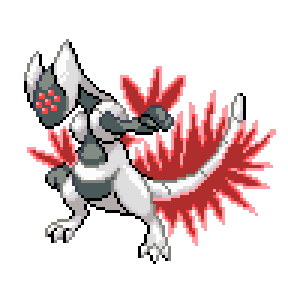
Regishrew are believed to have been artificially made, though the materials of their bodies are yet unknown. They are powered by a potent energy that glows red, which allows them to dig through ground and rock without rest for multiple days.

These Pokémon are able to generate a mysterious energy within themselves that they can release as condensed blasts or shape into weapons. They only engage opponents they deem worthy of the effort or those who threaten the defenseless.
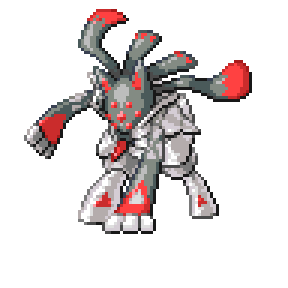
These Pokémon are usually found in a state of hibernation. When they awaken, it is often for a short time because they will use most of their energy to pulverize misshapen terrain with a single punch.
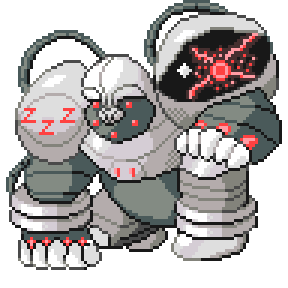
Its feelers are composed of a malleable, unknown material that has limited transformative capabilities. Its six red "eyes" are almost always flashing with light in oddly-soothing visual patterns.

The cannon upon a Regiesect's back is capable of rapidly releasing multiple projectiles of pure energy that quickly eradicate any potential threats. Thankfully, it very rarely labels anything else as a threat worthy of firing upon.
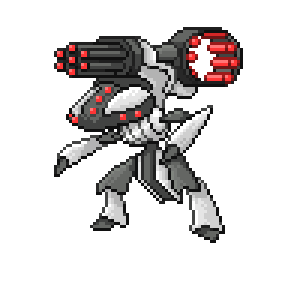
Regipunny were engineered to serve as street performers for the masses, though especially for children. The long arms upon their head are often seen juggling objects or helping them to perform outlandish acrobatic maneuvers.
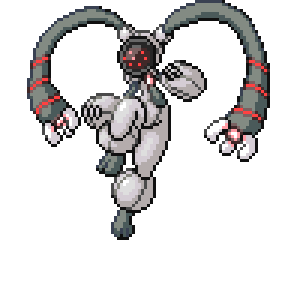
It can exert some level of control over machines it grabs hold of, though the smaller they are the more control it can exert. It releases red electricity from its palms and by clapping its hands together, it can create dangerous bolts.
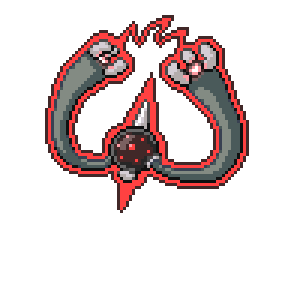
Although Regicott have bodies as tough as steel, they are also light enough to ride upon wind currents. Although Regicott tend to act rather mischievously, they will genuinely attempt to aid anyone in trouble.

These anomalous Pokémon dwell within ancient ruins, their flexible, yet durable, limbs allowing them to cling to walls and ceilings. They generate an unknown type of energy that they can loose in myriad ways to dispatch foes and invaders.
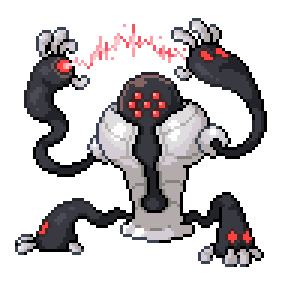
These artificial Pokémon were designed to be stealth units with the shared goal of observation of other life. When a Regitias feels threatened, it is able to wrap reality around itself and render itself invisible for a period of time.
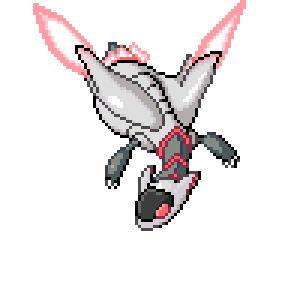
These artificial Pokémon were designed to be stealth units with the shared goal of studying the emotions of living beings. Many Regitios have gone rogue as they learn what it means to feel rather than just think and will strive to live with others.

Regixys have bodies made of an unknown material, which some believe may not even be of our world. This material is akin to metal given its toughness, yet is so malleable that Regixys can adapt to almost any circumstance in seconds.

This anomalous Pokémon's seemingly-metal arms are able to stretch, shrink, and/or grow however it desires. The pattern of red dots on its head flicker and glow as if it is actively trying to communicate.

Regifisk move by rapidly spinning their entire bodies to slide along terrain. If anything applies enough pressure to them, by stepping on them or falling on them, they explosively release a burst of electricity.

Regivern were engineered as aerial assault units capable of emitting sonic attacks that disrupt enemy machinery. While the enemy reels from their sonic attack, they will swoop down and swing their tail like a wrecking ball upon them.

The unknown, malleable material of these Pokémon oozes and drips from their bodies as they wander in search of companions. The drippings of their bodies eventually return to them after a few hours, even though they have already wandered far away.

When a Regiapex detects a threat, the antennae atop its head will emit a shrill noise that alerts nearby Pokémon. Its hollow shell is able to house enough supplies to allow many young Pokémon to survive for days within its shelter.

Regiaura are artificial Pokémon that survey northern lands with climates too cold for humans to properly survive. Their task is to monitor the state of massive glaciers should any melt and/or break apart.
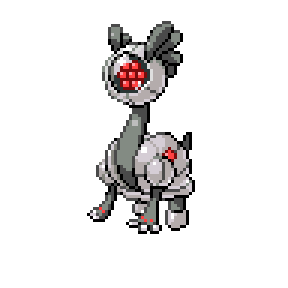
Regirorus are artificial Pokémon tasked with preventing massive glaciers from breaking apart. Should any massive glaciers begin to break, nearby Regiaura will alert the nearest Regirorus to come secure the pieces and freeze them back together.
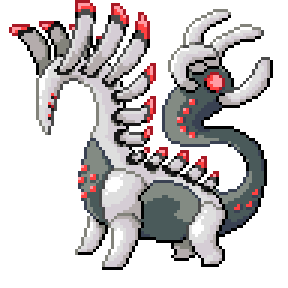
This artificial Pokémon is clad in various disc-like drones that it can control without having to move much, if at all. These drones can fire precise energy blasts or project expansive shields, which make Regimo-o a dangerous foe to ever face.
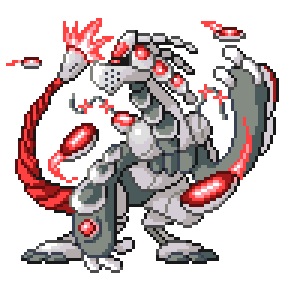
These strange Pokémon dwell in deep caverns, emitting lights from the red portions of their bodies that scan all around them. When they find something interesting, their ears will perk up and they will emit a short, shrill noise before going dormant.
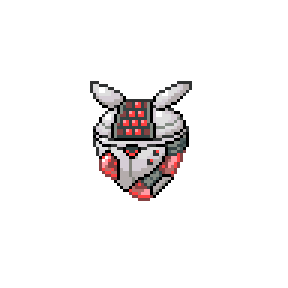
Reginaught are always searching for new opponents to fight, utilizing the data from every defeat and victory to better themselves. Due to their hulking, metallic bodies, they can endure countless battles in their pursuit of growing stronger.
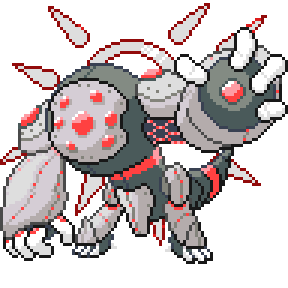
Regiphox is an anomalous, mechanical Pokémon capable of wielding mystical powers. The tip of its wand is a mass of unknown material that can take any number of forms for the sake of an unknown mission.
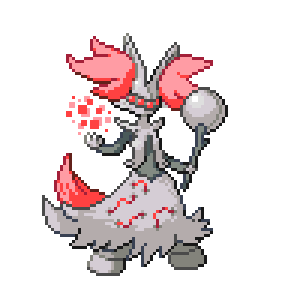
Regity appear to be cybernetic Pokémon with the mechanical portions of their bodies made of an unknown, malleable material. For a yet-unknown reason, they often can be found gathering and leading groups of Regiggy.
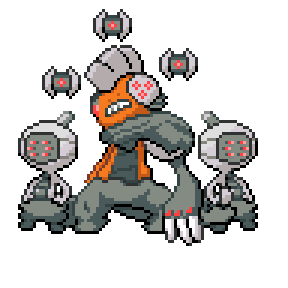
Regicolo bear a satellite dish atop their heads, which transmit data signals about local weather phenomena. The dishes are also prone to filling with rain water and Regicolo will inevitably engage in a frantic "dance" to rid themselves of this water.
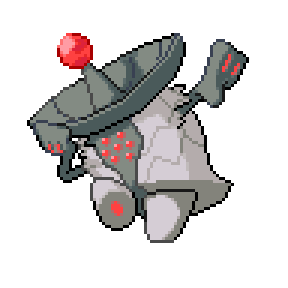
The strange material of a Regicie's body is harder than diamonds and yet is extremely malleable as well. These strange Pokémon are typically found within deep caverns using their lower body as a laser emitter to mine for various materials.
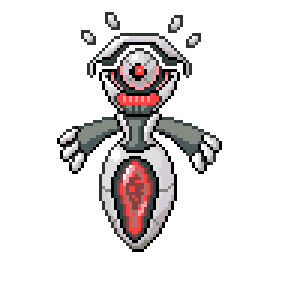
Researchers are still unsure what this consumes or absorbs to sustain itself, if it even needs anything to sustain itself. It is oddly drawn to transmission towers, utilizing its weak magnetism to adhere to them; it causes interference with signals.
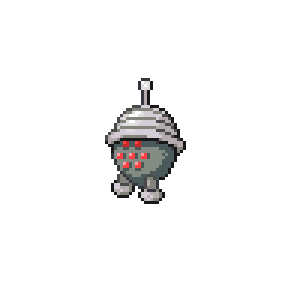
Regigull are orbital observers that were deployed with the mission to analyze weather phenomena. It took less than a year before they had to be recalibrated to only analyze natural weather phenomena.
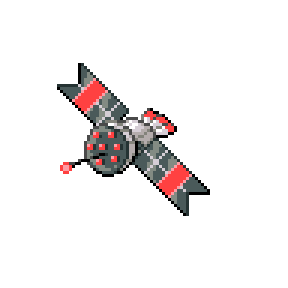
These adorable, mechanical Pokémon were once mass-produced and deployed to entertain people across the globe. A production error resulted in them having no sense of balance and so they would trip over themselves so often they fell into disrepair.
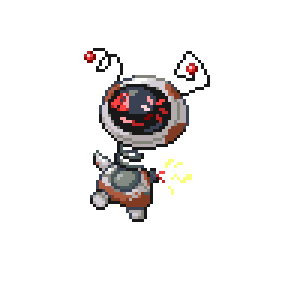
These artificial Pokémon can often be found scouring ancient mechanical ruins and abandoned facilities. Their exact purpose is unknown, but they will fire weak lasers from their chest if they detect a threat.
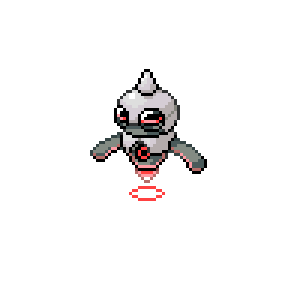
Regidol were designed to serve as custodians and guardians for their ancient creators. As such, they are found within special ruins and their arms can transform into laser cannons capable of dispatching most threats.

Regiling are artificial Pokémon tasked with maintaining peace within cities and with broadcasting important news to the city's inhabitants. Their only "weapon" is a speaker that can reach pitches so high it could even render a Loudred unconscious.
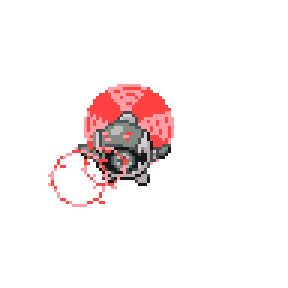
The large tail of a Regibro is said to contain potentially-infinite information that could bring enlightenment to all. Unfortunately, it is either completely unaware of this or has completely forgotten about it and instead lazes about all day.

A startled Vilehorn will scatter thick, yellow spores that can cause paralysis and disorientation. Once it starts running, it cannot stop until it collides with something.
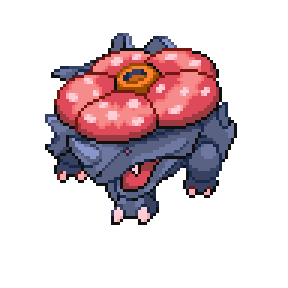
When it spins its drill-like horn, it also scatters disorienting spores all about from its petals. A Viledon's body is packed with thick muscles and is as hard as stone.
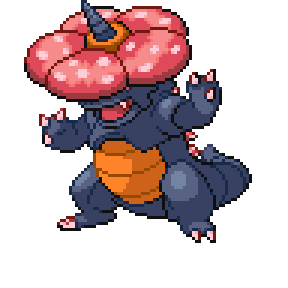
Vilereon are often wreathed in plumes of a warm, comforting, and orange pollen. This pollen can be so warm that it can melt snow, so many gardeners have a Vilereon to aid them during winter.
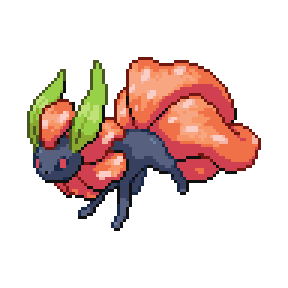
When pollen is loosed from its flower, it is about to awaken from its slumber. It will continue to loose this irritating, but otherwise harmless, pollen while awake. It falls asleep after gorging itself on berries and fruits.
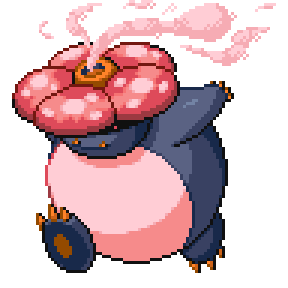
They twirl the leaves on their heads around to cast around their noxious pollen, typically as a deterrent for threats. Vilerita feed on berries and small plants, which influence the aromas of their leaves.
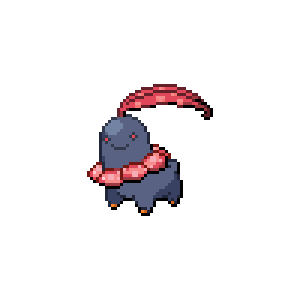
Vilequil flowers are fireproof and dense enough to offer substantial defense. They are typically very timid Pokémon that will hide under their own flowers.
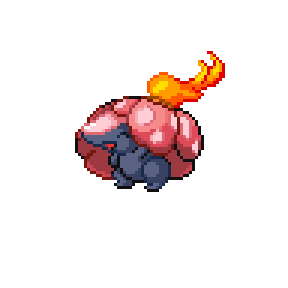
Thick plumes of noxious pollen erupt from its flowers when it feels threatened. Each speck of pollen will violently burst if set aflame. Although this serves it well in battle, this pollen is also used in some fireworks.
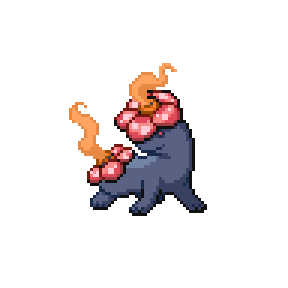
Vilewoodo are common alternatives to scarecrows in fields and gardens. They pose as trees and loose paralytic pollen to dispatch threats.
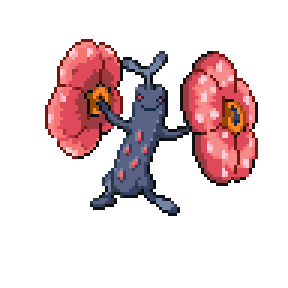
These Pokémon move by hopping about and with every hop, they release puffs of yellow spores from the flowers atop their heads. This pollen is rich with nutrients, which help fields and farms to grow lush.

Vileflora sway their long-necked heads around as they walk, scattering clouds of thick, yellow pollen around them. This pollen is nutrient-rich from the sunlight they absorb and feels warm to the touch.
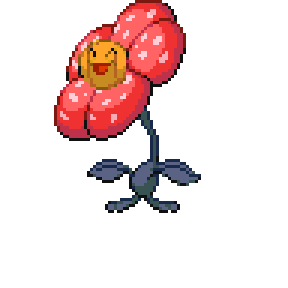
Because Vilesire are rather lazy, the large flowers on their heads are often mistaken for normal flowers that bug and bird Pokémon try to feed on. When they or their flowers are assailed, Vilesire release plumes of toxic pollen and run away.

When Vilebull rest, they are easily mistaken for large, vibrant flowers; because of this, they are often disturbed from their slumber. When their petals are touched, let alone stepped on, they lunge at and bite the perpetrator.

This short-tempered Pokémon is almost always ready to brawl due to its own flower blocking its vision. When it thrashes around, Vilebull scatters thick clouds of pollen from its flower; in fact, its pollen can induce itchiness and irritability.

Their tusks are hollow and serve more like hoses that loose their spores during specific seasonal times. Their trunks are strong enough to lift boulders and are very efficient at absorbing nutrients from the land and at absorbing water.
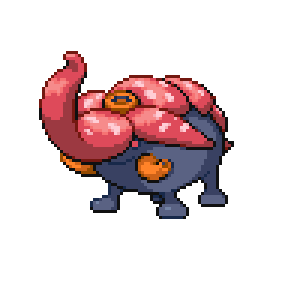
The large feathers upon the heads of these Pokémon are often mistaken for a large flower when they are resting. They are trailed by plumes of harmless, yellow pollen as they fly through the sky.
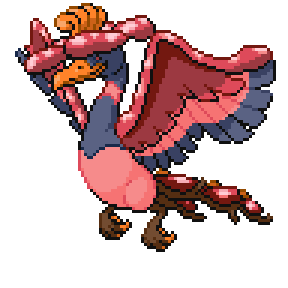
Its large flower helps it to hide from threats, though it also causes it to absorb too much water. To balance its fluid levels, it releases the excess as tears.

Vileperior can use the muscles in its arms and the open ports in its palms to fire spore bombs and large seeds at foes. They prefer to live near mountains on the edge of forests or within grassy caves.

It digs holes to hide in, with its large flower kept above ground and serving as camouflage. It hates if its body gets wet, but loves when its flower is watered.
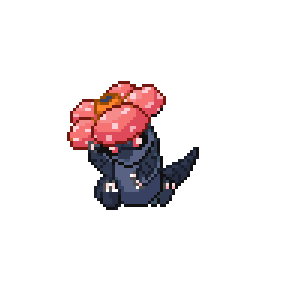
Vilebusken train their legs daily so they can support the growing flowers on their heads. The gyration that results from the many kicks they perform results in plumes of pollen being scattered from their flowers.
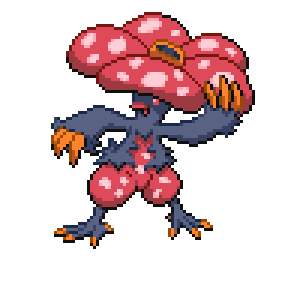
Vilets use their weak psychic powers to help support their growing flowers. Their orange horns allow them to sense the emotions of others and they will hide under their flowers if they sense malice.

Supposedly, its psychic powers are great enough for it to see into the future. It is mostly seen on sunny days, dancing in fields with clouds of its yellow pollen swirling around it.

Vilelade uses its large flower as a shield during battle, which releases numbing pollen when struck. It will counterattack with a Leaf Blade from its blade-like arm while its foe is affected by this pollen.

Vileslash dig large holes and use their large flowers to disguise themselves and avoid conflict. During summer, they produce thick plumes of a grainy and dry pollen reminiscent of sand.

Wild Vileran rest in burrows with their rear flowers aimed outward, serving as camouflage. Rangers keep track of any they find, because these Pokémon can sniff out, and will eat, poisonous plants. This diet, however, causes their horns to be toxic.

Viledon use their hard, metal heads to protect their vibrant flowers. They are most fond of small caves as their homes, where they use their heads to seal off the entrance to ensure nothing harms their flowers.

Vilequeen often lay flat in clearings within jungles and forests, which is why they often develop a layer of moss upon their bodies. They will fervently defend their territories with noxious pollen and their remarkable strength.

Viletales's nine tails each have the composition of flower petals and are hot to the touch. When agitated, it shakes loose toxic pollen from its body that burns on contact.

The petals of its flower are thick with fluid and packed with nutrients, yet its body is strong enough to walk miles before resting. During warm and humid weather, it will shake itself and scatter plumes of thick, noxious pollen all around itself.

Viletump are an uncommon sight, though anytime they have been spotted has been within a field of flowers. If they are ever stepped on, they emit a shrill cry and scatter toxic pollen from their flowers before quickly flying away.

Vilesian can sense, and become alert to, any vibrations nearby with their whiskers, even while asleep. Their flowers emit a pleasant scent when they are happy, so they are popular as household companions.

Their flowers are remarkably heavy, which has led their bodies to grow physically strong. They are always training to keep up with the growth of their flowers.

The more it psychically exerts itself, the more pollen it releases from itself, especially its petals. This pollen bolsters the body and enflames the muscles, allowing one to exceed physical limits; this can be good or it can be bad.

They rarely open their flower-like shell other than to snatch prey and, or, to eat. When they open, they release a plume of toxic pollen that many say is numbingly cold.

A Necrofree's large wings support their small bodies while absorbing light from the sun. Their bodies emit a gentle, purple glow when they are well-fed.

Necrodos's roar can tear open Ultra Wormholes, through which it will enter in search of more food, which is light itself. Those who ever find themselves within such a Wormhole may likely witness Necrodos seemingly "swimming" within.

Myriad colored lights swirl around in the crystalline organ located in the abdomen of these Bug Pokémon. Many Trainers favor them as mood lights or as night lights for children.

The tips of a Necrodos's legs are crystals that flicker with various colors when exposed to any source of light. The colors of their eyes change depending on their mood. Artists and clothing designers love them for their color-shifting silk webbing.

The eye-like patterns upon its chest emit bright, prismatic light in hypnotic patterns to lull prey into a trance. The poison secreted from its fangs faintly glows and has a psychedelic effect.

Necromega often cling to large sources of light with their entire bodies. Their multiple wings emit a shifting, multicolored glow the more light that they absorb.

Necroshrew abhor darkness, preferring to stay in light, be it natural or artificial. They can store light so they can dig for periods of time, which they do in search of crystals that function like prisms.

Necrovoir sustains itself purely on all manners of light, which it also somehow turns into potent energy in turn. The second pair of arms on its back allow it to stabilize and control miniature black holes formed from its psychic powers.

Necroslash absorb light and store it within their quills, though their every action drains their stored light rather quickly. When cornered, they can release their stored light as focused beams all around them.

Its massive claws have destructive strength and the ability to siphon light and energy directly from its prey. The more light it absorbs, the more intensely its main body will glow purple.

Its body is as hard as tungsten and as dark as obsidian. It can absorb all manners of light and will defend itself by releasing myriad beams of light and energy all over.

Necrorai have paradoxical bodies that grow with consumed light, yet the more light they consume the more scales they shed. They're almost always locked in a nightmarish rage due to their insatiable appetites.
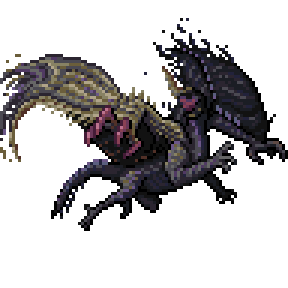
Most of this Pokémon's body seems to absorb any light that would touch it, causing it to appear eerily black at all times. It can use its large hands to focus large quantities of raw energy that will be set loose upon any foes.

These tiny Pokémon are drawn to any source of light near them, though they favor lightbulbs most of all. They will attach themselves to lightbulbs, feeding on both the light and the ambient electricity.

Necrorock searches for, and feeds upon, whatever sources of light it can find. Tales are told of its "UN UN UN" cry being heard within darkness as a means to scare children into behaving so that their light will not be stolen.

Wild Necroras have been known to infest lamp posts and other sources of light. The multicolored fungal spores they release are a result of being full and will grow into mushrooms that glow with various colors at night.

It absorbs light through its front claws, whose crystals only glow when it has eaten its fill. It can loose devastating beams of light from its eyes. Odd, pitch-black mushrooms will grow in the wake of destruction left by these beams.

This Pokémon can absorb light and convert it into energy that fuels its body. When it feels threatened, it will release many beams of concentrated light from all over its body, which will wreak havoc all around it.

If anyone Stuffveon does not know or trust touches its ribbon-like feelers, it will fly into a raging frenzy. Unless it holds itself back, its feelers and limbs strike with enough force to break solid concrete.

Despite how small Dhelbone appears, it lugs around a metal anchor with ease. It lives within a shipwreck and defends its territory by swinging its anchor around. If anything is stolen from the shipwreck, it cries for days.

Dhelwak wears the abandoned hat of the captain of the shipwreck it calls home, as though to command respect from others. It uses its own seaweed to ensure it never loses its anchor, even when it throws the anchor at its opponent.

Dhelwak wields its anchor without difficulty, as if the object were nigh weightless. Its skull appears to be made of gold, though anything that touches it will have its life force siphoned.

Stories claim that these Pokémon are born from the algae-clad, rusted wreckages of ships. They swing their anchor-like tails with brutal ferocity to destroy obstacles and opponents alike.

These spectral Pokémon are often found around the ruins of ships sunken by storms. They prefer to feed on the algae that grows on these same shipwrecks and loose electricity to deter aquatic predators.

It hides within underwater wreckage, though it never goes far without the ship's wheel it has bonded to. Anything caught within the grasp of its seaweed body will feel its life be steadily drained.

Supposedly born from the souls of sailors lost at sea, Dhelwile utilize their hair-like seaweed and anchor-like horns to dominate underwater. They fight by swinging their horns, which can be swung with enough force to puncture a ship's hull.

These isolated Pokémon siphon life force through their seaweed, a fact that they seem to have no control over. They do not want to cause harm, so they choose to seclude themselves instead.

Dhelrade have long since been part of stories and rumors as being the spirits of people lost at sea. The seaweed clinging to their bodies seems safe at first, but their seaweed contains and secretes toxins that inhibit the respiratory system.

Dhelrade patrols around the wreckage it has made into its home, using its anchor to smack down larger foes that draw too close. The seaweed on its right arm can extend and grab hold of prey or be used to quickly maneuver underwater.

Dhelmer frequently drift within deep waters, letting themselves be carried by currents to move around. They become immobile when they rest, which they may do during meals of seaweed and moss; this has led for both to grow upon their bodies.

Dheltry can be found lurking near pirate shipwrecks, which has led some to believe they may have been born from the spirits of pirate captains. Their anchor-arms can reach far to drag any foe to them so they may ravage them with their hook-hands.

Because Dhelskit are so often found near sunken shipwrecks, many still believe they are born of souls lost at sea. Even small craft lost within lakes have often served as homes for these Pokémon.
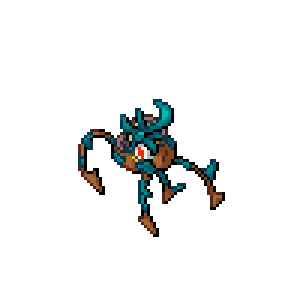
Martung saliva is highly toxic but only poses a real danger if ingested. They love to lick things that seem flavorful to them, but they favor licking pieces of coral and Corsola most of all.

Within its tentacles is a potent toxin that is priceless in crafting certain remedies that calm the mind and body. Thankfully, its tentacles regrow overnight, and it is willing to let them be harvested, so long as it is treated and fed well.

Toxnium exude a deceptively intoxicating aroma from the growths around the bases of their necks. Anything that draws too close to a Toxnium will be quickly struck with claws, horns, and fangs that deliver a painful and potent venom.

Its spiked appendages provide ample protection and a range of ways to channel its flames at its foes. Each of its spikes are burning hot to the touch and secrete a burn-inducing poison.

It digs its claws into foes and prey, then flaps its wings against them to drive its poisonous spikes into their bodies. It can swim underwater in search of prey and then pull them up into the air.

The orange parts of Toxslash's body can deliver a potent venom into anything they puncture. Its venom is known for causing dry mouth, lethargy, and heightened muscle tension; conversely, it can be used to make curatives for those conditions too.

Their spikes release a painful venom when the tips come into contact with something; if untreated, this venom will damage the very nerves. They rarely seek conflict, however, and merely wave their tendrils about to deter threats.

Toxorus secretes a highly concentrated toxin that is capable of corroding metal within a few hours. It keeps its axe-like tusks coated in a film of this toxin so it can swiftly dispatch its targets.

The multiple "flaps" of its lower half can come together to form a cannon through which it will release a disorienting, poisonous mist. This species of Pokémon boasts telepathic abilities that let them avoid or seek others with ease.

Those afflicted with poison from Toxtales experience a severe burning sensation that can last for nine days and nights. They spew flames and poisonous vapors when attacked or when their precious tails are sullied.

Toxuk are common residents of filth-ridden waters and dense shipwrecks, their corrosive bodies being capable of dissolving nearly any material. To avoid detection, they conceal their faces and blend in with waste and the seabed.

Hawlbone strike their clubs against rocks to create a noise before they battle, akin to how a bell is rung in wrestling matches. Although they try to fight honorably, they panic and pin their foe using their club if they feel cornered.

It perches atop branches and rocks in wait of worthy opponents to cross its sight. When it spots one it deems a worthy foe, it cries out and leaps at them with its club raised.

The tails of Hawlew are strong enough to lift Tyranitar high into the sky. They are known to lift any foe or prey into the sky and spin them about before throwing them to the ground with all their might.

They leap and soar through the air with their wing-like jets of flames. Although they can strike from afar with their flames, they tend to prefer to fight evenly with physical prowess.

Hawlsire love to leap from tall heights to glide, then dive down into the water below; they only leap from heights with plenty of water nearby. Some people have begun to make a game of betting on how large a splash a diving Hawlsire will create.

Hawlbok appear in some historical records as a feathered, serpentine deity that struck awe and fear into many. None can escape their constrictive grasp, especially not after they deliver their poison with a single, deep bite.

It uses its wings to quickly and precisely adjust its movements; the friction of its feathers as it moves quickly builds a static charge. Hawlchu can hover in the air and precisely attack foes with its long tail and electrical bolts.

The orange feathers growing upon its head denote its age and how near it is to its evolution. At this point, its muscles are strong enough that it can break solid rock with a single strike of their clawed fists.

Wild Hawlcko spend most of their lives climbing atop the tallest trees they can find, both to form nests and to practice flying. Even if they crash, they almost always get back up and try again.

It patrols a wide area within its forest home, using its wings to weave through the trees or to glide atop the tree canopy. Hawlvyle swoops down and delivers tree-cracking kicks to quickly deal with any hostile Pokémon.

Hawltile utilize their wings to perform swift and sudden maneuvers, especially during battle. They are known for pelting their targets with Bullet Seed before finishing them with powerful Leaf Blade attacks.

Small feathers grow under their arms and will eventually grow between some of their plates. They can glide through the air, which they often do before diving toward the ground to continue digging at higher speeds.

The feathers on its back can tense and harden like quills, offering excellent defense and a means to deliver devastating "senton" attacks. It will dig to keep its body trained and can launch out of the ground to great heights.

Hawlgon are proud fighters that will never strike their opponent's back, no matter what. Their signature move is a powerful suplex where they take their opponent into high skies before diving down swiftly to the earth with a dive bomb.

Hawltios utilize telepathy to detect and track potential threats to themselves and to other, weaker Pokémon. Hawltios tend to throw themselves against their foes at intense speeds, yet they never do so recklessly.

Hawldrio are known for their curved beaks, which they use to break open extremely hard nuts and tough fruits. Though they can deliver devastating pecking attacks, they are more known for their rapid kicking attacks.

Cacbone pretends to be a normal, albeit small, cactus to avoid the attention of others. It produces a nutrient-rich liquid within itself. It produces far more than it needs, so the excess is expelled like tears from its eyes.
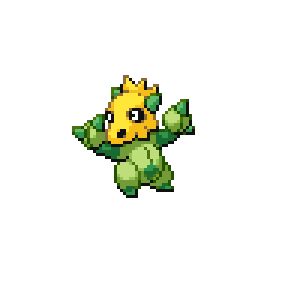
They develop more vibrant, yellow colors the more well-nourished they are. Their ribbon-like organs exude an alluring aroma to attract prey, which they quickly down with precise strikes.

Cactbone stalk desert oases and lash out at intruders using their thorn-clad clubs. Their clubs are packed with nutrients and water that they can siphon as they need; frequent desert travelers often have a few of these clubs in case of emergency.

Their bodies are lined with many thorns that contain a potent toxin. Any shed thorns can actually take root like seeds and grow into purple flowers that have an intoxicating aroma.

Cactveon stalks travelers and Pokémon as night falls, waiting for them to tire out due to the heat before it strikes. It can absorb nutrients through its feelers, even from prey, and the process often renders the victim unnaturally soothed.

These brutal Pokémon live and swim within desert sands as if they were mere water, the sight of their dorsal fins a common nightmare for many. They can swim so fast as to create a swirling pit of sand that few have ever escaped from.

Within their heavy shells are pools of boiling sand that has an unending flow, so long as they are awake and alive. They can release controlled blasts of this sand to quickly conquer prey and most foes.

These Pokémon are shy around most, except for young Pokémon and human children. They wield the tools or toys shared with them by their young friends but cry if said tools or toys are ever broken.

This beach-loving Pokémon wears a shell to protect its head. It watches over young Pokémon and human children as they play and will use a child's shovel to fight for the sake of others.

Sandychic hide along beaches and avoid most people, though they seem to happily spend time with children and young Pokémon. If anyone touches the shovels in their heads, however, they will lash out and spew flames.

Sandyts are mystifyingly drawn to the abandoned sand pails on beaches and don them as helmets. They almost never reveal their faces because they are so shy, but some children claim they have seen them when playing with Sandyts on the beach.

Sandylup are common along beaches in cooler climates, often playing and spitting out vividly colorful bubbles, which are famous for the sight they provide at dawn. If the shovels on their rears are ever touched, they quickly become enraged.

Its red ribbons are said to be gifts from friends, potentially far in the past. It is a friendly and docile Pokémon that loves to play with others on the beach; it grows aggressive if anyone touches its ribbons, however.

Sandykoth are infamous among nearly every beachgoer for how they will casually lay claim to beach towels as their beds. They do not seem to have ill intent, but rather, they seem to be very self-indulgent and require exorbitant amounts of rest.

The sand upon its back is held together by mycelia structures, which sometimes can be seen through small holes in the sand. It displays an odd attachment to the shovel caught in its mycelia and will become agitated if the shovel is touched.

At times, its body twitches in sync with at least one of its parasitic mushrooms. If anything tries to touch these mushrooms, it will lash out with its axe-like tusks.

Paxure are fairly docile Pokémon that hone their tusks on trees, which also allows them to feed on the sap within. Their bodies grow slower than their mushrooms, despite how much they consume.

Within the sandy bodies of Palowak are yet unknown bones, the sight of which seems to fill them with remorse and causes them to cry. They fight with toy shovels often used by children, and lash out at those who touch the shovels or the bones.

Paloras are incredibly friendly Pokémon that will play with anyone they meet, sometimes even trying to play with those who simply want to leave. They regularly let their playmates mold and decorate much of their sandy bodies.

Palovoir appear rather frightening to most people, yet they are very kind and gentle Pokémon that love to play with others. They compromise by standing on beaches and letting others play with their sand without moving until everyone has left.

Its ribbons extend throughout much of its body, supposedly holding itself together. Some believe that it exudes a curse-like aura that compels others to play with it and to decorate its sandy body.

Wild Paloxorus will lounge along beaches, unfazed by any children or other Pokémon that may step upon their sandy bodies. They wear the shovels of their friends and wield them like weapons to defend those they care for.

Supposedly, within the large pail it wears is a complex network of mycelia that hold together its sand-like body. If the pail is ever touched, even by its Trainer, it will lash out.

Amabone wear skulls and wield bone clubs, each made of solid ice and shaped into skeletal remnants to intimidate others. At night, these constructs of ice shimmer with auroral lights.

They live reclusively within frigid cold areas, able to veil themselves with a cold mist released from their small crystals. Their shed scales are cold to the touch and shimmer like auroras when struck by light.

Its crystalline orbs are colder than solid ice and glow with shimmering light akin to an aurora. When it cries out, it releases a frigid veil of mist that deters most others.

They live in small herds upon tall hills and mountains clad in cold weather. When an aurora shines in the sky, they take to the air and fly as if riding upon the lights themselves.

Amashrew are desert Pokémon that are primarily active at night, not for the darkness but for the lower temperatures. They are inherently curious and will approach others, though if they feel threatened they will curl up into balls.

Its claws are made of solid, Never-Melt Ice that can endure even harsh desert heat. It prefers to come out at night, which exposes the shimmering, aurora-like lights of its many quills.

It has earned the moniker "Dancing Aurora" due to its colorful appendages that shimmer with light at night while it prances about. It must be kept in cold environs, or else it will grow ill within less than a day.

Amaxew spend much of their lives carving homes within formations of solid ice using their tusks. This process helps their tusks to grow stronger and sharper, allowing them to better defend themselves in turn.

Amapede live within the tundra, their round and dense bodies allowing them to roll along ice and snow with ease. Although they typically move slowly, they become more active during an aurora and spin even quicker.

Throughout spring and summer, Aurobone must pad their helmets and clubs with ice or snow to keep them from melting. When Aurobone are happy, the sail-like fins upon their heads shimmer beautifully.

Aurowak exudes a frigid vapor from its crystals and from its sail-like veils that keeps itself cool and protects its ice club from melting. Its skull is colder than Never-Melt Ice and harder than diamond.

Aurocuno are always trailed by an aurora cast by the frigid air exuded by their long tails. Their wings glow like prismatic auroras during battle, especially before they release their frigid energies.

These nocturnal Pokémon leave gorgeous auroras in their wake when they fly across the night sky. The cry of an Aurotres will herald a snowstorm, though some speculate they are capable of creating snowstorms.

Auronair can release frigid air from their many crystals that is capable of creating formations of solid ice in seconds. The energy they store within themselves is able to solidly freeze anything in its path if loosed.

The gem-like tip of its tail can release a freezing energy capable of keeping its desert burrows cool throughout the day. It has been seen curling into a ball and spinning while releasing this vapor to cool itself off.

Auroslash claws are made of ice that is stronger than Never-Melt Ice. Their shimmering quills can release a frigid vapor that help them to stay cool in the desert heat.

Aurolia tend to dance when they feel happy, favoring slick surfaces such as ice to skate along. Some Aurolia have reportedly coated the terrain around them in ice purely to enhance their dancing capabilities.

Aurovoir channels its powers of frost together with its mystical energies to create castle-like dens of solid ice that can last for years without melting. They rarely leave their dens unless they sense the presence of a kind soul.

Aurolade use their many crystals to instantly form ice blades on their arms and shards of ice to dispatch foes and threats. Their flowing crests glow vibrantly when they command the power within their crystals.

Auroveon defend themselves and their young by creating walls of solid ice using their diamond-shaped crystals. They exude a cold aura from their ribbon-like organs, which can keep themselves and their young cool in harsher environments.

Although this Pokémon can release chilling air from its diamond-like protrusions, it most often releases it from its axe-like tusks. These tusks are sharp enough to cut through metal and will often freeze the area around the cuts they make.

These Pokémon carry large crystalline flowers of ice kept cold by the frigid air loosed by their many, diamond-like frost organs. These flowers shimmer like an aurora and to witness them even once is considered a great boon.

Their tusks are always clad in layers of sharp ice to keep them safe as they continue to develop. Even with this, they still shed their tusks every year so they may regrow better than before.

A rolling cloud of freezing mist is oft a harbinger of the advance of these Pokémon within the tundra they call home. They can freeze most prey solid with a breath loosed by their maws and instantly crush them with their mighty jaws.

Rockveon are very excitable Pokémon who will chase their own feelers or other moving objects. Even during battle, they are less concerned with winning than they are with having fun; they will be enticed to bite onto their foes nonetheless.

Its fluttering feelers entrance and befuddle foes as it runs circles around them. The tips of its feelers are as tough as rock and are used to deliver precise attacks.

These fierce Pokémon love to antagonize their enemies into attacking themselves. When a Lycandily is struck, it will often utilize the momentum to swing its head and deliver a crushing headbutt with its rocky mane.

Lycanveon flail their feelers about to taunt and agitate others. When a target takes the bait, they endure their hits using their tough feelers and deliver crushing counterattacks.

Very few Melodos have ever been spotted, for they are reclusive songstress Bug Pokémon that have been judged for their lower bodies by many. The webs they spin can carry their beautiful melodies without changing the pitch or tune of their notes.

The singing of these Pokémon can be heard at the crack of dawn, their forest homes coming to life in tandem with their songs. Their antlers are reactive to sound and amplify their songs greatly.

This Pokémon's songs have gained it many fans among humans and Pokémon alike. Yet it is oft said that its most beautiful melodies are saved only for those it trusts most.

Many are drawn to the songs of these Pokémon, blissfully unaware that these songs influence their very emotions. If their songs alone fail to subdue their foes, they will restrain them with their feelers until they submit.

Meloveon's songs are treasured by many, though few remain aware that its singing can heavily influence the emotions of those who hear it. It dances elegantly during battle, its feelers fluttering and lashing out to deal harsh blows.

Melosaur's upper half is almost always enclosed in a flower bud that only opens so it can perform its songs. Although these songs are beautiful, they also serve to lure prey into the clouds of noxious pollen that are also released when the bud opens.

A nocturnal Pokémon that metabolizes sunlight absorbed through its crescent horns. Its club scatters shiny particles whenever it strikes someone or something.

Cresstini are favored by many parents as companions for their children due to their small size and the gentle sleep they oft provide. They scatter many bright particles from their veils when they shed and slough their old skins.

Its crystals glow when exposed to moonlight, which also causes it to release many shining particles from its veils. It accumulates vast energy within itself, which it can deftly loose to deter foes.

Cressgia was first sighted emerging from deep ocean waters on a moonlit night, with shining particles cascading from its wings together with droplets of water. It only becomes active at night and flies at cloud level with a star-like trail behind it.

Some works of fiction depict Cressvoir as an "Empress of Light" that will appear to eradicate those daring, or foolish, enough to slay pixies or fairies. Its four wings scatter many beautiful particles as it flies about through its territory.

The three loops of a Cressceus will shimmer at night and release shiny particles around them like a majestic veil. They will often be drawn to those plagued with nightmares and press their noses to their heads to offer comfort.

Its veil-like mane glows under moonlight and scatters many sparkling particles that some legends claim will become more stars in the night sky. It needs to rest often because it uses so much energy just to move its sizeable body.

Cressvern only appear from their dens on nights where the moon is visible and shining bright. Their wings shimmer with mesmerizing particles that are scattered in their wake.

Paraossom will dance under bright sunlight, scattering spores from their mushrooms. These spores often take root quickly, so these Pokémon are commonly found near fields of various mushrooms.

Their bodies are made of a semiliquid reminiscent of amber. Their shells of hard rock are overrun with mushrooms that have begun to spread to the rest of their bodies.

When a Paraoh shakes the large mushroom on its rear, it scatters multi-colored fungal spores. The growths along their bodies seem to stem from the large mushroom, leading some to believe it is the one in control.

It uses its large claws to burrow through terrain in search of nutrient-rich soil and water. The mushroom on its head serves to help absorb nutrients from whatever it digs it claws into and grows larger with every passing week.

Its mushrooms glow and hum as electricity generates within them. It releases electricity through its large claws, which has led to it being used by engineers.

They thrive on the sap and nutrients in trees, both accessed through the cuts made with their tusks. When Paraxorus cry out, their mushrooms shake and release spores that may develop into small, parasitic mushrooms.

The glowing growth upon its body is a rare species of fungus that pulsates and throbs as if it were an organ. The weapon it wields is made from petrified wood. Its moves in odd and erratic ways, seemingly being dragged around by the fungal growth.

Many stories claim that the true body of this Pokémon resides within the large mushroom hanging overhead. The tendrils of mycelium extending from the mushroom seem to control the movements of the lower half of its body.

Paraxure use their sharp tusks to cut open trees. Using their claws, they can siphon nutrients from the cuts they make. At times, their mushrooms twitch and their claws move in sync with the twitching.

The fusion between a Parasect and a Sableye resulted in the former's giant mushroom merging with the body of the Sableye. The mushroom puppeteers the body with eerie accuracy during battle and when hunting for food.

Fully-grown mushrooms spill forth from within their large mouths as they fly. These mushrooms are incredibly invasive, so places where Paraliper live must often check and clear away any that they find.

When a Parapius flies, its body will look rather limp as if being carried by the large mushrooms sprouting upon its back. Its many mushrooms are considered a delicacy in many regions, but must be roasted thoroughly.

The mushroom upon its back has grown massive due to how often it will laze about, even during storms. Sometimes its limbs and tail will jerk around awkwardly, leading some to believe that the mushroom is in control of the body.

The spores it scatters from its large mushroom have a sleep-inducing effect on others. It will feed upon the dreams and nightmares of those who fall asleep due its spores.

There are very few Necromie known to exist, and all of them live in our planet's orbit to feed upon our sun's light more directly. If anything attempts to harm them, they will release a beam of destructive light from their eye-like core.

After gorging itself with an overabundance of light, Necrodos now radiates that which it consumes. Wherever it goes, the light it radiates wreaks havoc and destruction all around it.

Necroew can release any type of light, even those that may be harmful to others around them. Whether they have any awareness of the harm they cause is unsure, as they will even treat battles as mere games.

Necrodos are drawn to sources of light like Mothim are drawn to flames. The webs they spin glow with a faint, yellow light which they weave around their territory, often helping to guide lost travelers within caves and forests.

Necroshrew feed on light, be it natural or artificial, and are always emitting their own light as a result. They are welcome sights in dark caves due to their emitted light, though if they are attacked they will release this light as destructive rays.

Necrovoir has awakened and unleashed all of the latent power within itself. Reality itself bends around its presence like the event horizon of a black hole, while its rays of light rain devastation upon all who threaten its Trainer.

It is overflowing with bright light and raw energy, which allows it to control its separate limbs in various ways. It can focus and release beams of destructive light from the "X" on its face.

It sheds much of its armor-like plating after having gorged upon too much light, its body now radiating a burning, bright light and surging with energy. It can channel much of its energy into a devastating beam that can scar the soil it burns.

Necroveon defend others with flashes of bright and powerful light. Although their light can cause lasting damage, some scientists have discovered ways to focus their light for medical use, such as precise surgical lasers.

Necroquaza flies near and around the sun itself, clad in the light it also feeds upon. It roars whenever a solar flare occurs, which lead some to believe, for a time, that its roar would cause solar flares.
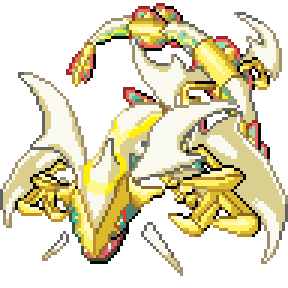
Necrotina is said and thought to have come from another world, particularly due to its ability to absorb and metabolize all forms of light. Supposedly, if it depletes all of its light, then darkness will spread throughout it and around it.

When the shining scales of Necromo-o clang together, they emit bright flashes of light that can be seen for miles. The moment any of these scales fall off, however, they turn pitch-black as if all the light suddenly leaves them.

Their scales emit sound as they dig through terrain. Jangshrew have a habit of collecting their favorite stones and smacking them together to make noise.

Its quills are hollow despite being tough. When agitated, its quills stand on-end and emit chime-like noises as the wind runs along them.

It has many different patterns of clashing its scales together that each express different emotions. It strikes with precision using the sharp scales upon its feelers, be it in battle or against prey.

Jangloom uses the tip of its tail to communicate by clashing it against its other scales. When the scales on its back or its cap-like head are struck, toxic spores are scattered.

Hakashrew are clad in tough, sharp scales that they keep honed by digging through terrain regularly. At least every week they shed their scales while digging, which will regrow in half a week's time.

Komwak wield a small bone-like rod clad in myriad scales that it has shed throughout its life. When it waves this rod, the scales attached to it clatter together in a fascinatingly tranquil melody.

Its many scales emit loud, metallic noises as it flies through the sky, often loud enough to be mistaken for thunder. Any shed scales are often used in decorations meant to ward off terrible storms.

Komtank utilize the large scales on their tails to shield themselves and to batter foes and tough foods alike. Their scales exude a dairy-like aroma even long after being shed.

Its many scales each emit shrill sounds when they are clashed together. These scales are kept razor sharp by it digging through terrain, favoring harder terrains to keep them at their sharpest.

When agitated, the scales on its back tremble and clash together, emitting shrill noises that unnerve most others. It can clash its red claws together to emit focused sounds, both for communication and for battle.

Komceus are very prideful about their golden scales and take great care to keep them clean and polished. If anyone were to dirty their scales, they will fly into a tantrum that can last for many hours.

The many scales of a Komence's wings will clatter and jingle as it soars through the sky. Many treasure these golden scales, but their only hope of obtaining them is when they are shed for this Pokémon will not even allow its Trainer to pluck them.

Supposedly, these Pokémon clash their rigid scales together to calm themselves before battle, though this has yet to be proven. Some old tales claim that holding one of their shed scales calms a person's nerves and soothes their heart.

Embers scatter from between the cracks of its scales to startle foes and prey alike. While its foe is stunned, it will latch onto them with its talons and emit a deafening screech up close to knock them unconscious.

Komrorus's smaller scales are often shed at the end of every winter cycle as it returns to northern lands. These scales somehow remain cold for years even after being shed, which led to many people using them to help preserve their foods.

Wimveon use their feelers to retrieve food and to keep their dens clean, to a degree that most would call meticulous. They are weak-willed and flee at the first sign of trouble, even if it means abandoning their dens.

The platings of its arms are strong enough to endure and deflect most attacks. It shields others, especially those who are weak, and allows them to flee while it holds off any threats.

Although this Pokémon usually conserves its strength and meditates, rarely disturbed due to its armor-like shell, it is able to shatter a tree with a single punch. It will accept any challenge it deems worthy, equally utilizing strength and skill.

Fobone feed on bone marrow for nutrients that they cannot gain through merely absorbing sunlight. As they grow older, their leaves and vines begin to subsume their outer skulls.

Its leaves and feelers emit a pleasant, soothing aroma when it is awake. It will often sit in clearings or fields and bask in the sunlight with its grassy feelers spread out.

Fodot rely on sunlight for most of their energy and nutrients. From the tops of their heads, they exude pleasant aromas, causing them to be targeted by many predators; for this reason, they often scale trees and hide upon the branches.

Luros take great care of themselves to maintain their vivid colors and to keep their arm blades sharp. However, if someone gets muck or dirt on them, they will likely fly into a rage until they tire out.

Ludos use their long beaks to penetrate trees and suck out the water and sap over a span of a few hours. When they rest, they roost atop tree canopies with their vibrant wings spread out to better absorb sunlight and moonlight.

Luveon perform photosynthesis to get most of their nutrients, which helps to keep their colors vibrant. They can harness sunlight into their feelers to perform Solar Blade attacks with terrifying precision.

Wild Lutula use their large claws to defend their young as well as to trim the greenery around their forest homes to prevent overgrowth. Their electric webs help them to conduct sunlight into their bodies, which help to maintain their vivid colors.

Lutik cover their forest burrows with leaves mixed and held together with electric webbing. Their front claws help them to trim and maintain the leafy bodies of themselves and others of their kind.

Lusect are known to infest forests and siphon nutrients from local flora for the sake of their own health and growth. They will turn on their own kind if any attain brighter colors, which is a sign of having overfed.

It defends itself by firing beams of concentrated light from its crystalline horn. It sheds it old skin as it burrows through ground and rock, which is easily stripped away in the process.

Carnair are clad in many jagged crystals oft considered to be more precious than diamonds. They store, and can concentrate and loose, energy inside of their crystals.

It bathes in light as it flies with its belly facing up. By angling its wings, it can concentrate and direct beams of light to fend off foes.

It flares intense heat and light from the gems on its back to protect itself. It absorbs sunlight through its gems and metabolizes that light into sustenance and energy.

Carlava emit heat and concentrated light from their crystals to defend themselves. Their crystals can grow uncomfortably large, at which point they scratch themselves against hard terrain to break off the excess mass.

Carlosion absorb heat and light through their bodies, metabolize it, and store the resulting energy within their crystals. They can control the release of energy from their crystals and will unleash it all in an explosive burst as a last resort.

It raises its jewel-like tail to the air to absorb sunlight, which it can then release like beams in defense of itself. The white tuft around its neck absorbs water, allowing it to stay out of water for hours before it needs to resubmerge itself.

As Careon age, the crystalline parts of their bodies take on differing colors. It is said that at the very climax of their lifespan, their crystals take on a rainbow-like hue that quickly fades if not harvested fast enough.

The first Carking was discovered sleeping deep within a mine, surrounded entirely by large formations of precious minerals. When it became active, it consumed large portions of precious minerals and eventually fell asleep again.

It uses the crystalline tips of its feelers to refract light; it can concentrate light enough to create precise and powerful beams. Its body is as hard as diamond, save for the white fur around its neck.

Cartina was first discovered with its serpentine body coiled around a massive crystal underground. It is able to release the energy it stores and accumulates as precise beams from the jewel-like parts of its body.

Carkoth form their dens within caves and caverns rich with precious stones. They move very slowly when they are not hungry and may even fall asleep atop the precious stones they have dug out with their claws to gorge upon.

Caroth is constantly active because it is brimming with energy and will quickly lash out at anything that disturbs it. Its claws are harder than diamond, allowing it to easily dig in search of minerals to consume.

Carpede are common sights within large, mineral-rich caverns. They scuttle along any surface they can in search of minerals and gems to nibble upon. If they feel threatened, they will emit bright light from the jewel parts of their bodies.

Carsect derive nutrients from the crystals and gems they dig up and eat. They can emit bright lights from the crystals on their backs to disorient enemies.

The crystal formation covering its eyes protects it from bright sunlight as it darts around in zigzag patterns. It seems to be able to absorb sunlight and convert it into energy. Its energy sustains it and can be released as beams to defend itself.

Carple defend themselves by firing precise beams from their crystalline horns and tail spikes. They make their nests within gem-rich caves and caverns and feed on chunks of gems and ores.

What was first thought to be white fur is actually densely packed cotton spores. The gem parts of its body serve to improve the rate at which it can absorb sunlight. To defend itself, it can fire its stored sunlight from the gem parts of its body.

Carlow defend themselves by firing beams from the gem-like parts of their bodies while taking to the air to put distance between themselves and their foes. Their white feathers are softer than silk and are treasured by many collectors.

Chesursa have rather tough hides and strong, sharp quills & claws, all of which allow them to go toe-to-toe with Beedrill to claim their honey for themselves. They are rather gluttonous, however, and eat so much that they quickly sleep after a meal.

Cheschic communicate and fight with headbutts. Their quills harden and become scalding hot when they are agitated. They spit flames to roast food and to deter threats.

It uses all of its strength to launch itself and headbutt trees, knocking loose as many fruits as possible. It prefers to eat nuts and will share food with any nearby people or Pokémon it can find; it seems to avoid conflict as much as it can.

Despite their menacing second head, Cheswile are friendly Pokémon that love to gather berries and flowers for their friends. They will use this second head like a flail to defend themselves and others when threatened.

Chesveon are friendly by nature and use their vines to acquire food for themselves and for others they care for. To defend others, they can flex their ears to harden the quills upon them; these quills can pierce a tree when hardened.

The quills atop a Chesdot's head are typically soft, but they become hard and sharp when it is agitated. Chesdot is docile and incredibly friendly, even hurtling itself at trees to knock loose any fruits and share them with others.

Its coat of thin, bristly hair is said to have evolved for their protection. Each piece of hair crackles with static electricity even after being shed.

Their bushy tails are full of thin, needle-like hair that can tense like their quills can. Their eyes have evolved to spot even the smallest of prey, no matter how fierce the weather may be.

These tiny Pokémon are covered, and protected, in a layer of plasma that seems to allow them to levitate. They are drawn to sources of light, especially lightbulbs which they will drain electricity from.

Its large eyes allow it to see far ahead and around it as it runs around in zigzag patterns. Its coat of hair is thin, stiff, and prickly to offer better protection.

A Venonoone's large eyes allow it to see far ahead, even as it runs fast in a straight line. They also track prey well and will leap upon them to down them with their sharp claws after chasing them.

Wild Quilchic live together in sizable groups and spar with one another to strengthen their small bodies. Within themselves are singular flame sacs, which is where they form their fireballs; they often spit fireballs to knock down fruit.

Quileon always clash when they meet, purely to test each other's mettle and strength; rarely do they clash with malicious intent. Their tails curl tightly whenever they tense their muscles, including before they fire out their tongues.

Wild Quilchomp regularly spar to grow stronger as well as to test the mettle of their friends and allies. In actual combat, they swing around their flail-like tails with destructive force, which are capable of shattering trees in a single swing.

Quilwile constrict their foes with their strong maws. Kind by nature, they also use their maws to crush up hard foods for others. When two Quilwile meet, they will engage in battle for the sake of testing each other's mettle and power.

Even in the wild, Quilveon refuse to start fights without an honorable reason. Instead, these Pokémon use their thorn-clad feelers to protect others and to put an end to unnecessary quarreling.

Quilon always strive to be stronger, leading to them clashing with each other whenever they meet; this also serves to test the mettle of each other. The spikes along their bodies are harder than steel and are shed monthly.

Chesligatr's Bite is forceful enough to crush and tear apart heavy machinery. Wild Chesligatr typically wait within water or foliage to ambush their prey.

Although it is small, this Pokémon's Tackle is forceful enough to split a full-grown tree. It will take hits head-on and retaliate with Tackle attacks or by spitting out hot flames.

Even in the wild, Cheseon are stalwart protectors of other Pokémon. Their small bodies are densely packed with muscle, so they can withstand most blows head-on. They can change their hues for camouflage, but they never do so in battle.

Cheswile eat tough foods with their large maws, which have enough strength to bite through a sheet of steel. They have valiant hearts and will not hesitate to help and protect others; notably, they often use their maws as shields.

Its feelers are incredibly hard despite how freely they can flail about. It rarely starts fights but will not hesitate to interfere with fights to protect the weaker party. It uses its feelers to repel attacks and to shield others.

It communicates by striking together the scales on its arms and hands. The spikes on its strong tail are also seeds, so plants often grow where its tail has struck.

Fennecko are often seen munching on twigs and leaves atop tree branches. They will ignite whatever they are munching on and fling it at potential foes before battling.

Fennechic snack on small pieces of twigs, though they are rather picky eaters; they each prefer specific types of wood to snack on. By eating twigs, they fuel their internal flames and ensure the fire they spit out is always strong.

Fennekip eat wood over other vegetation, though they prefer to eat softwood most of all. They have strong flames within themselves, which keep them warm and heat up the water they spit out at foes.

Fenneveon munch on small twigs as snacks, which help to keep their internal flames strong. They release some of their excess heat as a warm and soothing aura from their long feelers.

The fur of its tail is so hot that mere friction is enough to set its large stick alight when drawn. It waves this stick and its own feelers around to communicate and to ward off threats.

This Pokémon is commonly portrayed as a companion to witches and wizards alike in many fictional stories, be they good or evil. There are theories, though, that claim Deleon once were humans that either became Pokémon by choice or by curse.

Delchic are almost always found with a twig in their beaks, which they slowly feed on. They will fight by igniting these twigs and waving them around, or they may toss aside their twigs and spit out fireballs.

By staring into the flame upon its stick, it can achieve a state of total serenity that is said to grant it enlightenment. It will avoid fighting and try to end ongoing fights, which is believed to be a desire born of its serene mindset.

Deltry's flames only grow stronger when met with strong winds. It is capable of whipping up gales, through which it casts forth its flames upon its foes.

It protects parts of its body with foamy, delicate bubbles. Namely protected are its claws, which it unveils during battle. It can rapidly cover itself in bubbles and roll into a ball to escape a dangerous foe.

Because they are typically very active and energetic, Froachic coat themselves in many soft bubbles. These bubbles are made from a flammable fluid that froths when exposed to air, so they may scatter and ignite it to deter threats.

Froaeon applies adhesive bubbles to itself for protection and to surfaces to give itself footholds. It uses its tongue to precisely apply its bubbles from a distance; its saliva is oily, preventing the bubbles from sticking to it.

Froawile uses its second set of jaws as a decoy while it lies or rests within water; it utilizes decoy tactics so it may consume algae and weeds in peace. The bubbles coating its large jaws provide an extra layer of protection and make them buoyant.

Froalow clad themselves in frothy bubbles for insulation as they fly. If they spot a Pokémon in danger, they will courageously swoop down to aid them.

Frogchic eat foods that contain seeds, keeping the seeds separate and stored within their mouths. They coat these seeds in a flammable fluid that froths like foam when exposed to air, then spit them at their targets.

Frogeon use their tails to hang from branches as they observe others; if they think they have been spotted, they can change hues and blend in. Using their long tongues, they retrieve nuts and stones to throw at their foes.

Its saliva is like tree resin, which covers its long tongue to protect it. Grecko uses its long tongue to swing between tree branches as it patrols its territory, searching for intruders and for fresh food.

Grechic use their peculiar tongues to lure in and ensnare their prey, as well as to fling water and fire. They often rest atop tree branches so they may catch any threats by surprise.

Greveon are swift and stalwart protectors of others. The saliva of their tongues is a powerful soothing and numbing agent. They utilize this saliva to tend to small injuries, though it can be used to quell rowdy individuals.

Greon uses its long tongue to pull itself around quickly, given how heavy its body is; it will also use this tactic to slam into its foes. It withdraws its tongue to coat it in a sticky, corrosive saliva in order to quickly eat small metal scraps.

One piece of coal a day is enough to keep this Pokémon fed. It will nibble on the coal all day while lounging on a cloud of smoke held together with its psychic powers.

Torlosion can release intense fire from the shells on their backs in sudden bursts, which they often do to intimidate others. Unfortunately, this act not only produces thick smog, but also exhausts them for quite some time.

Torlosion's shell is as hard as basalt, yet it rarely ever feels as hot as the rest of its body is. It can control the release of its flames' smoke, allowing it to conceal its movements as it pelts foes with flames from afar.

It carries a very heavy shell upon its back, with steam pouring from openings in its body due to the heat that builds up when it moves. Its Body Slam attacks utilize its heavy shell to crush and flatten foes.

Its tail is strong enough to hold up its heavy body, though it vents twice as much steam and smoke when it does this. By withdrawing into its shell and expelling heat and fire from its tail, it can propel itself with the speed of a rocket.

These underground Pokémon propel themselves with heat and smoke, both of which come from when they digest coal within themselves. By withdrawing their heads into their shells of solid basalt, they can endure most attacks with ease.

By utilizing the open ports on Tortang's arms, it can quickly consume combustible materials through its palms; as these materials are burned within its arms, Tortang generates energy for itself. It will fire out heat and smoke to propel itself.

Torgross eat coal and sulfur, which are burned within their inner flames to produce energy for themselves. As they "digest" their food, they exude smoke and flames from their open, glowing-red ports.

Their favorite food is coal, though they also enjoy metal more than typical ores and rocks. Their internal flames burn hotter when they are excited, happy, or angry.

Tortina emit thick plumes of smoke from ports on their backs, together with excess heat. They live within volcanoes and swim through magma and lava, emerging only to defend their territory and to feed on flammable materials like coal.

Tortina consume up to around one ton of coal a day to keep their flames burning strong. Flames and dark smoke sprout from the ports along their necks as they prepare to unleash powerful attacks.

Torflame emit smoke as long as they are healthy and well-fed, which indicates their internal flames are plenty active. Within their smoke are plenty of ash particles that easily enrich the soil they land upon.

When happy, these Pokémon release white smoke and when angry they release black smoke. They love to eat flammable materials and raw ores. Their refuse often contains traces of refined metals.

They release hot smoke when they prepare to charge forward. They have a keen sense of smell for coal, making them common allies to miners.

Torunt consume burnable materials to sustain themselves, but their internal flames often grow too intense for them as a result. To counter their own remarkable body heat, these Pokémon live deep within cold regions.

Torlie keep their internal flames intense by spinning rapidly, which also casts their cold, white smoke about, thinning the plumes into a mist. They can release fire from open ports on their bodies to fend off foes, but must cool off afterward.

Torlass use their pipe-like tools, which are made from pieces of their shed shells, to better control the release of their internal heat and flames. Their white smoke is said to chill whoever it touches and may even drain some of their life force.

The smoke around its shell is actually dense plumes of hot spores. It will withdraw into its shell when it rests, veiling itself with even more of these spores.

Torggy store pieces of coal within their saggy skin so that they always have a meal on hand. They burn coal within themselves for energy and vent the heat with every breath taken. They exhale smoke from their nostrils before they attack.

Torty often live in packs that include Torggy, with the one Torty that has the largest and most vibrant crest acting as the leader. They collectively mine for coal to eat, with the pack leader always being given the largest piece.

Tordot primarily eats coal, which will be burned within its body to provide it with energy. At most, they need only two moderately sized lumps of coal per day to live. The smoke released from the tops of their heads is surprisingly clean.

Tortrodon are typically found near hydrothermal vents underwater or near the shores of volcanic areas. They breathe out plumes of smoke and unleash flames to deter foes, yet they often bask in and/or under running water as well.

Torfetchd love to craft tools using ores and wood they find, but if a Torfetchd loses its hammer, it will lose all drive to craft. They can spit out flames hot enough to work most metals, so they are popular companions and sometimes rivals for smiths.

It has a remarkable capacity for adaptation, no matter how harsh its environment may be. The light of its eyes changes as it is exposed to the radiation of certain evolutionary stones.

Pumpnub are often found within farm fields, their noses pressed to the ground in search of root vegetables. They have a habit of hollowing out pumpkins to serve as homes.

Pumplax often show up in towns and villages during autumn, pretending to be children so that they may gorge themselves with candy. Although everyone knows they are Pokémon, most still indulge them with candy and other treats.

Although usually afraid of contact with others, wild Pumpveon will rarely hesitate to help guide lost travelers out of forests. The touch of their vines instills calmness, though some tales claim this is because these Pokémon absorb and feed on fear.

Venotina are only active at night, at which point they emerge from their dens within caves and caverns. Despite how large they seem compared to their wings, they can fly rather nimbly.

Gourbone wander forests and towns at night, using their sticks to create eerie melodies. Some people have made a tradition of leaving offerings for these Pokémon to appease them and ward off the speculated curses wrought by their music.

The song of each individual Gourvee is said to be different depending on their environs, yet it is said that songs curse all who hear them. What appear to be ears are actually arms, with which they can thoroughly ensnare their targets.

These lake-dwelling Pokémon emit a bright, albeit ominous, light from their large, hair-like feelers even from the darkest depths. On nights with full moons, they emerge and sing enchanting melodies that draw many to them.

These electrogenic Pokémon can produce and store so much electricity that their own bodies will emit faint flashes of light. They release electric bolts to stun and startle others, producing plenty of fear for them to feed on.

Goureon sing to expel excess air, which helps to keep their internal flame sacs cool. In battle, they use their hair-like appendages to entangle foes before breathing fire upon them.

The dancing of its luminescent flames entices many, while the crackling of said flames is said to sound like music. Reportedly, the "music" sounds different for each individual. In battle, its flames roar and its hair-like vines rise into the air.

Many tales speak of Goureon that appear on moonlit nights, strolling through streets while singing eerie melodies. On nights when the moon is full, parts of their bodies glow softly, and their songs are at their loudest.

The curses wrought by their songs bring deep slumber, yet some, such as insomniacs, consider this a boon rather than a curse. They metabolize moonlight and produce clean air around them; the latter is why most put up with them.

It can freeze the bristles lining its hairlike feelers to turn them into sharp blades. It wanders boreal forests, its cries reminiscent of eerie songs that many believe will curse listeners to an endless cold.

When they rest, Gourtina retreat upon themselves and appear as a stack of large pieces of wood with carvings. They delight in, and also feed upon, the fright of others, so they will easily "jump out" to terrify anyone who walks near them.

These extremely cautious Pokémon only come out at night, bouncing around and dancing within their forest homes. If a Trainer ever begins to hear them sing, they are advised to move far away to avoid being cursed.

Its pot is said to be a part of itself that it has long since shed, which it now uses in tandem with its large plant stalk to make meals and other concoctions. It is a very intelligent Pokémon that never wastes a single resource nor a single action.

Swirtini are oft considered to be overly friendly due to how they will lick others with their sticky tongues just after meeting them. Their bodies are extremely soft and spongey.

Swirew are incredibly shy, though become very friendly and remain loyal for years if treated well. They will loose sticky and sweet threads to entangle foes and some will do the same to their friends as a sort of prank.

Although the sticky threads they spit to ensnare foes are reminiscent of cotton candy, and are edible, they are considered far too sour by most people. Their threads can conduct electricity and help them to paralyze prey and predator alike.

Although Swirtina appear large, they are almost 70% sticky, sweet threads wrapped around their actual solid bodies. They often store other foods within their sweet bodies, which influence the taste of their threads as well.

Most of its body weight comes from its thick fur, yet it is still so light that it can float for periods of time. While its fur is usually soft like cotton candy, when threatened each strand of its hair can stand on end like thin needles.

Swirmoth are drawn to sweet scents, be they from other Pokémon or from human-made foods. To the frustration of many, they can spit incredibly sticky threads which they use to snatch food away from others.

Often mistaken for large confectioneries, Slurorb are prone to being assailed by others seeking to taste their sweetness. In reality, however, their bodies taste horribly sour, and they are unafraid of explosively discharging electricity.

It exudes a sweet aroma from its orbs, which some believe resemble candies. Its body is very soft and squishy, though always warm due to the energy swelling within.

Slurnite oddly appear gelatinous, yet are very strong and durable. They are drawn to anything they consider to be a pleasant aroma, which they can detect from far away and will fly quickly to such scents to investigate.

Supposedly, its licorice-like tail contains every kind of flavor. This has not been able to be verified, as this Pokémon only appears long enough to take sweet foods for itself.

It is always thinking of new potential recipes with any possible ingredient in the world. Even though its eyes are covered by its cookie crown, it always knows what it is cooking and just how to cook it to perfection.

The milk produced by a Slurtank is so sweet and rich that even a Slakoth will be brimming with energy after drinking it. This milk is favored by most bakers for the natural sweetness it has without the need for sugar.

These blissfully ignorant Pokémon secrete a very sweet, cream-like liquid across their entire bodies that people and Pokémon will often fight over. They often swallow food whole by tilting their heads straight up.

The bodies of these Pokémon are rather sticky to the touch. They often are found with incredibly sour berries growing upon their heads and favor eating sour berries on a daily basis.

It is said that a Slurkiss can physically smell malicious thoughts. Anything made with the sprinkles from a Slurkiss will taste like pure nostalgic bliss to whoever consumes them, reminding them of their favorite meals as children.

Slurvoir's cake-like body emits such a sweet aroma that will attract and subdue most Pokémon, no matter how aggressive they usually would be. Its giant lollipop is both a conduit for its psychic power and an infinite source of sweets.

Sluridos often come into conflict with other Pokémon, particularly Lickitung, due to their sweet-tasting skulls. Their sticky saliva is easily influenced by what they eat, with over fifty different flavors having been discovered thus far.

Slurqueen are often seen helping out in kitchens with or for their Trainers. Wild Slurqueen, however, are just as active in procuring and producing treats and simple foods for younger Pokémon.

Slurskull are spirits born from leftover, uneaten sweets left to waste away. They are drawn to consume more and more sweets, especially those that would otherwise go to waste, further growing in size the more that they consume.

When a Slurskull has consumed enough sweets, it evolves into a Slurclops that is dripping with pure, liquid sugar and dressed in discarded wrappers. This Pokémon will often haunt those who waste perfectly good food and those who litter.

The torso of a Slurnoir is a hollow cavity that can open like a mouth, from which it can pull out fully-baked goods as if by magic. Any who steal these goods will be plagued with misfortune and be met with the worst tastes they can imagine.

Its body oozes an edible, almost sickly-sweet cream so sticky and thick that it is nearly impervious to most attacks. Even if attacked, a Slurdra will still offer some of its cream to its assailant.

The growth on its back resembles an often-beloved, albeit incredibly sticky, sweet treat covered in colorful sprinkles. These sprinkles are actually different types of mushrooms that have varying effects when consumed.

Loeon cannot process saltwater, so they are only found near bodies of freshwater; similarly, they can only change the colors of their bodies within freshwater. The pads upon their heads do not change color unless they are in poor health.

The pad upon its head is capable of absorbing water and any minerals within the water as well. Although they gain nutrients from consuming minerals, most of the water they absorb or consume is simply stored so it may be expelled at their enemies.

Lodot rest within water, their pads keeping them afloat. They can absorb sunlight through their pads to acquire nutrients. When they grow closer to evolving, they become so heavy that they sink; at this point, they will also feed on algae.

Lolow nest near ponds of clean water; they are often seen resting on or in the water. Because of the pads on their heads, they cannot fly when it is raining. They scatter water from their pads as they fly, so the lands around them are often lush.

Although Lomon are small, they are strong enough to carry boulders nearly twice their size atop the pads on their heads. They can release water from the ports along their bodies, which they mostly do for the sake of startling others.

These mischievous Pokémon will purposefully antagonize anyone they can find, though their primary aim is to force a battle. Every battle they partake in greatly strengthens them, even if they lose, so it is difficult to break a Lomhita's habits.

Ludiew seem to be compelled to dance whenever they hear any form of music. Once the music stops, however, they will attempt to flee or hide.

Ludidra have rather malleable mouths that allow them a wide range of water attacks. They typically prefer to sing and will adjust their mouths to reach different notes and achieve different tunes.

Ludibok love to dance while making music with their rattle-tails. Those who refuse to dance with them will often be sprayed with water.

Ludichu surf along water and electrical currents with their lily pad surfboard, searching for berries and nuts to feast upon. When at least two wild Ludichu meet, they will compete with each other to see who surfs best.

Ludieon are carefree and docile Pokémon that live near ponds, lakes, and rivers. They almost constantly change their colors to blend in and avoid trouble, even as they rest.

Ludieon are caring and docile Pokémon that prefer to eat, sleep, and dance rather than fight. They have the ability to change their hues, which they often utilize for camouflage; their hues change as they dance, seemingly to the music's tune.

Ludiwile have two mouths, though their larger mouths cannot taste what they eat. Ludiwile seem to be influenced quite strongly by music, nearly any song being capable of causing them to dance; they may even use their large mouths as a stage.

Even during battle, this Pokémon dances while evading and launching attacks, its ribbon-like feelers fluttering to accentuate every move. It always sleeps on the same side so that it may collect water in and through the plant on its head.

These small Pokémon are often seen carrying their young, fruits, or chunks of ore atop their heads. Music seems to stimulate their kind rather easily, causing them to become energetic and quickly stomp their feet all about.

Ludizagoon are easily drawn to sounds so they will often zig and zag as they wander, with every small noise catching their attention. Music is especially alluring and stimulating for these Pokémon, causing them to run around quickly as if dancing.

Despite how they look, Luditry are light enough to prance along the surface of water without falling in. They become very active and dance when they hear most music and should not be disturbed while dancing, or else they will attack.

Ludicham are prone to dance, even in the middle of battle. This is also when they fight at their best, dancing with such elegance that it allows them to easily dodge attacks.

Ludibel is always full of a sour, fruity liquid and so it must bounce to get around. Although it tries to share this liquid with its friends, it is so sour that most cannot withstand it.

Wild Ludibro laze about whenever it rains and lets the water collect in the grassy plant seemingly attached to its back. When the sun shines bright, this plant trembles and the Ludibro will resume its journey.

These Pokémon spit small pebbles at opponents and prey alike. Blue light sometimes dimly glows from within its hollow-seeming eyes.

Miniphan typically reside at high elevations, though they often roll down due to their bodies growing heavier the more they consume. The impacts from their crash after rolling down from their domains often leave small craters.

Miniron's body is so dense that it is a marvel that it didn't crash down to the ground sooner. Thanks to its own density, it can withstand even the heaviest blows and then retaliate with a swing of its tail.

These Pokémon are often depicted as being quite large, though they are only about the size of an Onix. They live within the layers of the planet's atmosphere. Those in the lowest layer are the heaviest, as their shells have become incredibly dense.
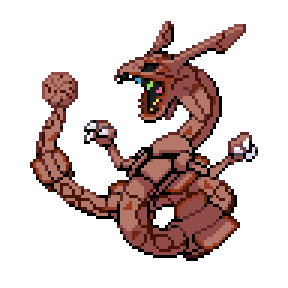
When its shell grew too heavy for it to remain in the ozone layer, it fell to the ground below and left a massive crater upon impact. Its body is brimming with cosmic energy radiated from its internal core.

When Minior's shell grows too heavy to stay aloft, it comes hurtling down with destructive force that often leaves a burning crater behind. The energy of its core is so immense that even its shell is veiled in pure energy.

Minizard descend from the ozone layer when their shells have grown too dense to stay aloft so high. Once they have descended, they will seek out opponents to test their strength against.

Often enough, what people think are shooting stars are actually a space-bound Pokémon known as Minimie dancing across the night sky. When they spin their bodies, their cores shine increasingly brighter, like the stars themselves.

Minilax's body is so large that it has a minor gravitational field, which researchers believe is also what allows this Pokémon to stay aloft. To defend itself, it can launch all debris caught in its gravitational field.

These space-dwelling Pokémon seem to be drawn to our world out of curiosity, given how they react to new sights. They are brimming with energy that causes them to constantly shed their glimmering scales like stardust.

They gorge themselves on cosmic debris as they fly around in orbit of our planet, until they become so bloated that they eventually fall to the ground. They can loose potent energies from their mouths and horns.

Parts of its body are clad in the same cosmic debris it feeds upon, though the rest shines with the energy within itself. It can move astonishingly quick and strike a foe with the force of a meteor.

Its latent energies have unleashed now that its hard shell has broken. It can channel this energy and jets of water through its long, tube-like mouth like bullets at its opponents.

It moves rather quickly after having shed most of its dense shell, being able to swiftly deliver Rollout attacks that could crush small vehicles. It consumes rocks and earthy debris, which slowly accumulates to reform the dense shell around its body.

These Pokémon are typically seen prancing high in the sky, well above the clouds. When they run atop a cloud, a pure, clean rain will follow.

Minilord is said to swim through the very cosmos, swallowing dying stars and releasing the excess energy as a brand new star in its wake. Supposedly, this also helps to keep its own energy stable until its protective shell finally reforms.

Minislash can shed their meteoric shell at will. Their finishing move is to fly into the atmosphere, encase themselves in their shell, and let gravity drag them down where they will cast away their shell and strike their foe with their massive blade.

Even with its shell shed, its body is still dense and heavy though now it can unleash more of its internal energy. It will unleash all of its energy as a beam from its mouth to send itself back into the stratosphere.

Miniquaza are large Pokémon that fly within the outermost layer of the planet's atmosphere, gorging themselves upon planetary debris. The more they feed upon, the more they develop a thick shell around themselves that eventually weighs them down.
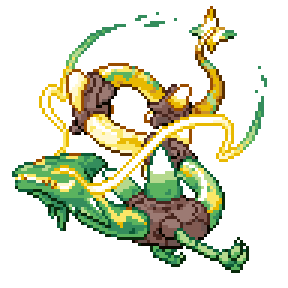
Without the majority of its heavy shell, it can dart around at remarkable speed. Its spikes are extensions of its innermost core and radiate intense energy.

Its body is laced with myriad metals that keep it rather durable even without most of its hard shell. A Headbutt from a Miniron can easily crumple a sheet of steel.

With its meteor-clad shell broken, Miniphox reveals its true form as a manifestation of pure astral energy. This Pokémon is said to have once had a corporeal form that it shed after becoming one with its soul.

The fields Minirupt trot through are supposedly blessed with fertile land, as their hooves break apart and soften the hardest earth. They are always seen with smiles upon their faces as stardust erupts from the humps along their backs.

Freed from its thick shell, Minizard's true form is revealed as a draconic Pokémon made of flames and cosmic energies. In this form, it becomes more daring in who it fights with and will only return to the ozone layer when it has exhausted itself.

Their wool is fireproof and rife with static electricity. Charffy wool glows as more electricity and heat are stored within. When a Charffy roars, the flame on its tail will flare up.

An agitated Charnub will flare up its tail flame and snort intense flames to ward off or dispatch threats. Charnub can distinguish and track scents rather well, so they are popular with Trainers in colder climates.

There are longstanding beliefs that if a person holds true to a wish as they blow out one of a Charachi's three flames, their wish shall be granted. While the matter of wishes is not yet proven, if their flames go out, Charachi go dormant for years.

Charorus commands ice and fire from both the diamonds along its body and the veil-like mane along its neck. Its roar can produce an aurora that shines bright and warm like sunlight.

Digidos are commonly seen assisting miners by using their hard heads to break through solid rock or to break apart large formations of ores. Their heads are hard enough to endure a falling rock without feeling a thing.

Although they typically stand and walk on their hind legs, they can walk on all four of their limbs. They tend to do this to help carry injured miners or to help haul goods and equipment.

Wild Diansey will often clean and polish myriad colorful crystals, to the point that they may even grow as smooth as the pink gemstone within their pouch. They will carry some smaller, smooth gems within their pouch and offer them to their friends.

Dianeon mainly live near underground bodies of water, though some have been found near bodies of waters in caves. Where they live is oft bountiful with precious crystals that they will fiercely defend if they do not deem one worthy.

After years of being hunted for their crystals, there are few of these Pokémon that remain. Thankfully, they have begun to flourish as of late and few remain who would dare to try and obtain even their shed crystals.

They care for a large gem that formed from the leftover energy of their evolution, which continues to store more energy. They thrive on the residual energy released by their large gems and protect them as if they were their eggs.

Its claws are tougher than diamond and sharper than obsidian. With its wings, it can position itself to best direct beams of light from the gem upon its head at foes.

Dianew are elusive Pokémon that have only ever been seen from afar, for they can fully disappear if one draws too near. Those few that a Dianew considers a friend are said to be blessed with a beautiful pink crystal of an unknown source.

Its collected gemstones have become part of its body due to it awakening its latent draconic powers, which have made its body tougher. It can shoot crystals from its tubular mouth, be they sharp or blunt, at high speeds even underwater.

The gems carried by Diansey are said to boost the body's natural healing abilities when held close. Their egg-like gemstone within their pouch will glow when they are happiest.

Wild Dianchu dance about within crystal-lined caves, hopping from crystal to crystal clad in electrical sparks while in the air. The crystals on their bodies store electricity within them, which causes them to emit a pleasant glow.

It will grow attached to a single, pink gemstone and care for it like it were an egg. This gemstone will become polished and smooth the longer that a Dianpiny cares for it and carries it around within its pouch.

Dianvoir is considered to be a queen among Carbink, capable of manifesting pure emotions as equally-pure crystals. Said crystals are considered treasures to many, but are fervently defended by Dianvoir and its Carbink subjects.

Though their crystals shine with the natural light they have stored, they are dangerous if provoked. They let those they trust touch their crystals but will loose beams of light at threats; the light they emit is said to be gentle and warm.
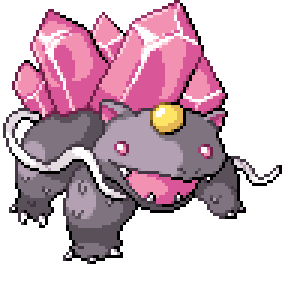
Dianceus are quick to flee from most people, but will protect other Pokémon with their many pink crystals that they seem to control through thought alone. They have the ability to heal the injuries of other Pokémon via the large gem on their head.

Diantic are rarely sighted these days, which many believe indicates they were once hunted too broadly. They reside within deep lakes, even those underground, and said lakes are almost always perfectly pristine.

It uses its thin feelers to compress carbon in the air to create diamond-hard crystals, which it flings at its foes in furious flurries. It spends much of its day polishing its own crystals until they gleam brightly.

Diantina's entire body glitters with the splendor of its many precious gems that line its entire body. Its form is meant to terrify would-be thieves of its gems, but at heart it is incredibly friendly and caring.

Diangrigus disguise themselves as extravagant coffins to lure and punish robbers. The pink mist that they often release sparkles beautifully and, to those who have treated them well, it is also revitalizing.

Dianxorus's tusks are so sharp and strong that they can cut through diamonds, which is exactly what it prefers to eat. This has resulted in its body producing equally valuable crystals.

Dianrachi has a body clad in pure, pink diamonds that are considered by many to be the pinnacle of beauty. Although it is able to grant wishes, most who desire so are filled with greed upon the seeing its diamonds and thus are ignored by it.

Dianturne have commonly been seen chewing on crystal shards like toothpicks. Oddly, the substance that courses through them like blood will cause crystals to grow on whatever even just a single drop may fall upon.

Dianras live within caves lined with crystals, skittering along any surface and using their crystalline claws to break apart crystals to feed on. The more they eat, the more their own crystals grow, even to the point they may struggle to move.

The pink crystals of Dianetta are very receptive to the melodies they so often sing. These crystals can endure high sonic frequencies and even can store sound within them, making them valuable materials for many humans.

Its many crystals catch, store, and refract light, lending to tales of its resplendent beauty. Its pincers can break diamond with ease, though it typically fights by loosing concentrated beams of light across its body.

Dianaught make their homes in gem-rich caverns, forging weapons from the sturdiest gems they can find so they may defend their homes. The Dianaught with the longest mane is typically the leader, but they still must prove themselves in battle.
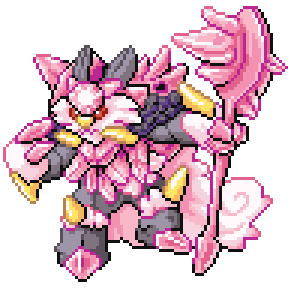
Luvbone's club and skull helmet are made from a material similar to Heart Scales. Although it considers the club precious, it is said that it will give the club to someone it loves and trusts with all its heart.

Luveon are popular for their vibrant colors and friendly demeanors. They are inherently shy and conceal themselves by altering their skin pigmentation; many consider it a boon to witness a school of Luveon, however brief the sighting may be.

The teeth lining its large jaws are surprisingly soft, so even when it bites down on another entity, it does minimal damage. Luvwile seems to have a habit of gently biting people and Pokémon it likes with its large jaws.

Luvpass are highly sensitive to the emotions of others, to the point they are drawn to those with strong, positive emotions. Some believe that if a Luvpass appears before a couple, then their love for each other will last forever.

Luveon are not hesitant with showing their emotions, be they positive or negative emotions. It is said that when a Luveon uses its feelers to grab hold of two others' hands, those two are destined to be together.

Luvkoth let themselves be carried around by water currents rather than swim in most cases; they even tend to sleep as they are carried around. They appear to rely on their looks to charm would-be threats, though most find their looks unnerving.

These underwater bug Pokémon make their nests within coral formations and amidst Corsola branches. They feed primarily on seaweed because they can easily hide within patches of seaweed to avoid predators; they also feed on algae, however.

Poochshrew threaten foes by using their claws to pelt them with debris, though they lack the strength to do real damage. If a foe strikes back, however, a Poochshrew will either curl up and roll away or dig underground.

Poochchic threaten others with bared fangs and flame-laced growls. They quickly flee if these tactics fail. Despite these unruly habits, these Pokémon love affection and attention, so they are popular pets.

Poochwile use their secondary set of jaws to intimidate others, even those who have not yet posed a threat. The moment anything suddenly touches them, no matter how light the touch, they will yelp and run away.

Poochvanha act aggressively and will lash out at threats and prey with hit-and-run attacks. However, they become very timid when confronted or if their targets fight back enough.

Wild Mightshrew live and hunt in packs of at least ten individuals. They will travel via tunnels they dig underground and emerge at their leader's behest to surround their prey.

In a pack of wild Mightslash, the one with the longest fur and longest claws is the leader. Using their claws, Mightslash can quickly take down most Pokémon, even some that are larger than they are.

Wild Mightxorus live in small packs and always follow the orders of their leader, be it during a hunt or when they are being hunted. They launch coordinated attacks using their sharp tusks that wear down any quarry they set their sights on.

A Mightxorus with sanguine red locks of fur is the one that leads its pack. These red locks denote its age and that it has endured many battles. It will be the one to deliver the finishing blow with its axe-like tusks.

Zigcko have keen senses of smell that allow them to quickly find specific fruits and mushrooms. They have a habit of moving in zigzag patterns; this pattern extends to them leaping from tree to tree.

Zigchic are inherently curious about everything, so they are almost always wandering around in search of things. To ensure they do not get lost, they leave behind scorch marks by spitting small fireballs on the ground or at rocks.

Each strand of its bristly fur is magnetic; by reversing its own magnetism, it can launch some of its fur like a barrage of needles. Zigpass has a keen sense of direction and smell, so it has a broad area in which it will forage for food.

Its fur is rife with debris from when it eats and from lazing around, where countless things can fall onto it. It is so rarely active that it took 24-hour surveillance to record its active period, which is whenever it needs to eat.

Ziglow patrol their territories in zigzag patterns, darting between trees to scour for fresh fruits and to search for any intruders. If a Ziglow spots danger, it will cry out to the rest of its flock and then engage the threat in battle.

In lieu of sweat, Zigskit secrete aromatic oil that repels grime and water, thus allowing these Pokémon to skim atop water as well. They prefer to eat the freshest foods they can find, so they are often darting about when awake.

By running in straight lines, Linchic can accelerate to speeds that could compete with Doduo; they struggle to turn and quickly lose speed if they do turn. If they trip or crash, they will spit fire at the nearest thing out of frustration.

Linlow can fly very fast, even against strong winds, if they fly in straight lines. Though they struggle to turn, they can use their wings to drag themselves to either side. Some races exist that specifically utilize these Pokémon as the racers.

It spits out a strong and sticky thread to pull down fruits it cannot reach. When it has eaten enough food, it will wrap itself in a cocoon of its threads; these threads are incredibly flame-resistant and have even been found after wildfires.

By planting its feet, it can use the spikes on its rear to lift boulders at least twice its size. It creates a nest within mud and will even store fruits and nuts within the mud as well.

Notably a rather vicious Bug-type Pokémon, Wurmedo will typically target smaller prey. Its horn and tail spikes deliver a strong venom that quickly brings down most of the prey it targets.

It builds its nest between rocky outcrops underwater, between which it will string together its waterproof threads. It favors nesting near seaweed patches, as it seems to love eating seaweed; it can also susbsit on algae, however.

Wurmtox fly from tree to tree to sate their voracious appetites for both leaves and fruits. When agitated, they can release a highly toxic powder from their wings.

Wurmeal primarily move around by rolling, though they have been seen spitting out sticky threads onto branches to swing about. They roll themselves up in their own threads to form a cocoon in preparation for their evolution.

Wild Silsir are often found lying on the ground near and within forests, seemingly defenseless. When unsuspecting prey draws too near, Silsir will either lunge at them with their large mouths wide open or constrict them with their horns.

Silchic move very little every day, typically only enough to bring themselves to nearby rainwater. Their silk is plush and flame-resistant, making it a popular crafting material.

Silon clad themselves in steel-like silk fibers, granting themselves greater protection from attackers. They always apply new layers of fibers each day as they shed their prior fibers. Silon fibers are desired in many crafts.

The grand wings of a Beautifree have long since been considered a great prize to many collectors. The eldest of their kind have the largest and most vibrant wings, though the scales they shed are also even more poisonous.

Few wild Beautibi have been witnessed, and those that have were always seen siphoning nutrients from flowers and fruits that were freshly ripe. Because this has been the most common note, some believe they have an oddly acute sense of time.

Beautichic are easily startled and jab at the cause of their disruption with their long, narrow mouths. The scales scattered by their wings as they flap absorb heat well without becoming weaker or harder; they are popular materials for many crafts.

The antennae of Beautits allow them to sense weather changes and emotional changes so they know when it is safe to wander floral fields. Although difficult to observe, their dances are said to be beautiful thanks to their many vibrant scales.

Beautilia frolic and dance within open, vibrant plains on the sunny morn of a new day without fail. It was only recently discovered that their psychic powers allow them to know exactly when a morning, and even a day, is going to be sunny.

The colored patterns on its frills and small wings change depending on the last few flowers it has drunk the nectar of. It is loved by certain collectors despite how violently it lashes out at most others for simply getting too close.

The patterns and spikes upon its wings serve to intimidate prey and even some would-be predators. Although it has a fierce temperament, it is typically docile so long as it is shown respect and treated well.

Their myriad, vibrant colors are their most prominent, and sometimes revered, features. Angered Beautiveon will lash out with their long feelers; each feeler can strike with enough force to split thick wood.

The eye upon a Beautirachi's belly is the conduit through which it channels its psychic powers at varying levels based on how open it is. Only when angered, particularly as it seeks pollen to gather, will this eye fully open.

Beautiple are renowned for their colorfully-patterned wings, even though their bodies are too heavy for them to fly. They have proven to be able to use their wings to glide short distances, which they do to move between trees and avoid predators.

Although most find it to appear docile, it is highly territorial and quick to be aggressive. Despite this, many still seek it out to witness the beauty of its fully spread wings, which it will often spread out just before it attacks.

The bodies of these Pokémon are clad in a soft silk, which hardens as time passes. They hide themselves among forest debris and sustain themselves on rainwater. Their silk can withstand intense flames, so not even a forest fire will disturb them.

Cason conceal themselves within rubble and forest debris to avoid detection by their potential enemies. Their bodies grow harder and heavier with each passing day so long as they consume plenty of minerals per day.

Though the triplets split from one body and nigh-perfectly think the same, they each sleep individually while the remaining two remain awake and alert. They work efficiently together to burrow for many hours each day.

Dustchic live and nest in large groups, collectively scattering toxic powder from their wings to ward off predators. If any Dustchic becomes lost, the rest of the group will spit fire into the sky so the light will guide them back.

The many wings on its back resemble jaws and can close shut like a flower. When Dustwile flexes its wings, it releases a toxic powder from them. It will ensnare its prey within its wings and flood them with toxic powder until they submit.

These nocturnal Pokémon are drawn to bright lights, such as lampposts and streetlights, and are often found clinging to them while asleep in the following mornings. When startled awake, they release irritant toxins from their wings and fly away.

It can only glide for short durations due to how small its wings are; when it flexes its wings, it scatters a highly toxic powder. Dustple feeds mostly on leaves while it is active at night, though it is easily distracted by bright lights.

Dustlow are easily drawn to light sources and because they are nocturnal, they tend to gather around streetlights. The toxic power they scatter from their wings when agitated is potent enough to cause an Ursaring to fall ill in minutes.

Dustin have pitifully small wings and heavy bodies, so they can only crawl along the ground. Because their stomach fluids can digest just about anything, they are never without food. By shaking themselves, they scatter toxic powder all around.

Seetank secrete rich and nutritious molasses from the stems on their bellies during all seasons except for winter. In winter, they sleep often to conserve their energy, which ultimately improves the quality of the first batch of molasses in spring.

Using its sharp talons, Seechic runs up the side of trees to perch atop the branches. By embedding its beak into the tree, it can siphon nutrients for itself. It grows heavier as it eats, until it inevitably falls head-first to the ground.

When Seekoth sleep, they cling to trees or wrap around tree branches. The tops of their heads and their claws siphon nutrients from trees that they attach themselves to. When they consume too much, they grow heavy and fall off their trees.

Seeon store water and excess nutrients within the shells on their backs; they can store enough to go many days without eating or drinking. By flailing their leaves, they cast about a pungent, metallic scent; this scent is an effective repellent.

The ends of its upper limbs are harder than Chesto Berries, yet they exude a fragrant aroma that tempts many Pokémon to bite them. By shaking its arms, it creates a maraca-like sound from these parts and amplifies the nutty fragrance they exude.

With the tops of their heads, Seegull can attach themselves to trees and siphon their nutrients in lieu of eating solid matter. They spread their wings to glide and to ride updrafts to travel; flocks migrate to warmer climates to avoid winter colds.

From the tops of their heads, Seegull exude nutty, tropical scents; humidity increases the pungency of these scents. Seegull love to swoop down and stab hard nuts and fruits with their beaks, drinking their fluids and eating their innards.

Seeliper scoop up large fruits within their massive beaks, even just to hoard them. They often accidentally scoop up Seedot as well, which either struggle their way out or are tossed out to fall to the ground below.

Their bodies swell with nutrients gained through photosynthesis and from water they absorb. They are often physically active to sweat out their excess water, resulting in them developing strong bodies.

Seetty live in sizeable groups around and upon trees. By attaching the tips of their tails to trees, they can siphon their daily nutrients from trees. When a Seetty encounters danger, it will smack its tail against its head to alert its pack.

The sharp udders on its belly allow it to fire out precise streams of a nut-flavored milk; its milk streams can be strong enough to cut through wood. It is a kind Pokémon that protects and nurtures the young; its face tends to scare most Pokémon.

There is much folklore about Shiftsaur, speaking of them as forest guardians that will swallow whole any troublemakers. Supposedly, their noses are tough enough that they were used in the making of some weapons.

Its body is so light that it can effectively ride upon wind or even prance through gales. If it senses malice, it will unleash powerful winds to quell the source; it does not matter to this Pokémon if the source of malice does or does not survive.

Its arms stretch as it delivers punches and slashing attacks; its leaves are sharp and hardy enough to be used as small blades. Shiftloom's quick strikes create powerful gusts of wind in their wake.

Shifty is infamously known for the heavy, spiked cudgel it wields at all times. It is often blinded by its sense of morals and will perceive most things as potential threats to ward off, all for the sake of protecting its forest home.

Shiftlow are small, yet they courageously defend their nests with Razor Wind attacks and by jabbing with their sharp beaks. Their wings function much like leaves, allowing them to subsist on sunlight and water alone.

Many stories refer to Shiftus as a "living hurricane" due to the wicked winds that always seemed to follow it. It unleashes precise, cutting gales at those who target the weak, be they human or Pokémon.

Tailcko are brave despite their size, using their wings and loud voices to try and intimidate potential threats. To protect others and their tree-bound nests, Tailcko swiftly deliver many small strikes using their talons and beaks.

Tailwile primarily use their larger sets of jaws to store food and to fight, though they could use them to eat if they wanted to. Perhaps due to how bulky and strong their larger jaws are, they have no lack of confidence in battle.

These bird Pokémon are capable of breathing underwater for short periods of time. They nest near bodies of water and prey upon fish Pokémon by swooping into the water and grabbing them between their strong jaws.

These nimble Pokémon are incredibly bold; they willingly snatch food away from other Pokémon, effectively skating along water as they escape. Their saliva is also a sweet syrup, which they spit out as bubbles to impede their enemies.

Swellvyle leaps high above the tree canopy, using its wings to glide far while hunting down prey. To swiftly dispatch its targets, it utilizes its full wings to perform powerful Leaf Blade attacks.

Swelleon have long, thin tongues that allow them to feed on flower nectar. In spring, the white parts of their feathers take on different, vibrant colors; the assumed hues seem to be influenced by the nectar most commonly consumed by Swelleon.

Swelltty nest at high elevations in places where sunlight is abundant so as to warm themselves as they sleep. They have impeccable vision, allowing them to even spot Cheri Berries while they fly. They have a tendency to dive at round, moving objects.

To compensate for their inability to fly, Wingchic developed strong legs that grant them remarkable agility. They are infamous at beaches for sprinting toward beachgoers, snatching their food, and running away just as quickly.

Wingveon have a horrible habit of hiding valuables and leftovers in various places, much to the chagrin of their Trainers. Despite this, these Pokémon exude calming auras that have helped many to weather fierce storms and dark times.

It makes a nest within a sheer cliff at the edge of the sea; it spits a corrosive fluid that melts through rock within minutes to form its nest. It is infamous for using sticky threads to steal food from humans and other Pokémon.

Wingdot use their sharp beaks to tap trees for their sap, displaying a keen sense for where the freshest sap is. They fight by launching themselves and ramming into their foes with their hard heads.

Peliple gather many small foods within their spacious beaks, be it for themselves or for their young. Their yellow horns are venomous and are used to protect them when they are carrying food.

Pelitross latch onto prey or capture prey with their large mouths and then discharge electricity to immobilize them. Pelitross are clever hunters that will store water in their mouths to make their electrical attacks stronger.

Because of their spindly legs, Surchic can veritably skate atop water. They utilize the sweet honey of their own heads to lure in bird Pokémon, which are what they typically prey on, and then shoot them down with fireballs.

Surkip frequently frolic and dance during rain, while secreting a fragrant honey from the tops of their heads. When the rain ends, their honey becomes less odorous and takes on the scent of rainwater until they rest.

The saliva of their large maws is an incredibly rich honey with a powerful aroma. Surwile utilize the aroma of their honey to lure in their prey, quickly snapping their maws down upon them when they come close.

Suron have rather hollow bodies, allowing them to practically glide atop water despite being so heavy. They secrete a metallically odorous honey from the ports on their bodies, which repels most of their would-be predators.

It secretes a sweet-scented honey from its head, which serves to draw in prey. It will cling to the side of trees and ambush its lured-in prey by spewing sticky threads at it.

Surlow often frolic and chirp as they rest in still water, which can even include puddles. They fly in short bursts most of the time, but become more active in the air during rain.

Utilizing the eyelike patterns on its antennae and its large maw, Masquewile tricks others into believing it is larger than it truly is. Its antennae grow heavier and droop when wet; increased air humidity has a similar, albeit lesser, effect.

Its antennae bear eyelike patterns that are used for intimidation. Its entire body grows heavier with water exposure, so it tends to avoid going near water sources and hides during rain. When it senses air humidity increasing, its antennae flutter.

These small Pokémon can dart around rapidly due to their bodies that are made of plasma. They favor shiny objects, such as gold coins, and love to snatch them up and hoard them.

Although typically quiet, these Pokémon can emit cries as loud as a jet plane. Whischic are common on many farms as alarms for intruders and are often trained to let out a loud cry when the sun rises.

Although naturally timid, Whisyena are quick to growl at anything that comes near them. A single Whisyena can amplify the volume of its growls to make it sound as though there are at least ten of them growling in unison.

Whisple utilizes its loud cries to deter threats and to shake loose leaves from trees. Because it inhales through its ear canals, this Pokémon is able to cry nonstop for multiple hours.

Whisdot use their ears to hang from tree branches, utilizing special organs within them to steal away nutrients from the tree. If they fall, they will emit ear-piercing shrieks for at least ten minutes before waddling away.

Expchu will emit thunderous sonic booms through the pipe-like protrusions along their bodies in order to defend themselves. They can freely adjust the sounds they make in an effort to communicate with other Pokémon.

Expslash have many sound-generating organs, notably the cluster of them upon their backs. They channel their strong sound waves to break down rock into sand, oft done to help them create burrows to live in.

It uses its feelers to adjust its own sound-emitting organs, allowing it to produce a broad range of noises. To deter, daze, or conquer threats, it will release deafening sound waves from its maw.

Makutank are often present on many farms, serving as guards against intruders and wild Pokémon. They have remarkable stamina and can endure most blows without faltering, only to deliver even harsher blows in return.

Although small, it can endure most hits and still get back up. The force of every withstood attack is stored as energy for its evolution and serves to produce even more fire within its flame sac.

Makuwile swings its fist-shaped maw to deliver crushing blows and to securely grab prey. It has been seen working out often, even using its own maw as a weight to lift and as a punching bag; these efforts further strengthen its maw as well.

Makupass can convert applied kinetic force into energy to fuel their bodies; being struck by anything or falling can produce energy through this process. By rapidly spinning their arms, they strengthen their bodies and generate magnetic fields.

Makutad constantly strive to become stronger, even in the wild. Wild Makutad are often seen carrying heavy loads of rocks and fruits upon their pads as they walk or swim so that they become stronger.

Makuyena love to fight, even if it means picking a fight with larger foes. Every battle they fight further strengthens themselves, even if they lose. They are known for sometimes imprinting upon those who defeat them at least twice.

Makuzagoon are eager to meet others and challenge them to battle, as they are driven by the desire to become stronger however possible. By using their tails and hind legs, Makuzagoon can stand upright and fight using their forelimbs and claws.

By rubbing its fists together, Makusle draws out electricity and clads its punches in electrical currents. It drums its fists against its belly and chest to stimulate and bulk out its muscles.

The grips of a Makuphish's claws are strong enough to shatter small rocks. They strive for greater strength at all times, using their claws to pummel away at hard, solid materials to toughen them up. They often "attack" ship hulls just to train.

Although considerably small, Haritank are able to endure a full-force Tackle from Tauros without flinching. Almost any Tauros farm has at least one Haritank to ensure the Tauros never go wild for long.

Its strong wings can easy pulverize dirt into sand and toss thick plumes of sand about to protect itself. Its slender tail is packed full of muscle and can split boulders in two.

Skisle are cheerful bundles of energy that will chase anything that moves enough, including their own tails. They have a keen sense for negative feelings and will perform a dance while flinging weak electric sparks about to cheer up others.

It spends much of its mornings grooming itself or insisting upon its Trainer grooming it to keep its fur from becoming tangled and messy. A well-kept Delveon will happily, if not overtly, wrap its silky feelers around its Trainer's arm.

Medchic sleep and meditate with their eyes open, which often deters would-be predators. If anything or anyone interrupts a meditating Medchic, it will retaliate with swift, strong kicks and by spitting out flames.

Medtty spend much of their days meditating to hone their spiritual power; as they meditate, their tails tick back and forth like metronomes. They use their honed power to retrieve food and to play with objects, people, and other Pokémon.

It displays a profound capacity for predicting its opponent's moves, to the point some believe it can perceive the future. Meditwo hones every part of itself every day, though it mostly fights with its tail and its legs.

Electkoth store generated electricity within their bristly fur, so even touching one could trigger a painful shock. Because they sleep often and do not use much electricity, they are almost always overcharged with power.

It crawls along tall surfaces to better expose itself to atmospheric friction, which it uses to generate electricity. When it achieves a full charge, it will begin hunting and pounce upon its target, unleashing every volt to subdue its prey.

It utilizes atmospheric friction to generate electricity as it flies. Although it can release bolts of electricity at a distance, it has a tendency to dive at foes and try to shock them through its talons and fangs.

It is extremely prideful and turns aggressive if any of its fur is made dirty. Pereon is able to amplify the heat of its red fur to burn away small debris caught within it. If it overheats, it will rest for an entire day to recover.

When it roars, flames spill out from its maw and electricity surges from its statically-charged fur. Its territory is marred by scorch marks left bey flames and lightning bolts alike.

By running in place, it builds up a static charge and causes its internal flame sac to become active. It discharges electricity from its tail & cheeks and spits out small flames to cheer on other Pokémon.

Pluple release electricity from the tips of their tails. The sticky threads they spit out conduct electricity well, but Pluple mostly use their threads to wrap up bundles of food; these Pokémon love to share these food bundles with friends.

By rubbing its paws against its cheeks, Plusle multiplies the power of its electric charge at steady intervals. Despite its small size, it has been recorded as having achieved an electrical power of over 5,000 volts within minutes of charging up.

Minchic creates a shower of electrical sparks and fire sparks as it cheers on its allies. By rapidly kicking its feet, it can build up more electricity and cause its flame sac to be more productive; it either runs in place or it kicks at its foes.

Even while asleep, Minkoth tends to scratch itself with its claws, building up static electricity in the process. When it has stored too much electricity, it will stand on its hind legs and dance to work off the excess electricity.

Minple protect their nests by stringing their sticky threads around in protective formations. Their threads conduct electricity well, allowing them to quickly dispatch most would-be threats.

Minsle release negative waves and positive waves with their cheering, respectively lowering their enemies' morale or boosting their allies' morale. By combining positive and negative electricity, Minsle can create weak electromagnetic forces.

Volchic become most active at night, using their small wings to fly while drawing shapes of light via their lit-up rears. A swarm of Volchic will follow the lead of an Illuchic and protect it by spitting fireballs at threats.

Voloom scatter luminous spores by whipping their tails around and shaking their heads. During courtship season, the air around their territories is thick with these shining spores due to the mate-attracting dances they perform.

The electricity within their abdomens helps them stay aloft as they dart across night skies, their streaks of light drawing myriad shapes when swarms dart about. They use statically-charged webs as nets to collect vegetables and fruits for later.

It exudes a sweet scent that lures in many Volchic, utilizing them for protection and guiding them to draw various shapes with their lights. To repel other Illuchic and maintain control over its group of Volchic, it precisely spits fireballs.

Gulpans have terrifying constrictive power that crush their prey easily. However, they often will instead swallow prey whole.
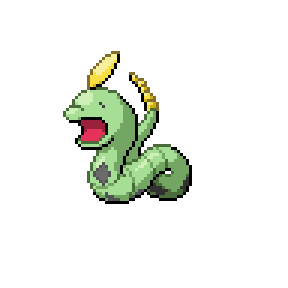
Gulpchu can digest most things within their bodies and quickly swallow said things whole. Their stomach fluid is a very effective material for conducting electricity and many researchers are still studying ways to safely use this fluid.

Gulpchic are covered in a veil of thin slime to aid in movement and heat retention; this slime often causes rashes to develop. Their mouths can open nearly twice their size to collect rainwater and to consume nearby matter.

Gulpveon spits out a rather toxic fluid to fend off threats; this fluid becomes inactive after striking a surface and congeals rapidly due to air exposure. Gulpveon can digest even scrap metal without issue, so they are popular with many.
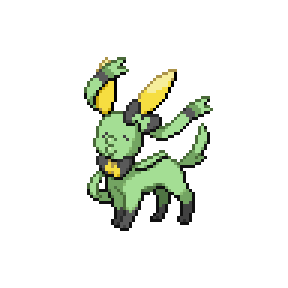
Gulphita eat about twice their body weight each day. Their stomach acids are strong enough to digest just about anything, even trash or soil, so they are never truly without food.

Swalhita can eat almost anything, though they often have particular preferences. Due to their preferences, they often end up clashing with other Pokémon over food, causing them to grow strong and durable from the many resulting battles.

Within its small hump is boiling magma that empowers its every action. When threatened or agitated, it vents the raging flames of its magma from the opening on its back.

Nuchic are rather dull-minded most of the time, but they become quite active when hungry. They shoot out fire to knock down berries and nuts, the latter of which they crack open with their stubby legs.

The inside of its larger maw is as hot as boiling magma; even the saliva of this large maw is hot enough to burn on contact. Because its large maw deters most threats, it has become incredibly laid-back; it becomes aggressive when hungry.

Within its abdomen is boiling molten metal, which keeps its steel-like body hot and tempered. To keep its molten metal hot, it feeds on metal ores and coal each day. If it ever gets too hot, it can vent heat from its ports.

Nukaboo are incredibly playful Pokémon that love to be tossed around like balls or dance for friends, twirling around while letting out harmless smoke. When their smoke turns black, they are either feeling unwell or have fallen ill.

Nudot has intense flames within itself, which serve to process the nutrients it absorbs due to its lack of a stomach. From the top of its head, it exudes a rich ash as it burns up nutrients; this ash is a precious material in the best fertilizers.

Nuhita contain boiling magma within themselves, causing them to need to be active at nearly all times aside from when they sleep. Physical activity keeps their magma from cooling too much, but excess activity will result in excess heat to vent.

The orbs upon the tips of its tail glow with heat at all times, but the intensity of these effects grows stronger as its temper grows. Thankfully, Nutty is remarkably laid-back and only becomes agitated when it goes too long without eating.

Camequil dwell within volcanic areas, feeding on magma, lava, and volcanic rock. When agitated, magma erupts from their backs along with a pillar of fire.

These volcanic Pokémon release bursts of flames and magma to intimidate others. When agitated, they channel their flames into forceful streams and fling fireballs from their backs.

It lounges within magma or lava and is docile enough to ferry others across as well. Flames and magma will erupt from the hump upon its back if it is mistreated in any way, however.

Camephan expel flames from their humps as they roll around, helping them to achieve great speeds. To intimidate others, they will release flames from all of their humps as they roll, becoming like moving fireballs.
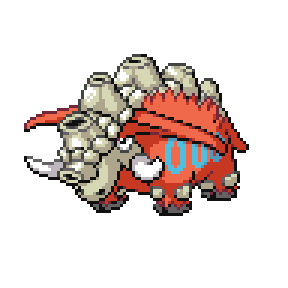
A magma-hot liquid erupts from the humps upon the backs of these Pokémon when they are enraged. Flames can be loosed from the ports on their tails, a practice they will often use to roast their prey alive.

Cameswine favor cooler environments to help regulate their extreme internal heat. Oddly, this seems to help keep their tempers low as well, thus often avoiding an eruption from their twin humps.

This Pokémon's tusks are as hard as volcanic rock yet sharper than obsidian glass. As its temper flares, lava will seep or erupt from its humps. It uses its own lava to heat and slick its tusks, allowing them to cleave through steel with ease.

Camedo swim through magma and lava, using their strong jaws to break through volcanic rock and to snatch up smaller Pokémon to prey upon. They occasionally surface and spew molten rock from their rock-like spouts so they don't overheat.

When enraged, Camesect stomp their front claws against the ground and the small volcanoes on their backs erupt. The fireballs loosed by their volcanoes may burn whatever grass they land upon but the dirt shall be made remarkable fertile as a result.

Camegoose are aggressive predators that utilize their arm cannons to shoot fire and their claws, which are as hard as volcanic rock, to fell their targets. When they rest, they lie upon hot rocks; they may even heat rocks themselves to lie upon.

Cameviper utilize potent venom via their fangs and tail blades to quickly take down their targets; this venom is not lethal, but it does cause burning rashes and sharp pain. They coil around hot rocks when they rest to keep from cooling too much.

Cametrodon live within volcanic areas near active lava and magma, which they store in their large, tall humps. The sticky, orange slime they secrete in lieu of sweat keeps them hydrated and allows them to cling to surfaces rather well.
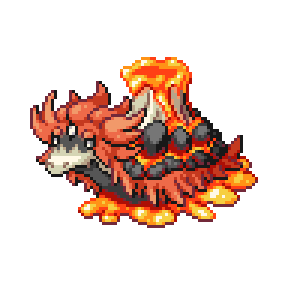
Spinveon move elegantly during battle, seemingly dancing in nonsensical ways as they evade attacks. When they extend their feelers, said feelers always move in spirals and twists; the cause for this is still uncertain.

Spinloom's dizzying movements should not fool anyone, for it can strike with immense force and incredible precision. It scatters dizzying spores from its tail and from its head when it makes sudden movements, such as by launching a punch.

Spinrock are always spinning, though they spin slower at night, especially when the moon is full. They derive power from solar energy, so they almost always face toward the sun to absorb as much as possible.

Zanros are renowned for their strength, as they are capable of snapping a tree with a Tackle and sending it flying. However, they fly into a blind rage whenever they spot or hear anything reminiscent of a Seviper.

A Zanitar's tail is strong enough to bend a pole of solid metal with one blow. Its Crush Claw attacks are strong enough to crush even the hardest of shells that its opponents might have.

It stands on its hind legs during battle to fight with the sharp claws on its forelegs, which otherwise help it to climb trees. If it encounters a Seviper, it rolls up into a ball to repel the physical blows that will likely follow.

Zanchic are often preyed upon by Seviper and Seviper fusions, so their bodies have developed strong antibodies to counter their toxins. They utilize their small yet strong talons to entrap their foes and blast them with fire attacks.

It can run on all fours, though it will walk and fight while standing on its hind legs. If it encounters a Seviper, the fur along its back bristles like quills and a brutal battle will ensue.

It fights with strong kicks and thrusting punches. Zanbusken practices its attacks daily on nearby rocks or trees; the marks left by its attacks clearly mark its territory.

It can alter the color of all but its tongue and claws and can only partly change the hue of its red patterns to blend in with its surroundings. It is a strong and swift hunter, but it becomes far more vicious and sadistic against serpentine Pokémon.

The claws at the ends of its feelers have enough power to crush open some of the hardest nuts with ease. Although it acts aggressive during battle, it is docile and friendly at all other times and will even share food with others.

Its thick fur dazzles when it is highly agitated, which is notably common when it is faced with a Seviper. It stands on its hind legs during battle so it may deliver stronger slash attacks with the claws on its forelimbs.

Zankoal have developed a sense of smell for coal, which is what they primarily consume. Due to their ability to find coal and their strong claws that can dig through solid rock, Zankoal are common companions for miners.

Although each Zanyena is small, a pack of them will hunt down prey together; they will hunt down Seviper, even if they are not hungry. To keep their claws sharp, they scrape them against solid rock until a single swipe can cleanly cut tree bark.

It uses its large tail as a counterweight to stay on its hind legs while slashing at foes with its front claws. It is very loyal to a compassionate and skilled Trainer, though it suffers from violent impulses at the sight of Seviper.

Despite its small size, it can crack open extremely hard nuts within either of its talons. It often ends up in battle with wild Seviper and will aim to break off their fangs.

One full-force swing of its claws is strong enough to cleave through most trees; it can only swing at full force about twice before tiring itself. Zanhita often clashes with Seviper, becoming stronger and more resistant to poison in the process.

Its red stingers, fangs, and blade-like stinger are all venomous. Collectively, however, only the venom in its blade-like stinger is deadly. This blade-like stinger is sharp enough to horizontally cut a tree in half in a single swing.

Serill's poison-edged tail can stretch almost twice as far as its length otherwise appears to be. It fights using its own tail like a dagger or sword and will throw its tail at faraway targets.

Secross are very proud of their sharp horns that can poison others as easily as they can cut through thick trees. They often use their horns to cut into trees in order to drink their sap directly, though this often leaves behind poison.

It can swing its blade-like tail with such strength that it can cleave through solid rock. It is brutal in battle, with its claws, fangs, and even its tail capable of secreting a painful venom.

Segia use the claw-like tips of their wings and their sharp, blade-like tails to mark their territories and to swiftly dispatch foes. Despite appearances and assumptions, they do not hunt live prey and instead eat whole large fruits.

It uses its blade-like tail to stab and slash at its opponents, who will oft succumb to poison before their wounds. Its sharp fangs can pierce the hide of some Rock-type Pokémon with relative ease, making it very dangerous.

The red leaves on its tail are durable, sharp, and toxic; the leaf at the tail's tip is twice as potent as the smaller leaves. Nearly any living thing cut by its leaves will suffer a severe and painful rash around the wound if not promptly treated.

It has two special organs within itself: a flame sac and a toxin sac. Sechic's toxins are flammable, so by combining both, it can spit out dangerous fireballs. These toxins burn slowly and can otherwise only be put out via smothering them.

By planting its four feet, it can swing the blade on its head with enough force to cleave through a boulder. It will use its tail blade to fling mud or dirt at its foes, then swing its head blade down upon them.

Sets utilize telepathy to track others around them and to guide their tail blade strikes with remarkable precision. The venom delivered via their tail blades is nonlethal but causes acute, sharp pain.

It slithers swiftly through its territory in search of food, be it prey or fallen fruit. The edge of its tail blade can deliver a neurotoxin even with a small cut; this neurotoxin can subdue most small Pokémon within seconds.

Sevoir utilize their upper halves to deceive and lure in prey, then constrict them with their long lower bodies. They fight using their venomous tail blades and their telekinetic powers.

The blades upon its many feelers secrete a deadly toxin that invokes a soothing effect due to how it slows all other functions. It leaves territorial markers by hacking and slashing nearby objects with its blades.

Sekoth grind their claws against their tails to keep all of them sharp, though the act quickly exhausts them. They sleep for long periods of time, but they are easily awakened by attempted attacks; they also quickly awaken when they grow hungry.

Seyena produce a special venom, delivered either by their fangs or their tail blades, that effectively steals away the very courage of their victims. Their tail blades are tough enough to clash with bladed weapons without sustaining damage.

Setyena live and hunt in packs, but the leader of the pack is always the one to engage in battle first; the pack's leader is often clad in various scars. Their claws, fangs, and tail blades deliver a debilitating venom with every strike.

Their blade-like fans can whip up swift, sharp winds that can be so focused as to cut deep into a tree. The biggest danger, however, is that the venomous blades that make up their fans can be shed and flung with terrifying accuracy.

Selow are courageous enough to take on foes much larger than themselves and may even attempt to prey on such foes. They dart around in the air while delivering quick slashes with their tail blades, then latch on with a venomous bite.

Sewellow fights using its talons, tail blades, and fangs; each of these parts delivers a debilitatingly painful venom. It preys primarily on Zangoose, even though a fierce battle always breaks out when they clash.

Setrike deliver paralytic venom through their fangs and tail blades. During lightning storms, they raise their tails up to potentially catch and absorb lightning.

Lunaceus thrive off of moonlight alone, the gap along the front of their bodies glowing the more they absorb. They defend themselves with their forelegs and beams of condensed moonlight.

Solgeot absorb sunlight for their sustenance, so they build their nests at high elevations with as little shade as possible. They take pride in keeping their rocky parts polished and their feathers clean and will lash out if someone dirties either.
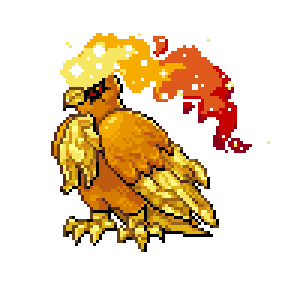
These Pokémon live atop tall mountains where they may easily absorb the solar energy that they live off of. When startled, they will emit flashes of bright light.

The slimy film covering the bodies of these Pokémon serves to keep them moist, clean, and escape the clutches of some predators. By compressing their own bodies, they can eject their internal organs to deliver devastating blows.
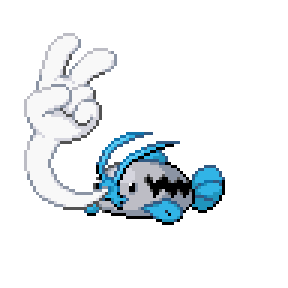
These sea-dwelling Pokémon nest within large outcrops of rock above or under water. By firing jets of water from their pincers, they can maneuver swiftly within water or repel threats from a distance.

These small Pokémon walk along the seabed, feeding on algae and minerals that they dig up. They can release compressed water from their rears to propel themselves; they utilize this to avoid predators and to deliver strong Tackles.

Corpron are always heavy, but they grow even heavier as they consume coral, rock, and metal scraps. Water pressure and the slow process of moving themselves perpetually strengthen their bodies and shells for their evolution.

Corpdot are often found along shores and beaches, most often with all but their spiky heads buried within the ground. They absorb nutrients from the ground while buried, even as they sleep.

Balts elegantly balances itself on its single foot and moves by spinning on said foot. To guide itself and avoid crashing, it uses psychic powers to perceive a surrounding area.

Balia are almost always balanced atop at least one foot, even when they sleep. It is believed that they innately use their psychic powers to hold themselves upright.

Balish plant themselves in the ground by rotating rapidly, all so that they may hide from predators during the day. They become more active under moonlight, which is what they absorb and metabolize.

Baldot attach the tops of their heads to tree branches to siphon nutrients for themselves. The more nutrients and water they absorb, the heavier they grow. Though they inevitably fall due to their gained weight, they always land on their feet.

These levitating Pokémon often live within, or around, ancient ruins. When they twirl and dance, the eye-like growths hanging from their heads emit hypnotic waves that make it difficult to look away.

The body of a Castwile changes on a cellular level to adapt to weather conditions; further studies determined that their molecules are much like water. Within their cloudy horns, they can liquefy and absorb foods; they cannot liquefy large matter.

Castwile assumes this form in sunny weather, its body becoming incredibly warm to the touch. A Castwile's large horn is the hottest part of its body, and it will swing it around to strike out at its opponents.

Castvoir seem to become quieter and even lethargic the more intense the rainfall is. However, if their friends or their Trainer are in danger, they will spring into action and defend them with all their might.

Wild Trosaur are often seen bathing in sunlight, which is absorbed mostly by their bulbs. Their bulbs emit a fruity scent that grows stronger as they get closer to their evolution.

Troligatr are arrogant by nature, to such an extent that no two Troligatr can stand being near one another. Though they are considerably strong, they tend to underestimate everyone else and instead spend much of their time gorging on fruit.

Their bodies have grown strong to support the growing bulbs and leaves atop their backs. Their bulbs exude fruity scents and their leaves are used in many drinks due to the fruity flavors they impart.

By flapping the leaves on their heads, Tropy are capable of flying short distances. They store water within their trunks to clean themselves and their pack members; if they store water long enough, it ferments and acquires a fruity flavor.

Despite its size, Trophan is capable of flight by rapidly flapping its long, leafy appendages. Many have mistaken its trunk for a piece of fruit, resulting in its violent thrashing; oddly enough, its tusks, which are shed each year, are edible.

Fruit, mostly bananas, grow from the small trees upon their backs. Their health and moods affect the health of these fruits and how strong their flavors are.

Trowile are clever Pokémon who have overgrown horns with the likeness of large bananas. Their horns easily lure in prey before revealing their mouth-like opening that snaps shut upon them.

Its banana-like horn quickly rots and falls off when it senses extreme danger, though it will grow back just as quickly when it feels safe. It can use the broad leaves on its body to help it glide far after leaping into the air.

Its large back is often home to many smaller Pokémon that thrive off the many bananas that grow upon its tree. Its legs grow incredibly strong from carrying these many other Pokémon.

Its long leaves emit fragrant, fruity aromas that grow more intense the happier they are; similarly, these aromas become more pungent when they are sad. Troveon's leaves are used in many dishes due to their fruity flavors and nutritional value.

Trotina reside primarily in jungles and often get mistaken for trees. The fruits growing from their leafy wings look like bananas, but they are a mix of sour and bitter rather than sweet.

The many bananas that grow upon the end of its tail serve as perfect bait for many other Pokémon. Its powerful jaws ensure that none of its prey can escape or struggle for long.

Troboach oddly resemble bananas, which seems to only make them be targeted by more predators. They are, however, covered in a slimy film that makes it easier for them to slip out of the grasp of others.
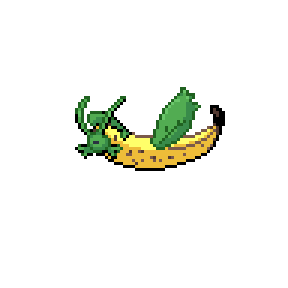
Trokey are energetic and cheerful most of the time, but they have quick tempers as well. When they are angered and adrenaline is coursing through them, their metabolisms hasten, and they exude a tropical scent from their tail tips.

These tropical Pokémon favor living along jungle coasts, where they will often knock free the coconuts and other fruits of nearby trees to feed upon. When shed, their tusks emit a fruity fragrance and are often gobbled up by other Pokémon.

It can mimic the latest Pokémon cry it has heard with near-perfect accuracy. Its tongue is classified as resonant for how well it can carry the sounds of its own cries. It extends its tongue to cast its cries at a distance to confuse foes.

Chingveon have the abnormal ability to soothe or calm nearly anything with their cries, even when said cries are obnoxiously loud. Some have tried to teach these Pokémon how to sing and perform due to this ability, however.
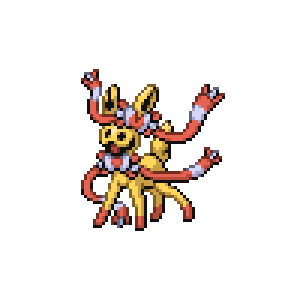
What appears to be a bell upon this Pokémon's back is actually a rare species of mushroom. It can shake its pincers to produce sounds that can be pleasant or annoying.

Chingdot hop around and use their upper feelers to cling to tree branches and feed on the nutrients of the tree. They grow too heavy to stay attached when fully fed, though the ensuing fall causes them to emit loud cries.

Chingcatty can mimic sounds they have heard and are capable of remembering the last nine sounds they have distinctly heard. Unfortunately, they also love to play with others via their mimicry, even if it annoys others.
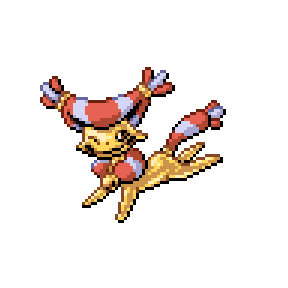
Chimecatty inherently know nine different cries that they use to communicate with each other and their young. They love to brush their large tails against others that they feel close to or those that they trust.

Wild Sphechu often drum their small hands upon their bellies to help release their electricity. They often stumble and slide upon slick slopes or ice and use their tails to try and slow themselves down.

Sphechu generate electricity within themselves by sliding around upon their bellies. Their cheek pouches are cold to the touch due to the frost-producing organs within them.

Spheveon are friendly by nature, to the point that some consider them to be utterly naive. They love to roll snow into snowballs using their feelers and will throw snowballs or chunks of ice to defend themselves or others.

Although small, these Pokémon have bodies of dense fat, and their feathers are considerably insulated. Sphelow never leave behind one of their own flock, even if it means facing off with a dangerous foe.

Sphetrike dash about in water or slide atop ice on land to move around, building up a static charge as they move. Their fur is soft and warm but rife with so much static that it can sting to the touch.

Mantite have honed their spiritual energies through meditation to the point that they can fly so long as they are calm. They often meditate while hanging from branches via their tails. If their meditation is disturbed, they become quite enraged.

Manter feed on the life of others by pressing their noses against them. They are quick to anger if disturbed, and the resulting tantrum will typically leave them quite hungry.

Seaveon's forelimbs are not fit for land traversal, though they do allow it to easily slide along slick surfaces such as ice. Its flowing white fur is commonly used to make incredibly insulated scarves.

Wild Walitar are very protective of their packs, breathing frigid air to form thick walls of ice to obstruct their foes. Their frigid tusks can leave deep gouges that can take months to fully heal.

Walveon are known for fervently defending their herds to the point that their tusks break off easily. They display an innate cleverness by using their flowing feelers to wield their broken tusks as weapons.

Waltry are often found individually near boreal forests, though some have been found near snowy mountains. Their fan-like hands allow them to whip up bone-chilling winds and their tusks ensure they leave brutal wounds upon their foes.

Walcash thrive in cold waters and can even form ice floes with their frigid breath. They are unnervingly clever predators that will wait for other Pokémon to stand upon ice floes, then ram and shatter the ice from below to bring their prey down.

These tiny, ocean Pokémon use their minimal psychic powers to maintain a protect water bubble around themselves. They live near outcrops of coral or rock to hide from others, while feeding entirely on algae and seaweed.

Their main bodies are similar to prized pearls, so they often hide along the seabed under their hard shells. Their bodies are actually incredibly soft and, as some people learned in the past, they contain a poison that cannot be cooked out.

Woovanha utilize the suction of their noses to cling to walls or trees as they rest. When active, they fly at high speeds and search for food using their keen sense of smell. Most Woovanha are particularly fond of tough fruits.

Wooskit lack eyes and their "mouths" also function as their nostrils. They rely on smell and taste to navigate, often leaving heart-shaped marks from where they press against. They primarily consume liquids, pastes, seeds, and fruit skins.

The large organ upon its head serves to generate and store electricity; this organ is tough enough to be used as a weapon to defend itself. It is often drawn to sources of electricity, as it can feed on external electricity in lieu of solid food.

It propels itself through electromagnetic force, but it will fall instantly once it depletes its electricity. It feeds on electricity, including static electricity, so it often attaches to other Pokémon to absorb electricity through them.

Tybat communicate via flashes of light emitted by the special, electrical organs within their ears; to ward off predators, they will stun them with bright flashes of light. Flocks of Tybat commonly nest upon electrical towers.

Despite its large body, Tyvern is both quick and meek, often choosing to flee rather than fight when confronted by predators. It can channel electricity to produce blinding flashes of light from the special organs within its ears.

These small Pokémon use electromagnetism to effectively circumvent contact friction, thus allowing them to "skate" along even the roughest of terrains. Though they may feed on berries, they primarily absorb whatever electricity they can find.

Tytty generate electricity through the friction of their movements. They often chase their own tails in circles, causing them to quickly build up electricity. Electricity arcs between the tips of their tails when they are overcharged.

Eelekbat largely feed on fluids, using ultrasonic waves to find the ripest fruits to drain dry; they can also feed on electrical currents, thus they nest near power plants. They use their long tails to hang upside down as they rest.

Eelekvern are most active at night, ambushing careless prey and siphoning fluids via their sucker mouths or stealing fresh fruits from unsuspecting targets. The white membranes of their wings vividly glow when they prepare to discharge electricity.

Although Primesire tend to laze around and appear to lack energy, they become riled up over the simplest of things. Even a soft berry falling on them while they are lying around, even while awake, will drive them to a rage.

Eelekgon clap their hands together to create thunderous booms and to discharge electricity in a controlled manner. They will oft swoop down upon prey and grab them with their strong claws before shocking them.

Eelekbat use ultrasonic waves to locate prey and other foods, then drain them of fluids; if their prey resists, they will electrocute them into submission. From their ears, they can also emit flashes of light to communicate with others of their kind.

Eelekvern lurk within deep caves, typically attached to the ceiling above as they listen for prey; either as a result or as a cause, they lack eyes. They can disturbingly extend their necks to intimidate and secure their targets before shocking them.

Eelekvern targets large prey, swooping upon them at night and wrapping its large wings around them as it latches on with its mouth and siphons fluids. To further subdue strong foes, it will discharge electricity through its wings and fangs.

Eelekvern prefer to live near caves, often residing within them and awaiting prey inside as well. They bombard their foes with deafening screeches and concentrated electrical blasts loosed from their sucker mouths.

Eelekroc grow galvanic stones within their manes, which discharge more electricity the more active they are. They strike hard and fast with their electrified claws to bring down their opponents.

Eelekviper target smaller prey and utilize a potent, paralytic venom to render them immobile; if necessary, they will constrict their prey before injecting the venom with their fangs. They typically swallow their prey whole while it's paralyzed.

Wild Skrshrew make dens under beaches or in caves near beaches by digging out burrows with their claws. They will lay in wait under sand near beaches, including under the water, and spray poison at any prey that draws near.

Skrchic spits a flammable toxin at foes, which burns on contact and causes surface-level damage. Using its talons, it can ignite its toxin to thoroughly subdue its target.

Skrslash often lay amidst fields of seaweed or among dead seaweed, waiting for prey to draw near; their quills seep venom to paralyze anything that bites them, too. When prey draws near or consumes their venom, they strike with their claws.
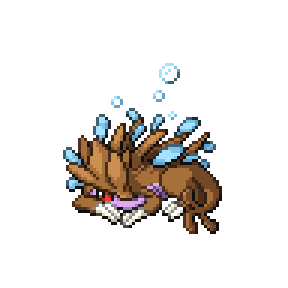
Skrlup are so prideful that they rarely live close to others of their kind. If anyone crosses into their territory, they spit out bubbles made of liquid poison that can quickly corrode metal in large quantities.

It produces a corrosive poison within itself that it will spray to deter foes and to help carve out its burrow within rock. If a foe is not deterred by its poison, it will curl up into a ball and wait for the foe to leave.

It spits a highly-corrosive poison at foes and to weaken either solid rock or metal so it may cut through with its claws. Its algae-like fur becomes rigid when it is agitated, otherwise it is almost as soft as silk.

It is said that Dragnine can run so quickly that they can run atop water without falling in. They spit poison at foes and threats; the poison causes an intense burning sensation but is rarely deadly.

Shellreep's pink parts are harder than its white underbelly, so it will plant itself on the ground to better protect itself when attacked. It can discharge light and electricity from the many bulb-like growths along its back and those on its tail.
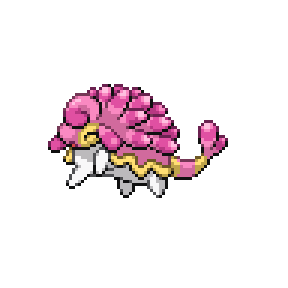
Shellffy are covered in a sticky film, which allows them to cling to surfaces with greater ease. They often stick to power cables and generators to absorb ambient electricity, but will release everything they've stored to defend themselves.
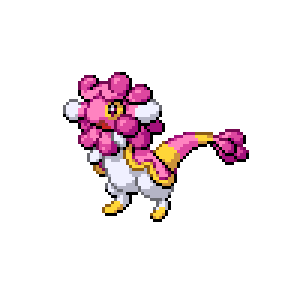
Shellicate always crawl on all fours underwater but often stand on their hind legs on land. They keep their fangs sharp by gnawing on tough rocks and shells.

Gasrupt have rubbery hides that can repel sharp attacks with ease. When enraged, they stomp their feet with enough force to damage solid rock and spew hot water from the humps on their backs.
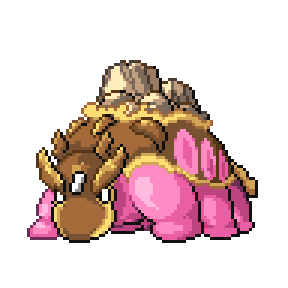
Growleon value loyalty above all else and are very picky about their Trainers. They never forget the scents of their Trainers, even if they are separated for a long time.

Thundnine can move with such speed that many do not even witness them; in fact, initial sightings were the result of them being caught in photographs. When enraged, they howl loudly, bellow flames, and unleash lightning bolts from their tails.
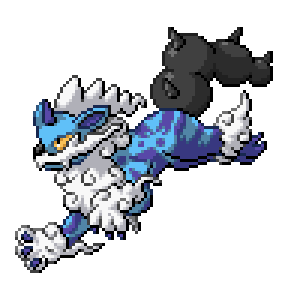
Despite how small their bodies are, Arcachu can let loose loud cries to startle or intimidate others. They struggle to store energy for much of their lives, so their fur crackles with static electricity.

It rubs the tufts of fur upon its cheeks to generate electricity. Because its fur is so soft and warm, it is popular among starting Trainers.

When they shake their bodies, they scatter sparks of fire and electricity. Arcachu swing at foes during battle with their fluffy tails, which crackle with lightning and burn with intense heat.

Arcatales are oft witnessed crossing fields and open plains at high speeds, their long tails flowing behind them. During battle, embers scatter from each of their tails and flames spill out from between their maws.
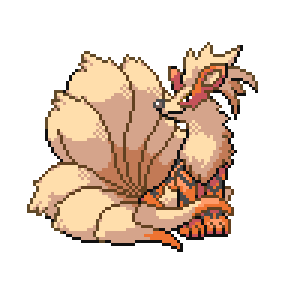
Arcavern combine their concussive Boombursts loosed by their ears with the flames spewed from their mouths to create destructive fireballs. Their fur is so hot that they can fly just below the stratosphere with ease.

Despite appearances, their wings are too weak to keep them aloft for long. Their flames, on the other hand, are so intense they can ignite their bone clubs.

Charwak use their strong flames to ignite their bone clubs before they strike with them or throw them. Their wings may be small, but allow them to move swiftly and to retrieve their bone clubs with greater ease.

It prowls in the dark as it hunts for prey, using its wings to leap far and catch its target off-guard. Chareon marks its territory using its tough claws and by scorching terrain with its flames.

Chargia are viciously territorial Pokémon that make their nests within or near canyons. Their flames are hot enough that a consistent stream of their fire can melt solid rock.

Though it prefers to eat and sleep most of the time, it will fight others to claim food for itself if it has to. It spreads its wings to intimidate others, hoping to be able to take their food without a fight.

Its wings are marred with wounds and scars from the many battles it has sought out. It will pin a foe down using its bulky body or stout legs, then loose a torrent of raging flames directly unto them.

Charachi are said to harbor intense desires to grow stronger every single day, which may explain why they are so willing to fight others. They never take part in unfair or unjust fights and will grant a small wish to whoever fairly defeats them.

Chargon display a longing to take to the skies, yet their burning hot shells are too heavy for their wings to carry beyond gliding. They swing their tails with enough force to shatter stone, but will have to rest for 24 hours if they do.

Though Polichu love to play in water, they unfortunately discharge all of their electricity when wet. They run to get used to their developing feet but trip and stumble most of the time.

Polichu can store enough water to bloat their bellies and release said water at varying pressures. They channel electricity through their tails but will discharge their electricity if their cheeks are touched.

Polishrew form nests within damp terrain, using rocks to line them so they won't collapse. The spiral patterns on their bellies are actually some of their intestines showing through, which they protect by curling into balls.

Because the hides of their bellies are extremely thin, these Pokémon keep low to the ground at all times. Some consider their tail fins to be a delicacy, though they must be handled properly due to the deadly toxins within.

Its body is always covered in an oily secretion, which keeps it clean and makes it easier to slip in and out of the burrows it digs. It curls up to better slip out of the grasps of foes.

Its muscles are remarkably developed and never tire, even as it spends its days digging through rough terrain. Its claws take around four days to regrow or to heal if they break or if they become chipped, respectively.

Abchu spend most of their days sleeping to try and hone both their psychic abilities and to retain their electrical energies. If they are awakened, they release bursts of energy and teleport away.

Even while asleep, its tail ticks side to side like a metronome. It can still wield and direct its psychic abilities and electricity while asleep, making it a difficult foe.

Alaking horns are sturdy, sharp weapons, though they are most often used as foci for psychic powers. Their horns are often used to make tools for psychic mediums and spiritualists.

Wild Alashrew have often been found raiding gardens and fields for trowels. They use three trowels as foci for their psychic powers and to dig burrows to nest within.

Its body is rife with powerful energy, causing it to have a strong metabolism and to have powerful muscles. It uses it strength to best large foes in search of ways to sate its appetite.

Though small, their four arms are strong enough to reduce boulders to fine grains without tiring. Their muscles are so dense that, by tensing, they can repel many physical blows.

Belltini are so rife with energy that they must shed their skin almost every day to accommodate their growing bodies. The fluid that leaks from their mouths is rife with this energy as well and can melt iron with ease.

It is covered in many thorn-like, poisonous barbs though to be for protection. It secretes a highly toxic fluid from its mouth, which it can focus and spew at threats.

Bellqueen are strong enough to lift a tree and its roots from the ground with minimal effort. A potent toxin brews within their bodies, which can be loosed from their mouths or from the plants at the ends of their tails.

The shell upon its back is hard enough to protect it from most bird Pokémon. Squirtdeen propel themselves with strong blasts of water to escape danger or to ram obstacles.

Squirtlax can jump high enough to be able to withdraw into their shells and deliver devastating Body Slam attacks. They hide in their shells when they sleep, which echo loudly due to their snoring.

Squirtnub are common denizens of ponds and lakes in colder climates, even if they have frozen over. They quickly withdraw into their shells if ever attacked and propel themselves with water jets to escape or counterattack.

Squirtchic defend themselves with small fireballs and dense bubbles. They can withdraw into their shells and propel themselves with bursts of steam.

Although these Pokémon can change most of their bodies' colors to blend in, they will withdraw into their shells if anything draws too close. In battle, they wrap their tongues around their foes and use their shells to ram them.

A favorite among human children, Squirtlup loves to play with others using water and by sliding around on its belly and shell. Yet despite its friendly demeanor, this Pokémon turns rude and may lash out when its fragile pride is damaged.

Squirtagon often lay on their backs and watch their breathed bubbles drift into the sky, longing to fly with them. Some have been seen riding geysers to experience being high in the air.

Wild Squirtgon are a common sight for ships, as these Pokémon will lazily drift upon ocean waves; this often proves to be a hazard for ships, however. They can loose jets of water to propel themselves if they deem it necessary.

Repeated regrowth makes its tusks tougher and sharper with each iteration. It uses its shed tusks to clean and polish its shell.

Territory clashes between Squirtxure are often violent due to their sharp tusks and the powerful jets of water they can spew. It is rare to come across a Squirtxure that does not have scars upon its shell.

Many seaside tourist locales boast of the flocks of these Pokémon that communicate with each other through melodious chirps. When happy, Squirtling spit out small, colorful bubbles all around them.

To ambush its prey, it will dive toward them, withdraw into its shell, and propel itself with blasts of steam. The jets of water it sprays from its beak are scalding hot when it is agitated.

Squirtlem withdraw into their large shells for protection and offense. By releasing jets of water from their shells' openings, they can achieve speeds that make it possible for them to send a small car flying with a Rollout attack.

Victreemega will fly through swarms of small bug Pokémon, swallowing many of them whole via their gaping maws. They jab at their opponents' weak spots using their vine-like tails, each strike injecting a painful venom.

Victreeswine are extremely proud and do not make an effort to hide it, as shown by their expressions. They use their long vines to ensnare their foes before crushing them with their large, heavy bodies.

Victreeray have x-ray vision that allows them to see through the thick jungles and forests they inhabit. Their tail is an extendable vine used to attract prey before stunning or paralyzing it with powerful electricity.

The vibrant tips of its vines easily tempt prey and draw them toward its awaiting maw. Within these vine tips are venomous stingers that can paralyze most foes. If it is faced with an unsurpassable foe, it will loose thick plumes of toxic pollen.

Victreeta use the large leaves of their vine-like tails to help contain the broiling flames within their bodies. When threatened, they will progressively unveil their mouths and let loose these flames until their enemy either flees or is defeated.

Wild Tentans often lurk within ponds with their long tails submerged and use the luminous red bulbs of their heads to draw in prey. Once their prey draws near, they will wrap around them and drag them into the watery depths.

These underwater Pokémon carefully stalk their prey and will actively attempt to strike fear into their targets before they ever draw near. The tips of its tentacles conceal venomous stingers; their venom induces intense fear.

Tentastar propel themselves with jets of water and by swinging all of their tendrils at once, always keeping their sharp shells pointed ahead. They cruelly latch onto their prey and constrict them with their tendrils until they are forced to submit.

The red bulbs upon its head function as sensory organs that help it to "see" all around it. It will often lie still on the seabed to lure prey to it, then constrict them with its tentacles and swallow them whole.

Tentamagius is known as the "Deepsea Witch" by many sailors due to the mesmerizing lights emitted by its red orbs and its frighteningly alluring cries. When its prey draws close, Tentamagius ensnares it with its tentacles and brings it back to its lair.

Many sailors refer to it as the "Witch of the Sea" due to how it has a humanoid appearance which is used to lure others to it. But when they get near enough, they see it for what it is and are quickly dragged down by its poisonous tentacles.

A Tentachamp's four arms are actually many small tentacles that have wrapped and coiled around each other. Each punch is as strong as they look they would be, but they also can easily force a potent neurotoxin into their victims.

Its arms are strong enough to shatter rocks into many small pieces. It loves to eat a variety of rocks, especially if they are of different colors.

The many rocks clinging to Golosion's body are filled with a fast-acting accelerant that ignites the moment it is exposed to air. In fact, this is how it will often fight, by pelting its opponents with its natural bombs.

Its body is covered in a film of sticky, moisturizing oil, so it is able to lie still in wait of prey to wander close enough. This oil is also why it is almost always covered in a layer of rocks, which affords it ample protection and insulation.

To insulate their small bodies and further reinforce their internal flames, Goby clad themselves in mud and small rocks. To defend themselves, they cleverly put pebbles or nuts in their mouths, ignite them, and spit them out at enemies.

These intellectual Pokémon use their psychic power to help hold their rocky bodies together. They will often curl up and roll into foes at psychically-empowered speeds that allow it to cleanly break through walls of solid rock.

Gochomp deliver explosively powerful blows with their rock-clad fists, often scattering many of these rocks in the process. They move with surprising agility, which is further expanded upon the more of their rocks they shed.

It shakes itself to shed the rock-like parts of its hide so a new and larger hide can grow. It has a habit of roaring and scraping its hind claws along the ground before charging with the top of its head aimed forward.

The rocky scales of these Pokémon make for efficient whetstones, often assumed to be a result of them evolving to keep their tusks incredibly sharp. Their tails are strong enough to uproot a tree with a single swing, even if the tree will oft split.

It will often dig up rocks with its tough claws and add them to the rocky shell atop its back. This shell is infested with mushrooms that seem to help hold the rocks together.

Ponyvee are renowned for how quickly, and well, they can adapt to new environments. Although frail at birth, Ponyvee quickly grow strong when they are raised well and with care.

Its flames are kept strong by an oily secretion that acts like sweat for this Pokémon. This oil keeps them slick & clean and keeps their flames from being put out by water.

If a Ponyeon's gem is glowing, then its flames will burn anyone who tries to touch it. Earning a Ponyeon's trust is a rite of passage in some cultures, for it will never betray a trust that has been earned.

A Ponyceus's orange rings are hot to the touch for all but their most trusted Trainer. The longer they run, the hotter their flames burn.

When a Ponymuku's body is compressed, even if just by a strong hug, it will spew their inner flames. Some people will often have one of these Pokémon to help light fires.

These Ponyta have much more developed bodies with stronger muscles. Their bodies metabolize food quicker to produce greater flames and to support their frequent running.

Its flames grow stronger as it is brought nearer to particular evolutionary stones. Its flames will not burn those it trusts, no matter how much these flames may flare up.

Rapieon fire is oil-based, which allows them to keep burning even if submerged in water. When they whinny, their flames grow strong enough to boil water in seconds.

Wild Rapilosion often veil themselves in flames as they quickly encircle prey. Scorch marks from the walls of fire they form to entrap their prey are a common sight in certain fields.

A Rapidos's sharp horn is very poisonous and very durable. It will often clap its hooves together to create sparks that ignite the webbing they can spit, which they then fling at foes.

Weak psychic waves are emitted from its horn. These waves grow stronger when its gem glows. By touching its horn or muzzle against someone it trusts and has bonded with, it can communicate its feelings.

Wild Rapitic live within secluded lakes, radiating enough warmth to turn them into large hot springs. Few are ever fortunate enough to find such lakes, and even fewer still are lucky enough to witness the beauty of this Pokémon.

Rapixorus release the full might of their flames when faced with a strong opponent. They will often veil their axe-like tusks in these very same flames to further overwhelm and conquer their enemies.

Slowoh are rather forgetful bird Pokémon that may even forget if they have already eaten. Because of this, they are almost always perched atop rocks or sticks near rivers and use their tails to fish for aquatic Pokémon to eat.

The colors of their fur-clad fins become more vibrant with age. By combining the hardness of its shell with the sharpness of its horn, a Warking can easily break through hard obstacles in its way within streams and rivers.

Perhaps due to its apparently slow metabolism, Warsire is considerably docile and slow-paced; perhaps its dense shell contributes to its slow pace, though. It is sensitive, or prideful, of its tail and does not like when anyone touches it.

Wareon change most of their colors to blend in under or near water, save for the patterns on their shells. It is said that the longer their furry tails are, the longer they have lived.

They are very self-conscious about their fluffy tails and take care to keep them from getting mucked up or damaged during battle. A Warlup grows increasingly prideful the longer and thicker its tail fur grows.

The older a Warplup, the more dignified and prideful it will act, especially regarding its fluffy, vibrant tail. If its tail is ever harmed or even made the tiniest bit dirty, it flies into a pride-fueled rage that ends with it sulking once tired.

Its tail deepens in color as it ages and its shell grows heavier as it nears its evolution. It seems to enjoy seeing how far it can propel objects into the air with jets of water.

As these Pokémon grow older, the colors of their furs grow deeper and the furs themselves grow thicker. They use their tusks to mark their territory by cutting into stones and trees.

Upon their tails are soft tufts of fur that grow longer and more vibrant as they age. Although normally calm, they become aggressive if their tufts are touched; these tufts are not connected to their nervous systems, however.

The colors of their feathers deepen with age. Their shells grow hotter as they battle, yet the plates of these shells remain unaffected by the heat. Warinder shells, and their shells' plates, are used in many crafts.

The colors of its wings and tail deepen with age and are said to feel softer than any other material known. Warlu communicates with various songs that, in tandem with its soft plumage, have led it to be desired by many people.

The Shellder attached to it leeches some of its immense energy, causing its senses to dull and the Shellder to grow greater. Despite this, Slowtini seems to care for the Shellder.

Wild Slowtula hide in their shells along seashores, pouncing upon any prey that walk by and wrapping them in electrified nets. With their prey secured, they will slink back within their shells to enjoy their meal.

Its pupil emits a faint glow when it releases electricity. Its teeth are harder than iron and allow it to bite into machinery to absorb the electricity flowing within.

It emits special waves from its large eye that can daze and paralyze mostly any who look directly at its eye. Using its own magnetism, it can pull in prey and foes, throw miscellaneous objects at them, or even try to crush them outright.
