Page 5 / 6 of 5241 pokedex entries by quackquackattack.
Digroc love to dig and refuse to stop once they start digging with their sharp claws. Many play a vital role in tilling soil for farmers, working themselves until they are happily exhausted.

Digtyena lack the jaws necessary to hunt for prey, so they resort to digging up roots and seeds to eat. If they are not scavenging for food, then they rely on underhanded techniques to steal food from Trainers.
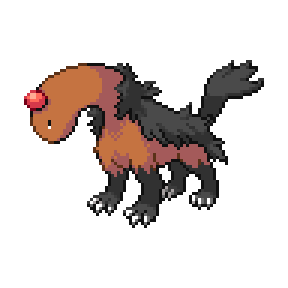
When Digrupt burrow underground and are covered in light debris, they are indistinguishable from other volcanic vents. When disturbed from their rest, they unleash plumes of lava that cause searing burns.
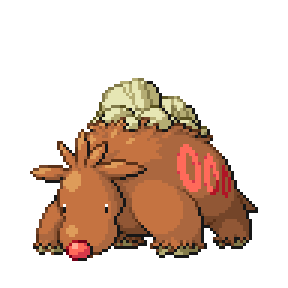
Digink combine dirt and mud to create a sphere. This sphere is then polished to create a smooth, glossy surface. Digink happily show off this sphere when they play with other Pokémon.
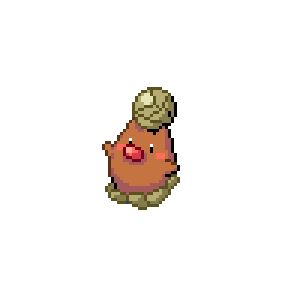
Digamo generate electricity while underground until their bodies can no longer handle the energy. When groups of Digamo emerge from the ground, they release bursts of electricity that zap everything nearby.
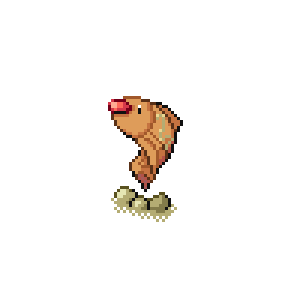
Digwag have been introduced to farms to till the soil and water plants. Many farmers greatly appreciate Digwag for their work to help farms produce healthy crops.

Diansaur has a precise gem on its back that flakes off toxic shards when damaged. By scraping its gem against rocks, it produces clouds of these shards to ward off miners.
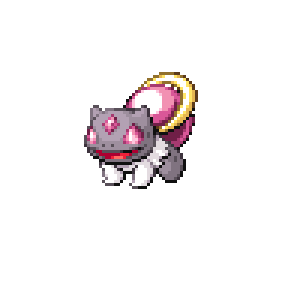
The soft glow from Diansea's tiara is said to help restore coral reefs, though it rarely stays in place long enough for the glow to take noticeable effect. Diansea cares deeply for its aquatic brethren, even if it often gets bullied.
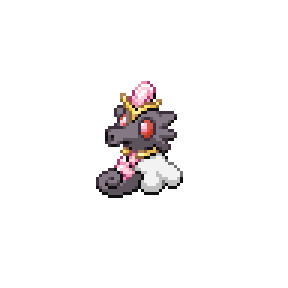
Dianfree have gleaming scales all over their wings that sparkle when the sunlight hits them. Dianfree are elegant protectors of the environment that help Pokémon back up when they fall from trees.
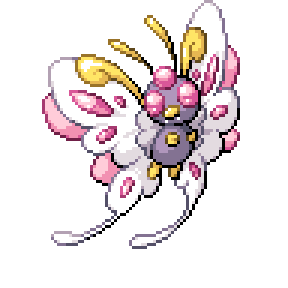
The glistening leaves that Dianleef produce create sparkles when exposed to light. Whenever they feel particularly generous, they give out these leaves to other Pokémon as gifts.
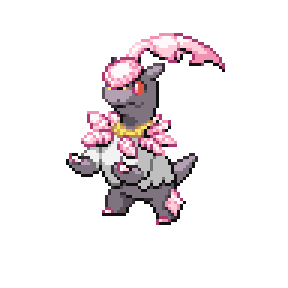
Dianbuff love to sing and use their small baton like a microphone to help them project their crystal-clear voice. They often throw tantrums when other Pokémon ignore their singing.
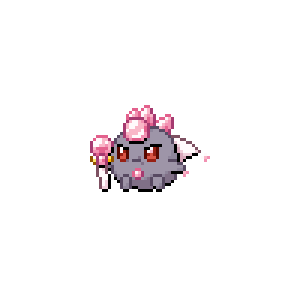
Diantic are full of joy and whimsy, soaring through the sky and playing games with Trainers and Pokémon. Their crystal shards are said to bring great fortune but are only available to those who play their games.
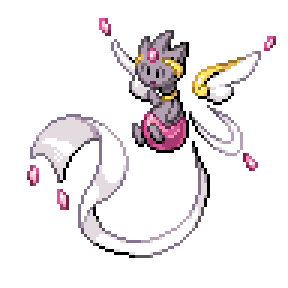
Diansaur scrape the gem on their back against rocks to produce clouds of toxic shards. If inhaled, these shards cause dizziness and nausea in both Trainers and Pokémon.
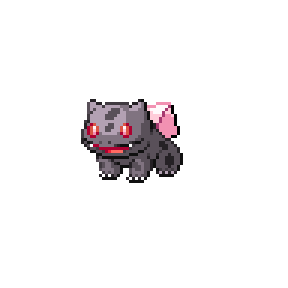
Diansaur creates vines to grab rocks around it, scraping shards off the gem on its back. When in danger, it flings these gem shards to cut through its foes.
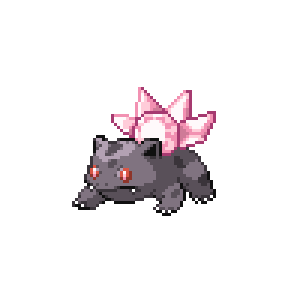
Diantyke hide within dark caves to protect themselves from predators and poachers alike. When a beam of light hits one of their crystals, the light refracts into a rainbow spectrum that illuminates the cave around them.
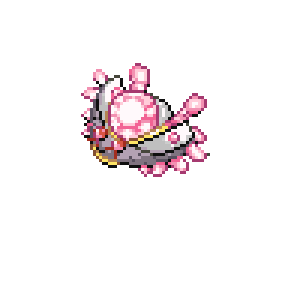
The gem on Diansaur's back naturally flakes off shards for them to use. These shards become high velocity projectiles when thrown from their vines and leech toxic chemicals into the bodies of their foes.
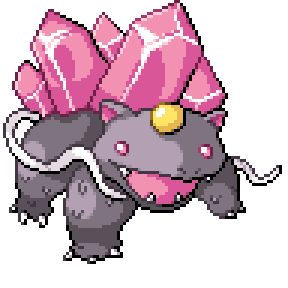
Dianquaza soar through the uppermost parts of the sky where their resplendent crystals shine bright. They are not visible from the ground, so many photographers and sightseers take planes into the sky for a once-in-a-lifetime opportunity to see them.
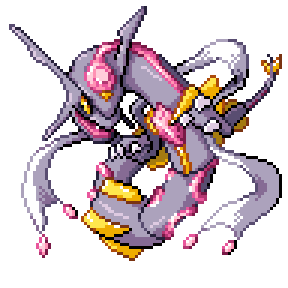
Dianki once kept jewelry safe for young noble ladies. Their collection of earrings, pendants and rings were everything a young maiden would have wanted to make themselves look pretty.
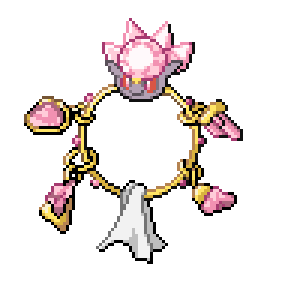
They drop molten shards, which when refined and processed can produce a Flame Orb. They abhor everything aquatic, as even a small amount of water rapidly lowers their internal temperature.
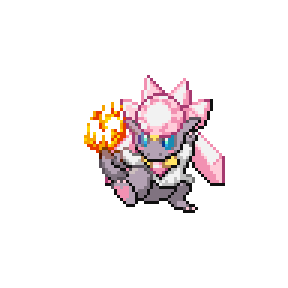
Dianria elegantly soar through the sky and sing with the grace of an opera singer. The crystals around their body resonate with their voice so that their song can be heard from miles away.
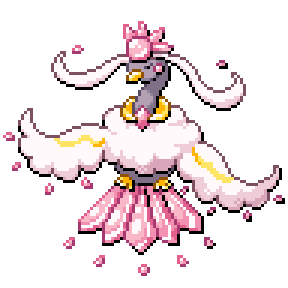
Dianduck are regarded as lucky Pokémon for couples to come across. Their veil and stony flowers make them look like they are a bride at a wedding while their bill and flippers give them a cute look that is hard to get angry at.
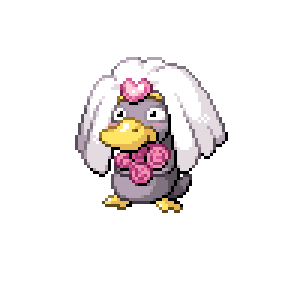
Dianfetchd carry a mighty crystal baton that they wield to protect themselves and their Trainer. As light hits the crystal, the reflected rays of light illuminate the space around them.
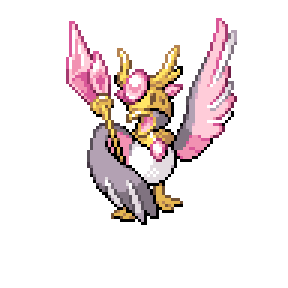
Dianter spend lots of time at salons, where they get manicures to make themselves look pretty. Trainers who take care of Dianter should be ready to spend lots of Pokédollars to keep them happy and looking fabulous.
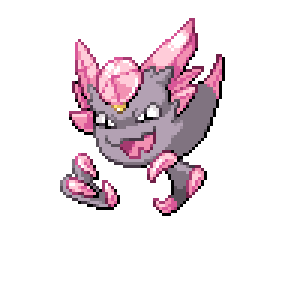
Luvkhan are doting creatures that show affection through hugs and snuggles. Many lonely Pokémon who do not have Trainers or friends throw themselves into a Luvkhan's arms to feel their kind embrace.
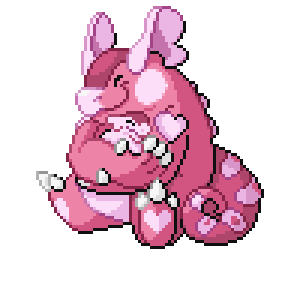
It is known to wrap its tail around another Luvsea when it feels lonely, which helps it feel safe in the seas. If it wraps its tail around a Trainer, it is said to be a gesture of true comfort and affection.
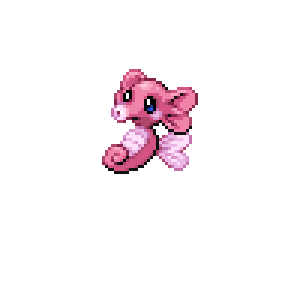
Luvdeen live in lakes near wedding venues, their pigmentation derived from the petals that are eventually swept into the water. When weddings occur, they float to the top of the surface and watch the event with keen interest.
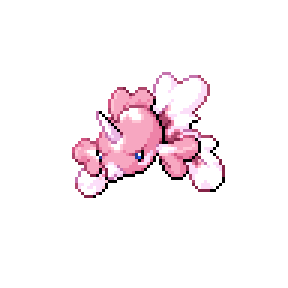
Luvking swim in lakes near wedding venues, the petals giving their scales a pink tinge. They celebrate alongside couples and release pink bubbles into the air when excited.
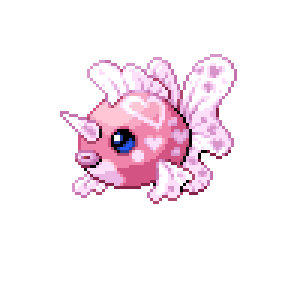
Luvnx dance provocatively to draw attention to themselves. Once a crowd has gathered, they release psychic energy that instills kind and affectionate feelings in the audience.
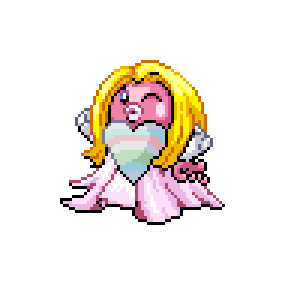
When flying across water is not feasible, it passes Surf Mail across the sea to different continents. The letter in the bottle has become obsolete, as it ensures that the letter arrives at the destination without getting wet.
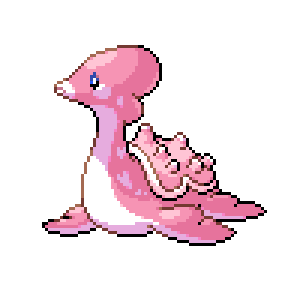
Luvdle venom can be made into a special pink ink that is used by couples to show their love for each other on legal documents. It takes 50 Luvdle to produce a bottle of this special ink, which is why the ink is seen as a status symbol.
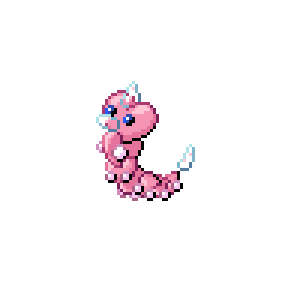
Their natural habitat is recovering from pollution and as such they live in natural reserves such as the Safari Zone. When they feel homesick, a vial of Sea Incense helps them feel at ease.

Luvluff glide through the sky and are kept afloat by their soft bubbles. On the rare occasion they are on the ground, children enjoy playing games with the bubbles Luvluff create.
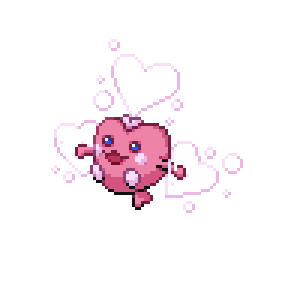
Luvbull are rented out for weddings as ring bearers for couples who do not a young child available to play the role. Many people find their petite stature endearing, so this practice has gained some niche popularity.
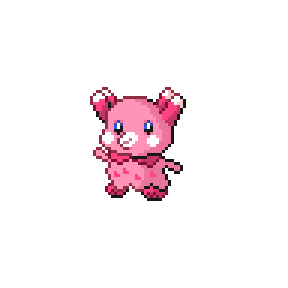
Luvtine are raised and kept in lavish restaurants, flying above patrons in patterns during certain holidays. Particularly enthusiastic lovers can pay to have them create bubbles to heighten a romantic dinner experience.
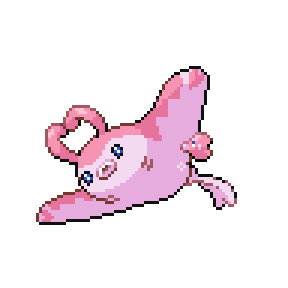
They demand attention and gifts, particularly shells, scales, or other aquatic objects. To give them a droplet of Mystic Water is seen as the highest praise they can receive, and as such, it is given to them sparingly.
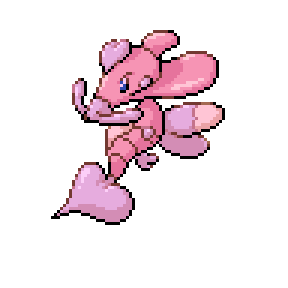
Luvgon2 are said to appear on PCs of lonely people, shining with vibrant lights and colors. They give the user access to a special site that connects people across the world to find potential companions.

Luvchum are adorable creatures that enjoy giving kisses as a sign of affection. After every kiss, they try to check their reflection to see if anything has rubbed off on their face.
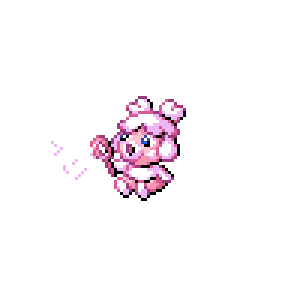
Luvtile have leafy heart blades on their arms that allows them to perfectly cut leaves into hearts every time. They are the perfect companion for making parties feel just a touch more romantic.
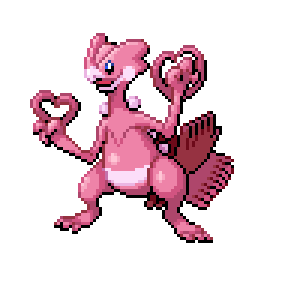
Luvslash shed pink heart-shaped scales from their back about once a month. Couples often go searching for these scales to show their love for one another.
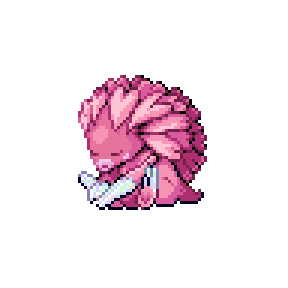
It is said that Luvplup only gives pebbles to Pokémon it enjoys spending time around. If it gives one to its Trainer, it is a sign of great love.
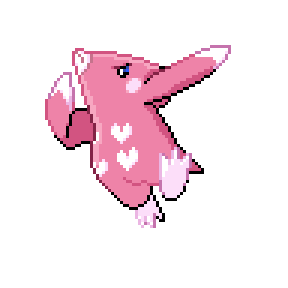
During courtship season, Luvleon each carry a pebble that signals their desire to mate. If two Luvleon swap pebbles, they pair-bond and remain devoted partners for life.
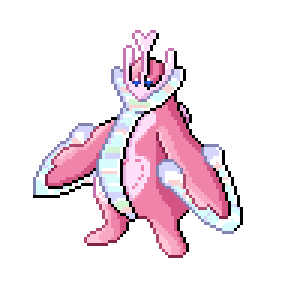
Many couples love to take photos in front of the heart-shaped body of Luvgrigus. They form hearts with their ribbons to make every photo a memorable moment.
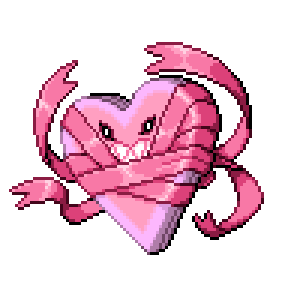
Luvlure are bought by particularly lavish couples as a piece of decor to show their love to whenever guests come over. The soft glow they release illuminates many homes at night.
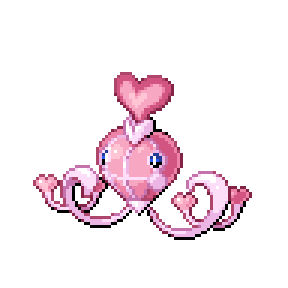
Even though Luvkyu have spurious eyes and a fake costume, they want to help people find true love. They typically partner with one Trainer and roam the world in search of the right person for their Trainer.
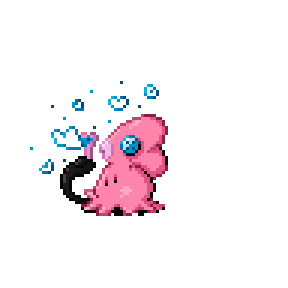
Luvon may be slow and lumbering, but their heart-shaped heads make them charming waiters for couples who are dining out. The only downside to having them as waiters is that they eat used cutlery if given the opportunity.
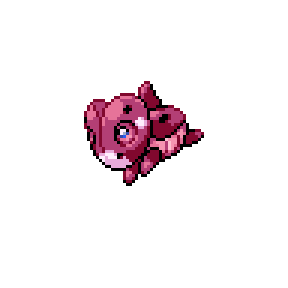
Luvbat have sensitive ears that allow them to follow a conversation from a long distance away. This allows them to stalk couples on dates without being awkwardly close.
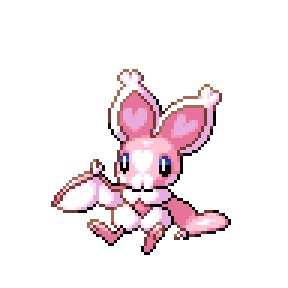
Luvturne resembles clowns that appear during certain festivals. Its love of vibrant, energetic performances create dazzling displays of petals and movement.
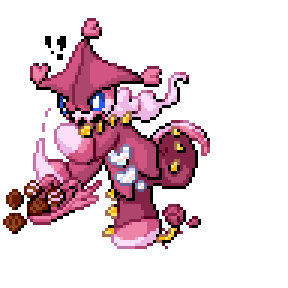
Luvetta are intensely romantic creatures that chase after Pokémon they desire. When they are inevitably rejected for their sudden burst of affection, they sing sad romance songs and cry.
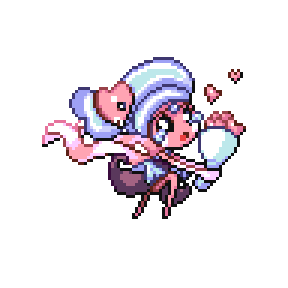
Luvish reside in areas around waterfalls. They can detect romantic thoughts and create pink bubbles out of excitement during marriage proposals by a waterfall.
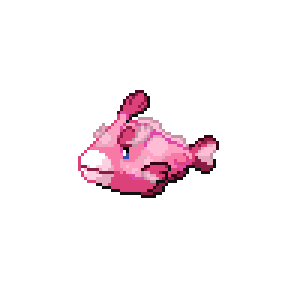
It shoots bursts of heart-shaped bubbles at wedding or anniversary events, especially during photoshoots. Its precision control over these bubbles allows it to guide them back into focus.
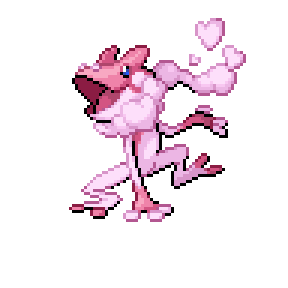
Luvzagoon engage in a courtship dance after an extended period of time getting to know a Pokémon that they are fond of. This dance involves zigzagging back and forth in unison, making it seem as though they are taking turns chasing each other.
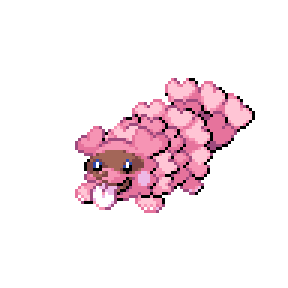
Luvth are rented out for outdoor picnics during first dates, as they are friendly yet unintrusive. They meander around an area and create opportunities to start or shift a topic.
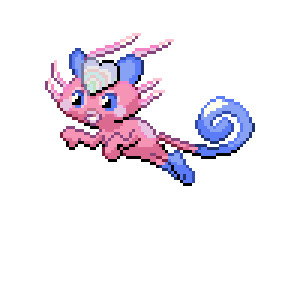
Golf courses train these creatures to rest in one spot for hours at a time, creating randomized obstacles to putt around. Luvduck are sedentary creatures, which makes resting in one spot quite easy.
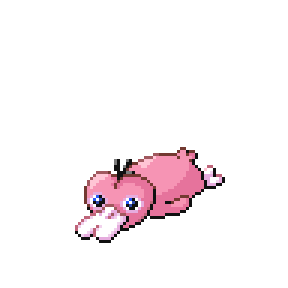
Luvwag loves watching happy couples out on picnics from its aquatic home. It often hides behind reeds as it does not want to be seen by couples, but seldom flees when caught.
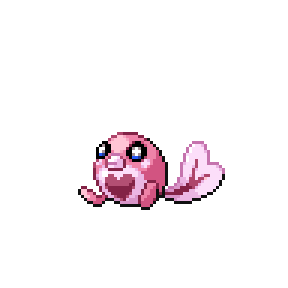
Luvwhirl live in lakes and rivers where the cool water keeps their bodies hydrated. Whenever weddings happen near their home, they can be seen poking their heads out of the water as they spy on the lovers from a distance.
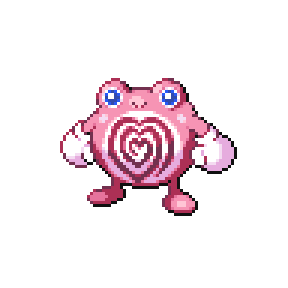
Luvra live near bodies of water and enjoy watching couples that are on dates. Whenever they are spotted, they teleport to a different location so they can keep watching.
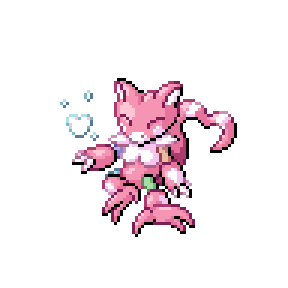
Luvsprout is sold at love festivals around the world. Its health symbolizes the state of a relationship, so new couples buy this Pokémon to show their love for each other.
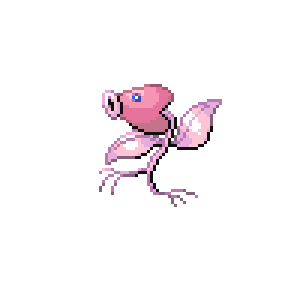
Luvbell rests in gardens of devoted lovers, as it is a symbol of love. Couples will water and trim this Pokémon in the hopes of prolonging their relationship.
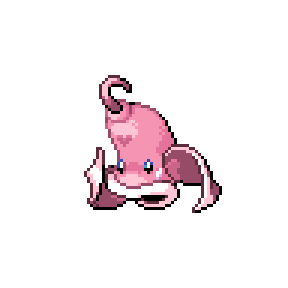
Luvbell blossoms during love festivals and releases sweet-smelling petals that flutter through the air. It is associated with long-term relationships because it only scatters petals during love festivals.
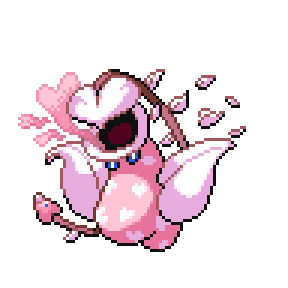
Luveel reside in shallow wishing fountains where lovers wish for a successful marriage. It is an auspicious sign when they eat the coin lovers throw into the water.
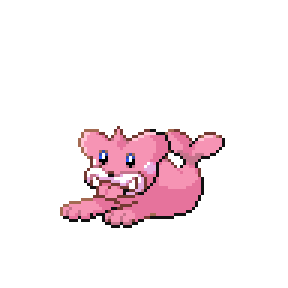
Luvmer consume discarded boxes of chocolate after certain holidays, as they enjoy the leftover sweet treats on the inside. The ink on the boxes is digested and brighten their pigmentation.
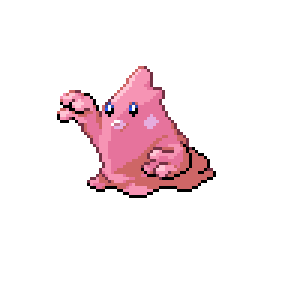
Poochlax are most active when they are asleep, as they snarl and claw at whatever they see in their dreams. When they inevitably awaken, they often feel so sore that they fall asleep after a quick snack.
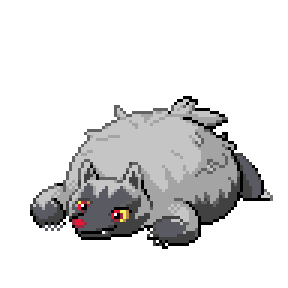
Poochsol show up in packs to warn other Pokémon in the area of natural disasters. Some Pokémon are scared of them because of their sharp fangs and claws, which distract from the message of impending doom.
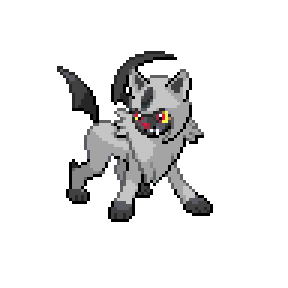
Poochish howl whenever they release spores, which inadvertently leads Pokémon to investigate the sound. When approached, Poochish release a cloud of spores that stick to other Pokémon.
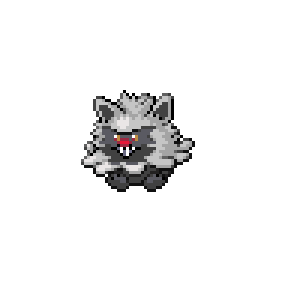
Poochpet travel in packs to find people with bitter feelings in their hearts. Once they find a target, they shower the person with affection by licking their face and playing games.
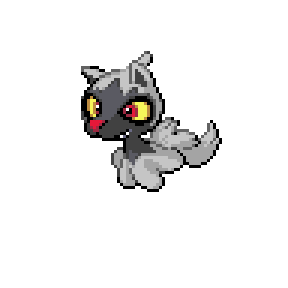
Poochish hide in cattails to ambush aquatic Pokémon that swim in the water nearby. Sometimes they are unsuccessful because they cannot swim.
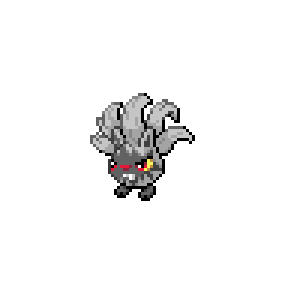
Poochtad hide in cattails where they wait for aquatic Pokémon to swim close before pouncing. When they feel particularly charitable, they allow other Pokémon to ride on their head.
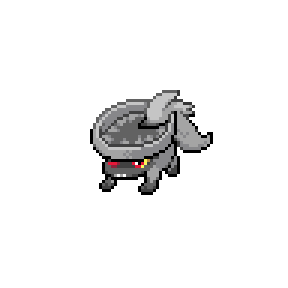
Poochtyena live in packs with other Poochyena to hunt down large prey. Their place in the pack hierarchy can be confusing for them, because they have a mature body but exhibit child-like behaviors.
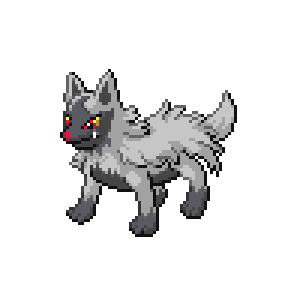
Poochskit have an acute sense of smell that allows them to stalk prey over long distances. Water does not impede their stalking, as their hairy legs allow them to walk on water.
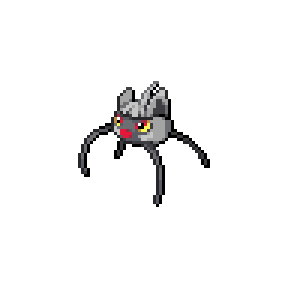
Poochth are most active at dawn and dusk. Their keen night vision and silent footsteps allow them to sneak up on groggy Trainers to steal their coins.
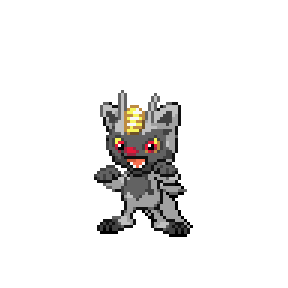
Poochle charge their paws with electricity by rubbing them against other Electric-type Pokémon. They are capable of reaching branches high above the ground with a charged leap.
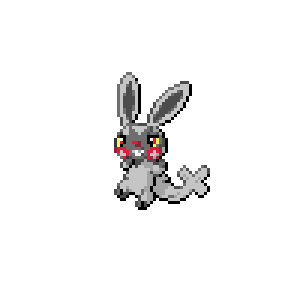
Poochun rub their paws against other Electric-type Pokémon to store energy in their legs. They are capable of sprinting across football fields with a sudden discharge of electricity.
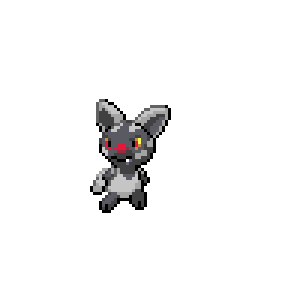
Poochbeat have special scent glands on their tails that attract other Pokémon. When enough Pokémon have gathered they begin a small musical ensemble.
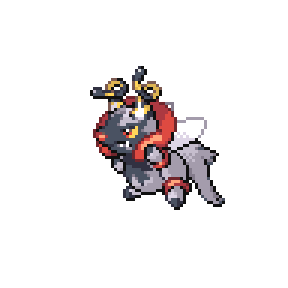
Poochmise have scent glands that produce a pungent scent that attracts Bug-type Pokémon. When they have gathered a small group, they gather around the Poochmise as they lead a performance.
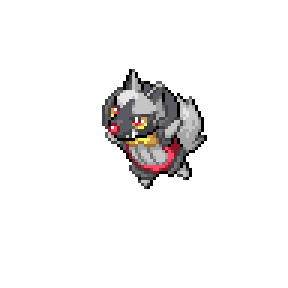
Poochlithe lets out a sharp whine whenever they want something from their Trainer. If they don't get what they want, then they set fire to things nearby until reprimanded.

Despite their menacing appearance, Poochra love to sleep in fields of flowers. They are known to teleport away if approached by Trainers or other Pokémon but will always return to the same flower field once they go away.
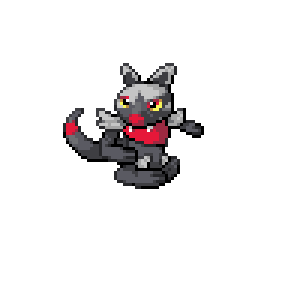
Whenever Mightsol try to communicate with wild Pokémon about an impending disaster, they need to be careful not to scare them away. By bowing their head and lying on the ground, they can show that they are friendly.
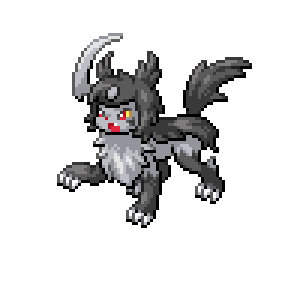
Mightpet lead packs of Pokémon to help people with bitter feelings move on from their hatred. By engaging in play and being kind, they hope to absorb the negative energy and leave people better than when they first meet them.
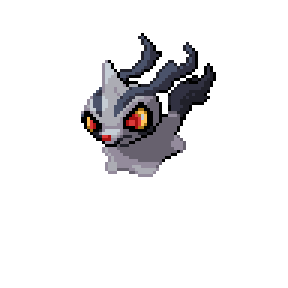
Mightyena often struggle to understand why their packmates treat them like children. Their diminutive size makes them easy to pick on by others in their pack.
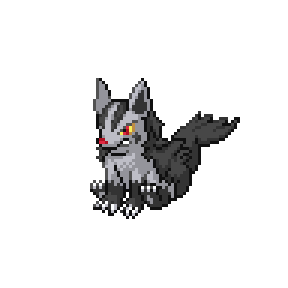
In the wild, Mightskit chase prey over land and water until their prey succumbs to exhaustion. Trainers who can prove their dedication and grit have an easier time catching them.
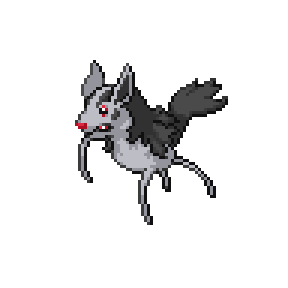
Zigrill aids rescuers in finding children lost in forests. It bounces on its tail whenever it needs to reach branches above the forest floor.
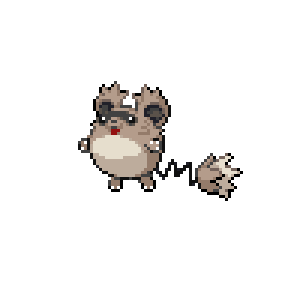
Zigtomb inhabits a keystone that resembles a trash can. When it emerges from the can, it feverishly steals any nearby snacks to fuel its hungry body. When it zigzags around its environment, it always remains a short leap away from its keystone.
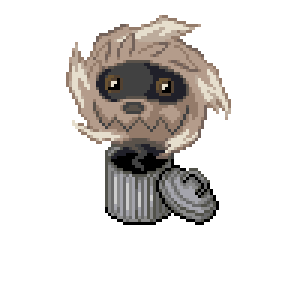
Zigskull float in a zigzag pattern regardless of where they are. They can float through trees and bushes to take whatever items are hidden.
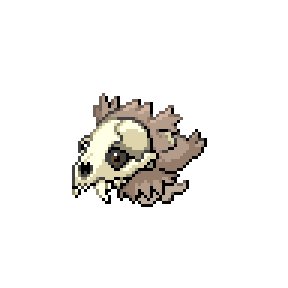
Zigish appear like weeds at first glance, but when they think no one is looking, they run around in a zigzag pattern. They enjoy being chased by other Pokémon and may beckon Trainers to chase after them too.
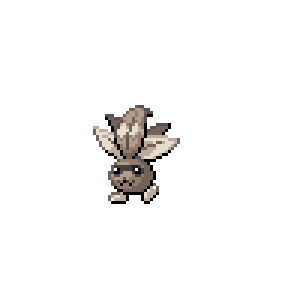
Some Trainers have found that checking on Zigcoon after a few days allows them to collect items stuck to their bodies. This is because their spines are covered with microscopic barbs that cling to whatever touches them.
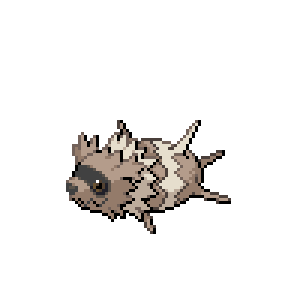
Zigdot looks like a real acorn and enjoys scaring other Pokémon in its habitat. Its hard acorn shell protects it from angry Pokémon it startles.
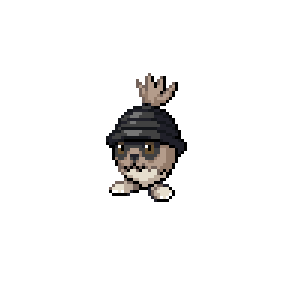
Zigin zigzag through tall grass to speed up the digestive process, as the constant motion activates certain enzymes that accelerate the breakdown of anything they consume. If they rest for too long, they develop a stomachache.
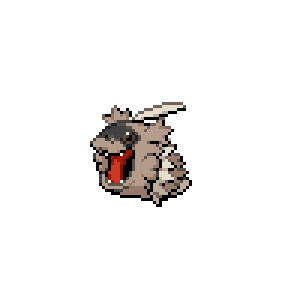
Linskull phase through nests and hives to steal food within them. When they are threatened, they run away in a zigzag pattern until they are far away.

The diminutive size of Linish makes it difficult for predators to catch them. They love to play chase with their Trainer.
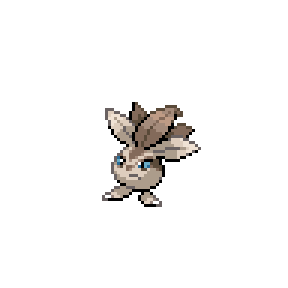
The sticky, aerated silk atop Wurmtad's head allows it to drift down rivers and streams. It catches leaves and berries atop its head, which it saves for whenever it is hungry.
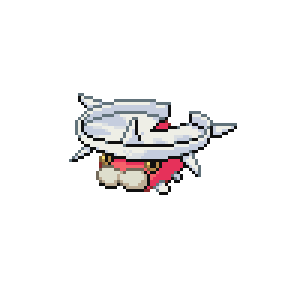
Wurmgull flies above tall grass to hunt for berries. It shoots out a net of silk to gather berries before flying away with its bounty.
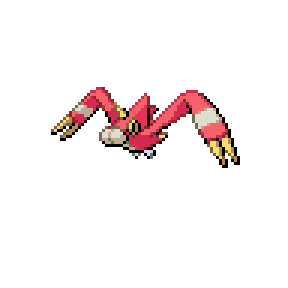
Silpod's cocoon allows it to cling to tree branches without falling off, and is so sticky that predators avoid eating Silpod. Pollen and dust cling to its body until the moment it evolves.
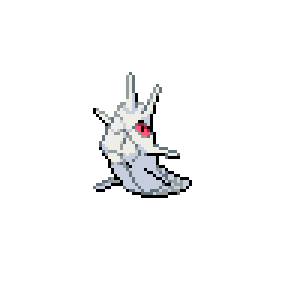
Silkoth clings to tree branches above the forest floor, its sticky cocoon shielding it from harm. It spends most of its time sleeping, as any movement quickly exhausts its energy.
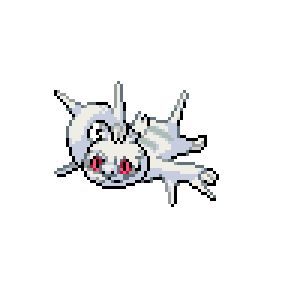
Beautitops are specialized hunters that crack open Shellder before siphoning their prey with their thin, tubular mouth. When Shellder populations are low, they resort to eating seaweed for nourishment.
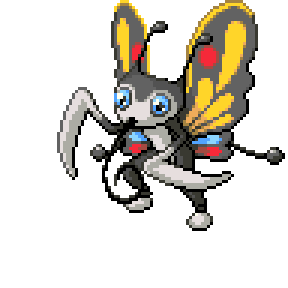
Beautians wraps around small prey to crush them before siphoning their insides with its proboscis. Its alluring colors draw in many curious furry Pokémon, giving it many opportunities to choose its next meal.
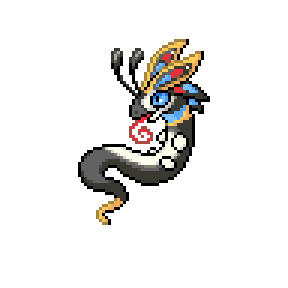
The silky cocoon around Casuna's body is sticky and allows it to hang from trees. On the rare occasion this cocoon is damaged, it oozes out a toxic substance to deter predators.
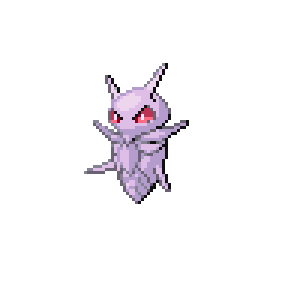
Casans has soft spines across its body, but it will bite anyone who tries to touch them. These spines contain a direct connection to its central nervous system, so any sudden pressure on them causes immense pain.
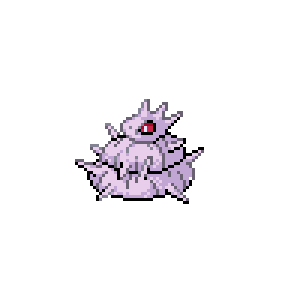
Casras wrap the mushrooms on their back with loose silk in an attempt to prevent others from harvesting them. These loose, sticky strands are easily plucked from their body, causing claws or talons to stick together once they make contact.
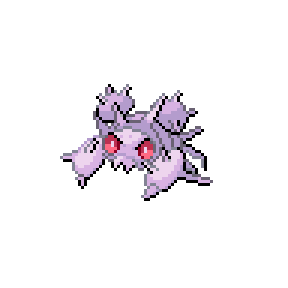
Caskit floats atop lakes and rivers by spreading its legs on the water's surface, spreading its weight across all its legs. While some Flying-type Pokémon easily pluck it out of the water, many more refuse to get wet for a single snack.
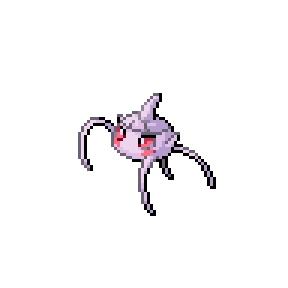
Casle releases shocks from its whisker-like spines to show excitement, especially since it cannot move very fast. In the wild, Casle can be seen hanging and siphoning electricity from telephone poles.
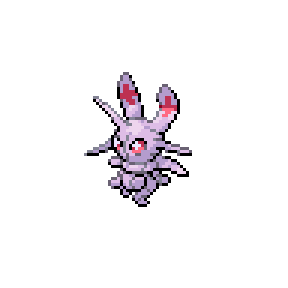
Even though Casun are surrounded in silk, they can still express joy over the success of their teammates. Rapidly flashing lights from their ears signal great enthusiasm.
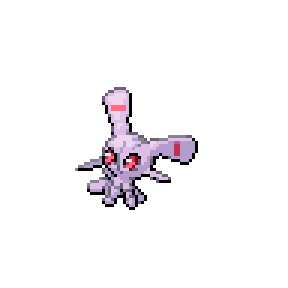
Dugloom can be found bickering amongst themselves over their diet, with one head demanding sweet berries while another head demanding nutrient rich roots. The third head is often too timid to break the tie.
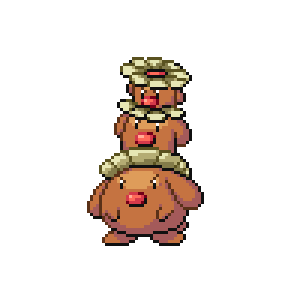
Dugtom bears a strong resemblance to traffic lights because of its red, yellow, and green pattern. It helps children play a certain game where they can only run when the light is green.
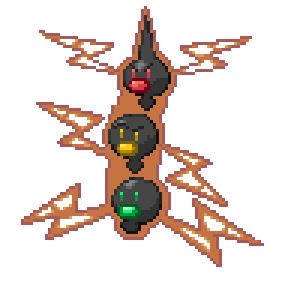
Dugduck can be found floating with a lifebuoy at many beaches throughout the world. When they are not swimming atop the waves, they dive underwater to eat seaweed.

Dugduck tunnel beneath farms to search for crops that might ease their aching head. When one of their heads develops a headache, the rest of their heads cry out in pain as well.
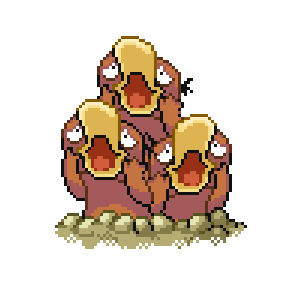
The wings on Dustret's back allow it to glide short distances while also producing a special powder that keeps it awake. This allows it to guard dens for long periods of time without rest, ensuring the safety of those within.
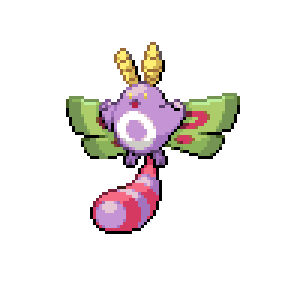
Seedish produces leaves that grow from its shell, which are used in bubble teas for their sweet, energizing flavor. Its tough acorn shell can also be ground into a spice that resembles nutmeg.

Seedtad floats in small ponds where it waits for berries to fall into the water. It takes small nibbles from them and needs about an hour to finish one berry.
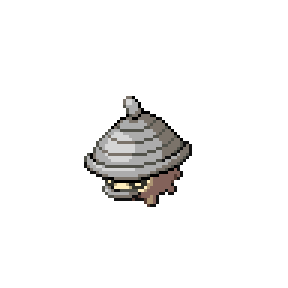
Seedbeat forms swarms of bug Pokémon by flickering its glowing tail. It leads the swarm to tall trees where they hang from the branches and eat leaves.
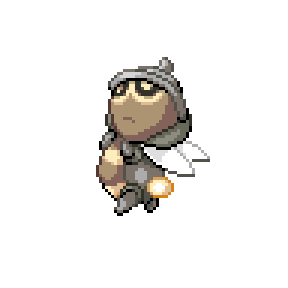
Seedmise lures bug Pokémon into forming a swarm by releasing a sweet aroma. It finds healthy trees and leads the swarm to rest in the branches, where they feast on the leaves.
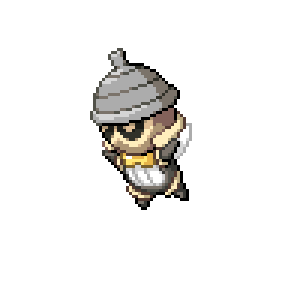
Seedphish rely on their claws to convince predators that they are a group of Seedot. On the rare occasion that they engage in combat, they shoot seeds from their claws before finding a way to escape.

Nuzchan live in dense forests where they practice their boxing against trees. Each punch moves so quickly that their leafy hands produce a soft whistle with each jab.
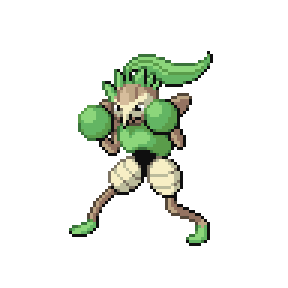
Nuzskit have tiny leaves on their legs that allow them to float on water. They keep ponds and lakes clean by eating leaves that fall into the water.
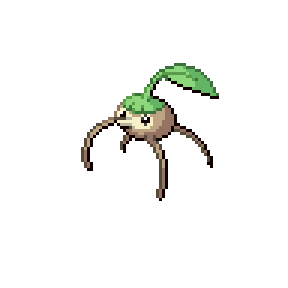
Shiftlee are lightweight creatures that can pack a heavy kick. They conjure powerful winds to give their kicks extra force but are easily swept away by these same winds.
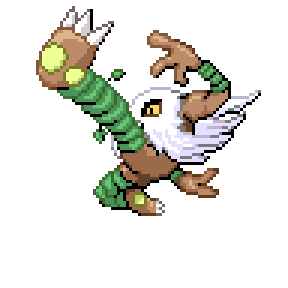
Tailchar are gutsy creatures that stand their ground when other Pokémon try to intimidate them, even when their foe is significantly bigger than them. This stubbornness often leads to them getting hurt, yet they also often refuse help.
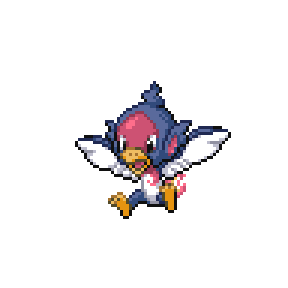
Tailpuff float in the air by expanding their feathery bodies. They often form flocks because they want the company of others and are prone to feeling lonely.
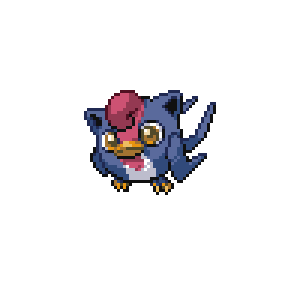
Tailish is known to eat mud after a long rainy season. The smell of petrichor lingers on its beak as it pecks at the ground.
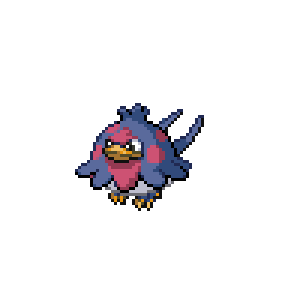
Tailu enjoy taking baths whenever they get dirty. They often gather at waterfalls in groups to help each other clean their fluffy wings.
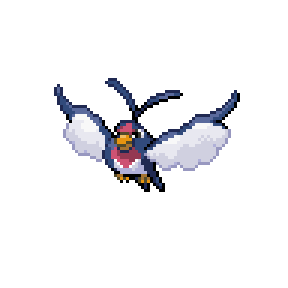
Tailcoon crawls into Taillow nests to disguise itself as an egg. It decorates the nest with silk, which lets other Tailcoon know that the nest is occupied.
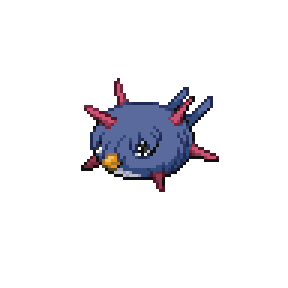
Tailscoon crawls into Taillow nests to hide from predators. It pretends to be an egg and wraps the nest with silk to let other Tailscoon know the nest is occupied.
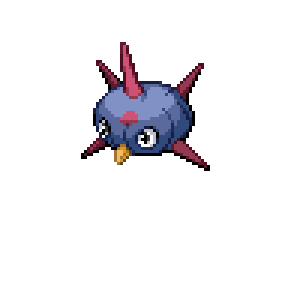
Tailwellow have a large wingspan that they often struggle to control. They practice performing complex aerial maneuvers to develop their wing muscles. Sometimes they hit tree branches or other flying Pokémon and tumble as a result.
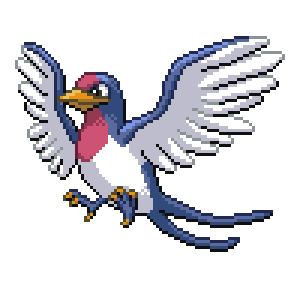
Swellpuff float through the sky by expanding their feathery bodies with hot air. They have great precision when flying and can display this precision when they fly through hoops at circus shows.
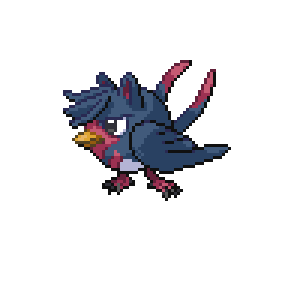
Swellu love to keep their wings clean. They can spend hours at a time under waterfalls ensuring that they leave without a speck of dirt on them.
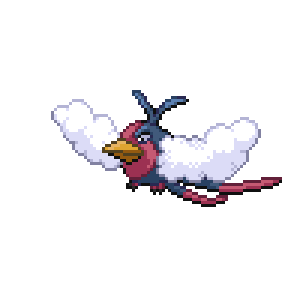
Swellow are skilled at performing aerial maneuvers but lack a properly sized beak to hunt for large prey. They rely on small nuts and berries to sustain them until they evolve and grow a larger beak.
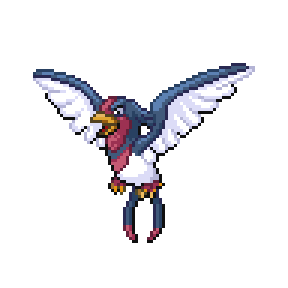
Wingrow harass sailors into giving them food, stalking ships for long distances until the sailors give up and feed them. Fortunately for both parties, Wingrow tolerate eating scraps, ensuring that nothing goes to waste.
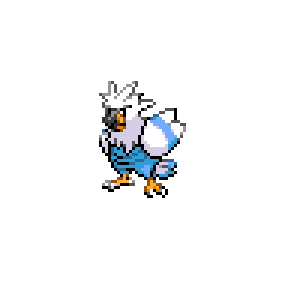
Wingpuff lulls people around them to sleep before eating any food they may have on them. Many people resort to wearing earmuffs to avoid falling asleep and losing their snacks.
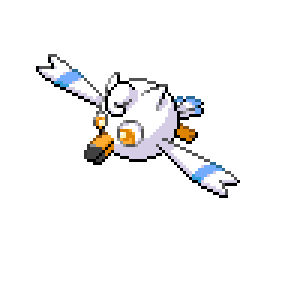
Wingtad work together to steal snacks from beachgoers and scuttle to the waves as quickly as they can. Once out at sea, they share any excess food by placing it on their heads.
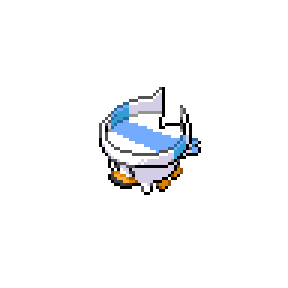
Wingtric seemingly conjure lightning out of nowhere by howling. They harness the power of electricity to hunt aquatic Pokémon and shock them with their claws.
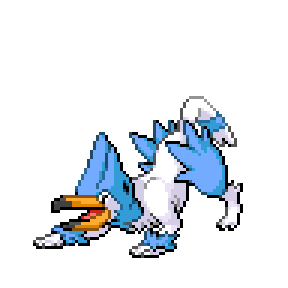
Wingle generate a positive electrical field around itself, which gets stronger when it is raining. This field draws in lightning from thunderstorms which gets converted into static.
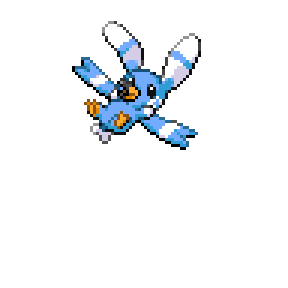
Wingun produces a negative electrical field when it rains, which redirects electricity around itself. It likes to stay near its Trainer to protect them during thunderstorms.
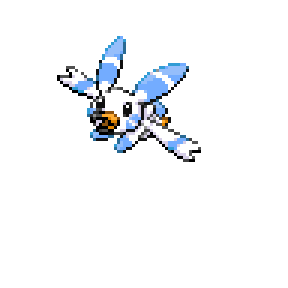
Wingphish scuttle across boardwalks in search of delicious snacks left behind by beachgoers. Some particularly aggressive Wingphish nip at the ankles of tourists to force them to drop whatever they are holding.
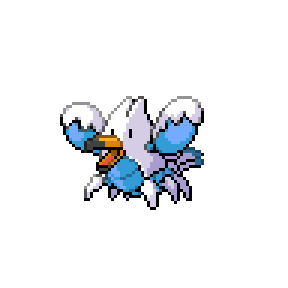
Sailors groan whenever Wingby are served on their plates. Even though Wingby are some of the most abundant Pokémon to find in the wild, many sailors eat Wingby so often that they would rather skip meals.
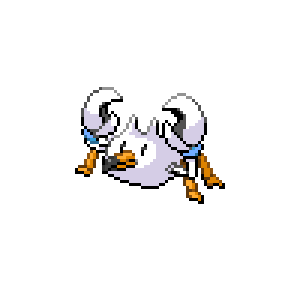
Whenever Pelizagoon scoop up their prey, they flail side-to-side in a zigzag pattern to remove excess water, algae, and seaweed from their large bills to prevent themselves from getting sick. After this happens, they swallow their prey whole.
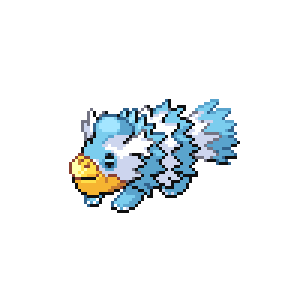
Pelilow are surprisingly picky creatures that only eat fresh aquatic Pokémon. They carry Barboach and Magikarp in their bill to keep them fresh until it is time to eat.
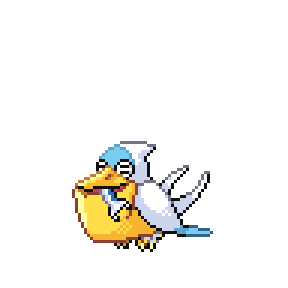
Pelicool flies over lakes and rivers to find small fish Pokémon to consume. It dives into the water to scoop the fish Pokémon into its bill before swallowing the fish whole.
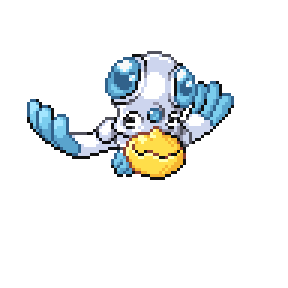
Surdeen live close to the surface of the water to eat algae and other floating plants. Their diet and small appetite make them popular pets for the elderly.
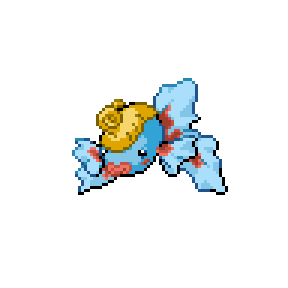
The tail of a Surill has a unique layer of fuzz that prevents it from being submerged underwater. This hydrophobic layer of fuzz helps them stay on top of the water when they get wet.
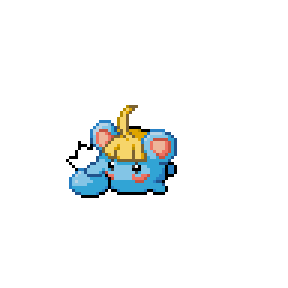
Sureon hide on the surface of ponds and lakes to sneak up on nests near the shore. Their camouflage is almost perfect, since the band across their chest slightly distorts their camouflaging abilities.
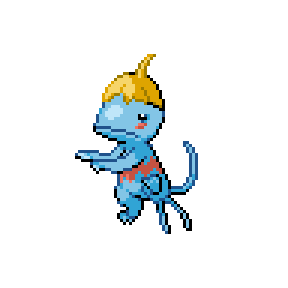
Sursol appear atop ponds and lakes that are soon to be polluted. People who hike around these places often rally together to stop factories from dumping pollution into the area.
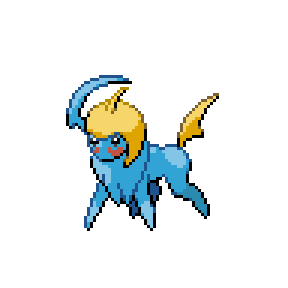
Masquenx wear bright dresses that draw lots of attention to themselves but hide their eyes behind a masquerade mask. They only reveal what is behind the mask to a select few Trainers, as they are self-conscious about their eyes.
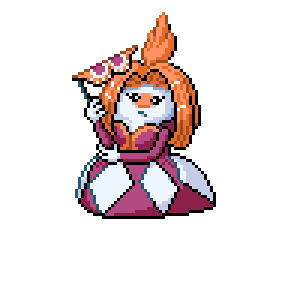
Meowdrill consumes gold coins and jewelry to reinforce its golden stingers. Its stinger releases a golden venom that paralyzes its target.

Meowpip have sensitive whiskers that help them locate coins to steal. They rely on the wind to blow them in the right direction to snatch coins out of the hands of Trainers.
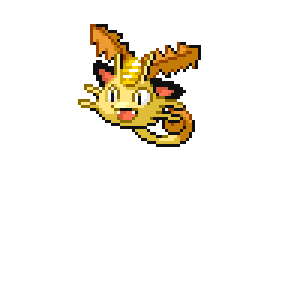
Meowsel enjoys the thrill of hunting for treasure, and easily spots traps. It is a favorite among treasure hunters, who rely on its keen senses to avoid or disarm traps.
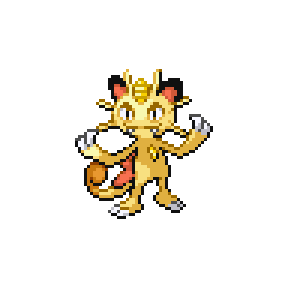
Meowpiny understands from a young age the value of the coin it carries and protects it with fervor. It does not capitulate to threats or force and rarely allows its Trainer to touch the coin.

Meowtic adorn their bodies with the shiny trinkets they find tossed into their lakeside homes. While they typically rest at the bottom of lakes, they can be lured to the surface with a few coins thrown into the water.
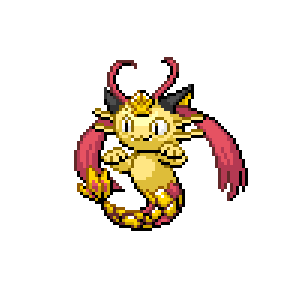
Meowki is found in treasure chests throughout the world and stores coins in its body to appear like an actual purse. It finds chests comfortable because of their dark and compact space.
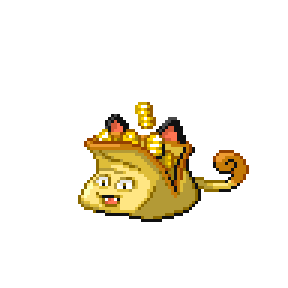
Meowkyu in the wild live in squalid conditions where they have little access to food or water. After building trust with their Trainer, they give offerings of food as a gesture of submissiveness.

Meowpix have special enzymes in their whiskers that allow them to sniff out metallic coins or jewelry. After retrieving these treasures, they love curling up for a moment to brush their fur.
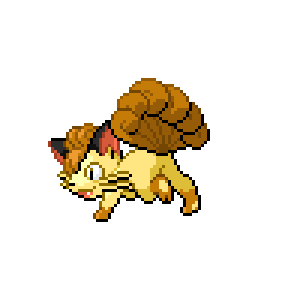
Meowtales has long, coarse fur that is harvested to make luxury brushes and brooms. Its many tails require lots of maintenance to keep clean.
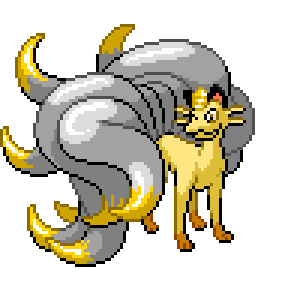
Meowink are made with an alloy that is precisely 18K gold. This composition gives them remarkable durability while also retaining their value.
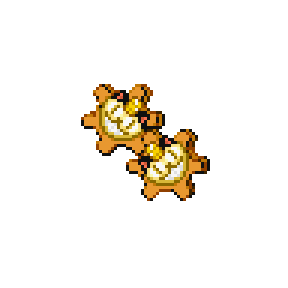
Meowroc are unruly creatures that will do anything to get more coins. Their razor-sharp claws allow them to cut open purses and steal anything they desire.
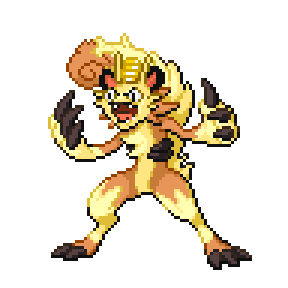
Meowxen has a parsimonious tendency to reject gifts that are too expensive. Trainers are advised to give it decorative coins to encourage it to accept gifts.
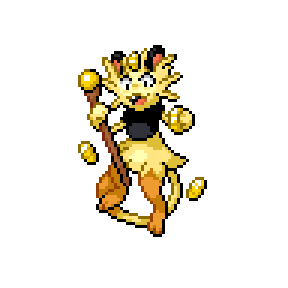
Meowviper steals coins and other trinkets from local Zangoose populations by wrapping itself around its target before pilfering them with its tail. Once the Zangoose is too tired to continue, Meowviper slips away with its shiny rewards.
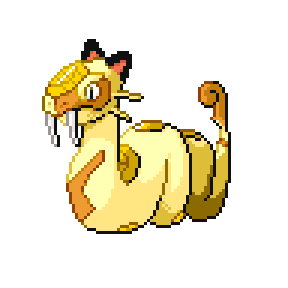
Meowizard have a crass obsession with coins and money and soar through the sky looking for Trainers to steal precious Pokédollars from. Whenever they inevitably get hurt, they become vindictive and aggressive.
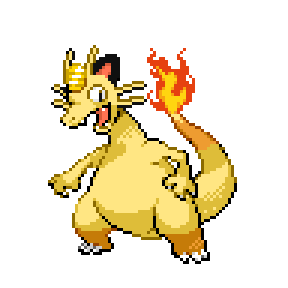
Meowra gain psychic powers whenever they are near coins. The bigger the coin, the more power they gain.

Meowbra love being given coin pouches. Their psychic powers increase in strength for every coin near them, especially if the coins are rare or of high value.
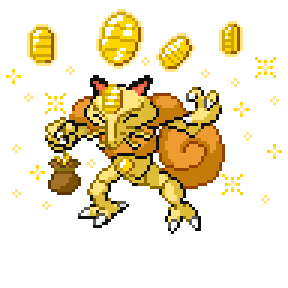
Meowbra are difficult to separate from their coin pouch because their psychic powers rely on it. If a Trainer does manage to do so, Meowbra will remain upset until given back their precious coins.
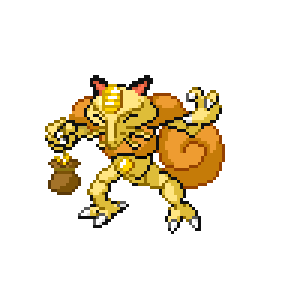
Whismto can transform into other Pokémon but have a difficult time with larger Pokémon. They lack the confidence to maintain a form for long, so it is up to their Trainer to help them harness the full extent of their abilities.
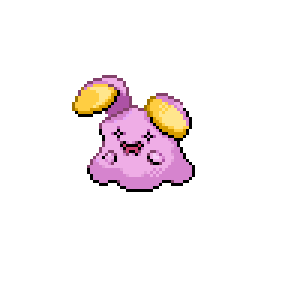
Whismvoir are shy, timid creatures that have a hard time finding their voice. When they develop the courage to use their voice, the sudden burst of noise is said to leave ears ringing.
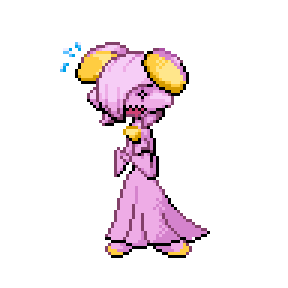
When threatened by another Pokémon, Whismnx unleash a wave of sparks and a piercing wail in an attempt to call for help. This tantrum-like outburst can be dangerous, so Trainers are advised to avoid starting conflict with Whismnx.
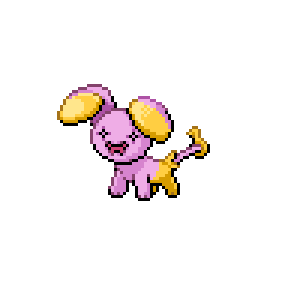
As Whismon gain more confidence, they are more likely to tap into their voice. The louder they scream, the more their metallic shell vibrates to amplify the sound.
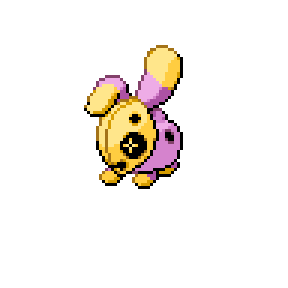
Whismish is sensitive to loud noises and curls its ears close to its body whenever it is in pain. It can be found hiding under fallen leaves when not splashing in the mud.
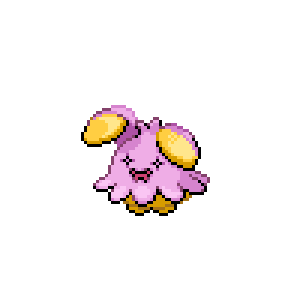
Whismhita are self-conscious of their bodies and are worried about hurting others when they are playing. A good Trainer will help nurture their confidence with love and praise.
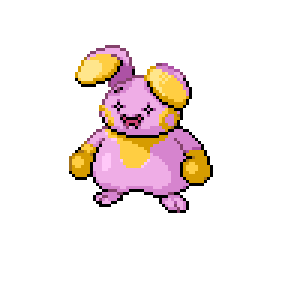
Whismyama can seem intimidating because of their size but they are soft-spoken and shy. Whenever they fight against another Pokémon, they almost always hold back because they are scared of hurting their opponent.
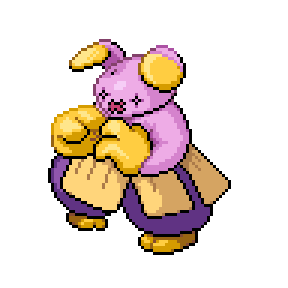
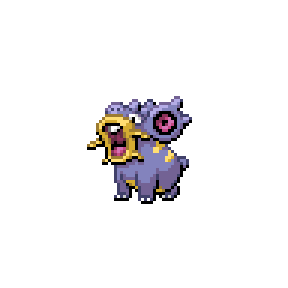
Loudto are confident and boisterous creatures that love to cause mischief while they are transformed as other Pokémon. Sometimes their loud antics draw attention from others, but they seem to always have a chipper disposition.
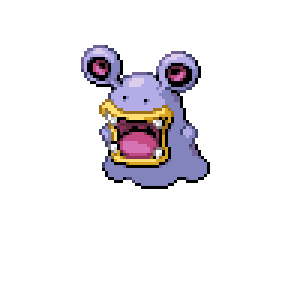
Loudran love to make noise, as they often get into screaming matches with their peers. Predators with sensitive hearing avoid nests with Loudran around to avoid having ruptured eardrums.
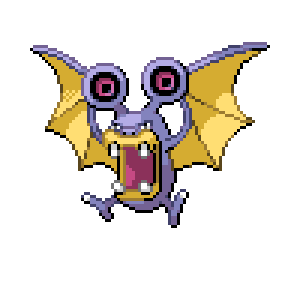
Loudbat have sensitive hearing receptors on their wings that can pick up sounds from a long distance. They often startle each other with their loud screeches that they rely on for echolocation.
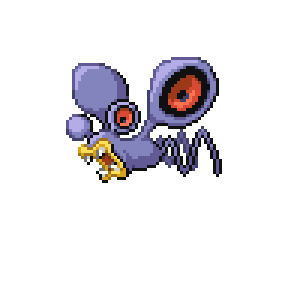
Loudbat harness their loud screams for echolocation. If they cannot scream because of illness or injury, they lose their sense of direction.
Loudmur have a resonant voice that can be heard across five football fields but are often too shy to use their full capacity. With enough training and confidence, they can help Pokémon Rangers with their work by finding lost hikers.
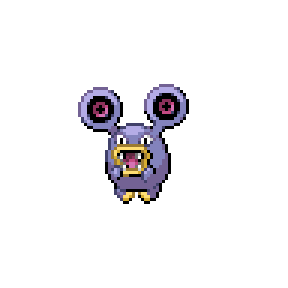
Loudhita have a powerful combo of fists and screams that surprise their opponents. Getting the wind knocked out of them is quite effective at subduing them, as the power of their voice also makes their punches strong.
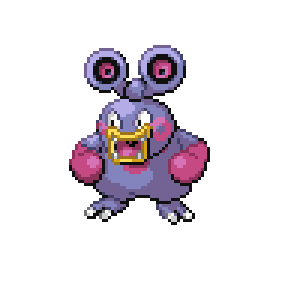
Exptoise fights against its foes by firing sound waves from the cannons on its back. This blast of sound from its cannon also works underwater, allowing it to hunt for small aquatic Pokémon.
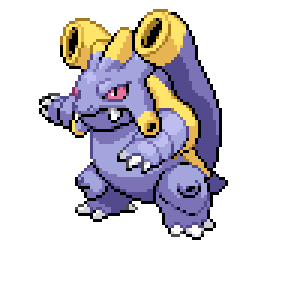
Makudred are often loud and boisterous whenever they win a fight, which may get them penalties for not showing good sportsmanship. Even so, they are proud creatures that know how to celebrate after a good fight.
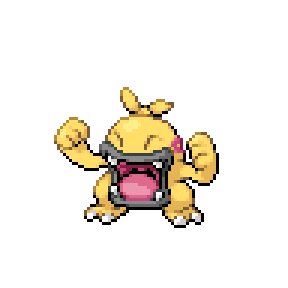
Makuyama are tenacious fighters that always get up when they are knocked down. A powerful slap from their massive hands can break bones.
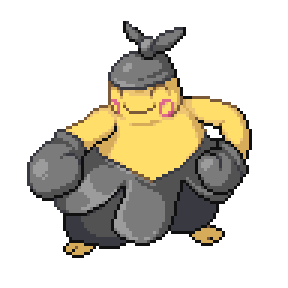
Harihita wrestle with other Pokémon to demonstrate their strength. After a good wrestle, they love to eat lots of food to recover.
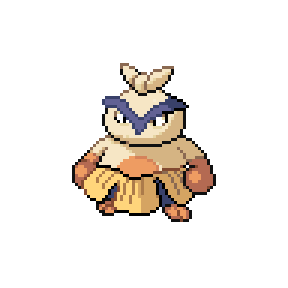
Haricham relies on their mental acuity to deliver powerful slaps against their opponents. One precise attack from their palms can deal a painful slap on a pressure point and secure their victory.
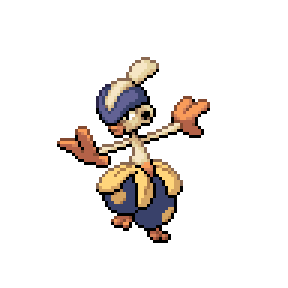
Skitlow is easily distracted and can spend hours flying to chase after its tail. It is a popular pet choice for children because it is easy to groom and feed.
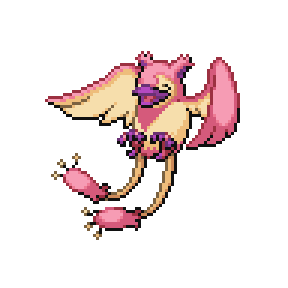
Skitfetchd enjoys playing with other Skitty, as it waves its baton in circles to keep them engaged. Anyone trying to take its baton has to face against the several Skitty playing with it.
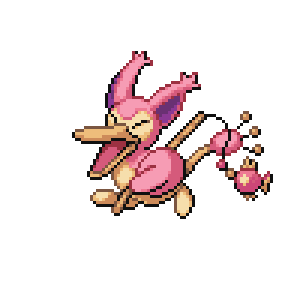
Delpod releases a soft purr whenever its cocoon is rubbed. Whenever its Trainer stops petting, it wobbles back and forth until the petting resumes.
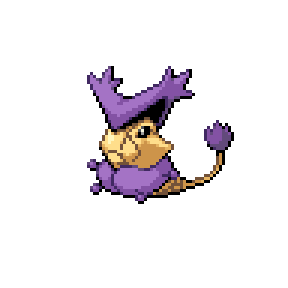
Medras meditates for long periods of time to gain clarity and new fighting techniques. After meditating, it puffs out spores to awaken from its trance before wandering the world to challenge others to battle.
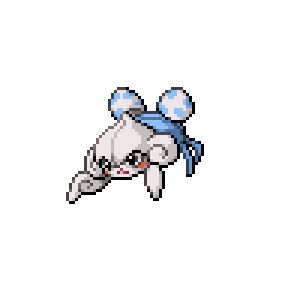
Medskit meditate atop bodies of water to calm down after a long day of training. Anyone who tries to disrupt this meditation will find that Medskit slide across the water to avoid their attacks.
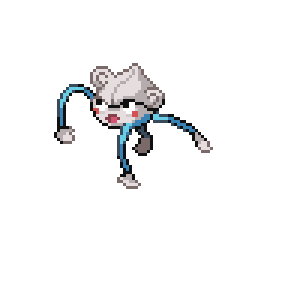
Medito work alongside yoga instructors to teach people how to stretch. Their supple bodies ensure that they can take on whatever pose is needed of them.
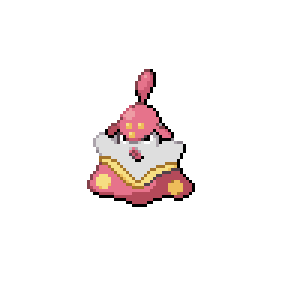
Medibat refine their combat prowess by sparring with other Fighting-type Pokémon. They are capable of soaring above their opponent to tire them out, which gives them a strong advantage over their sparring partners.
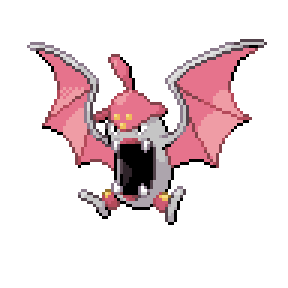
Meditite can meditate for days with acute focus to raise their mental acuity. Even though they lack the muscles needed to defend themselves from physical attacks, they can effortlessly launch psychokinetic attacks against threats instead.
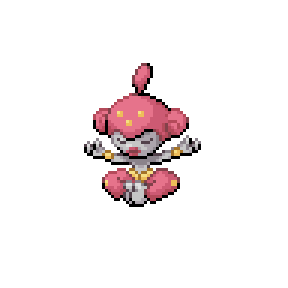
Anesthesiologists rely on compounds made with Electish to dull pain for people who are about to have surgery. Hospitals can place bounties on Electish to incentivize harvesting their leaves during busy seasons.
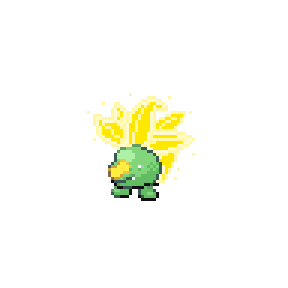
Electric can cross a football field in a blink, fueled by their powerful and electrified leg muscles. They love to play fetch with their Trainer, though their Trainer rarely gets to keep up with their energy.
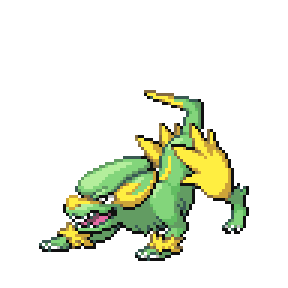
Electle relies on its small size and lightning-fast speed to win battles. In a pinch, it is known to absorb electricity from nearby devices to generate more voltage for attacks.
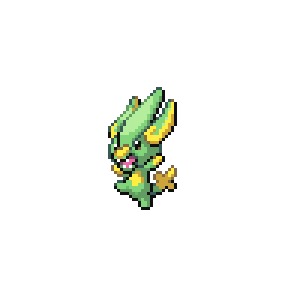
Perpod often spend much of their time taking catnaps because they are unable to move until they evolve. They often purr when they are stressed, which confuses predators long enough to lose interest in eating them.

Pergey steal coins and shiny objects from Trainers to decorate their nests. They are so infamous for this practice that many police officers search Pergey's nests for stolen items.

During auspicious events like the lunar new year, Perfa beg their Trainers for small red envelopes. Most Trainers opt to give them a few coins to avoid their whining.

They are considered a lucky Pokémon to raise, as their pheromones release Luck Incense into an area. These pheromones only work on people and help promote a magnanimous feeling after losing a battle.

Persaur are sensual creatures that enjoy rubbing against people. Fortunately for those with allergies, they shed very little pollen and dust.
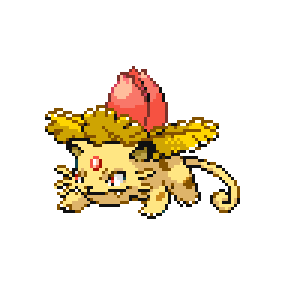
Perbull harness their feline charm to beg their Trainers for food. Most Trainers capitulate to their demands, causing them to become quite spoiled.
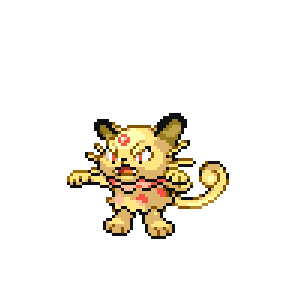
Persel are dutiful minions of villainous organizations that have no qualms about ethics. They are pragmatic creatures that would abandon their Trainer at the drop of a hat if it meant more food at the end of the day.

Persey rarely parts with the gem it holds, even when munificent gifts are offered. If anyone tries to steal the gem, it ferociously claws the assailant to scare them away.
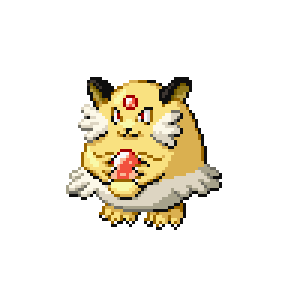
Pervile are devious creatures that enjoy pulling pranks on their peers. They often get other Pokémon in trouble so that they look better by comparison. Despite their faults, their razor-sharp claws and perseverance give them an edge in battle.
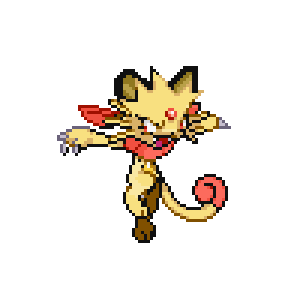
Pertomb can be found in attics or basements of affluent homes, where it releases a purr whenever it senses people nearby. Many robberies have been foiled by a loyal Pertomb, who possesses robbers into acting like Persian until police arrive.

Perceus protect their grand treasures with tricky riddles. If a person fails to answer their riddles, it is said that they are transformed into a Pokémon until they learn the correct answer.
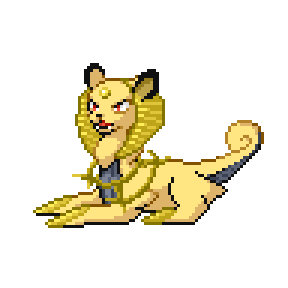
Perpix are a popular choice among Trainers with allergies because of their hypoallergenic fur. Breeders sell them for large sums of money at auction because of how popular they have become.
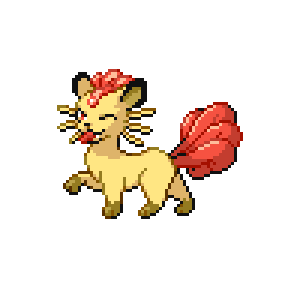
Perkyu keep their disguises clean to appeal to their Trainer. Whenever they eat, they reserve a piece to give as an act of submissiveness.

Perlous have two heads that are particular about their appearance. They often rely on the preferences of their Trainer to break up arguments, as the two heads will bite each other if they cannot come to an agreement.

Perpix have tongues with special backward-facing barbs that help them clean their fur. They spend a significant amount of time cleaning their body because their fur can easily get matted, especially their tails.
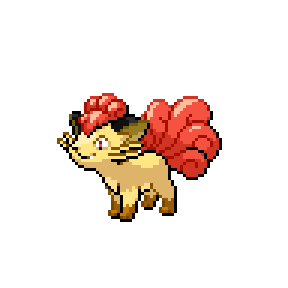
Pertales have a silky and glamorous fur that makes them stand out in beauty contests. They amaze audiences with their fiery techniques and sheer beauty.
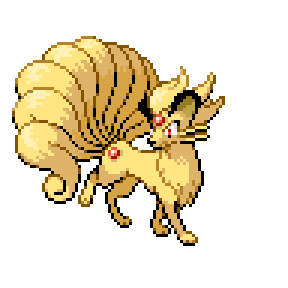
Wild Perbish produce coins after eating lots of metal, but this behavior has not been found while in captivity. People who are desperate for coins follow wild Perbish to take their coins.
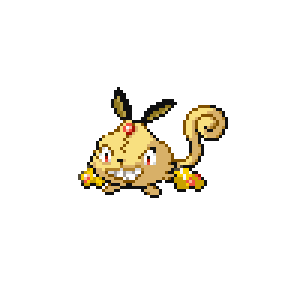
Peroc have a rebellious and condescending attitude that makes them difficult to train. They only listen to confident Trainers and refuse to obey commands from those who show nervousness or doubt.
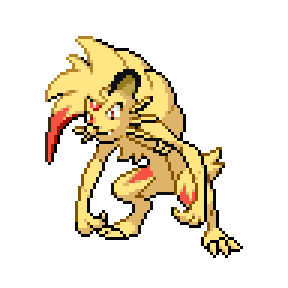
When basking in the aroma of an Odd Incense, they transmit thoughts of their desires to creatures and people nearby. Typically, this results in vivid imagery of a desire for milk or fish.

Pertoise are cynical creatures that work with villainous organizations. They are well-compensated for the jets of water they fire from their backs and refuse orders if they are not happy.

Manema flap their wings so fast that they only appear as a blur of light on cameras. If their tail is connected to an electronic device, they can fully charge the device in a few seconds.
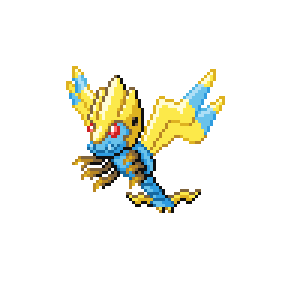
Manegon2 can power PCs with a just brief jolt of electricity. Many scientists have found that its zaps increase the efficiency of the PC by 67 percent.
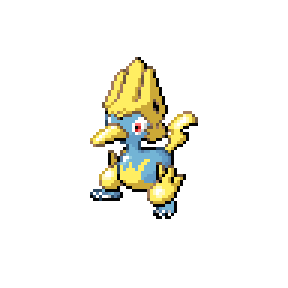
Maneon are energetic creatures that can seamlessly change their camouflage as they run. The only thing that matches their speed is their boundless love for their Trainer.
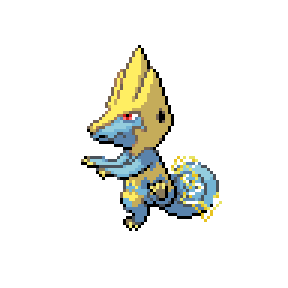
Manezagoon makes its nests where lightning has previously struck. It collects items that are left behind by Trainers and stores them in its nests.
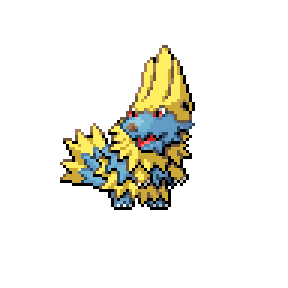
Plusish repel other Pokémon that have a positive electrical charge. This leads them to live solitary lives, afraid of pushing away the friends they care about.

Plusyena wander tall grass looking for berries or scraps to feast on. Whenever they meet another of their kind, they fight over the food until one prevails.
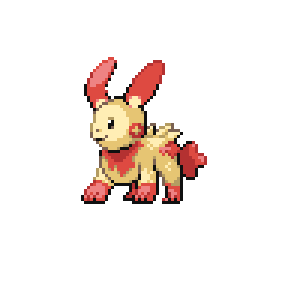
Whenever Pluszagoon cheer for their friends, they zigzag around in circles to draw attention to themselves. Their boundless energy helps keep up the performance.
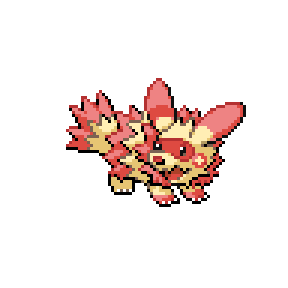
Plusin gorges on batteries or old electronics Trainers leave behind. Its stomach develops a positive charge when it is full, repelling other Plusin.
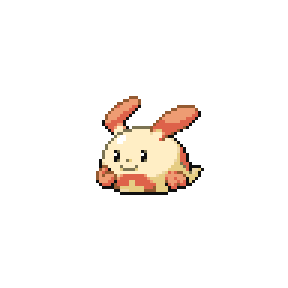
Plusduck love to cheer on their friends, but they have to be careful to avoid negatively charged Pokémon. If they come too close to one of these Pokémon, they develop a headache as their body is pulled towards the negative charge.
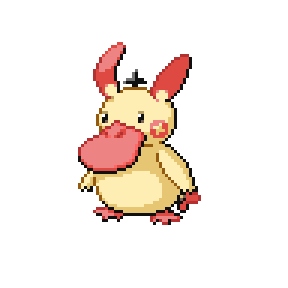
When Pluseal are asleep, if a negatively charged Pokémon comes close, their body rolls in that direction. Once they awaken, they often need a moment to figure out where they are.
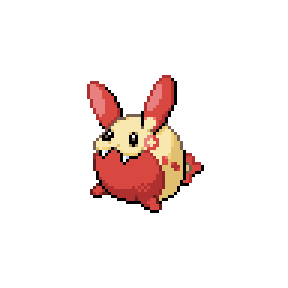
Minmime does its best to cheer on its teammates even when it does not feel up to the task. It conjures screens and captures electricity in between them to create dazzling displays of lightning.
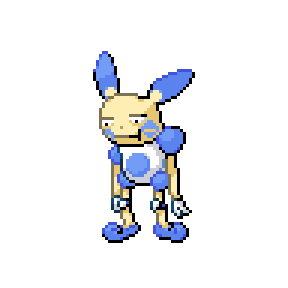
Minrak create webs out of silk to spell out letters for their teammates. Once complete, Minrak run electricity through the silk to display an inspiring message.
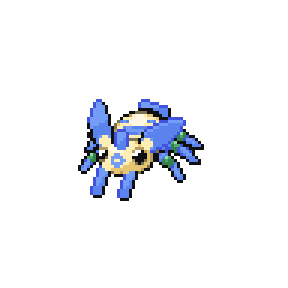
Minchu lack control of their electric powers, so whenever they get too excited, they end up shocking members of the audience. Many Trainers have a Ground-type Pokémon babysit them to absorb their excess energy.
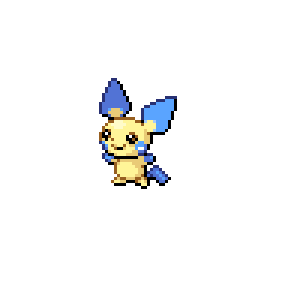
Minown resemble a symbol used in mathematics to subtract from a given number. When several Minown align together, they can form parallel lines that amplify an electrical charge.

Minish have a negative electric charge that repel other Minish. Despite this, they form spacious groups to protect themselves from predators.

Whenever Minat cheers on its teammates, it has to be careful not to stare too closely at the bright lights around it. This is because it is easily distracted by bright flashes of light, interrupting its cheering.
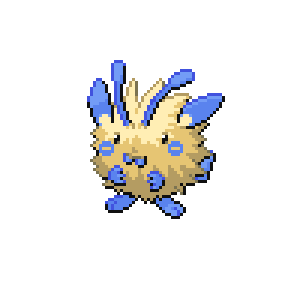
Minyena hide in tall grass before hunting prey with a supercharged pounce. They team up with others of their kind to bring down Pokémon larger than themselves.
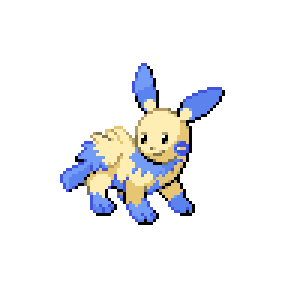
Minzagoon love to cheer on their friends and produce sparks that launch into the sky. These sparks zigzag around an arena, making sure that their allies see their enthusiasm.
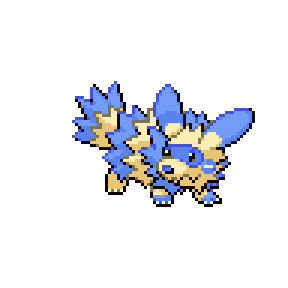
Mintrike keep their distance from other Mintrike because they experience electromagnetic repulsion. When they find a Pokémon that they are attracted to, they become best friends with them.
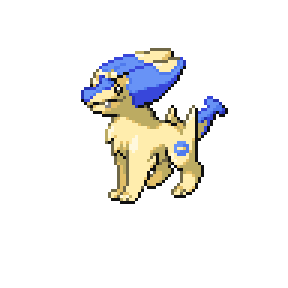
Minin wander through tall grass to eat batteries and other electronics Trainers throw away. Its cheeks develop a negative charge when it is full.
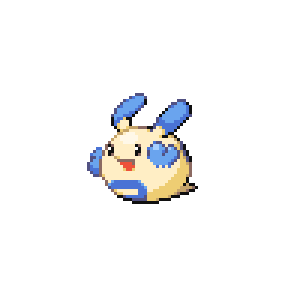
Whenever Minduck are near positively charged ions, the magnetic field causes them to develop a headache. The closer they are to the field, the stronger the headache.
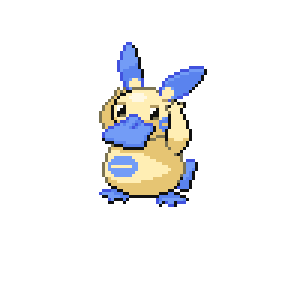
Whenever Mineal are sick, they roll around in circles to generate electricity. This boost of energy helps them power through illness.
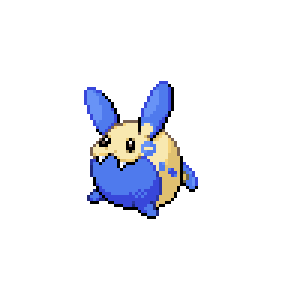
At night, Volew gather the attention of curious Bug-type Pokémon with the bright light on its tail. When the curious Pokémon approach, it teleports away, keeping the game of chase active until sunrise.
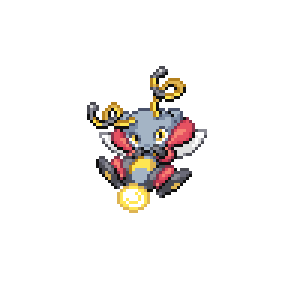
Volcorio shine best when they can cheer their friends on with their glowing pompoms. Their zealous enthusiasm is only matched by their elation when their friends succeed.
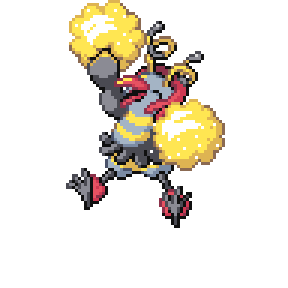
Illurill release a sweet scent to gather Bug-type Pokémon into one place. They swing their bulbous tail to conduct the ensemble to create a symphony of sound.
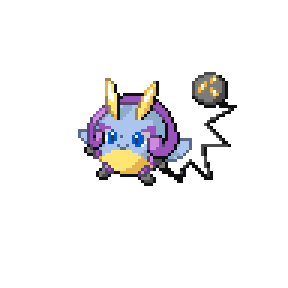
Illudot gather around other Bug-type Pokémon that release a sweet scent. Illudot produce a hollow thud whenever they are tapped or bumped into, which makes them a valuable percussionist if they are part of an ensemble.
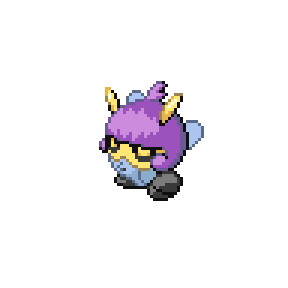
Illuskit skate across the surface of lakes and rivers, leaving behind sparkles of light behind them. They come out in droves in the summer to cool off, gliding across the water to rapidly transfer heat away from their bodies.
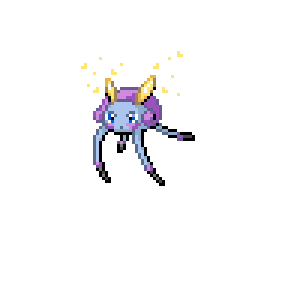
Gulpie help traditional medicine practitioners cure the ailments of their patients. From sucking venom out of wounds to creating silk bandages, they are a quality partner in rural communities.
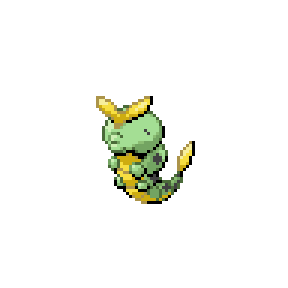
Gulpbok are almost always resting while digesting a meal, as their slow metabolism means food is broken down slowly. Moving them while they are resting leads to indigestion, causing them to spit up part of their meal.
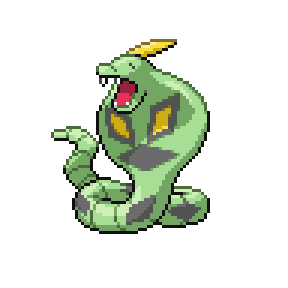
Gulpyena have an omnivorous diet of berries and small rodent Pokémon. Their stretchy cheeks and powerful stomach acids allow them to digest most of their meal before swallowing.
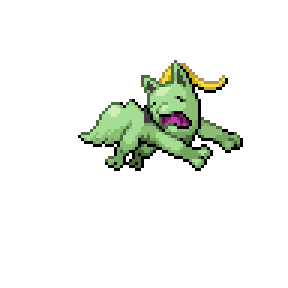
Gulpskit have deceptively large stomachs that can fit an entire Wurmple inside. To avoid being eaten, they rush to the nearest body of water and glide across, leaving behind predators who cannot swim.
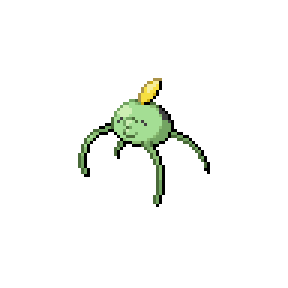
Gulpduck have highly acidic stomachs that allow them to break down tough bark and other hard materials. They often forget that they have these powers and are surprised when they can melt biological matter with their stomach acids.
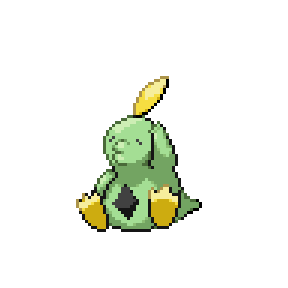
Swalbok have elastic bellies and scales that stretch to hold prey ten times their size. As Swalbok digest prey, they release a putrid slime from the pores between their scales to avoid being disturbed during the digestion process.
Nufing live near active volcanoes where the arid climate makes them feel comfortable. The smog that they release from their bodies is a dense toxic substance that kills grass on contact and leaves little place for herbivorous Pokémon.
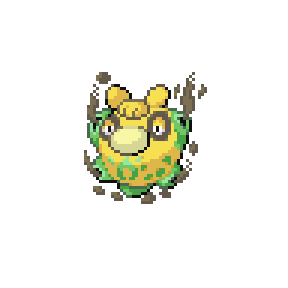
Nugma are very sensitive to changes in humidity because moisture saps their natural body heat. Whenever it rains, they find the nearest shelter to avoid getting hypothermia.
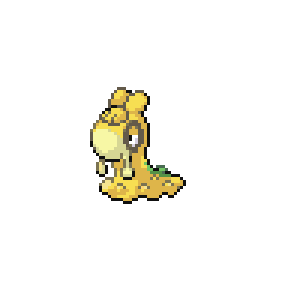
Whenever it rains, the shell of a Nukoal forms cracks from the rapid cooling but can just as easily heal after the rain ends. They live on volcanoes where the hot temperatures and low humidity keep their shell well-heated.
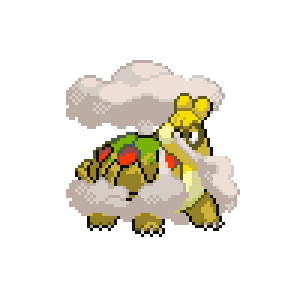
Nule throw flaming seeds around to show excitement for their teammates. These seeds quickly burn and turn into ash before landing on the ground, making their displays safe to observe.
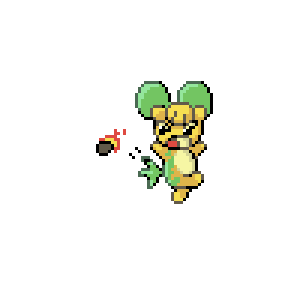
Nuchop are fueled by the heat inside their bodies and eat coal to keep themselves warm. They are unable to train for battles in the rain because it saps heat from their bodies.
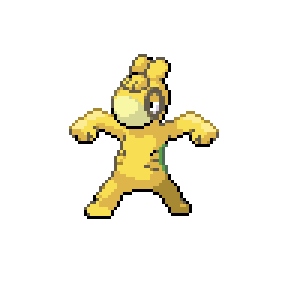
Nusprout connects its roots to healthy cacti to wick moisture and nutrients into its own body. Once the cacti can no longer sustain Nusprout, it burns off its roots to migrate to a different location.
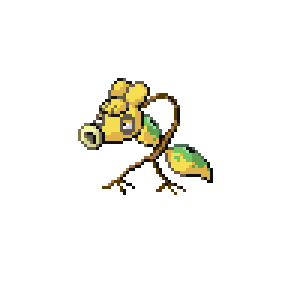
Numer release a thick sludge that trails them wherever they go. If they are caught outside when it rains, their sludge slowly begins to solidify as it loses its heat. Some succumb to hypothermia if they cannot find shelter.
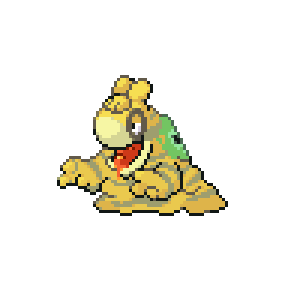
Cameler live atop active volcanoes where they unleash fiery molten lava onto foes that disturb their slumber. Whenever Cameler need to swiftly move away from their home, they roll away, leaving blobs of lava in their wake.
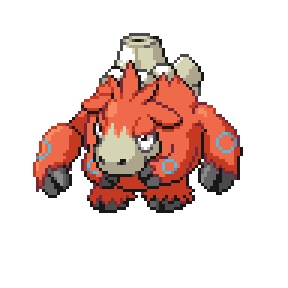
Spoadier are playful creatures that enjoy hopping. Whether it is with their long hind legs or their springy tail, they hop through the world with glee.
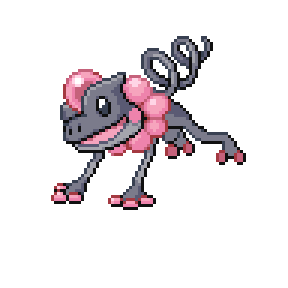
Spoth have superb jumping abilities and can leap up to six times their body length in a single jump. This allows them to quickly escape when they steal coins and other trinkets from Trainers.
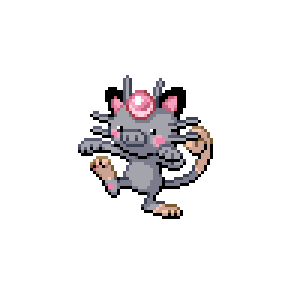
Psyorb generate electricity from the stress they experience. When they are stressed enough to cause headaches, they explode and release all the electricity that has built up.

Psyode are moody Pokémon that generate electricity from their various mood swings. When they are so stressed that they have a headache, they explode to vent that frustration.

Psybone wears the skulls of other Pokémon and lives in solitude. It does not spend much time with other Pokémon because its frequent headaches flare up when it is overstimulated.
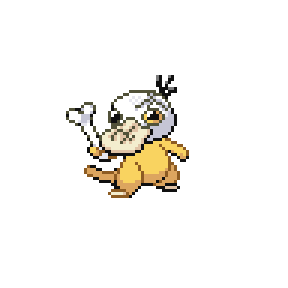
Psywak prefers to live alone, as it easily develops headaches when overwhelmed by other Pokémon. It wears skulls of other Pokémon both for protection and to ease its loneliness.

Psytung are fastidious at cleaning with their tongues and hate places that are dirty. If placed in a room where they cannot clean or organize, they develop headaches from the resulting stress.

Psypod gets headaches whenever it is itchy for long enough, but it has no limbs to scratch that itch. It can only wobble hoping another Pokémon comes to help alleviate the itch.

Psyhorn are easy to agitate into an anxious state. Once they start rampaging, it is difficult to stop their manic state. They often feel remorseful for the destruction they cause, even if they forget part of what happened.
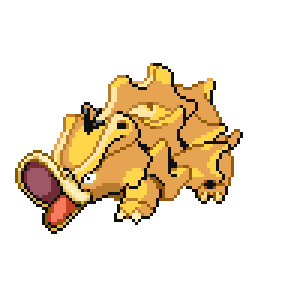
Psydon rev up a charge with their hind legs before they run into foes with their sharp bill. They can punch through boulders with enough force, but the resulting impact also leaves them with a headache.
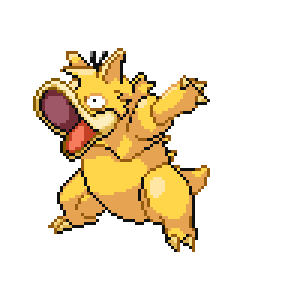
Psysea are enraptured by coral reefs that surround them. They often stare blankly at the coral reefs to ease their persistent migraines.

Whenever it sheds its outer layer of fins and scales, they are ground up for use in traditional medicine. It also produces a liquid from its fins that produces numbness, which locals tap into to use as an anesthetic.
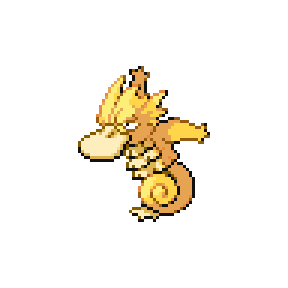
It gets lost easily because of its short-term memory, which lasts for 12 hours in the wild. It can extend its memory span through intense mental training, which also causes it to develop headaches.

Psyking help each other scratch itches by using their horn as a crude backscratcher. If an itch is unable to be scratched, they will swim in circles until they develop headaches.

Psyfree coats its wings with sticky pollen and refuses to let Trainers clean its wings. This is because the pollen helps it calm down and neutralizes the pain that comes from a headache.

Psyu hate being picked up and will try to scuttle away when people or Pokémon try to do so to it. When they are taken out of the sea, they quickly become dehydrated and develop a headache until they are back underwater.

Psymime are capable of creating grand and over-the-top performances but are often forgetful of where they place barriers. When they eventually run into one of their psychic barriers, they develop a severe headache from the concussion.
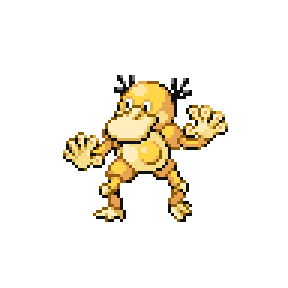
Psybuzz charge electricity between the two prongs on their head before releasing the electricity in a heavy punch. If they are unable to release this energy, they develop a painful headache until that energy is released.
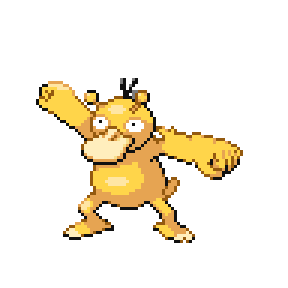
Psydle are equipped with a stinger at their tail to deter would-be predators. Their constantly fear of being eaten causes so much stress that they get headaches.

If Psydos rapidly change altitude when they move from sea to sky, or vice versa, they can develop a headache from the sudden pressure difference. Many slowly fly or fall to prevent these headaches from occurring.

Psyras is found at resorts around the world, where it helps younger patrons enjoy the water. Its doting nature makes it a responsible companion for water activities.

Psyras are found at beaches around the world where they help lifeguards keep kids safe. They are easy to grab onto while in the water, which helps kids lift themselves up when they are drowning.

Psygon is kept as a virtual pet on PCs. It quacks and waddles just like a real Psyduck, and even holds its head as though it were having a headache.
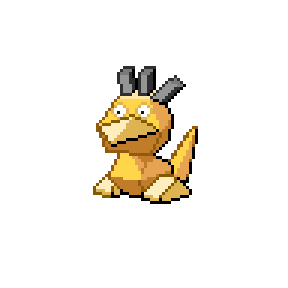
Psydle flee from predators that find them in the wild because they lack the ability to defend themselves during a confrontation. The constant stress from running away from danger causes them many headaches.
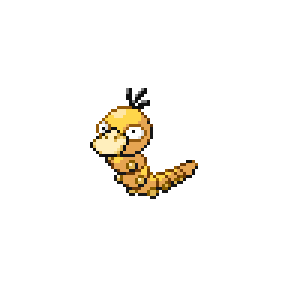
Psyuna release a thick and poisonous gel from the plates of their cocoon that deters predators. If the pores that release this gel get clogged, they develop a headache from the building pressure.

Psydactyl often experience great epiphanies while flying and get excited by the experience. They often rush back to their Trainer to share the news only to forget why they were excited.
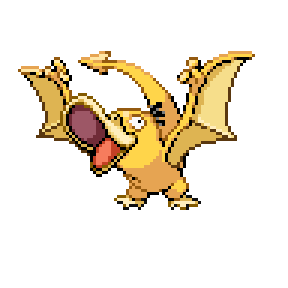
Many Psytwo are victims of cruel experiments from scientists trying to unlock the secrets of their genetic code. They often experience lingering headaches from the tests performed on their bodies.

Psydile are capable of harnessing telekinesis to lift objects. They harness this power to help them file their teeth, which their stubby hands are unable to hold.

Psydile have psychic powers that are difficult to unlock because they rarely remember the moments when they utilize the strange powers. With enough repetition and praise, they can slowly develop the muscle memory to harness telekinesis.
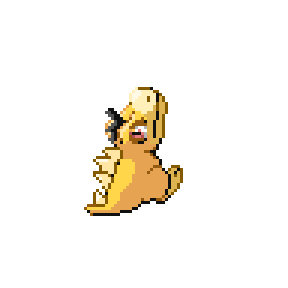
Psynaw harness their psychic powers to lift pieces of bone to file down their teeth. This helps them ease the pressure that builds up in their heads whenever they regrow teeth.

Psynaw rely on their psychic powers to safely trim their teeth. They often forget that they trim their teeth and are surprised at the length of their teeth when they look in the mirror.
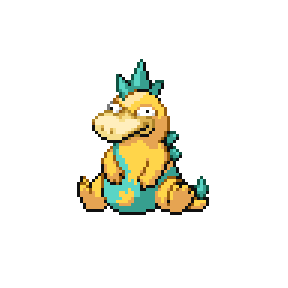
Psyligatr are incapable of swimming very far because they are not used to their large bodies. Despite this ineptitude, they are scary to other Pokémon because of their size and are left without friends as a result.
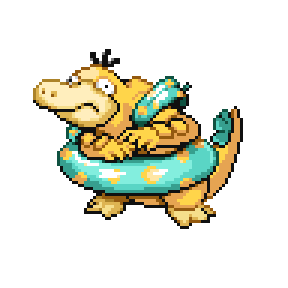
Psyligatr are superb swimmers that dart through the water to scoop algae into their mouths. Their large bodies are intimidating to other Pokémon so they often have few friends.
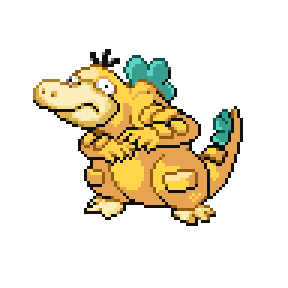
Their forgetful minds eat many varieties of mushrooms and frequently experience headaches as a result. Whenever they want to cure a headache, they look for a particular Big Mushroom so they remember to forget the pain.

Psyowl have a keen sense of time and are very punctual. If their daily routine is offset by more than a minute, they become so incredibly confused that they develop a migraine until they are back on schedule.

Psyian travel in swarms to search for the best places to eat berries. They are easily overstimulated by the constant buzzing and quacking, leading many to develop a headache if the noises are too loud.

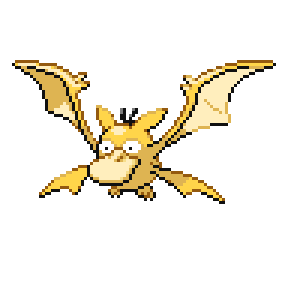
Psybat have poor eyesight and rely on their loud quacks to help them locate where they are in a cave. If they are distracted by bright lights while flying, they can bump into walls and develop an agonizing headache from the impact.
Psychou have two lures that shine in the dark but are ambivalent about which one to stare at. They often switch their gaze between the two, leading to headaches from constant shifting.
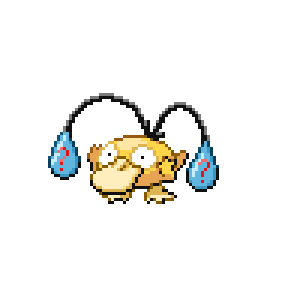
Psychou have two lures that shine with bioluminescent light. They have a difficult time focusing on both at once, so they constantly shift their gaze between them.

Psychu often need to discharge electricity from their bodies, or they will develop a nasty headache. By giving them an Oran Berry when they remember to discharge electricity, they learn to associate the release of energy as a good thing.
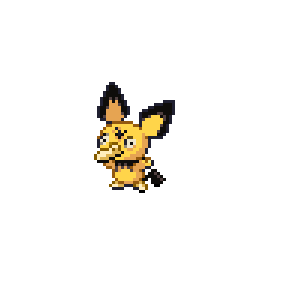
Whenever Psytic are happy, they release joyful quacks and release soothing psychic waves. It is said that these psychic waves can prevent or even cure headaches.

Psytu is known to become anxious before the onset of a headache. It will cling to its Trainer when this happens, as it is vulnerable to getting dizzy during headaches.

Psytu can see glimpses into the future about when its next headache might come. It will spend time completing tasks that help mitigate the pain from the future headache.

Its fleece grows throughout the year, which also builds up static electricity to light the bulb on its tail. Improper discharge of this static electricity causes it to develop headaches.

Psyffy can harness the powers of telekinesis to locate batteries and other electronics. They often forget that they have this ability and are genuinely surprised when they lift objects.

Psyeon are capable of telepathically communicating with their Trainer, but using this telepathy for long periods of time causes them to develop a headache. Trainers can mitigate these headaches by giving them berries to keep them well-fed.
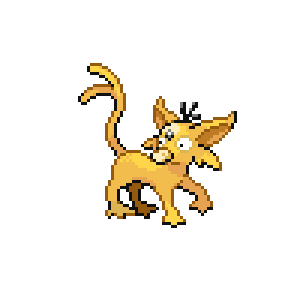
Psyreon love to go for a nightly swim in lakes but often bump into rocks and sleeping Pokémon when they do. If they swim too fast, they can get a concussion and develop a headache.
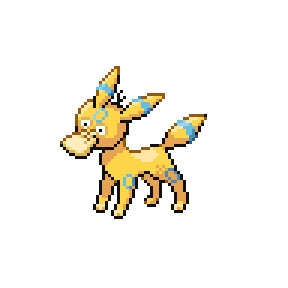
Psysaur cannot reach the bulb on its back with its stout limbs, which prevents it from curing its own headaches. It relies on its Trainer or other Pokémon to assist with administering the pollen.

Psyicate breaks locks with its bill to access pantries and sneaks out in the middle of the night alongside other rodent Pokémon to steal food. It can easily distract a Persian while its friends loot the pantry.

Psyown roam the ancient depths of underwater ruins to protect the secrets within. They can unleash a powerful quack that causes a headache to those who can hear it.

It relies on its forgetfulness or a Starf Berry to prevent headaches. The berry offers a small boost to a random part of its mind for roughly ten minutes before the headaches return.
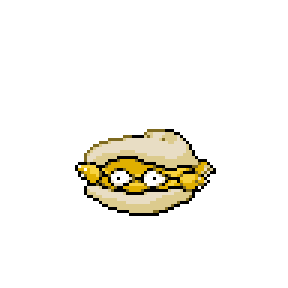
Many Trainers abandon their Psybull on the curbside because they have trouble taking care of a Psybull's many tantrums that result from their headaches. Devoted Trainers who take care of their Psybull will have a loyal, lifelong partner.

Psyckle ferment berries within their shell but often forget how full they are. When they inevitably get full of Berry Juice, they get angry that they cannot fit more berries in. This anger can lead to a headache if they ruminate on it.
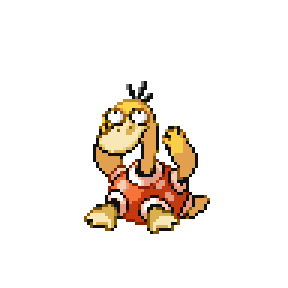
Psyursa are anxious creatures that are too timid to go hunting for honey by themselves. They often try to enlist the help of other Pokémon before stealing honeycombs.

Whenever Psyswine experience a headache, they release a cold breath that can freeze lakes and rivers. They often feel remorseful for freezing other Pokémon and will try to dig them out of the ice.
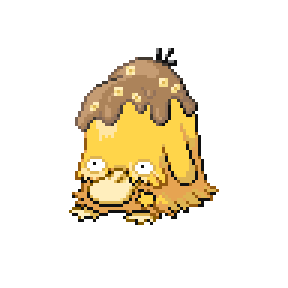
Psyraid fire precise bursts of water to make people drop food into the water. Many Psyraid are particularly stubborn and refuse to give up until the food falls, even to the point of straining their heads until they develop a headache.

Psypy experiences headaches whenever it rolls because bumps in the road cause jarring head vibrations. For rocky avenues with lots of uneven terrain, it prefers to trot along instead of rolling.

Psygon2 appear at the search bar during a search to give users an option to end the search early. They resemble a life buoy to give users a way to escape a file search without damaging their systems.
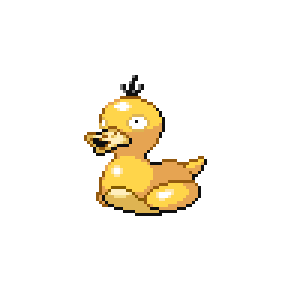
Psytop fight by spinning rapidly to swing their legs and flippers against opponents. If they end up spinning too quickly, the dizziness causes a painful headache that gives opponents an opportunity to strike.

Psybok wrap around their prey by tensing their muscles. When they exert too much force, they are prone to pulling a muscle that can lead to a headache.

Psyrill produce a special scent from their tails that soothes headaches and migraines. Trainers and Psyrill alike benefit from hugging their tail, giving people with chronic illness a moment of reprieve.

Psypom are clumsy creatures that bump into objects with their twin tails. When near fragile objects, Psypom press their tails against their head to both minimize the risk of breaking things and to ease their stress.

Psysly want to blend in with other Pokémon but are constantly worried that they don't. This social anxiety can take an extreme turn when they get painful headaches.

Psy Jr. struggle with self-doubt and confidence that results in them developing headaches. These headaches can cause invisible psychic walls to float around them as they literally push their friends away.

Psypiny enjoy playing with other baby Pokémon but are prone to feeling overstimulated. By limiting the number of playmates they have, Trainers can avoid giving them a headache from the overstimulation.

Psychu often forgets what powers they are capable of until they are under a lot of stress. The pain of a stress-induced headache allows them to fire bolts of electricity with surgical precision.

Psyzone create magnetic fields that other Pokémon follow in a synchronous dance. They can change the pattern at will, but usually choose to display some intricate mathematical pattern to make them appealing to watch.

Psychu are capable of surfing on their own tails, but this act requires a lot of focus to complete. The stress that comes with this focus can cause a painful headache if sustained for too long.

Psyshrew can burrow underground for hours at a time. Sometimes they dig in circles because they forget what they were doing and often need guidance to remind them of what they need to do.

Psyfeon love to swim in lakes, as their flippers allow them to weave around other Water-type Pokémon with ease. Sometimes they bump into another Pokémon and get a headache from the concussion.
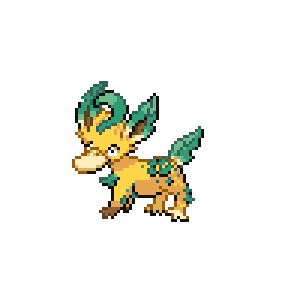
Psyceon love swimming in icy lakes where they can freely maneuver their bodies. They are sensitive to temperature differences, as hot water makes them incredibly anxious. This anxiety can lead to a headache if sustained long enough.
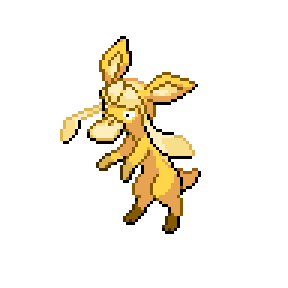
Psygon-Z have the mind-numbingly dull task of ensuring that files are properly catalogued. If left idle for too long, they develop a migraine from the anxiety of doing nothing.

Psyshrew have keen vision underground but often gets lost because of their poor sense of direction. When they inevitably surface, they are prone to bumping their head and giving themselves a painful headache.

Psyts is still developing its psychic abilities and will try to read people's minds. Sometimes it gets a headache when reading someone's mind because the thoughts are too complex.
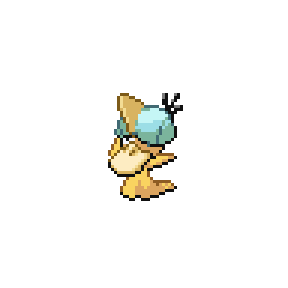
Psylia are hyper-focused on pleasing others and rely on their telepathy to meet the expectations of others. They are prone to working themselves into a headache whenever they make a mistake.
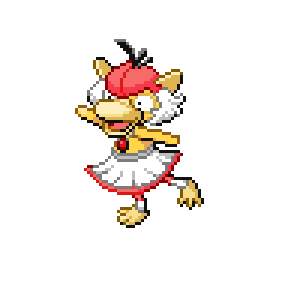
Psydum can communicate with other metallic Pokémon using their telepathy. They are often overwhelmed by the sheer number of messages they get, so many Trainers keep them away from groups of Steel-type Pokémon.

Psytang communicate with other Steel-type Pokémon with telepathy. Whenever Psytang get a headache, other Steel-type Pokémon swoop in to help them calm down because Psytang inflict the pain that they experience onto them.

Psygross mentally perform complex calculations and direct other Steel-type Pokémon to complete tasks with their telepathy. When Psygross experience a headache from stress, they try to isolate themselves and avoid sharing their pain.

Psyble love to waddle into tight spaces, and they often get stuck because they fail to account for the crest on their head. They often get headaches trying to escape a crevice that they wedged themselves into.

Psybite enjoy tearing into fishing nets to eat the escaping Water-type Pokémon. Whenever they get themselves wrapped in fishing nets, they get so confused and frustrated that they develop a headache.
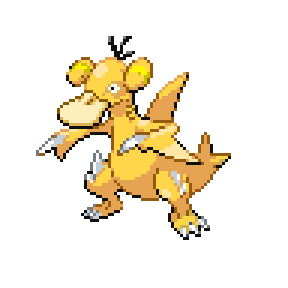
Psychomp have many sharp edges across their body and are often confused when Pokémon they play with end up with scratches. This has led many to constantly ruminate over their past actions to the point where they develop headaches.

Psysaur rely on their Trainer to help them harvest and use the pollen on their back. Without the medicinal properties of their pollen, they are unable to cure the painful migraines they have.
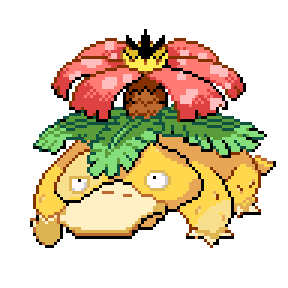
Psyidos headbutt trees and boulders to build up a tolerance against blunt force trauma. The spikes on the side of their head are brittle and cause headaches when damaged.

Psyidos slam their head against objects in an attempt to soothe their headaches. They often beg their Trainer for medicine to stop the pain, which can be a costly endeavor.
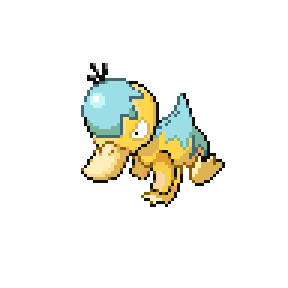
Psypardos have powerful leg muscles that allow them to quickly accelerate and ram into objects. If they hit their head into a particularly hard object, they develop a headache that needs medicine to fix.
Psyking are indifferent to the world around them because they are happier in their dreams. The jarring experience of reality causes them to develop headaches while awake.
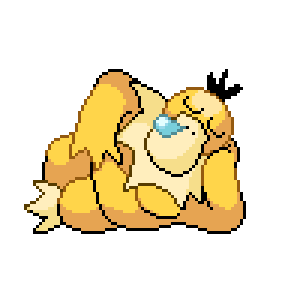
Psyqueen take care of other Pokémon in their nest, which ends up causing many headaches when the other Pokémon want to explore. Their paranoid tendencies cause them great stress when they see danger around every corner.

Psyran loves to poke other Pokémon with its horn, even though other Pokémon find the sensation unpleasant. It is a persistent swimmer, as it can swim for up to two hours without getting tired. This helps it chase down the Pokémon who avoid it.

To stay warm, Psylup huddle close together to retain heat. If Psylup remain out in the open for too long, they begin to shiver from the loss of heat, often leading to a headache until they are warm again.

Psypass are usually faced towards the direction of the nearest magnet because facing any other direction causes them to experience a strong migraine. Whenever they are between two magnets, they spin frantically trying to face both at the same time.
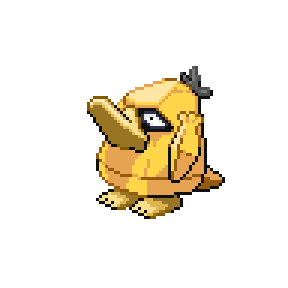
Psyedge resembles a shovel because of its flat blade and narrow handle. A Pokémon that holds onto the handle of a Psyedge will experience a painful migraine once they let go.
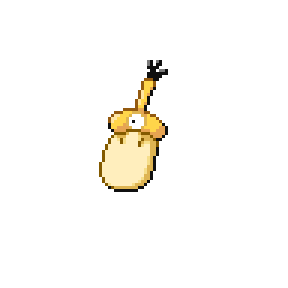
Psyrino are aggressively doting creatures that love to rub their stinger against other Pokémon. This unpleasant sensation leaves them with few friends to rub against, most of which are already resistant to the poison.
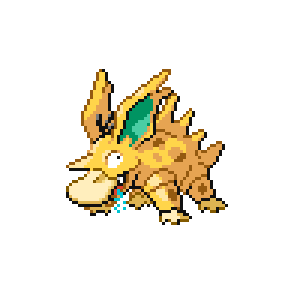
Psyking are often unaware of the power of their size and often crush Pokémon in their grasp. It makes them quite sad when other Pokémon avoid them because of their reckless strength.

Psyfairy have lots of fun dancing under the night sky. These night-long dances often make them tired by morning and often give them a headache from the exhaustion.

Psyfairy congregate together during nights of the full moon to dance. They have so much fun that their sense of time becomes a blur, often leaving them confused by the time dawn rises.

Psyfable perform synchronized dances along beaches whenever there is a full moon. These dances last all night and leave them dazed by sunrise.

Psypix are amphibious creatures that eat algae and grass. Each of their tails can be set aflame, and just as easily be put out.

Psytales are amphibious creatures that can move quickly both on land and in water. They have flippers in between each paw pad that ensure the smooth transition between land and water.
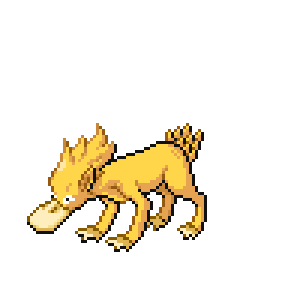
Psybarel are placid creatures that are difficult to fluster. Even when they develop a headache after a log falls on their head, they remain calm and collected.
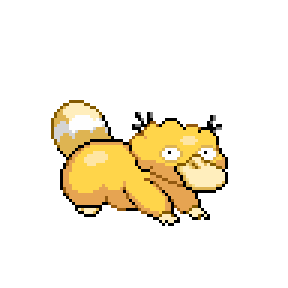
Psymer may seem intimidating at first because of their large size, but they are some of the kindest Pokémon known to people. They can be found at many beaches where they let children play on their bills, which can act like a slide.

Psypuff sing songs to audiences of Pokémon but forget that their songs cause them to fall asleep. When they eventually stop singing, they get so upset that it causes them to develop a headache.

Overwhelmed by its dull scales and constant headaches, it vents stress through psychic shockwaves in the water, which scare Pokémon away. When a Trainer befriends a Psybas, it develops a lifelong attachment to that Trainer.

They ram their heads into opponents to induce headaches, which allows them to build up a surge of psychic energy. The ridges on their head store that psychic energy produced, which is used to enhance their headbutts.
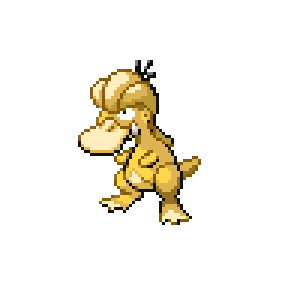
Psyink have bills that weave into each other to produce circular motion. This motion can cause them to get dizzy if they spin too fast.
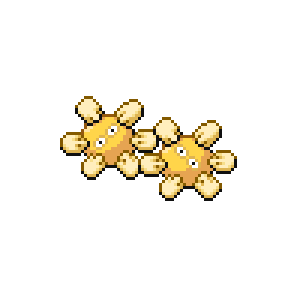
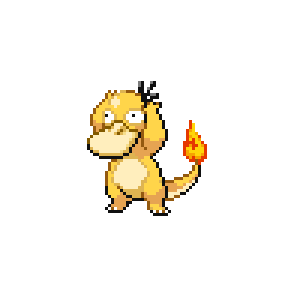
Psymander has constant headaches because it is worried about the fire on its tail. The terror of its fire being snuffed out keeps it awake at night.
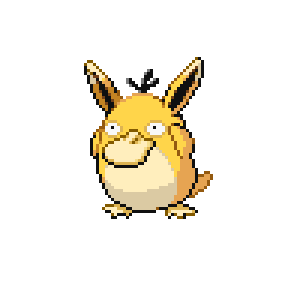
Psytuff can expand to twice their size when they inhale lots of air. Sometimes they forget to breathe and develop a headache from holding their breath too long.
Psyloon typically remain close to the ground because minute differences in air pressure cause searing headaches. When they are blown away by stormy weather, they feel a grim sense of dread that causes them to panic.
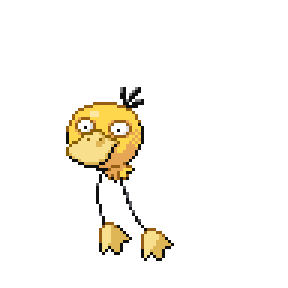
They are clumsy and easily distracted, which causes them to bump into obstacles. Whenever this occurs, they pout and get so angry they cause themselves to get headaches.

Psysion float inside a bubble that serves as a protective barrier between themselves and the world. If the bubble is popped, they become fully cognizant of the outside world and experience headaches from the surge of stimuli.
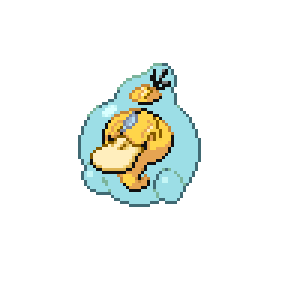
Psyrok become dehydrated when exposed to the desert sun for long periods of time. If they go too long without water, they get heat stroke and develop a nasty headache.

Psytik are full of insouciance in their lives, mindlessly spinning webs and eating bug Pokémon. If another Psytik is nearby, they have a tendency to stare mindlessly into each other's webs.
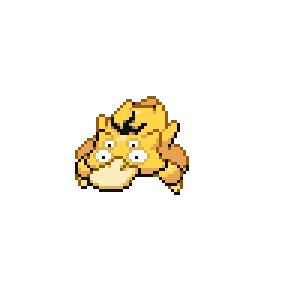
Psyeye can see everything in crystal clear detail. Their inability to focus on one object leads many to become overwhelmed by the overstimulation.

Psybish appear bruised and battered because they often dig through the trash and get caught on sharp objects. Whenever they have a headache after bumping their head, their Trainer can help them by giving them an ice pack and something to chew on.

When Psytump experience a migraine, they produce watery vines that lash out against their surroundings. When the migraine is cured, the vines evaporate into a fine mist.
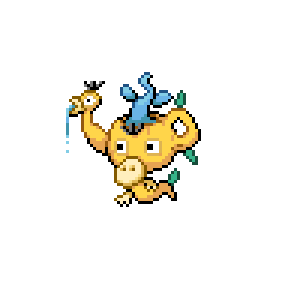
Psybat gets a headache whenever it is overstimulated by too much noise. If the headache gets particularly intense, it releases a dissonant cry.
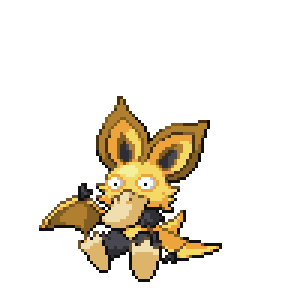
Psyras have mushrooms on their back that connect directly to their spine. The mushrooms send pain signals to their brain whenever they are damaged, causing migraines that can last for hours until the mushroom heals.

Psyaura are silly creatures that love to make faces at children. Their long necks swing from side to side whenever they are happy, though if they swing too vigorously, they may end up with a headache.
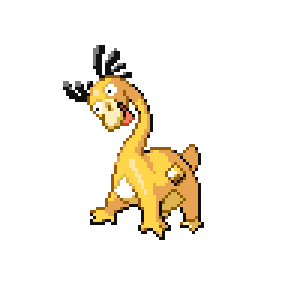
Psyselia come to people who have nightmares and help transform the dream into something pleasant. The life buoy attached to their bodies makes them easy to spot and hold onto.

Psypod are easily frightened and will leap back in terror at the slightest noise. Sometimes they bump their heads while they try to escape, leaving them with a nasty headache.
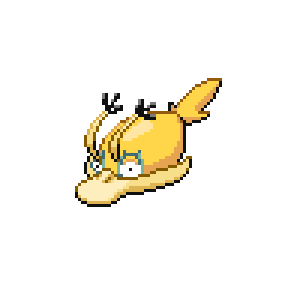
Psypin are optimistic creatures that enjoy exploring out in the wild. They often return home with a headache because of their reckless adventures, such as falling from cliffs or escaping mudslides.
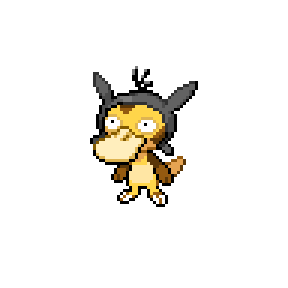
Psyladin ram into each other to strengthen their bodies, but excessively vigorous exercise can cause them to develop a headache from the sudden pain. To prevent this, they have special areas where they can expect to be safe from harm.
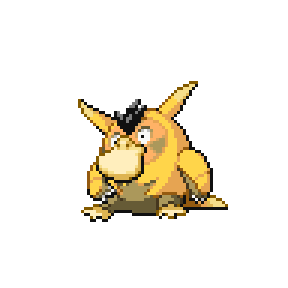
Even though Psynaught are covered in armor, all it takes for them to cower is a burst of psychic energy. Their sensitivity to psychic attacks makes them scared to engage in battle whenever they see a Psychic-type Pokémon.
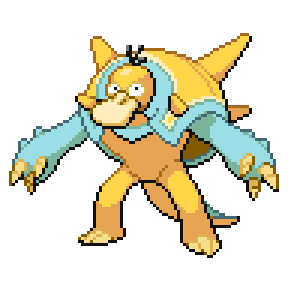
Psymeleon experiences headaches of varying intensity, which can be measured by the flame on its tail. The shorter the flame is, the more intense the headache.
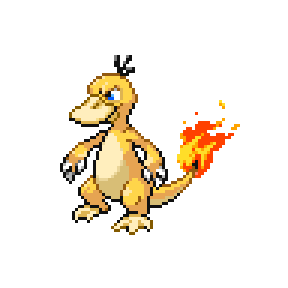
Psyple have a long stinger on their head that gets itchy often. Many develop a headache from being unable to scratch the itch for long periods of time, as few Pokémon want to help them.
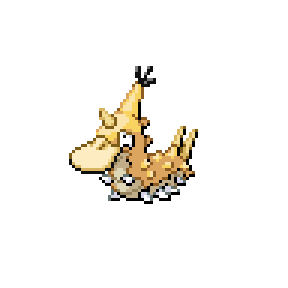
Psygull dive into lakes to scoop up seaweed and algae with their bills. Once they surface, they spit out the water and eat the plant material left in their mouths.
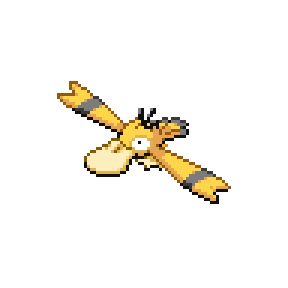
Psyin have stomachs that are nearly the size of their body. If they try to eat too much at once, their stomach presses against their brains and causes great pain.
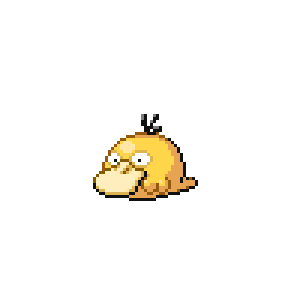
Psyink experience great distress whenever the pearl on their head falls. Many Psyink are constantly looking for new pearls because of their clumsiness.
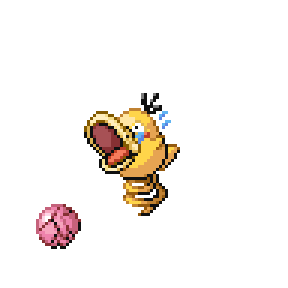
Psyling jingle whenever they move because their hollow bodies have bells inside them. Shaking Psyling vigorously is almost certainly going to give them a headache.
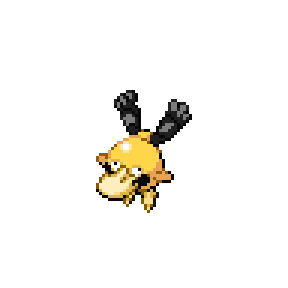
Psyape easily work themselves up into an angry rage but can forget that rage just as easily. Whenever a headache strikes, their rage subsides as they hold their head in pain.

Psylithe love to get scratches under their fluffy mane. When they are particularly happy with the scratches, they can mysteriously lift objects with their psychic powers.

Psynine love to get belly rubs from their Trainer. Their forgetfulness leads them to constantly demand belly rubs, and the sheer glee they experience remains the same each time.

Psyizard are capable of flying high in the sky, but often refuse to do so. This is because they are sensitive to the air pressure difference that occurs when they rise in altitude too quickly, which gives them a nasty headache.

Psywrath are a beloved sight for many children and can be found as a mascot for many zoos. They can be seen waddling from exhibit to exhibit to ensure the Pokémon in captivity are having fun.

They channel the pain from their headaches into psychic energy, which they use to float around. If anything bumps into them while they are floating, a surge of psychic energy is released before they fall to the ground.

Psybra possesses psychic powers that are connected to the intensity of its headaches, which enable it to use telekinesis. It baffles itself with how much it can do.
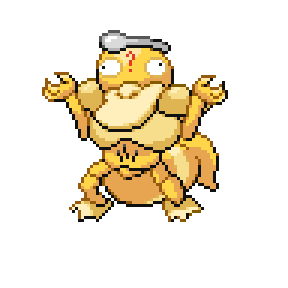
Even though Psychamp have several arms to fight with, they enjoy giving headbutts to their opponents. They often develop headaches from the concussions they get.

Psychamp launch a flurry of punches to defeat their foes, but they rarely protect their fragile heads. If opponents manage to land a strike against their heads, they develop searing headaches that render them unable to battle.
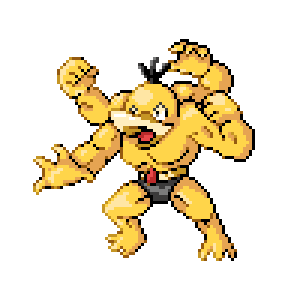
When something grazes its fragile body, its bulbous head will swell from the resulting headache. Nutrients from its roots are absorbed to shrink the head, as the swelling constricts the supply of water to itself.

Psydude sprays rocks with water before breaking the softened minerals with their hands. Sometimes they are kicked on the head because of their vague resemblance to a rock, which gives them headaches.
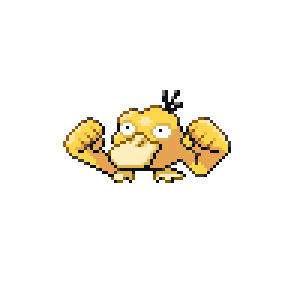
Psyler break up large rocks by soaking them in water. Once they are soft enough to break, Psyler stuff their face with the mineral-rich rocks and may burp out mud if they are too full.
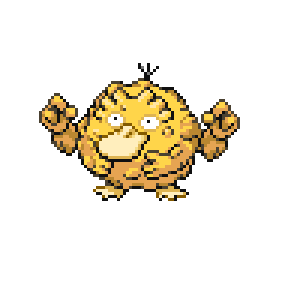
Psyta are easy to spook and will run into fences and gates whenever they are overstimulated. Afterwards, they submissively hold their heads low to the ground to show that they are ashamed of their actions.

Psymite dance in synchronized patterns when they are underwater and produce sparks whenever they deviate from the dance. Most people leave them alone to avoid getting shocked by them.

Psyton perform synchronized dances that follow a mathematical pattern. Whenever a Pokémon tries to pull them away from the dance, they get zapped and pushed away.
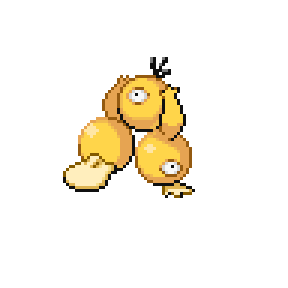
Psyfetchd stores psychic energy in its leek baton, fueled by the many headaches it endures. Once full of psionic energy, it can transfer powerful headaches into foes.

Psydrio are comprised of multiple heads that share a body. They often forget that they share a head and have reactions ranging from a silent stare to utter panic.

It lives at water treatment facilities near sludge and hazardous chemicals. Despite its gooey composition, it gets headaches from the myriad of noxious fumes in the air.
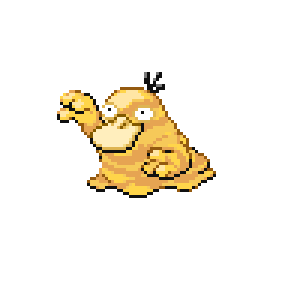
Psytly is utterly baffled by its surroundings. It does not know where it is or how it got there, but it knows that it cannot touch anything. Anything it touches seems to phase through it.

Psygar are quite literally scared of their own shadow, and any sudden movement from it can cause Psygar to lash out. They suffer many stress-induced headaches because of this constant fear.
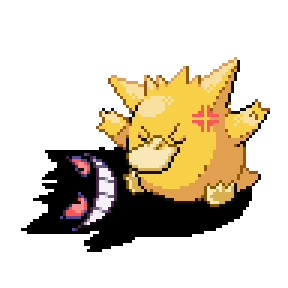
Psyzee release hypnotic waves that lull other Pokémon to sleep, but those same waves can bounce back at them. Psyzee can try to resist falling asleep to their own psychic waves, but this causes them to experience headaches.

Psyno swing a pendulum of a rubber duck in a smooth, fixed motion that lulls people to sleep. They are careful with the types of dreams they eat, as eating nightmares causes headaches.

Psytoise eats Lotad and other aquatic plant Pokémon, which are plentiful in ponds and lakes. Whenever it eats too much, it experiences a headache that causes it to spray water from its water cannons.

The black pearl on Grumar's stomach glows with a bright orange hue whenever its powers are harnessed. As the pearl glows, Grumar controls flames with psychic energy to swirl them into its foes.
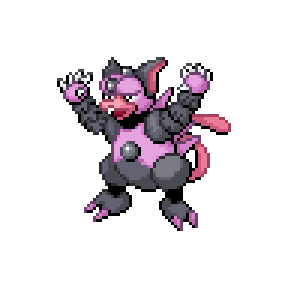
Whenever Spintoed leap into the air, the sudden change in pressure causes them to get dizzy. They often fail to land on their feet and land on their head or stomach.
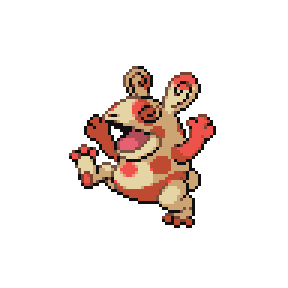
Spintoise are capable of launching small objects across a field with their powerful cannons, but their terrible aim often prevents them from hitting their target. Some Trainers embrace this unsteadiness to hose down opponents in a Pokémon battle.
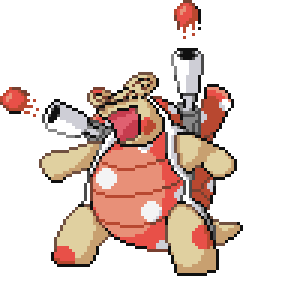
Equipped with claws and fierce anger, Zantata menaces groups of Seviper by entering their dens and ambushing those inside. Once the Seviper are defeated, Zantata pilfers any berries stored and celebrates victory with a meal.
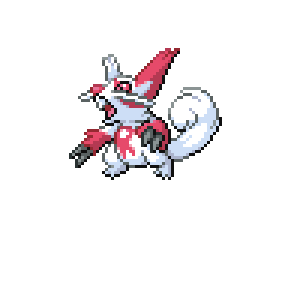
Zanwile are constantly hunted by Seviper, so they rely on their staff and the writhing mass of fur on the back of their head. When locked in battle, the fur on the back of Zanwile's head morphs into a set of jaws to clamp down foes.
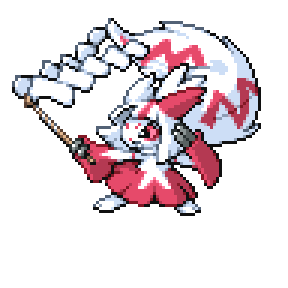
Zanwellow are known to be particularly cruel to Seviper, scooping them up with talons before dropping them from a great height. They are otherwise solitary creatures that rarely interact with other Pokémon.
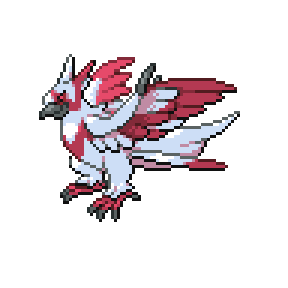
Zangull soars above beaches hoping to steal junk food from boadwalks, usually from food dropped by tourists. If it ever encounters a Seviper, it becomes irrationally angry and tries to scare them away with Wing Attack.
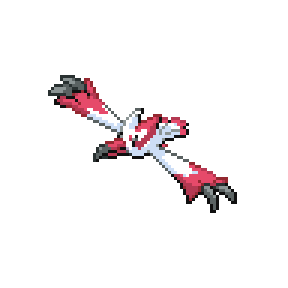
Zanskit lurk at the surface of lakes and ponds where they harass Seviper with bubbles and jets of water. The thick fur on their bodies softens the impact of bites to stop Seviper from injecting venom into their bodies.
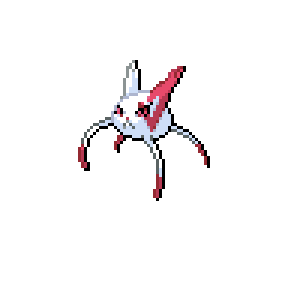
Sewile has a certain ire for Zangoose, and will disobey the rest of its body to pursue its foe. In areas where Zangoose are common, Sewile enter a state of hypervigilance, as it may need to give chase at a moment's notice.
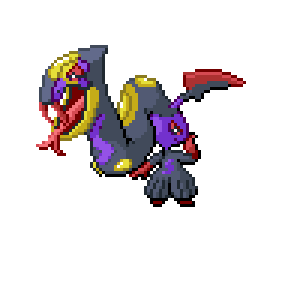
Selett menaces local Zangoose populations by slashing them with its venomous tail before popping itself back underground, only to surface again shortly thereafter. Many Zangoose fail to land a hit on Selett before tiring themselves out.
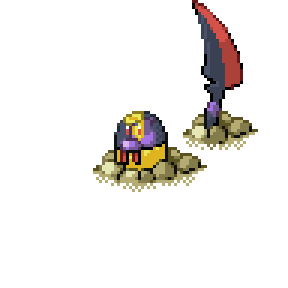
Seskit float on the surface of lakes and ponds where they look for the right target to sink their fangs into. Once they find a suitable target, all it takes is one bite for their prey to succumb to venom.
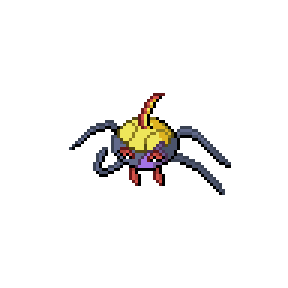
Seler has a gargantuan claw that produces a corrosive acid. Whenever it hunts for its meal, it clamps down on its prey with its claw to cut them into edible portions.

Lunaslash's sharp spines and crescent-shaped claws glow with lunar energy during the full moon. By curling into a ball and hooking its claws onto a branch, it can safely swing while gazing at the night sky.
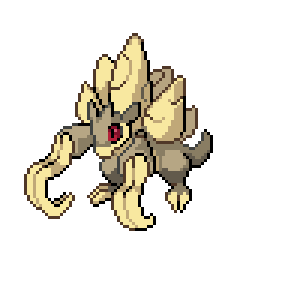
Soldash releases golden flames as it gallops through the world, searching for open pastures where it can freely roam. Many nomadic tribes ride into these pastures to race against Soldash, a traditional rite of passage for young children.
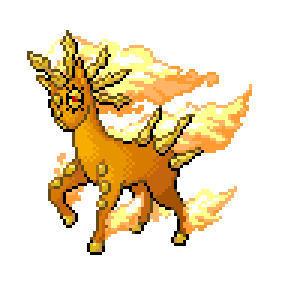
Barpie can easily be captured if a person tickles their stomach. This rubbing of their underside puts them into trance that supresses their fight or flight response, allowing a person to drag them onto dry land.
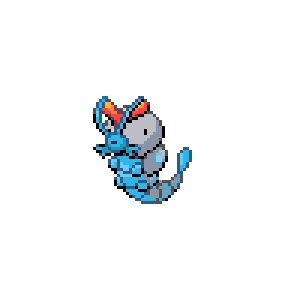
Bartle can swim completely submerged in mud and detect the footsteps of predators with their sensitive whiskers. The vibrations of footsteps give them plenty of time to hide in their shell before the predator finds them.
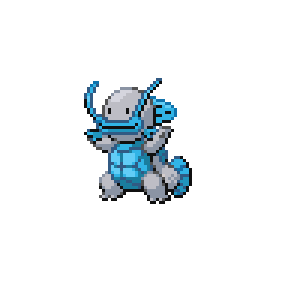
Whiskey are proud and territorial creatures that mark their territory with scent glands on their whiskers. By resting their whiskers on the ground, they can sense the footsteps of other Pokémon, including other Whiskey.
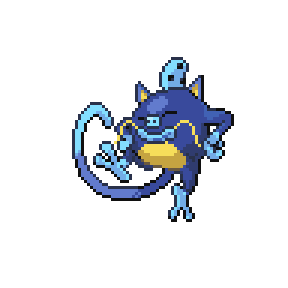
Corpzagoon is covered with interlocking scales that protect it from bites. Its claw-like tail can clamp down with enough force to break concrete.
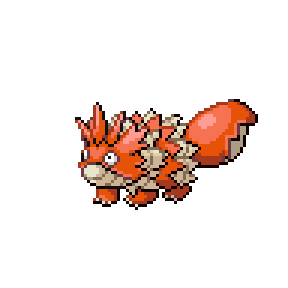
Crawkarp is most vulnerable when it is molting, as its soft body makes it an easy snack for predators. It relies on nearby Corphish and Crawdaunt, who share the same molting season, to scare away predators.
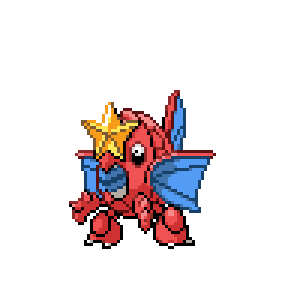
To stop themselves from getting swept away by an ocean current, Crawuna rely on their twin pincers to cling to seaweed and coral. They have little energy for anything else, as they need to conserve energy while developing inside their plated cocoon.
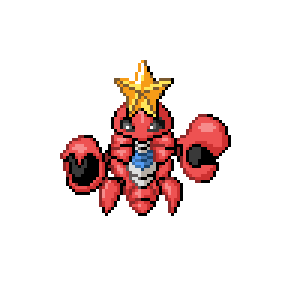
Golsaur's vines have a cattail plant at the end of each one. They live in swamps where they can easily blend in with the local flora.
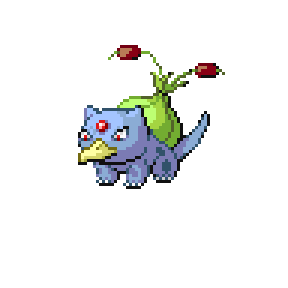
Golpie have a natural affinity for swimming but cannot swim quickly because they lack flippers. They eat lots of algae and are quite friendly, which makes them useful pets for home aquariums.
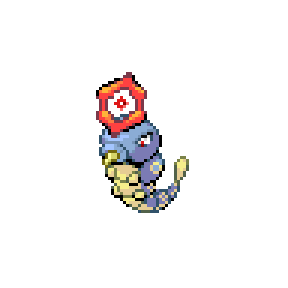
Golpod rely on their rudder-like tail to swim through the water without causing any splashes. Many hide beneath the water's surface to avoid being spotted by Flying-type Pokémon.
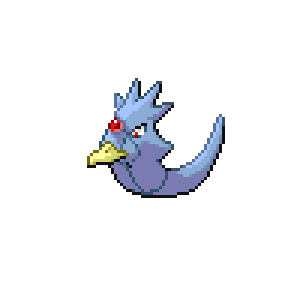
Golsey are kind creatures that help other Pokémon keep eggs safe. Their superb swimming ability allows them to ferry their egg across bodies of water without getting it wet.

Golkhan are excellent swimmers that can easily reach drowning Pokémon when struggling to swim. They also help many Psyduck recover from headaches by giving them snacks and reminding them to rest.
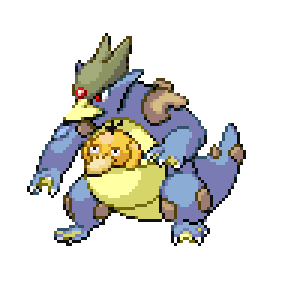
Golsea struggle to swim in the sea with their tiny bodies and are easily swept away by a water current. They cling onto seaweed to prevent themselves from being lost at open sea.
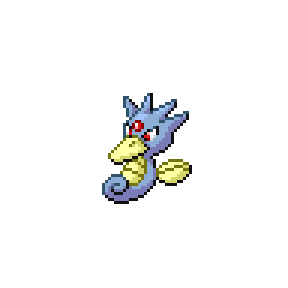
Goldeen have flippers and fins that give them superb control of their bodies underwater, which helps them dodge fangs or claws from predators. Their ruby-red horn is often a last resort tool since it is quite fragile.

Golfree have large sparkling wings that often get the attention of predators but also makes them susceptible to psychic attacks. If a predator stares at their wings for too long, they are lulled asleep, allowing Golfree to escape.
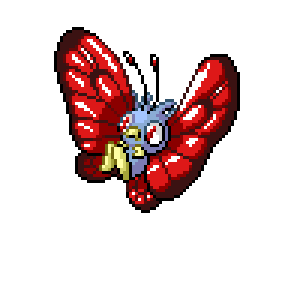
Golkarp have a large bill that scoops algae into their mouths. During fall, they can be seen hopping up waterfalls to reach lakes.
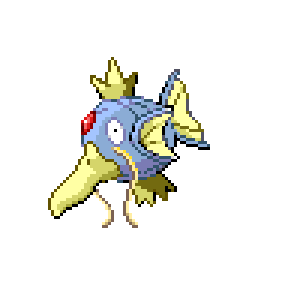
Golfree have two red dots in their wings that glow whenever they harness their psychic powers. They often hypnotize predators into falling asleep to allow themselves to escape.
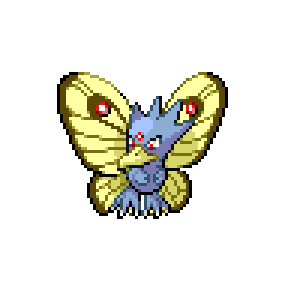
Golras helps lifeguards at resorts protect people from drowning. It monitors deep water to ensure that swimmers remain safe.
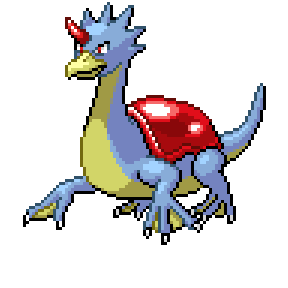
Golvee have a special layer of fur that remains fluffy even when underwater. They often roam around the wilderness looking for evolution stones, as many are eager to evolve.
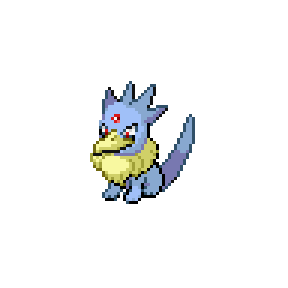
Goleon are incredibly fast swimmers that can cross lakes in a few seconds. Their webbed tail and flippers allow them to effortlessly glide through water without stopping.
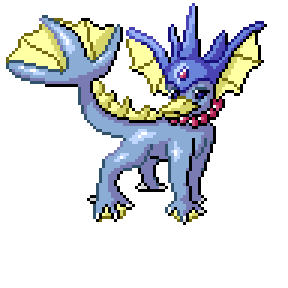
Goleon leave a trail of sparks wherever they swim. These sparks protect them from predators, who have a difficult time avoiding the sparks while chasing them.
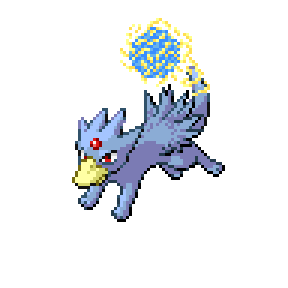
Golreon can produce special flames that can burn while underwater. They use these flames to roast seaweed, which adds a satisfying crunch for them to consume.
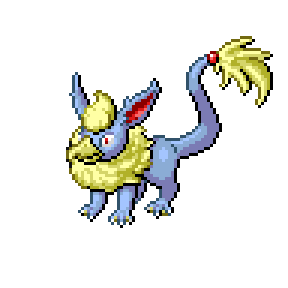
Goluna float atop lakes where they stare at the sky for long periods of time until they evolve. Their slippery cocoon is difficult to grab onto and prevents many potential predators from carrying them away.
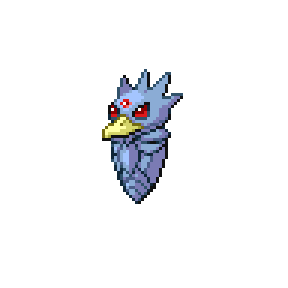
Goldactyl are capable of slicing through targets both in the air and at sea, as the webbing between their wings also acts as flippers while underwater. They are almost always moving since they tend to get restless if they are bored.
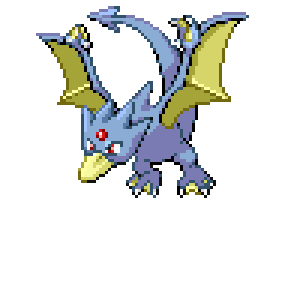
Golax often fall asleep at junctions after an attempt to cross railroads. Many solutions have been proposed to help prevent these instances, including relocating Golax to a lake that resembles their natural habitat.
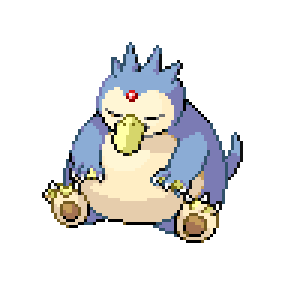
Golowl are crepuscular Pokémon that are most active during dawn and dusk. They hunt groggy fish Pokémon in lakes by grabbing them with their webbed talons.
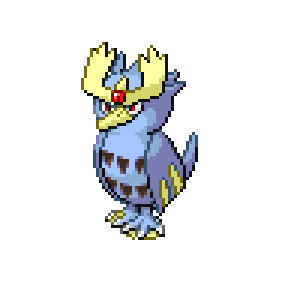
Golba are incredibly fast creatures that buzz through both the sea and air with precision. They often gather in groups and migrate from forest to forest so that they can grab berries as soon as they ripen.

Golchou live in the dark depths of the sea where they lure aquatic Pokémon towards themselves with two bright red bulbs. If they manage to crack one of their bulbs, they release a jolt of electricity until healed.
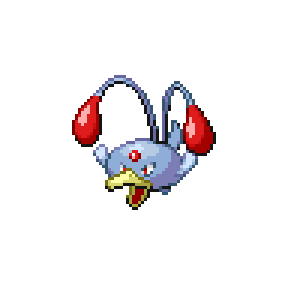
Golturn draw aquatic Pokémon towards themselves with two bright red bulbs. The red glow that is produced can cause some Pokémon to act aggressively, so they protect themselves by zapping the aggressor before swimming away.

Golsaur live in swamps where the cattails on their back blend in perfectly with their environment. They are sensitive to the motion of the swampy water, which makes them difficult to sneak up on.
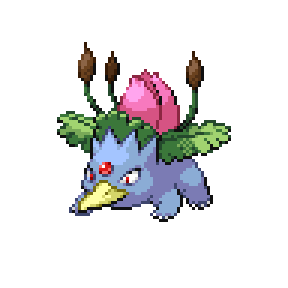
Golown patrol underwater ruins to keep ancient secrets safe. When they find a Trainer within the depths, they release a loud quack that summons other Pokémon.
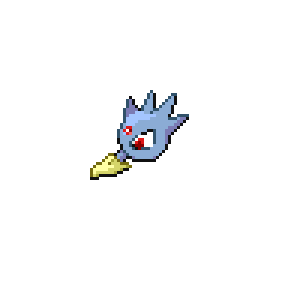
Golfeon produce leaves that slow down their bodies when swimming. They often let other Pokémon snack on the leaves so that they can swim faster.
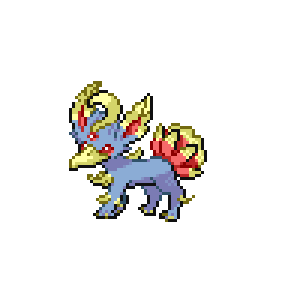
Golfeon absorb sunlight through their leaves to gain necessary nutrients for survival. Once they have enough nutrients, they allow other Pokémon to eat their leaves so that they can swim unencumbered.

During a Pokémon battle, Golade jet through the water to slice up their opponents. They always fight with honor and dignity, refusing to resort to underhanded tactics to achieve victory.

Golble dive into the sea to tear open fishing nets and grab onto whatever aquatic Pokémon that escape. Many fishermen have upgraded to tougher fishing nets because of the damage Golble cause to traditional rope nets.

Golbite effortlessly slice through fishing nets to release the aquatic Pokémon trapped inside. They have earned the ire of fishermen everywhere for eating the aquatic Pokémon that were supposed to be trapped in nets.

Golchomp stalk places fishermen frequent to get easy access to Water-type Pokémon to eat. These opportunistic creatures often clash with fishermen who are angry with Golchomp for stealing their fish.

Golsaur are surprisingly fast swimmers that leave a trail of pollen wherever they go. The pollen gets absorbed into other plants, which end up making sections of the swamp quite toxic to herbivores.

Golidos have a large red dome atop their heads that absorbs the shock from their headbutts. It is said that if it ever cracks, a wave of psychic energy is released.
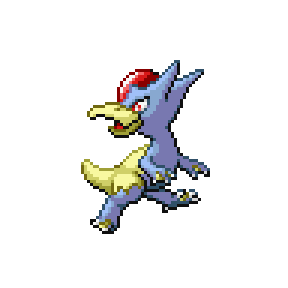
Golking spend much of their time sleeping while holding onto their fishing rod. They often reel in Psyduck, which they toss back into the water.

Golsol arrive on coastlines atop a wave to warn residents of upcoming floods. They swiftly swim to fishermen at sea to help them reach shore before calamity strikes.
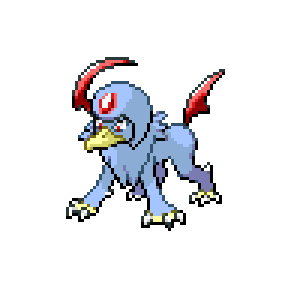
At night, Golfairy swim in patterns that resemble constellations. These complex patterns are always followed with high precision, as Golfairy are incredibly detail-oriented.
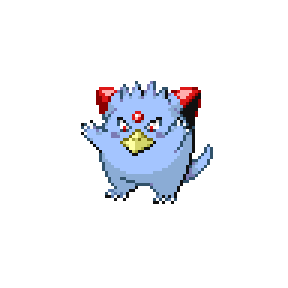
Golu easily blend in with heavy fog thanks to their cloudy wings. They rely on this dense fog to surprise aquatic Pokémon, skewering prey onto their beak.
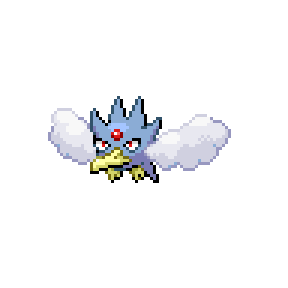
Golplume swim back and forth across rivers to help Pokémon cross the rapid flow of water. Even though they produce a poisonous gel atop their lily pad, many Pokémon simply wash off the toxic substance in the nearby water.
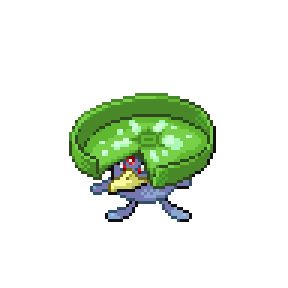
Golnea exhibit a certain smug confidence that comes from their ability to reliably find water reservoirs in the desert. There has been no recorded instance where Golnea fail to find water.

The red spine across Golturne's body can detect minute changes in humidity, making it great for finding water in the desert. Once it comes across an oasis, it completely submerges its body to thoroughly hydrate itself.

The meringue-like substance atop the head of a Golpuff has a mellifluous consistency that pairs well with cookies. They attract many Pokémon because their sugary aroma is hard to mask.
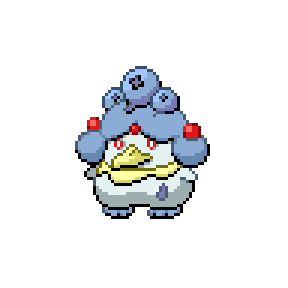
Golform can change forms when exposed to different types of weather. Regardless of what form they take, they enjoy swimming as a leisurely activity.

Golform love swimming in hot water and heat the water around them until it is scalding. Many aquatic Pokémon that cannot hop onto land will sink lower into the water in an attempt to escape the heat.
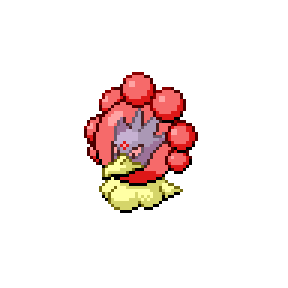
Golform enjoy splashing water around on rainy days, much to the dismay of many Pokémon trying to seek shelter from the rain. Even though Golform are remorseful for their antics, they cannot contain their excitement whenever it rains.
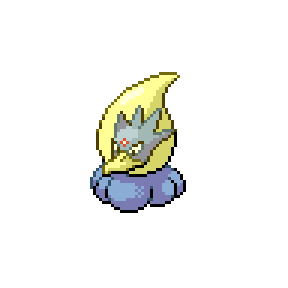
Golform enjoy swimming in icy cold water and will blow across the surface of lakes and rivers to sharply decrease the water temperature. Many Pokémon are uncomfortable with the sudden drop in temperature and will leave until it warms up again.
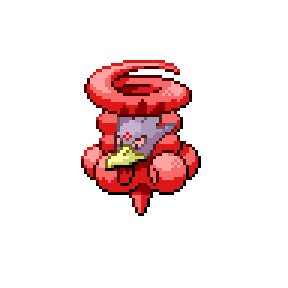
Golkey have capricious tempers that come out in tantrums. Trainers often train them in places with lots of water, giving them an outlet to vent frustration.

Golwag swim in strange swirling patterns that radiate outward from a central focal point. Their specialized tail prevents the water around them from splashing, so they do not deviate from their predetermined path.

Goltle are deceptively fast swimmers for their diminutive size since they are capable of crossing a lake in a few seconds. They can curl into their shell mid-swim if they see a predator to protect their limbs.
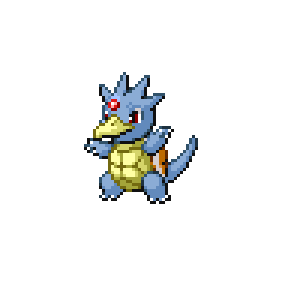
Golta produce flames from their body that remain bright even when underwater. Their galloping does not end at the water's edge since their flippers allow them to swim.
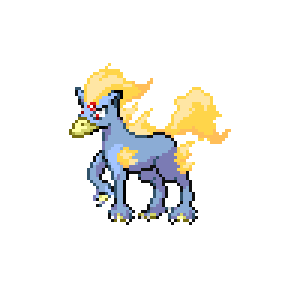
Goldash majestically gallop on both land and sea. The beautiful array of flames that come from their bodies draw many people to watch them travel at night.
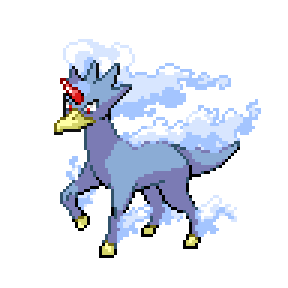
Goltortle have large shells that would slow down most Pokémon, but they are deceptively fast swimmers. They reach a top speed of 60 miles per hour, or nearly one-hundred kilometers per hour, in a matter of seconds.

Goltoise zip past other aquatic Pokémon in their massive shell to swim long distances in a matter of seconds. Their water cannons give them extra propulsion while swimming, which ends up knocking other Pokémon out of their way.

Balans were once hunted by ancient societies to make scaly clothes. Many children of the past had coming of age ceremonies that involved taking down a Balans.
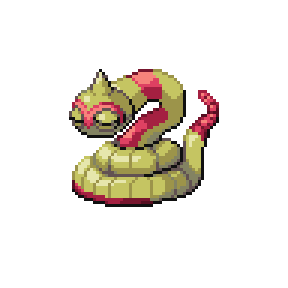
Balshrew live in arid conditions where water is scarce. They burrow underground in search of water, as just a few drops of water can keep their bodies well-hydrated. Without water, their body begins to flake pieces of clay until they can find water.
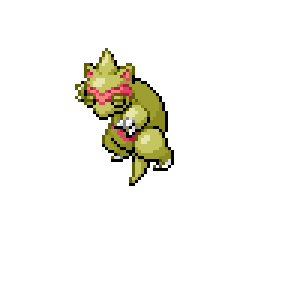
Balnea live in the hot desert, where they constantly search for water. On the rare occasion they find it, a few drops allow their clay body to become soft again.
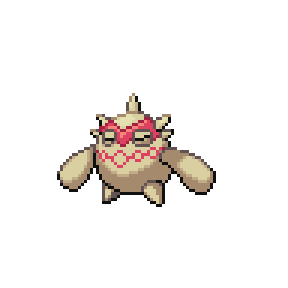
Claytuff were once lauded in ancient civilizations for their ability to sing with multiple voices. They helped old villages and towns fall asleep after a long day.
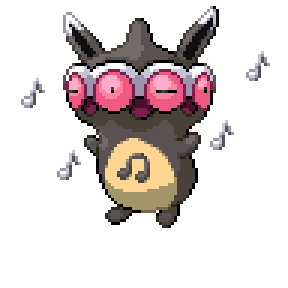
Castbat are sensitive to changes in their environment. By detecting pressure differences, Castbat can readily adapt to their surroundings and overcome their poor eyesight.
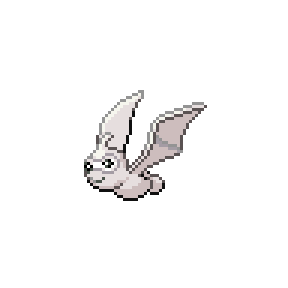
Castcorio's lively footwork quickens the closer it is to the summer solstice, its speed peaking on the longest day of the year. Many gather to watch its dance.
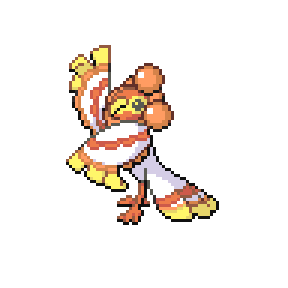
Castnat create beams that shine as bright as the sun. This causes issues at night when these beams of light attract groups of Venonat.
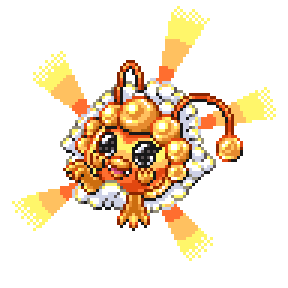
Whenever Casth are seen floating through the sky, sprinkles of showers are likely to follow. They enjoy taking naps atop large blobs of water and only awaken to the sound of jingling coins.
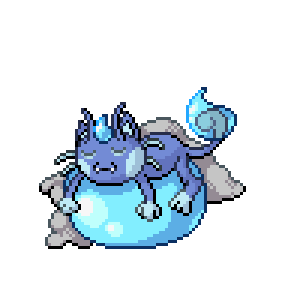
Castite meditate in the rain to improve their mental acumen. The weather slowly conforms to the stillness of their thoughts, reducing the intensity of the rain.
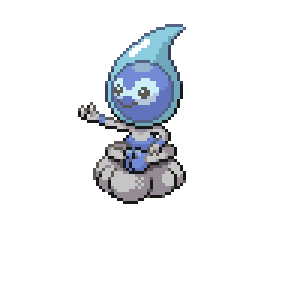
Castdle create clouds of snow that freeze Flying-type Pokémon that try to eat them. These clouds of snow are also laced with a toxic venom that clings to feathers.
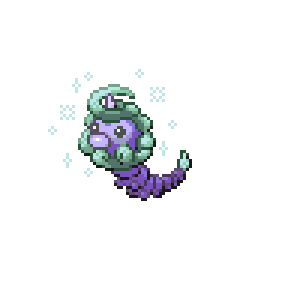
Trodrill smell like bananas because the chemical scent is both a sweetener and an alarm pheromone. To signal to others in their hive that danger is coming, they may break one of their stingers to waft the scent around the hive.
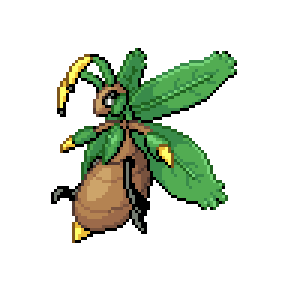
Trorita have similar dietary needs to a human, so they often remind their Trainer to eat healthy and avoid junk food. The bananas on their head are edible, helping them and their Trainer replace junk food with a nutritious snack.
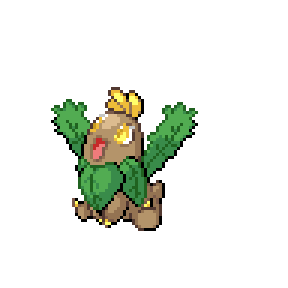
Trotata hops short distances by flapping the leaves on its back to avoid stepping on creaky floorboards. Once it reaches someone's pantry, it searches for banana chips and other tropical snacks to tear into.
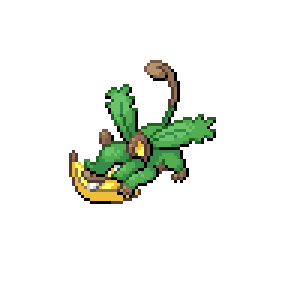
Trockle combines Berries with tropical fruits to create a delicious slurry inside its body. This sugary sweet drink is so concentrated that scientists recommend diluting the mixture with water before consumption.
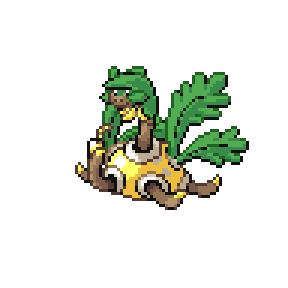
One of Tro Jr.'s favorite tricks revolves around balancing on a banana peel. When it inevitably falls, it picks themselves up as though it were part of an act.
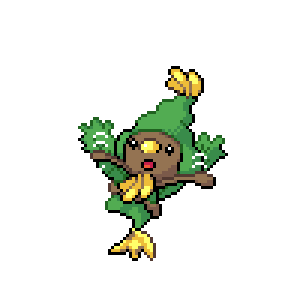
Trochu enjoy surfing along tropical beaches to improve their surfing ability. They are picky about the food that they eat, as they prefer plantains and will refuse to eat bananas.
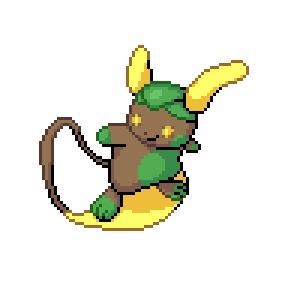
The numerous spines on their back are bananas and can be harvested for consumption. Many are raised on plantations, where they are raised with love and affection in exchange for this fruit.
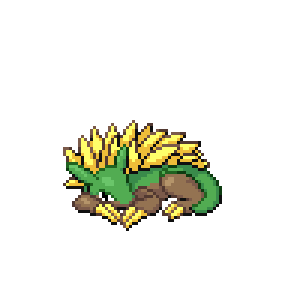
The soft, pillowy scent they produce resembles the scent of roasted plantains. Scientists have spent decades attempting to replicate this aroma to varying degrees of success, yet a perfect formula seems out of reach.
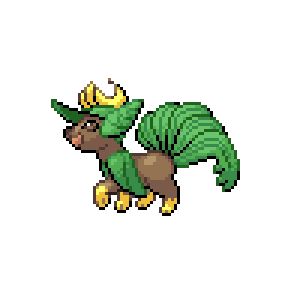
No matter how often the thick leaves in front of its eyes are trimmed or cut, the leaves will always grow back. Its violent shaking often causes the bananas on its body to be shaken off.
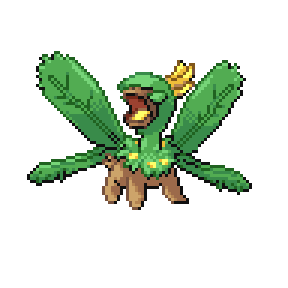
Troish leaves have the scent of bananas on them. Despite their scent and appearance, the leaves on top of Troish heads are not sweet nor edible.
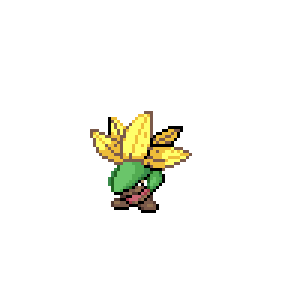
People in desert climates often harvest bananas from Tronea, some even going as far as to domesticate them. Tronea needs little water to survive, ensuring a constant supply of fruit.
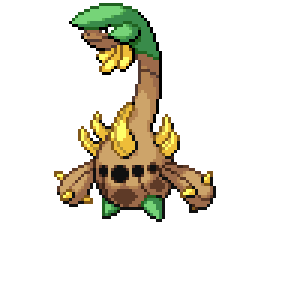
Troras has mushrooms on its body that resemble banana peels. It is so small that careless Trainers often slip on its squishy body.
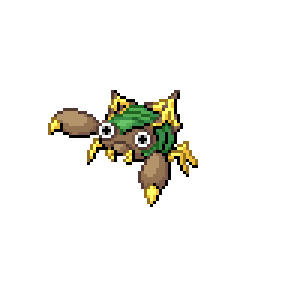
Trozagoon have a startle reflex that causes them to jerk their neck back to quickly scan the area. This natural reflex can be triggered with something as simple as a broken branch or a crunchy leaf, so their neck muscles end up quite strong.
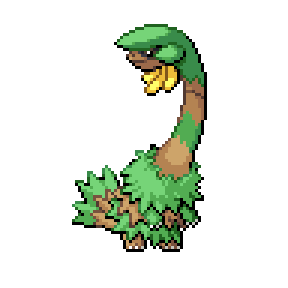
Tronoone snack on fruits and berries that hang from tall branches. Their sleek bodies help them sprint away from danger, which is faster than their flying.
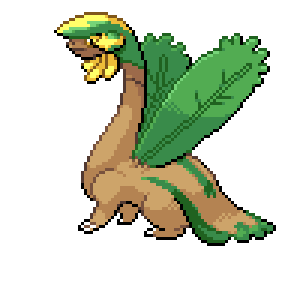
Troink lives in tropical forests where there is an abundance of bananas to pick from. It keeps the banana balanced on its head wherever it bounces until the banana matures, at which point it eats the ripened treat and finds a new one.
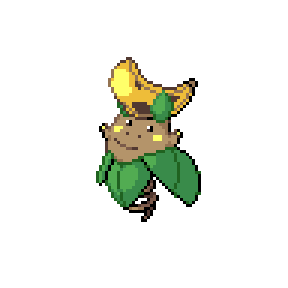
Troda are clumsy creatures that often trip on objects around them, especially banana peels. Their clumsiness has lead to many priceless possessions getting broken.
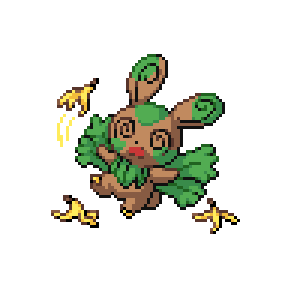
By luring in prey with the scent of bananas, Trobell captures tasty prey in its bell-shaped body. Despite having a pleasant aroma, the fruits it produces are bitter.
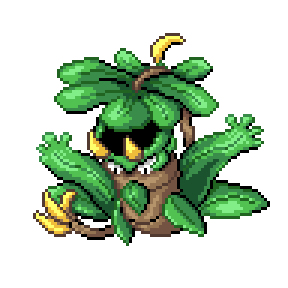
Whenever someone has a hot temper, Chingper emit a soothing ring from their bodies to calm others. This only works if their bodies are well hydrated, encouraging Trainers to hydrate along with Chingper.
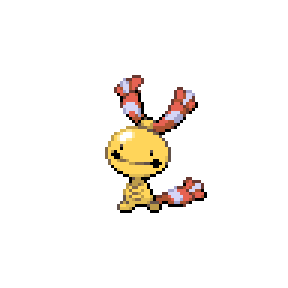
The soothing chimes of Chingveon quiet the hearts of those who hear it. A warm embrace from Chingveon is said to soften the hearts of the most stone-hearted Pokémon.
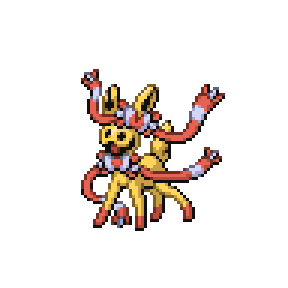
Whenever Chimeskull come across a person that has succumbed to death, they release a resonant ring that can be heard for miles away. It is said that this ring helps the dead find their way back to their bodies.
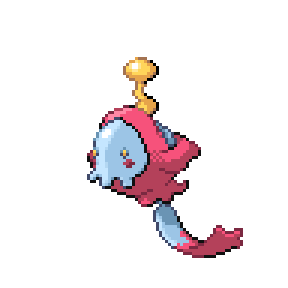
Chimeterra can be found lumbering around in monasteries where the miniature garden on their backs blends in with the serene environment around them. They release a soft jingle with each heavy step.
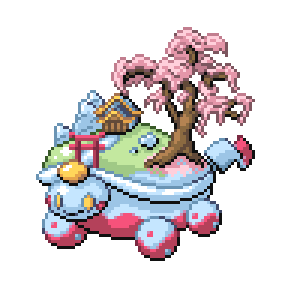
Chimepet rely on the suction cups on their heads to attach themselves to the side of cliffs. They release an eerie echo that lures people with malice in their hearts towards them.
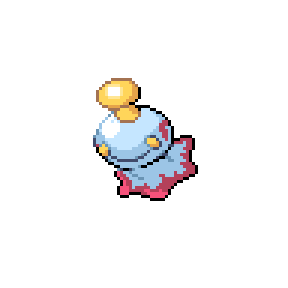
Chimeish produce a ringing noise whenever they shake their bodies. This occurs often because they shake pollen off their bodies to lull wild Pokémon to sleep.
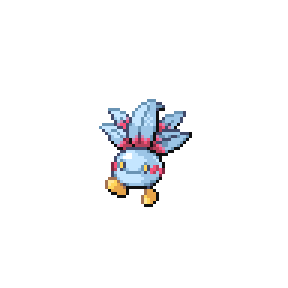
Chimepig are great school crossing guards because their signature jingle is loud and clear to drivers on the road. During their weekends off, they get together with other Chimepig to bounce and jingle to their heart's content.
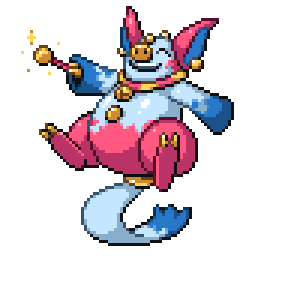
Chimeperl produce pearls that release a soft jingle when shaken. These pearls are most popular as an add-on to collars to help Trainers identify their Pokémon in a crowd.
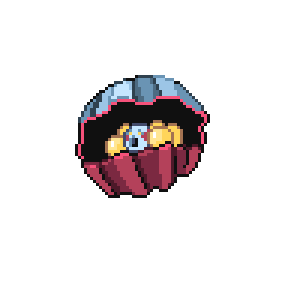
Sphemite roll across caves with their rotund bodies to look for a safe place to discharge their electricity. If they accidentally hurt another Pokémon or Trainer, they let out a sad cry for help until their victim feels better.
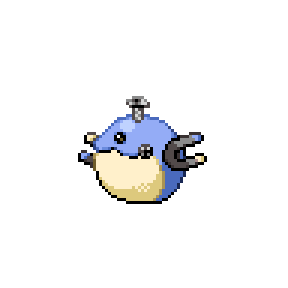
Spheton live in colonies where their magnetic bodies keep them in groups of three. Their bodies are often covered with iron shavings because they roll on the ground.
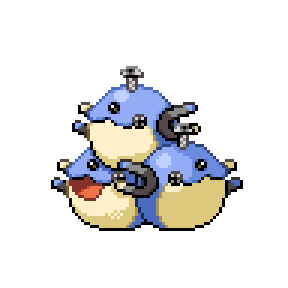
They hold onto a Thick Club, as the club reminds them of their family. When a Trainer is trusted with one of these clubs, it is a sign that the Trainer is now a part of their family.

Manwak often looks contrite because it feels remorseful for its temper. When upset, it violently flails its club around until it calms down.

Manpod have soft, apricot-colored scales that comprise their cocoon. They are especially prone to Flying-type Pokémon because of their soft scales and aggressive nature, which makes them uncommon in the wild.

Mandle are hyper-aggressive creatures that often fight other Pokémon for food. Their venomous stinger causes those stung to experience a wave of anger that is difficult to control.

Maneon are impatient and quick to anger. If their Trainer misses their mealtime for more than ten minutes, they chew on whatever they can with their electrified teeth.
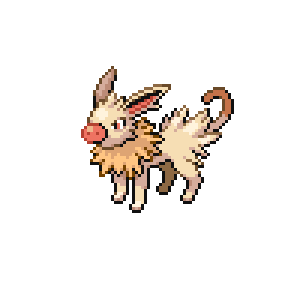
Mandile frolic along riverbanks where they make their home. They spar against each other to assert dominance and influence food distribution. Some Mandile receive the best berries, others only receive scraps.

Mantret can be hard to capture because of their hot temper but giving them a Razz Berry helps keep them calm enough to capture. When they are not being pestered by Trainers, they forage for berries.
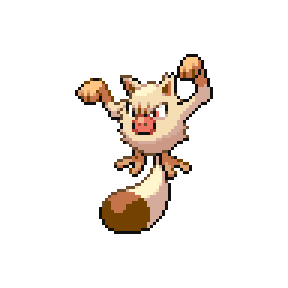
Whenever Manpom gets angry, its flagrant disregard for consequences makes it difficult to calm down. Trainers should redirect its anger to something less destructive to avoid dealing with broken property.
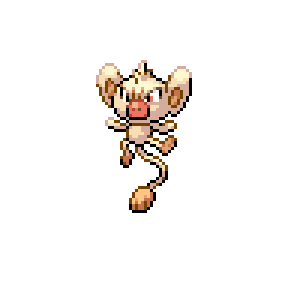
Manown detect Trainers and their Pokémon long before they enter their ruins with a superior sense of smell. Their natural curiosity turns into wrath if anything within the ruins is damaged.

Manferno swing from vines to navigate through dense jungles. Many Manferno face off against each other by performing acrobatic feats to show off their athleticism.

Manx has a recalcitrant personality that leads it to disobey young Trainers. Its temper tantrums and defiance make it a difficult choice for first-time Trainers.
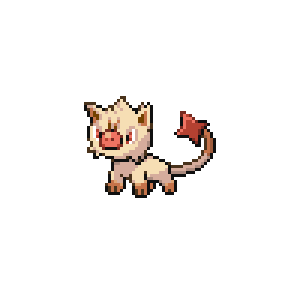
Notoriously difficult to domesticate, Manruff are seen as irrationally aggressive, yet they are not. This is because their hierarchical pack system creates a demand for power and respect from those who become their Trainer.

Even though Manyama lack the discipline to perform complicated techniques, the sheer tenacity of their wrath still makes them a formidable opponent. Their strong hands can grapple many Pokémon into submission.
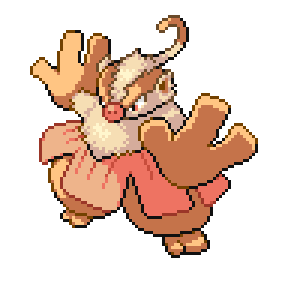
Seatret remain vigilant for predators to protect their herds but are easily distracted by round objects they can balance on their noses. Despite this distraction, they can easily spot predators while multitasking with their balancing act.
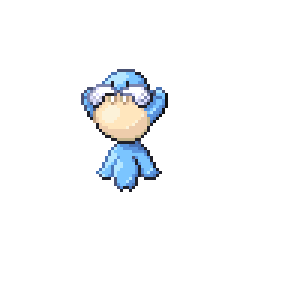
Seaink love to play with the sphere on their head, which is encased in a layer of ice to prevent damage. They often try to balance the sphere on their head or nose, which can be quite difficult when perpetually bouncing.
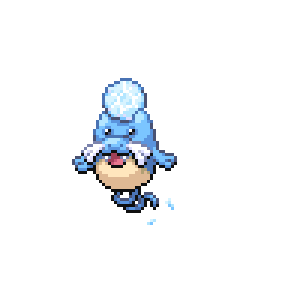
When Walorb insert their two tusks into an outlet, they release an explosion of cool air, instantly dropping the room temperature by 20 degrees. This makes them a valuable asset on hot summer days.
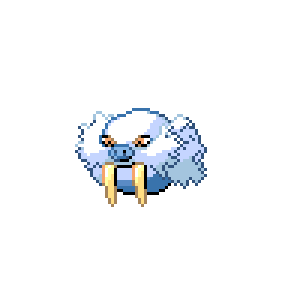
Walbarel have a thick layer of fat that keeps them warm during winter. They chop down trees with their sharp tusks to create dams along streams and rivers.
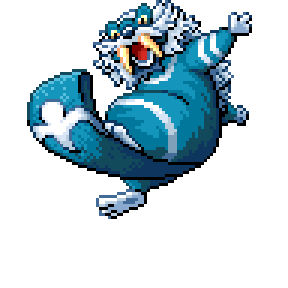
So long as the pink pearl in Clampyu's body remains intact, they can regenerate lost limbs and organs with ease. Many aquatic Pokémon exploit this fact by keeping the core of Clampyu safe so that they can consume the regenerated limbs.
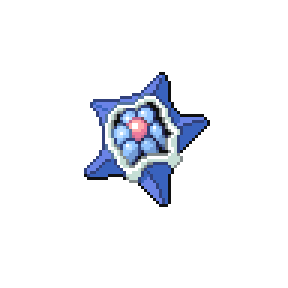
Despite living so far below the surface where little to no light reaches the depths, it manages to consistently wake up at dusk and fall asleep at dawn. Every midnight, Clamphoot lays an egg-shaped pearl that is stored in its nest.
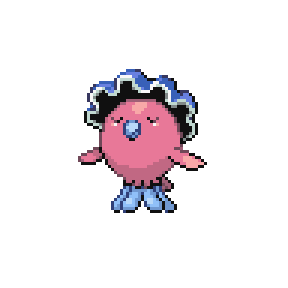
Clampink has several pearls in its body that act like ball bearings and are made from grit that enters its body. It ejects pearls from its body by spinning rapidly if it has accumulated too many, making them a reliable source of pearls.
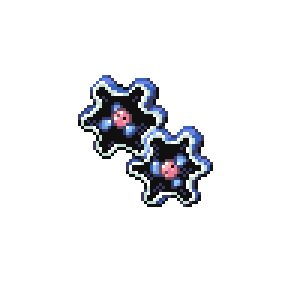
Hunts is drawn to divers who come near its home, as it can detect the awe and wonder that comes from people as they explore. Hunts happily escorts divers to show them beautiful sights of the deep ocean.
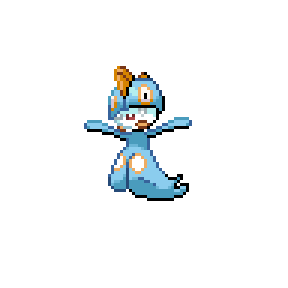
Gorepie has a diet mainly consisting of seaweed or algae, depending on its location. Whenever it finds a berry, it can only suck out the berry juice, as its long tubular mouth cannot chew the remaining berry rinds.
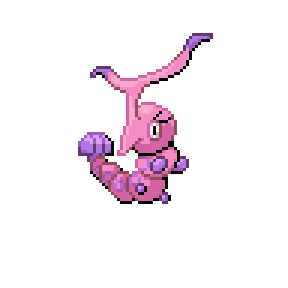
Goredra swim deep below the water in the twilight zone, a vast area of the ocean that receives little sunlight. They create glowing bubbles that sparkle to distract predators.
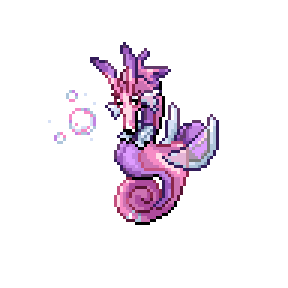
Gorefree sucks the life out of its prey through its thin, tubular mouth. When prey is scarce, or as a small treat, it will suck nectar from tropical flowers instead.
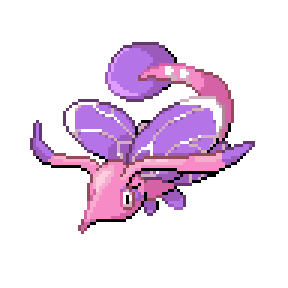
Goredash lures sailors and fishermen into the ocean by lowering its body to beckon them for a ride. Once its victim is on its back, it tries to escape into the sea to drown and eat them.

In the deepest parts of the ocean where sunlight is scarce, Reliking see the world through their pinhole-sized eyes. If brought to the surface, they are so overwhelmed by the light that many pass out.
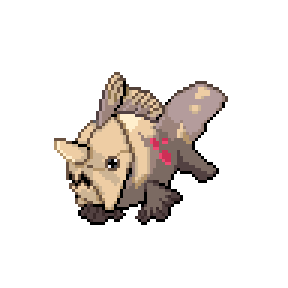
Relichou have an herbivorous diet that has remained the same for many years. The light that they emit from their antennae attracts other aquatic Pokémon towards them, which they see more as an annoyance than prey.
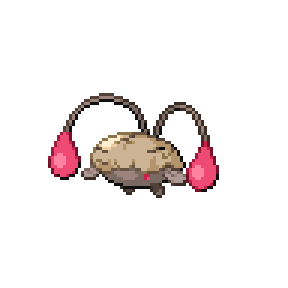
Relileep attaches itself near hydrothermal vents where it scoops up small aquatic Pokémon into its mouth with its tentacles. While immobile, its tentacles can stretch to twice its body length, ensuring Relileep can reach its next meal.

Deep-sea submarines often encounter groups of Relitle on the ocean floor. If light shines into their sensitive eyes, they will kick up sand with their long tails before retreating into their shells.
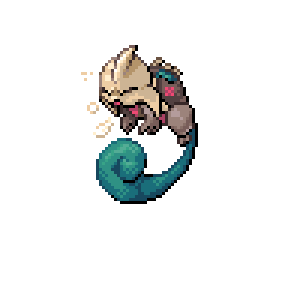
Woobamo leech blood from wherever they bite onto with their heart-shaped suckers. Many in rural jungle environments rely on them to remove venom from a bite.
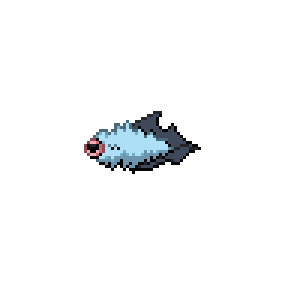
Swooking enjoy loafing around. Whenever their Trainer tries to get them to train, they let out an ultrasonic screech until they get tired or their Trainer gives up.
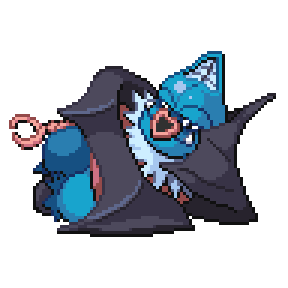
Tynapip gather into large groups to navigate the skies. Together they ward off predators by shocking them, combining each of their zaps into a great bolt of lightning.
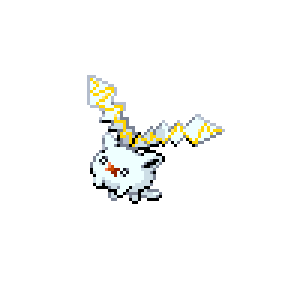
Schools of Tynawag travel together to ward off danger. By releasing an electrical charge from their stomachs, any Pokémon that tries to eat them receives a nasty shock.
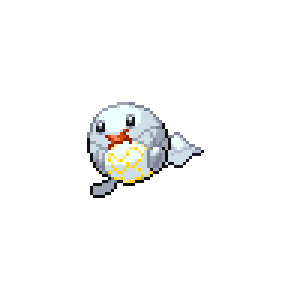
The petals around Eelnium's neck crackle with life, absorbing energy from the sun and converting it into electricity. Once their capacity reaches its zenith, bolts of solar energy zap their prey before they sink in with fanged teeth.
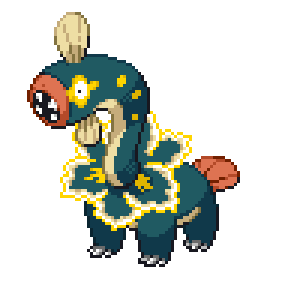
Primewak wield bony clubs in their arms to throw as boomerangs or leverage as a bludgeon. Their wrath is only matched by their devotion to their Trainer.
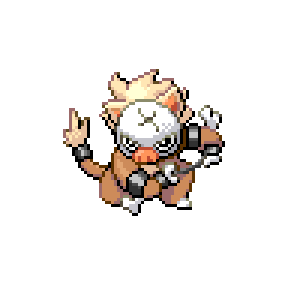
Its agelast tendencies create difficulty during training, as it is either too upset to laugh or the joke is beyond its understanding. A raw demonstration of courage and grit is necessary to gain its trust.
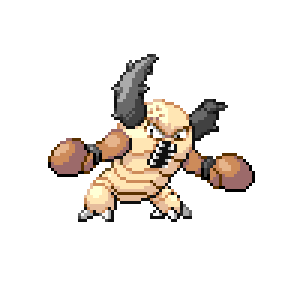
Primedrill love fighting with other Pokémon and achieve victory by unleashing a flurry of punches against their opponent. They reserve their stinger for deadly situations, as other Pokémon become seriously ill when stung by their stinger.

Primenaw wreak havoc alongside riverbanks where they make their homes. Their highly territorial nature causes them to lash out against other wild Pokémon who do not respect their boundaries.
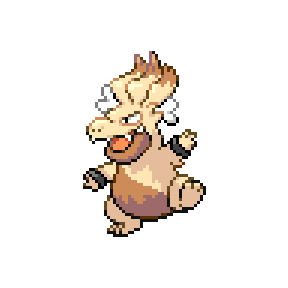
While Primefa may be small, its massive fists can pack a punch. It becomes particularly energetic when the full moon is out, sparring with those around it.

Though small, Primepy are difficult to calm down once they get into a tantrum. They tend to vent their frustration by uprooting plants, making them a nightmare for farmers.

Primegon2 can manipulate the position, scale and rotation of specific points on their body to introduce movement to animations. If animators attempt to repeatedly move their body in an unnatural manner, they get upset and lock movement for one minute.
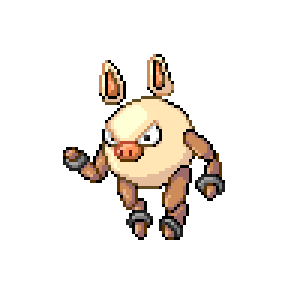
Primeleon are both wise and tough, making them reliable leaders of other Pokémon in the wild. Their protective instincts are as strong as their temper, which sends them into a frenzy whenever they are upset.

Whenever Primefetchd is upset, it flails its Mankey Paw to intimidate others. It rarely lands a hit with this paw due to some mysterious force.

Primeter swipe at other Pokémon with their sharp hands to scare them away from their territory. One wrong glance at a Primeter can send them into a rage that is difficult to control.
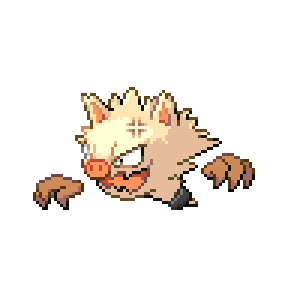
Eelekdrio hunt for prey by shooting bolts of lightning from their fanged mouths, chasing until their prey is exhausted. Once their prey is downed, each head scrambles to eat as much as they can, fighting to get the biggest piece of the meal.
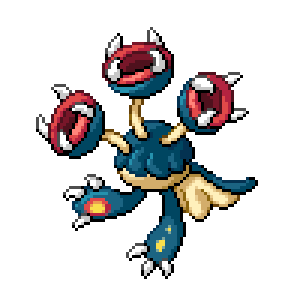
Skrefetchd carry their trusty leek baton with them as they follow ships at sea. They cluster around shipwrecks to steal food from abandoned pantries.
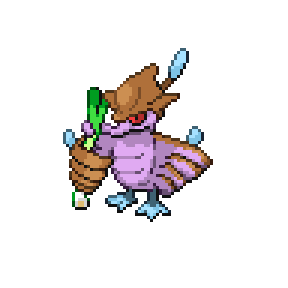
Dragalmise clings to the seafloor where it spits out poison at those who try to eat its algae. It is known to lurk near carcasses of Wailmer and Wailord, feasting on bones and rotting flesh.
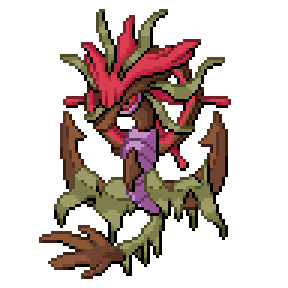
Dragalfetchd float above pirate ships that have begun to sink and wait until the food storage is underwater. They melt through wooden barrels with blobs of acid to secure their next meal.
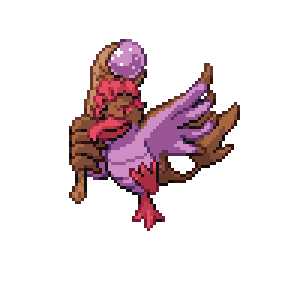
Shellper produce a sticky purple gel around their body that helps keep them hydrated. Whenever they move onto land, the gel trails behind them until they are completely dry, as any contact with the ground is painful for their sensitive skin.
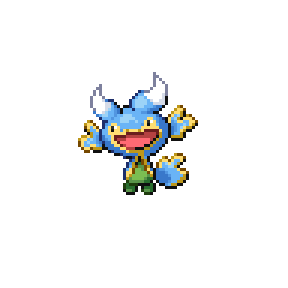
Gastrosire live in shallow tidal pools, where they remain close to a source of water to prevent themselves from drying out. They only move from their resting spot when it is raining, at which point they wander the area to search for food.
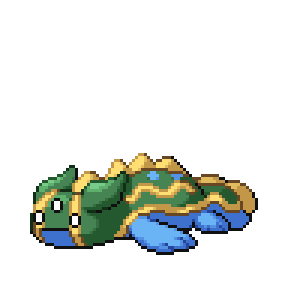
Shellrak combine the gel around their bodies with the stickiness of their webs, creating a net that is nearly impossible to remove once it makes contact with prey. Thankfully, the gel and webbing combo decomposes quickly, shrivelling up within a day.
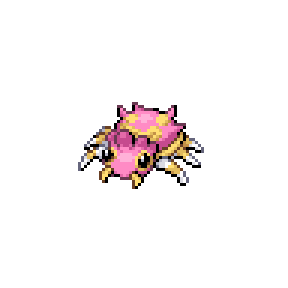
Shellts secrete a purple fluid from their head that glows whenever they detect positive thoughts. They are affectionate creatures that mark their friends with this fluid.
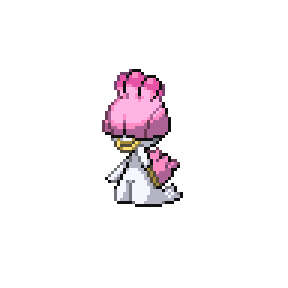
Gastrots enjoy leaving slime on those who express positive emotions, as though they were claiming that person as their property. This slime is difficult to remove, so many Trainers bring hand sanitizer to help remove this gel.
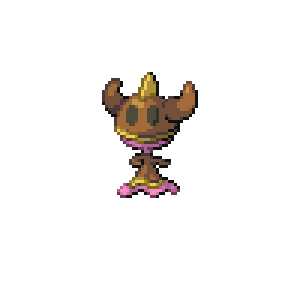
Growlbone carry flaming bone clubs that light their path at night. When they meet another Growlbone, it is customary for them to swap clubs and howl before continuing on their way.
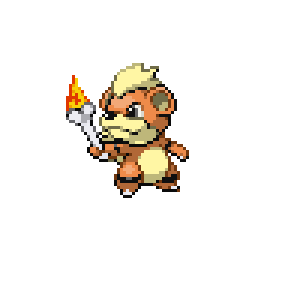
Growlbone love playing fetch with their Trainer and will happily dig up and provide a bone to make playing easier. When they are excited, they leave behind embers and charred grass as they chase after the bone.
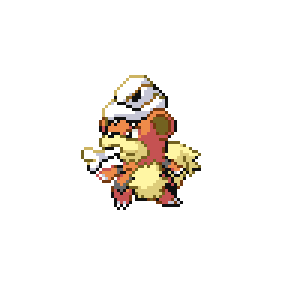
Growlgela does not like to have its vines cleaned and expresses dissent by sneezing out embers. It usually needs to be distracted while a stylist fashions its vines into something presentable.

Growlyu sits at the bottom of hot springs, where it regulates water temperatures using its natural body heat. It lets out small barks of distress whenever it detects impurities in the water.
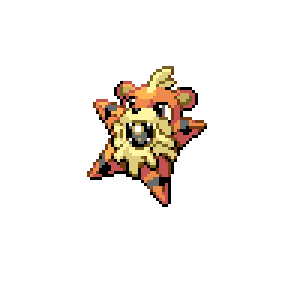
Whenever Growlava finds that its Trainer is having a panic attack, it relies on its heat and fur to comfort them, clinging to its Trainer to make sure they take a break. Once its Trainer has recovered, it backs off to give space to breathe.

Growlursa loves being praised by their Trainers, so they always do their best during a Pokémon battle. Whenever they feel scared, they whimper and try to find their Trainer.

Growldour may seem intimidating but are some of the most loyal Pokémon in existence. They are a reflection of their Trainer and will do anything from mundane obstacle courses to heinous crimes to please their master.
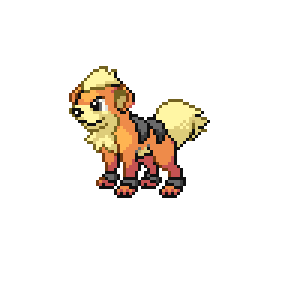
Whether the sky is clear or cloudy, Growlfairy will always howl at the moon at night. Packs of Growlfairy cause so much noise that many tired Pokémon avoid areas where they are found.

Growlpuff release hot air from their bodies to keep Trainers warm. When it is especially cold they light twigs on fire to ensure everyone is comfy.

Growlinch is found in deserts, where it digs holes into the sand to catch burrowing Pokémon. Its long tongue often flops outside of its mouth, as it relies on panting to keep its body cool.
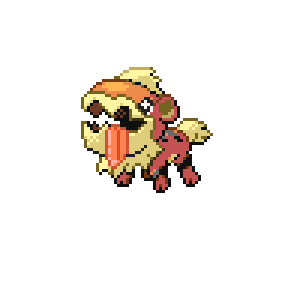
Growlmite floats around factories to ensure devices remain at a safe temperature. If any device begins to overheat, it will attempt to absorb the excess heat by pressing itself against the device.

The rhythmic sway of Growlno pendulums lures many Growlithe towards Fire Stones. Growlno does their best to encourage evolution, but the choice is ultimately up to the individual Growlithe.
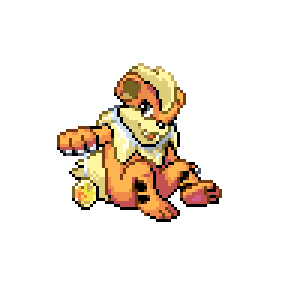
Arcashrew make their burrows at the base of active volcanos to keep themselves warm. They wrap their tail around their body whenever they fall asleep to insulate their body heat.

Arcamander are energetic little creatures that enjoy roaming around in the wild. They enjoy igniting small bundles of sticks with their tail.
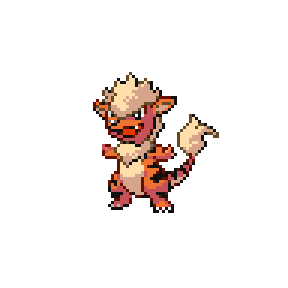
Arcatyena hunt together in packs and tear through prey with their sharp, flaming teeth. They are also territorial and will savagely attack those who enter their den to protect their kin.
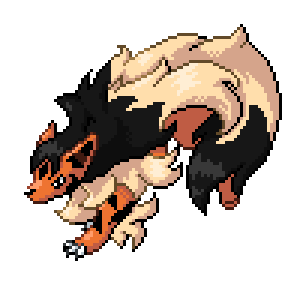
Arcalrock have a superb sense of smell and hearing that allows them to locate their Trainer within a crowd in a few seconds. They are hyperactive creatures that are difficult to contain when the sun shines bright in the sky.
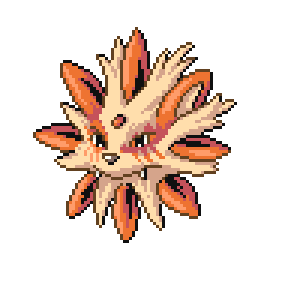
Charyu can summon powerful flames that erupt from the gem at the center of their body. These flames intimidate dangerous Pokémon into leaving them alone, and return into the gem they came from when the threat is gone.

Charyu summon powerful flames from the gem on their body to scare away dangerous Pokémon. These flames embody the spirit of a fierce Fire-type Pokémon that only listens to Trainers with as much passion as they have.
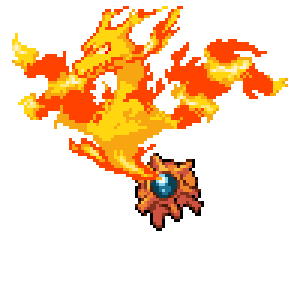
Charmie glide around beaches helping Staryu and Starmie back into the water after they are stranded at low tide. Their flames and telekinesis are said to grow stronger for each Pokémon they help throughout their lives.
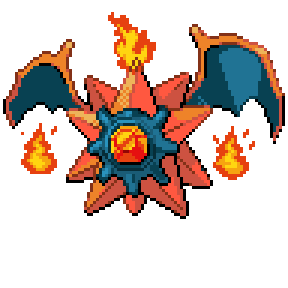
Chardle struggles to fly with its wings because of its small body. It overestimates the necessary force needed to remain airborne and cannot maintain a straight flight path as a result.

Charuna attacks anything that comes close to the branch it hangs from. It flails its flaming tail and large wings to scare away other Pokémon.
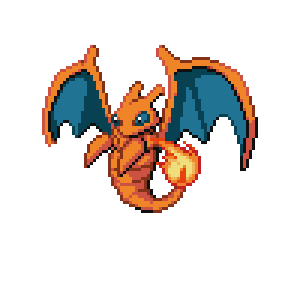
Whenever Chardrill needs an extra boost of speed, it ignites its tail stinger to propel itself forward like a rocket. This allows it to chase down honey thieves with terrifying speed, making escape difficult.

Charian scatter embers from their wings as they fly through forests. It is rumored that each speck of ember represents a star in the sky, though the veracity of this claim is unknown.

No matter how many Flamethrowers Chartoed shoots at its wings, they always remain wet. These heavy wings are uncomfortable to walk with, so it prefers swimming instead.

Charow stretches its long neck into burrows and bushes to find prey. If it cannot reach its prey, it shoots fire into the nest to lure prey out of their homes.
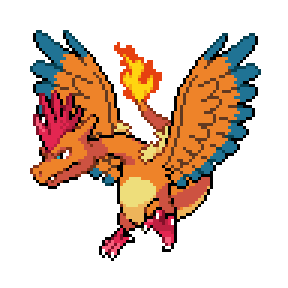
Charmory were once used by the military to melt through tanks with their fiery flamethrower and searing hot talons. Now that war is over, they live in nature reserves where they melt down scrap metal as an enrichment activity.

Charans have superheated fangs that can melt through metallic defenses. This amazing feat of biology is undermined by their lackluster appearance, which lacks horns or other unique features to make them distinct.

Charphan releases an obstreperous trumpeting whenever they are about to roll, which causes other Pokémon to hide. They ram into trees and bushes to knock down berries before charring them to taste.

Charans can take down large prey with their flaming fangs. Their superheated fangs melt through metal scales and shells, leaving few Pokémon capable of defending themselves against Charans.
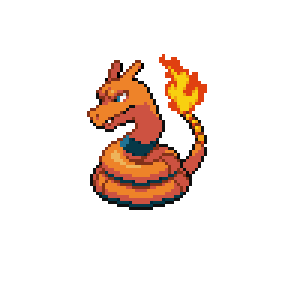
Chartank create boiling storms made entirely out of milk, raining down the hot liquid from the sky. Their hot temper and dangerously hot milk cause many to avoid encounters with Chartank.

Chartar have heavy bodies that their small wings cannot lift from the ground. They more than make up for this by releasing searing hot flames to burn anything in their path.
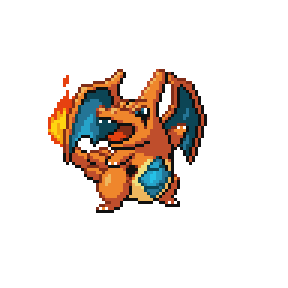
Chartar tend to keep to themselves whenever another Pokémon approaches. They grow incredibly irate when disturbed and will shoot out scorching flames to scare away other Pokémon.

Charitar unleash searing hot sandstorms whenever they are angry, which wreaks havoc on the local ecosystem. Many Pokémon avoid them out of fear, so many Charitar live life in isolation.

Chartomb releases a bellowing roar each time it emerges from its keystone. The flames around Chartomb are so hot that targeting its keystone becomes nearly impossible, as the flames evaporate water before contact is made.

Charfable soars through the sky during the full moon to absorb moonlight. It lights the night sky with beautiful displays of fire and ash because of its excitement.
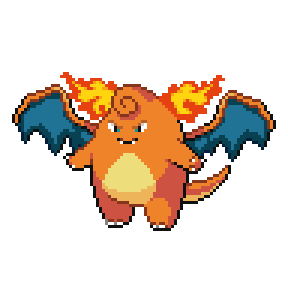
Charwick produce light without rest from dusk to dawn. They monitor streets during festivals and report anything suspicious to the police to keep everyone safe.
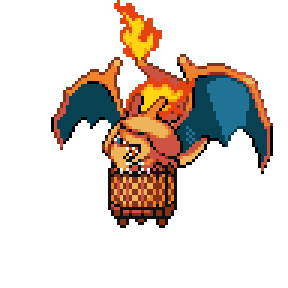
Charoth unleash fiery storms over their opponents but can rarely keep up the heat. Their tendency to burn out in the middle of battle creates anticlimactic moments of surrender as they fizzle out.
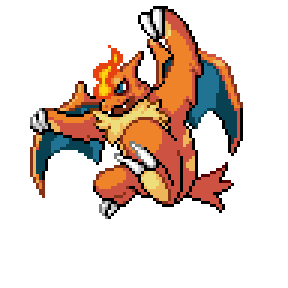
Charty have a swagger to their step that make them quite intimidating. Their flaming punches make them a tough foe to defeat, but their hotheadedness can be exploited to create a vital opening.
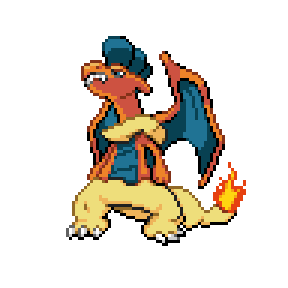
Charlett dig beneath mountains to spread the heat from their flaming bodies. If they ever stop, the ground around them becomes incredibly hot and lights any nearby plants on fire.

Charlett make their homes at the base of mountains and volcanoes where there is little vegetation to set aflame. The ground beneath them grows incredibly hot whenever they stay still, so they burrow to spread the heat throughout the tunnels.
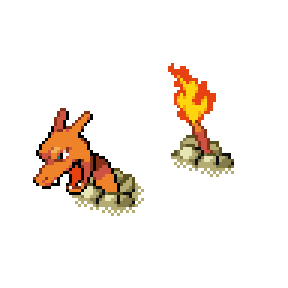
Charlett are the source of many root fires that burn underneath forests. Many struggle to find homes where they can safely remain still and often congregate near volcanoes where there is nothing to burn.

Charduck has major temper tantrums whenever it has a headache. The pain it experiences is expressed through blazing flames and flailing wings.
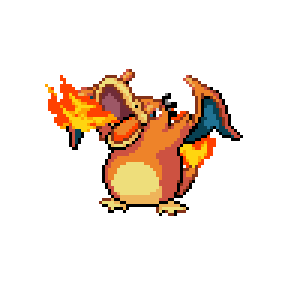
Charduck glide through the water to search for prey. Once they have located a suitable target, they lunge and tear into their prey with their clawed flippers.

Charduck release powerful flames that scald their prey. These flames cook their target from within, which makes the prey a fully cooked meal by the time they succumb to the flames.

Charton are made of three composite parts that protect each other. They harness electromagnetic waves and dynamic bursts of fire to defeat anyone in their way.
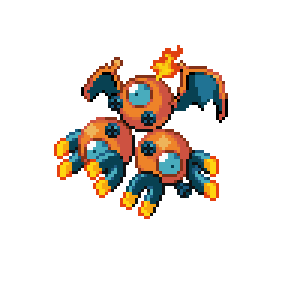
Charfetchd waves and spins its baton to send messages to other Charfetchd from a long distance. Whenever it spins its baton, it is a sign of joy or happiness.

Polipie wade in shallow water to avoid Flying-type Pokémon, and crawl onto land to avoid Water-type predators. This amphibious lifestyle has allowed wild populations of Polipie to flourish without human intervention.

Polizing produce a poisonous mist to obscure their presence from forest predators. Many Polizing have migrated into marshes near factories to eat the nutrient-rich sludge.
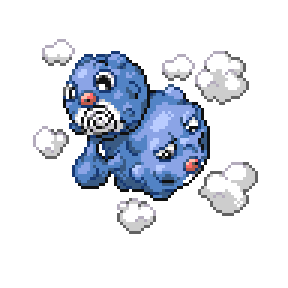
Polinx wade in shallow water to clean their long flowing hair and brightly colored dress, which never seems to get wet. This is because their hair and dress are coated with a hydrophobic material that allows water to slide off their bodies.

They are frail creatures because of their soft scales and fins and are unable to take many hits in battle. Most Trainers opt to use an Exp. Share to help them raise their Polikarp.
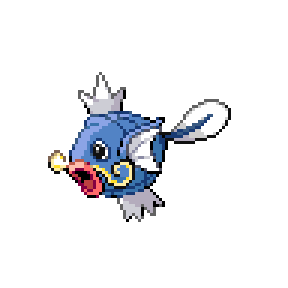
Polibuff are incredibly soft creatures that easily get tossed around by other Pokémon. They search for Kee Berries to toughen their soft bodies, which ends up hurting Pokémon they are tossed at.

It swings between trees in search of its next meal and communicates that an area is barren with a series of grunts and snorts. It latches onto a branch once it finds a Loquat or other fruits that resemble peaches.
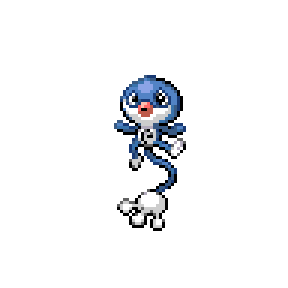
Polisel rely on shady underhanded tactics to surprise their opponents. One of their signature methods includes spraying water everywhere before freezing it with their icy claws.

Poligon-Z are mischievous creatures that post as gambling ads on the internet. Clicking on the ad brings up a pop-up notification where the user has to win or lose important photos and documents.

Poligon-Z are mischievous creatures that post as gambling ads on the internet. Clicking on the ad brings up a pop-up notification where the user has to win or lose important photos and documents.

Polibre can dive underwater for short periods of time because of the bubble atop their head. When they come back to the surface, the lily pad atop their head provides camouflage while the bubble fills up with air.
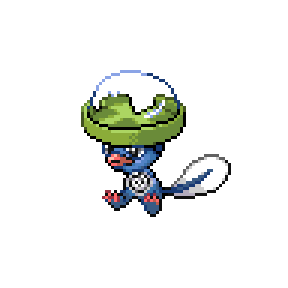
Polidisc are commonly seen swimming nearby whenever there is a love festival. Being sprayed with its Water Gun is said to bring great fortune to one's relationships.
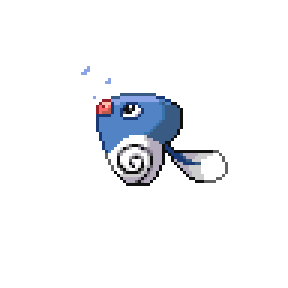
Poliboach can be caught by hand with a unique fishing technique called noodling. By placing one's hand near a burrow, one can cause them to latch onto the hand as a defense mechanism, making them easy to pull out onto dry land.
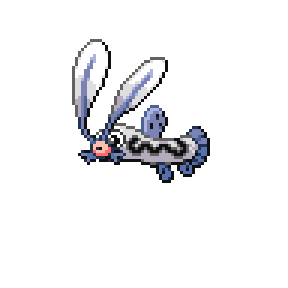
Poliperl serve as a refuge for Poliwag escaping predators, clamping down around a scared Poliwag to shield them from claws and fangs. Once the predator gives up, Poliperl opens its mouth to let the Poliwag back into the wild.
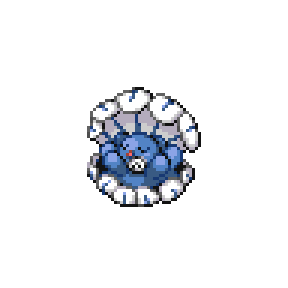
Politle hide in their shell whenever they are scared. The spiral pattern on their shells act as an optical illusion that confuses predators and causes them to miss their target. Once the predators are thoroughly dazed, Politle quietly escape.

Polita are amphibious creatures that can gallop across both land and sea. The bubbles they release in their wake are a telltale sign that Polita are playing nearby.

Poligon-Z are a nuisance found in old office PCs pretending to be a notification for a phone call. If a user clicks on the notification, Poligon-Z take over the system and fill the screen with a watery texture.

Poligon-Z are a nuisance found in old office PCs pretending to be a notification for a phone call. If a user clicks on the notification, Poligon-Z take over the system and fill the screen with a watery texture.

Politom enjoy helping people wash clothes, putting anything dirty in its body to clean. It can also help with washing dishes, though families need to make sure they do not mix dishes with clothes.
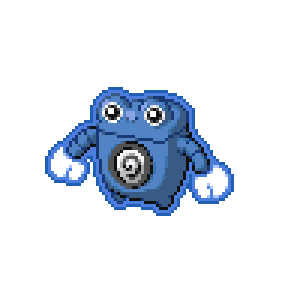
When predators are active, Poliperl gather Poliwag into its shell to protect them from danger. If predators try to pry open the shell, Poliperl punches them with its fists.
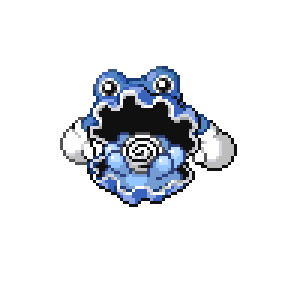
Poligon-Z are an inconvenience to people using the internet as they pose as an advertisement for a lost method of hypnosis. What makes Poligon-Z particularly frustrating is that they make clicking the close button difficult.
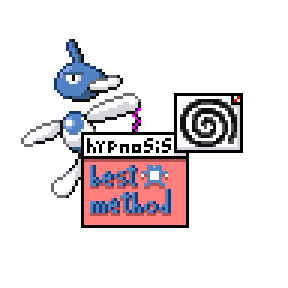
Poligon-Z are an inconvenience to people using the internet as they pose as an advertisement for a lost method of hypnosis. What makes Poligon-Z particularly frustrating is that they make clicking the close button difficult.
Politom has mastered the art of keeping houses clean. Most of their work revolves around cleaning dishes and clothes, but it also waters gardens with a gentle mist and cleans tools with pressurized blasts.
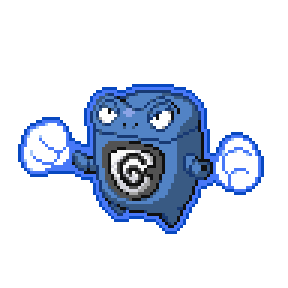
Polichamp love to flex their muscles, so much so that they find every opportunity to do so. They especially love to flex their chest muscles, which have an almost hypnotic appearance.
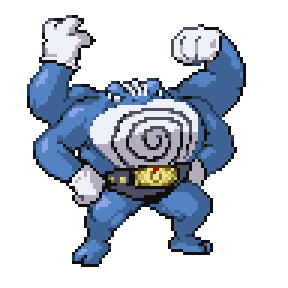
Abcute have the collective acuity of a twenty-year-old person and use this wisdom to hide themselves from Trainers. They detect patterns in how Trainers move through a route and teleport to more secluded locations.
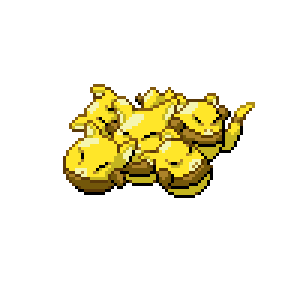
Abew sleeps atop a ball of psychic energy, which protects it from harm. It makes itself invisible so it can sleep without being disturbed.

Abrita enjoys mixing its Trainer's drinks with the spoon on its head, as it is always ready to help out in the kitchen. The small bumps around its neck secrete a sugary sap that enhances the flavor of caffeinated drinks like tea or coffee.
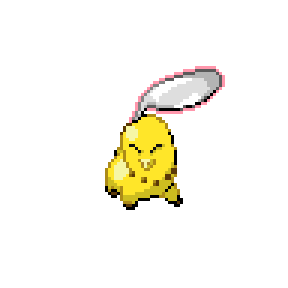
Abloom rarely touch the ground as they can levitate without exerting much psychic energy. When there are strong winds, POKNNAME lock themselves in place with psychic energy to prevent themselves from being blown away.
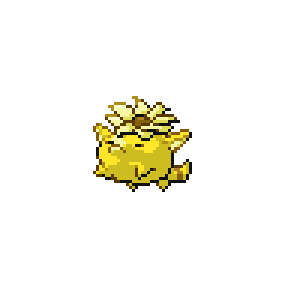
Abkid produces an arc of electricity while meditating to practice channeling this energy into a more potent form. If disturbed in this delicate equilibrium, it sends a bolt of lightning into the ground before teleporting away.
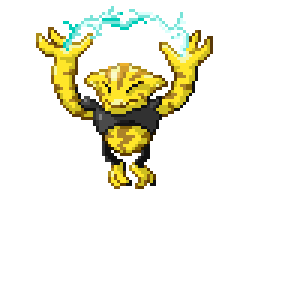
Abi is an ephemeral presence in the Pokémon world because it rarely remains in one place for long. Whenever it realizes it has been spotted, it teleports away to another timeline or location.

Abts are shy creatures and are known to teleport away if they get anxious. If a Trainer meets one in the wild, that means that the Abts feels safe and comfortable around that Trainer.

Absol is able to predict when misfortune will strike. Many Trainers attempt to ask it for predictions of the future, but it teleports away before any answers are given.

Abskull has an austere expression that can be off-putting for some Trainers. It meditates in crypts or graveyards to attune itself to the dead and improve its psychic powers.

At night, Abor teleport to a special location in the wild to gaze upon the starry night sky. They glow with eager excitement as they watch the sky waiting for something exciting to happen.
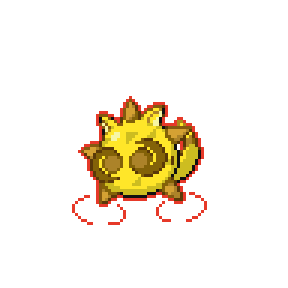
Abth are sly creatures that abuse their teleporting powers to steal coins. When they are inevitably caught, they teleport far away with their hoard of coins to avoid getting lectured.

Abduck release a burst of psychic energy each time they arrive at a new location through teleportation. This energy causes headaches in the vicinity until they warp somewhere else.
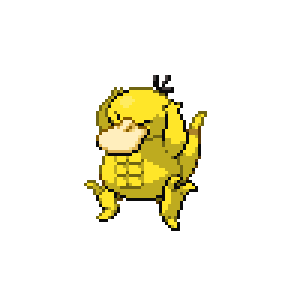
Abton are capable of tampering with electronics to obscure their presence. Even if a persistent Trainer manages to locate them despite the technical difficulties, this does nothing to prevent them from teleporting away.
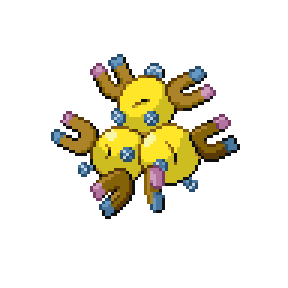
Kadagey amplify their psychic power by opening their wings to resemble the curvature of a spoon. This rudimentary resemblance to a spoon is enough to allow them to levitate berries.
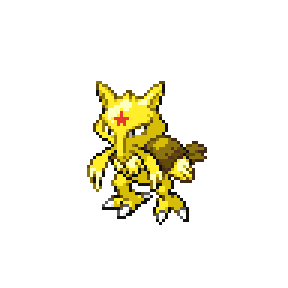
Kadapip harness their psychic powers to keep themselves on a steady path, otherwise a single gust of wind could blow them away. Many travel in groups of other Hoppip to minimize the risk of getting lost.

Kadatata channel psychic energy through their spoons to help them break locks on pantries. If unlocking the door with their psychic powers fails to do the trick, breaking the lock with their spoon is a popular last resort.

Kadaoh can create a field that bends light around them with a flick of their spoons. With this ability, they can reflect light around their body to make themselves seem invisible.

Kadatomb harnesses its telekinesis to carry itself wherever it desires. It often hides in kitchen drawers, where it possesses the next person or Pokémon who opens the drawer with its ethereal powers.
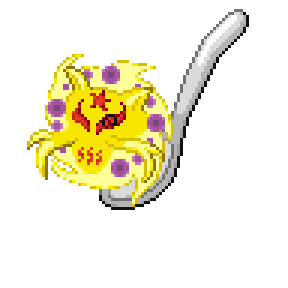
Kadadon are assertive creatures that love scratches on their shield-shaped head. Whenever they harness their psychic powers, the stars on their head glow with psionic energy.
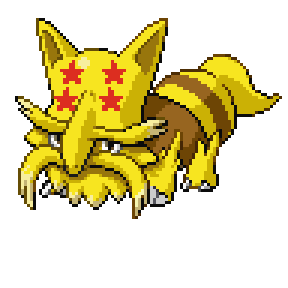
Kadamander enjoy the practice of bending spoons to demonstrate their psychic abilities. This act of psychokinesis can easily be replicated by warming the spoon in advance, a trick Kadamander rely on to hide their underdeveloped powers.

While Kadapede are capable of rolling on the ground, Kadapede prefer to levitate off the ground to avoid the risk of damaging their spoon. The spikes on their body ooze with venom that scientists can convert into antivenom.
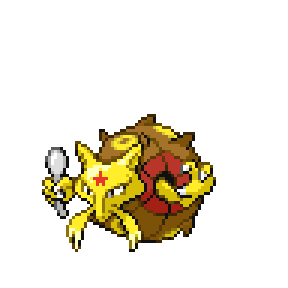
Kadaduck have a difficult time training their psychic abilities because of their forgetfulness. No matter how hard they strain, they cannot remember moments where they harness their psychic power.

Kadameleon love to demonstrate their psychic abilities, but this often requires more strain than it is worth, so they bend spoons with heat instead of psychokinesis. Despite being a well-known trick, many are brought onto live TV to perform.

Kadara develop their psychic powers by meditating with their spoon. Without this tool to enhance their psychic abilities, they are too weak to fight.

They will try to make a Twisted Spoon out of metallic objects, as it functions as a conduit for psychic energy. They are unable to do so because they lack the patience to bend metal, and most attempts stop before completion.

Kadaizard have developed a penchant for manipulating flames with their psychokinesis. Many people pay handsomely to see Kadaizard perform tricks and sleights of hand.
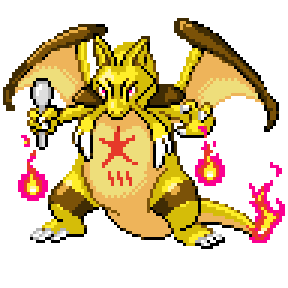
They utilize various trinkets such as the Power Band to weigh themselves down and further develop their psychic abilities. They are aware of the effects of the trinkets they collect and seek out ones that help put opponents to sleep.
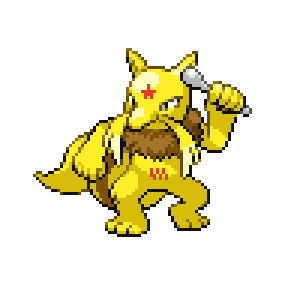
Alator have the collective acumen of a university professor, as each head is knowledgeable in a different subject. They harness their psychic powers to perform telekinesis and manipulate their surroundings.

Alamime are erudite knowledge seekers that want to better understand the world around them. Their ability to teleport and bounce Pokéballs away from themselves makes them difficult to capture.
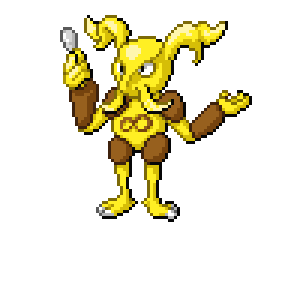
Alanx have visions of sublime beauty that they transmit telepathically to others. The subject of these visions varies, but they all center around stereotypically cute Pokémon.

By channeling psychic energy through miniature spoons, Alafa can summon strange powers with a rhythmic rocking. This Metronome ability is unpredictable and yields varying results each time it is used.

Alaossom cultivates plots of flowers for busy families that do not have time to garden. Its psychic powers manipulate multiple trowels to swiftly plant flowers. On sunny weekends, it encourages its family to spend time in the garden and relax.

Its attempts at a coherent thought turn into gobbledygook whenever its frequent headaches occur. This causes it to get angry and flail its spoon around, as though it is attempting to scoop the thought back into its head.

Marill train by using their round tail as a punching bag. Their stubby arms make it difficult for them to perform complicated maneuvers, so they rely on simple punches and jabs during their training.

Malax enjoy a salty bag of Pewter Crunchies, alongside plenty of water to drink. Not only do they remove the effects of paralysis and other conditions, but a bag of Pewter Crunchies also keep them full for a long time.

Matomb's phantasmal body is no match for heavyweight champions, who have advanced techniques to strike at its incorporeal form. Each spirit that comprises its body practices together to improve its technique.

Maran persevere through adversity by focusing on training, as the process of training is cathartic and physically engaging. Despite having a potent venom, they prefer to rely on their fists to defend themselves.

Mapunny needs lots of practice to improve its fighting prowess. Its unrefined technique gives opponents moments of opportunity to land a strike against it.

Maeary fight with zeal to improve themselves to become the best fighter in the world. These lofty dreams give them the inspiration to push through hardship.

Mabre are always in the mood for training, and many carry around weighted plates to keep themselves in shape. Even when they are resting, Mabre carry these plates on their head.
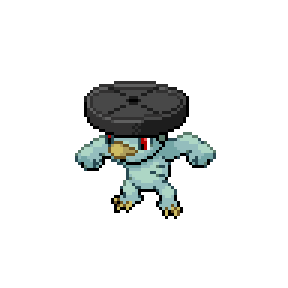
Mamel train their endurance for days at a time to improve their stamina. They get incredibly tired when it is raining because the water saps heat from their body.
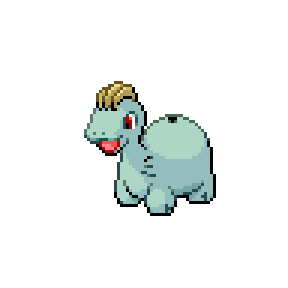
They are known to get upset when presented with a Mankey Paw, as they may believe that the paw came from another Makey. This odd phenomenon stems from the fact that they are quick to make assumptions.

Mamite expedites loading and unloading appliances from trucks by lifting them with the combined might of muscles and magnets. It can lift more than fifty times its body weight, which makes quick work of any shipment.
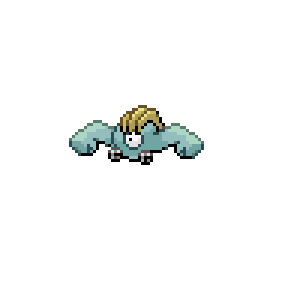
Mafetchd train with a pair of dumbbells to become a better fighter. They inspire the proletariat masses to improve their bodies and can be seen on posters as a mascot for self-improvement.
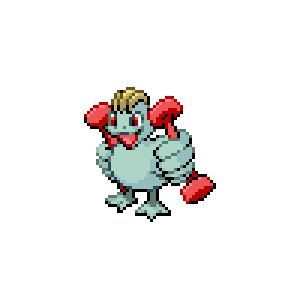
Mamer harness the power of their gooey bodies to give them an advantage when they are engaged with hand-to-hand combat. By grappling their opponents with their gooey bodies, they severely limit the range of motion of their foes.
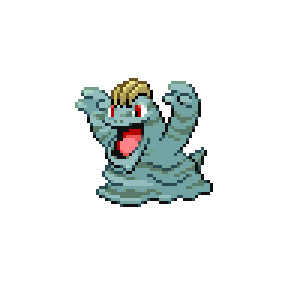
Mapod almost never skip a day of training, even when the rest of their body uses up most of their nutrients. The constant flexing of their arm ensures that their body remains in good shape.
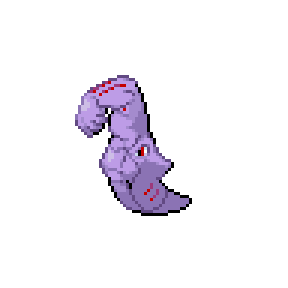
Matret gather berries so that they have food during winter, but do not like the dry flavor of the Wiki Berry. Their muscles allow them to carry many berries at the same time.

Masparce burrows underground by shoveling dirt with their powerful arm. When they are not digging underground, they are flexing their strength to Pokémon around them.
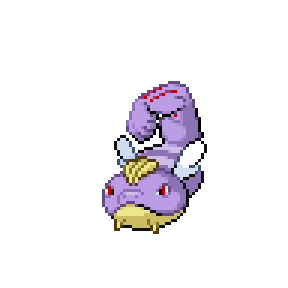
Mapunny swiftly dodges attacks with its refined footwork. Its footwork is only matched by its punches, which can punch holes into solid steel.

Whenever Malous want to hug their Trainer, both heads need to cooperate. Earning a hug from Malous is difficult if the Trainer neglects one of the heads.
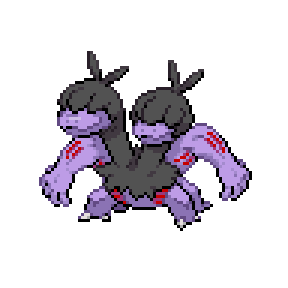
Maroth have lots of energy and enjoy roughhousing with their peers. They love when wrestlers come to them to demand a wrestling match because they get a chance to try new techniques.
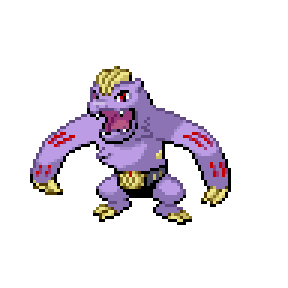
Maode launch lightning-fast punches to overwhelm their opponent but get tired after unleashing their attacks. Their poor sportsmanship leads many of them to explode in anger if they are unable to achieve victory.

Macargo crawl near mountain hiking trails in order to pick up garbage left behind by careless hikers. They come out en masse every weekend to carry massive bundles of trash to the nearest landfill, ensuring their homes remain clean and tidy.

Mabok are capable of paralyzing foes with a menacing glare. They wrap their tail around foes to restrict movement before they unleash a flurry of punches.

The flower on the back of Masaur is so heavy that they need all their limbs to support themselves when they move. Their leg muscles become so strong that they can shatter boulders with a kick from their stout limbs.

Maink works along assembly lines to bend and fold steel rods into components used to build large machines. It takes a break every hour to apply lubricant to its joints before continuing its work.

Even though Machop have small bodies, their strong arms give them the strength to push through any challenge. Many help construction crews lift steel beams to complete projects.
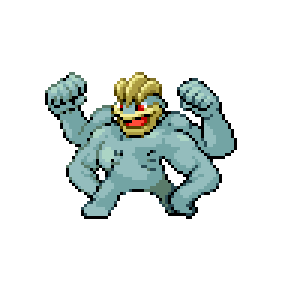
They pick up trinkets from Trainers that pass by and use them to make themselves sturdier. They are particularly fond of a Power Belt since it is the easiest to attach to themselves.
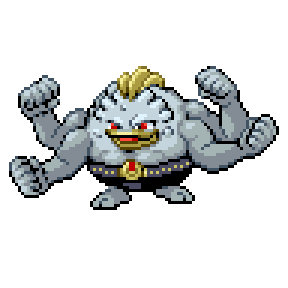
The leafy limbs of Bellyu sprout vines to drag themselves towards kelp forests. When a large predator is nearby, they plop down onto the sea floor and cover themselves with sand.

Bellkarp are raised in nurseries for their ultra-absorbent roots that constantly grow from their bodies. Arborists reinforce the roots of saplings with Bellkarp roots to ensure the saplings get plenty of water.
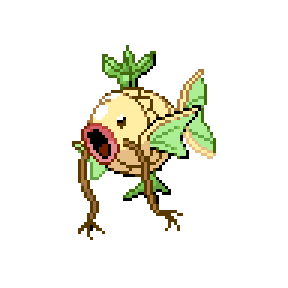
Bellkarp were once hunted by apothecaries for their absorbent roots, which were believed to suck away curses and hexes. Nowadays they are raised in nurseries for those same roots to create emergency sponges to soak up blood.

Belldos quickly eat their fill by flying from forest to forest siphoning nutrients from existing root networks. Ancient alchemists once believed that Belldos roots can suck away curses and diseases.

Bellrita are often brought into classes where they help teach children about how Pokémon eat. Bellrita have three methods of eating: absorbing nutrients in the soil, creating food through photosynthesis, and eating other Pokémon.

Bellans's tails are cultivated and mixed with other herbs to produce an Energy Root, a bitter clump of roots that heals Pokémon. They prefer humid climates, so Bellans nurseries are built near jungles.

Bellbok's tails are cultivated and mixed with other herbs to produce a Big Root, a large clump of roots that help Pokémon absorb nutrients. Their underbellies look like a large predator, which causes other Pokémon to leave them alone.

When perfectly still, Bellsly are indistinguishable from a Bonsai plant. Many monasteries have Bellsly living among the monks to facilitate a calm atmosphere.

Bell Jr. enjoy copying the movements of other Pokémon and are known to sprout roots to create extra limbs to copy multi-limb motion. Scientists are studying these auxiliary limbs to improve prosthetics for Trainers and Pokémon.

Bellshrew burrow under gardens to release roots that connect to other plants in an area. This allows it to grow quickly by absorbing nutrients and moisture without moving.

Belldew sprout vines to take care of the bulb atop their heads by keeping it clear of debris. When an herbivorous Pokémon tries to eat them, they sprout razor sharp leaves that cut at the face of the herbivore.

Bellsion slowly dissolves Bug-type Pokémon into its membrane by soaking them in its gelatinous body. Once dissolved, the nutrients are absorbed through the exposed roots within the gel.

It lives in mushroom forests where the peat below its feet is brimming with life. Whenever it rests, it burrows into the ground and releases spores to maintain the nutritious peat.
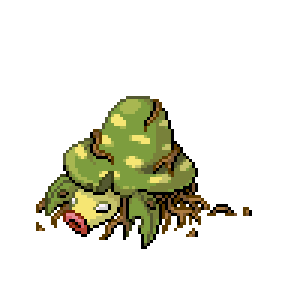
Bellkaboo linger around monasteries to observe monks meditating and often join in on this practice. They also help chase away malicious spirits that try to interfere with meditation.
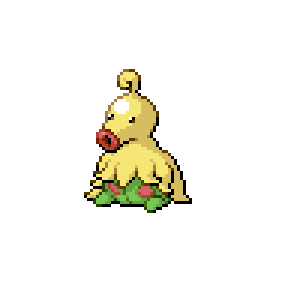
Bellyena make their home out of hollow logs, which give them a fresh supply of Bug-type Pokémon. They can also surprise small rodent Pokémon by pouncing out of the hollow logs.
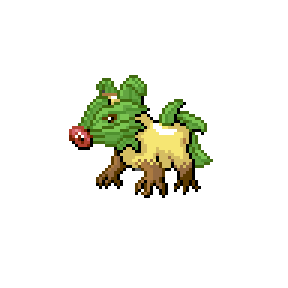
Bellwag hops onto its swirled belly and swipes with its leafy tail to sweep foes off their feet. This swift motion is copied by many professional wrestling and is known as “The Bellwag Sweep”.

Bellbra resides in temples and monasteries to meditate. It lives an ascetic lifestyle by eating very little and restraining itself from playing with other Pokémon.

Belldash run through open pastures to absorb sunlight and graze on the grass. When the sun sets, their flames grow dim as they siphon nutrients from their roots.

Each Belldrio head has their own personality and preferences, leading to frequent arguments among the heads. Hunting is one of the rare occasions where they can focus and avoid fighting amongst themselves.

Bellder are wrapped in leafy foliage to better disguise themselves within kelp forests. Their small mouths are unable to open wide enough to eat small aquatic Pokémon, so they opt to eat bones instead.
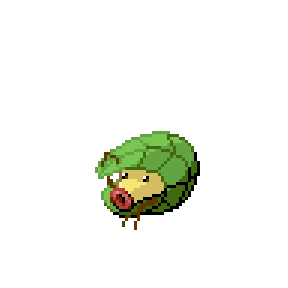
Bellster have small mouths that cannot fit most aquatic Pokémon, so they gather fish bones using their vines and digest those instead. The only time their shell slams shut is when there is danger nearby.

Squirtor enjoy lounging in the summer sun at tropical beaches, as they wear sunglasses under the shade of an umbrella made out of scutes. Their laidback attitude is contagious, prompting many weary Trainers to rest with them.
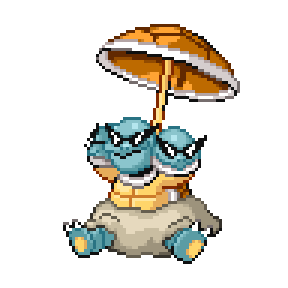
Squirtyu have cerulean-colored limbs that they can tuck within their shells to protect themselves from danger. Each of their arms can fire bubbles and bursts of water.

Squirtdle eats lots of leaves to ensure it has enough energy to go through the entire metamorphosis process. Its only defense mechanism is its ability to spray water.
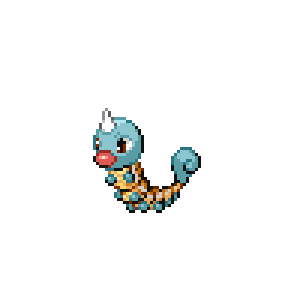
Squirtras were once endangered because of intense hunting of the species, but thanks to the efforts of a diligent breeder, they are no longer endangered. Trainers are still advised to avoid approaching baby Squirtras because of their protective nature.

Squirtuna hangs from tree branches where it hides in its shell until its metamorphosis is complete. It squirts water from the crevices of its shell whenever it is threatened in the hopes of deterring predators.

Squirtdrill has a small stinger that is soft and underdeveloped. It instead shoots streams of water or venom to deter threats.

With a set of sunglasses and padded scutes over their body, Squirtligatr are always ready to have fun. One of their favorite activities include tug of war, where they can use their jaws to tug as hard as they desire.
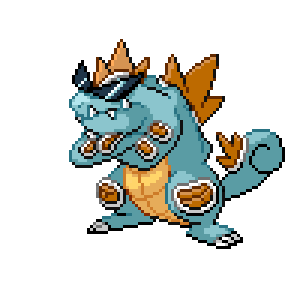
Squirthoot bobbles its head back and forth for every second that passes. This makes retreating into its shell difficult, so whenever it is in danger it spews out a watery foam.

Squirtotto hides in tall grass to ambush Bug-type Pokémon, which are its primary source of food. When it spots a suitable target, it shoots a jet of water to stun its prey.
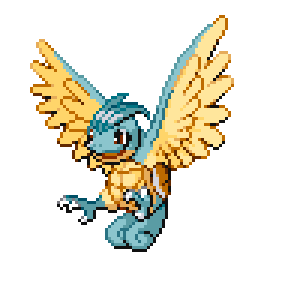
Squirtfa dances under the moonlight around lakes, channeling lunar energy. Its horns shoot bubbles that shimmer in the night sky.

Squirtpi have tough shells made out of the remnants of an egg. This shell can shed small pieces to accommodate their growing bodies.

Squirtgeot releases small bubbles of water whenever it flies above trails and other natural pathways. The trails have warnings that remind people to carry umbrellas to avoid getting wet whenever it takes off.
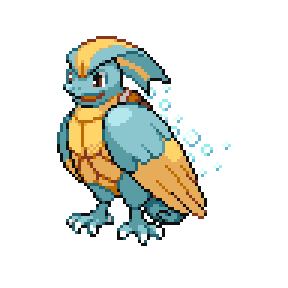
Whenever Squirtrill is in danger, they thump their tails against their chest to call upon their kin. After they are out of danger, they offer to give a watery bath to whoever rescues them.

Squirtpom surround the hand at the end of their tail in a bubble of water to splash foes with a slap. This simple prank entertains many wild Pokémon that observe them from a distance.

Squirtsire are simple creatures that enjoy staring at wildlife around them. On the rare occasion they are pestered by another Pokémon, they retreat into their shell until the other Pokémon loses interest.

Squirticate eat twice their body weight in berries, seaweed, and fish Pokémon. They hoard excess berries in their burrows, but their fast metabolism means that they rarely keep that hoard for long.

Squirtrow pull bug Pokémon out of burrows using their beak to secure their next meal. When faced with a larger predator, they tuck their wings in and hide inside their shell.

Once Squirtckle enter their shell, it becomes incredibly difficult to hurt them. They ferment Berries in this shell to ensure that they have a steady supply of Berry Juice. Many stick straws into a Squirtckle's holes to drink this fermented juice.
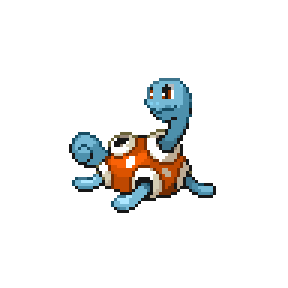
Squirtrow pecks at bug Pokémon burrows with their elongated beak. They release foam from their beaks that slowly floods burrows, forcing bug Pokémon to find an exit.
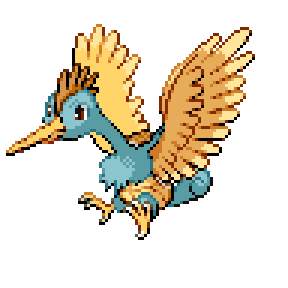
Squirtdoom enjoys playing with baby Pokémon but often intimidates them with its large size. Learning to contain its excitement is a big challenge, as it loves to spray water from its mouth when excited.
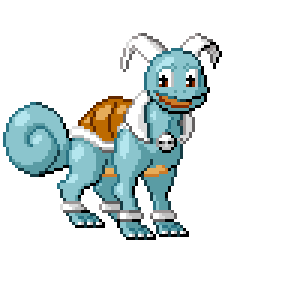
Squirtpy rely on their trunk to suck in water to spray into their mouths. This trunk can also reach behind their back to hose down any mud stuck to their shell.

Squirtank are too big to tuck into their shells, so they spray milk at other Pokémon who are mean to them. They also have the option of rolling over other Pokémon if it means being left alone.

Whenever Squirtar are slighted in any way, they act petty and cause inconveniences towards others. One of the ways they get back at others is by creating a patch of mud for Pokémon to trip on.

Squirtshrew tunnels underground to locate soft clay to consume. If the clay is too hard to eat, they spray water onto the clay until it is soft enough to eat.

Squirtslash tunnel underground by shovelling dirt with their claws. If the dirt in front of them is too tightly packed, they spray the area with water to loosen the dirt.

When the weather is hot outside, Squirtran sprays its nestmates with water to keep cool. This activity helps it develop bonds with its nestmates by encouraging social play.
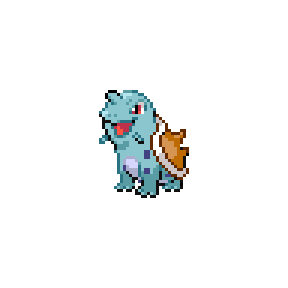
Squirtrina likes to take mud baths alongside its nestmates. If weather conditions are too dry, it makes its own mud by spraying a dirt patch with water.

Squirtqueen love to play with others but engage in reckless play that can harm their nestmates. They make an effort to be gentle so that their sheer size does not hurt anyone.

Squirtlord have hearts that are the size of a Snorlax and blood vessels so large that a Squirtle could swim down them. They have a thick layer of blubber that keeps them warm in the cold sea.

Squirtlure can be found as opulent light fixtures in sunken ships. Staring at one too long can cause a person to feel parched.
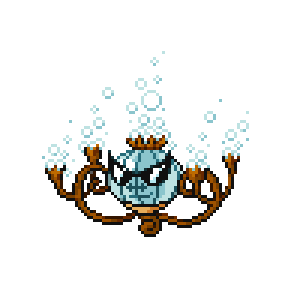
Squirtsis are surrounded by a mysterious gel that cushions blows from kicks and punches without transferring the kinetic energy into the rest of the body. Squirtsis breathe through this gel and spray foamy water to release excess moisture.

Squirtbat glides inside caves to find Trainers to pull pranks on. One of its pranks involves squirting water onto Trainers when their back is turned.
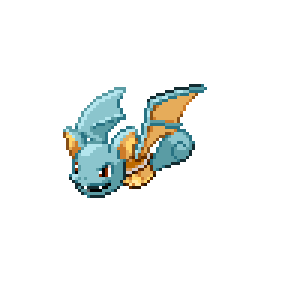
Squirtbat are nocturnal creatures, wrapping their wings around their shell to protect themselves while they rest. Once night comes, they ram into Bug-type Pokémon with their sturdy shell to subdue their prey.
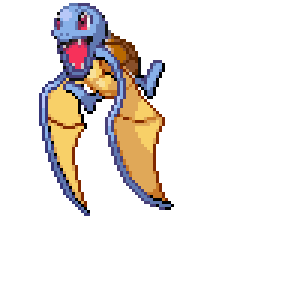
Squirtish waddles in marshes and swamps to find reeds to eat. Its small size and tough body make it unappealing to predators that would eat it.
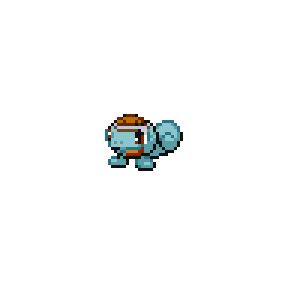
Squirtish eats reeds in swamplands to turn the color of their leaves into a bright color. This signals to predators that it is poisonous, which results in them leaving it alone.
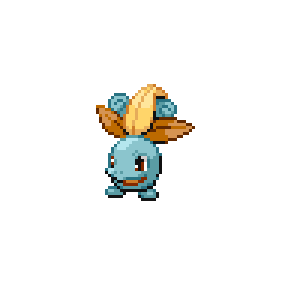
Squirtlu soar through the sky in search of rain clouds to rest in. Once they find a suitable cloud, they rub their bodies clean of dirt and grime and leave their bubbly body spotless.

Squirtplume releases bubbles from its flower, which is enveloped by multiple thick shells for protection. When resting, it prefers to lean on one side, as the shells on its head are heavy.
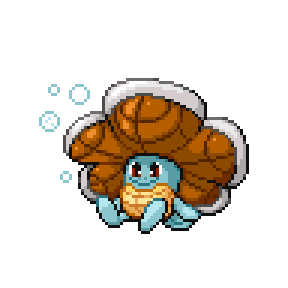
Squirtduck cannot withdraw into its shell because its head is slightly too large. This does not stop it from trying and it may hurt itself from overexertion.

Squirteal get the attention of their kin by slapping their shell on the stomach. When this attracts the wrong sort of attention, they retreat into their shell to protect themselves from beaks and claws.
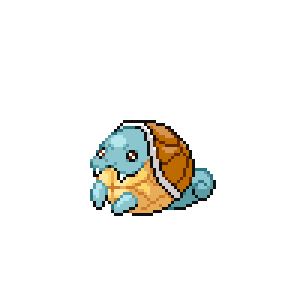
Squirtail has a soft spine behind its shell armor, so it is constantly on the hunt to replace old or damaged shells. It lures prey close with its bubbles, creating a trail towards its mouth.
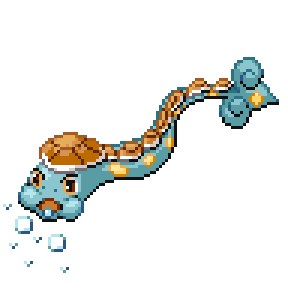
Squirtlithe are easily frightened by loud noises and will bark while hiding inside its shell. Trainers can help them feel at ease during thunderstorms by making sure to give them something warm to hold onto and lots of love.
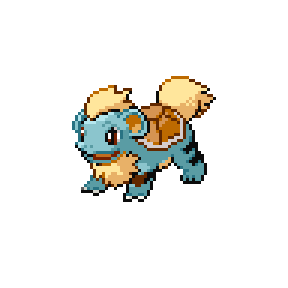
Squirtnine love putting out fires even when they are not supposed to and are especially disobedient during barbecues. Many Trainers have them enlisted at firefighting academies to lean into that desire to help others.

The toned muscles on a Squirtchamp's body are sturdy enough to protect from incoming attacks. The only soft spot on a Squirtchamp's body is on top of its head, which it protects with a small shell that it wears like a hat.

Squirtcool form tentacles made of bubbles that latch onto prey. After a lengthy struggle, they release a cloud of toxins to eat away at their prey.

Squirtdude live near mineral springs. They fiercely defend their homes and throw rocks at anything that pollutes the water.

Squirtpoke feel incredibly relaxed when in the presence of those they love and often fall asleep as a result. This sign of comfort confuses many people who want a pet Pokémon, and they are less likely to be adopted as a result.
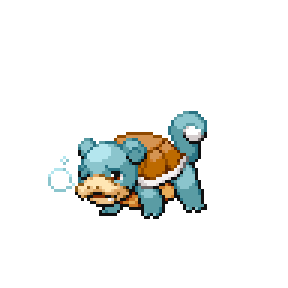
Squirtfetchd carry a baton that produces bubbles when swung. This baton can produce bubbles without relying on soap, making Squirtfetchd safe for children to play with.
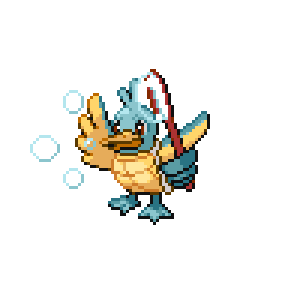
Squirteel thump their flippers against their shells to signal for the whole group to assemble for a game, inviting any nearby Trainer to join in to ensure that all involved have a good time.

Weepinpie have an insatiable appetite because of their powerful stomach acid. They can eat twice their weight in leaves and still feel hungry enough for more.
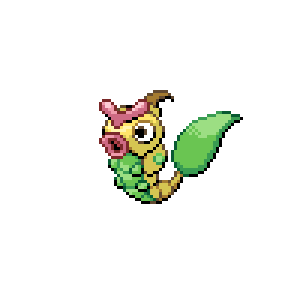
Weepinking are capable of eating leftover bones because of their powerful stomach acids. They follow apex predators to eat their leftovers and have to be careful not to become prey themselves.
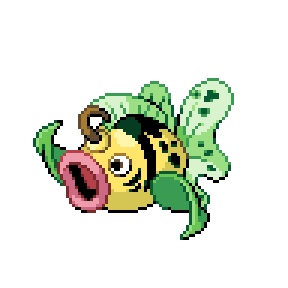
The stinger of a Weepindle connects to the same glands that produce their powerful stomach acids. With a single sting, they can cause biological matter to corrode into a thick sludge.
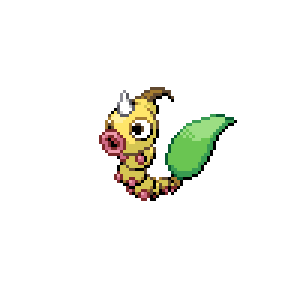
Weepinair live in environments where nutrients can be hard to find, so they often eat their own scales after shedding them. The scales are then melted by their corrosive stomach acid and absorbed into their body.
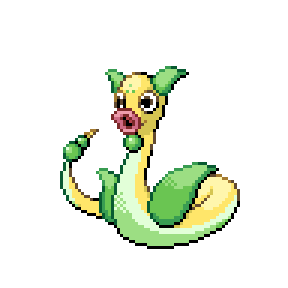
Weepinbuff bounce around to keep themselves entertained. When they bounce with a full stomach, they often get sick and need to expel the contents of their stomach.
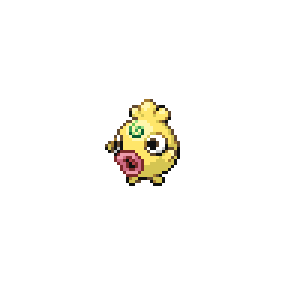
Weepinshrew maintains its sharpened leaves by scraping them against rocks. It burrows underground to find plant roots to eat.

Weepingon-Z help scientists study the effects of stomach acid on biological matter. By producing leaves that leave a biological marker, they determine the composition of the acid and the rate at which it dissolves biological matter.
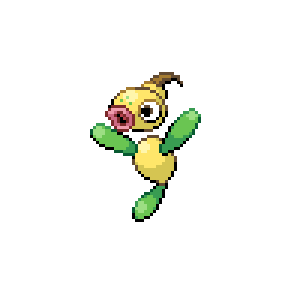
Weepinmander lie flat on their stomach to avoid having their tail burn their sensitive bodies. They demand very little from their Trainer due to their sedentary lifestyle.
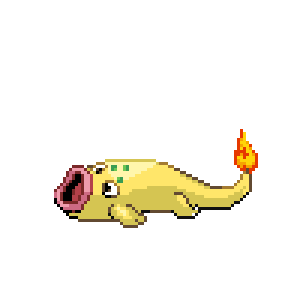
Weepinloon float about jungle forests looking for flying Bug-type Pokémon to consume. When they find their prey, they open their mouths wide enough to swallow prey whole.
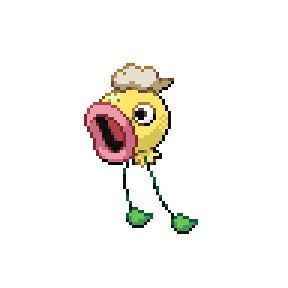
Weepinpet search graveyards to find Bug-type Pokémon to consume. They help keep graveyards free of pests by swallowing their prey whole.
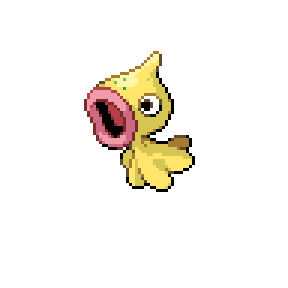
It has adapted to the desertification of its natural home, which is caused by poor farming practices that dry up the soil. Rather than use its bell for catching prey, it stores bones and rocks to decay into nutrients.
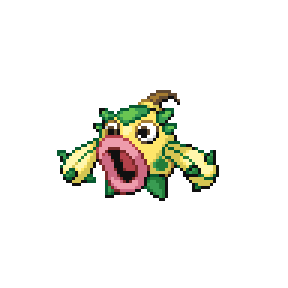
Its roots are insufficient for draining nutrients from the soil and require help from a Trainer through a Big Root or other item. It integrates the item with its body, which provides an extra kick to help it absorb all the nutrients it requires.

When threatened, Weepintle withdraw into their shell and sprout roots from the ground to entangle nearby Pokémon. These roots are bitter yet nutrient-rich, so many apothecaries follow Weepintle around to collect these roots.
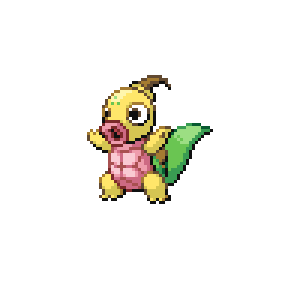
Weepinter are quite scary to children because of their thin lips and sharp teeth. Their leafy hands haunt the imaginations of many children.
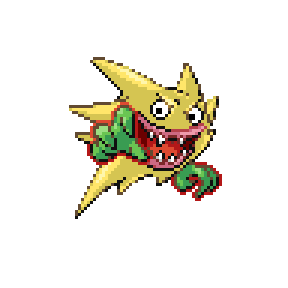
Weepinix extend a long network of roots to cling to rocks that they pull along as they dig through soil. These rocks get smaller as Weepinix leech minerals, which is why they are always looking for more rocks to add to their tail.
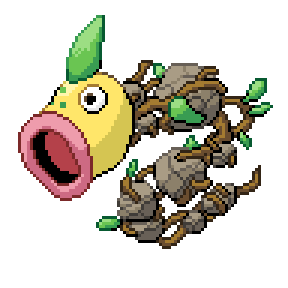
Droplets of jujube nectar cling to the inside of the bell, which lures in prey. Once it ensnares a bug, its digestive juices dissolve its target before repeating the process.
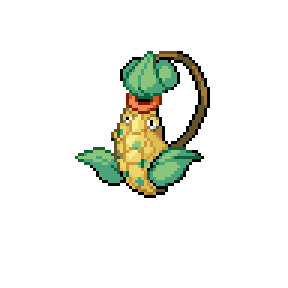
Victreeossom secrete a sweet nectar that they collect in their large mouths. They are raised by restaurants to use their tails to lather the nectar onto baked goods, providing a sweet and glossy finish to delicious treats.

At night, the stomach acid of Victreereon bubbles up their necks and to their mouths. This causes them to drool a golden ooze that is highly corrosive.
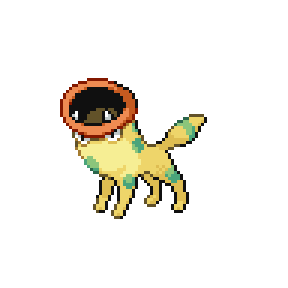
Victreetad lurks in shallow water where it waits for prey to swim close. Once its prey is in range, it scoops them into its maw to secure its next meal, using the lily pad on its head to prevent escape.
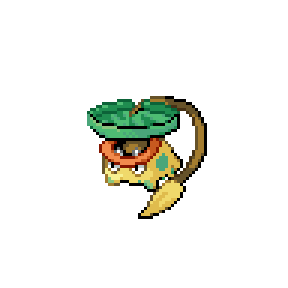
Victreedrio have three separate stomachs that connect to one intestinal system, which make them quite ravenous creatures. They eat a high protein diet of Bug-type Pokémon to keep themselves full as long as possible.

Tentapie have short tentacles that provide little defense against predators. They release sticky silk that clings to feathers, giving them just enough time to hide in a small crevice.

Tentawak protect their soft bulbous head by swinging a bony club with their tentacles. They practice their swinging technique by slamming the club against stones.
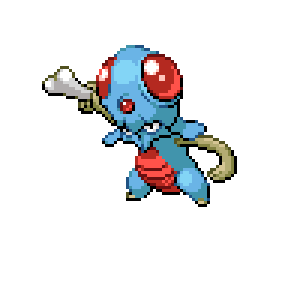
Tentaotto can be found resting on beachside cliffs after hunting in the ocean. It is known to attack other Tentaotto that invade its territory.

Tentaking are tranquil creatures that feed on seaweed and algae. Whenever they are bitten on the head, they release psychic waves that compel nearby Pokémon to move closer to the sea, including itself.
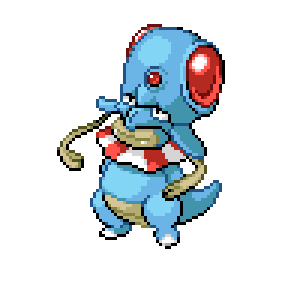
Its tentacles act as sensitive radars, operating best when it is well-hydrated. Whenever it gets dehydrated, its tentacles shrink in half.

Tentaran collects berries for its nest with its long tentacles. It releases a gel from its tentacles that helps clean its nestmates.

Tentarina dredges up seaweed from the bottom of the sea to bring back to its home. Its sensitive tentacles groom its younger nestmates whenever it has spare time.

Tentaran store venom in haematic-colored bulbs that is injected through tiny barbs on their tentacles. The barbs open and close depending on the situation, allowing them to safely hug other Pokémon.

Tentabat quietly flutters through caves to find its next meal. Once in range, it wraps its tentacles around its prey to make injecting venom easier.
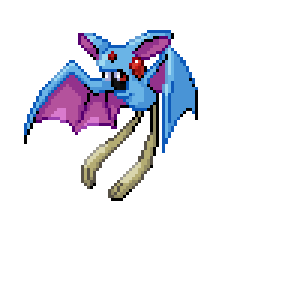
Tentaliper scoops up aquatic Pokémon into its bill by grabbing onto them with its tentacles. Its bright red bill can hold up to five gallons of water, which it drinks from whenever it is in the air.
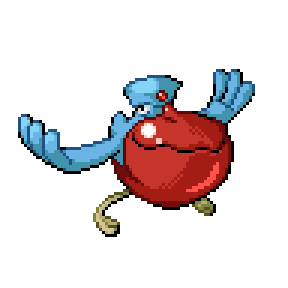
Tentafetchd jabs at its prey with its poisonous barb and stalks them until they are too tired to resist. Chemists have yet to figure out how its baton never seems to run out of poison.

Marine biologists speculate that Tentatops can tell when Wailord are nearby when bioluminescent Pokémon scatter. Regardless of the veracity of this claim, Tentatops often swoop in front of Wailord to slice up prey.
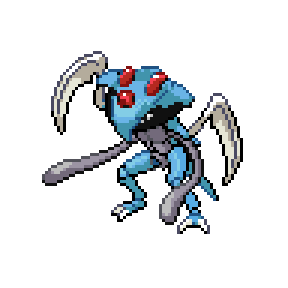
Tentachu has tentacles that release an electrical charge on contact. Despite this, it wants to hug Pokémon that can endure the shock.

Tentadily have long and grotesque tentacles that have inspired many tall tales. In more recent memory, they have played leading roles in movies as oceanic monsters.
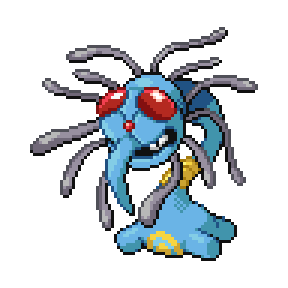
Tentaplume store pollen in the sanguineous bulbs on their head. They can sprout tentacle vines from their back to bring food to their mouths.
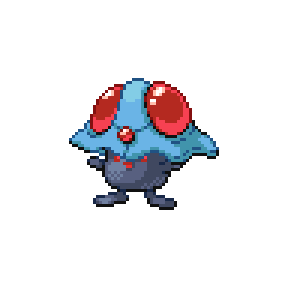
Tentabell are regarded as cruel creatures because they melt and digest prey while they are still alive. Tentabell tentacles are painful to touch because of the virulent venom that oozes out, which does not help their reputation.

Tentafetchd have a special barbed baton that injects an anesthetic with each jab. Being stabbed in rapid succession from this baton gives Tentafetchd an opportunity to close in and consume their prey.

Despite being tough to take down, it insists on receiving a Guard Spec. during battle to ensure its defenses remain strong. Some Trainers opt to give it a placebo to convince it that no booster is required for it to face attacks head on.
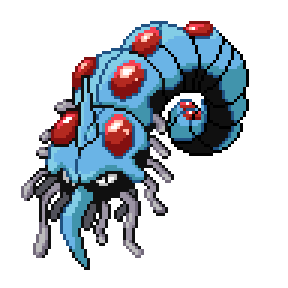
Georb supports miners in blast mining, as its explosive power is harnessed to mine coal. Miners lodge it into crevices before unleashing a chain reaction of explosions.
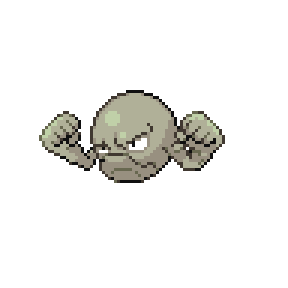
Geopod has a sturdy cocoon that protects its body. Construction companies gather empty cocoons to ground into a powder that reinforces concrete.

Geozing absorb fumes from construction vehicles around their natural habitat. They are difficult to get rid of without risking an explosion.
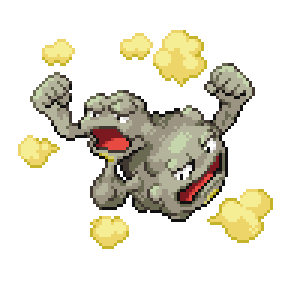
To ensure people have a safe sidewalk to walk on, Geogela are enlisted to help fill in cracks in the sidewalk. Geogela snake tentacles into the crevices and expand their tentacles until they snap off, leaving a level surface.
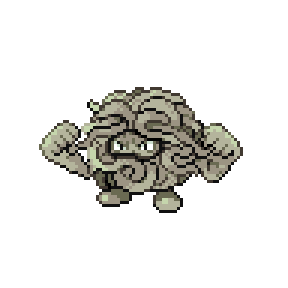
The only thing Trainers have to worry about is being bitten by Geodile, as they love to chew on limbs. They are otherwise resilient partners that rely on a mixture of thrown rocks and bursts of water to achieve victory.
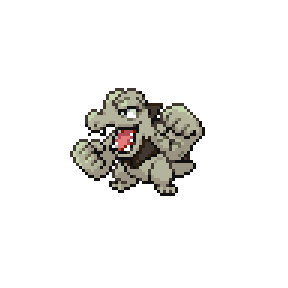
Geopi has a brittle shell around the lower half of its body that slowly flakes away over time. It is said that the moment when it loses all of the eggshell pieces on its body is the moment it is ready to evolve.

Geodreavus practice harnessing their ethereal powers by possessing rocks. If hikers find that one of the rocks is familiar, it could be a Geodreavus stalking them.
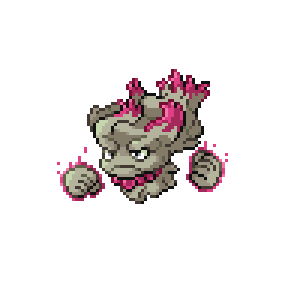
Geocross can be found working alongside stonemasons around the world. It holds onto a stone with its two hands before chiseling into the stone with its horn.
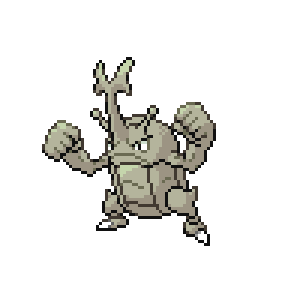
Geosel climb steep cliffs to steal eggs from nests. Their sharp claws and rocky arms ensure they have the grip strength to hold onto cliffs without falling.

The art of making polished balls out of mud originates with Geosly, who have three atop their head. It is believed that Geosly polish these balls to show that they are healthy, as keeping these fragile balls polished and intact is difficult.
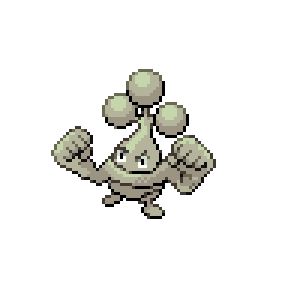
The three bulbs atop Geosly's head are made out of mud, which they shape into spheres and polish to a glossy finish. This art of polishing balls out of mud was popularized in the Kanto region, where the mud darkens when polished.
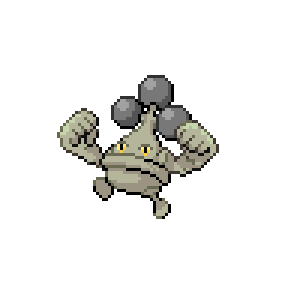
Geokyu may not have the best disguise, but they eagerly defend their friends by throwing rocks. They are especially good friends of Bug-type Pokémon, who rely on Geokyu's help to scare away Flying-type predators.
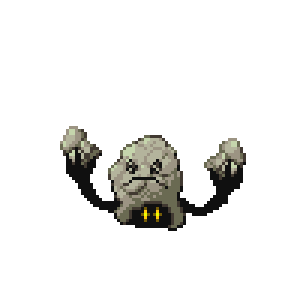
Georon have metallic shells that can develop holes if they do not eat enough iron. Their main source of iron in the wild comes from rocks, which they smash and consume in small chunks.

Geobink are known to hide from miners that enter their domain. They are scared of the loud tools that miners use for excavation and burrow deep underground to avoid confrontation.
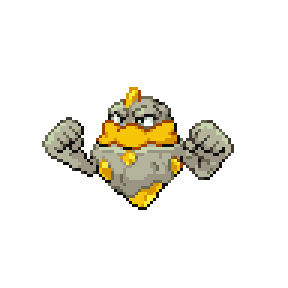
Geohita spars against others to improve its fighting prowess. When it is not fighting, it scales cave walls to improve its grip strength.
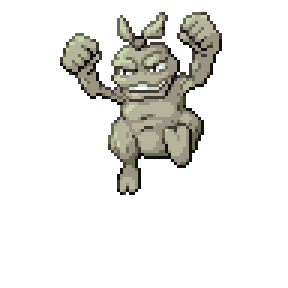
Geoyama are capable of sending large boulders flying with a single slap from their stony hands. When they do so, any Pokémon on or within the boulder are also sent flying, so Geoyama use this technique sparingly.
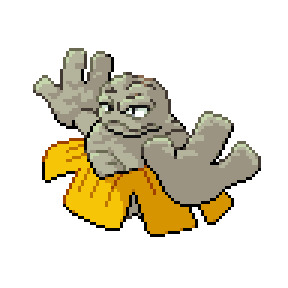
Geochoke can sometimes be found working with chiropractors to help alleviate back pain. Its firm hands allow it to perform adjustments to a person's spine to facilitate proper alignment.
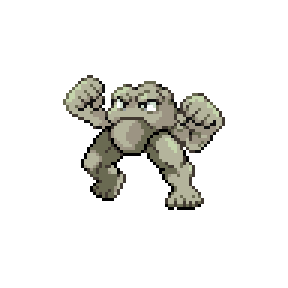
Geoton live inside mineshafts in the Kanto region, where they dig out ore with their magnetic powers. If anyone tries to steal from their hoard of ores, they zap the thieves with paralyzing electric shocks.
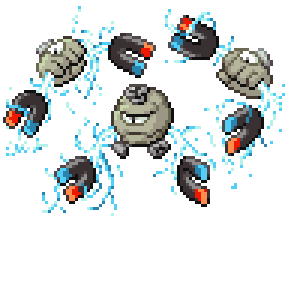
Wild Gravebone have a large collection of bones and shiny rocks that they store in their dens. If they have enough bones to form a skeleton, they bury the remains before continuing to search for more bones.
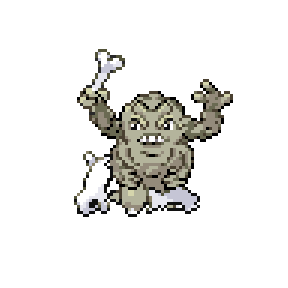
Gravestar dig into the side of valleys hoping to find their fossilized brethren. The boulders they toss down often land atop roads, leading to closures and many detour signs.

Gravenaw may seem callous at first because of their rugged appearance, but they are rather sensitive about their bodies. They try not to open their mouths around other Pokémon to avoid scaring them with their massive fangs.

Gravesel are daring creatures that enjoy climbing mountains to reach the summit. Their rocky body and clawed feet allow them to scale cliffs with ease.

Gravegle creates sculptures by chiselling stone with its sharpened tail. It works alongside sculptors to create realistic statues that are displayed at museums.
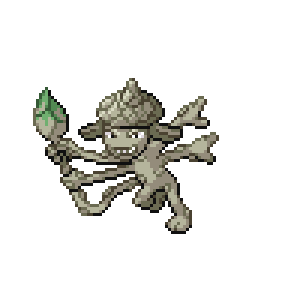
Graveron rams into rocks to break them into edible chunks before scooping them into its mouth with its claws. If it cannot find any rocks to break, it thrashes around violently until it finds some to consume.

Graveish help farmers infuse the earth with essential nutrients for local wildlife. After releasing nutrients through the soil, they are released into the wild where many maintain their role as a forest guardian.
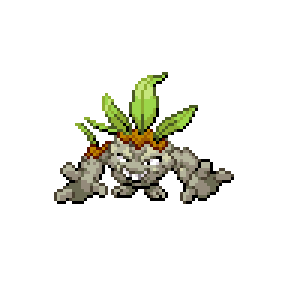
Graverock fights by breaking shards from its body to skewer its enemies. After a long battle, Graverock retreats into the mountainside to find suitable pieces of rock to meld back into its body.

Graveish are regarded as an unlucky catch by most fishermen. They are mostly made out of scales and bones, and the little meat on their body is as rough as gravel. Their rocky scales can also cut fishermen that try to pick them up.

Whenever Graveyama needs to train they wrestle with other wild Pokémon. They are difficult to take down because of their rocky bodies and superb strength.
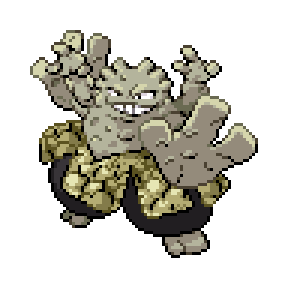
Gravecham meditate and train atop mountains to improve their fighting prowess. Their rock-solid bodies make them tough opponents to take down.
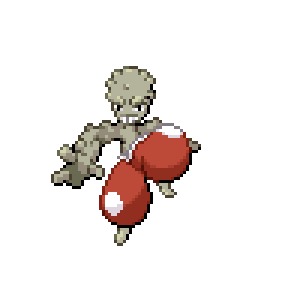
Gofing saturate the air around them with noxious fumes. As the gas clings onto and permeates through rocks, they are broken down from the inside, allowing Gofing to eat the resulting pebbles.

Gopod embed themselves into cavern walls, as that is where they feel safest. Many Gopod that evolve struggle to break out of the crevices they jam themselves into.
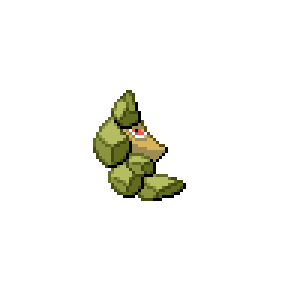
At night, street racers pick a lane alongside Gophan and race against each other for prizes. Gophan have heavy bodies that help them build momentum throughout the course of a race.

Gochu conjure lighting storms to strike the ground around them. Striking certain patches of soil instantly fuses dirt, sand, and rocks together to form fulgurites. Many scientists enjoy collecting these tubes to display in their offices.
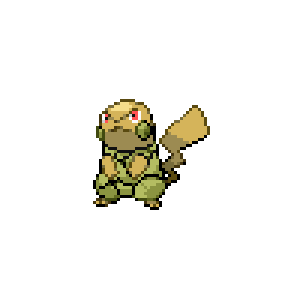
Goshrew have rough spines in between the cracks of their rocky shell. When threatened, Goshrew curl into a ball to expose these spines. Once exposed, Goshrew need to calm down before the spines retract back into their bodies.

Godude enjoy rolling down mountainsides, their round bodies slamming through obstacles in their way. Many remote villages dig ditches around their homes to redirect a speeding Godude.
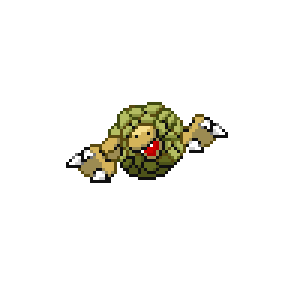
Ponydactyl protect their kin by descending onto foes with a fiery wrath, kicking them with flaming hooves and sharp claws. When facing off against larger foes, they extend their wings to appear larger.
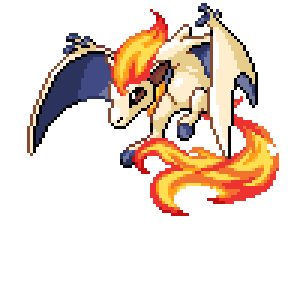
Ponygey travel in flocks searching for pastures of grass to feast upon. They have to be careful not to burn the grass they eat, especially since they sneeze out embers.

Ponygey peck old logs in search of their next meal. When they find an edible morsel, they gently roast the exterior with embers before consuming it.
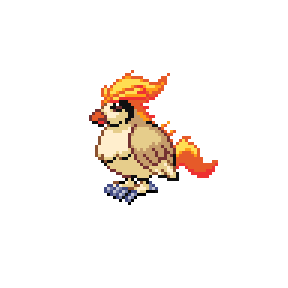
Ponygey can be found perched above trees looking for the perfect morsel to eat. They are particularly fond of berries, which they roast before eating.
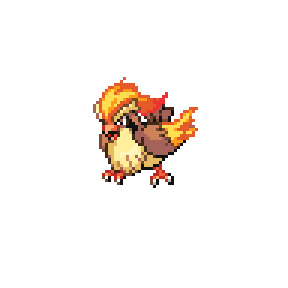
Ponypy stomp alongside Donphan and Phanpy, joining them along their travels. They protect their herd from poachers with their fiery breath, and in return Ponypy have a family they can be a part of.
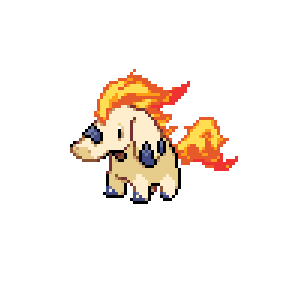
While Ponypix appear fluffy and adorable, they are known to kick those who are too handsy with their affection. For those who respect their boundaries, Ponypix love to give rides through wide, open fields on a hot summer day.

Ponyaura are delicate creatures that require the right temperature to ensure proper growth. Excessively high or low temperatures can stunt Ponyaura's growth, so herds often migrate around these extremes to ensure proper flourishing.

Ponychop always finds a way to wear down its horseshoes, so it needs frequent visits to a blacksmith. It replaces its horseshoes often because of its highly active lifestyle and loves to race with other Pokémon until it is tired.

Rapigey love to soar through the sky and enjoy the feeling of air against their faces. They only come down to eat grass and rest in tree branches.
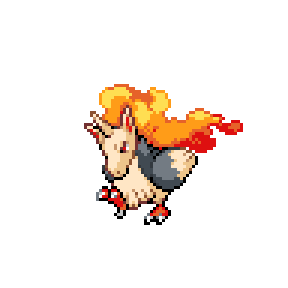
Rapigeot release embers as they glide through the sky. They race against each other to determine who is fastest and perform complex aerial maneuvers to dodge anything in their way.
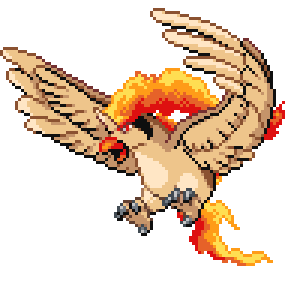
Rapitomb are fueled by the fury of the spirits that compose their bodies and possess other equine Pokémon to cause havoc on ranches. Many ranchers periodically check their Pokémon for an odd horseshoe to prevent Rapitomb-related chaos.

Rapitales have flaming tails that are capable of razing forests with a single blast of fire. They live in caves where they can safely unleash their fire against cave walls.

Rapipede are raised on vast, open ranches to race against each other in local tournaments. They love winning races, so they train relentlessly throughout the day to improve their speed.

During prehistoric times, Rapiaura would guide their herd away from hot jungles into cool pastures of grass to prevent overheating. In modern times, Rapiaura and their herd travel the same routes as their ancestors once did.
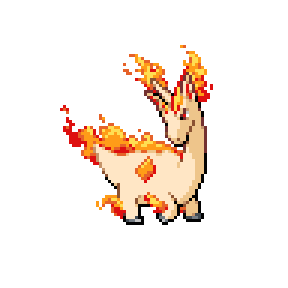
Rapirorus have been recorded in prehistoric times guiding herds through major disasters, ensuring that their herd survives harsh winters. In modern times, by migrating along a thin belt of fertile land, Rapirorus's herd avoid freezing temperatures.
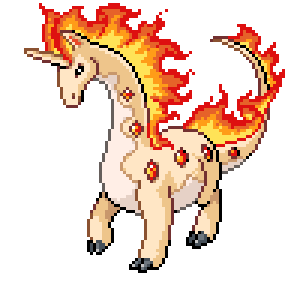
Rapior zip through fields of grass for the sheer joy of feeling the rushing wind. If they soar fast enough, they can abruptly burst into flames, creating streaks of light as they fly.
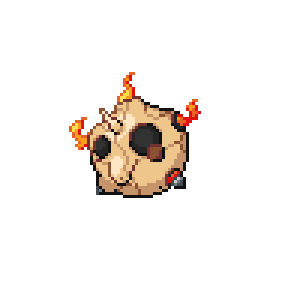
Rapieel gracefully travel through icy waters to find icebergs, where they rest to recover from a lengthy swim. During cold weather, they huddle together with other members of their pod to keep warm, radiating heat to those around them.

It has vines that resemble Slowpoke tails, which it shakes and wiggles to lure in small vermin to eat. It basks in the sunlight whenever it loses a few vines in battle, which absorb sunlight to store enough energy to regenerate vines.

It is slow to react to its surroundings, as it enjoys floating atop a water's surface. On occasion, it will snap awake during a lightning storm to find one of its friends got zapped twice without getting hurt.
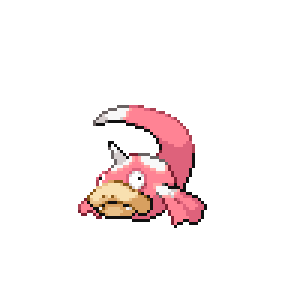
It is slow to react and enjoys lazing about all day, especially when it has no predators to worry about. Its fins spread out in a mesmerizing pattern that looks like a ballroom dress when it rests, giving the illusion that it is swimming.

Slowmie are a common delicacy in many parts of the world because of their unique regenerative properties. The consistent harvesting of their tails allows chefs to plan how much food to prepare for one day while minimizing waste.

It dances at a slow yet rhythmic pace, with the gyration of its body swaying like calm ocean waves. It takes a long time to react to any changes in the environment, as its passive dancing is hard to break from.

Whenever it starts its seasonal migration, it follows the same air current to find warm land each time. No matter what distractions it encounters on its path, it always has a strong sense of direction.
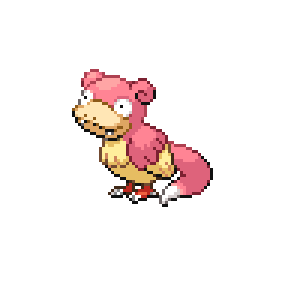
While other bird Pokémon may get confused or lost, it has a strong internal compass that allows it to find the way home. Its ability to return makes it a beloved lifelong pet, as it never forgets kindness given to it.

They enjoy reading books but are remarkably slow at doing so. Trainers who want to help their Slowtu should flip to the glossary section and read alongside them, as unfamiliar words tend to be difficult.

It is swept through the air on a breeze, the soft zephyrs it floats on remove the need to deal with predators. During the rare times it needs to eat, it floats down to the ground to eat a clump of grass before hopping back up into the air currents.

Its flower has enough nutrients to last a month without eating, which is the only time it ever comes down from the sky. It is capable of sleeping in the sky because its lightweight body gives them a natural buoyancy that keeps them in the sky.
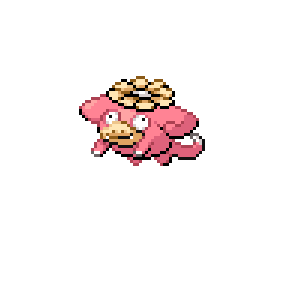
It sleeps in the mud near marshes or lakes to remain cool throughout the year and prefers to stay within the confines of a muddy area when it searches for food. It has slow reaction times, as it struggles to catch berries tossed its way.

It stays cool by covering itself in mud, especially whenever the sun is high in the sky during the summer months. It is not physically active, so it rarely gets hungry enough to leave a muddy area.

Its sharp attention to detail and internal compass allow it to guide others in its flock without getting lost. When spring arrives on the horizon, it flies back to its home to pick off bug Pokémon that are slow to wake up.
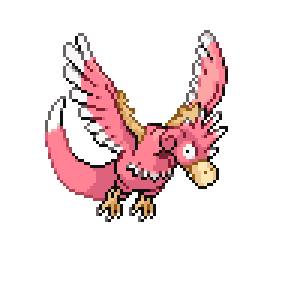
It flies around beaches and lakes to look for the best place to catch fish. It stalks fishers from a distance before it settles in a nearby spot to begin fishing.

It is primarily a sedentary species, as it does not move often. Whenever it gets hungry and needs to eat, it ejects its inner organs to hunt anything that comes nearby.

Slowloon stares listlessly at the horizon while floating through the world. It gets caught in power lines because of its inattention and frequently needs help to get untangled.
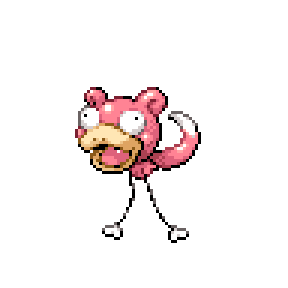
It catches aquatic Pokémon inside dark caves with its tail, which it flicks to draw attention to itself. Once it catches another Pokémon, it rapidly flaps its wings to pull its prey out of the water before dropping it onto a nearby rock.
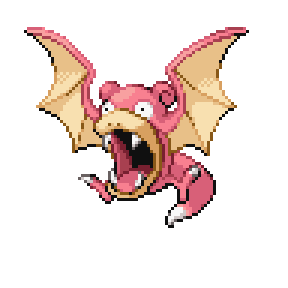
Its herbivorous diet requires a special nutrient only seaweed can provide, which means it needs to dive underwater to have a complete diet. Whenever it needs to escape danger while seaweed gathering, it poisons the predator using its removable tail.
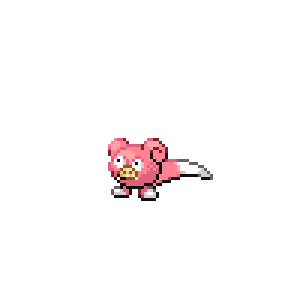
It swims effortlessly through the oceans of the world by using underwater currents to guide where it swims. At the same time, it has a slow reaction time, which causes it to bump into obstacles.

It prefers to rest in one spot because its seams rip easily. Yet, whenever its Trainer picks it up, it takes at least ten seconds before it realizes it has been moved.

Whenever a Trainer picks it up, it takes at least five seconds before it realizes it has been moved. Afterwards, it looks around for its tail to ensure it remains attached to its body.

The spines across its tentacles help it defend against predators, as it injects venom into anything that comes too close. This offsets the fact that it takes a while to recognize that it is in danger.
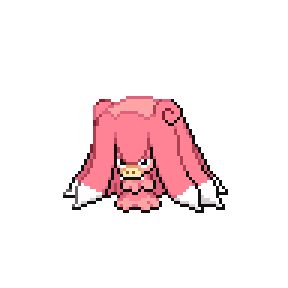
It has spines across each of its tentacles, each filled with a caustic, venomous liquid. When it is not lucid or otherwise entirely awake, it bunkers down by forming a shield with its tentacles.
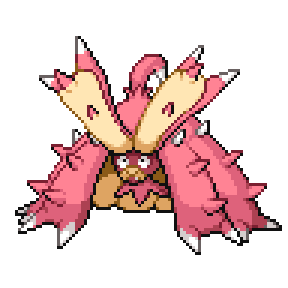
Its long tail makes catching prey easy, as the longer the tail the more force it can use to whisk prey from the water onto a nearby rock. It chooses the same few spots every day, as it has an inclination towards forming a daily schedule.

Slowkey have a perpetually bored expression that make them seem aloof and distant. Whenever they flare their nostrils in frustration, they release a pulse of psychic energy that encourages others to leave them alone.

Slowlithe has a hard time not jumping into water despite the fact that it is usually too cold for it. When it finally acquiesces and jumps into water, the shock of the water causes it to get sick.

Due to its small size and its voracious appetite for algae, people with home aquariums love to have it as a part of a large tank of fish. It floats around a tank and passively eats algae every moment it is awake.

It is a popular pet for home aquariums because it is both friendly and helpful to have around. Whenever another Pokémon gets sick, it taps against the glass to get help and attention from its owners.

It lives in home aquariums or other large aquatic homes, and roams around the space to take care of the Pokémon that it lives with. Its gentle and soft demeanor allows it to easily make friends with the Pokémon that join its home.

Slowizard appear aloof to their Trainers because they constantly forget what they are doing. This short-term memory causes them to bump into other Pokémon while they are flying.
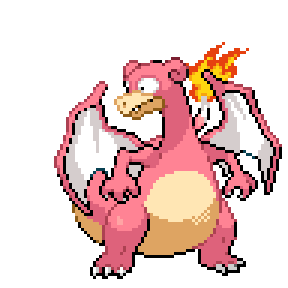
It fishes for aquatic Pokémon by luring prey close before yanking them out of the water with its long tail. When it catches a bite, it stuffs the morsel into its maw to digest in its large stomach.

It drags its shell behind it as it crawls around to find grass or berries to eat, as it can no longer fish with its tail. It struggles to move around because its large shell covers both of its hind legs.

Warpie squirts water into the eyes of a predator before hiding in its shell. In a pinch, it can also squirt a burst of water to propel itself away.

Waryu are often harassed by Flying-type Pokémon who are looking for an easy bite. To avoid becoming another meal, Waryu kick up sand into the eyes of Flying-type Pokémon to scare them away.

Wardle relies on its water squirting abilities to scare away predators. It can shoot bursts of water to hit branches above itself, which startles bird Pokémon.

Waras are capable of crossing an entire ocean without rest, making them reliable creatures when people need to ferry goods across water. They are known for their amiable nature and superb diligence.

Wareon blend seamlessly into water as soon as they make contact, allowing them to sneak up on prey. Wareon rely on their fluffy ears and soft tail to make sharp turns as they close the distance.
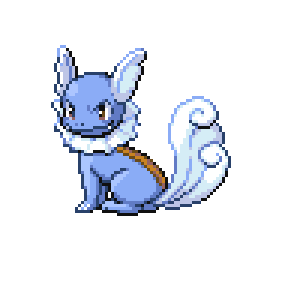
Waruna are too big for the cocoon that surrounds itself, so its ears and tail remain on the outside of the shell. Despite this, the bursts of water that come out of the shell's crevices stop predators from consuming it.

Wardrill can both inject venom at close range and spray venom from a distance. Its body is covered with a thin carapace that protects itself from attacks.

Wargey soars through forests in search of soft berries to consume. They gather and spray these berries with water until they turn into an edible mush.

Warhoot bobbles its head back and forth every second to keep track of time. It shoots bursts of water at anything that tries to stop this bobble.

Warowl has a peculiar tic that causes it to nod every second because of its ability to keep track of time. This does not stop it from being a major predator for aquatic Pokémon that live in lakes and rivers.

Warotto flocks to lakes and rivers for the opportunity to find prey. It can eat fish or bug Pokémon, both of which are plentiful in the world's many lakes.

Warchu is easily excitable and may accidentally shock other Trainers or Pokémon. After this happens, it hides in its shell and curls its tail around itself in shame.

Wargeot can fly through tropical storms thanks to its sturdy carapace and its strong wings. It has been observed helping people during these storms by escorting them back to shelter.

While underwater, the hairs of a Waricate lock together to form a hydrophobic layer that repels water. Whenever Waricate surfaces, these hairs break surface tension, causing its fur to get wet.
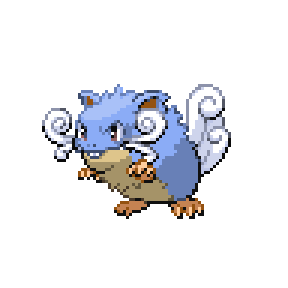
Warow can be found swimming in ponds full of fish Pokémon or near the burrows of Bug Pokémon. Whenever they are threatened, they spray jets of water from their beaks to scare away predators.

Warow fly through forests to stalk bug Pokémon in the hopes of finding their burrows. Once they find enough burrows, they spray water inside so their prey escapes right into their beaks.
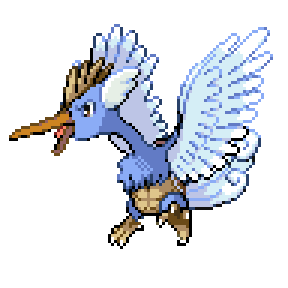
Warbird give the gift of snow to children who live in hot climates. The many memories of snowball fights they have created more than makes up for the mess, but they help sweep up the snow with their tails after playing regardless.
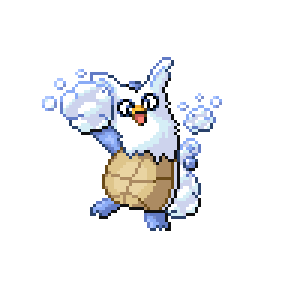
When they are hunting, Warans ram their shell-covered heads against prey to stun them before sinking their fangs in. Afterwards, they delicately clean their fluffy tails.

Wartank produce a liter of milk daily that they offer to local Pokémon in their natural habitat. Many baby Pokémon approach Wartank to drink the milk, especially if they have been orphaned.

Warkou love to swim in lakes and rivers but are incredibly skittish. If they realize they are being watched by a Trainer, they bolt away by creating a surge of sparks in the water.

Warshrew search for clay deposits underground using their keen sense of smell. They water down the clay until it is a thick slurry that they can lap up.

Warslash dig underground to find clay deposits to eat. They often have clay stuck to their body after eating, so they take turns with other Warslash to wash their bodies.

Waran shoots down cocoons that hang in trees with jets of water. The water is mixed with a poisonous gel that eats through silk, which causes cocoons to fall to the ground and become its next meal.

Wardoof are prudent creatures that have special wooden plates that they add to their shell for more protection. They carve these plates out of wood that age alongside a Wardoof.

Wartomb reside in keystones that resemble a Wartortle's tail. When in danger, Wartomb possess other aquatic Pokémon to gang up on whoever is threatening them.

Warina stands between its younger nestmates and predators, relying on its shell to block attacks. It remains between its siblings and the predator until the predator leaves.

Warqueen remains close to the nest to keep watch over their nestmates. They spray a coat of corrosive gel over younger nestmates to make them easier to track if they get lost.

Warlord were once hunted because fishermen were scared that Warlord would eat the rest of the aquatic Pokémon in an area. Their sheer size could feed people for weeks, but there are now laws against hunting them.
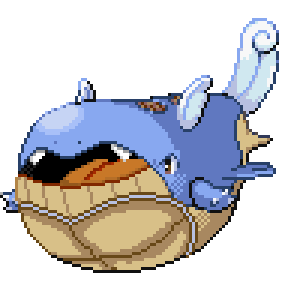
Warfable are most active during the full moon because they want to absorb moonlight. They get excited during the night of the full moon, so much so that they shoot a beautiful display of sparkling water into the air.
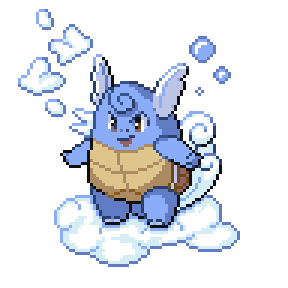
Warsis are surrounded by a thick gel that allows them to breathe underwater. By creating small ripples across their body at a thousand times a second, they can swiftly swim across bodies of water without disturbing the water's surface.

The growths on the back of Waras siphon nutrients for added bulk to protect them from predators. They require lots of fresh water to maintain the bulbs on their back, so they often go swimming to soak the growths with water.

Warduck needs to remain well hydrated or else they get powerful headaches. They tend to lash out whenever they are thirsty, so Trainers are advised to pack lots of water bottles to keep them calm.
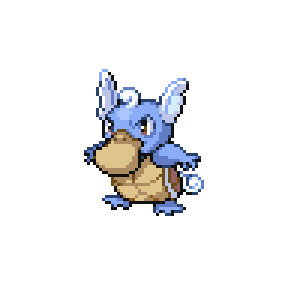
Warcash have sensitive whiskers that can detect earthquakes from a long distance. Whenever they pick up on seismic activity, they float to the surface of their swampy homes to minimize the chance of being entombed in mud.
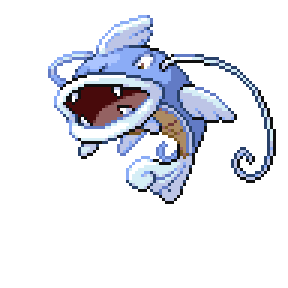
Warduck have many flippers that all work in unison to swiftly maneuver through the water. When one of their flippers is damaged, they have to rest on shore until it heals.
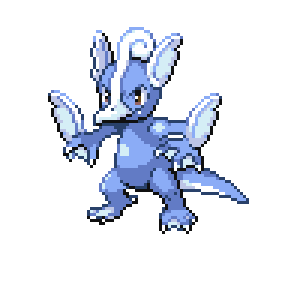
Wareal have a difficult time swimming because of their rotund bodies, so they float on the water instead. If they are knocked off course, they have a difficult time steering themselves back to land, leaving them stuck out at sea.
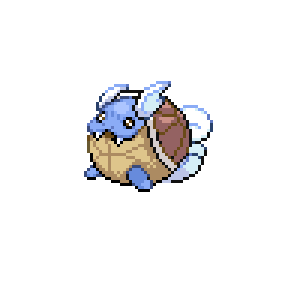
Warbyss can be found living off coastal shores where they live without many predators to threaten them. They enjoy eating seaweed and participating in casual races against each other, often reaching nearly 18 miles per hour.

Warlithe practices putting out fires so that it can someday help firefighters. It can quickly find the source of a fire to snuff it out.

Warnine can be seen training at fire academies learning how to help firefighters. They can rush into burning buildings to pull people and Pokémon out safely.

Wara help children get acclimated to swimming. Their mindreading abilities allow them to detect when children are scared or struggling and help accordingly.

Warbra are hired as lifeguards because they are sensitive to the thoughts of someone in distress. Their superb swimming skills allow them to quickly reach drowning children.

Wardude are cautious creatures that hide in their shell when they are not eating. They live near hot springs where they soak up minerals from the hot water.
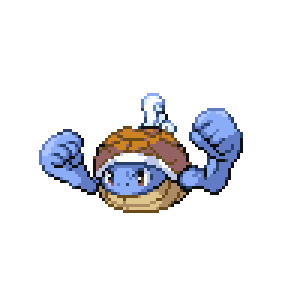
Wardude live close to hot springs and enjoy absorbing minerals from the water. This water helps keep their bodies smooth and clean.

Warfetchd produce streams of water through the baton that they carry with them. Many florists rely on their help to water plants, as Warfetchd can adjust how water is produced from their baton.

Waruk are made of a caustic ooze that eats away at sticky substances. Pokémon that are resistant to the caustic ooze give Waruk berries in exchange for cleaning their bodies.
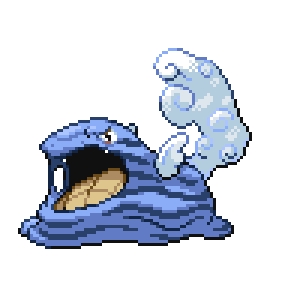
Its lower body has a mess of grey tentacles around it, which both keep it safe and gather food for it. The only thing it needs to do is bask in the sunlight every so often to regenerate vines when damaged.

Slowyu gain psychic powers when the shell on their back bites down on their back. Their telekinetic abilities allow them to lift and throw large boulders with expert precision.

Slowmie gain a jolt of psychic energy whenever the shell on their back bites them. This causes them to accidentally fling whatever they are carrying with telekinesis.

The crown atop its head is said to channel the dancing around it to bring the succor of a misty rain. It wiggles its hips in a slow rhythmic dance after a rainy season, as if building power for the next rain dance.
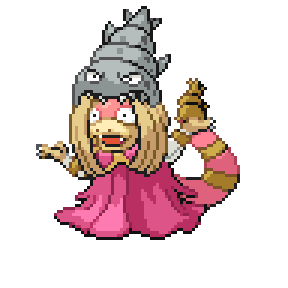
Slowlax experience hunger pangs whenever the shell at their tail bites down and causes them to crave Lansat Berries. The resulting burst of energy gives them the focus to groom themselves.

Slowllery has edible tentacles that grow back over time, which are harvested every year during the autumn season. They are mixed into balls of batter to form takoyaki, which are sold during autumn festivals.

Slowbok has a Shellder attached to its tail, which clamps down on occasion. When this happens, it flares its hood, inducing a flurry of dull thoughts in onlookers that confuses them.
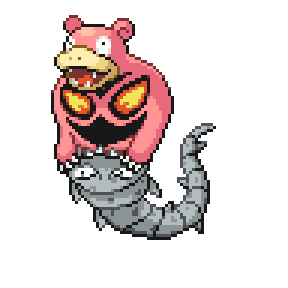
It is covered in a slime that keeps itself moist, which also functions as a sunscreen to prevent burns. Whenever the shell attached to its body bites down, it instinctively expands its innards to prevent the shell from biting its vital organs.

It relies on the shell attached to its tail to break rocks to draw attention to itself, as its stiffness is not suited for high dexterity tasks like fishing. Whatever finds it lurking in the dark gets bludgeoned with its tail if unprepared.
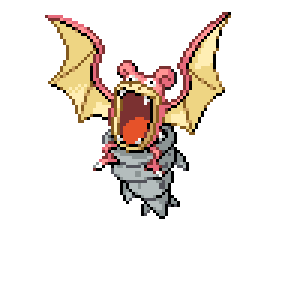
It zooms through the ocean with the help of underwater currents. Whenever it needs an extra boost, it convinces its shell to bite down on its tail, which gives it a surge of adrenaline.

It has several barbed limbs because of the shells that get attached to it, which allows it to defend itself from predators while gathering seaweed. Its shells produce a venom that causes vexation and worry if a predator will not leave it alone.

Slowturne sneak up on tired Pokémon at night to maximize their chances of surprising their prey. When the shell on their tail bites down, they experience a jolt of pain that causes them to scream so loudly that they scare away their prey.

Slowturne stalk other desert Pokémon at night to maximize their chances of securing prey. When the wooden shell on their tail bites down, they gain a surge of speed to help them chase after prey.
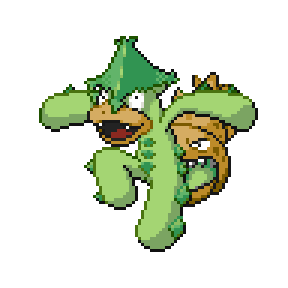
Slowsian will happily dismiss bites from its Shellder due to the good will it has. However, when the Shellder tries to point out the location of some treasure, Slowsian becomes so irate that it forgets about the times when the Shellder has helped.

Its long tail has a shell attached to it, allowing it to defend itself from predators rather than run away. Its heavy shell swings around like a cudgel to smack predators before it waddles away.

It fishes for aquatic Pokémon with the help of the plant gnawing at its tail, which produces vines that lure in prey. Once prey gets close enough, it yanks the meal out of the water.

Its body is engulfed with a large shell, which has the ability to surround its entire body. It no longer relies on fishing to obtain sustenance, as it shares nutrients with its shell.

Engineers equip these creatures with a set of Power Lens to help them repair electrical equipment. They use magnets to lift and move metallic parts with precision, a valuable skill to prevent electrical failure.

Magnefa lives near meteorite crash sites where it breaks off and clings to magnetic shards from the meteorite. Whenever a new meteorite crashes, it migrates to reach the new site.

Magnegeot makes nests out of scrap metal to house its young. Whenever one of its offspring falls out of the nest, it generates a magnetic field to try to lift the offspring back to safety.
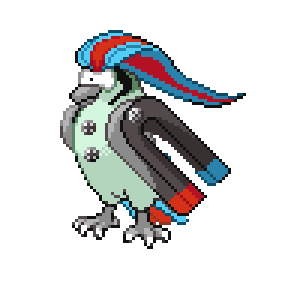
Magnerill works in factory settings where it inspects parts that are used in appliances. It quickly discerns which parts are defective and pulls the parts out of assembly lines with its magnetic tail.

Magnesaur bask in sunlight until they are replete with energy. It does not take long for them to charge, as they rely on both mechanical and natural methods of absorbing solar rays.

Magnegon2 collects computer hardware by pulling on mice and keyboards with its magnetic powers to bring back to its nest. Once it has enough for a meal, it removes every screw to disassemble the hardware and eats only the metallic parts.
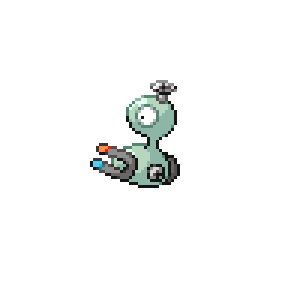
Magnelia is acutely attuned to both electromagnetic waves and people's emotions. It dances with glee whenever its Trainer is happy.

Magnefairy dance around meteorite crash sites in intricate and complex patterns. During these dances, they may magnetically pick up pieces of meteorites, which stick to their bodies.

Magnejask can rapidly change the polarity of their magnets when they zip by. This makes them quite useful in factory settings where they can pick up and drop metallic parts in rapid succession.
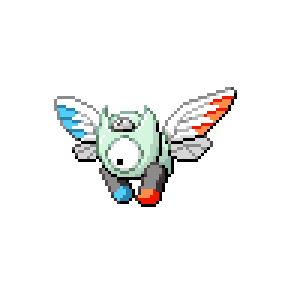
Using its magnetic powers, it makes sure planes in a hangar are properly aligned before repairs begin. Its magnetic fields ensure no screw or bolt is loose before a plane takes off.

Magnekaboo can be found working in abandoned factories making random trinkets for Pokémon around them. These trinkets often resemble candles or lanterns that are used during festivals that occur during the fall season.
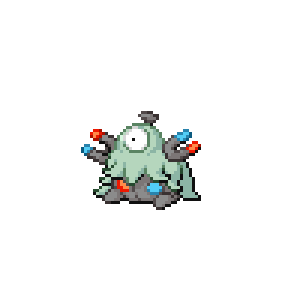
Magneduck have a magnetic tail that sticks to all sorts of metallic objects. Whenever there is a strong magnetic field around them, the pressure inside their head grows until they experience a headache.

Magneal float inside caves looking for metallic objects. Once they find a suitable object, they rub the object vigorously to impart some magnetic strength before they stick the object to their rotund stomach.
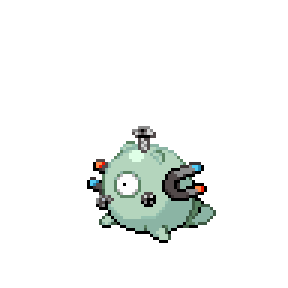
Magnefetchd collaborate with Pokémon that work inside factories to produce metallic parts. They relay signals between Pokémon and factory overseers to ensure everything runs smoothly.

Magneby have magnets embedded in its claws, which snap shut on command. It has difficulties prying its claws open after snapping them closed.
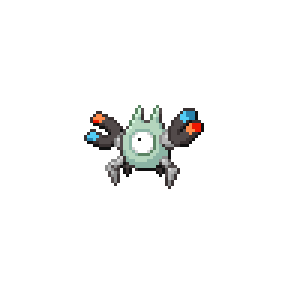
Magneler can cling to ships using its magnetic claws, which can reverse polarity at a whim. When its claws are snapped closed, it is nearly impossible to pry them apart by force.
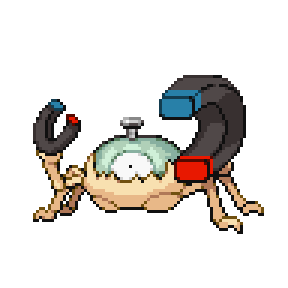
Its modular body allows it to attach modifications to itself, such as a Zoom Lens. Once it chooses a target, the Zoom Lens refines the targeting system to improve accuracy.

Magnevoir use electromagnetic waves to control other magnetic Pokémon around them. They are typically stoic Pokémon, but sometimes break their emotionless exterior to smile alongside their Trainer.
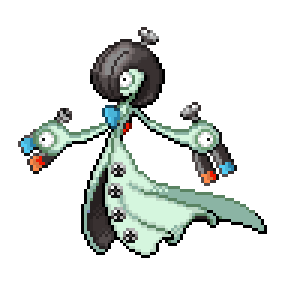
Magnejask work in factories where they pick up and drop metallic parts in rapid succession. Factory workers help them keep their wings lubricated with oil to ensure smooth performance.
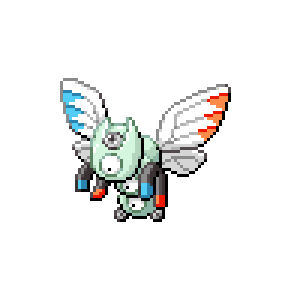
Magneduck have a misshapen head that sticks to many metallic objects while they swim. If they are exposed to a magnetic field and are unable to move, they experience a headache from the growing pressure.

Magneal float inside caves to gather metallic objects onto their stomachs that they proudly display to others. Sometimes Trainers find useful objects stuck to their magnetic bodies.
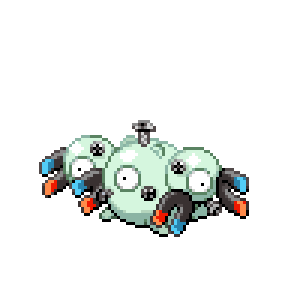
Fardle clings to its leek baton with steady vigilance to protect itself from predators. With a sharp sting from its baton, Fardle repels Pokémon much larger than itself.
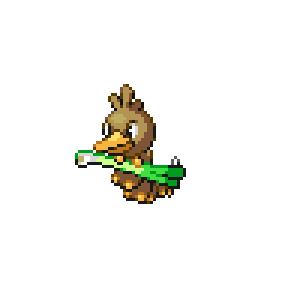
Fardile wield a long cattail that they hold like a baton. Whenever they dive into the water, they breathe through their cattail baton instead of surfacing for air.

Fargeot gather as many leek batons as they can to form their nest. They are known to steal batons from wild Farfetch'd, snatching the baton with their talons before escaping.

Fargeot have special green pattern of feathers that help scientists identify them in the wild. Their nests are full of leek batons stolen from wild Farfetch'd.

Farsaur carry a leek baton inside the bulb on their backs to keep the baton fresh. If the baton spends too much time outside of the bulb, it begins to wither from a lack of nutrients.

Farown's mysterious shape makes it appear as if it's about to take flight despite the fact it's constantly levitating. The way it guides itself with its leek had lead to the belief that the leek is the true body of Farown.

Farchu whip their foes with a leek baton attached to their tail. If their foes are too far away for their whipping attacks, they can shoot jolts of electricity from the end of their leek baton.

Farsaur grow many leek batons on their backs to help local Farfetch'd replace batons when lost. Farsaur are treated with lots of respect by other Farfetch'd because of this duty.

Farki can be found picking up batons from fallen Farfetch'd and storing them in its ring. It has a distinctly sharp onion scent that draws the attention of many curious Farfetch'd.

Farmander are aggressive creatures and are willing to bop anything that stands in their way with their flaming baton. This aggressiveness quickly fades when their baton is out of reach, as they feel powerless without it.
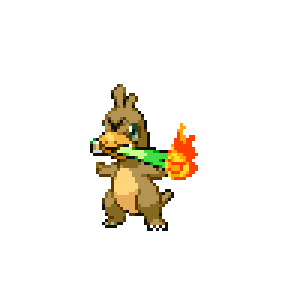
Farfisk use their static rods to perform shocking displays of electrical attacks. Their mud-coated feathers prevent Farfisk from hurting itself.
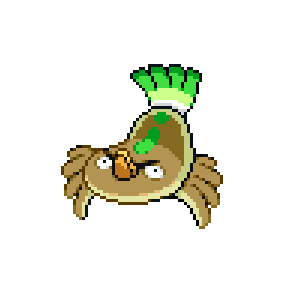
Faruff loves playing fetch with the leek baton they carry with them. If their Trainer ends up losing the baton, they get upset and will refuse orders until they are reunited with their baton.
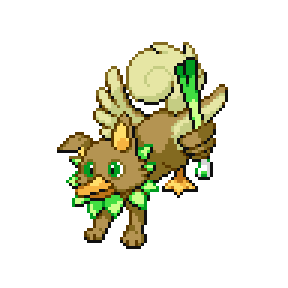
Farmeleon are hostile creatures that ferociously defend their flaming baton. They attack potential thieves by lighting nearby grass and bushes on fire to scare other Pokémon away.

Farcie shine with the resplendent power of their emerald leek. They cook in cauldrons made of crystal deep below the surface waiting for the right Trainer to savor the flavor of their stew.
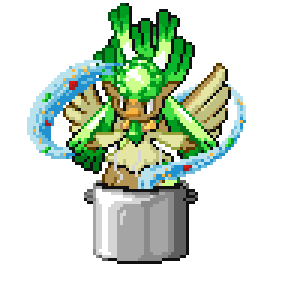
Farform rain down leek-infused water from their clouds, leaving the ground saturated with the scent of this plant. Many soar through the sky to practice performing tricks with their baton.
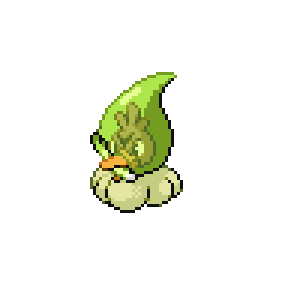
Farizard are often chosen to light torches at certain sporting events because of a story involving Farizard. The story involves a brave Farizard lighting the way for many Pokémon behind them by flying blindly into a storm to create a path forward.
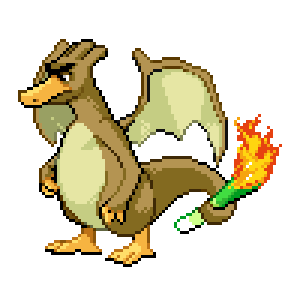
Farchoke helps farmers throughout the world water and tend to plants. All it asks for in return is a small plot to grow leeks.
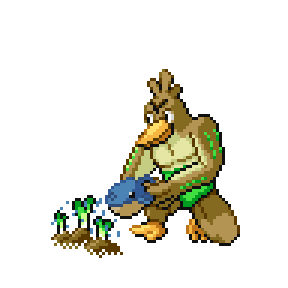
Fartle has a hollow leek baton that can absorb a gallon of water at a time. With a flick of the baton, Fartle can quickly douse small embers.

Fardude break rocks with the leek baton that they carry with them. They never let go of this baton, as it is one of their most prized possessions.
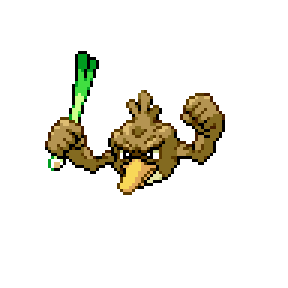
Fardude hold on tight to their leek baton out of a fear of losing this precious object. Even when knocked out, Fardude maintain a firm grip on the baton.

The twin heads of a Dohorn play with other Pokémon around them by chasing them with their beaks. Their long beaks resemble horns, which they use to tease other Pokémon.
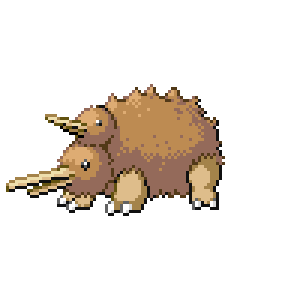
Doros dig at the base of trees with their sharp talons to unearth bitter roots to eat. They are capable of uprooting stumps once they get a secure hold on the roots.

Dodle dig into flowers to drink nectar with their skinny beaks. Whenever they are threatened, the glands in their beak produce venom, allowing Dodle to poison foes that interrupt their feeding session.

Dogey make an annual migration to a more temperate climate and travel in flocks to protect their young. They reserve their flying ability for emergencies and prefer to roam about with their legs.

Dotto have long legs that carry them for long distances without rest. They often wander far from their flock to find grassy green patches of grass, hoping to find some edible Bug-type Pokémon.
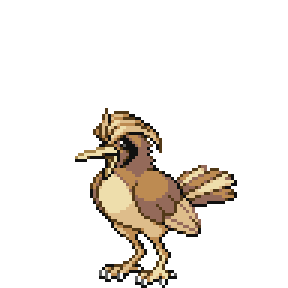
Doluff are capable of flying short distances by flapping their heads as though they are wings. However, they prefer to run because they get dizzy after vigorously flapping.
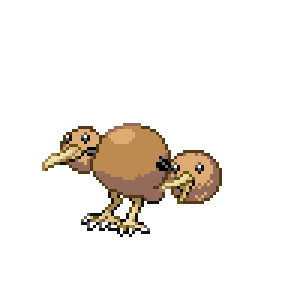
Dobuffet absorb many hard-hitting attacks during a Pokémon battle. When they find an opening, they launch a counterattack by pecking with one of their two heads.
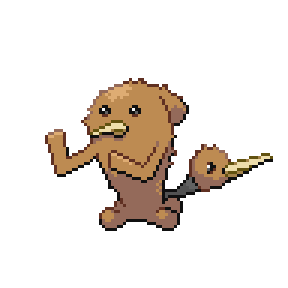
Doraid rely on their sharp beaks to skewer prey onto their beaks. They were once hunted for their beaks by tattoo artists, who used the beaks as tattoo needles.
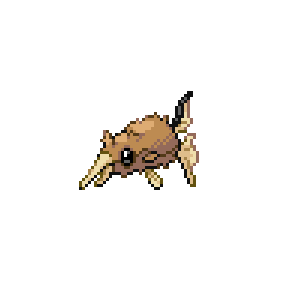
Dotar heads each have a separate diet and often argue about which direction to go for food. Their varied diet of Bug-type Pokémon, berries, and mud keep their body strong and healthy.
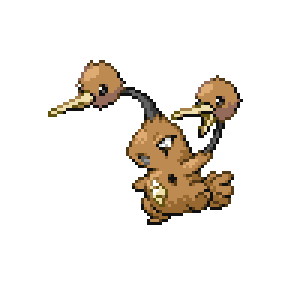
Dotomb have so many festering spirits within their body that they struggle to do anything at all. Sticking one's hand into their body is ill advised, since they have a strong urge to peck anything that comes close.
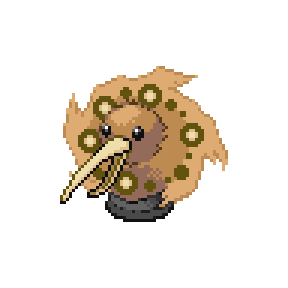
Dorem freeze over large swaths of land to make themselves a comfortable home. They are hard to surprise because of their hypervigilance and their twin heads.
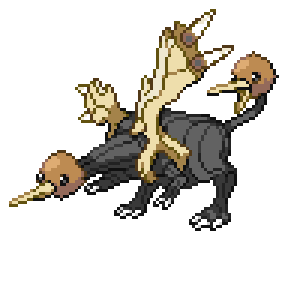
Dolous rely on their swift feet and strong sense of smell to chase after prey. Without a proper scent trail to follow, Dolous quickly lose track of their prey and peck at the ground in frustration.
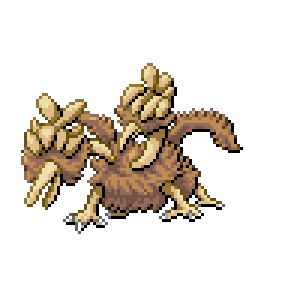
Dodreigon have two main heads that protect the featureless third head that is attached to their body. Even though the third head is unable to communicate, the other two heads react with glee if the third head is given headpats.
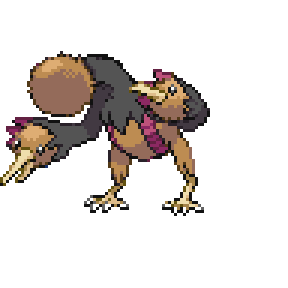
Don hunt for slow Bug-type Pokémon because their bodies are heavier than gold. They strategically peck at their target to goad them into exposing their weak spots.
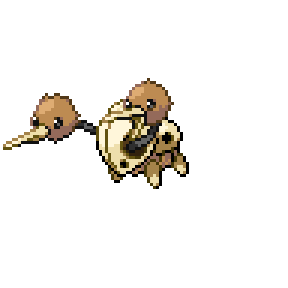
Doxew hunt for Bug-type Pokémon by uprooting logs and stumps with their claws. Once the Bug-type Pokémon begin to run away, they peck at the ground with their twin beaks.
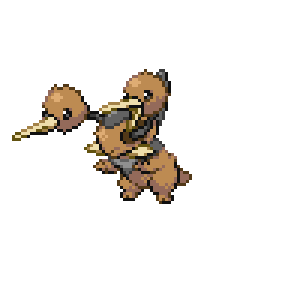
Dokoal release billowing smoke from their beaks, which helps them burn through cocoons and secure them a meal. On rare occasions they carry an egg atop their backs and nurse the egg until it hatches.
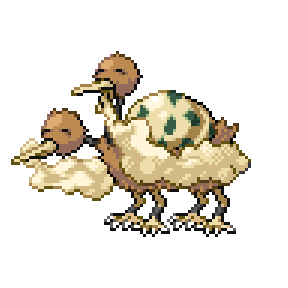
Dosian wander into mineshafts to peck at the rare metals within the cavernous walls. They take turns poking at the rocky walls to eventually reveal the shiny ore.

Dochamp train in short bursts and are easily distracted. Athletes enjoy having arm wrestling matches and races with Dochamp because they are magnanimous regardless of whether they win or lose.
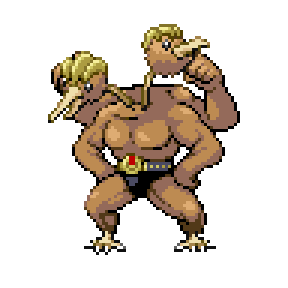
Dotle often trip over themselves often because of the unwieldy shell across their body. Getting up after a fall can be difficult because they need to keep their heads in a balanced position.
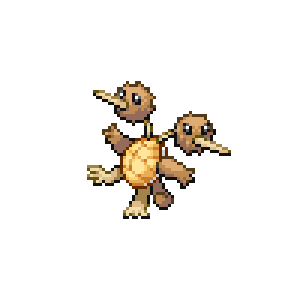
Doder maneuver their beaks with surgical precision when hunting for shelled Pokémon. One head will apply pressure to the back of their shell while the other tries to pry their prey open.
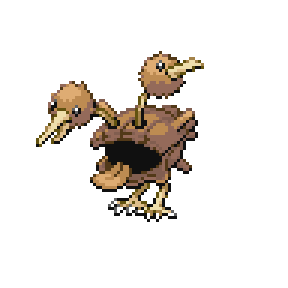
Doyu are capable of travelling far from water with their two taloned feet. This allows them to access berries and other snacks that are hard to access close to beaches.
