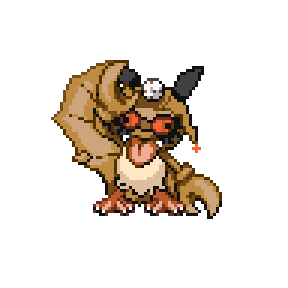
Page 1 / 8 of 7640 pokedex entries by .izik.
It bounces its body to move forward. With each hop, it releases a bit of sweet-smelling pollen into the air.

Bulbatu thrives among weeds, where it hides from larger predators. Its affinity for untended plants allows it to flourish in places other Pokémon avoid.

Bulbakrow emits a scent reminiscent of sage, which other Pokémon find calming. It often carries dried leaves in its mouth, offering them as gifts to those it trusts.
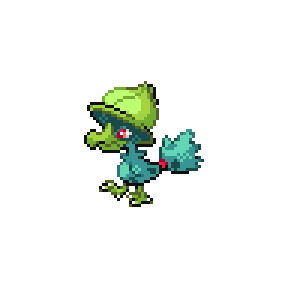
Bulbaco collects moss to cover its body, helping it stay hidden from predators. The moss also serves as insulation, keeping it warm during cooler nights.
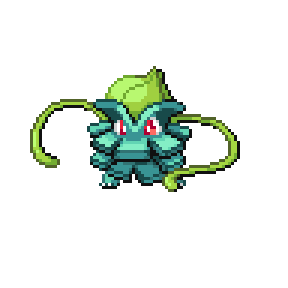
It happily gathers seeds during the daytime then spreads them at night. When it concentrates, it can make the seeds grow faster.

Bulbaloon floats gently through the air, drifting aimlessly over forests and fields. It occasionally latches onto plants below, leaving behind a trail of spores.

Bulbaish produces nut-like spores that taste similar to pecans. In autumn, it scatters these spores across the forest floor, enriching the soil for the next season.

Bulbacorio gives off an eerie presence, unsettling those who venture too close. Its movements are slow and deliberate, leaving others unsure whether to approach or retreat.

In the winter months, it will use its blades to chop into freezing trees. Once it reaches the center, it will suck out any sap.

Catersir can use its long arms to climb trees with great precision. This is helpful when it is hunting for the most delicious leaves.

As it consumes tree sap from a trunk, it will excrete a horrible smelling liquid. This fluid discourages predators from attacking.

It will fly from tree to tree, skewering fruit on its stingers. It consumes the fruit during flight to minimize downtime.
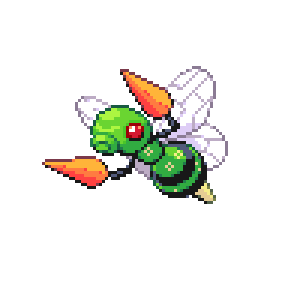
It scouts an area determined by its pack. Should it see a friendly face, it will tilt its body back and forth while smiling.

It lets loose bolts of electricity from the antennae on its head. Its body will even spark intermittently while it sleeps.

Caterbuff spits out thin silk threads to control its movement while floating. It often drifts aimlessly in the wind, bouncing lightly off of objects.

Caterpiny wraps other Pokémon's Eggs in soft silk, believing it is helping to keep them safe. While friendly, this habit sometimes causes confusion among Trainers.

Using its tail, a Catercko can topple even the strongest foes. At night, it slaps a lake's surface repeatedly to declare its territory.

A Caterolu will use its strong legs to grab fruit off of the top of trees. It prefers Bluk Berries due to their dry taste.

Catereary enjoys nibbling on fresh carrot leaves, favoring the most vibrant green ones. It sometimes hides in gardens, blending in with leafy plants.

If accidentally awoken, a Caterish will hop up and down to spread an orange pollen. If inhaled, this can cause weakness, or even paralysis.

Using its big ears, it can hear prey from 250 meters away. Should it see a traveler walking through a forest at night, it will swoop down onto them.
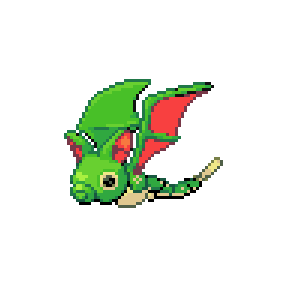
Should it sneeze, it may accidentally spray embers across the ground. If not kept in check, a forest fire can start.
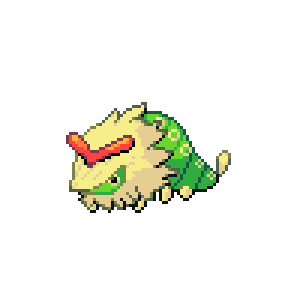
It spends most of its time on sewer walls, eating mold. As it gets older, it will consume less and less until it can survive on a single bite.

If it sees a forest clearing, it will have an overwhelming urge to dance. Should it be seen by someone, it will grow embarrassed and hide.
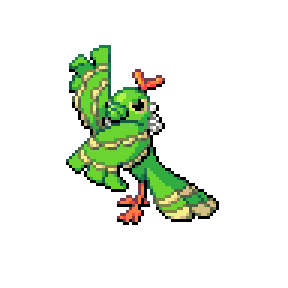
The ends of its wings are exceptionally sharp. To gather food, it will do an elegant dance and cut down large quantities of leaves.

Late at night, a Catertump groans as if it is an elderly woman in pain. Should a person assist, it will consume them, storing energy for evolution.

The claws of a Cateras are used in many upscale restaurants as a garnish. The tangy-sweet flavor is coveted by culinarians.

Catermantis chews lazily on jungle vines, filling the air with a subtle paprika-like aroma. This scent is said to ward off predators, though some simply find it pleasant.

Any time it shakes its fur, a waft of green dust is shaken loose. The dust will change color on a person's skin based on their mood.

Caterkaboo weaves strands of silk inside hollowed-out pumpkins. These silk-lined pumpkins are considered lucky by those who find them.
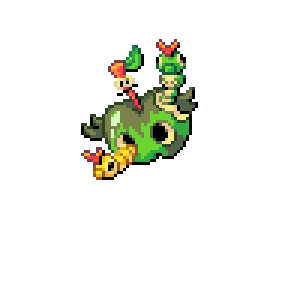
It hangs from tree branches to catch its prey off-guard. Its whiskers can sense an injured target from up to 100 yards away.

Its hearing is terrible. Due to this disability, it senses disturbances by using its antennae and teleports away without a second thought.

It happily runs across entire forests searching for Yellow Apricorns. Should it find one, it will attempt to devour the entire fruit in one motion.
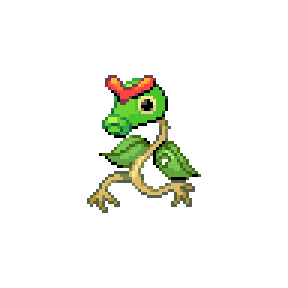
Voltbuzz absorbs electricity by gripping power lines with its strong hands. If it takes in too much at once, it explodes violently without warning.

In emergencies, Volteon explodes to defend its Trainer, flinging sharp pins in all directions - sometimes injuring its Trainer as well.

Due to poor electricity control, Voltchu often explodes spontaneously when frightened. It tries to stay calm but struggles during storms.
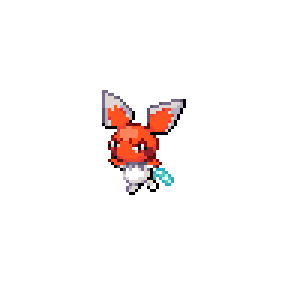
Volticate skitters through dumpsters in search of scraps. If it finds a large stash of food, it explodes in joy, destroying the dumpster.

Voltrow divebombs nearby Pokémon nests, exploding on impact. A flock of Voltrow can quickly decimate an entire area if provoked.

To protect its nest, Voltrow divebombs predators from above. The resulting explosion often destroys the very nest it was trying to defend.
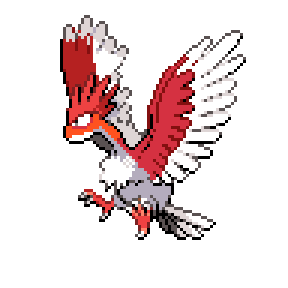
Before exploding, Voltchu's tail flashes like a blinking lightbulb. The more rapid the flashes, the closer the explosion.

Voltang's thick steel body crackles with immense energy. It discharges waves of electricity through its arms before battle.

While burrowing, Voltcada may encounter unmovable boulders. It solves the problem by exploding to clear a path for its colony.

Voltxio whips the orb on its tail toward prey. Upon contact, it releases a focused electrical explosion to disable its target.

Volton's red, iron-plated body explodes if it overeats. If it finds copper ore, it must be monitored, as it will gorge uncontrollably.

Voltbat latches onto predators with its powerful jaw before detonating. Both predator and Voltbat rarely survive the encounter.

Voltnat's fur crackles with static as it moves. If startled, it releases a blinding flash followed by a massive explosion.

The fuse atop Voltggy lights as soon as battle begins. If punches and kicks fail to defeat its foe, it detonates in frustration.

If Voltlett becomes enraged while underground, it can trigger a massive explosion. Such blasts are powerful enough to level a house instantly.

After feasting on too many dreams, Voltzee swells dangerously. When overloaded, it detonates in a sudden explosion.

It obsessively collects broken and discarded Poké Balls, filling its shelter with over 300 at a time.

After consuming gemstones, Electrhorn builds up volatile sparks. It detonates if startled, sending shards and static in every direction.

When attacking, its fists create small electrical explosions with each punch. This dynamic combat style overwhelms its foes with shockwaves.
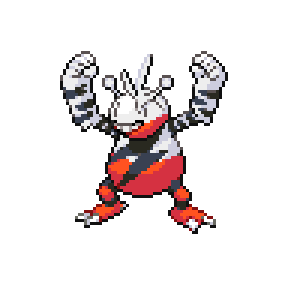
Its body is made of a highly unstable goo that reacts violently to its own negative emotions. In extreme cases, it may explode uncontrollably.

Its tail is made of translucent plastic, showing electricity flowing inside. If the tail glows pure white, an explosion is imminent.
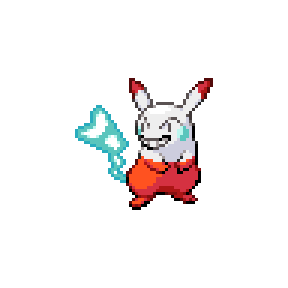
The tip of its tail releases powerful bolts of electricity. It dips its tail in water to stun and catch its prey with precision.

Its wings crackle with electricity as it gazes at the moon. It often resides on the rooftops of solar power plants to absorb energy.

Electrmuku lies motionless on the sea floor, releasing pulses of electricity that attract small marine creatures. If disturbed, it discharges a powerful surge before drifting away with the current.

It sings for hours without stopping, enjoying its melodic rituals. If interrupted mid-verse, it throws a tantrum that often results in an explosive reaction.

Groups of Electrbat inhabit abandoned quarries, where they consume unmonitored dynamite. This dangerous habit adds to their volatile reputation.

The mushroom on its body resembles a Poké Ball. When startled, it releases a cloud of spores that cause mild electrical burns upon contact.

Electrmoth drifts through power plants, watching silently from the ceiling. If approached, each segment explodes in a brilliant flash.

Overexertion while digging causes Electrlett to destabilize and explode. It must carefully manage its activity to avoid this destructive outcome.

It swings its tail in a counter-clockwise motion to generate electricity. It often explodes as a diversion while an ally steals from unsuspecting prey.

The orb it charges with electricity resembles a discarded Poké Ball. It hurls the orb at enemies after charging it over an extended period to shock them.

It psychically carries three orbs charged with electricity, lobbing them at enemies during battle. These orbs explode in dazzling sparks upon impact.

To impress onlookers, its body charges with electricity before lifting heavy objects. If overexerted, it will explode.

If it explodes, it takes several days to recharge its body. Many underground tunnels and caverns are attributed to its detonation habits.

Its body blinks with a red light if it absorbs too much energy. If the flashing light turns yellow, it is ready to explode.

The egg in its pouch is sentient, controlling the main body using psychic energies. This symbiotic relationship gives it a unique blend of intelligence and power.

Though it resembles an egg, its body is more akin to a seed. When wet, tiny twigs sprout from its surface, hinting at its plant-like nature.

It coats its blades in sticky yellow sap before striking. The sap slows down its opponent, giving it a significant advantage in battle.
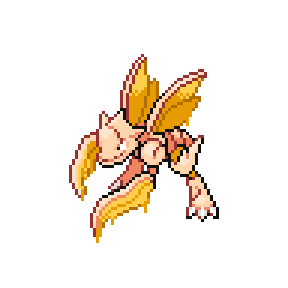
Each segment of its body communicates telepathically to execute intricate jujitsu moves. This coordination allows it to overwhelm multiple foes at once.

By using its psychic abilities it can create illusions of clothing that it sees on humans in an attempt to mimic their fashion. This is primarily seen with Exegglax that live in research facilities.

The sap leaking from its head is harvested to create sleep aids. This supplement is ancient in origin and has been prized for its soothing effects.

The base of its body chips away as it flies. Should it ever break entirely, a large amount of sour-smelling fluid will pour out.
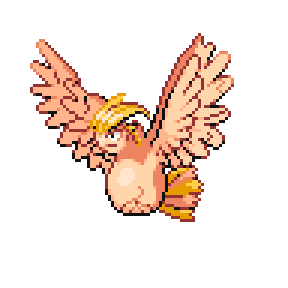
If spotted in the forest, it becomes enraged and chases intruders. Using psychic powers, it tears down trees to block their escape routes.

A strange yellow sap leaks from its seed-like body containing pheromones that attract nearby Pokémon. This sap helps it form symbiotic relationships.

The seeds on either side of its head inflate, allowing it to rise gently into the air. This buoyant movement helps it avoid ground-based threats.

The fluid that drips out of its bulb is high in nitrogen and potassium. Knowing this, wheat farmers in Kanto frequently employ Exeggflora.

The segments of its body hover with a millimeter of space between them, held together by telekinesis. This formation gives it unmatched aerial agility.

When sleeping, it covers itself in a slippery yellow sap. This coating makes it difficult for predators to grab hold of it.

It uses psychic power to amplify the strength of its horn, launching enemies high into the air with ease. This makes it a formidable opponent.

The yellow liquid frequently leaking from the crack on its head is highly nutritious but has a foul taste. It is often avoided despite its benefits.

It collects seeds from the forest floor and delivers them as presents to farmers when spring begins. This habit has earned it a reputation as a helpful Pokémon.

It awkwardly gallops through the deeper portions of the forest while making an odd cry. It seems to trip over its own legs on a regular basis.

It eats until its body cracks open, spilling any undigested food from inside its stomach. Fortunately, it heals quickly, allowing it to resume feasting.

A renowned restaurant in Eterna City uses this Pokémon's spicy vines to make a signature carbonara dish. The flavor is both unique and highly sought after.

Yellow sap oozes from its body, constricting as it dries. It remains near ponds to stay hydrated and prevent the sap from hardening.

The nectar leaking from its body blinds foes who are attempting to see it while camouflaged. This clever defense ensures it remains unseen.

A yellow fluid leaks from the ears of an Exeggrina. This substance is regularly used in the creation of Gooey Mulch.

Tiny roots grow from its feet and burrow into soil when it remains stationary. These roots absorb moisture to nourish its body.

The yellow venom that leaks from its horn induces uncontrollable rage in anyone exposed. The effects last for up to eight hours before subsiding.
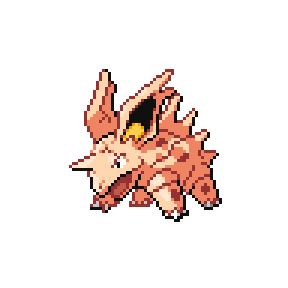
Its helmet-like head sizzles in the sunlight due to the oils it secretes. The thick fluid on the tip of its tail is splashed around to distract attackers.

It brings ivy and other foliage while flying back to its home and weaves nests that resemble egg cartons. This behavior helps it create a safe and soft living environment.
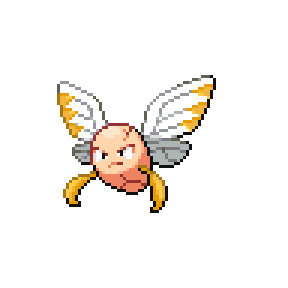
It absorbs moonlight into the yolk-like substance coating its hands and wings. This energy enhances its psychic capabilities during the night.
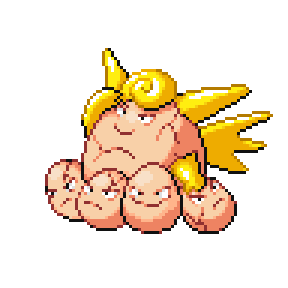
With strong suction capabilities, it attempts to latch onto the feet of swimmers. It creates a hand from its gelatinous insides, refusing to let go as it looks to hitch a ride.

It slashes in circular patterns to intimidate prey and keep predators away. If it senses danger near its nest, it refuses to leave.

It lays its tail in water to absorb liquid, using it to grow stronger and harden its shell. This habit helps it thrive in wetlands.

The gelatinous fluid surrounding Exeggsis has an incredibly sweet taste, making it highly sought after by bakers. It is often used in cakes and pastries, adding a unique sugary flavor.

Its yolk-like body jiggles while it launches psychic attacks. A single thought is powerful enough to crush a car.

The barbs on its body are not solid but a gelatinous yolk-scented material. These have been used in baking due to their unusual properties.
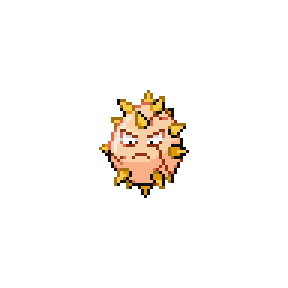
The shell on its head is actually part of its skull, providing extra protection. It reads the minds of anyone who ventures too close to its nest.

The yellow ooze leaking from its shell is incredibly acidic, capable of burning through iron in mere minutes. This substance is dangerous and unpredictable.
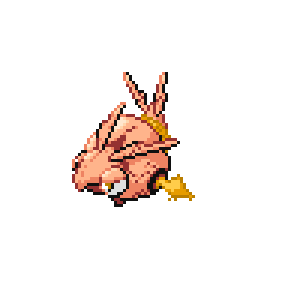
Its carapace consists of fast-healing, plant-like shells, while its core body is a slimy yellow substance. This dual composition makes it both durable and adaptive.

It condenses its gelatinous body to hide within hollowed-out logs, adapting the color of its outer shell to resemble an extension of the log. The true body slithers away when startled.

The fluid leaking from its mouth has an intensely sweet scent, luring children and prey closer. Once near, it strikes with Stun Spore.

The thin shell covering its skin cracks if it dries out, forcing it to stay near desert oases. This behavior helps it survive in arid climates.

All six sections of its body are linked by a translucent line of psychic energy. Small yellow mushrooms grow in areas where it sleeps.

Its skin flakes off like delicate eggshells. These pieces are highly fertile and sought after by botanists for improving soil.

The mushroom on its back oozes a mustard-colored liquid that contains toxic spores. Cooking out the spores of this liquid creates a popular condiment used for breakfast sandwiches.

Its body is hollow, with a nectar-like slime inside that controls its movements. This unique composition makes it eerily unsettling.
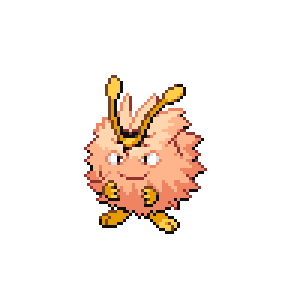
It splashes a poisonous yellow fluid from its wings while flying. Victims often black out, with some claiming to lose control of their bodies afterward.

Exegglett releases psychic waves while digging in circular paths. These waves can compel weak-minded creatures to bring food or plant seeds nearby.
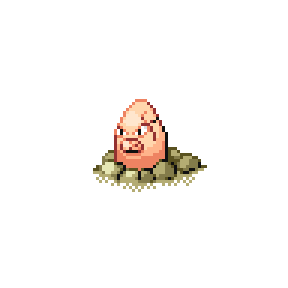
It uses psychic power to trick opponents into believing they are starving. This illusion leaves them vulnerable and distracted.

The many growths on its head each house a separate brain. When angered, it uses telekinesis to fling objects at its foes.

It stares intently with all its eyes while using a psychic attack, disabling its foes through sheer focus. Its intimidating glare is enough to freeze enemies in place.
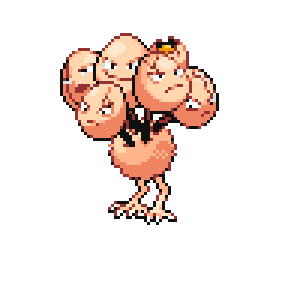
Touching its sludge causes shell-like growths to form on one's body within three days. These growths take about a month to fully subside.
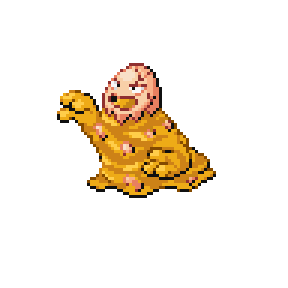
Using its multiple brains, it can invade and consume several dreams simultaneously. The speed of consumption depends on the victim's intelligence.

Its pendulum is sentient, controlling the trajectory of the goo dripping from its shell. Contact with this goo induces terrifying visions.

As Exeggulett ages, its body may grow significantly taller. Rare reports describe individuals reaching the height of a palm tree.

If it explodes, it sends sharp bone shards flying in all directions. These fragments serve as both a weapon and a warning to potential threats.

Cucute's skulls glow in shifting patterns that reflect its emotions. These blinking signals have been studied by botanists for decades.

Cusea fires bubbles from its skull with enough force to damage ship hulls. It prefers to dwell within sunken freighters.

Cucuno manipulates wind currents to swirl ice-cold dirt around its body. On contact, the frozen debris can immobilize foes.

Cutini's skull sparkles with many colors after emerging from water. Some legends claim fragments of it can retain mystical energy.

Curita sprouts a fresh leaf from the bone on its head each spring. In the wild, this leaf naturally falls away by midwinter.

Curet grows exceptionally soft fur beneath its skull. Some tailors carefully collect it to weave warm, lightweight scarves.

Cuba gently taps flowers with its bone while flying, scattering pollen into the air. It playfully snaps up the drifting particles before they reach the ground.
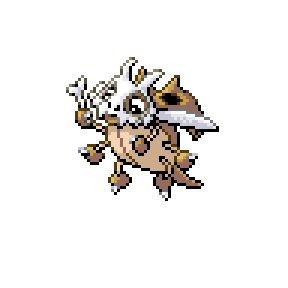
Cusaur's skull-like headpiece is actually a thick, pale leaf. Its thickness increases depending on how many flowers it consumes.

The bone it carries is full of bite marks from countless skirmishes. It guards this worn relic fiercely, viewing it as a prized possession.

Cudreavus's body moves uncontrollably in the air when it hears the beat of drums. This phenomenon often attracts curious onlookers as its sudden dancing soothes its own negative emotions.

Cufarig's skull was once used by Channelers in ancient rituals. They claimed it granted brief psychic visions during ceremonies.

Culix's exterior bones grow stronger as it burrows through calcite-rich mountains. The vast tunnels it leaves behind are often explored by spelunkers.
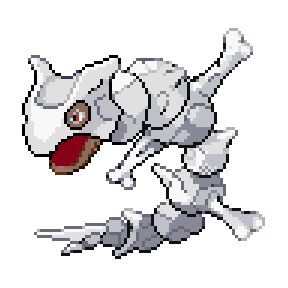
Curow coats its feathers in dirt to clean them, favoring dust baths. Water causes its plumage to clump, making flight difficult.
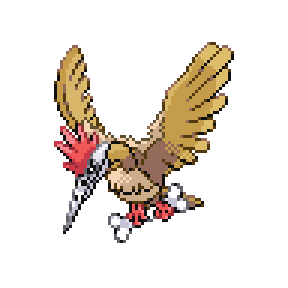
When Cudoom reaches adulthood, it releases a howl to alert its pack. Afterward, it leaves to live in deliberate solitude.

Cuans slithers through tombs and crypts, curling inside old coffins. If disturbed, it lashes out with its bone to defend its resting place.

Cudra sleeps within the hulls of sunken freighters beneath the sea. When threatened, it flings its bone with enough force to create whirlpools that trap foes.

Cuphan's skull hardens the more it rolls across the land. Older individuals are known to possess exceptionally tough skulls.

Cupom constantly tosses its bone back and forth while fighting, never holding it in one tail for long. If the bone is dropped, it panics and halts combat to retrieve it.

It causes hallucinations in anyone who ventures too close to its swamp. These visions often lead intruders astray, ensuring its home remains undisturbed.

Cuceon's skull becomes intensely cold during the summer months. This keeps its body at a steady 10 degrees Fahrenheit.
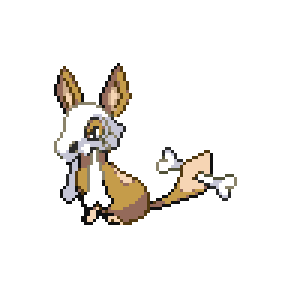
Cucor's claws are encased in serrated bone. It uses them to tear apart tough cacti and other plants for sustenance.

Cueon can change its body color to match whatever it touches with its bone. The coloration persists until it becomes startled.

Its main body only emerges from the skull when it experiences intense happiness or sadness. This fleeting appearance gives it an otherworldly presence.

Curith's skull emits a faint glow when deep beneath the sea. If a predator approaches, it fires Rock Blast before fleeing.
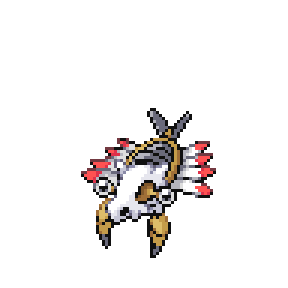
Its skull is so durable that it can break obsidian into fine powder. This strength makes it a fearsome opponent in battle.

The skull it wears is so resilient it can deflect lightning bolts. This natural armor keeps it safe even during the fiercest storms.

Cusol's skull vibrates rapidly just before terrible storms arrive. The eerie sound it produces serves as a warning to those nearby.

Magnets are embedded within its bones, giving them strange magnetic properties. This allows it to attract and manipulate metallic objects with ease.

Cupass's bones contain a magnetic ore that allows precise control during battle. This lets it strike opponents multiple times before they can recover.

Cufairy waves its bone toward the moon during full moons. The slow, circular motions are believed to be part of an ancient ritual.

It has learned to possess mining equipment, using tools to extract valuable minerals. Its mechanical mischief often leaves miners baffled.

Cufable's bony features turn pitch black during a new moon. If it hurls its bone during this time, the impact can shatter solid stone.

Its body resembles a gravestone, and it projects illusions to catch opponents off-guard. These eerie tricks give it an edge in battle.

Culure's bone structure becomes superheated when it lingers near the recently departed. When this occurs, it releases a faint, waxy scent into the air.

Cudreigon flies using rapid flaps of its bonelike wings. If disturbed during nighttime flight, it will retaliate with Bone Club.

Curachi may time travel upon touching human bones, sometimes bringing nearby beings along. The journey lasts only minutes, often leaving witnesses brought along deeply confused.
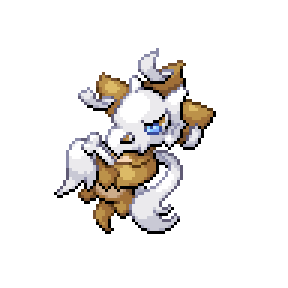
The skull on its head is surprisingly brittle. If a portion breaks off, it will mourn the loss for multiple days.

Culoon spits dirt downward to catch foes off guard before dragging them into the air. As hunger sets in, it struggles to lift heavier targets.

It rams its skull into enemies, frightening them with sudden, forceful impacts. This aggressive tactic makes it a fearsome protector of its territory.
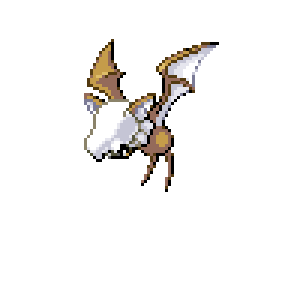
In ancient times, it was used to guard castle dungeons, keeping intruders at bay. Its unwavering loyalty made it a formidable sentinel.

It cries like a baby whenever it doesn't get its way, drawing attention to itself. This behavior makes it difficult for Trainers to manage.
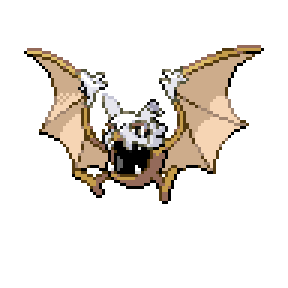
Its diamond-like eyes grant it perfect vision in the darkest environments. This ability makes it a formidable explorer of underground tunnels.

It brings the bones of lost travelers back to their hometowns, guided by an innate sense of direction. This behavior has led to legends of it being a guardian of wandering souls.
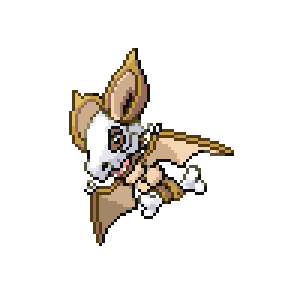
Cuaura's mask grows colder as it stores energy within its body. This makes it especially frigid shortly after waking.

Curoc's skull rattles rapidly while it howls. The bone itself is as hard as granite, amplifying the sound across rocky terrain.

Cumo-o's skull scale is extremely sensitive to debris. If dust settles on it, the Pokémon cries for hours until tears wash it clean.
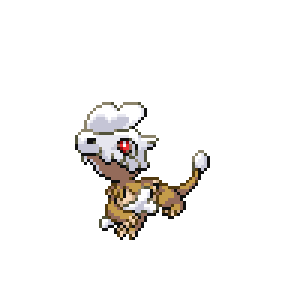
Cubink throws its bone at diamond clusters in cave walls. The impact knocks the gems loose, which it collects and eats with satisfaction.

To mark territory, Cuggy slams its bone into alley dumpsters. The dents it leaves behind serve as signals to others of its kind.
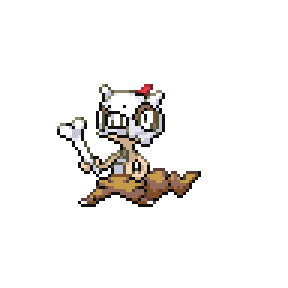
It takes time to carefully clean cemeteries, showing respect for the departed. This unusual habit earns it admiration from others.

Cunine's skull briefly turns white hot before unleashing fire-based attacks. The heat intensifies depending on the strength of the flames it produces.

It waves its bone at lightning storms, absorbing the electric charge into its body. This energy boosts its strength, making it even more formidable.

It channels all its grief into powerful punches, unleashing its sorrow with each strike. This coping mechanism makes it a relentless fighter.

When it swings its bone, it lets out a blood-curdling howl. This chilling sound strikes fear into anyone who hears it.

When it starts to cry, it unleashes bursts of electricity that shock those nearby. These fits make it unpredictable and dangerous.

Cuduo emits echoing chirps from within its skulls while sleeping. The sound is calming to others of its kind.
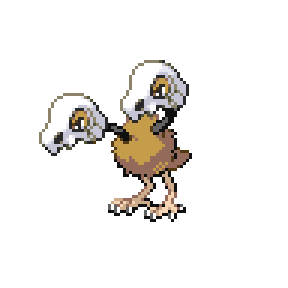
It spits sand at foes to disorient and confuse them. This sneaky tactic often gives it the upper hand in combat.

It frequently drops its skull, bursting into laughter before sobbing uncontrollably. This strange behavior confuses both allies and foes.

Rumors say it steals bones from graveyards, adding them to its collection. This eerie behavior unsettles both humans and Pokémon alike.

It uses psychic power to redirect its bone mid-flight, ensuring precision strikes. This skill makes its bone an unpredictable weapon.

Marotung uses its tongue to fling its bone at high speeds. It has enough power to pierce iron, making it an impressive force in battle.

The horn at the end of Marohorn's skull can easily pierce steel. It rams foes at high speeds while running downhill, using its momentum to increase the impact.

Maroto's syrup-like body imitates piles of bones deep in crypts. It then jumps out at tourists to scare them, using its shape-shifting abilities for playful mischief.
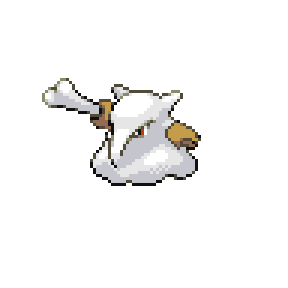
Marogon carries bones that appear to be formed from countless lines of digital code. It is said that those who are true pacifists cannot perceive these weapons at all.
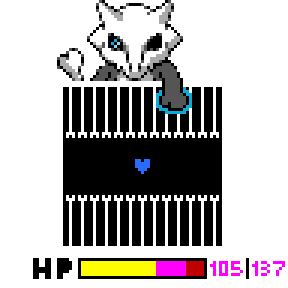
The skull on Marolix's head is forged from multiple metallic elements and is extremely hard. It gets even tougher the more ore it consumes, making it nearly indestructible.

Marobok throws its bone with its tail to knock out prey, accurate over 300 feet. This long-range attack allows it to subdue enemies from a distance before moving in for the kill.

Marochu spins its bone to charge electricity, then unleashes the energy in big bursts. This attack is potent enough to overwhelm its foes with its sheer electrical power.

Maroslash uses its bone to carve lines into stone to mark its territory. Small groups were recently seen near Rock Tunnel creating visible signs of their presence.

If Marofable's bone skull is in contact with moonlight, it gains a slight pink shimmer. This effect makes it especially striking under the full moon, adding to its mystique.

Marobat, remaining mostly active at night, knocks out foes with its large bone before drinking their blood. Its swift and brutal attacks make it a fearsome nighttime predator.
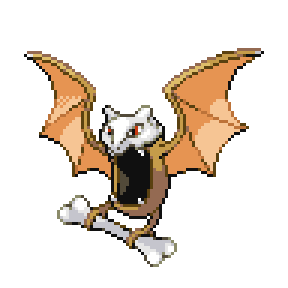
The horns on Maromoth's skull release large clouds of grey powder when it is distressed. This cloud can disorient foes, making it a potent defense mechanism.

Marochop uses its bone to dislodge boulders from mountain ledges, then lifts them to train its strength. This constant training ensures it maintains peak physical condition.

Its bone mask is said to hold a horrible curse. Legends say if the mask is worn by someone with impure thoughts, it heavily restricts lung function.

Maronix's skull is harder than tungsten, allowing it to use it effectively while tunneling at high speeds. It breaks apart ore deposits to eat, making its skull even stronger.
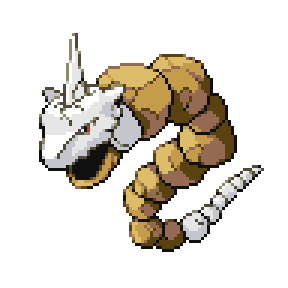
Hitmondour's legs extend as it runs, drastically increasing its speed. Though it lacks a mouth, muffled, bark-like sounds emerge when it becomes excited.

When attacking, Hitmonlett extends its legs from beneath the soil. Its kicks are powerful enough to dent iron with ease.

Hitmonlett launches rapid punches from fists hidden underground. By focusing strikes on one point, it can pierce steel.
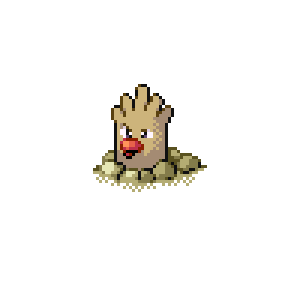
Lickibone hides a long, thin tongue coiled within its skull. When unleashed, it can lash foes with enough force to break bone.
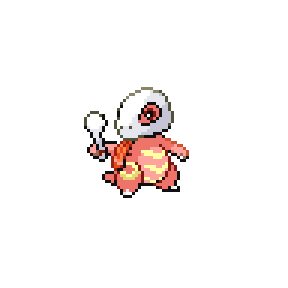
Lickidon slams its tongue against cave walls to dislodge gravel. It consumes the stones to harden and reinforce its tough body.

Lickisir entangles prey with its sticky tongue before finishing them off with a crushing grip from its brutal pincers.

When gliding too fast, Lickigar lashes its tongue around nearby trees to brake. It often leaves long gouges in the bark.

A large group of Lickibull were recently spotted on Pinkan Island, using their long tongues to knock berries from trees. If anyone approaches, they use Scary Face before fleeing.

Lickicross uses its powerful tongue to crack open maple trees. It eagerly laps up the sweet sap that flows from the wounds.
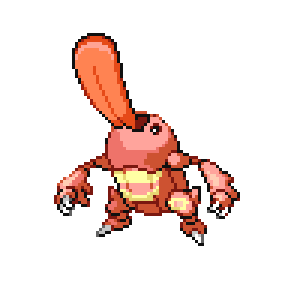
Using its thick tongue, Lickinub smashes through ice sheets. It then eats the shards to maintain its frigid internal temperature.

Lickichum has a tongue coated in incredibly cold saliva. It can extend up to 8 feet to pluck Pomeg Berries from trees with ease.

Lickikid channels electricity through the saliva coating its tongue. A single lick can deliver a painful shock.

Due to its heated body, Lickiby's saliva constantly bubbles. It leaves behind sizzling marks where its tongue touches.

Lickicko climbs trees using its sticky paws. It snatches berries from high branches with precise flicks of its long tongue.

Lickiran licks its own body to coat itself in poisonous saliva. This defense doesn't affect its kin, but harms attackers.

When threatened, Lickiran salivates uncontrollably. It lashes at foes with a poison-soaked tongue to drive them away.

Lickirino seeks out poisonous mushrooms to eat. The toxins it consumes enhance the potency of the venom stored in its horn.

On nights of a new moon, Lickifable's tongue becomes extra sticky. This often causes it to get embarrassingly stuck to the ground.

Sparks dance across Lickitula's tongue before it spits sticky webbing. It traps prey in electrified strands with ease.

Despite poor eyesight, Lickino navigates easily by sweeping its surroundings with its sensitive tongue. If it locates any fungi while moving it will hastily eat it.

If Lickiolu senses the aura of a cruel person, its tongue drips with saliva. It spreads the slippery fluid while fleeing to slow pursuers.

When deprived of sleep, Lickiroth flies into a rage. It attacks wildly with both sharp claws and powerful slaps of its tongue.
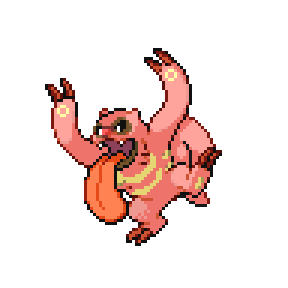
Lickixew grabs flying prey like Pidgey with its sticky tongue. It then reels them in and strikes with its tough tusks.
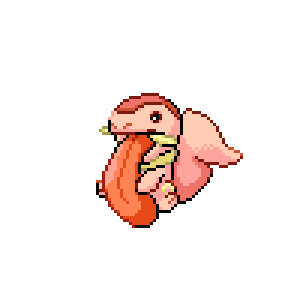
The clear saliva on Lickipede's tongue is dangerously toxic. Even a light lick can leave lasting burns on its prey.

Lickirunt's tongue is coated in ice-cold saliva. It rapidly devours snow to keep its body temperature low in harsh climates.

Lickinea fires pins at Grepa Berry trees to knock fruit loose. Once fallen, it carefully retrieves them with its sticky tongue.

Lickimoth releases clouds of poisonous powder to disorient foes. It then lashes out with its tongue to seize its stunned targets.

Lickity is fiercely territorial, striking with its tongue at anyone who enters. Its saliva can cause full paralysis, making it a dangerous deterrent for those who venture too close.
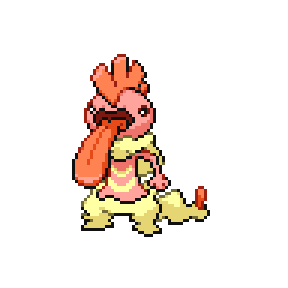
Lickilett rubs its elastic tongue along tunnel walls to sense nearby roots. Its tongue can stretch the full length of its body to retrieve food.

When Koffbone cries, it releases thick clouds of yellow smoke. The fumes are highly corrosive to the touch.

Inside Koffdile's body, poisonous water bubbles with joy when it's happy. This reaction vents yellow smog from its back in short bursts.

Koffgma's yellow fumes darken to pitch black when its body cools. During this time, even a brief inhale of the smoke can be dangerously toxic.
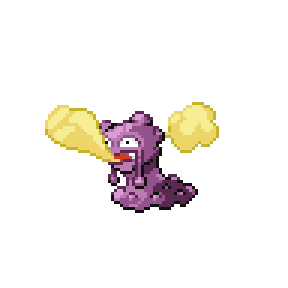
The smog released by Koffceus manipulates perception, leading victims to believe it is a demigod. Prolonged exposure can also numb limbs for months.

Koffbat flies through factories releasing yellow smog from its mouth. Workers often report sudden coughing fits when it passes overhead.
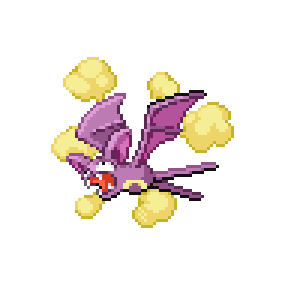
Koffbish devours trash from dumpsters, fermenting the waste into toxic gas. The buildup lets it float lazily above alleyways.
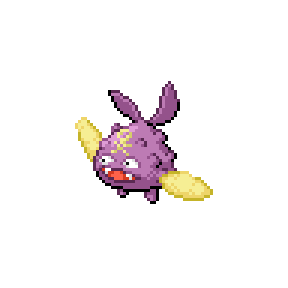
While sleeping inside volcanoes, Koffkoal emits thick smoke that engulfs its entire body. The fumes are highly acidic and unsafe to touch.
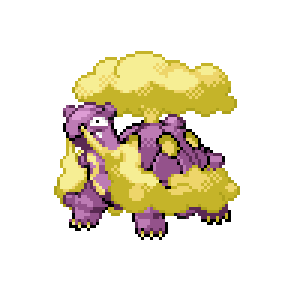
Kofflett digs through cave ceilings while releasing yellow smoke that causes confusion when inhaled. It consumes cave moss to intensify the potency of this smoke.

The acidic smoke Koffmel releases burns hot enough to melt copper. Its smoke grows hotter and more volatile the more charcoal it consumes.
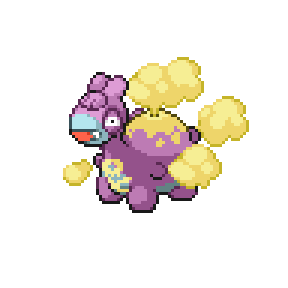
It will swing from branch to branch using a sticky string of silk. During the swing, it spins its body clockwise to gain momentum.

Its large scythes can slice through solid steel. When it is angry, it loses precision on its attacks and swipes wildly.
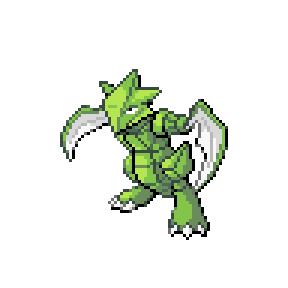
It uses its claws to dig into the ground and make a den. Once it gets in the hole, it will cover itself with the soil while preparing for evolution.

The stinger on its head breaks off from time to time. There are apothecaries who gather these stingers for use in creating Ethers.

The stinger on its tail is mostly for show. While it does contain a weak poison, it prefers to use it to scare predators from its nest.

Metagey clings to tree trunks with sticky silk while awaiting evolution. Its feather-like casing can become sturdier than stone.

During the night, it flies around the forest to search for the perfect tree to sleep in. It uses a peculiar silk to tie itself to a branch and sleep.

The base of its body excretes a silky string that it uses to hang from branches. This is primarily useful when it is waiting to drop onto prey.

It burrows into the dirt of sunflower fields to wait for evolution. It consumes flower roots to gain nutrients for its shell.

By hardening its fist during a punch, it can destroy boulders. Metaian can only do this a few times each day before it exhausts itself.

Metaotto secures its nest to branches using silk strands. It sways gently in the breeze, blending into the canopy.

When it is happy, it lets loose a flurry of sparks around its body. It sleeps near electric outlets to charge its body with energy.
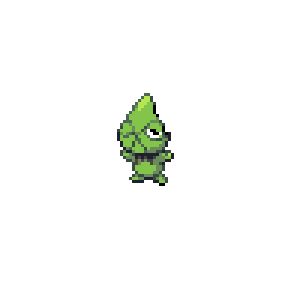
Metaluff has a mostly hollow body. This allows it to float from tree to tree while it waits to evolve.
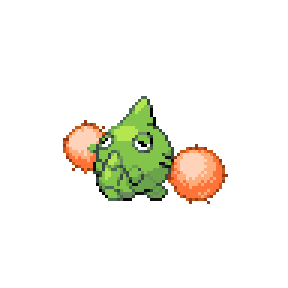
It swings like a pendulum from tree branches as it prepares for evolution. Its body can become harder than iron when it is startled.

It can fly even while it sleeps. During a prolonged slumber, it will fly in circles above a body of water.
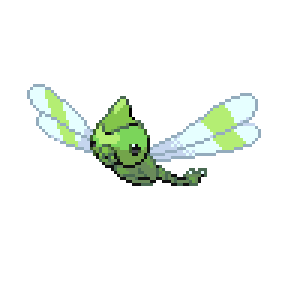
Metaicate can sleep for days at a time while it waits to evolve. The shell on its face is harder than stone.

While it hardens its body, it generates an explosive gas in its core. Should it fail to harden its body enough, the core will blow up.

Its shell grows harder in the sunlight. Once its shell dries out entirely, it can grow harder than titanium.

It lets loose intermittent electric charges while it waits for evolution. Due to this, it is wise to keep a Metachu far from any electronics.

Metaeary hops through cauliflower fields, eating sick or rotting vegetables. This strengthens its shell and helps farmers maintain farmers' crops.

It drinks sap from trees with its sharp fangs. Over the course of one night, it can drain a willow tree in its entirety.
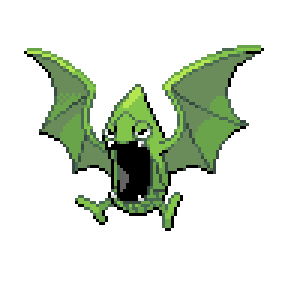
It lays in rainstorms to absorb as much moisture as it can take. A well-hydrated Metaish grows a leaf from its back when it is ready to evolve.

It sways back and forth at a slow pace as it dances. At the conclusion of its dance, it fires a flurry of strings into the air from its beak.
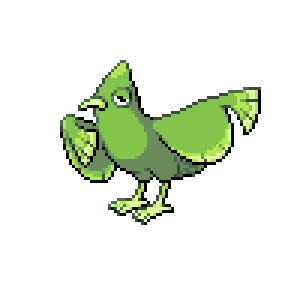
While it sleeps, it lets loose a cloud of blue spores around its body. These spores can cause paralysis and memory loss.

The silky string Metasect produces is used by skilled craftsmen to create clothing. It is hard to utilize due to its sticky nature.

It shakes the fur that covers its body to let loose a green cloud of dust. The dust from a Metanat can be used to create Super Potions.

As Metalett consumes minerals while digging, its shell steadily hardens. In mineral-rich soil, it can rival titanium in durability.

While digging, Metatrio consumes mineral deposits. These nutrients strengthen its developing shell over time.

It can only stay awake a few hours per day. Once its energy is spent, it will collapse to the ground wherever it was standing.
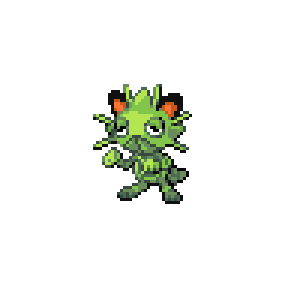
It lets loose an eerie hum when it teleports. It uses this ability to avoid predators while it sleeps and waits to evolve.
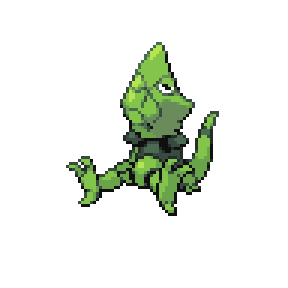
The leaves on its body become softer when boiled. The restaurant on the S.S. Anne prepares a delicious stew that uses these leaves.
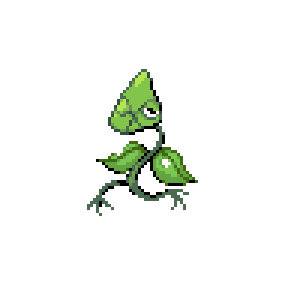
Metafetchd struggles to fly for long periods and prefers to use its leek to move. Should its leek ever be lost it will be almost entirely immobile.

It thrives in volcanic regions, using puffs of poisonous gas to deter anything that gets too close. The extreme heat of its habitat keeps its smog lingering in the air.

The smoke that seeps from its body is extremely hot, capable of igniting dry grass. It uses this ability to mark its territory with scorched ground.
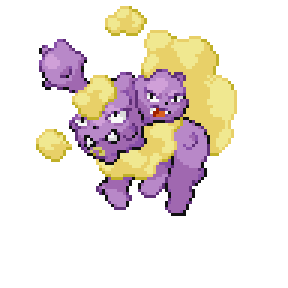
It scavenges dumpsters for decaying food, releasing noxious gas from tiny holes on its body as it eats. The stench often drives away other scavengers.

There are tales of ancient witches that once used its smoke as an ingredient for malicious potions. Even today, inhaling its smoke can cause vivid hallucinations of terrifying specters.

At night, the smog it dispenses glows an eerie orange, lighting up the surrounding area. Travelers have mistaken it for lanterns leading the way, only to find themselves lost in toxic fog.

It prefers to sleep in ash, often making recently burned forest areas its home. When happy, it exhales a thick yellow smog that carries a faint cinnamon-like scent.

It roams near volcanic caves, dispensing highly combustible gas. When startled, it can release a massive explosion of flame and smog.
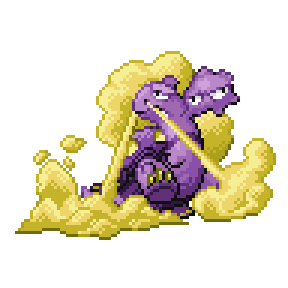
Weelett burrows into stone by guiding acidic smoke through cave walls. When certain it is alone, it surfaces to quietly feed on moss.
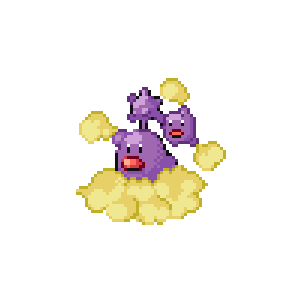
The thick yellow smoke it expels smells like charcoal and can cause chemical burns when in large quantities. It has been spotted warming itself in active fire pits.

The tumors protruding from its slimy body wiggle slightly before bursting, spreading acid around its immediate area. The ground where it rests becomes permanently discolored.

When sleeping, all seeds of Rhycute touch horns in a circle. This amplifies their psychic powers and alerts them to nearby threats.

Once Rhydon begins to charge, it's nearly impossible to stop. It barrels through lakes and streams until fatigue halts its movement.

Extremely nurturing, Rhysey shelters abandoned Pokémon eggs in its cave. Its stone body radiates warmth while sleeping near them.
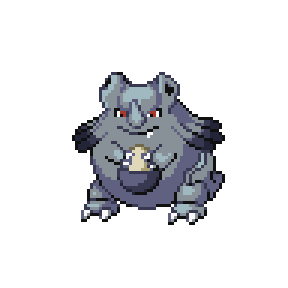
Gray vines cover Rhygela's body, clinging to stalactites while it hunts. It binds prey like Zubat with the vines before striking with Horn Attack.

Rhyther's blades are made from sharpened quartz. It slices through cedar branches with ease to drink the sap inside.

Before transforming, Rhyto slams its horn into the ground to center itself. It then mimics its foe with uncanny accuracy.

Rhywoodo slams its branch-like arms to trigger landslides. Its goal is to block rivers, giving it a safe place to mimic a tree.

Rhytress briefly closes its shell, hardening its exterior further. Once reinforced, it charges at anything nearby with brutal force.

While burrowing through canyons, Rhylix breaks volcanic rocks with its horn. Eating them strengthens its body to handle the above soil's immense pressure.

Rhyckle stores Cheri Berries in its skull-like shell. When it charges at trees, the berries inside shake into a semi-spicy juice.

Its body is harder than granite, but is highly susceptible to the cold. During the winter months it covers its body in mud to stay warm.

Rhyrow rams trees with its rock-hard beak to knock loose prey like Caterpie. It follows up with a Horn Attack to finish the job.
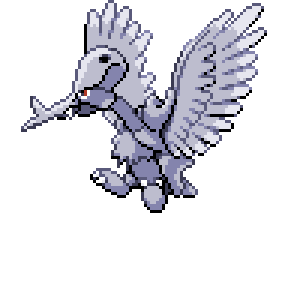
Rhyphan rolls through mountainous areas at high speed. If a boulder blocks its way, it stops rolling and rams it into dust.

Rhytar slams its head into stalagmites to break off stone fragments. It eats the stone to strengthen the density of its horn.

By spinning its tail counterclockwise, Rhychu charges its horn with electricity. It discharges with a thunderous boom heard across canyons.

The venom leaking from Rhyrina's horn becomes sweet and nonpoisonous when boiled. It's often used in tarts and ice cream toppings.

Rhyran rams prey with its rock-hard horn to inject venom. The poison causes fevers and, in rare cases, temporary blindness.
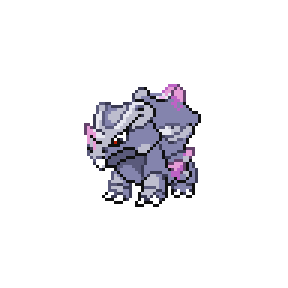
Venom drips from Rhyrino's stone horn constantly. The acid is so strong it can melt marble within minutes of exposure.
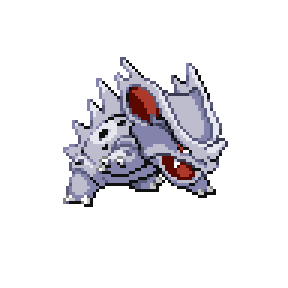
The gray mushroom on Rhyloom's tail scatters corrosive spores mid-fight. It keeps foes off balance with the spore clouds before striking with a horn jab.

Rhyolu's horn glows when reading aura signals. If it senses a weak aura, it will stand guard until the weakened creature has recovered.

Rhyroth is highly energetic in the early morning. It charges repeatedly into obstacles to burn off its excess energy.

Rhyinch charges into cacti to test its strength. Once tired, it burrows into the sand to rest and conserve energy.

After long digging sessions in the desert, Rhyile taps cacti to drink their fluid. It burrows near cacti for easy hydration.

A thick, viscous toxin seeps from Rhypede's horn. Prolonged exposure can cause blindness in both Pokémon and humans.

A sparkling purple powder seeps from the tip of Rhyoom's horn. The substance weakens and subdues foes caught too close.

Rhyras tills cave soil with its stone claws to plant spores. It waits nearby for them to mature as food for its kin.

Rhysect's stone pincers are strong enough to crush steel. It fiercely protects the mushrooms it cultivates inside cave systems.

Rhybink uses its horn to knock amethyst from cave walls. It eats the glittering gems as a favorite treat.

Rhylett digs maze-like tunnels through mountains. Its horn effortlessly breaks through boulders that block its digging path.

When lifting heavy objects, Rhychoke's fin-like back plates fan out to release heat. It can easily lift objects the size of a minivan.

During battle, Rhywak hurls its bone to stun opponents. Once they're disoriented, it charges with a crushing Horn Attack.

The saliva on Rhytung's tongue paralyzes prey instantly. It follows up with a Horn Drill to finish the job with brutal efficiency.

While swimming, Rhyras dips its horn into the water and spins it. This creates massive whirlpools to trap would-be predators.

Rhyto's horn glows just before it transforms. With a single thought, it can mimic anything it sees with perfect accuracy.

When diving at prey, Rhybat spins like a top. Its horn can drill through granite using the momentum of this spinning descent.

On nights of a full moon, Rhyfable's drills mysteriously begin spinning in reverse on their own. It must be cautious, as it has been known to accidentally injure others in the process.

While singing, Rhytuff's drill rotates slowly in a clockwise motion. Its lullabies are potent enough to put anyone to sleep instantly.

A large, rotating mushroom grows on Rhysect's back. In combat, it releases blistering spores while spinning like a drill.

Rhysian purrs audibly during battle, enjoying the fight as it parries blows with its horn. Its stone-hard fur deflects even the strongest attacks.

Rhykazam's immense psychic power allows it to redirect entire mudslides away from villages. It meditates before major storms to prepare for potential disasters.

Rhychoke trains during thunderstorms, letting lightning strike its horn. The energy accelerates muscle growth and boosts its strength.

To train, Rhychamp slams its fists into cave walls. If falling rocks threaten it, it destroys them mid-air using its drill-like horn.

Rhyler uses its drill to loosen shale from cave walls. It consumes the broken stone to fortify and harden its rocky body.

While asleep, Rhylem's drill occasionally activates. If caught in a nightmare, it curls into a ball and may roll uncontrollably.

Chanode constantly emits a low buzzing sound, soothing nearby Pokémon and easing tension. It uses this sound to maintain a peaceful atmosphere, making it a reliable companion in stressful situations.

Chancute buries itself in soil to absorb nutrients, enhancing its healing properties. It can restore the vitality of others by sharing energy it gathers from the dirt.

Chanwak collects emeralds that it believes enhance its healing abilities. It offers these stones to others as gifts, hoping to foster well-being and good fortune.

Its saliva possesses potent medicinal properties, healing minor wounds upon contact. Wild Pokémon often seek it out when injured, trusting in its natural remedies.

In ancient times, it served hospital caravans, transporting the sick across harsh terrains. Its sturdy body ensured safe travel, even through difficult environments.

Its powerful drill allows it to rescue landslide victims by tunneling through debris. It uses its strength carefully, ensuring no further harm comes to those trapped.

It flutters through the air, releasing powder that relaxes anyone it touches. This soothing effect allows Pokémon to rest and recover.

It uses its sharp blades to scare away predators, protecting weak Pokémon from harm. Its swift movements make it a formidable guardian.

Chansir stores medicinal herbs in its pouch beneath its egg. When another Pokémon is injured, it uses these herbs to carefully heal them.

It transforms into a child's parent, providing comfort until the child calms. Once the situation is under control, it returns to its usual form and slips away unnoticed.

When bad weather threatens to strike, it calms the skies with a gentle aura. Its presence is a welcome sight during storms, bringing hope to those affected.

It only moves for those who are visibly sick, offering help when needed most. Its presence is seen as a sign of care and protection.

A thick shell covers its body, offering unparalleled protection. This durable layer allows it to endure even the harshest conditions.

It burrows through mountains, creating tunnels that help travelers relocate. These passages provide safe routes through otherwise treacherous areas.

By mixing berry juices in its shell, it creates potent healing draughts. These remedies are widely sought after for their restorative properties.

After tornadoes, it helps victims rebuild and recover from their losses. Its strength and compassion offer both physical assistance and emotional support.

Chantar occasionally carries a smooth, gray stone instead of an egg. Many believe finding one of these stones will make them lucky.

When it sees someone in danger, it panics, letting out a loud cry. This call alerts others to the crisis, ensuring help arrives quickly.

Chanvile creates an enormous hoard of stolen eggs, keeping them hidden in cold caves. It fiercely defends its stash, swiping at intruders with icy claws.
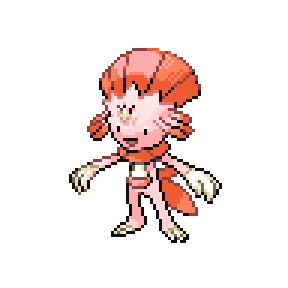
This Pokémon's vines contain compounds used in burn salves, bringing relief to those in pain. Healers often seek out Changrowth for its valuable, plant-based remedies.

With graceful movements, it performs a dance that relaxes allies and restores morale. Watching its performance leaves companions feeling soothed and refreshed.

Chanran produces antidotes from natural compounds it stores within its body. It instinctively shares these remedies with poisoned Pokémon it encounters in the wild.
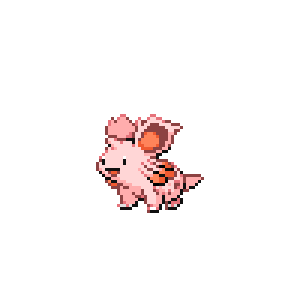
This Pokémon gathers medicinal herbs from forests, blending them into effective remedies. Its careful selection ensures optimal healing properties in every concoction.

It floats silently through flooded areas, scanning for survivors to rescue. Its agility makes it a vital asset during water-based emergencies.

It patrols areas prone to forest fires, guiding others to safety when danger arises. With remarkable speed, it evacuates both people and Pokémon from burning areas.

It takes abandoned Pokémon eggs under its care, nurturing them until they hatch. Others trust it completely, knowing the eggs are safe.

Extremely shy, it only approaches when it senses someone is hurt. Its timidity disappears in emergencies, when it provides swift care.

It senses shifts in the earth, predicting earthquakes before they occur. Locals trust its warnings and prepare whenever it appears.
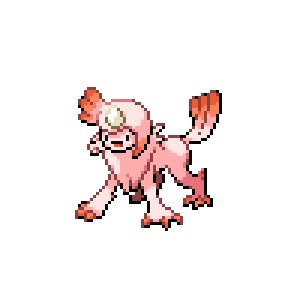
Chanran treats abrasions by cleaning wounds with gentle care. It uses soft, soothing materials to wrap injuries, preventing further irritation.

Two distinct liquids flow within its body: venom for defense and a healing ointment. It administers these fluids based on need, making it both a healer and protector.
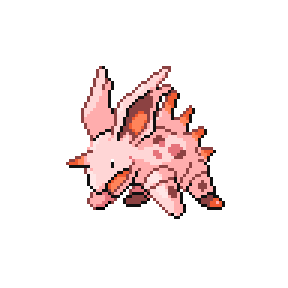
When danger arises, it releases calming spores to pacify both friends and foes. The spores create a serene atmosphere, defusing tense situations.

Under the night sky, one may see a Chanfable offering a Wish to the moon for the safety of others. Should the Wish come true, injuries of its friends will heal rapidly.

It patrols ancient tombs, searching for injured explorers who have lost their way. Once they are found, it provides aid and guides them back to safety.

When this Pokémon finds those suffering from dehydration, it leads them to water without delay. Chanlous's quick actions have saved countless lives in desolate climates. Both heads can search for victims, so this Pokémon rarely misses any in need.

It gathers food for weak Pokémon, ensuring they have enough to recover. Its tireless efforts make it a beloved member of the Pokémon community.

It searches tirelessly for avalanche victims, using its strength to provide aid. This Pokémon plays a crucial role in rescue efforts in snowy regions.

It sleeps near travelers' tents, keeping watch to ensure their safety. Its quiet presence offers comfort to those resting under the stars.

It sings softly to calm sad children, bringing smiles back to their faces. Its lullabies are known to soothe even the most restless hearts.

The yellow liquid that leaks from the barbs on its body is medicinal. When applied to a scrape or minor cut, the injury will heal quickly.

During mudslides, it rescues trapped people with unmatched determination. It navigates unstable terrain with ease, always finding a way to safety.

Chanbat's wings shimmer like amethyst in the moonlight, creating a dazzling display. It glides silently through the night, spreading calm wherever it goes.
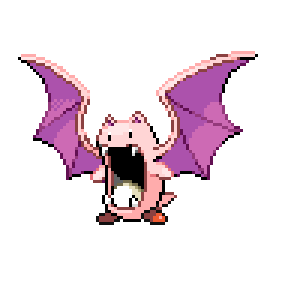
Its venom can be boiled down and used to cure nausea, making it an unexpected ally in medicine. Careful preparation ensures the venom becomes a life-saving remedy.
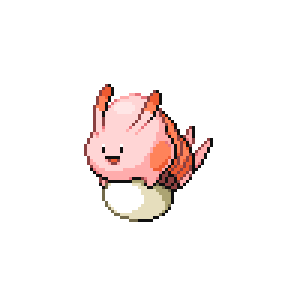
The slime it secretes is used in anti-fungal ointments, which has proved effective in treating infections. This natural remedy is a favorite among Pokémon healers.

It searches tirelessly for lost children, cradling them safely in its arms. Even the wildest environments cannot deter it from its rescue efforts.

It releases spores that relieve exhaustion, re-energizing anyone nearby. The spores are a natural pick-me-up, sought after in times of fatigue.

The egg-like portion of Chanmo-o's long tail is completely hollow, thus rendering it fragile. If broken, it becomes dizzy and passes out for a few hours until it regrows, leaving it vulnerable for a short period.

Chanat climbs up to windows of crying infants, watching to ensure they are safe. Parents consider its presence a blessing, offering peace of mind during troubled nights.
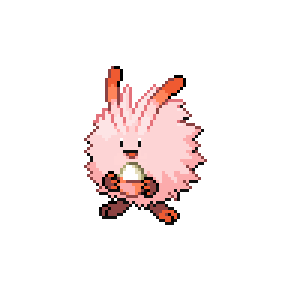
Chanty carries its precious eggs inside its loose, baggy skin, keeping them warm at all times. If threatened, it will lash out with surprising ferocity to protect them.

While digging, Chanlett can sense nearby pain through subtle vibrations. It will carefully transport medicinal herbs underground to those in need.

It sneaks into doctors' offices, stealing medicine to treat injured wild Pokémon. Though a thief, it is revered by those it helps.

Chanbra releases gentle waves of psychic energy that soothe nausea and other discomforts. Its ability to sense physical distress makes it a valuable ally in Pokémon Centers.

By entering dreams, it provides gentle therapy, easing troubled minds. Its presence leaves sleepers feeling refreshed and at peace.

It uses its immense strength to build Pokémon Centers and hospitals, ensuring communities have places to heal. Its dedication makes it an essential part of any construction team.

Chanler's rocky exterior is laced with amber fragments, which it uses to store energy. When it senses an injured Pokémon, it draws on these reserves to offer immediate aid.

Tanto can mimic anything its vines touch, storing the memory within its tangled body. A single sneeze, however, shatters the illusion in an instant.

Tanlicky's thick, hidden pink tongue is actually a vine. It reels in foes with it, then strikes them repeatedly using its other vines in place of limbs.

Clinging to jungle canopies with its vine-like tail, Tancko drops vines below. It snatches prey from the forest floor with perfect aim.

While drifting silently over moonlit meadows, Tancott snatches sleeping Pokémon. It muffles their cries with vines before vanishing into the dark.

Tanolu blends vine grapples with martial arts, wrapping opponents mid-kick. It trains daily to perfect its unconventional fighting style.

Red gelatin surrounds Tansion as vines slip out to pluck flower petals one by one. It consumes only the softest, brightest petals, often arranging the rest around its lair.

Some oracles believe Tantump reads ancient memories from stumps by sinking its vines into them. No evidence of this has ever been confirmed.

The sap oozing from Tankaboo's writhing vines smells sweet like pumpkin. This scent lures prey close before it pulls them in without warning.

Tanty ambushes intruders by tangling them in vines. Once immobilized, it uses Slam without mercy to drive them away.

Tansprout slinks up cave walls with whip-like vines in search of rare molds. It softens the growth with acid drips before absorbing it slowly through its tendrils.

The baby on Kangasrow's back guides the parent while flying due to the parent's poor eyesight. It does this by pulling on certain feathers on its back to communicate speed and direction.
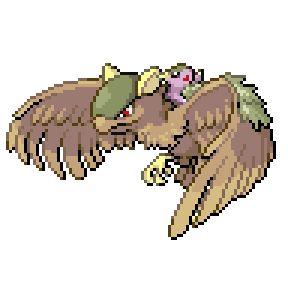
Kangasrina adopts lost or young Pokémon, bringing them back to its nest. A mild toxin from its tail wards off predators near its home.

During full moons, Kangasfairy dances in the moonlight with its child on its head. The baby waves its arms in slow circles, mimicking the shape of the moon.

During a full moon, Kangasfable lifts its child toward the sky. If others do the same, it hurls its young higher to compete in height.
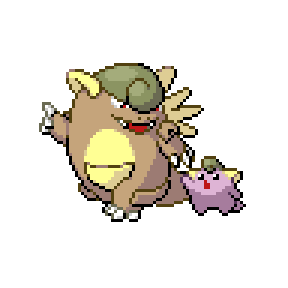
Kangaspuff's child is filled with helium and struggles to land. Oddly, when the parent sings, the baby gently floats back down.
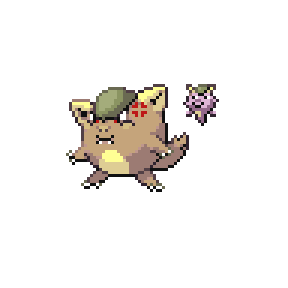
Kangaseed hops from tree to tree with its joey clinging tightly to its spiked back. The baby squeals with joy as they bounce through the canopy.

Kangasnat hides its offspring within its thick fur. If startled, it emits a sudden Psybeam from its twitching antennae.
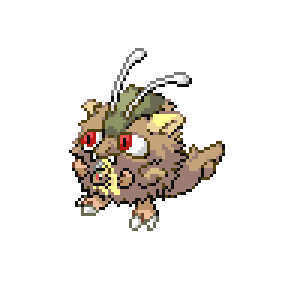
Fiercely protective, Kangasmoth releases paralyzing powder clouds against those who threaten young Pokémon. Few dare approach its territory.

Kangasgeist's two heads share a pumpkin-like body. It uses its long limbs to tear up entire crop fields, devouring unattended plants in large quantities.
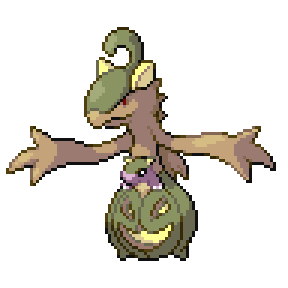
Kangasbre's child struggles with long swims, so it carries it safely on its lily pad. Kangasbre has also been seen rescuing other small Pokémon from drowning.

Kangasor floats near mountain peaks with its young orbiting around it. The faster they spin, the more agitated they have become.
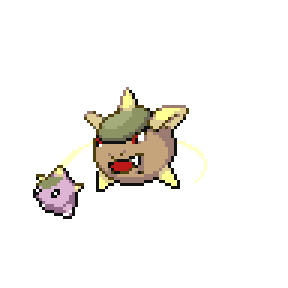
Kangaslett displays strong paternal instincts toward abandoned eggs it encounters. It digs concealed pitfalls nearby to trap approaching predators.

Hormer rolls backward slowly while sleeping in deep waters. If it has a bad dream, it unintentionally expels a massive burst of bubbles, propelling itself at high speed.

Horsopod spars deep underwater, constantly seeking challengers. If outmatched, it escapes by releasing thick ink clouds and vanishing.

When threatened, Horlett fires powerful bursts of bubbles to disable foes. It immediately retreats underground once the enemy is subdued.
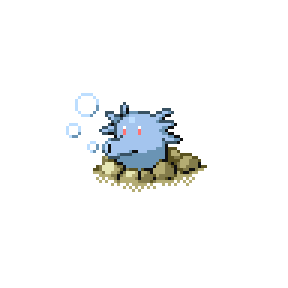
Hordisc's heart-shaped body bobs gently on the water's surface as it sleeps. If disturbed, it releases a burst of pink ink before darting away.
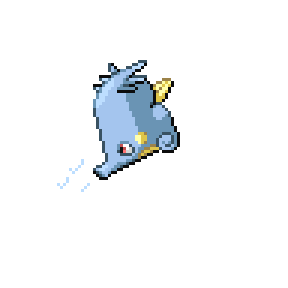
While sleeping, Horcruel spreads its tentacles wide to sense any movement nearby. Soft bubbles escape from its mouth as it snores, creating a gentle ripple effect in the water.

Seasopod engages in duels by firing high-powered jets of water at its rivals. The first to flinch or move from the stream is declared the loser.

If disturbed while digging, Sealett spits dark ink into its foe's eyes. It remains equally capable of fighting in soil or water.

Golsea spits ink that changes color based on its mood. This ink was once prized by cartographers for its vivid and varied hues.

The venom from Goldra's spike is boiled down to create high-quality wood tarnishes. These tarnishes enhance the durability and shine of wooden furniture.

When Golking's horn glows blue, it summons powerful whirlpools. These spinning waters are said to disorient even the most experienced swimmers.

Golkarp reaches speeds of over 40 mph when swimming with its body shifted horizontally. It leaps out of the water to nip at tree leaves.

Many sea-based merchants train Goldos to guard their vessels during voyages. Its keen senses help it detect threats from afar.

Golras hums loudly in foggy conditions. Some believe it is searching for others of its kind, while others fear it lures fishermen to their doom.

Golturn's horns glow yellow when a thunderstorm approaches. It raises its antennae to absorb lightning, protecting others nearby from shocks.

Golrill splashes its tail playfully when near allies. When happy, it can create splashes reaching up to 30 feet in height.

Golrill uses its horn to chip away at submerged parts of icebergs. It creates intricate carvings to mark its territory.

Before thunderstorms, its tail-like whiskers quiver intensely. It dashes to open fields, hoping a lightning strike hits its horn to invigorate it.

Golsola searches the seafloor for the most beautiful shells, discarding any once it finds a better one. It values beauty above all else.

Golraid swims quickly upstream during thunderstorms, using its horn to divert lightning from its allies.

Golmory's metallic talons can tear through even the toughest shells. A single swipe is said to be strong enough to pierce a Squirtle's defense.

Golceus is notoriously vain, leaping from the sea in elaborate patterns to impress sailors. If attention wanes, it may retaliate by sinking ships with Peck.

Goltic's shimmering scales are often sewn into wedding gowns. If it rains during the ceremony, the dress sparkles like stars as water strikes the scales.

With its round body, Golmer can roll across land for short distances. If it encounters an obstacle, it shatters it effortlessly with its powerful horn.

Schools of Golbas emerge from ocean caves as soon as the sun sets. They remain hidden during the day to avoid predators.

Goledo struggles to turn after it jets forward at high speeds. Losing track of its surroundings, it often becomes disoriented or lost.

Golmise swings its anchor-like tail to stun enemies before attacking with a Peck. The blow can send opponents flying over 100 feet.

Goleanie's toxin smells strongly of vinegar. If boiled, it can be repurposed as an effective nail polish remover.

Golskit skims across lake surfaces at remarkable speed when threatened. It dashes forward to strike with its horn, which is sharp enough to pierce solid stone.
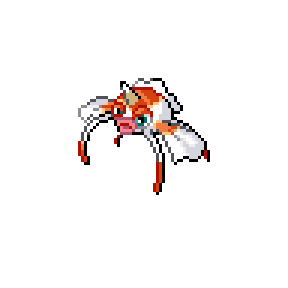
Golcool paralyzes foes with its tentacles before drilling into them with its horn. This swift combination leaves its enemies incapacitated in moments.

Acid seeps from its tendrils to dissolve driftwood for nourishment. For larger pieces, it uses its sharp horn to break them apart before feeding.

Goleel's scales can endure freezing temperatures. During the summer, they shed into the sea, creating reflective trails on the water's surface.

Golgong closely monitors underwater oil pumps, quickly alerting humans to any leaks. It is fiercely protective of its clean territory.

Golmer floats near passenger ships, waiting for trash to be discarded. It uses its horn to drag waste beneath the waves and consume it.

When happy, Golder spits out tiny pink pearls as gifts to its friends. These pearls are highly valued by collectors for their unique hue.

Seasea releases Smokescreen to obscure predators before climbing waterfalls. The first to reach the top becomes the school's leader.

Antennae on Seaturn leak Kelpsy Berry-flavored fluid loved by Goldeen. It guards Goldeen schools with swift horn strikes.

Even during storms, Searing swims with unmatched power. Waterspouts and violent waves never slow its pace.

Seallery clings to docked ships with its tentacles. It carefully scrapes and eats barnacles using its sharp horn.

Seawear uses its long, powerful limbs to swim up waterfalls. If threatened, it punches with enough force to shatter stone.

Sealett tunnels across ocean floors in search of coral to consume. When exhausted between reefs, it feeds on seaweed to recover.

Red scales from Seadisc were once used in ancient love potions. In liquid, they shimmer and glow faintly.
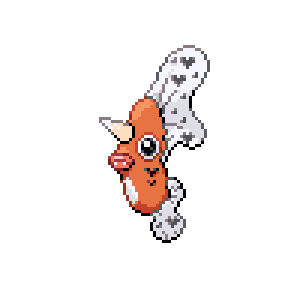
At night, dozens of Seacool drift across the sea with glowing horns. They're seen as beautiful despite their aggressive swarms.

Seapoke often forgets what it's doing mid-swim. It sometimes even loses focus while climbing waterfalls and drifts back down.

Seaeel smashes icebergs with its horn as a show of strength. It prefers testing itself this way over real combat.

Before it sleeps, Seader places a grain of sand in its lips. By morning, it forms a beautiful orange pearl prized by jewelers.

If it senses danger, it will flutter its wings and spread a purple powder. This powder can paralyze a full-grown man if ingested.

It regularly becomes exhausted during flight, plummeting to the forest floor. Some travelers have been knocked unconscious by a falling Butterpod.

Butterhorn glides gracefully along cliffs, skillfully riding air currents. It nests in rocky outcroppings, safe from most predators due to the perilous terrain.

It is unaffected by most plant-based toxins, allowing it to eat as many flowers as it likes. By using its sharp limbs, it is able to cut down entire fields of flowers in minutes.

It prefers the sap of Shuca Berry trees above all others due to its spicy taste. It is very careful not to drain too much of the liquid so that it does not permanently damage the tree.

Butteros rides on the winds created by a stampede, matching the energy of charging Pokémon. It often joins herds, using their momentum to travel great distances.

It can reliably travel in complete darkness by using its nose to navigate. Its sensitive nose can smell a ripened Berry from up to two miles away.

Buttervee's wings change color depending on its mood, dazzling onlookers with shimmering patterns. If raised with care, its wings will glow with a rare golden hue.
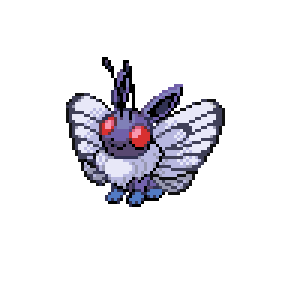
Its stingers can hold up to two gallons of venom at a time. If its nest is threatened, it will jab wildly until its opponent is incapacitated.
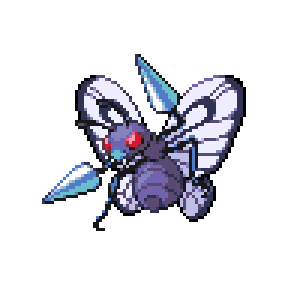
It has a constant urge to pollinate the flora in its surroundings. Rich aristocrats once used Butterian to take care of the flowers on their estates.

Butterotto scatters blue powder through forest canopies to lull predators to sleep and protect Metapod. It decorates its nest with shimmering dust.

Butterossom is primarily active at night where it dances in the moonlight. Its eyes light up when it senses someone watching it.

If it is disturbed while consuming pollen it will explode in surprise. This will easily destroy portions of the meadow it lives in.
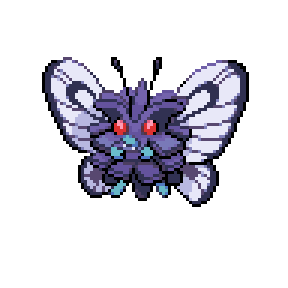
Butterckle's wings appear delicate, but its frame is remarkably sturdy. It weathers storms without damage, sheltering smaller Pokémon beneath its wings.

Buttertler's wing patterns are hypnotic, entrancing those who watch too long. It flutters gracefully, using this effect to distract predators and escape unharmed.

There are stories that the flakes that fall off of a Butterchu's wings were once used in love potions. A single sip was said to cause instant infatuation.
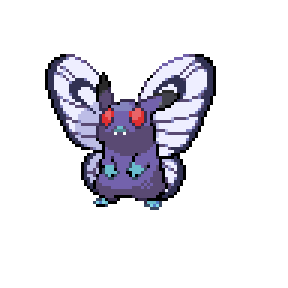
Its main food source is bark that it pulls from trees with its strong tails. Should it grow full while eating, it will dig a hole and bury the bark for later.

Butterwile nests deep within caverns, using its wings to fan cool air through the tunnels. Its presence brings a strange tranquility to these dark, quiet spaces.

Butterloom exudes a floral fragrance that attracts Pokémon to its vicinity. The scent varies based on the flowers it visits, making it a sought-after companion for gardeners.
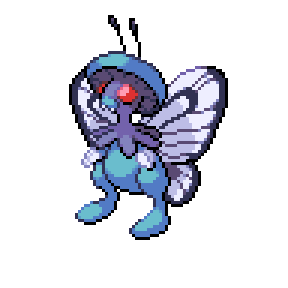
Buttertula produces a sticky adhesive from its wings, using it to trap prey or repair nests. This substance becomes stronger when exposed to air, providing long-lasting utility.

Butterflame thrives near volcanoes, where the updrafts allow it to glide effortlessly. Its wings withstand intense heat, enabling it to navigate dangerous environments.
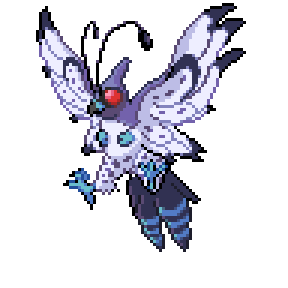
Butterbarel reinforces its nests with sticky silk, weaving it tightly around fallen logs. It prefers to build near rivers, where its wings reflect beautifully on the water's surface.

Butterolu emits calming waves from its wings, easing the nerves of nearby Pokémon. Its presence is known to bring comfort to those experiencing stress or anxiety.

The fur on its body is extremely sturdy and is used in the creation of Destiny Knots by a shop in Celadon City. These specialty items can change color based on the Pokémon holding it.

It will feverishly suck the nectar from flowers that grow on certain cave vines. Should it become full, it will fall asleep immediately.
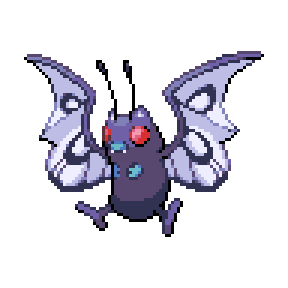
Butterpede's wings carry toxic spores, capable of paralyzing anything that touches them. It spreads these spores in bursts, creating protective barriers around its territory.

Butterpede secretes an acidic mist from its wings, dissolving obstacles in its path. The mist also discourages predators, allowing it to move freely through hostile environments.

As it shakes its body, plumes of purple powder are released into the air. The powder has a sweet smell that lasts for days.

Buttercorio performs energetic dances on hilltops, encouraging others to join it. It psychically drains the energy from anyone who dances nearby.

It dances in the moonlight at shrines and graveyards. Legends say that if you watch a Buttercorio dance without permission, your family line will be cursed.

Butteroom uses spores that come from its flower to immobilize its prey. It then uses its acidic saliva to gradually dissolve its victim.

Butterplume scatters seeds with every flap of its wings, spreading new plant life wherever it flies. These seeds quickly take root, transforming barren areas into lush gardens.

Butterwear's wings are coated in fine pollen that spreads with every flap. It collects this pollen to create soothing balms, used to heal both itself and others.

It uses its wings to fly to the highest part of a tree. Once it lands, it will let loose millions of spores in a purple cloud.

Butterpod flutters just above the shoreline, collecting tiny bits of seaweed with its feet. If startled, it rapidly skims across the water's surface to escape.
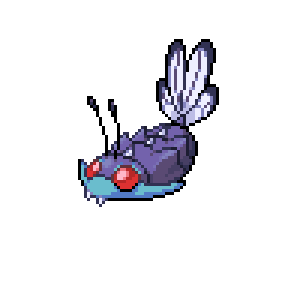
The powder that shakes loose from its furry body has a tangy aftertaste. There is a shop in Viridian City that makes Kasib Berry ice cream and uses this powder as a garnish.
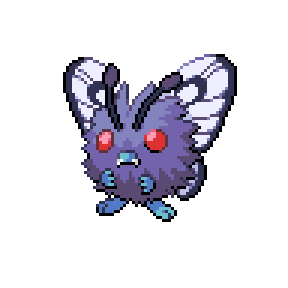
While tunneling, Butterlett releases clouds of fine pink dust. Inhaling the dust is extremely toxic and often fatal.

If threatened, Buttertrio releases an acrid blue Sleep Powder from its burrows. Predators often collapse before locating its position.

It releases clouds of poisonous gas as it flies. This gas both incapacitates prey and acts as a stimulant for plants growing in the forest.

It lounges in ponds and creeks, eating the flowers off of lily pads. After consuming its fill, it will sleep in the mud on the water's edge.

At night, Starchou gazes skyward as its red core glows gently. Its antennae emit a constant low electrical charge that lights the surrounding tide.

Starill's ruby core gleams brightly under moonlight. It sleeps curled on ocean rocks, using its tail as a pillow against its gem-like head.

When overloaded with toxin, the gem on Stareanie's body becomes clouded. It collapses until the excess poison drains slowly from its limbs.
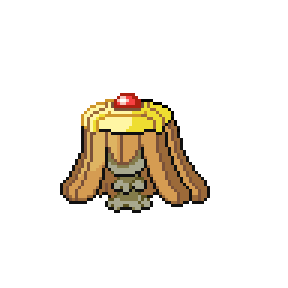
At night, small groups of Starlett emerge partially from the sand. Their glowing cores pulse in rhythmic patterns admired by observers.

Ancient myths described Starceus as a deity of the night sky. They warned that neglecting its worship would summon devastating ocean typhoons.

On starlit nights, Starlett rise from sandy beaches in groups. Their illuminated gems form shifting displays that attract tourists.
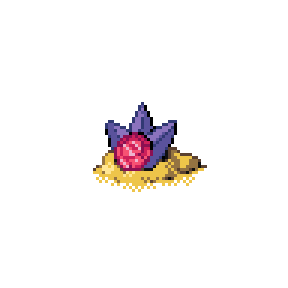
Mr. bone channels psychic energy through its bone to form invisible walls around its foe. This confinement gives it time to slip away into nearby cover.

The inside of Mr. otto's mouth is lined with tiny beaks. Some explorers hear squawks and think it's a Pidgeotto, only to notice they are entrapped in invisible boxes before it strikes.

Mr. tata uses the hand on its tail to cast Light Screen around trash cans it claims as its own. It does this to stop others of its kind from stealing its food, ensuring its food stash remains protected.
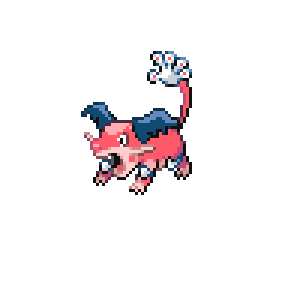
The hand on Mr. icate's tail erects invisible walls around dumpsters as it feasts. This ability keeps competitors at bay, ensuring it can eat without interruption.
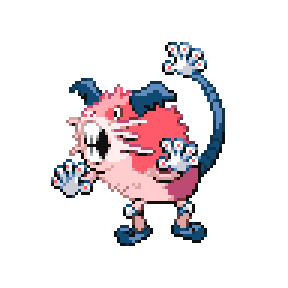
Mr. tress's long arms wrap around pine branches and secure its location by gripping its pink shell. It watches humans intently while hanging from trees, learning their behaviors and using this knowledge to corner them.

Mr. sparce's tunnels are riddled with trap holes for those who try to infiltrate its home. It uses invisible walls to navigate its perilous tunnels, ensuring that only those who know the way can escape unharmed.

Mr. ring uses Barrier to wall off its cave before hibernating during the winter months. This stops the cold and others from entering, allowing it to sleep peacefully for many days.

If Mr. sol senses a tornado coming, it will try to wall off the area with Barrier to help others. Unfortunately, this sometimes traps people inside, making the protective measure double-edged.

Mr. clops's hands move independently from its body to erect Barriers across the battlefield. This allows it to entrap foes, using psychic manipulation to control the flow of battle.
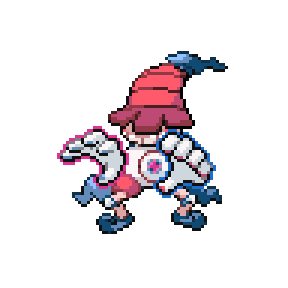
If Mr. ceus senses disrespect, it traps offenders within invisible barriers. These walls are strong enough to withstand hurricane-force winds.

The sprout ingrained into Mr. wig's skull controls its movements, allowing it to use incredibly strong psychic abilities. It uses its telepathy to see the world through others' eyes, gaining insight into their surroundings.
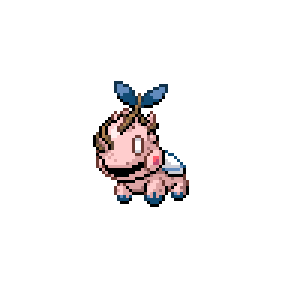
Mr. ray makes its home on the roofs of power plants. Should it see a human nearby, it will study them intently until they are alone. At that time, its fur crackles with electricity, excited to pounce on its prey after entrapping them in Barriers.
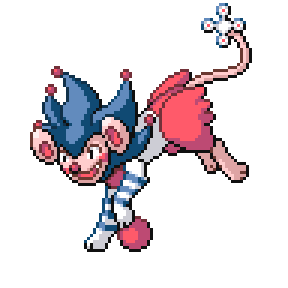
Mr. nette's soft plush body is able to move at surprising speeds during combat. It uses telepathy to predict its opponent's moves, making it a formidable foe in battle.

Mr. cott floats near playgrounds, entrancing children with its small balloon and psychic powers. It leads them to nearby forests, never to be seen again, vanishing without a trace.

Mr. sion's eyes rotate rapidly in its gelatinous body during combat. It uses Reflect to prevent its soft form from being struck, creating a powerful defense against physical attacks.

While flapping its wings, Mr. bat uses its psychic abilities to toss its foes around the battlefield. Once they are exhausted, it opens its mouth, revealing jagged rows of sharp teeth to bite down on its victim.
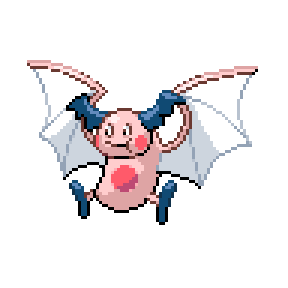
Mr. pede's hands rapidly grip the ground while it rolls down mountain slopes in pursuit of its prey. It uses Barrier to stop its prey from fleeing, cornering them before moving in for the attack.
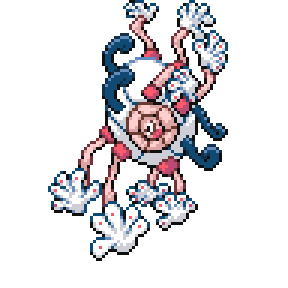
Mr. corio's body bends and moves in unnatural ways during its cheer. Some say that if you see it dancing alone at night, it will use Reflect to entrap you before it feasts on your fear.
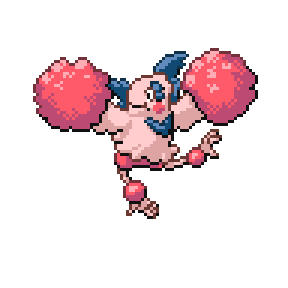
Mr. bre's lilypad is made entirely of a modified version of its Light Screen. It uses this to keep its nose dry during rainy days, allowing it to comfortably navigate through wet environments.

Mr. lett constructs invisible barriers within its tunnels to deter intruders. These walls can persist for hours, greatly frustrating miners.

It uses its wings to slowly descend to the water's surface to drink. Occasionally, its wings flap too quickly and send it under the surface.

Its shell gets harder if it panics. If it encounters an enemy, it will fly for a short period of time before colliding its hard body with its foe.
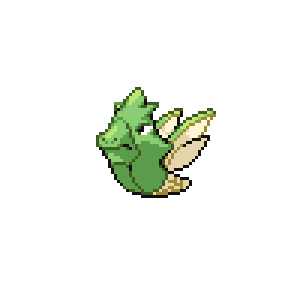
Scysir slices trees just deep enough to release sap. It then clamps onto the opening and drinks until satisfied.

While slashing, Scyeon's blades shimmer with changing hues. Sunlight makes its attacks a dazzling display.

Scyran wields its large ears like sabers, leaping across the battlefield with its tiny legs. If properly trained, it can cleave a tractor clean in half.

Scyjask cuts ivy from trees to feed on, then naps on high branches. It prefers to rest in groups with others of its kind.

At night, Scynette sharpens its blades on landfill debris. Once honed, they can slice through tungsten with ease.
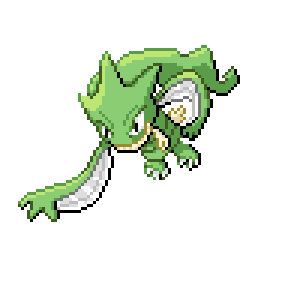
Scytula traps prey in thick rope-like webbing before finishing them with Fury Cutter. Some researchers believe this is an act of mercy.

Scypent's blades grow hotter than a kiln during battle. Even a near miss causes burns from the radiating heat.

Scyroth has an overwhelming amount of energy. To expend it, it slashes at tree branches nonstop with its razor-sharp scythes.

Scyseed spins like a top with blades outstretched to slice foes. If this fails, its body blinks white rapidly before self-detonating.

During combat, Scylett extends sharp blades from beneath the ground. The strikes follow fluid, dance-like patterns that overwhelm opponents.

The spiral on Scywhirl's belly spins to lull foes into drowsiness. Once they fall asleep, it strikes with a flurry of sharp slashes.

Jynub twirls atop snow dunes, leaving delicate patterns in the frost. If approached, it unleashes a flurry of Powder Snow before fleeing into the distance.

The thick fur covering Jynswine is colder than a commercial freezer. It sways rhythmically while singing a hauntingly beautiful tune that echoes through the tundra.

Many Jynbird are featured in Castelia City fashion shows, advertising high-end designer purses. If interrupted during a performance, it panics and hurls a Present into the crowd, with unpredictable results.

A single kiss from Jynceus can temporarily alter perception, causing victims to believe it divine. The effect consistently fades after roughly one week.
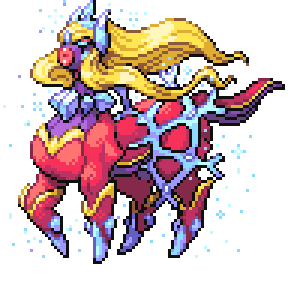
Jynlup glides across frozen lakes, singing a cheerful melody. However, if anyone dares to skate alongside it, it shatters the ice beneath them, refusing to share the rink.

Jynrunt shivers excitedly when it stumbles upon a berry bush. Before eating each berry, it kisses it delicately, as if savoring the moment.

Jynlie's body is so intensely cold that it rarely leaves its frozen cave. If an intruder enters, it greets them with a Lovely Kiss - right before devouring them whole.

The thick blonde hair growing from behind Jynaura's neck radiates an intense cold. It twirls gracefully in the snow, singing an unintelligible song that echoes through frozen valleys.

Jynlett inhabits icy caverns and bursts from frozen stone to greet intruders. Its sudden kiss can instantly induce deep sleep.

Jynbro's long blonde hair flows majestically in the air, even without wind. It uses its psychic abilities to make it billow dramatically, believing it enhances its beauty.

Jyneel hums a soft tune while performing an elegant dance on the ice. If a sailor approaches, it stops abruptly and attempts to drag them beneath the freezing waters.

Jyngong lounges elegantly on icebergs, humming loudly to lure passing sailors. If a ship comes too close, it fires Ice Shards to sink the vessel, ensuring its next meal.

It plugs its tail into outlets to charge its body with electricity. If it absorbs too much, it risks causing widespread blackouts.

By rolling continuously, it builds up an immense electrical charge. Once it reaches its limit, it releases the energy in a powerful explosion.

While galloping, it produces a buzzing noise that grows louder with its speed. It unleashes bolts of lightning from its antlers to ward off threats.

It is notoriously grumpy and shocks anyone who comes too close. Offering it a Poffin is the easiest way to calm it down.
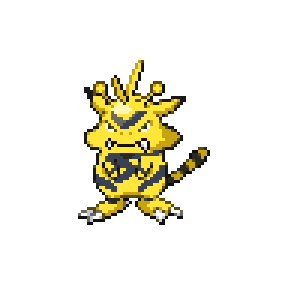
Its tails crackle with electricity whenever it breathes flames. It consumes dry grass to fuel the fiery energy in its belly.

The fluff in its body generates electricity as it rubs together, creating powerful charges. It can fire bolts of lightning directly from its arms.

As it leaps, its cape generates static electricity, releasing crackling sparks. When it lands, the impact echoes like thunder, intimidating its foes.

The moment Electalett emerges from the ground, it can summon lightning strikes. These bolts are powerful enough to fell several targets at once.

It digs up buried power lines to gnaw on the wires, charging its body with electricity. This behavior makes it a frequent nuisance in urban areas.

It rotates its magnets while preparing an attack, building up a massive charge. A single shock from it is strong enough to incapacitate a crowd.

Clusters of Electaton were spotted disrupting power supplies at a plant near Hutber Port. The town's electricians now manage these incidents to avoid outages.

Toxic oil fills Magzing's body, slushing around as it floats through volcanic areas. If angered, it explodes in a ball of flames.

Magbuzz nests in abandoned solar plants, feeding on residual electricity. Interrupting it risks provoking a devastating Lava Plume.

Magicate consumes rubbish in dumpsters to fuel the flame in its belly. When it gets sad, the flame on its tail shrinks.

Magdreavus floats through volcanic smoke, basking in the intense heat. It leaves when the lava cools, never staying longer than ten minutes afterwards.

When both heads coordinate, Magfarig unleashes a rapid barrage of Fire Blast attacks. The synchronized strikes leave little chance for escape.

Maglix burrows through mountains, scorching the stone around it. It eats chunks of obsidian to satisfy its hunger.

Magcargo carries a stone filled with rare obsidian which grows over time, coveted by many goldsmiths. If the stone become too heavy it will shed it and create a new one.

Moments before an earthquake, Magsol's body burns like molten lava. It climbs to high ground, glowing brightly to warn others of danger.

Magblim floats high above volcanoes to absorb intense heat. If disturbed, it lifts intruders into the air and drops them into the molten depths.

Magpix's tails glow bright orange before it does a Fire Spin attack. It takes time to charge this attack if it is overly hungry.

Maginder wraps its fiery wings around its eggs, providing consistent warmth. The eggs glow faintly under its protective embrace.
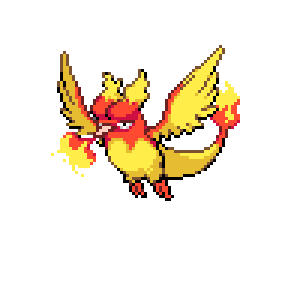
Magbat latches onto foes with its enormous mouth before unleashing a brutal Flamethrower at point-blank range. The flames can get hot enough to melt steel.

Magcorio performs quick salsa-like dances atop volcanoes. Some believe it summons eruptions, but this is not the case.
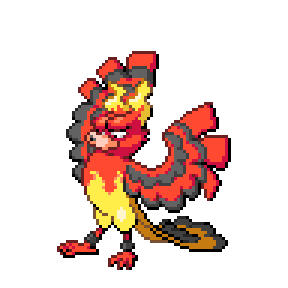
Maglucha does flips while jumping from stone to stone in volcanic areas. If its body cools too much, it gets slower, so it frequently submerges itself in lava to warm up.
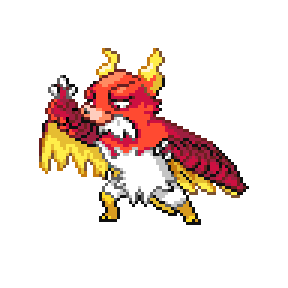
While eating small sticks, Magkin's ears radiate intense heat. This serves as a clear warning for others to keep their distance.

The smoke from Magkoal's shell is hot enough to instantly boil water. When excited, it spits smoke into the air around it.

Maglett burrows along the sides of active volcanoes. When hungry, it consumes magma beneath the surface to sustain itself.

Maglithe howls happily outside of its volcanic den on moonlit nights. Should someone wonder too close it will dispatch them with a swift Flame Wheel.

Magler carves homes near rich coal deposits underground. It devours the coal to stoke the blazing fire burning in its belly.

Magter's body is made of superheated gas that can cause third-degree burns with a single touch. It grabs onto foes before breathing flames on them.

It crushes berries with its tight grip. It prefers berries that haven't ripened because they are more difficult to juice.

Pincute clusters under leaf piles. Only its chief head has pincers, which it uses to command the rest of its cluster through sharp telepathic pulses.
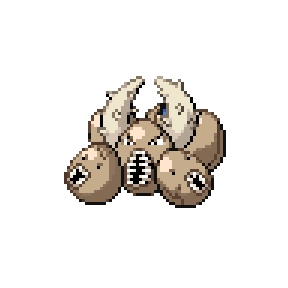
Portions of its shell fall off as it waits for evolution. These pieces are ground up for use in creating X Defense supplements.
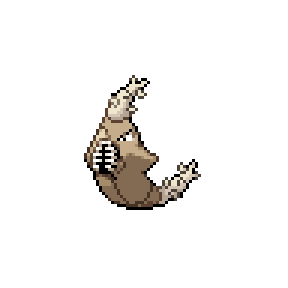
Pintar crushes geodes with its massive pincers to feast on the glowing crystals inside. It leaves behind piles of cracked stone in mountain passes.

Pinran uses its sharp teeth to shred bark and lap up sap. While feeding, small venomous spines rise from its back to ward off potential threats.

While drinking sap from cedar trees, Pinrina's back pincers snap rhythmically. If Pinrina is provoked, they deliver a venomous pinch strong enough to paralyze.

Pinran spars with others in its pack during play, using careful pincer strikes. These mock battles rarely injure, but they help build dominance hierarchies.

A single prick from Pinrino's venomous pincers causes vivid hallucinations of long-lost loved ones. Some cultures believe these visions reveal fated futures.
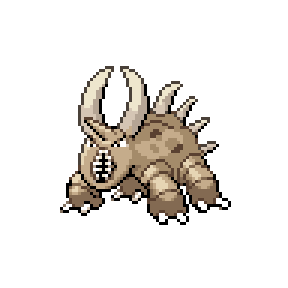
Pinjask darts through tree canopies with blinding speed. When it finds a sweet tree, it rams it to crack the bark and drinks the sap inside.

Pinette floats above cedar trees before slashing them open with its pincers. It drinks sap greedily, using its rear limbs to swat away intruding bugs.

When enraged, Pinpent's pincers glow red hot. It can unleash intense flames from its mouth that are hot enough to melt steel on contact.

Pinmuku clings to the undersides of fishing boats using its pincers. It travels long distances this way, seeking new coral-rich feeding grounds.

From high tree branches, Pinolu scans the forest with its aura. When a weak target rests, it leaps down and strikes with precise pincer blows.

Pinroth bounds across the battlefield with restless energy. Its pincers snap repeatedly as it builds momentum before launching into combat.
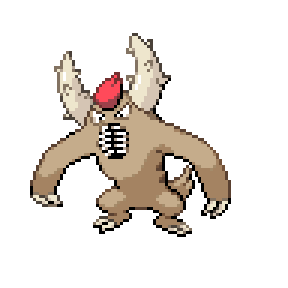
Pinseed clings to maple branches and drinks sap with its pincers. If a predator approaches, it releases its grip and explodes without hesitation.
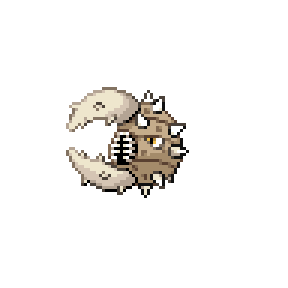
The venom inside Pinpede's pincers carries a strong lavender scent. It's rare and highly prized for use in luxury perfumes and exotic colognes.

Pinpede clamps onto cliffs with its pincers to sleep. If startled, it releases its grip and rolls away with incredible speed to escape danger.
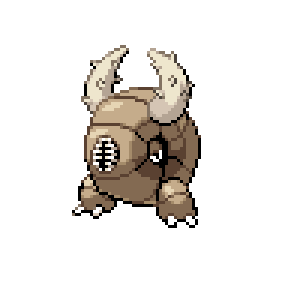
Pinoom drools constantly, its saliva smelling like Aguav Berries. This attracts small bug Pokémon, which it ambushes with a swift and brutal Guillotine.

After feeding on sap, Pinras scatters spores in the tree bark. These fungi spread rapidly, turning entire trunks into hidden mushroom farms.

Pinsect parasitizes trees by planting spores after drinking sap. While touching infected trees, it can detect footsteps from up to five miles away.

Pinpod uses its massive pincers to break driftwood into pieces. It shares meals with its swarm while a few stand watch for danger nearby.
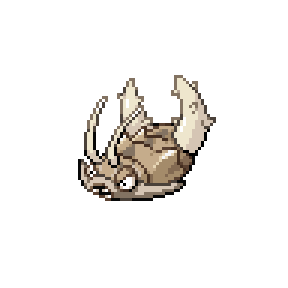
While digging underground, Pinlett uses its strong pincers to break open tree roots. It favors maple trees for their rich sap.

Pinwhirl uses high-pressure water jets to blast open tree trunks. Once the bark splits, it eagerly drinks the sap stored inside.

Pinduo's pincers are made of dense, fused feathers. With enough speed, they can crack open boulders in a single synchronized strike.
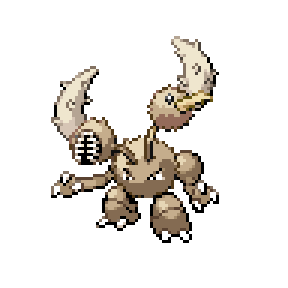
If a member of its swarm is injured, Taucross flies into a furious rampage. Its horn strikes can flatten trees by the hundreds before it tires.

Taulett travels in large herds while tunneling across prairies. Their constant churning of soil greatly improves plant growth.

Magisire joyfully flops in muddy puddles after heavy storms. If disturbed during playtime, it retaliates with powerful jets of water from its mouth.

When it spots a loving couple on the shore, Magidisc leaps from the water and flops helplessly nearby. The reason for this behavior remains a mystery to marine biologists.

As Magilett digs in a swimming motion, sturdy scales shed from its body. These scales take years to break down and provide no nutrients to the soil.
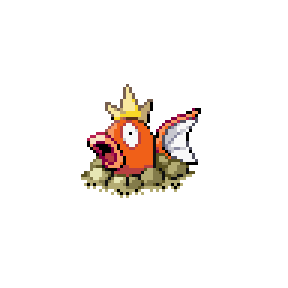
While flopping on dry land, Magiwhirl is utterly helpless. On rare occasions when it balances upright, it unleashes hypnotic waves from its spiraled belly.
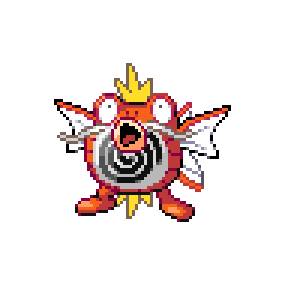
The horn on its head secretes an extremely weak toxin. It can be dangerous in large quantities, but usually it just causes a mild rash.

The spike on its head holds an incredibly potent poison. As it gets closer to evolution, the poison becomes more deadly.

Each morning, Weebuff hums a gentle tune to itself. If disturbed while singing, it retaliates with a swift Poison Sting.

Weepiny lines the nests of other Pokémon with soft silk to help protect their Eggs. Its string is both durable and surprisingly warm.

Weecko smashes herbs into paste using its tail before eating them. Its red nose detects spoilage and helps it avoid rotting plants.

Weenette ensnares foes with silk before striking with a surprise Shadow Ball. Its attacks are eerily silent until the moment of impact.

Weeolu uses its sticky string like a whip to execute complex martial arts moves. It can swing, trip, and strike with startling precision.

Weerua disguises itself as a child and plays alone in quiet parks. Once isolated, it traps a target in string and drags them into the forest.

Weedew binds clusters of seeds together using sticky string. It devours them all at once, often leaving nothing behind.

Spores leaking from Weeish's body cause paralysis in predators like Pidgeotto. It then strikes with its sharp horn to drive them off.

Weebat flies in eerie nighttime swarms. Together, they strike with a flurry of Poison Stings to weaken prey for easy capture.

Before attacking, the horn on Weesta's head glows red-hot. It charges and strikes with fiery precision.

Weefisk lies flat on meadow grass, perfectly still like a trap. When prey draws near, it lunges forward with a sudden Bug Bite.

Acidic mucus drips from Weepede's nose and melts through bark. It uses this method to reach and consume fresh tree sap.

Weecorio performs a lively samba in fields of daisies during summer. It only pauses to nibble on nearby flower petals and sleep.
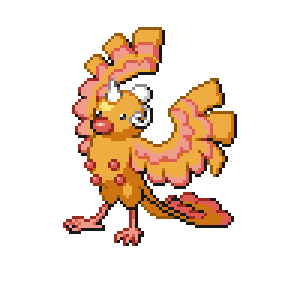
After eating a Pomeg Berry, Weecorio dances a rapid jig atop trees. Its beak bobs with each joyful step.

By beaches, Weecorio twirls in a graceful dance, swaying its arms rhythmically. It releases soft powder from the feathers on its waist as it moves.

As winter nears, Weecorio dances quietly with the chill wind. Its large red nose sniffs out hidden berries buried beneath the snow.

Weetump floats silently over marshes at night, spitting out nearly invisible string. Prey often becomes ensnared before realizing it's being hunted.

From the ocean floor, Weemise launches silk threads at passing boats. If it hits, it tries to drag them under the waves.

Weemantis's bladelike leaves hold a far deadlier venom than the stinger atop its head. Even small cuts can leave lasting wounds that take exceptionally long to close.

At night, Weekaboo floats through pumpkin patches. Its venom-tipped spikes deter wildlife from damaging the precious crops.
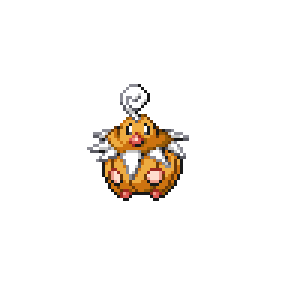
Weetrio drills into large tree roots with sharp spikes to drink sap. Once finished, it tunnels onward to the next tree.

Weesian uses its venomous tail to sting unsuspecting travelers. It then steals their jewelry, adding the treasures to its silk-lined nest.

Gyaraish deceives fishermen by mimicking a helpless catch before yanking them into the depths. Its jagged teeth shimmer just beneath the surface.

Gyaralett fires torrents of water at others of its kind while digging to establish territory. Each individual commands a wide underground domain.

Before sleeping, Lapsea releases gentle foam from its mouth to make a soft nest on the ocean floor. It hums quietly as it drifts off.

At night, Lapdra surfaces to sing a haunting, somber melody. If disturbed mid-song, it releases a thick Smoke Screen before vanishing.

With a pudding-like body, Lapto glides swiftly through the sea. To evade poachers, it can morph into floating debris or melting ice.
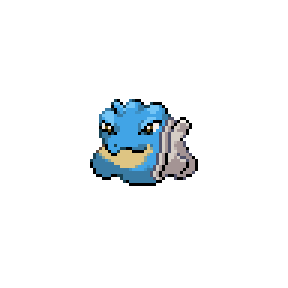
Lapzor glides across the sea's surface with blinding speed. Its armored claws strike beneath the waves, crushing prey in an instant.
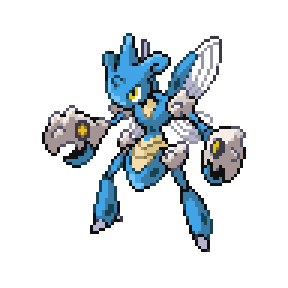
Lapbink floats above frigid waters in icy caverns. The glimmering ice crystals on its back are prized ingredients in rare sorbet recipes.
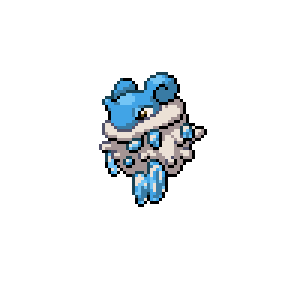
Laplett tunnels beneath sandy beaches, leaving trails of ice in its wake. The frozen patterns shimmer beautifully in the early morning light.

The swirling colors within its body change based on what it consumes. This vibrant effect makes it a fascinating creature to study.

It spits a yellow liquid that causes intense headaches upon touch. This painful secretion ensures it stays undisturbed by curious predators.
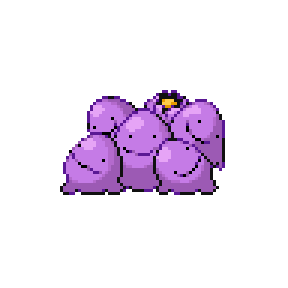
Ditbone can perfectly mimic anything its bone touches. If it begins to cry, the transformation immediately fails.

Ditwak transforms part of its body into a bone, which it flings with incredible force. It controls the bone mid-flight, ensuring deadly precision with every throw.

It flings the ooze from its tongue at enemies, creating a sticky trap. This adhesive substance severely hinders movement, giving it an advantage.

Its body can squeeze through cracks in cave walls, enabling it to navigate tight spaces with ease. This flexibility helps it evade predators.
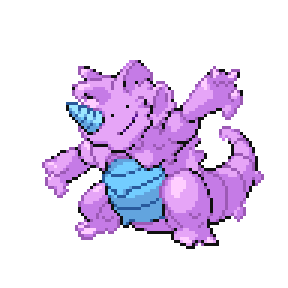
Its shoe-like appendages are incredibly adhesive, allowing it to climb tree trunks with ease. This sticky grip helps it explore dense forests.

Its tail can harden from its normally gelatinous state when it enters battle. This transformation gives it an edge in close combat.

Its cries resemble stifled gurgling, though it remains perfectly healthy despite the unsettling sound. This strange vocalization often puzzles those who encounter it.

It regenerates its slimy coating by bathing in moonlight. This nightly ritual keeps its body moist and ready for combat.
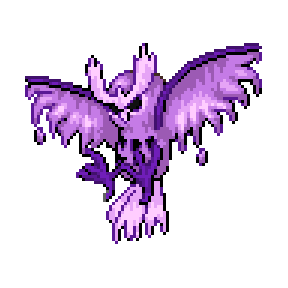
It mimics the young of other Flying-Type Pokémon to infiltrate their nests. Once inside, it picks off its prey one by one, going undetected until it strikes.
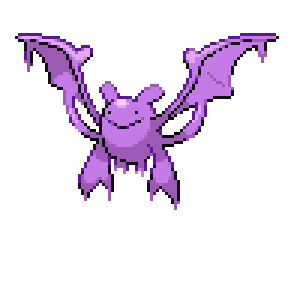
Due to its sticky body, flying has become challenging, but it compensates by running at impressive speeds. Each footprint it leaves behind is marked with sticky goo.
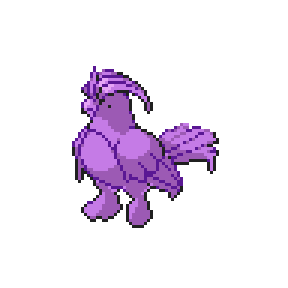
The tip of its ooze-covered tail is sticky, allowing it to change trajectory quickly while dodging. This agility makes it difficult to capture.

Its eyes are exceptionally adept at detecting movement patterns in targets. This keen perception allows it to perfect its mimicry with remarkable precision.
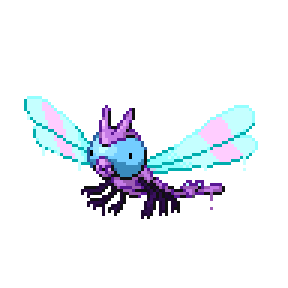
As it moves, it leaves behind a trail of sludge that induces powerful hallucinations upon contact. Many avoid following it for fear of the effects.

When it sleeps, the yellow portions of its body flicker like lightbulbs. These rhythmic flashes seem to serve as a signal to nearby companions.
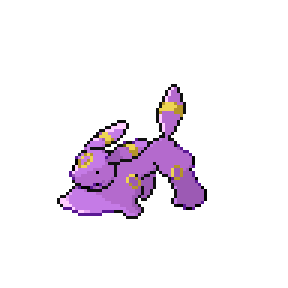
Its tail can extend and manipulate objects with surprising dexterity. It uses this skill to stealthily steal from people in crowded areas.

Its body lacks an internal skeleton, allowing it to stretch and contort in ways most Pokémon cannot. This flexibility makes it unpredictable in battle.

It releases flames through either the tip of its tail or the skull-like object on its neck. The reason behind this dual flame output remains unknown.
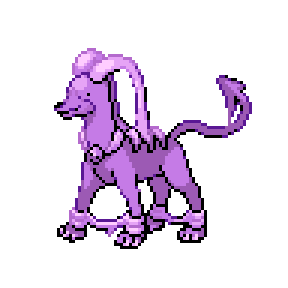
Its true face is located on its hood. This unusual anatomy confuses attackers and helps it gain the upper hand.

When bored, it balances an egg on its head for entertainment. This playful activity amuses other Pokémon and occasionally draws a crowd.

The consistency of its head resembles rubber, which it uses to bounce from one place to another. This mobility allows it to evade threats with ease.
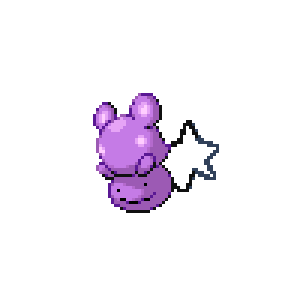
Its body has the texture of pudding and is hollow inside, filled with electricity. This structure allows it to store and discharge electric energy efficiently.

It swings its arms to scatter drops of pink slime around its den, marking its territory. The sticky residue serves as a warning to intruders.
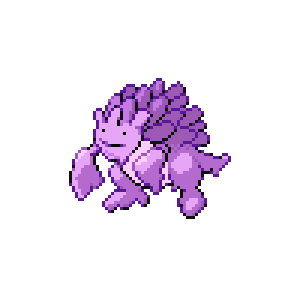
Ditlia's gelatinous body jiggles rapidly whenever it channels its psychic power. The intensity of its vibrations increases the stronger its emotions become.

Ditdoof transforms into a log while sleeping in its lodge. Should a predator find its way inside, it will have trouble locating Ditdoof.

While channeling its aura, it vibrates the ooze covering its body intensely. The resonance helps it channel its aura faster and more flexibly, making it even more powerful in battle.

The slime covering its body is extremely acidic, corroding anything it touches. This natural defense makes it dangerous to approach.

Its horns drip with bubbling slime that is highly toxic if ingested. This trait adds a lethal edge to its already-formidable attacks.
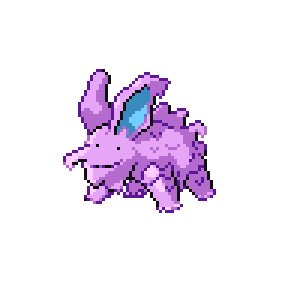
The goo that drips from its body carries the sweet scent of Pecha Berries. This scent attracts curious Pokémon, which often mistake it for food.
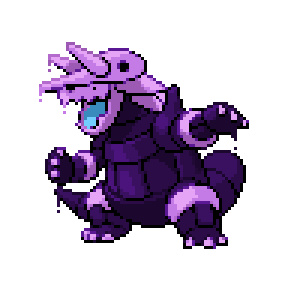
Its body begins to vibrate when bathed in the light of the moon. This subtle movement seems to change with each phase of the lunar cycle.

Its webs are made of thick, sticky pink strings that cling tightly to anything they touch. These unusual threads make it an expert trapper of prey.
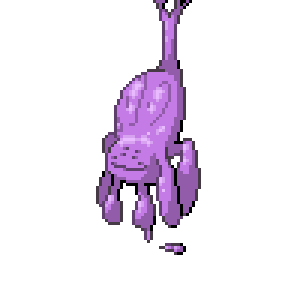
Clinging to cave ceilings, it imitates stalactites perfectly. When explorers pass beneath, it drops onto them, catching them completely off guard.

The slime that drips from its body flickers like flames, glowing softly in the dark. This eerie effect makes it appear as if it's burning without heat.

Ditlurk transforms into ancient statues to guard forgotten ruins. It mimics their imposing presence to deter intruders from uncovering the treasures within.

Its body boils and bursts with hot slime, making it volatile to handle. This intense heat serves as both a defense mechanism and a warning to predators.
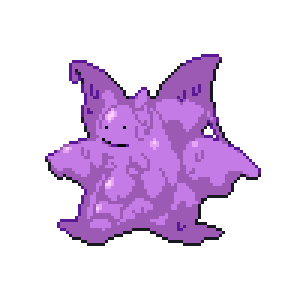
The fluid dripping from its body contains a chemical used in film development. Many photographers keep several of these Pokémon to save on processing costs.

The tip of its tail glows with electrical energy when it enters a fight. This glowing tail serves as both a warning and a weapon.
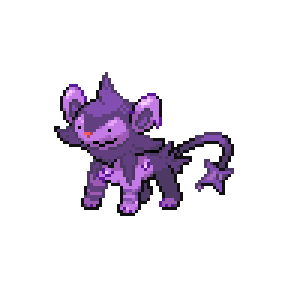
The tips of its ears exude a scent reminiscent of sweet cream, which bakers prize as a rare ingredient. This aroma adds a unique touch to delicate pastries.

Ditsion lures other Pokémon away from its nest by transforming into prey they desire to chase. It discovers their preferences by reading their minds.

It spits embers to burn away debris on the forest floor, clearing the way for new growth. This habit ensures the environment remains healthy and flourishing.
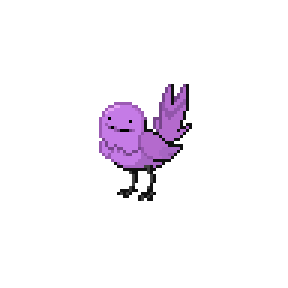
The ooze on its body is deceptively hot, scorching anything it touches. This unexpected heat makes it a dangerous foe in battle.
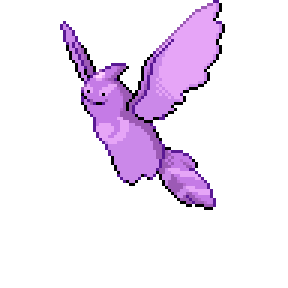
The antennae-like structures around its body expand and contract as it breathes, mimicking the action of lungs. This strange trait keeps it constantly in motion.
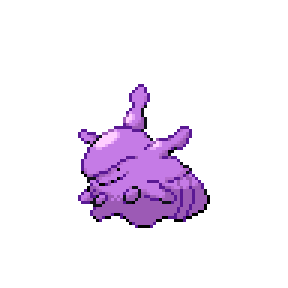
When it flaps its wings, it spreads a viscous slime that coats the surrounding area. This slime hinders the movement of anything caught in its path.
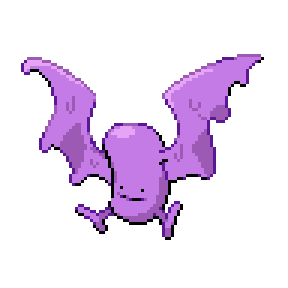
It bounces like a tire across the landscape, leaving sticky residue wherever it lands. This gooey trail makes tracking it both easy and messy.

Researchers have uncovered earlier signs of this Pokémon's existence. The latest report dated its chemical signature to a meteor that landed over 10 million years ago.
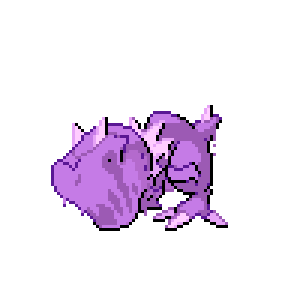
It releases pollen that sticks to anything, making it difficult to remove. This sticky pollen serves both as a defense mechanism and a way to mark territory.

As it floats through the sky, it drips a strange pink liquid that mimics nearby materials. This bizarre secretion puzzles researchers studying its behavior.

It can manipulate its gelatinous body to squeeze through spaces as narrow as three inches. This ability makes it exceptionally hard to capture.

Oddly buoyant, it floats on the ocean's surface, allowing the waves to carry it vast distances. This passive drifting leads it to many strange and remote places.
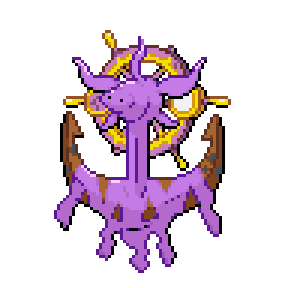
Ditapex's slimy, ever-shifting body is laced with an extremely potent toxin. Even the slightest touch can leave an opponent feeling numb for hours.
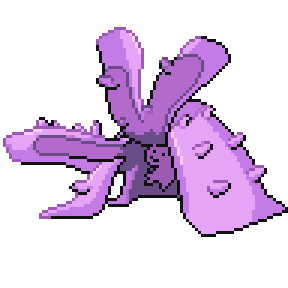
It uses its amorphous body to execute complex wrestling moves, contorting into surprising forms mid-grapple. This flexibility allows it to overwhelm opponents with unpredictable maneuvers.

By shaking its body, it spreads ice-cold ooze across the ground. This frosty slime freezes anything it touches, leaving a slick trail behind.

When it looks at the moon, it becomes overly excited, causing its transformation to falter slightly. This excitement leads to subtle but noticeable imperfections.
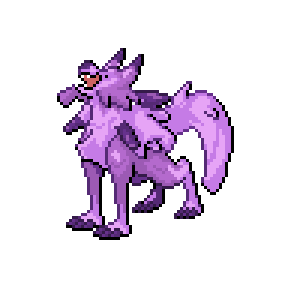
The drippings from its wings are used to create an expensive type of lip gloss in Canalave City, renowned for its brilliant sheen. This beauty product is highly coveted across regions.
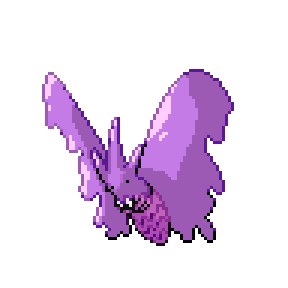
Ditpuff's pudding-like body emits a sweet aroma reminiscent of a freshly baked Pomeg Berry tart. Some Pokémon mistake it for food, only to be surprised when it wiggles away.

While burrowing, Ditlett imitates nearby large stones to avoid predators. How it selects which stone to mimic remains unknown.

It uses its slimy form to squeeze into safes and vaults, lounging among the money. This behavior makes it a notorious figure among thieves.
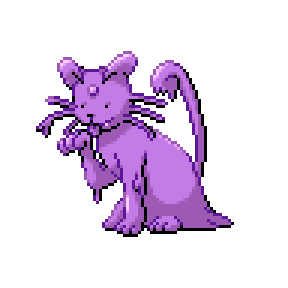
After failing to transform perfectly, it meditates for hours in frustration. This habit helps it regain focus for future attempts.
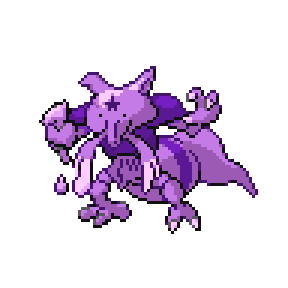
It stands perfectly still in a rigid pose before launching an attack. This behavior creates an unsettling tension that confuses opponents.

During combat, random sprouts and vines grow from its body. While seemingly unpredictable, the plant growth follows a hidden but consistent pattern.

Its body has the consistency of chewed bubblegum, making it sticky enough to roll up walls. This adhesiveness also helps it trap objects in its path.

As it rolls, it leaves behind a trail of rhubarb-scented slime. This unusual scent confuses pursuers, masking its escape route.

It drinks lava as if it were water, thriving in extreme heat. This unusual ability makes it perfectly suited for volcanic environments.

The ooze that drips from its body is highly magnetic, attracting small metallic objects. This strange property makes it difficult for Diton to avoid sticking to metal surfaces.

It mimics the voices of passing humans, often echoing sinister laughter to unnerve travelers at night. These eerie imitations leave those who hear them deeply unsettled.

It enjoys absorbing different types of liquid chemicals into its skin. This habit causes its body to change colors depending on the substances it absorbs.

It can melt into a puddle, a state it often assumes when sleeping. This form keeps it hidden from predators and prying eyes.
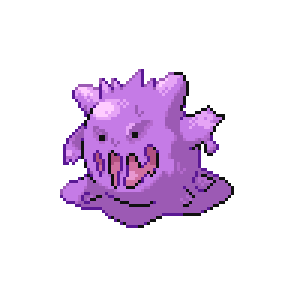
Legends say its drippings were once used by ancient witches to brew elixirs that let them imitate royalty. These potions granted both the appearance and behavior of those in power.
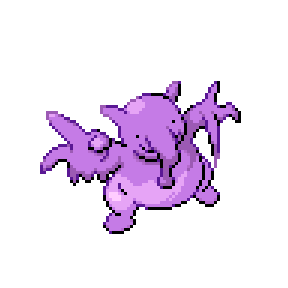
By using its psychic powers, it learns a target's history before transforming into them. This insight ensures its mimicry is disturbingly accurate.
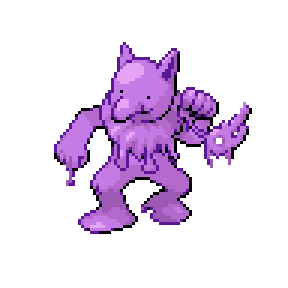
Its feathers change hue when in close proximity of most evolution stones. Should it touch one, it will start to evolve.
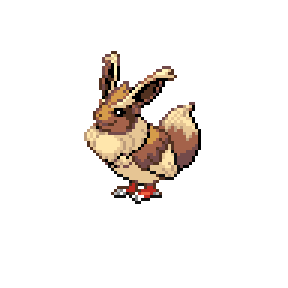
It will steal batteries from residential areas. Once it has enough gathered, it will fall asleep on top of its horde.

Legends say it once watched over traveling caravans, ensuring their safe passage. Its watchful nature is regarded as a sign of good fortune.

It delights in creating fake tea kettles and hosting imaginary tea parties. This playful behavior brings joy to those who watch it.

It wiggles its tail as it emits sonar waves, exploring its surroundings. This allows it to move quickly and easily in complete darkness.
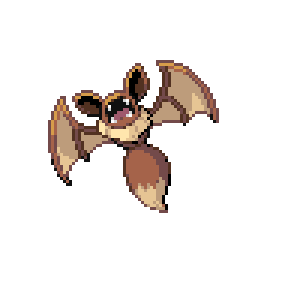
While cheering, it releases invigorating scents that energize everyone nearby. Its lively dance is said to inspire optimism.
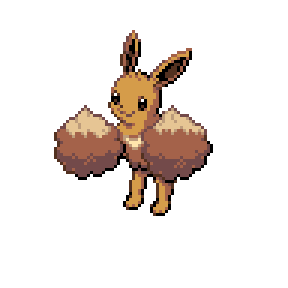
It has a fascination with discarded colored glass, collecting pieces to decorate its nest. This hobby gives it a unique and colorful living space.

Eelett deliberately avoids elemental stones while digging to prevent unwanted evolution. When distressed, it will seek one out to force the change.
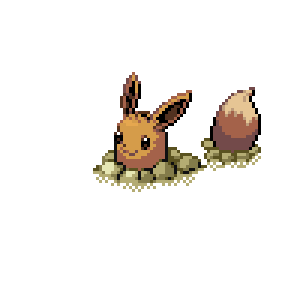
It often pretends not to be lonely, gazing off into the distance with a calm demeanor. Despite this act, it seeks companionship quietly.

When using Pin Missile, Joltceus releases exactly 1,000 charged spikes. Concentrated volleys are capable of boring tunnels through solid mountains.
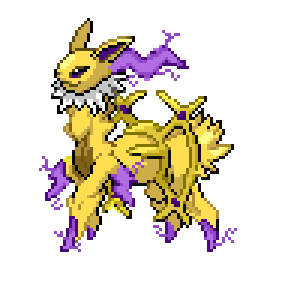
Joltxio touches its tail to downed power lines to recharge. Sparks dance across its fur as it absorbs the electricity.

Joltfisk's spiky fur crackles with static, releasing an odor reminiscent of lemon zest. The scent intensifies before it discharges powerful electrical attacks.

If a predator approaches its burrow, Joltlett releases bursts of electricity. These shocks can cause paralysis lasting several hours.

While levitating, Joltmite attracts magnetic objects and Thunder Stones into its field. It hoards them deep within abandoned power stations.

It propels itself through the sky by releasing flames from the holes on its body. These vents allow it to adjust its trajectory with remarkable precision.

A layer of short brown fur, moss-like in texture, covers the stone on its back. This flame-retardant fur regulates the intense heat radiating from its body.

The gem it possesses closely resembles a Fire Stone, radiating intense heat. It melts soft metals left near it, making it dangerous to approach.

It shakes its tail to release glowing embers while floating above graves. The embers burn away old, dried flowers, leaving the area refreshed.

Flakoal can endure extreme wildfire temperatures. Though it tries to rescue others, its slow pace often prevents it from arriving in time.
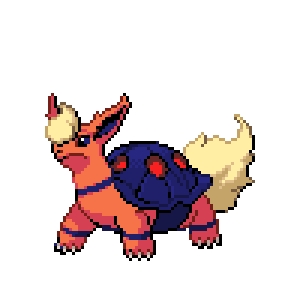
The fur Flalett sheds inside its tunnels remains warm for days. Some collectors harvest it to create heat-retaining plush toys.

It lingers near graves, waiting for loved ones to leave candles for the departed. Once they leave, it silently absorbs the flame from the candle.

Porykarp frequently forgets it can swim through cyberspace, appearing as a simple animation flopping helplessly on people's desktops. It only remembers its abilities after hours of struggling.

Porydile hide in fountains at public parks, waiting for unsuspecting writers to set up their electronics nearby. The moment it sees one typing, it leaps out and bites onto the device, instantly absorbing all of its data.

Porytata nibbles on server room cables using the fangs on the underside of its body. If it accidentally bites into a live wire, it pulses with a deep blue glow as electricity surges through it.

Porybarel emits and receives electronic signals through its front teeth, detecting nearby devices. It latches onto the bottom of freighters with its arms to infiltrate their onboard computer systems and consume data.

Poryile clamps its jaws around discarded computer equipment, absorbing data directly through its teeth. Once it has consumed enough, it scuttles away while emitting a series of cheerful beeps.

Porybish searches through dumpsters outside cell phone companies, hoping to find discarded devices. When it does, it devours them eagerly, feeding on the stored data inside.

Poryvanha can enter cyberspace and travel through ethernet cables as if they were flowing streams. It actively hunts and consumes viruses, acting as a natural cybersecurity measure.

Porymise feeds on image files within computer systems after slipping into cyberspace. Once it has absorbed enough data, it anchors itself to a desktop, unable to be moved or deleted until hunger strikes again.
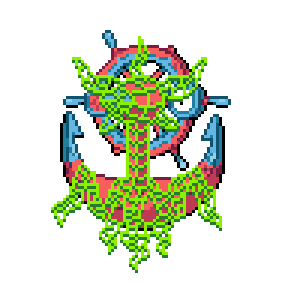
When computer equipment falls from passing freighters, Poryish eagerly devours the microchips, absorbing any data it finds. Its body glows vibrantly as it swims with a full belly.

Porylett builds its burrows near buildings housing computer servers. It occasionally breaches inside and consumes data by pressing its nose to the machines.

Porydisc swims through dating websites, consuming responses from potential matches. Some believe that when a message goes unanswered, it is because Porydisc devoured it first.

Porymite floats silently through abandoned office buildings, scanning for unused computers. The pulses of electricity from its body intensify whenever it senses working electronics nearby.

Porymer's slime-covered body seeps into the circuitry of unmanned computers, absorbing raw data. Technicians say the slime on its body smells like a server room.
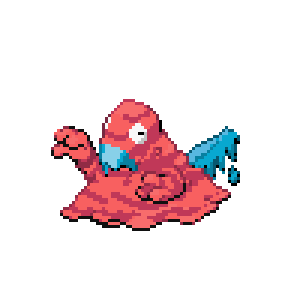
Fossils of Omaceus are rarely found alongside remains believed to be worshippers. Ancient cultures regarded it as a god of the seas.

Omalett digs into the walls of deep ocean trenches. When resting, individuals cluster together in groups of four or five.

Omabone's shell-like skull fills with bubbles as it swims beneath the waves. The bubbles stream behind it in long, trailing paths.

Omagon prefers to inhabit submarine computer systems. After consuming stray code, it departs with a series of loud, echoing beeps.
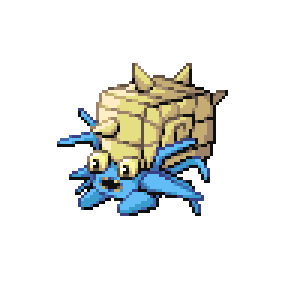
As Omalett ages, it tunnels progressively deeper into trenches. When it senses the end of its life nearing, it swims downward to sleep alone at the bottom.

If a Kakpie damages its shell, it will rub against a tree until the cracked portion is removed. The exposed area will grow hard in minutes.

When angry, Kaksir can level multiple trees in a minute. After the tree is on the ground it drinks the sap until it is full.
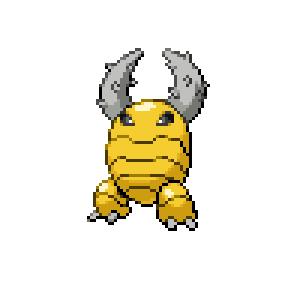
Kakowl roosts at the tops of pine trees, its hardened wings shielding its body from attacks. If startled, it lets out a sharp clicking sound to scare off intruders before resuming its stillness.

Kakba clings to tree limbs as its body hardens, appearing like a golden bud among the leaves. If disturbed, it rapidly flutters its shell-like wings, unleashing a flurry of tiny but forceful punches.

At night it clings to a tree with its strong fists. It uses its antennae to sense when inclement weather is on the way.

Kakdos weaves silk traps around itself, creating alarm lines that alert it to approaching threats. While it waits for evolution, it focuses entirely on hardening its outer shell.

Kakotto spits a silk-like substance onto trees it chooses to roost in. This silk reeks of rotting garbage, deterring intruders while it waits to evolve.

Kakluff can float for short periods of time but ultimately spends its time on the ground. Its body can get as hard as iron without gaining weight.
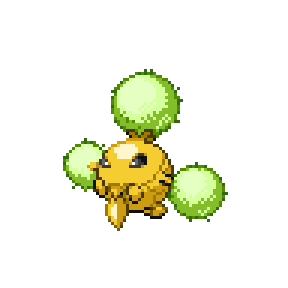
Kakpom hardens its long tail before attacking, using it as a sturdy club to fend off predators. Though mostly immobile, it can lash out with surprising speed if provoked.
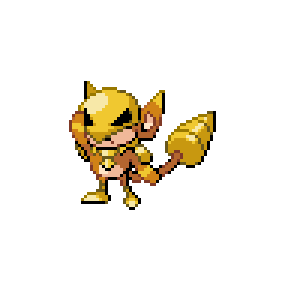
Kakco's hardened shell protects it from most threats, but if danger persists, it vibrates violently until it self-destructs in a massive explosion.

Kakcross's shell is lined with tough chitin, making it nearly indestructible. Though it remains still, its hidden horn twitches slightly when it senses strong opponents nearby.

Kakloom's hardened shell is coated in a fine layer of spores that can cause drowsiness in predators. When it evolves, the shell shatters with an explosion of pollen.

Kakrua disguises itself as other Pokémon to blend in with its surroundings. If its illusion is broken, it rapidly hardens its shell, making its body tougher than marble.

Kakeary burrows its lower body in carrot fields before hardening its outer shell. Farmers often find clusters of them nestled underground, waiting patiently for evolution.

Kakish rolls its rigid body through the spores it sheds, coating itself in a toxic layer. Any predator that attempts to bite it suffers severe chemical burns.

Kakbat hangs silently from cave ceilings, blending into the darkness. At night, eerie screeches can be heard from within the cave as it prepares for evolution.

Kakcorio performs intricate samba-like movements, and seemingly freezes after the dance concludes to harden its body. Despite its immobility during this time, Trainers swear they can hear rhythmic beats emanating from its shell.
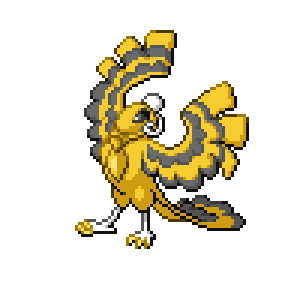
Kakcorio holds poison-filled cotton in its pincers to defend its territory. The toxin can cause weak-willed individuals to experience delusions and dance uncontrollably.

Kakcorio floats through meadows late at night, its hard body rocking back and forth while an eerie tune plays from an unknown source. It is said that staring at it too long will cause horrifying visions.

Legends say Kakcorio ushers the souls of the dead closer with a slow, ritualistic dance before absorbing them for energy. It uses this energy to harden its shell, preparing for its next evolution.
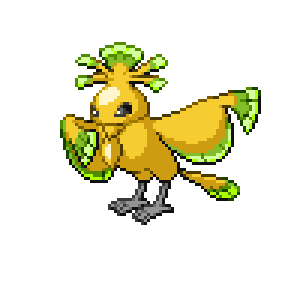
The mushrooms on Kakras's back have roots that pierce its hard outer carapace, drawing nutrients directly from its body. It feeds on tree roots to nourish both itself and the fungi.

The hard portions of its mushroom leak a fluid that can be used in salad dressing. The fluid tastes sweeter based on the type of tree sap it consumes.

Beneath Kaknat's thick fur lies a tough exoskeleton, providing extra defense. At night, it curls around the base of light posts, staring contentedly at the glow.

Kaklett periodically sheds fragments of its shell while digging. These pieces decompose naturally and enrich the surrounding soil.

Kaktrio form large underground colonies beneath forests. They remain hidden together while awaiting evolution.

Though its body is long and vine-like, Kaksprout's hardened shell is tougher than stone. It blends in among thick undergrowth, relying on its durability to remain undisturbed.
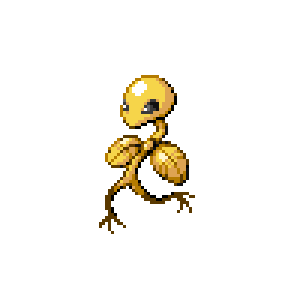
Kakbell lures prey like Spearow into its gaping mouth using its Weedle-like tongue. Once inside, they are engulfed by a thick, silvery acid that dissolves them completely.

Kakfetchd spends most of its time flying. Its beak is the same material as the leek it carries and can be used in stews.

While digging, Kabulett's shell hardens as stones grind against it. Individuals often tunnel alongside others, seemingly comparing shell strength.

Kabulett extends sharp blades from beneath the ground to strike foes. These blades can easily shatter coral formations.

The skin of an Aerodily is extremely elastic and is similar to rubber. Due to this, its body is highly resistant to lightning strikes.
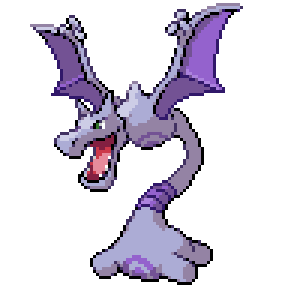
The armor on its body is harder than tungsten. During the summer months, it shines in the sun more brightly than at any other time of the year.
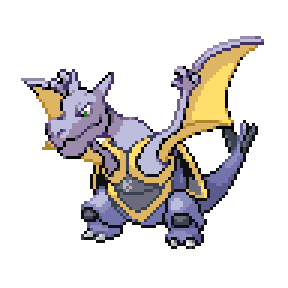
It makes its den on the peak of rarely-traversed mountains. Should it spot someone else living within 100 meters, it will immediately leave.

Its head is harder than any other portion of its body. It rams its face into trees to make them topple, spilling the fruit to the ground.
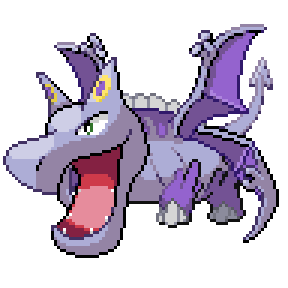
The chunks of amber that it holds are filled with an ancient energy. When gripping them tightly, it lets loose huge amounts of magnetic force.

The stones on an Aerotrum's body will grow for two years until they fall off. The stones can be reshaped to make beautiful sculptures.

The wings on Aeroaura's head allow it to fly despite its body being ill-suited for the skies. It prefers to live in tundras, soaring over icy landscapes while its body dangles below.

Aerosopod somehow achieves flight by waving its claws up and down. This strange method of propulsion has baffled researchers for decades.
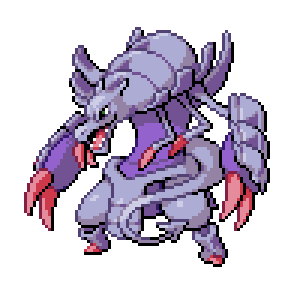
Aerolett's tail whips rhythmically as it plans its daily digging routes. If a predator is spotted, it retaliates using Ancient Power.

Snorcute can sleep for days without moving. While resting, it communicates telepathically with others of its kind, often dreaming in unison.

Using its antlers' psychic waves to detect nearby food, Snortler grazes endlessly. It sometimes falls asleep mid-chew without realizing it.

Snorlax can devour entire berry orchards in hours. After consuming two full groves, it enters a week-long slumber.

While Snorgrowth sleeps in sunlit glades, its vines move on their own. They gather berries and roots silently, feeding Snorgrowth as it dreams.

The dust that comes off of a Snornat's fur is used in creating concealer and eyeliner. Beauticians use this makeup at fashion shows in Unova.

At the first sign of drowsiness, Snorlett burrows straight down up to 50 ft. It refuses to rest anywhere but deep underground.

Snoreel floats onto icebergs after gorging on frozen water. It sleeps for five days straight, undisturbed by the chill.

Tunnels dug by Artilett through mountain ranges emit sudden freezing gusts. These blasts can occur days later and can instantly freeze nearby creatures.

Zapceus's beak can discharge electricity powerful enough to destroy mountains. This overwhelming force led many to believe it was divine.

Zaplett's burrows sporadically release intense electrical surges. These shocks can easily paralyze even a Tyranitar without warning for days after digging.

The tunnels Molett excavates are dangerously molten hot. Prolonged exposure near them can cause severe heat exhaustion that fades over time.

Drabone uses its bone to toy with the fishing lines of nearby anglers. If the bone becomes snagged, it retaliates with Thunder Wave to reclaim it.

It curls its tail tightly around sunken treasures, claiming them as its own. These treasures often remain hidden in its underwater lair.

It splashes water at its opponent with such precision and force that it could level a small home. This powerful spray leaves foes stunned.

It absorbs lightning through its horn, making its body glow brilliantly in deep waters. This luminous effect helps it navigate and ward off predators.

Its nose contains a buoyant gas, causing it to float above the water while it sleeps. With its nose exposed it can smell airborne predators approaching even while resting.
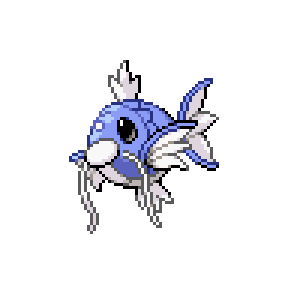
Drato sleeps in clusters on the walls of sea caves. If disturbed, the entire cluster drops into the water in unison, unleashing a synchronized Thunder Wave attack.

Dranite can summon powerful rainstorms when in danger, cloaking itself in heavy rainfall to escape predators. The storms it creates often leave entire areas drenched for days.

It manipulates sand to swirl around its body by using an unusual power. This sandy veil provides both camouflage and defense in desert environments.

Dradum's body is covered in clear metallic scales that flake off upon impact with debris. These flakes are highly valued for use in crafting laundry detergent.

Its teeth sometimes fall out when biting an opponent, and these were once used by hunters to craft arrows. The teeth are sharp and incredibly durable.

Drapix's tails become scalding hot and glow white when preparing to unleash a powerful Ember attack. It sometimes uses this ability to simply warm the surrounding water.

The more moonlight it absorbs, the paler its fur becomes, shimmering beautifully. This transformation is especially visible on clear, moonlit nights.

The frills on either side of its head can remotely manipulate sand. This ability traps foes in the ground, giving it the advantage before striking.

Dragon's nose is prone to becoming warm and dry. To cool down, it occasionally dips its nose into water.
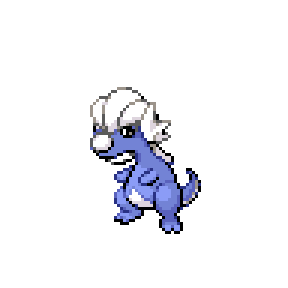
The pearl on Draolett's head shimmers brightly before storms, warning of incoming weather changes. Ancient sailors used it as a natural barometer for safe navigation.

As it flaps its wings, its tail waves back and forth rhythmically. When it smells something it likes, its nose turns a noticeable shade of pink.

It tucks its wings beneath its body, allowing it to float gracefully on the water. This serene position makes it a peaceful sight on calm lakes.
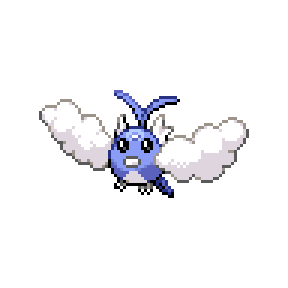
Dramo-o's scales flatten tightly against its body when swimming through icy waters. This adaptation helps it retain body heat, allowing it to thrive in frigid environments.
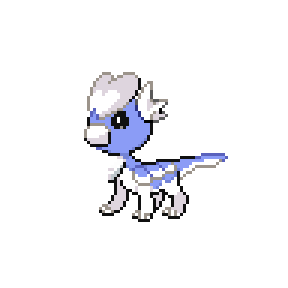
Dralett leaves shimmering scales embedded in tunnel walls. These scales were once prized by blacksmiths for nobles' chainmail.

The dirt it tills is incredibly fertile due to the tiny scales it sheds. Farmers prize this soil for growing high-quality crops.

When its headache worsens, the fin on the back of its head pulses with psychic energy. This creates ripples in the air, signaling its growing distress.

It uses its tail to gather weeds from the lake floor, tidying its environment. These weeds often become a part of its underwater nest.

Drara can perform complex mathematical equations effortlessly. Ancient bookkeepers once relied on them to ensure their tallies were accurate.

The fluid dripping from its tail is incredibly sweet, often used by fishermen to lure aquatic Pokémon. Just a few drops are enough to attract attention.

Dragobone raises its bonelike staff toward the sky to influence the weather. When its territory is threatened, it can summon thunderstorms with ease.

The gem on its belly is prized by fortune tellers, who claim it can reveal an entire year's weather patterns. Many believe its glow changes with seasonal forecasts.

Dragodeen generates massive whirlpools while swimming. These swirling maelstroms are used to trap prey or deter predators.

Dragoking ascends dangerous waterfalls with ease. Its graceful leaps mesmerize onlookers and demonstrate its strength.

It can fly short distances, which is helpful for scaling waterfalls or finding new water sources. This rare ability makes it a powerful traveler.

Dragokarp makes its home in underwater caves, where it rests undisturbed. Its shimmering presence illuminates the darkest depths.
Its nose turns ice cold whenever a blizzard is approaching. This change provides a reliable warning to those nearby.

Dragonite creates massive twisters with its elegant movements. These powerful storms can level entire forests when unleashed.

The skin it sheds is often used as an ingredient in home insulation. This repurposed material is both durable and energy-efficient.

Dragovile raises its clawed hand alongside its staff to summon powerful storms. These storms can rage for mere minutes or persist for an entire day, depending on its intent.

It tightly grips an enemy with its large arms before unleashing a fierce Hyper Beam. This move is devastating and leaves little chance for escape.

Its horn glows a dark blue when a large hurricane is nearing. This eerie light signals impending danger to those who understand it.

Dragosharp dances elegantly with its bladed arms while bathed in the glow of the gems on its tail. It is said that performing this ritual can summon an intense rainstorm.

Terrible energy resides within its body, so it must remain calm each day to avoid catastrophic explosions. Its disciplined nature keeps this power under control.

The fur on its head and neck becomes extremely soft in summer, hardening as winter approaches. This seasonal adaptation keeps it comfortable all year.

The gems along its spine glow in different colors, changing based on the type of attack it uses. This vibrant display is both beautiful and intimidating.

The orbs on its shell absorb sunlight, allowing it to use the energy later as a heat source. When threatened it can create massive twisters.

The small wings on its head begin to shudder when a thunderstorm is on the way. This sensitivity to storms helps it find shelter in time.

The blue crystal on its belly can emit powerful energy beams. These bursts of energy are both dazzling and dangerous to behold.
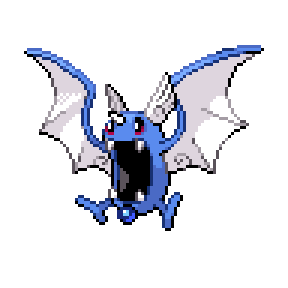
Its antennae begin to twitch before a hurricane, sensing the atmospheric changes. This early warning helps it seek safety.

When Dragomo-o wishes to summon a thunderstorm, it howls at the sky, its voice echoing across the land. During this time, its back scales shimmer with a brilliant cerulean glow.

By rubbing the thin scale on its head, Dragomo-o can manipulate the weather at will. With little effort, it can summon a raging blizzard to obscure its presence.

If an intruder enters its territory, Dragoty stamps its feet in rage. The gem on its neck glows yellow as it prepares to summon a thunderstorm.

If dissatisfied with the weather, Dragolett will alter it upon surfacing from its burrow. Sudden rainstorms can form instantly at its whim.

When its headache becomes severe, it unintentionally summons a rainstorm. This phenomenon often cools its mind, bringing relief.

It can detect abnormal weather patterns but reacts so slowly that it only alerts others after the weather has already arrived. This delayed response keeps it calm yet behind the times.

Dragobone's orange scales glisten like stars as it flies at night. It prefers solitude and will abandon an area for months if it is spotted.

In ancient times, worshippers pressed Dragoceus's scales to their foreheads during sacred dances. The dance steps themselves have been lost to time.

When bored of digging, Dragolett erupts from the soil and takes flight. It can reach speeds comparable to a commercial jet.

The dust that comes off of its antennae can cause drowsiness in children. It will then wrap the child with a sticky string and bring it to its hive.

Beebone defends its hive by hurling its bone across great distances. The bone is coated in a thin layer of poison.

Its antennae can detect subtle changes in humidity and determine if it will rain. With this knowledge, it hides from rainstorms with ease.

The honey that it cultivates is used in many different desserts within the Hoenn region. A restaurant on the S.S. St. Flower uses it in their Cheri Berry Cupcakes.

When angered, its eyes will glow a deep red. Beesir makes a loud buzzing noise from its mouth as it chases down its prey.

The spike on its tail contains a dangerous venom. If boiled down, the venom can be used to polish wooden furniture.

Beevee buries its face in flowers to consume pollen. Its genetic makeup allows it to evolve spontaneously depending on environmental conditions.
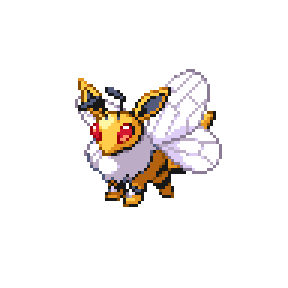
The stingers on its arms can extend up to 10 feet from its body. The stingers are exceptionally sharp and able to pierce metal.

It pokes holes in the ground with its stingers to mark its territory. It expels small amounts of horrible smelling poison that is unique to each Beeian.

Its legs are coated in a thick black poison. As it runs it drips poison on the ground behind it, killing any nearby vegetation.
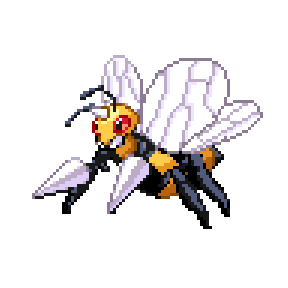
It has the ability to spit a corrosive honey from its mouth. It does this while flying to catch its foe off-guard.

Its eyes can recognize heat signatures from afar. It uses this ability to identify friends and family.

This Pokémon hangs from trees using thin strands of honey. The honey itself contains a very mild toxin, but it does not affect humans.

It uses the stingers on its arms to drill into trees. Once it has a tree cut open, it will drink the sap inside.

It prefers to eat roses and daisies over all other plants. Its stinger holds a powerful toxin that causes blurred vision and high fevers.

Its wings never flap and stay on its back, unmoving. It uses an unknown power to float in the air, causing the air around it to ripple.

Beeno produces a sticky honey that constantly drips from its head, often making it difficult for Beeno to see. This honey is only secreted during its waking hours.
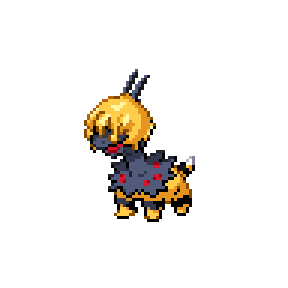
Beebarel constructs sticky honeycomb within its riverside lodges. The sweet scent of honey in the air makes its home easy to locate.

It cultivates honey that is extremely high in protein. Bodybuilders use this ingredient in supplements to increase their muscle mass.

Beeroth enters a frenzy, wildly swinging its stingers if anything approaches its hive. The honey produced inside is highly nutritious and sought after.

As it consumes flowers, a yellow fluid leaks from its pores. Though it has the appearance and scent of honey, it's actually a powerful toxin.

The sound waves that burst from its mouth sound like billions of buzzing insects. This can cause nausea and dizziness.
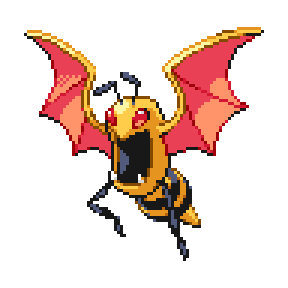
Its stinger is extremely heavy, making it uncomfortable to fly for long periods. It will roll on its back to show respect to the leader of its swarm.

A swarm of Beepede will gather to form a nest out of their own bodies. Should the nest be approached by a predator, they will roll away in unison.
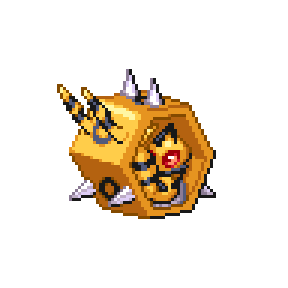
It flutters from flower to flower searching for its favorite pollen. Should it find its most coveted treat, it will consume the entire flower.

It does an odd dance while collecting pollen from flowerbeds. Once it has enough, it will spin and spread the pollen to other flowers.
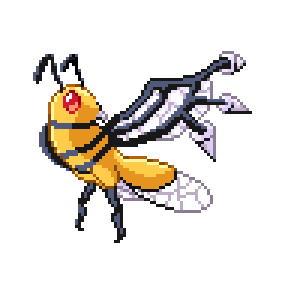
This Pokémon will gladly cheer atop its hive for hours. Should Beecorio spin during the cheer, small amounts of crystallized honey will be scattered from its feathers.

It swings its stingers in circular patterns while dancing. It emits a fragrance that smells like honey from its crown.

Its furry body is filled with highly-pressurized honey. The honey leaks from its paws, leaving a trail while it walks.
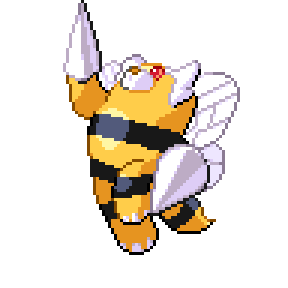
The mushrooms that grow on its body smell like honey. If boiled, they can create a tea that can help eliminate a sour stomach.

Beepod lounges on logs to bask in the sunlight when no one is around. If it spots an intruder, it panics and emits a frantic buzzing noise while fleeing.

This Pokémon uses its stingers to drill into mountain walls. This Pokémon's honey is used by a bakery in Riyado Town that creates delicious Salac Berry Tarts.

After long periods underground, Beelett emerges to buzz its wings violently. This shakes off clinging dirt, which it finds deeply unpleasant.

Subterranean hives created by Beetrio can exceed 300 feet in length. Even minor disturbances trigger violent swarm responses.
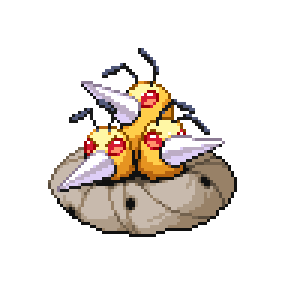
Beebell leaks a thick, candy-scented honey from its mouth. If a Pokémon enters its mouth to eat the honey, it swiftly inhales and traps them.

Many online forums depict Mewceus as a wrathful psychic force. These websites believe disasters strike nations that fail to show it proper reverence.

In fits of rage, Mewlett releases massive psychic bursts from underground. The force is strong enough to topple skyscrapers.

Mewbone forms a protective bubble of psychic energy while it sleeps. If disturbed, the barrier bursts and it retaliates with psychic blasts channeled through its bone.

Small villages once viewed Mewceus as a god of childhood and play. When resting, it encases itself in a floating bubble and drifts peacefully.

Mewlett naps peacefully underground in meadow habitats, leaving its tail exposed and wagging. Ancient texts praise its gentle and playful nature.

Chikochu releases a soothing rosemary scent moments before discharging sparks. The aroma lulls opponents into a false sense of security before the shock hits.
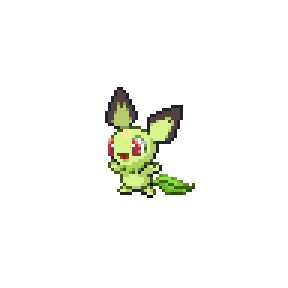
This Pokémon releases a subtle scent that puts others to sleep, allowing it to steal from them undisturbed. The effect wears off by morning, leaving no trace, and no memory of what occurred.
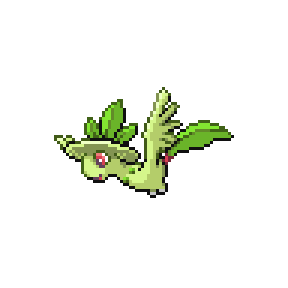
When it waves its leaf, it lets loose the smell of fresh barley. The leaf itself is extremely soft and is used by Chikobull as a pillow.

Chikosel's razor-sharp claws are prized by chefs, as boiling and chopping them releases a minty aroma. In the wild, it uses these claws to slice herbs for its meals.

It releases an aroma that triggers a sense of panic in those nearby. The scent lingers in the air, unsettling both Pokémon and people alike.

Each successful strike from Chikorogue releases a fresh dill-like scent. The stronger the strike, the more potent the aroma.

Chikochu extends its vines during lightning storms, absorbing electricity to store in its body. This energy keeps it active and alert even during extended periods of darkness.

Chiko Jr. frequently mimics shopkeepers, matching their gestures and expressions with surprising accuracy. When it perfectly copies someone, it emits a refreshing herbal fragrance.

Chikoshrew's burrows are lined with roots that release a faint chive-like aroma. This scent marks its territory and deters unwelcome visitors.

Chikoran gives off a scent reminiscent of baked bread, attracting both humans and Pokémon. This aroma makes it a comforting presence in forests and fields.

If Chikosol senses an approaching tornado, it releases an intense basil-like scent. This aroma spreads far, acting as a warning signal to Pokémon nearby.

This Pokémon consumes rotten vegetation, using it to nourish the plants on its back. Its ability to recycle decay makes it a vital part of the ecosystem.

Chikoiard's leaf-blade can slice through titanium with ease. As it swings, it emits a pleasant sugary scent that confuses predators.
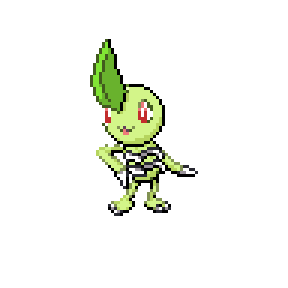
This Pokémon sleeps near pools of lava, using the heat to keep its body warm. This habit ensures Chikopix stays active even in the coldest environments.

Chikolu can sense the aura of those nearby. If it detects a strong opponent, it emits a basil-like scent, signaling both caution and respect.

When Chikonx grows frustrated, it hops in place while releasing a thyme-like scent. This is a warning sign, as it is about to unleash a powerful electrical discharge.

Chikorua disguises itself as toddlers in parks, hoping to be taken home. A strong turmeric scent clings to it, making it possible to identify a fake.

Each flap of Chikobat's wings releases a delicate hibiscus fragrance. This floral scent distracts foes just before it stuns them with Supersonic.
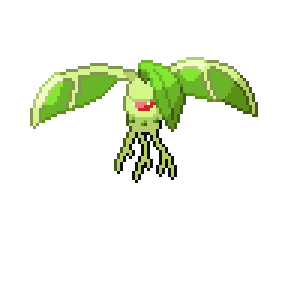
While dancing, this Pokémon hums a rhythmic cadence that captivates any onlookers. The longer Chikocorio dances, the more difficult it becomes for those watching to look away.
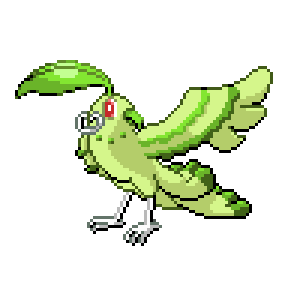
It expels a verdant powder that paralyzes foes on contact. The powder spreads easily through the air, creating a natural defense against predators.
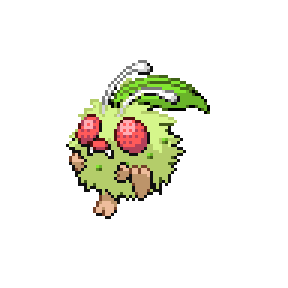
While sleeping underground, Chikolett leaves a single leaf exposed at the surface. This leaf emits a foul odor that deters most predators.
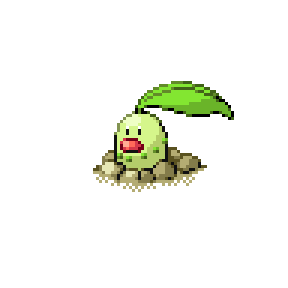
Baylett's burrow is filled with a soothing scent released from its leaf. This aroma keeps its young calm and prevents panic underground.

As Megalett digs, nearby soil briefly supports rapid plant growth. Small saplings sprout and bloom within a day, but wither within a week.

Cyndabone releases intense flames from the tip of its bone when threatened. The heat is strong enough to turn sand into glass almost instantly.

When it flaps its wings, it releases bursts of hot air, creating gusts that disorient foes. These waves of heat also give it an advantage in aerial battles.
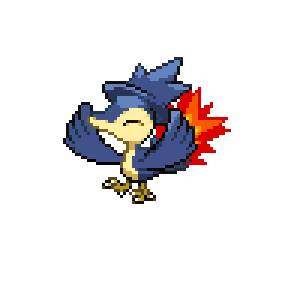
As it rolls, it leaves a burning path in its wake, scorching anything it touches. This blazing trail makes it a formidable foe during battles.

Its flames blaze intensely whenever it cries, making it difficult to comfort. This emotional outburst often forces others to keep their distance.

A swirling vortex of flames surrounds its den, deterring would-be intruders. Only the bravest Pokémon dare approach its blazing lair.

If submerged in a pond, it causes the water to boil instantly. This strange ability makes it a dangerous companion around water.

It resides on islands made of cooled magma, finding warmth in the volcanic rock. This environment ensures it stays comfortable despite any changes in weather.

If pursued while tunneling, Cyndalett superheats the surrounding soil. The sizzling dirt slows predators long enough for escape.

Its speed increases significantly when it consumes spicy peppers. These fiery treats fuel both its flame and its agility.

It channels embers into its punches, delivering fiery blows to opponents. Each strike leaves a smoldering mark on whatever it hits.

It controls its flames with psychic powers, shaping them into precise forms. This unique skill makes its fire-based attacks highly unpredictable.

When resting, Quilett raises the temperature of the soil around its body. This intense heat discourages predators from approaching its nest.

Island villages worshipped Typhceus as a volcano god. Massive beach designs were drawn as offerings, believed to bring it great joy.

Typhlett heats the ground beneath its prey to burning temperatures. The soil can become hot enough to scorch exposed flesh.

Totogon's skin can become slick and nearly frictionless, allowing it to dart through water at incredible speed. It leaves a faint shimmer as it swims.

Tototata sprays jets of water at passing travelers to knock food from their hands. With a cackle, it snatches the meal and vanishes beneath the water.
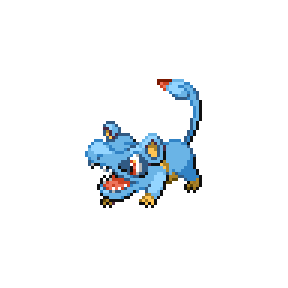
Southern cities once believed Totoceus to be a god of waterfalls. Its shed fangs were preserved and used in ceremonial worship.

Totobish fills dumpsters with water before tearing into rotting food. The soggy texture makes the food easier to swallow and more to its liking.
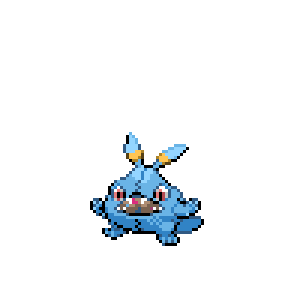
Totoeanie shoots water from its mouth that is extremely poisonous. Prolonged exposure to this water can cause blindness, making it a dangerous adversary in battle.

Totolett digs near riverbanks to create concealed pitfalls. It uses fragrant herbs as bait to lure prey like Poliwag.

Tototh dives into park fountains to steal coins from the bottom. It will flee into a nearby river to store its coins.

Crocobone splashes water with its bone to communicate with others of its kind. If a curious onlooker approaches too closely, it snaps at them in warning.
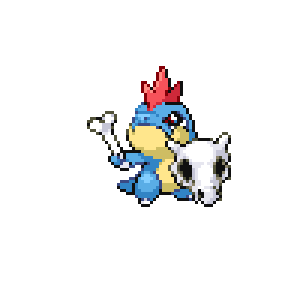
Living beneath riverbeds, Crocolett senses vibrations through flowing water. It erupts upward at high speeds to snap at passing prey.

Pidfing's wings expel puffs of toxic gas as it flies, leaving a faint purple haze in the air. It prefers to roost near industrial zones, where the pollution enhances its strength.
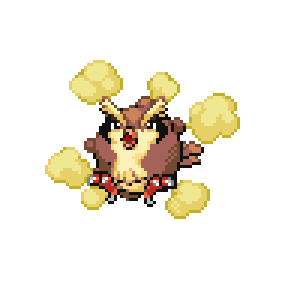
Pidvee digs through the dirt with its beak, frantically searching for Evolution stones. It can persist for days, never stopping until it unearths one.

Piduna remains motionless in trees, blending in with its hardened, brown feathers. If disturbed, it will release a cloud of fine dust that causes mild paralysis before taking flight.

Pidba glides through the morning mist, its wings coated in a fine, reflective dust. It flutters above flower fields, leaving behind tiny sparkling trails as it moves.

Pidbuff flutters playfully through meadows, singing a high-pitched melody as it flies. Those who hear its tune often feel a sudden drowsiness, making it an effective deterrent for predators.

Pidpi chirps joyfully at sunrise, spreading a calming energy wherever it flies. Its eggshell glitsens in the sunlight if it is healthy.

Before building a nest, Pidtu uses its psychic abilities to determine if the area will flood in the future. If safe, it weaves a sturdy nest using gathered weeds and vines.

Pidpom clings to trees with its sharp talons. Its long neck allows it hunt for its prey with speed and ease.
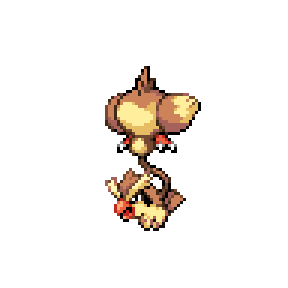
When flying, Pidma extends its wings and unleashes a loud buzzing noise. This makes it very noticeable to the prey it chases.

Pidicate is primarily active in the morning when looking for twigs for its nest. Its wings allow it to evade predators.

It uses its psychic abilities to run faster. Pidfarig starts mastering its telekinetic powers at a young age by lifting Berries from bushes.

Pidursa collects Hondew Berries in its beak and stores them in hidden nests. Its feathers carry a faint honey-like scent, making Pidursa a favorite target for hungry Bug-type Pokémon.

Pidans glides over swamps in search of prey, striking from above with its venom-coated beak. A single peck can be enough to paralyze a Poliwag instantly.

A thick, inky brown goo seeps from Pidgle's tail feathers, giving off an intensely pungent odor. This foul-smelling substance is used to repel predators from its nesting grounds.
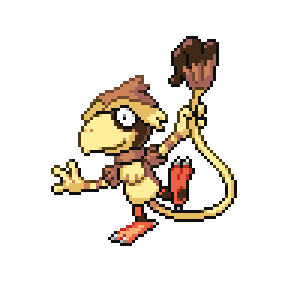
Pidlax can strip a Watmel Berry tree bare in less than an hour. It knocks the berries loose mid-flight with powerful wing beats before devouring them.
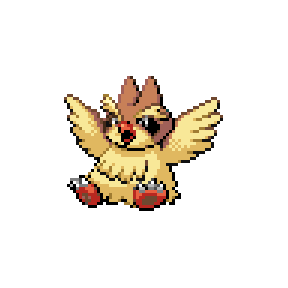
Pidolu uses its tail feathers to adjust its position mid-air, allowing it to deliver precise aerial kicks. Its movements are swift enough to counter even the most agile opponents.

Pidpuff's wings create soft, soothing vibrations as it flies, lulling nearby Pokémon to sleep. If it gets angry, it will puff up its chest and let out a loud, echoing chirp in frustration.

Pidew perches on tree limbs, digging its talons deep to absorb nutrients. When it has fed enough, the bud on its body pulses rhythmically.

Pidloon's gas-filled, feathery body allows it to float gently over flower fields. Its talons are deceptively strong, capable of seizing prey like Bellsprout in an instant.

Pideary soars over carrot fields, searching for diseased or damaged crops. It plucks them from the ground with its beak, keeping the fields healthy.

Pidtik's feathers store static electricity, crackling softly as it flaps its wings. When it perches on power lines, it absorbs small amounts of energy to maintain its strength.

Pidling's keen eyesight allows it to detect even the slightest movement in tall grass. Once it spots prey, it launches a precise blast of flame from its beak.

Pidesta shakes its feathers rapidly to scatter glowing embers in the air, creating a dazzling display at dusk. If threatened, it ignites its beak, making itself appear threatening.

The tips of Pidpede's feathers secrete a clear, paralyzing toxin. When threatened, it flutters its wings to scatter the venom and stun larger predators before escaping.
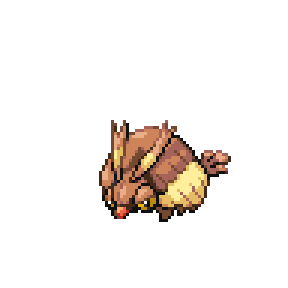
Pidoom secretes a Chesto Berry-scented sap from its beak to lure in unsuspecting prey. Once they get close, it dispatches them with a sudden Gust attack.
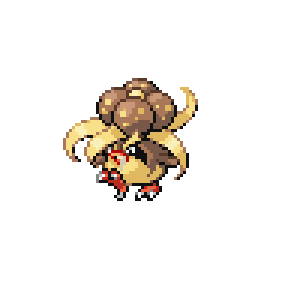
Pidlu's wings are covered in soft, fluffy down that repels dust and dirt. It glides effortlessly through the sky, leaving behind delicate trails of shimmering feathers.
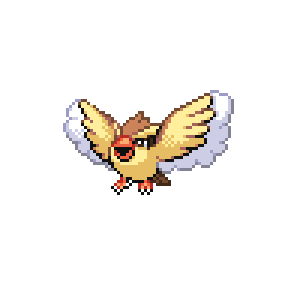
Pidgast emits distressed chirping noises to lure in unsuspecting prey like Ekans. Once close enough, it drags them beneath the sand's surface.

When Pidpod gets its feathers wet, they shake violently to dry off. This draws predators' attention, causing them to scatter and dive, getting wet once again.
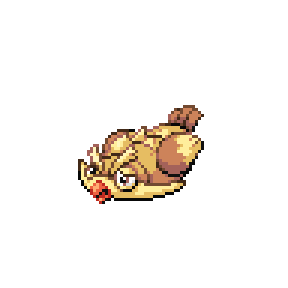
Pidtad perches on lily pads, waiting for prey like Feebas to emerge before striking with precise pecks. On rainy days, it spreads its wings wide to collect raindrops, cooling itself in the humid air.
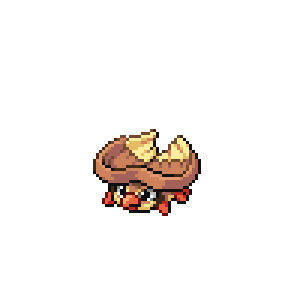
Pidtrio inhabits soil near cliff faces. Its piercing morning chirps are infamous for driving nearby residents away.
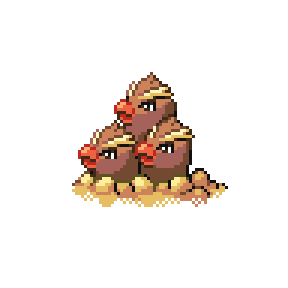
Pidkey becomes highly agitated if the wind ruffles its feathers too much. It dive-bombs intruders from treetops, striking repeatedly with its talons until it feels its pride is restored.

Pidlithe is fiercely loyal and will chirp loudly to warn its Trainer of danger. If threatened, it exhales bursts of warm air from its beak, singeing any would-be attackers.

Pidbra's feathers shimmer faintly with psychic energy, allowing it to sense changes in the wind. It can teleport vast distances without ever needing to rest.

Pidsprout grabs at prey using its vine-like talons before striking with its sharp beak. Once caught, it constricts its victim tightly to prevent escape.

Pidfetchd nests near leek fields, using its sharp beak to uproot and feast on crops. It fiercely defends its territory from those who try to harvest its favorite food.

The thick mud-like substance that covers Pidmer's body is highly toxic. It frequently flies into smokestacks to absorb pollutants, growing stronger from the contamination.
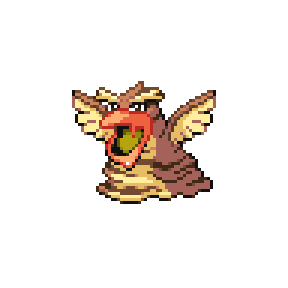
Feralett forms whirlpools while burrowing beneath rivers. Once prey is trapped, it follows with a powerful bite.

Should it hear an enemy approaching, it will run into a patch of tall grass. It can dash at high speeds by using its hind legs.
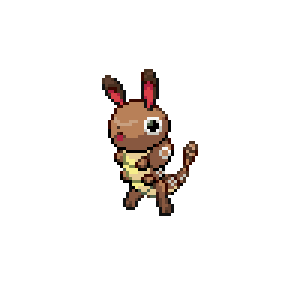
Sengela's body is surrounded by over 100 tail-like vines. They move independently to parry, strike, and entangle foes in battle.
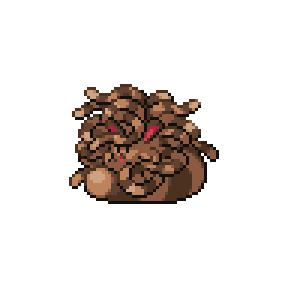
Sents uses telepathy in groups of three to scan the prairie for threats. If danger is near, it subtly warns its allies to hide with telepathic screeches.
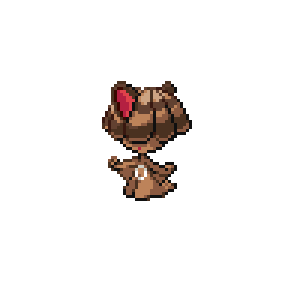
Its mustache twitches noticeably whenever it uses a psychic ability. This behavior gives away its intentions during battles.

It wags its fluffy tail to distract foes before delivering a swift uppercut. It keeps a cheerful smile throughout the entire attack.
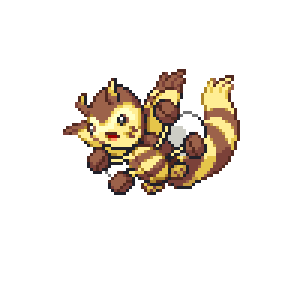
It spins thin silk around the nests of its allies, creating an early warning system. When predators approach, it chirps to alert others to flee.

It refuses to stop eating once someone starts feeding it, even after becoming full. Trainers are warned not to feed wild Furotto, as it may grow too heavy to fly.

The flower on its head spins to draw in air, filling its internal gas sack. This allows it to lift off the ground and float gently.
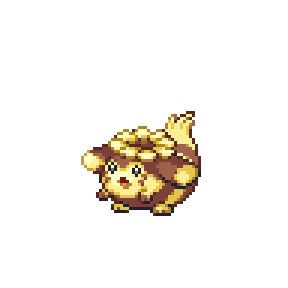
The puffballs on its body are actually furry gas sacks. It uses them to float gently through the air, drifting lazily across flowerbeds.

It sticks its long, furry tail into tree holes to search for valuables or food. Once it finds something, it chuckles mischievously and runs off with its prize.
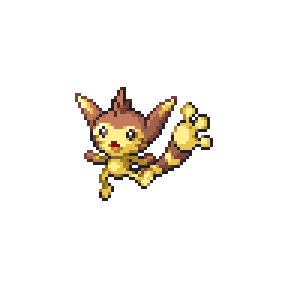
It nests near herb gardens, favoring basil and thyme above all others. It often collects large bunches to store in its home.
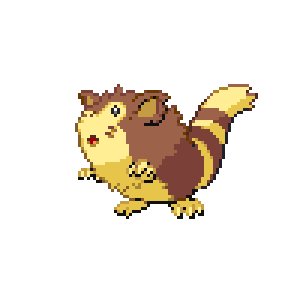
It uses its furry antennae to psychically detect nearby enemies. This makes it nearly impossible to sneak up on.

Its fur is composed of soft needles resembling pine needles. While harmless, they are enough to dissuade potential predators due to the spiky appearance.
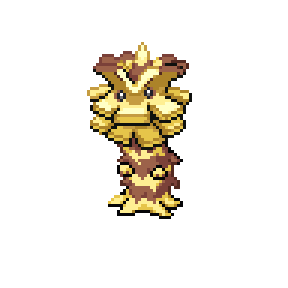
Its neck is deceptively long, able to extend up to five feet from its shell. This helps it reach distant objects while staying safely tucked away.

There is a tailor in Castelia City who uses Furow feathers to craft luxurious winter garments. The soft and warm material makes them highly sought after.
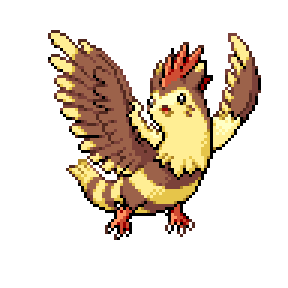
It channels psychic energy through its furry antlers to cleave open trees. The sap inside becomes its favorite treat.

When it encounters a hungry young Pokémon, it offers them its nutritious milk. Its long, fluffy tail provides warmth and comfort while they feed.

Its long, furry tails wrap around its friends on cold winter nights. This behavior helps keep them warm and builds camaraderie in their group.

Furchic's tiny wings are covered in warm fur. It can easily navigate tundras without getting cold, using its insulated wings to keep warm in even the harshest climates.

Its fur grows fluffy during the winter, becoming especially thick if it senses an approaching blizzard. This natural adaptation helps it endure harsh cold.

Furcada is often found burrowing through turnip fields, making its home among the roots. It feasts on the crops, much to the frustration of local farmers.

When its fur gets wet, it becomes greasy and slippery. This makes it incredibly difficult for predators to grab hold of it.

It builds its den near sunflower patches, plucking seeds daily for its meals. It retreats to the safety of its home to enjoy its food without interruption, heating it with gentle flames.

Its friendly face lulls foes into a false sense of security. However, it can spit acid from its mouth, catching them off guard.
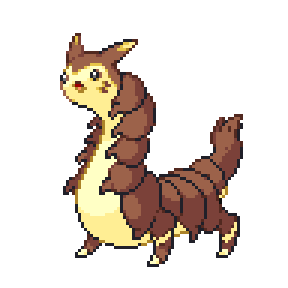
Although it looks like fur, its body is actually made of living birch-like wood. This gives it a unique texture and appearance.

Its actual body is remarkably thin, with 90% of its bulk being fluffy fur. In winter, its coat becomes even thicker, making it look much larger than it is.

Furkaboo launches its furry upper body up to five feet in a sudden, spring-like motion. This eerie surprise is used to startle foes before attacking.
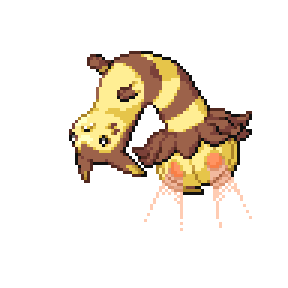
Constant digging mats down Furlett's thick fur. It supplements its diet by chewing on underground bush roots.

The fur on its tail seems to move on its own, frequently rubbing the back of its head. This only worsens its chronic headaches.

It wags its tail back and forth to channel its powers. Once it builds up enough psychic energy, it will unleash it in waves.

It wields its leek like a lance, jabbing at foes with surprising strength. The force of its strikes is powerful enough to crack concrete.

It uses one head to curiously peek into others' dens while the other head keeps watch. If the den is nicer than its own, it often becomes envious and attempts to destroy it.
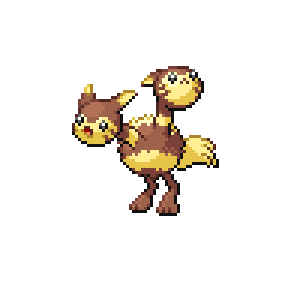
During the night, it lets out a soft hoot to let others of its kind know it is safe. If the hooting ceases, danger is nearby.

It hoots involuntarily at night, letting predators know of its location. It frantically flies from tree to tree, hoping to find safety.
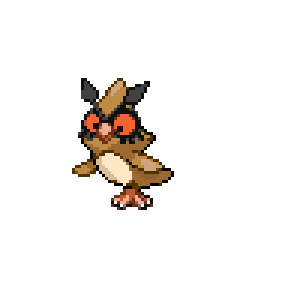
It makes its home in rafters of abandoned laboratories. It will mimic the appearance of other Hoothoot flocks in an attempt to mate.
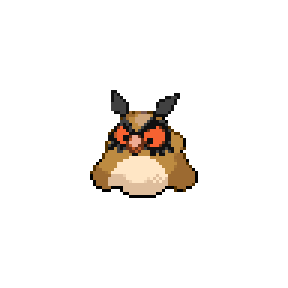
While sleeping through the day, Hootuna's feathers harden to a stone-like state. A diet rich in berries increases their density and toughness.

Hootret's tail wags back and forth while it sleeps, mirroring the ticking of a clock. If it experiences a nightmare, its tail spins so rapidly that it can knock over small objects nearby.

Hootowl's head rotates slightly each hour while it sleeps, always staying aware of its surroundings. If awoken too early, it will let loose a sudden telekinetic blast in frustration.

Hootchu emits tiny sparks while napping during the day, occasionally letting out soft, rhythmic hoots. If startled, it discharges an accidental jolt before flapping away in confusion.
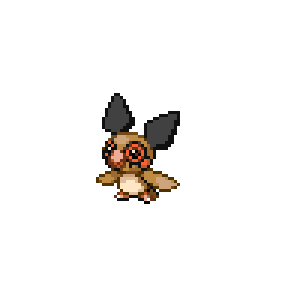
Hootreep's fluffy feathers store intense static electricity. A single touch can render a person unconscious for several minutes.
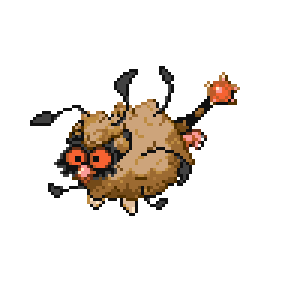
Hootwoodo hides in plain sight beside clocks in store displays, standing perfectly still. Strangely, it hoots loudly at midnight, even when asleep.

While gliding, Hootgar spreads its wings and moves its head rhythmically like a metronome. Researchers remain unsure why it performs this behavior.